
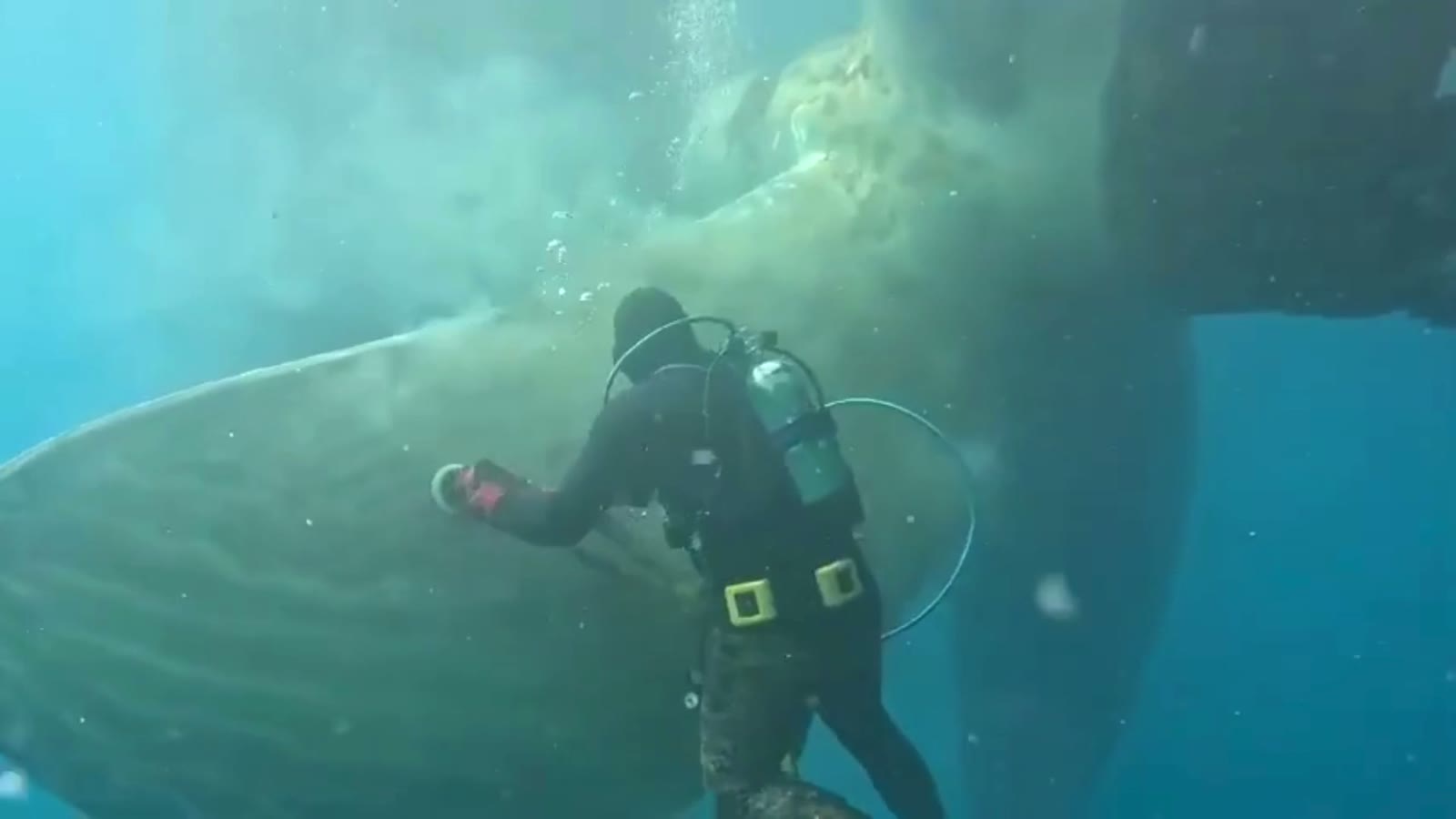
In-water hull, hold and tank cleaning
vessel stays on hire
Cleaning that passes first inspection
Trusted marine cleaning across global ports. We specialize in professional Hull, hold, tank, cleaning and maintenance — keeping your assets safe, compliant, and ready for their next voyage.
- Experienced marine cleaning professionals
- Industry and port-compliant procedures
- Eco-friendly cleaning solutions
- 5+
- Years Experience
- 30+
- Clients
- 100+
- Project Done
- 40+
- Team Member
One Mobilisation. Multiple Marine Solutions.
From underwater services to hold preparation to tank cleaning, CleanShip delivers end-to-end solutions through one coordinated teams.

Not sure which scope you need?
Send us the vessel, the previous cargo and the port. We tell you what the job actually requires — including when it is less than you were expecting.
Why Will You Choose Our Services?
Marine cleaning you can trust, backed by Industry compliant procedures and years of hands-on experience. Every vessel we service reflects our commitment to reliability, efficiency, and care.
- Experienced marine cleaning professionals
- Industry and port-compliant procedures
- Eco-friendly cleaning solutions
- Self-sufficient crews and equipment
Safety that is not negotiable
Enclosed-space entry, work at height and diving operations run under written procedures with continuous monitoring and a manned rescue standby. When a space cannot be made safe, we stop and say so.
Documented, not just done
Every job closes with a photographic report, disposal manifests and, where relevant, measurement records and class-acceptable documentation. Your superintendent gets evidence, not assurances.
Eco-compliant by default
Biodegradable, marine-approved chemicals, MARPOL Annex V residue handling and debris capture where the port requires it. Compliance is designed into the method rather than bolted on.
Mobilised where you trade
Core coverage across the UAE and the Gulf, with riding crews and specialist teams that travel to the vessel wherever the fixture takes it.
From enquiry to Job Done
No layers, no account managers relaying messages. You speak to the people who plan and run the job.
Tell us the vessel and the window
Vessel type, previous and next cargo, port, and the hours you actually have. The more precise the brief, the more honest the plan.
We scope it properly
You get a method statement, crew size, equipment list and a realistic duration — including what we think will not fit in the window.
Certified crews mobilise
Documentation, permits and port approvals are handled by us. The team boards with its own equipment, chemicals and PPE.
Inspection and handover
We attend the inspection, rectify observations on the spot, and close out with a photographic report and disposal documentation.
What the work actually looks like
Five service lines, from the propeller boss to the tank top. Every scope is delivered by our own certified crews, with our own equipment.
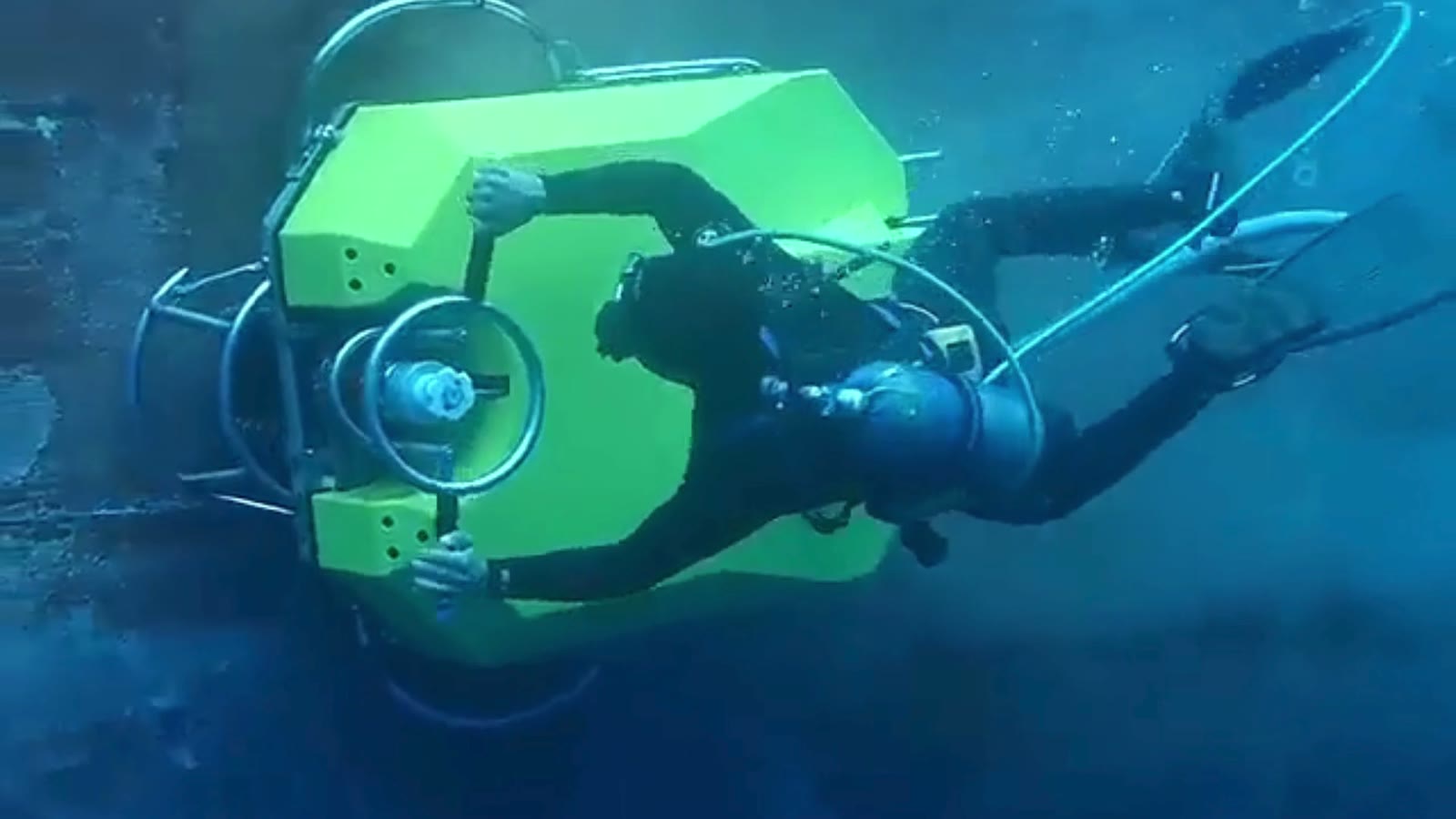
Hull Cleaning
Fuel savings that start the moment the divers surface
5 scopes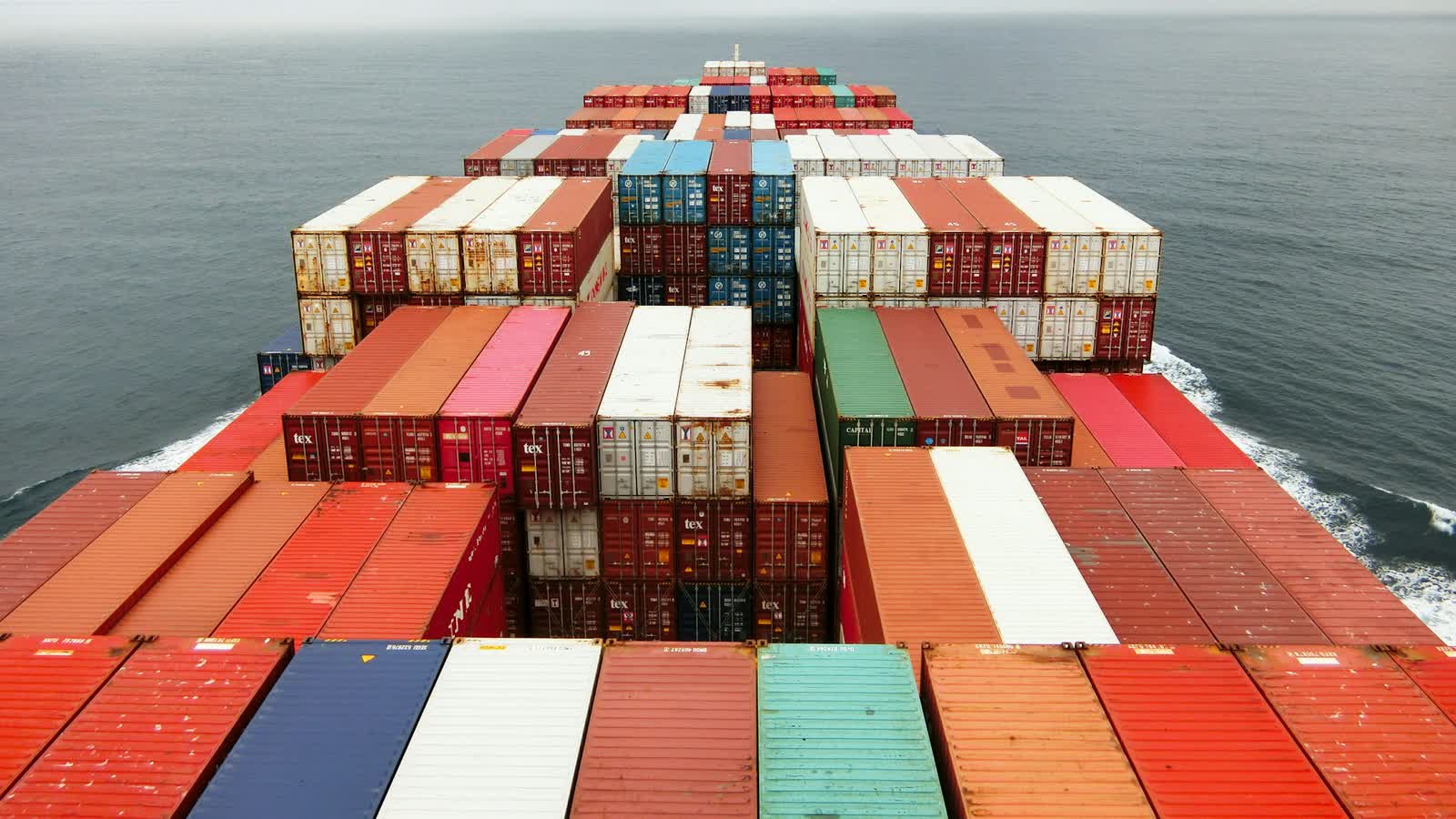
Hold Cleaning
Grain-clean holds, on schedule, first inspection
3 scopes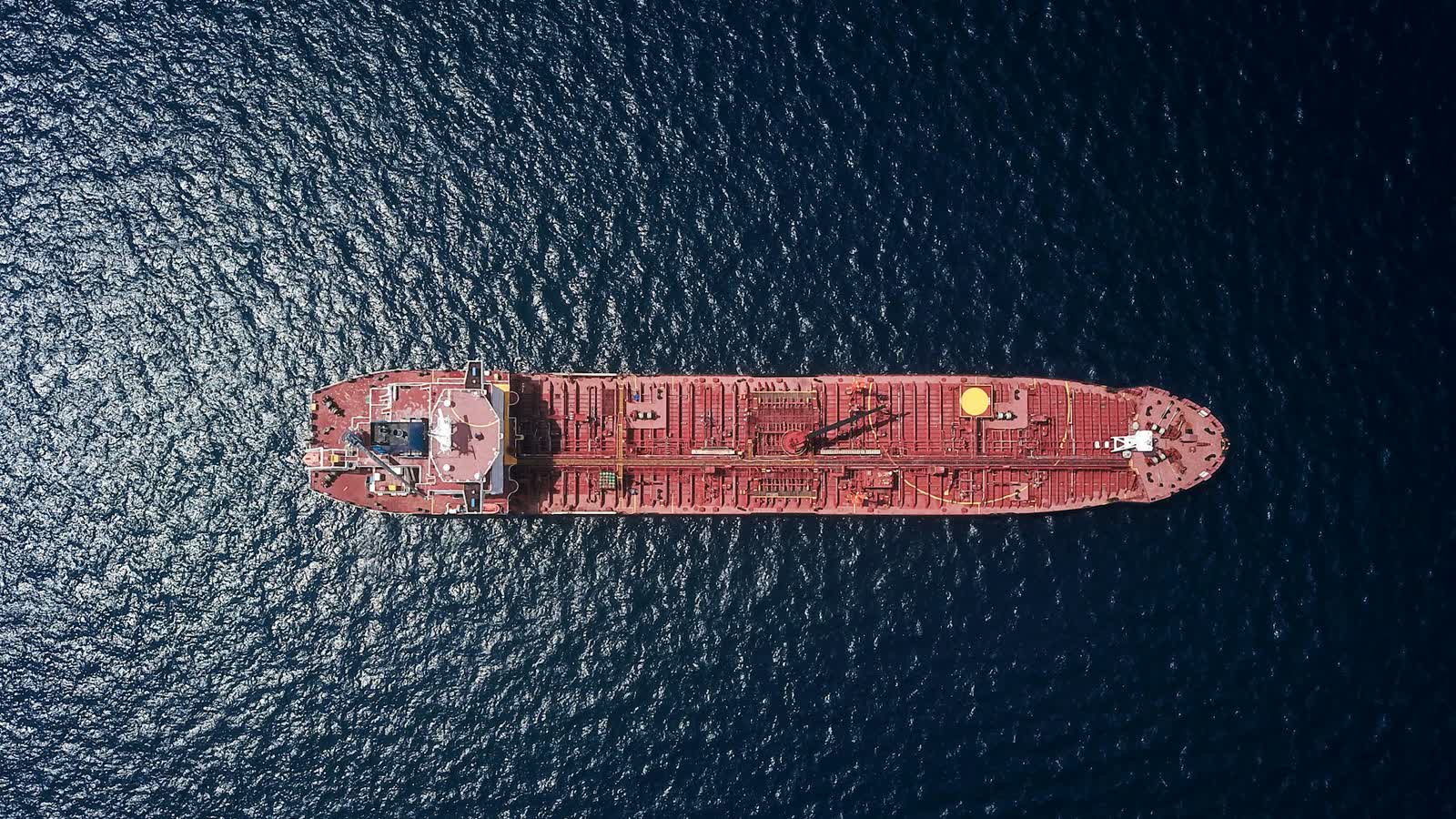
Tank Cleaning
Gas-free, entry-ready, certified
4 scopes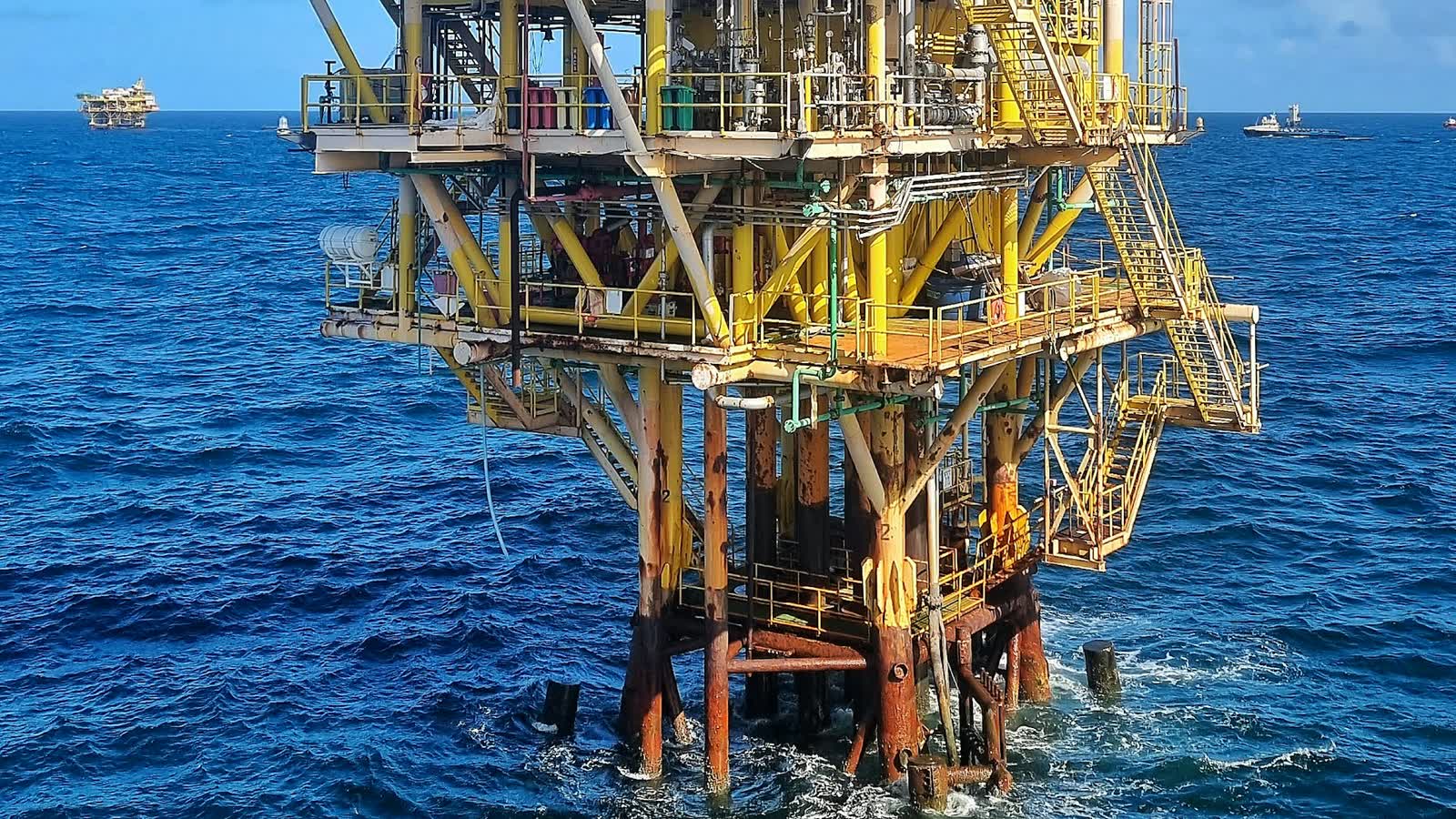
Offshore Services
Certified crews, offshore-ready
4 scopes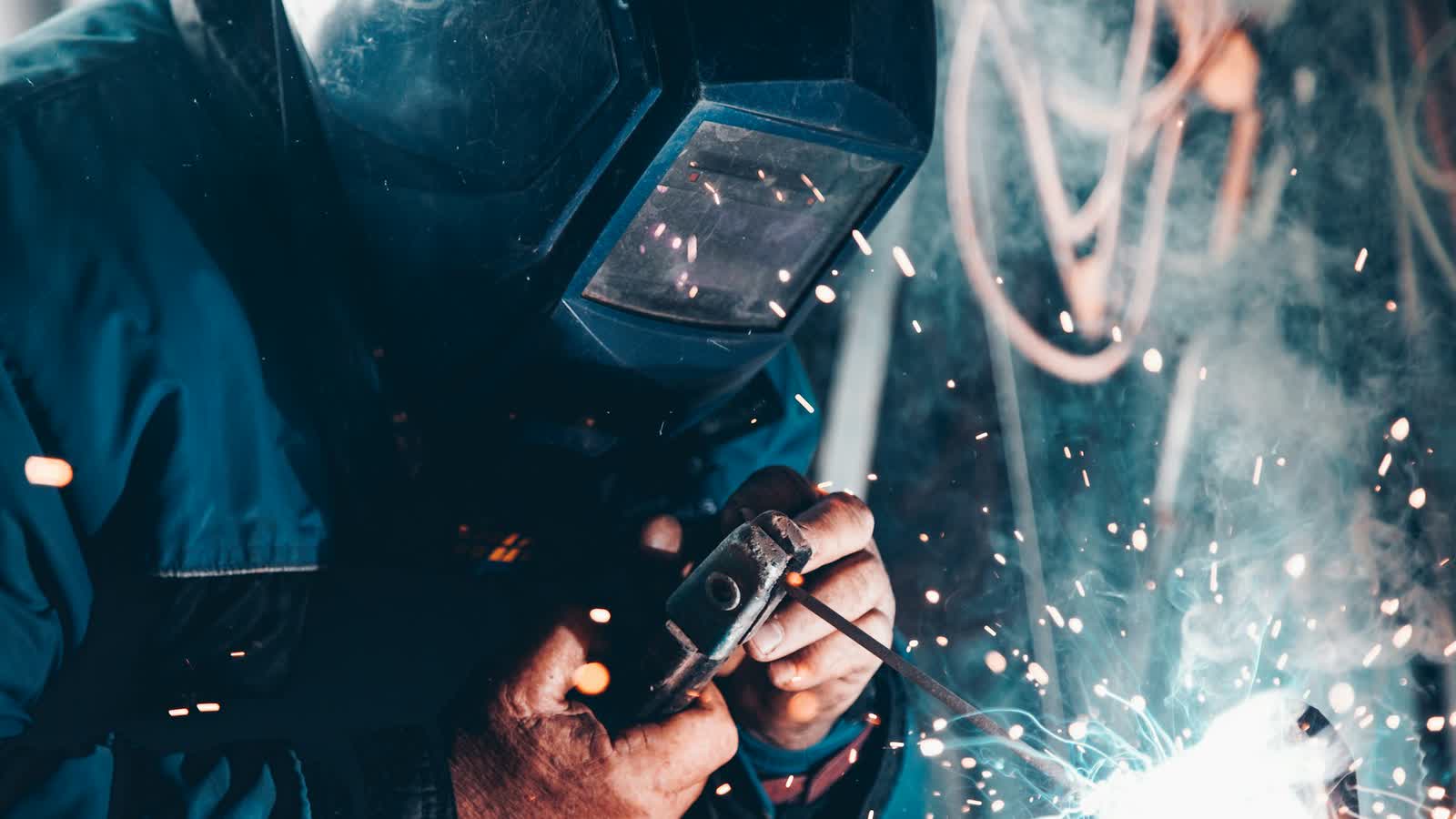
NDT & Repair
Find it, prove it, fix it, protect it
5 scopesEight bases, three regions
Offices and operating bases across the Middle East, South Asia and West Africa — with riding crews that join the vessel wherever the fixture takes it.
Middle East
AjmanHead office
Ajman Free Zone, C1 Building
United Arab Emirates
Fujairah
Al Hail
United Arab Emirates
Khor Fakkan
United Arab Emirates
Dammam
Commercial Centre, 1st Floor, Office 106
Saudi Arabia
South Asia
Kandla
Gujarat, India
Visakhapatnam
Nad Kotha Road
India
Colombo
Mercantile Logistics, No 23, Alfred Place
Sri Lanka
West Africa
Conakry
Sonoco Trade Center
Guinea
Ports & regions served
- Fujairah
- Khor Fakkan
- Jebel Ali
- Dubai
- Sharjah
- Ajman
- Abu Dhabi
- Hamriyah
- Khalifa Port
- Sohar
- Salalah
- Dammam
- Jubail
- Bahrain
- Singapore
- Kandla
- Mumbai
- Visakhapatnam
- Colombo
- Lomé
- Conakry
- + worldwide by arrangement
The things operators ask first
If your question is not here, the operations desk answers it directly — no sales script.
What marine cleaning services does CleanShip Marine offer?
CleanShip Marine offers professional underwater hull cleaning, hold cleaning, tank cleaning, demucking, hydroblasting, marine painting, shore tank cleaning, and offshore vessel cleaning services. We serve bulk carriers, tankers, container ships, and offshore vessels at ports worldwide.
Do you provide hold cleaning at port and hold cleaning at sea?
Yes, we offer both hold cleaning at port and hold cleaning at sea, allowing shipowners to schedule cleaning around voyage timelines and minimize vessel downtime and turnaround delays.
What is underwater hull cleaning and how does it help?
Underwater hull cleaning removes marine growth, algae, and fouling from a vessel's hull without dry-docking. This improves fuel efficiency, boosts vessel speed and performance, and lowers overall operational costs.
What is included in your tank cleaning services?
Our tank cleaning services cover cargo tank cleaning, demucking, shore tank cleaning, and cleaning for offshore vessels, ensuring residue-free tanks that meet safety, compliance, and cargo-readiness requirements.
What is hydroblasting and when is it used in marine cleaning?
Hydroblasting is a high-pressure water-jet cleaning method used to remove rust, old paint, coatings, and marine deposits from ship surfaces safely and efficiently - without harsh chemicals.
Does CleanShip Marine offer ship painting services?
Yes, we provide professional marine painting services that protect vessel surfaces from corrosion, extend hull life, and deliver a durable, high-quality finish for ships of all sizes.
Are CleanShip Marine's cleaning methods eco-friendly?
Yes. We use eco-friendly cleaning solutions and advanced marine-grade equipment to minimize environmental impact while maintaining full compliance with international maritime cleaning standards.
Which vessel types and ports does CleanShip Marine service?
We provide marine cleaning services for bulk carriers, tankers, container ships, and offshore installations across global ports, with mobilized teams ready to respond quickly wherever your vessel is berthed.
Who are the marine cleaning experts at CleanShip Marine?
Our hull cleaning and hold cleaning specialists are experienced marine professionals trained in international safety protocols, delivering reliable, efficient, and industry standard cleaning solutions on every project.
How do I request a quote for ship cleaning services?
You can request a marine cleaning quote directly through our website, or contact our team via phone, email, or WhatsApp for a fast response and customized service plan.
What are CleanShip Marine's contact details and working hours?
Our team is available for marine cleaning inquiries via phone and email, with support ready to assist ship operators and fleet managers with cleaning schedules and service bookings.
Ready when you are.
Tell us the vessel, the port and the window. You get a scope, a crew size and an honest duration — usually the same working day.