
Hold tank cleaning in Abu Dhabi is a critical safety and compliance activity that sits at the intersection of cargo integrity, crew protection, and environmental responsibility. In one of the most regulated maritime regions in the world, cleaning standards are not optional routines. Instead, they are structured safety systems that protect vessels, ports, and people.
Abu Dhabi handles a wide mix of bulk cargoes, petroleum products, and industrial materials. Therefore, hold tank cleaning in Abu Dhabi must meet international regulations while supporting fast vessel turnaround. This article explains why the UAE plays a central role in marine cleaning and how hold tank cleaning delivers seven powerful safety gains across modern shipping operations.
Why the UAE Is a Global Leader in Marine Cleaning
The UAE sits on major global trade routes connecting Asia, Europe, and Africa. Moreover, Abu Dhabi ports support energy exports, bulk cargo logistics, and project shipments. As a result, vessels frequently change cargo types, which increases contamination and safety risks.
Hold tank cleaning in Abu Dhabi developed in response to this operational complexity. Port authorities enforce strict inspection regimes, and consequently, cleaning failures can delay loading or lead to rejection. Professional hold tank cleaning allows vessels to operate safely within tight schedules.
What Hold Tank Cleaning Means in Operational Terms
Hold tank cleaning refers to the removal of dry and semi-liquid residues, moisture, dust, and contaminants from cargo spaces that may function as holds or combined tank-hold areas. However, it is not limited to visual cleanliness.
In hold tank cleaning, the process includes residue removal, washing, drying, bilge cleaning, rust scale management, ventilation, and inspection. Each stage reduces hazards before crew entry or cargo loading.
Regulatory Framework Governing Hold Tank Cleaning in Abu Dhabi
Hold tank cleaning operates under a layered regulatory system. International conventions set the foundation, while local authorities enforce compliance.
IMO and MARPOL Convention Requirements
The International Maritime Organization defines global safety and pollution-prevention standards. Meanwhile, the MARPOL Convention governs waste handling, wash water disposal, and residue control. Hold tank cleaning must follow MARPOL requirements to prevent environmental violations.
IMCA and IAPH Safety Expectations
The International Marine Contractors Association guides confined space entry, gas testing, and risk management. In addition, the International Association of Ports and Harbors promotes standardized safety practices across the world’s ports. These frameworks directly influence how the hold tank cleaning is planned and executed.
7 Powerful Safety Gains of Hold Tank Cleaning in Abu Dhabi
1. Improved Crew Safety During Entry
Cargo spaces are confined environments. Residual gases, dust, or low oxygen levels can create serious hazards. Therefore, hold tank cleaning emphasizes ventilation and atmospheric testing before entry.
A properly cleaned hold tank becomes a controlled workspace rather than a hidden danger zone.
2. Reduced Risk of Fire and Dust Explosions
Certain bulk residues and vapors are flammable. If left behind, they increase fire risk during loading or maintenance. Hold tank cleaning removes combustible materials and stabilizes conditions.
As a result, ignition risks drop significantly during port operations.
3. Prevention of Cargo Contamination
Residues from previous cargoes can contaminate the next shipment. Even small traces may lead to rejection or claims. Therefore, hold tank cleaning protects cargo quality and commercial reliability.
Clean spaces support compliance with Marine Supercargo Final Quality Rules.
4. Enhanced Structural Safety and Corrosion Control
Moisture and residues accelerate corrosion. Regular hold tank cleaning exposes steel surfaces, making early damage detection possible.
Consequently, vessels maintain stronger structures and avoid costly long-term repairs. Read more about the 7 Proven Bulk Carrier Hold Cleaning in Ajman Port Benefits.
5. Environmental Protection in Abu Dhabi Ports
Abu Dhabi enforces strict environmental standards. Improper residue handling can pollute port waters and disrupt operations. Hold tank cleaning follows MARPOL-compliant disposal methods.
As a result, marine ecosystems are protected, and vessels avoid penalties.
6. Safer and Faster Inspections
Port state control and surveyor inspections often require clean spaces. Dirty holds delay inspections and increase accident risk. Hold tank cleaning ensures inspectors can safely assess conditions.
Therefore, inspections become efficient and predictable.
7. Operational Efficiency and Cost Control
Safety improvements reduce operational losses. When hold tank cleaning is done correctly, re-cleaning, delays, and disputes decrease.
Over time, vessels benefit from reduced off-hire and smoother voyage planning. Read more about 7 Proven Benefits of Ship Hold Cleaning in Ajman Port.
Tank, Hold, and Bulk Carrier Cleaning Standards
Hold tank cleaning aligns with broader marine cleaning practices across vessel types.
Hold Tank Cleaning Standards
These standards focus on residue removal, bilge cleanliness, dust control, and surface condition. Charter-party clauses and surveyor expectations play a key role.
Tank Cleaning Standards
Tank cleaning addresses liquid residues, vapors, and sludge. Although methods differ, safety principles remain consistent with hold tank cleaning. Learn more about 7 Powerful Vessel Hold Cleaning Services in Ajman Port.
Bulk Carrier Cleaning Practices
Bulk carriers often change cargo types rapidly. Therefore, hold tank cleaning must satisfy both port authority rules and charterer requirements.
Inspection, Documentation, and Compliance Workflows
In Abu Dhabi, cleaning without documentation is incomplete. Compliance depends on traceable records.
Pre-Cleaning Risk Assessment
Before the hold tank cleaning begins, hazards are identified, permits are issued, and emergency plans are prepared in line with IMCA guidance.
Monitoring During Cleaning Operations
Gas testing, confined space logs, and safety watch records are maintained throughout cleaning. Consequently, risks are managed continuously.
Final Inspection and Reporting
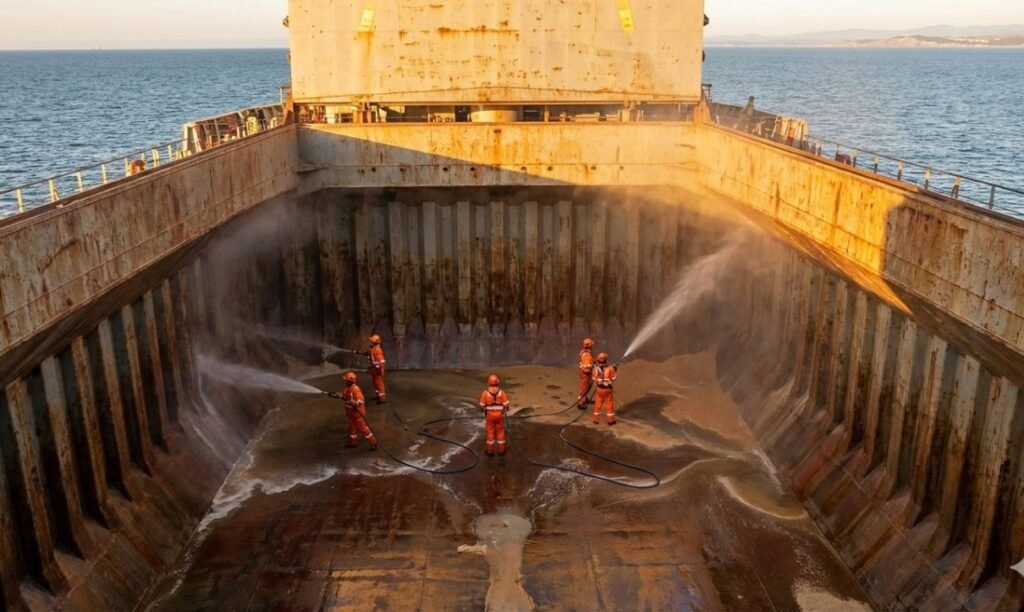
After the hold tank cleaning, spaces are inspected, photographed, and documented. These records demonstrate compliance with MARPOL and port authority expectations.
Industry Context and Global Practice
Globally, professional marine service providers follow similar compliance-driven models. For example, Cleanship.co operates worldwide in tank and hold cleaning, cargo supervision, and compliance support.
In addition, such organizations provide drug and alcohol testing services for crew safety. While separate from cleaning itself, these services reinforce the overall safety culture within maritime operations.
Future Trends and Innovation in Marine Cleaning
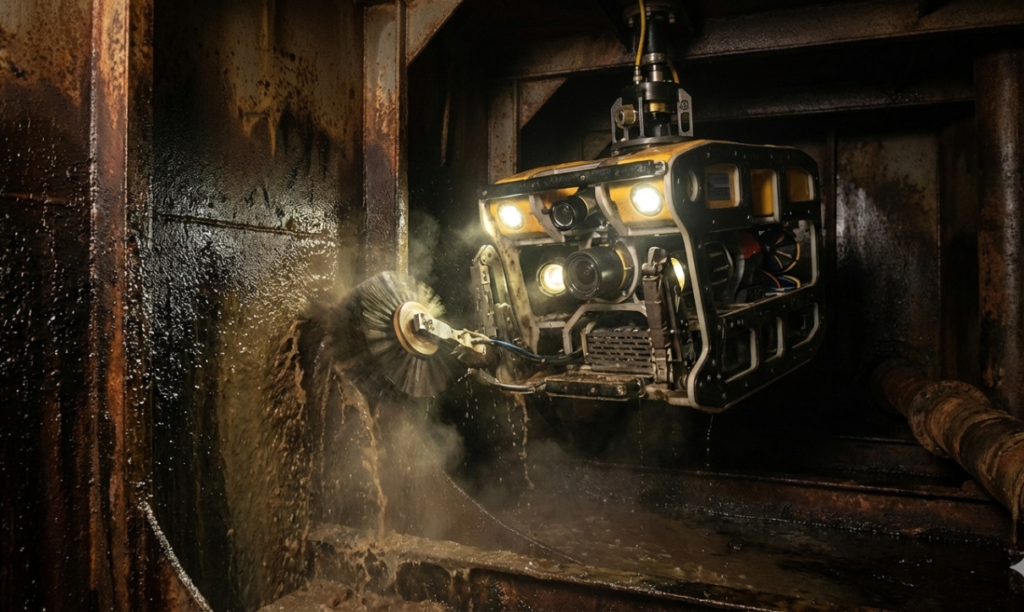
Marine cleaning is evolving through automation and digital oversight. Remote inspection tools, environmentally friendly cleaning agents, and closed-loop waste systems are becoming standard.
Moreover, digital compliance platforms reduce errors and improve transparency. As a result, hold tank cleaning continues to become safer, faster, and more accountable.
Conclusion
Hold tank cleaning in Abu Dhabi delivers measurable safety and operational gains. First, it protects crews from confined space, fire, and exposure risks. Second, it safeguards cargo quality, vessel structures, and environmental compliance under IMO and MARPOL standards. Third, it improves inspection readiness and operational efficiency.
In a region where compliance defines reliability, professional cleaning is essential. For operators seeking disciplined compliance, cargo supervision, and global maritime service excellence, Cleanship.co stands as a trusted example of best practice in hold tank cleaning.
FAQs:
Hold tank cleaning in Abu Dhabi is regulated to protect crew safety, prevent pollution, and ensure cargo integrity. Strict enforcement aligns operations with IMO, MARPOL Convention, and port authority requirements.
Hold tank cleaning focuses on dry or semi-dry residues, dust, and bilges, while tank cleaning addresses liquid residues and vapors. Both share similar safety and documentation standards.
Yes. Inadequate hold tank cleaning can lead to failed inspections, re-cleaning orders, or cargo rejection, causing costly delays.
Common documents include risk assessments, gas test records, cleaning logs, inspection reports, and waste disposal records supporting compliance.
International guidance from IMO, IMCA, MARPOL, IAPH, World Ports, and Marine Supercargo Final Quality Rules shapes how hold tank cleaning is planned and executed.