Lucky Singh

  • Home
  • Author: Lucky Singh
Hull Fouling Inspection in Hazira: A Critical Step for Maintaining Vessel Efficiency and Compliance

Hull Fouling Inspection in Hazira Marine Survey Services

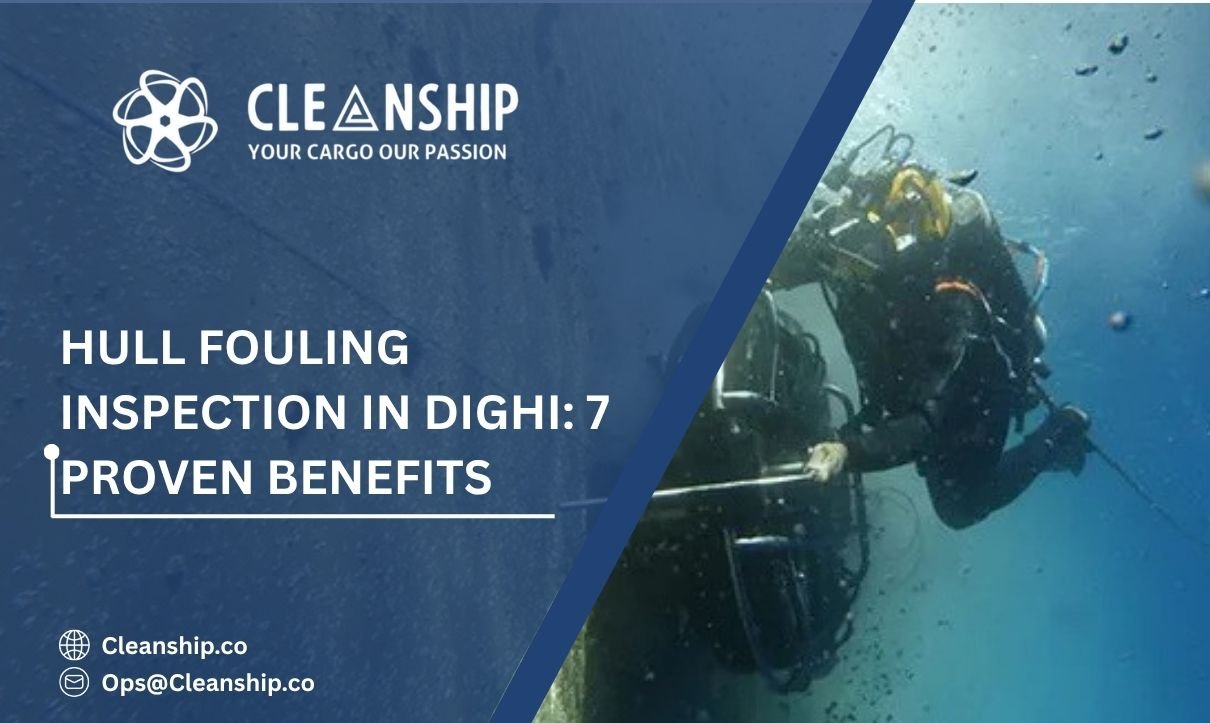
Every vessel owner understands that performance at sea depends on more than engines and navigation systems. Much of a ship’s efficiency is determined by what happens below the waterline. A vessel may appear perfectly maintained from above, yet hidden marine growth on the hull can quietly increase fuel consumption, reduce speed, and affect overall operational performance. This is where Hull Fouling Inspection in Hazira becomes an essential part of preventive vessel maintenance. Hazira has developed into one of India’s most important maritime and industrial gateways. With a steady flow of tankers, LNG carriers, container vessels, bulk carriers, and offshore support vessels, the port sees continuous demand for underwater inspection services. Ship operators calling at Hazira increasingly rely on hull fouling inspections to assess underwater conditions before performance issues become costly problems. Rather than waiting until fuel bills rise or schedules become difficult to maintain, vessel managers use inspections to gain a clear understanding of hull condition and take corrective action when needed. Understanding Hull Fouling and Its Impact Hull fouling refers to the accumulation of marine organisms on submerged vessel surfaces. The process begins surprisingly fast. Within days of entering seawater, microscopic organisms form a biofilm on the hull. This layer creates a foundation for larger marine growth such as algae, barnacles, mussels, tube worms, and shell-forming organisms. At first, the buildup may seem insignificant. However, even moderate fouling can dramatically affect a vessel’s hydrodynamic efficiency. As marine growth increases, so does water resistance. The propulsion system must work harder to move the vessel through the water, leading to: For example, a chemical tanker operating between Hazira and ports in the Arabian Gulf may notice fuel consumption gradually increasing over several voyages. When divers conduct an underwater inspection, extensive fouling on the hull often explains the decline in performance. This is one reason why Hull Fouling Inspection in Hazira has become a standard maintenance practice for many shipping companies. Why Hull Fouling Inspection Is Important Many vessel operators focus on cleaning only after operational problems become visible. In reality, inspection should come first. A detailed inspection provides valuable information about the condition of the underwater hull and helps shipowners make informed maintenance decisions. Early Detection of Marine Growth One of the primary advantages of underwater inspections is identifying fouling before it becomes severe. Small accumulations are easier and less expensive to address than heavily fouled hulls. Improved Fuel Efficiency A clean hull reduces drag and improves hydrodynamic performance. By identifying fouling early, shipowners can schedule cleaning before fuel costs begin to escalate. Better Maintenance Planning Inspection reports help technical managers determine when hull cleaning, coating maintenance, or dry docking should be scheduled. Protection of Hull Coatings Anti-fouling coatings represent a significant investment. Routine inspections help monitor coating performance and identify areas requiring attention. Regulatory and Environmental Compliance Many operators today monitor hull condition as part of broader environmental performance initiatives aimed at reducing fuel consumption and emissions. Why Hazira Is a Strategic Location for Hull Fouling Inspections Hazira’s growing role in India’s maritime sector makes it an ideal location for underwater inspection services. Major Commercial Shipping Activity The port regularly accommodates: These vessels frequently require underwater inspections during scheduled port calls. Availability of Professional Diving Teams Hazira supports experienced commercial diving contractors equipped to perform underwater surveys, inspections, and maintenance activities. Reduced Operational Disruption One of the biggest benefits of Hull Fouling Inspection in Hazira is that inspections can typically be completed while the vessel remains afloat. This allows operators to maintain schedules without the need for immediate dry docking. Cost-Effective Preventive Maintenance Conducting inspections during routine port stays helps reduce future maintenance expenses and avoids unexpected operational disruptions. How Hull Fouling Inspections Are Conducted Modern underwater inspections combine skilled commercial divers with advanced imaging technology. Pre-Inspection Assessment Before entering the water, inspection teams review: This preparation helps ensure a thorough inspection. Underwater Visual Examination Commercial divers inspect all critical underwater areas of the vessel. These typically include: Flat Bottom Areas Large sections of the hull are examined for marine growth and coating condition. Side Shell Plating Divers inspect vertical hull surfaces where fouling commonly develops. Sea Chests Sea chest openings are checked for biological growth and potential flow restrictions. Rudders and Propellers These critical propulsion components are assessed for fouling that may impact vessel performance. Thrusters and Niche Areas Complex structures often experience heavier fouling and require detailed examination. High-Definition Video Documentation Modern inspections rely heavily on underwater video systems. Surveyors and vessel managers can review recorded footage to assess fouling severity and maintenance requirements. Detailed Reporting Upon completion, operators receive reports that typically include: Common Signs That a Vessel Needs a Hull Fouling Inspection While routine inspections are recommended, certain operational indicators often suggest that fouling is already affecting performance. Rising Fuel Consumption Unexpected increases in fuel usage are often among the earliest warning signs. Reduced Speed Performance Vessels may struggle to maintain service speed despite normal engine output. Increased Engine Load Propulsion systems may require more power to overcome additional drag. Schedule Delays Reduced efficiency can impact voyage planning and operational reliability. Extended Time Since Last Inspection Ships operating continuously in warm coastal waters often experience faster fouling rates and may require more frequent inspections. Benefits of Regular Hull Fouling Inspections The value of Hull Fouling Inspection in Hazira extends well beyond identifying marine growth. Reduced Operating Costs Early intervention helps prevent excessive fuel penalties associated with severe fouling. Enhanced Vessel Performance Maintaining a cleaner hull improves hydrodynamic efficiency and operational consistency. Improved Environmental Performance Fuel-efficient vessels produce fewer emissions and support sustainability goals. Better Asset Management Inspection data helps shipowners make smarter maintenance decisions and protect long-term asset value. Increased Operational Reliability Regular monitoring reduces the likelihood of unexpected performance issues. Choosing the Right Inspection Provider The quality of an underwater inspection depends heavily on the expertise of the service provider. When selecting a contractor for Hull Fouling Inspection in Hazira, shipowners should consider: Commercial Diving Experience Divers should have extensive experience with vessel inspections
Read more
Sea Chest Cleaning in Hazira: Maintaining Efficient Seawater Systems for Reliable Vessel Operations

Sea Chest Cleaning in Hazira Underwater Marine Services

When shipowners discuss underwater maintenance, conversations often revolve around hull cleaning, propeller polishing, or dry dock schedules. Yet one of the most critical components of a vessel’s operating system remains largely out of sight—the sea chest. Although it receives less attention than propulsion systems or hull coatings, the sea chest plays a vital role in daily vessel operations. It serves as the gateway through which seawater enters the ship to support cooling systems, ballast operations, firefighting equipment, and various auxiliary functions. Over time, marine growth, sediment, shells, and debris can accumulate inside sea chest openings, restricting water flow and creating operational challenges. If left untreated, these blockages may affect machinery performance, increase maintenance costs, and even create safety concerns. This is why Sea Chest Cleaning in Hazira has become a valuable maintenance service for vessels operating along India’s west coast. As Hazira continues to grow as a major maritime and industrial hub, shipping companies increasingly recognize the importance of maintaining clean and efficient seawater intake systems. Understanding the Function of a Sea Chest A sea chest is an enclosed chamber built into a vessel’s hull below the waterline. Its purpose is simple but extremely important. It collects seawater through intake openings and distributes it to various onboard systems that depend on a continuous water supply. These systems typically include: Without adequate seawater flow, many of these systems cannot operate effectively. Even a partially blocked sea chest can gradually affect overall vessel performance. Why Sea Chests Become Blocked The marine environment naturally encourages the accumulation of biological growth and debris. Marine Fouling Barnacles, mussels, algae, and other marine organisms readily attach themselves to sea chest gratings and internal surfaces. As fouling increases, seawater flow becomes restricted. Sediment Build-Up Vessels operating in coastal waters often encounter suspended sediment that can settle within sea chest compartments. Hazira’s busy industrial and shipping environment makes this a common concern. Floating Debris Plastic waste, fishing lines, seaweed, and other materials can become trapped around intake openings. Shell Growth Warm coastal waters accelerate the growth of shell-forming organisms, particularly when vessels remain at anchor or berth for extended periods. For example, a tanker trading regularly between Hazira and Middle Eastern terminals may begin experiencing elevated cooling water temperatures. A subsequent underwater inspection often reveals heavy fouling inside the sea chest system restricting water flow. Situations like this demonstrate why Sea Chest Cleaning in Hazira has become a routine preventive maintenance activity for many vessel operators. Why Hazira Is an Important Location for Sea Chest Cleaning Hazira is one of Gujarat’s most active maritime centers and serves a diverse range of commercial vessels. Strategic Maritime Location The port handles significant traffic involving: Many of these ships require regular underwater maintenance. Opportunity for Preventive Maintenance Port calls provide a convenient opportunity to inspect and clean underwater systems without affecting vessel schedules. Availability of Professional Diving Services Experienced commercial diving contractors operate in Hazira and provide specialized underwater maintenance support. Reduced Downtime One of the primary advantages of Sea Chest Cleaning in Hazira is that it can usually be performed while the vessel remains afloat. This eliminates the need for immediate dry docking and minimizes operational disruption. How Sea Chest Cleaning Is Performed Professional sea chest cleaning follows a structured process designed to restore seawater flow while protecting vessel systems. Initial Inspection Before cleaning begins, divers conduct an underwater assessment of the sea chest area. The inspection typically evaluates: Modern underwater cameras are often used to document conditions. Removal of Marine Growth Divers remove fouling organisms such as barnacles, algae, and shellfish using specialized underwater cleaning tools. The cleaning method depends on the severity of fouling and vessel requirements. Internal Sea Chest Cleaning Where access permits, divers clean internal surfaces and remove accumulated debris that may obstruct water flow. This step is particularly important for restoring optimal cooling system performance. Final Verification Once cleaning is completed, divers conduct a final inspection to verify that intake openings are clear and functioning properly. Most service providers provide photographic and video records for maintenance documentation. Benefits of Sea Chest Cleaning The advantages of Sea Chest Cleaning in Hazira extend beyond simply removing marine growth. Improved Cooling System Efficiency Clean intake systems ensure uninterrupted seawater flow to engine cooling circuits and auxiliary equipment. Reduced Risk of Machinery Problems Restricted seawater flow can place additional stress on pumps, heat exchangers, and cooling systems. Routine cleaning helps prevent these issues. Enhanced Operational Reliability Maintaining clear sea chests reduces the likelihood of unexpected operational disruptions. Lower Maintenance Costs Preventive maintenance is typically far less expensive than addressing major system failures caused by prolonged blockages. Improved Safety Firefighting systems depend on reliable seawater supplies. Maintaining clean intake systems helps ensure emergency systems remain fully operational. Environmental Considerations Environmental responsibility is becoming increasingly important in underwater maintenance operations. Professional providers of Sea Chest Cleaning in Hazira follow procedures designed to support both vessel efficiency and environmental compliance. Biofouling Management Marine growth removed during cleaning should be managed according to applicable environmental regulations. Prevention of Species Transfer Regular cleaning helps reduce the risk of transporting invasive marine organisms between ports and regions. Sustainable Vessel Operations Efficient seawater systems contribute to better machinery performance and lower fuel consumption. Choosing the Right Sea Chest Cleaning Provider Not all underwater maintenance contractors offer the same level of expertise. When selecting a provider for Sea Chest Cleaning in Hazira, vessel operators should evaluate several key factors. Commercial Diving Experience Qualified divers with vessel maintenance experience can perform cleaning operations safely and effectively. Modern Inspection Equipment Advanced underwater cameras and cleaning tools improve maintenance quality and inspection accuracy. Strong Safety Standards Safety remains essential during all underwater operations. Professional contractors follow strict operational procedures. Detailed Reporting Comprehensive inspection reports help shipowners maintain accurate maintenance records. Flexible Service Availability The ability to accommodate vessel schedules is particularly important in busy commercial ports. Why Preventive Sea Chest Maintenance Matters Many seawater system issues develop gradually and may remain unnoticed until operational performance begins to decline. By
Read more
Propeller Polishing in Hazira: Enhancing Vessel Efficiency Below the Waterline

Propeller Polishing in Hazira Marine Maintenance Services

In commercial shipping, even small improvements in vessel efficiency can generate significant cost savings over time. Shipowners invest heavily in engine maintenance, voyage optimization, and hull management, yet one critical component is often overlooked until performance starts to decline—the propeller. A vessel’s propeller operates continuously in one of the harshest environments imaginable. Constant exposure to seawater, marine growth, sediment, and varying operating conditions gradually affects its surface condition. Over time, fouling, corrosion, and minor surface roughness can reduce propulsion efficiency and increase fuel consumption. This is why Propeller Polishing in Hazira has become an important underwater maintenance service for shipowners and fleet operators seeking to maximize vessel performance while avoiding unnecessary downtime. Hazira, located on Gujarat’s western coastline, has emerged as a major maritime and industrial hub. The port regularly handles container vessels, LNG carriers, bulk carriers, tankers, and offshore support vessels. As maritime traffic continues to grow, operators are increasingly turning to underwater maintenance solutions that help maintain efficiency without interrupting commercial operations. Why Propeller Condition Matters More Than Many Operators Realize The propeller serves as the final link between engine power and vessel movement. Its primary role is to convert rotational energy into forward thrust. For this process to remain efficient, the propeller’s surface must stay smooth and free from obstructions. Even minor marine growth or surface roughness can affect water flow around the blades. The result is often: For example, a tanker regularly operating between Hazira and Middle Eastern ports may notice gradual increases in fuel usage despite maintaining the same cargo capacity and voyage schedule. An underwater inspection often reveals fouling and roughness on the propeller surface as the underlying cause. This is one reason why Propeller Polishing in Hazira has become a routine maintenance activity for many shipping companies. What Causes Propeller Performance to Decline? Several factors contribute to reduced propeller efficiency over time. Marine Growth Accumulation Marine organisms naturally attach themselves to submerged surfaces. Common forms of fouling include: Even a relatively thin layer of growth can create significant hydrodynamic resistance. Corrosion Although marine propellers are manufactured from highly durable materials, prolonged exposure to seawater can still lead to surface deterioration. Mineral Deposits Certain operating environments encourage the accumulation of mineral deposits that affect blade smoothness. Cavitation Damage Cavitation occurs when vapor bubbles form and collapse around the propeller blades. Over time, this process may create small pits and imperfections that reduce efficiency. Each of these issues can impact vessel performance if left unaddressed. Why Hazira Is an Ideal Location for Propeller Polishing Hazira’s strategic position along India’s west coast makes it a practical location for underwater maintenance services. Major Shipping Activity The port supports a wide range of maritime sectors, including: This creates ongoing demand for underwater vessel maintenance. Reduced Downtime One of the primary benefits of Propeller Polishing in Hazira is that the service can typically be completed while the vessel remains afloat. This minimizes disruption to commercial schedules. Access to Professional Diving Services Commercial diving contractors operating in Hazira provide specialized underwater maintenance support using modern inspection and polishing equipment. Convenient Maintenance Scheduling Many operators choose to schedule propeller maintenance during planned port calls, reducing operational interruptions. How Propeller Polishing Is Performed Professional propeller polishing follows a structured process designed to restore efficiency while protecting the propeller surface. Initial Underwater Inspection Before polishing begins, divers inspect the propeller to evaluate: This assessment helps determine the most appropriate maintenance approach. Removal of Fouling Marine growth and deposits are removed from the propeller surface using specialized underwater cleaning tools. The objective is to restore a clean working surface without causing damage. Polishing the Propeller Divers then use dedicated polishing equipment to smooth the blade surfaces. The process focuses on eliminating roughness that interferes with efficient water flow. Proper polishing improves hydrodynamic performance and helps restore propulsion efficiency. Final Verification After polishing is completed, divers perform a final inspection to confirm results. Most service providers supply photographic or video documentation as part of their reporting process. Benefits of Propeller Polishing The advantages of Propeller Polishing in Hazira extend beyond improving appearance. Improved Fuel Efficiency A smooth propeller generates thrust more efficiently. Reduced resistance often translates directly into lower fuel consumption. Enhanced Vessel Performance Polished blades improve water flow characteristics and help maintain service speed. Reduced Carbon Emissions Fuel savings naturally contribute to lower greenhouse gas emissions. This supports both operational and environmental objectives. Lower Machinery Stress Efficient propulsion reduces the workload placed on engines and associated systems. Cost Savings The cost of routine propeller maintenance is typically much lower than the ongoing expenses associated with fuel inefficiency. Environmental Considerations Environmental responsibility has become increasingly important across the maritime sector. Professional providers of Propeller Polishing in Hazira follow procedures designed to balance maintenance effectiveness with environmental protection. Responsible Biofouling Removal Marine growth removed during maintenance should be handled according to applicable environmental guidelines. Surface Preservation Proper polishing techniques help maintain propeller integrity and extend service life. Support for Sustainable Operations Improved propulsion efficiency contributes to reduced fuel consumption and lower emissions. Choosing the Right Propeller Polishing Provider The effectiveness of underwater maintenance depends heavily on the expertise of the service provider. When selecting a contractor for Propeller Polishing in Hazira, vessel operators should evaluate several factors. Commercial Diving Experience Experienced divers understand underwater propulsion systems and maintenance requirements. Specialized Equipment Modern polishing tools improve efficiency while protecting blade surfaces. Safety Standards Professional underwater operations require comprehensive safety procedures and risk management practices. Inspection and Reporting Detailed reports provide useful documentation for maintenance records and future planning. Operational Flexibility Service providers should be capable of working within vessel schedules and port operational requirements. Why Preventive Propeller Maintenance Makes Sense Many shipowners address propeller condition only after fuel consumption begins to rise noticeably. By that stage, efficiency losses may already be affecting profitability. Routine inspections and polishing allow operators to maintain optimal propulsion performance before problems become significant. This preventive approach helps reduce operating costs, improve vessel reliability, and support long-term fleet efficiency. For vessels operating
Read more
Underwater Hull Cleaning in Hazira: Improving Vessel Performance Without Dry Docking

Underwater Hull Cleaning in Hazira Marine Services

In the maritime industry, vessel efficiency is influenced by many factors, but one of the most overlooked lies beneath the waterline. While engines, navigation systems, and cargo operations often receive regular attention, the condition of the hull can quietly affect a vessel’s performance every day it remains at sea. Marine growth is a natural challenge for every ship. Algae, slime, barnacles, and shell-forming organisms gradually attach themselves to submerged surfaces, increasing drag and reducing hydrodynamic efficiency. What starts as a thin layer of biological growth can eventually lead to higher fuel consumption, reduced speed, and increased operational costs. This is why Underwater Hull Cleaning in Hazira has become an essential service for shipowners and fleet managers looking to maintain optimal vessel performance without interrupting commercial operations. Located on Gujarat’s western coast, Hazira is a major maritime and industrial hub that supports container vessels, bulk carriers, LNG ships, tankers, and offshore support vessels. As vessel traffic continues to increase, underwater maintenance services have become an important part of efficient fleet management. Understanding Hull Fouling and Its Impact Every vessel operating in seawater experiences some degree of hull fouling. The process begins shortly after a ship enters the water. Microscopic organisms form a biofilm on the hull surface, creating favorable conditions for larger marine organisms to attach themselves. Over time, algae, barnacles, mussels, and other marine growth accumulate across submerged areas. The impact on vessel performance can be significant. A fouled hull creates additional resistance as the vessel moves through the water. This means the propulsion system must work harder to maintain the same speed. Common consequences include: For example, a bulk carrier regularly calling at Hazira and Middle Eastern ports may gradually experience rising fuel costs despite no changes in cargo volume or voyage route. In many cases, underwater inspections reveal hull fouling as the primary cause. This is one reason why Underwater Hull Cleaning in Hazira has become a routine maintenance practice for many shipping companies. Why Hazira Is an Important Location for Hull Cleaning Services Hazira’s strategic location and growing port infrastructure make it a practical destination for underwater maintenance operations. Busy Commercial Shipping Activity The port supports significant maritime traffic across various sectors, including: These vessels often require regular underwater maintenance to maintain efficiency. Reduced Downtime One of the key advantages of underwater hull cleaning is that it can be performed while the vessel remains afloat. This allows operators to avoid unnecessary delays associated with dry docking. Access to Professional Diving Teams Hazira has access to experienced commercial diving contractors who specialize in underwater inspections and hull maintenance services. Convenient Maintenance Scheduling Many shipowners choose Underwater Hull Cleaning in Hazira during routine port calls, allowing maintenance to be completed without affecting operational schedules. How Underwater Hull Cleaning Is Performed Professional underwater hull cleaning involves a systematic approach designed to remove marine growth while preserving hull coatings. Initial Underwater Inspection Before cleaning begins, divers inspect the hull to determine the extent of fouling and identify any areas requiring special attention. The inspection typically assesses: High-definition underwater cameras are often used to document conditions. Removal of Marine Growth Divers use specialized cleaning equipment to remove accumulated marine organisms from the hull surface. Cleaning methods vary depending on: The objective is to restore smooth hull surfaces without damaging protective coatings. Cleaning of Critical Areas Particular attention is given to areas where marine growth commonly accumulates. Sea Chests Sea chest openings are cleaned to ensure unrestricted seawater flow to onboard systems. Rudders Marine growth around rudders can affect maneuverability and hydrodynamic performance. Thrusters Bow and stern thrusters require regular cleaning to maintain operational effectiveness. Niche Areas Complex hull structures often experience accelerated fouling and require detailed attention. Final Inspection and Documentation After cleaning is completed, divers conduct a final inspection to verify results. Most service providers supply inspection reports supported by photographs and video recordings. Benefits of Underwater Hull Cleaning The advantages of Underwater Hull Cleaning in Hazira extend far beyond cosmetic improvements. Improved Fuel Efficiency A clean hull moves through water with less resistance. This directly reduces fuel consumption and lowers operating expenses. Better Vessel Performance Reduced drag helps vessels maintain service speed more efficiently. This can improve schedule reliability and voyage performance. Lower Carbon Emissions Improved fuel economy naturally contributes to reduced greenhouse gas emissions. As environmental regulations become increasingly important, hull maintenance plays a valuable role in sustainability efforts. Reduced Maintenance Costs Routine cleaning helps prevent severe fouling that may require more extensive maintenance later. Extended Coating Life By preventing excessive biological growth, regular cleaning helps protect hull coatings and maximize their service life. Environmental Considerations Environmental responsibility has become a central focus of underwater maintenance activities. Professional providers of Underwater Hull Cleaning in Hazira follow established procedures designed to minimize environmental impact. Responsible Biofouling Management Marine growth removed during cleaning operations should be handled according to environmental guidelines and port requirements. Coating Protection Aggressive cleaning methods can damage anti-fouling systems. Experienced contractors use appropriate techniques to preserve coating integrity. Sustainable Shipping Operations Maintaining clean hulls supports fuel efficiency and contributes to lower vessel emissions. Choosing the Right Hull Cleaning Provider Selecting an experienced underwater maintenance contractor is essential for achieving effective results. When evaluating providers for Underwater Hull Cleaning in Hazira, shipowners should consider several factors. Commercial Diving Expertise Qualified divers understand vessel structures, underwater maintenance procedures, and operational safety requirements. Modern Equipment Advanced cleaning systems improve efficiency while reducing the risk of coating damage. Safety Standards Professional underwater operations require strict safety management and risk control procedures. Inspection Reporting Detailed reports provide valuable maintenance records and support future planning. Operational Flexibility Service providers should be capable of working within vessel schedules and port operational constraints. Why Preventive Hull Maintenance Makes Business Sense Many shipowners view hull cleaning as a corrective measure. Increasingly, however, it is becoming a preventive maintenance strategy. Rather than waiting for fuel costs to rise or vessel performance to decline, operators are scheduling regular inspections and cleaning activities based on operational data. This
Read more
UWILD Inspection in Dahej: A Cost-Effective Alternative to Dry Dock Surveys

UWILD Inspection in Dahej Underwater Survey Services

For shipowners and fleet managers, vessel inspections are a critical part of maintaining safety, compliance, and operational reliability. Traditionally, many structural inspections required vessels to enter dry dock, resulting in significant costs and operational downtime. However, advances in underwater inspection technology have provided a practical alternative. Today, many vessels can complete required surveys through a UWILD inspection. UWILD Inspection in Dahej has become an increasingly popular solution for ship operators seeking to meet classification society requirements while minimizing disruption to commercial operations. Instead of removing a vessel from service for dry docking, qualified divers conduct detailed underwater examinations while the ship remains afloat. For vessels trading through Dahej, one of Gujarat’s busiest industrial ports, UWILD inspections offer an efficient way to maintain compliance while preserving operational schedules. What Is a UWILD Inspection? UWILD stands for Underwater Inspection in Lieu of Dry Docking. It is a class-approved underwater survey that allows certain vessel inspections to be performed without placing the vessel in dry dock. Classification societies may approve UWILD inspections when specific conditions are met, including: The inspection is carried out by commercial divers using underwater imaging equipment, measurement tools, and survey techniques approved by classification authorities. A properly conducted UWILD Inspection in Dahej can satisfy regulatory and class requirements while significantly reducing maintenance costs. Why UWILD Inspections Are Important Modern shipping operates on tight schedules. Taking a vessel out of service for dry docking often involves logistical challenges and considerable expense. UWILD inspections provide an alternative approach. Reduced Operational Downtime One of the biggest advantages of UWILD inspections is that vessels remain afloat during the survey. This allows operators to continue commercial activities with minimal interruption. Cost Savings Dry docking involves dock fees, repair expenses, labor costs, and lost operational time. A UWILD survey often costs significantly less than a traditional dry dock inspection. Regulatory Compliance Classification societies require periodic inspections to verify structural integrity and seaworthiness. UWILD inspections help vessel owners meet these obligations. Better Maintenance Planning Inspection findings provide valuable information that supports maintenance scheduling and future repair planning. Why Dahej Is a Suitable Location for UWILD Inspections Dahej has become one of India’s most important maritime and industrial centers. Its growing port infrastructure supports a wide range of vessel operations. High Volume of Commercial Shipping The port regularly handles: Many of these vessels require periodic class inspections. Access to Professional Diving Contractors Specialized commercial diving companies operate in and around Dahej, offering underwater inspection services that comply with classification society requirements. Convenient Scheduling Vessels already calling at Dahej can complete inspections during planned port stays, reducing additional operational delays. Support for Industrial Maritime Operations As an important gateway for Gujarat’s industrial sector, Dahej offers practical opportunities for maintenance and inspection activities. These factors make UWILD Inspection in Dahej a preferred choice for many vessel operators. How a UWILD Inspection Is Conducted UWILD inspections involve a systematic process designed to provide accurate and verifiable results. Pre-Inspection Planning Before the survey begins, the vessel owner, diving contractor, and classification society coordinate inspection requirements. This planning stage identifies: Underwater Examination Commercial divers inspect critical underwater structures while recording detailed video footage and photographs. Areas typically examined include: Video Documentation Modern UWILD inspections rely heavily on high-definition underwater video systems. Live video feeds may be transmitted directly to attending surveyors. Surveyor Verification Classification society representatives review inspection results and determine whether survey requirements have been satisfied. Reporting The inspection concludes with comprehensive documentation that includes: Key Areas Examined During UWILD Inspections Hull Structure Divers inspect hull plating for signs of corrosion, coating deterioration, deformation, and structural damage. Rudder Assemblies The rudder system is examined for wear, movement abnormalities, and structural integrity. Propellers Inspectors assess blade condition, cavitation damage, marine growth, and overall propulsion system condition. Sea Chests Sea chests are checked for blockages, corrosion, and biological growth that may affect seawater intake systems. Thrusters and Niche Areas Special attention is often given to areas where marine growth tends to accumulate more heavily. Benefits of UWILD Inspection for Shipowners The value of UWILD Inspection in Dahej extends well beyond regulatory compliance. Improved Fleet Availability Keeping vessels operational during inspections helps maximize revenue-generating service time. Lower Maintenance Costs Early identification of underwater issues helps prevent larger and more expensive repairs later. Enhanced Safety Routine underwater inspections help identify structural concerns before they become serious operational risks. Better Asset Management Inspection records provide useful information for long-term vessel maintenance planning. Increased Operational Confidence Knowing the actual condition of underwater structures allows technical managers to make informed decisions. For example, a chemical tanker scheduled for a class survey while trading through Dahej may complete a UWILD inspection during cargo operations. Instead of waiting for dry docking, the operator receives immediate information about hull condition and underwater structures while maintaining commercial schedules. Technology Used in Modern UWILD Inspections Technological advancements have significantly improved inspection quality and accuracy. High-Definition Underwater Cameras Modern imaging systems capture detailed visual evidence of underwater conditions. Real-Time Video Monitoring Surveyors can observe inspections live and request additional examinations when necessary. Digital Reporting Platforms Electronic reporting improves documentation and simplifies record management. Advanced Lighting Systems Specialized underwater lighting improves visibility and inspection accuracy, even in challenging conditions. These innovations have strengthened the reliability of UWILD Inspection in Dahej services and increased acceptance across the maritime industry. Selecting the Right UWILD Inspection Provider Choosing an experienced service provider is essential for successful inspections. When evaluating contractors, shipowners should consider: Classification Society Experience Providers should have experience working with major classification organizations. Qualified Commercial Divers Certified divers with marine inspection expertise help ensure accurate survey results. Modern Equipment High-quality imaging and recording systems improve inspection reliability. Safety Management Strong safety procedures are essential for all underwater operations. Reporting Quality Comprehensive documentation supports regulatory compliance and future maintenance planning. Conclusion UWILD Inspection in Dahej offers shipowners a practical and cost-effective alternative to traditional dry dock inspections. By allowing critical underwater surveys to be conducted while vessels remain afloat, UWILD services help reduce downtime, lower maintenance
Read more
Underwater Video Survey in Dahej: A Reliable Way to Assess Vessel Condition Below the Waterline

Underwater Video Survey in Dahej Marine Inspection Services

A vessel may appear to be operating perfectly from the bridge or engine room, but the real condition of many critical components remains hidden beneath the waterline. Hull plating, propellers, rudders, sea chests, and thrusters are exposed to continuous marine activity, yet they are often difficult to inspect without specialized underwater services. For shipowners and fleet managers, understanding the condition of these submerged structures is essential. Waiting until the next dry docking period can sometimes mean operating for months without knowing whether marine growth, coating damage, corrosion, or structural issues are developing underwater. This is where Underwater Video Survey in Dahej becomes an invaluable maintenance and inspection tool. Using professional divers and advanced underwater imaging systems, these surveys provide detailed visual assessments of a vessel’s underwater condition while it remains afloat. The recorded footage helps operators make informed maintenance decisions, improve vessel efficiency, and address potential issues before they become costly problems. With Dahej serving as one of Gujarat’s busiest industrial and maritime hubs, demand for underwater inspection services continues to grow among shipping companies, offshore operators, and vessel managers. What Is an Underwater Video Survey? An underwater video survey is a visual inspection conducted below the waterline using high-definition underwater cameras operated by trained commercial divers. The purpose is to document and evaluate the condition of submerged vessel structures without requiring dry docking. A professional Underwater Video Survey in Dahej typically focuses on: The resulting footage provides valuable information for shipowners, technical managers, classification societies, and marine surveyors. Unlike traditional visual assumptions, underwater video surveys provide direct evidence of actual vessel condition. Why Underwater Video Surveys Matter The maritime industry increasingly relies on data-driven maintenance decisions. Rather than scheduling repairs based solely on operating hours or historical trends, vessel operators prefer to assess actual conditions before committing to maintenance activities. Early Detection of Problems One of the primary advantages of underwater video surveys is the ability to identify issues at an early stage. Minor coating damage, localized corrosion, marine growth, or propeller deterioration can often be detected long before they impact vessel performance. Improved Maintenance Planning Clear visual documentation allows maintenance teams to prioritize repairs and cleaning activities based on actual requirements. Reduced Dry Dock Costs Not every underwater concern requires immediate dry docking. An Underwater Video Survey in Dahej helps operators determine whether corrective action is necessary or whether monitoring is sufficient until the next scheduled maintenance period. Better Asset Management Inspection footage becomes a valuable part of the vessel’s maintenance history and condition monitoring program. Why Dahej Is an Ideal Location for Underwater Video Surveys Dahej’s strategic importance within India’s maritime sector makes it a practical location for underwater inspections. Busy Maritime Operations The port handles significant traffic from: These vessels often require underwater assessments as part of ongoing maintenance programs. Convenient Port Calls Many vessels already visit Dahej during normal trading operations, creating opportunities for inspections without additional voyage deviations. Availability of Commercial Diving Services Experienced diving contractors in the region provide specialized underwater inspection support using modern survey equipment. Minimal Operational Disruption A professional Underwater Video Survey in Dahej can typically be completed while the vessel remains afloat, helping operators avoid unnecessary downtime. How an Underwater Video Survey Is Conducted The survey process follows a structured approach designed to ensure accurate documentation and reliable results. Pre-Survey Planning Before entering the water, the inspection team reviews vessel particulars, maintenance history, and specific concerns identified by the shipowner or technical manager. This helps determine inspection priorities. Diver Deployment Commercial divers equipped with underwater cameras conduct a systematic survey of the vessel’s underwater structures. In some cases, live video feeds can be transmitted directly to survey personnel or vessel representatives. Video Recording High-definition cameras capture detailed footage of key areas throughout the inspection. The quality of modern imaging systems allows inspectors to identify even minor defects. Condition Assessment Following the survey, specialists review the recorded footage and evaluate: Reporting Most providers supply comprehensive reports that include: Key Areas Examined During Underwater Video Surveys Hull Structure The hull receives significant attention during underwater inspections. Surveyors assess coating performance, marine growth, corrosion, and any visible structural concerns. Propellers Propeller inspections focus on blade condition, cavitation damage, fouling levels, and overall propulsion efficiency. Rudders Rudders are inspected for alignment issues, damage, excessive growth, and signs of wear. Sea Chests Divers examine seawater intake openings for debris accumulation and biological growth that could restrict water flow. Thrusters Bow and stern thrusters are inspected to verify operational condition and identify fouling that may affect performance. Practical Benefits for Shipowners The value of an Underwater Video Survey in Dahej extends beyond simple inspection. Better Decision-Making Accurate underwater footage allows technical managers to make informed maintenance decisions. Reduced Maintenance Expenses Early identification of developing problems often prevents more expensive repairs later. Improved Operational Efficiency Surveys frequently identify fouling and underwater conditions that may be affecting fuel consumption and vessel performance. Enhanced Safety Detecting structural defects before they worsen contributes to safer vessel operations. Regulatory Support Inspection reports can support maintenance records, insurance assessments, and classification society requirements. For example, an LNG carrier operating between Dahej and international energy terminals may schedule an underwater video survey during a port stay. The inspection could reveal marine growth around sea chests and propeller surfaces, allowing corrective maintenance before operational efficiency is affected. The Role of Technology in Modern Underwater Surveys Advancements in underwater inspection technology have transformed how vessel assessments are conducted. Today’s Underwater Video Survey in Dahej services often utilize: High-Definition Cameras Modern systems provide exceptional image quality and detail. Real-Time Video Transmission Live video feeds allow surveyors and vessel representatives to monitor inspections as they occur. Digital Reporting Systems Electronic documentation improves record keeping and maintenance planning. Improved Low-Visibility Imaging Specialized equipment helps maintain inspection quality even in challenging underwater conditions. These innovations have made underwater surveys more accurate, efficient, and valuable than ever before. Conclusion Underwater Video Survey in Dahej has become an essential service for shipowners seeking reliable information about underwater vessel condition
Read more
Hull Fouling Inspection in Dahej: A Proactive Approach to Vessel Performance and Efficiency

Hull Fouling Inspection in Dahej Marine Survey Services

The condition of a vessel’s hull has a direct impact on its operational efficiency. Yet, because the hull remains submerged for most of a ship’s working life, its condition often goes unnoticed until performance issues begin to appear. A vessel may experience higher fuel consumption, reduced speed, or increased engine load without any obvious mechanical problem. In many cases, the real cause lies beneath the waterline in the form of marine growth. This is where Hull Fouling Inspection in Dahej plays an important role. Regular underwater inspections help shipowners understand the actual condition of their vessel’s hull and identify biofouling before it affects operational performance. Rather than waiting for dry docking or relying solely on fuel consumption trends, operators can obtain clear visual evidence of hull conditions through professional underwater surveys. As one of Gujarat’s leading industrial ports, Dahej serves a wide range of commercial vessels, including tankers, LNG carriers, bulk carriers, offshore support vessels, and coastal cargo ships. For these vessels, routine hull fouling inspections have become an essential part of preventive maintenance planning. What Is Hull Fouling? Hull fouling refers to the accumulation of marine organisms on submerged vessel surfaces. The process begins almost immediately after a ship enters seawater. A thin biological film forms on the hull, creating an ideal environment for algae, barnacles, mussels, and other marine organisms to attach themselves. Over time, this growth can spread across large areas of the hull. Even relatively light fouling can increase hydrodynamic resistance, forcing the vessel to consume more fuel to maintain its service speed. For commercial ship operators, the financial impact can be significant. This is one reason why Hull Fouling Inspection in Dahej has become increasingly important for vessels operating in coastal and international waters. Why Hull Fouling Inspections Are Necessary Many vessel operators focus on cleaning and maintenance only after noticeable performance declines occur. However, by that stage, fouling may already be affecting fuel efficiency and operational costs. Routine inspections help identify problems early. Early Detection of Marine Growth An underwater inspection allows operators to identify slime layers, algae growth, barnacle accumulation, and other fouling before it becomes severe. Improved Fuel Efficiency A clean hull moves through water more efficiently. By detecting fouling early, shipowners can schedule cleaning at the right time and avoid excessive fuel penalties. Better Maintenance Planning Inspection findings help technical managers make informed decisions regarding underwater cleaning, coating maintenance, and dry dock scheduling. Reduced Operational Risk Heavy fouling can affect propulsion performance, maneuverability, and cooling system efficiency. Routine inspections help reduce these risks. Why Dahej Is a Strategic Location for Hull Fouling Inspections Dahej’s growing importance as a maritime and industrial hub makes it an ideal location for underwater vessel inspections. Busy Commercial Port Operations The port handles a large volume of industrial cargo and energy-related shipping traffic. Many vessels already call at Dahej as part of their regular trading routes. Convenient Maintenance Opportunities Operators can conduct inspections during planned port stays rather than scheduling separate maintenance voyages. Availability of Professional Diving Services Experienced commercial diving teams in the region provide underwater inspection and survey support for various vessel types. Reduced Downtime A professional Hull Fouling Inspection in Dahej can typically be completed while the vessel remains afloat, avoiding the delays associated with dry docking. How Hull Fouling Inspections Are Conducted Modern underwater inspections combine diving expertise with advanced imaging technology. Pre-Inspection Review The inspection team reviews vessel information, trading history, maintenance records, and operational concerns. This helps establish inspection priorities. Underwater Survey Commercial divers systematically inspect the vessel’s submerged surfaces. Key areas include: These locations often experience varying levels of marine growth. Video and Photographic Documentation High-definition cameras capture detailed underwater footage. This documentation provides valuable evidence for technical evaluations and maintenance planning. Fouling Assessment Inspectors evaluate the extent and severity of biological growth. The findings help determine whether immediate cleaning is necessary. Reporting Following completion of the survey, vessel operators receive a report containing: Common Signs That a Vessel May Need a Hull Fouling Inspection Although many operators schedule inspections proactively, certain indicators often suggest that fouling is already affecting performance. Rising Fuel Consumption Unexpected increases in fuel usage are among the most common warning signs. Reduced Vessel Speed Maintaining planned service speed may become more difficult even when engine output remains unchanged. Increased Engine Load Engines often work harder to overcome the additional resistance caused by hull fouling. Schedule Delays Minor reductions in speed can accumulate over multiple voyages and affect schedule reliability. For example, a bulk carrier operating between Dahej and Southeast Asian ports may begin consuming more fuel despite carrying similar cargo volumes. A subsequent inspection frequently reveals marine growth as the primary source of increased resistance. Benefits of Regular Hull Fouling Inspections The value of Hull Fouling Inspection in Dahej extends beyond identifying marine growth. Improved Operational Efficiency Routine inspections help maintain optimal vessel performance. Lower Fuel Costs Early intervention often prevents the fuel penalties associated with heavy fouling. Enhanced Environmental Performance Fuel-efficient vessels generate lower emissions, supporting industry sustainability goals. Extended Coating Life Regular monitoring helps evaluate the effectiveness of hull coatings and identify areas requiring attention. Better Asset Management Inspection data provides shipowners with valuable information for long-term maintenance planning. Environmental Importance of Hull Fouling Management Biofouling has become an increasingly important environmental issue within the maritime sector. Reduced Emissions Maintaining cleaner hulls improves fuel efficiency and lowers greenhouse gas emissions. Prevention of Invasive Species Transfer Marine organisms attached to vessel hulls can be transported between different ecosystems. Routine inspections help identify and manage these risks. Support for Sustainable Shipping Proactive fouling management aligns with broader industry efforts to improve environmental performance. Choosing the Right Hull Inspection Provider The effectiveness of a hull fouling inspection depends largely on the expertise of the service provider. When selecting a company for Hull Fouling Inspection in Dahej, vessel operators should consider: Commercial Diving Experience Qualified divers understand vessel structures and underwater survey requirements. Inspection Technology Modern cameras and recording systems improve survey accuracy. Reporting Quality
Read more
Sea Chest Cleaning in Dahej | Underwater Marine Services

Sea Chest Cleaning in Dahej Underwater Marine Services

When discussing vessel maintenance, most attention is often directed toward engines, propellers, and hull performance. However, one of the most important components for a ship’s operational reliability remains largely hidden beneath the waterline—the sea chest. A sea chest serves as the primary entry point for seawater used in essential onboard systems. From engine cooling and ballast operations to firefighting systems and auxiliary equipment, many critical vessel functions depend on unrestricted seawater flow. Over time, marine growth, sediment, debris, and shell accumulation can obstruct sea chest openings and reduce system efficiency. If left unaddressed, these blockages may affect machinery performance, increase maintenance costs, and create operational risks. This is why Sea Chest Cleaning in Dahej has become an increasingly important underwater maintenance service for shipowners and operators visiting one of Gujarat’s busiest maritime and industrial ports. With Dahej handling significant volumes of tanker traffic, bulk cargo vessels, LNG carriers, and offshore support vessels, maintaining seawater intake systems has become an essential part of modern vessel management. Understanding the Role of a Sea Chest A sea chest is a recessed compartment located within a vessel’s hull below the waterline. It allows seawater to enter through protected intake openings before being distributed throughout the ship. These intake systems support several critical functions, including: Without adequate seawater flow, these systems may struggle to operate efficiently. Even a partial blockage can create operational concerns that become increasingly serious over time. Why Sea Chests Require Regular Cleaning The marine environment naturally encourages the accumulation of biological growth and debris. Marine Growth Buildup Barnacles, mussels, algae, and other marine organisms readily attach themselves to sea chest gratings and internal surfaces. As growth increases, water flow can become restricted. Sediment Accumulation Dahej’s location within the Gulf of Khambhat exposes vessels to waters that may contain suspended sediment and organic material. These particles can collect inside intake structures over time. Floating Debris Plastic waste, fishing materials, seaweed, and other debris may become trapped within sea chest openings. Shell Formation Warm coastal waters often accelerate shell growth, especially for vessels spending extended periods in port or at anchorage. For example, a product tanker operating regularly between Dahej and Middle Eastern terminals may begin experiencing higher cooling water temperatures. An underwater inspection frequently reveals marine growth restricting seawater flow through the sea chest system. This is one of the primary reasons vessel operators schedule Sea Chest Cleaning in Dahej as part of preventive maintenance programs. Why Dahej Is an Important Location for Sea Chest Cleaning Dahej has emerged as one of India’s most significant industrial and maritime hubs. Its strategic position makes it an ideal location for underwater maintenance services. Major Commercial Shipping Activity The port serves a wide variety of vessels involved in energy, petrochemical, manufacturing, and bulk cargo trades. Many ships already call at Dahej as part of routine operations. Reduced Maintenance Downtime Underwater sea chest cleaning allows vessels to remain afloat while maintenance is performed. This eliminates the need for immediate dry docking and minimizes schedule disruptions. Access to Professional Diving Services Commercial diving contractors operating in the region provide specialized underwater inspection and cleaning services. Their expertise helps ensure maintenance is completed safely and efficiently. Convenient Maintenance Opportunities For vessels operating along India’s west coast, Sea Chest Cleaning in Dahej offers a practical opportunity to maintain critical systems during scheduled port stays. How Sea Chest Cleaning Is Performed Professional sea chest cleaning involves a carefully planned underwater operation. Initial Inspection Before cleaning begins, divers conduct a visual assessment of the sea chest area. The inspection typically evaluates: High-definition underwater cameras are commonly used to document findings. Removal of Marine Growth Divers remove algae, barnacles, shellfish, and other biological growth using specialized underwater cleaning equipment. The selected cleaning method depends on the vessel’s condition and fouling level. Internal Sea Chest Cleaning Where access permits, divers clean internal surfaces and remove accumulated debris that may obstruct water flow. Verification Inspection Following cleaning, divers perform a final inspection to confirm that intake openings are clear and functioning properly. Many service providers supply photographic reports for maintenance records. Benefits of Sea Chest Cleaning The advantages of Sea Chest Cleaning in Dahej extend beyond maintaining clean intake openings. Improved Cooling Efficiency Clean seawater intakes help ensure proper flow through engine and auxiliary cooling systems. This supports reliable machinery performance. Reduced Equipment Stress Restricted water flow can place additional strain on pumps, heat exchangers, and cooling circuits. Regular cleaning helps reduce this risk. Enhanced Operational Reliability Maintaining clear intake systems reduces the likelihood of unexpected operational disruptions. Lower Maintenance Costs Preventive cleaning often helps avoid expensive repairs caused by prolonged blockage or overheating. Improved Safety Reliable seawater supply contributes directly to the effectiveness of firefighting and emergency systems. Environmental Considerations Environmental responsibility has become an increasingly important aspect of underwater maintenance operations. Professional providers of Sea Chest Cleaning in Dahej follow procedures designed to balance vessel performance with environmental protection. Biofouling Management Marine growth removed during cleaning operations should be managed according to applicable environmental regulations. Prevention of Invasive Species Transfer Regular cleaning reduces the likelihood of transporting marine organisms between different geographic regions. Sustainable Vessel Operations Efficient seawater systems contribute to improved machinery performance and reduced fuel consumption. Choosing the Right Sea Chest Cleaning Provider Not all underwater maintenance providers offer the same level of expertise. When selecting a contractor for Sea Chest Cleaning in Dahej, vessel operators should evaluate several important factors. Commercial Diving Experience Qualified divers with marine maintenance expertise can perform cleaning operations safely and effectively. Modern Equipment Advanced inspection cameras and specialized cleaning tools improve maintenance quality. Safety Procedures Strong safety protocols are essential for all underwater operations. Reporting Capabilities Detailed inspection reports provide valuable information for future maintenance planning. Operational Flexibility Service providers should be capable of working within vessel schedules and port operational requirements. Why Preventive Sea Chest Maintenance Matters Sea chest blockages rarely occur overnight. Problems often develop gradually and may go unnoticed until system performance begins to decline. By incorporating routine inspections and
Read more
Propeller Polishing in Dahej: Maximizing Vessel Efficiency Through Smart Underwater Maintenance

Propeller Polishing in Dahej Professional Marine Services

When ship operators think about fuel efficiency, they often focus on engine performance, voyage planning, or hull condition. Yet one of the most important contributors to vessel efficiency sits at the very end of the propulsion system—the propeller. A ship’s propeller operates continuously in a demanding marine environment. Day after day, it encounters seawater, marine growth, sediment, and changing operating conditions. Over time, its smooth surface can become rough due to fouling, corrosion, mineral deposits, and cavitation damage. The result is simple: the vessel requires more power to achieve the same speed. This is why Propeller Polishing in Dahej has become an increasingly important service for shipowners seeking better fuel economy and improved vessel performance. As one of Gujarat’s key industrial and maritime centers, Dahej welcomes a wide range of commercial vessels, including tankers, LNG carriers, bulk carriers, offshore support vessels, and coastal cargo ships. Many operators now schedule underwater propeller maintenance during port calls to maintain propulsion efficiency without disrupting operations. Why Propeller Condition Matters The propeller is the final component responsible for converting engine power into forward motion. Even minor imperfections on its surface can affect how efficiently that power is transferred into thrust. A polished propeller allows water to flow smoothly across the blades. When marine growth or surface roughness develops, turbulence increases and efficiency decreases. This often leads to: For vessels operating on fixed schedules, these inefficiencies can create both financial and operational challenges. A tanker making regular voyages between Dahej and ports in the Arabian Gulf, for example, may gradually experience increased fuel usage. An underwater inspection frequently reveals fouling and roughness on the propeller blades. After professional polishing, operators often notice measurable improvements in performance. This practical benefit is one reason why Propeller Polishing in Dahej has become a common preventive maintenance practice. What Causes Propeller Performance to Decline? Several factors contribute to the gradual deterioration of propeller efficiency. Marine Growth Algae, slime, barnacles, and shell-forming organisms naturally attach themselves to submerged surfaces. Even a thin layer of fouling can significantly increase drag. Mineral Deposits In certain operating environments, mineral buildup can form on propeller surfaces and reduce smoothness. Corrosion Continuous exposure to seawater can lead to minor surface corrosion, particularly when maintenance intervals are extended. Cavitation Effects Cavitation occurs when vapor bubbles form and collapse around the propeller blades. Over time, this process can create small pits and imperfections that affect water flow. All these factors reduce hydrodynamic efficiency and increase resistance. Why Dahej Is an Ideal Location for Propeller Polishing Dahej’s position along India’s western coastline makes it a strategic maintenance location for commercial vessels. Access to Major Shipping Routes The port serves vessels operating throughout the Arabian Sea and Indian Ocean region. Many international and domestic shipping routes pass through this area, making maintenance scheduling more convenient. Support for Industrial Shipping Operations Dahej’s industrial importance generates steady vessel traffic from sectors such as petrochemicals, energy, and manufacturing. Maintaining vessel efficiency is particularly important for operators working within strict delivery schedules. Reduced Downtime One of the major advantages of Propeller Polishing in Dahej is that it can typically be performed while the vessel remains afloat. This minimizes operational interruptions and avoids the immediate need for dry docking. Availability of Commercial Diving Services Professional diving teams operating in the region provide underwater inspection and polishing services for various vessel types. How Propeller Polishing Is Performed Professional propeller polishing follows a structured process designed to restore efficiency while protecting the propeller surface. Initial Inspection Before polishing begins, commercial divers inspect the propeller to evaluate: Underwater cameras are commonly used to document findings. Cleaning of Fouling and Deposits Marine growth and deposits are removed from the blade surfaces using specialized underwater tools. This step prepares the propeller for polishing. Polishing Process Divers use dedicated polishing equipment to restore a smooth finish to the propeller blades. The objective is not to remove significant material but to eliminate roughness that interferes with water flow. Final Survey After polishing is complete, divers conduct a final inspection to verify results and provide documentation. Many service providers include underwater photographs and video recordings in their reports. Benefits of Propeller Polishing The advantages of Propeller Polishing in Dahej extend across operational, financial, and environmental areas. Improved Fuel Efficiency A smooth propeller experiences less friction and moves more efficiently through the water. This can lead to measurable fuel savings over time. Enhanced Vessel Performance Polished blades improve thrust generation and help vessels maintain operational speeds more effectively. Reduced Emissions Lower fuel consumption naturally results in lower carbon emissions. This supports sustainability goals and environmental compliance efforts. Lower Machinery Stress Improved propulsion efficiency reduces the workload placed on engines and associated systems. Cost Savings The cost of routine polishing is often significantly lower than the long-term expenses associated with fuel inefficiency. Environmental Considerations Modern shipping increasingly emphasizes environmentally responsible maintenance practices. Professional providers of Propeller Polishing in Dahej follow procedures designed to minimize environmental impact. Responsible Biofouling Removal Marine growth removed during maintenance should be managed in accordance with applicable environmental guidelines. Surface Protection Proper polishing techniques help preserve propeller materials and prevent unnecessary wear. Sustainable Operations By improving propulsion efficiency, propeller polishing contributes to lower fuel consumption and reduced emissions. Choosing the Right Propeller Polishing Provider Not all underwater maintenance contractors deliver the same level of service. When selecting a company for Propeller Polishing in Dahej, vessel operators should consider several important factors. Commercial Diving Experience Experienced divers understand vessel propulsion systems and underwater maintenance procedures. Specialized Equipment Modern polishing equipment improves efficiency while protecting blade surfaces. Safety Standards Professional underwater operations require strict safety management and compliance procedures. Inspection Reporting Detailed reports provide valuable documentation for maintenance records and future planning. Operational Flexibility The ability to work around vessel schedules is often critical in busy commercial ports. Why Preventive Propeller Maintenance Makes Sense Many ship operators wait until fuel consumption noticeably increases before addressing propeller condition. By that stage, efficiency losses may already be significant. Routine inspections and polishing help
Read more
Underwater Hull Cleaning in Dahej: Enhancing Vessel Efficiency and Reducing Operating Costs

Underwater Hull Cleaning in Dahej: Enhancing Vessel Efficiency

In commercial shipping, efficiency is often measured in small margins. A slight increase in fuel consumption or a minor drop in vessel speed can have a noticeable impact on operating costs over the course of a year. While shipowners invest heavily in engine maintenance and voyage optimization, the condition of the hull below the waterline often plays an equally important role. Marine growth is one of the most common challenges affecting vessel performance. As ships spend weeks and months at sea, algae, slime, barnacles, and shell-forming organisms begin attaching themselves to the hull surface. Over time, this accumulation increases drag and forces the vessel to work harder to maintain speed. This is where Underwater Hull Cleaning in Dahej becomes an important maintenance solution. Dahej is one of Gujarat’s busiest maritime and industrial hubs, supporting a steady flow of tankers, bulk carriers, LNG vessels, offshore support vessels, and coastal cargo ships. As vessel traffic grows, ship operators increasingly rely on underwater maintenance services to keep fleets running efficiently without the delays associated with dry docking. Understanding Hull Fouling and Its Impact Every vessel operating in seawater experiences some level of hull fouling. Even modern anti-fouling coatings cannot completely prevent biological growth. The process typically begins with a microscopic biofilm that develops on submerged surfaces. This layer creates favorable conditions for larger marine organisms to attach themselves. Over time, the hull may become covered with slime, algae, barnacles, and shellfish. The effects are often more significant than expected. A fouled hull can lead to: A tanker operating between Dahej and ports in the Arabian Gulf, for example, may gradually experience higher fuel usage despite maintaining the same cargo loads and routes. In many cases, underwater inspection reveals heavy marine growth as the primary cause. Regular Underwater Hull Cleaning in Dahej helps prevent such issues before they affect operational performance. Why Dahej Is a Strategic Location for Hull Cleaning Services Dahej’s importance extends beyond its industrial infrastructure. Its location and maritime activity make it a practical destination for underwater vessel maintenance. Proximity to Major Shipping Routes The port serves vessels involved in regional and international trade, making it a convenient stop for maintenance activities. Support for Industrial Shipping Dahej handles substantial traffic linked to petrochemical, energy, and manufacturing sectors. Vessel schedules are often tight, making efficient maintenance solutions essential. Reduced Operational Interruptions Unlike dry docking, underwater hull cleaning can usually be performed while the vessel remains afloat, helping operators avoid lengthy service interruptions. Access to Professional Marine Contractors Commercial diving companies and underwater maintenance specialists operating in the region provide support for various vessel types and operational requirements. As a result, Underwater Hull Cleaning in Dahej has become a preferred option for shipowners seeking efficient maintenance solutions. How Underwater Hull Cleaning Is Performed Professional underwater cleaning involves much more than simply removing visible growth. Initial Underwater Survey Before work begins, divers assess the condition of the hull. The inspection typically evaluates: This assessment helps determine the most appropriate cleaning method. Removal of Biofouling Specialized underwater equipment is used to remove marine growth from the hull surface. Depending on fouling severity, cleaning may involve: The goal is to remove fouling while preserving the vessel’s protective coating. Inspection of Critical Areas Divers also examine and clean high-risk areas such as: Sea Chests Blocked sea chests can affect cooling water intake and onboard system performance. Rudders Marine growth around rudders can impact vessel maneuverability. Thrusters Bow and stern thrusters require regular attention to maintain operational efficiency. Propellers Cleaning around the propulsion system often improves overall vessel performance. Post-Cleaning Verification Following completion, divers conduct a final inspection and document the results with photographs or video footage. Benefits of Underwater Hull Cleaning The advantages of Underwater Hull Cleaning in Dahej extend across operational, financial, and environmental areas. Improved Fuel Economy One of the most immediate benefits is reduced fuel consumption. A clean hull creates less resistance in the water, allowing the vessel to move more efficiently. Enhanced Vessel Performance Reduced drag helps vessels maintain service speed while placing less demand on propulsion systems. Lower Carbon Emissions Fuel savings directly contribute to lower greenhouse gas emissions. As sustainability becomes increasingly important within the maritime sector, hull maintenance plays a growing role in environmental performance. Cost Savings While underwater cleaning requires investment, the cost is often far lower than the long-term expenses associated with excessive fuel consumption. Better Maintenance Planning Routine inspections and cleaning provide valuable information about hull condition and coating performance. Environmental Considerations Environmental responsibility is an important aspect of modern underwater maintenance operations. Professional providers of Underwater Hull Cleaning in Dahej follow procedures designed to minimize environmental impact while maintaining vessel efficiency. Responsible Biofouling Removal Marine organisms removed during cleaning must be managed in accordance with environmental guidelines. Protection of Hull Coatings Experienced divers use cleaning methods that reduce the risk of damaging anti-fouling coatings. Prevention of Invasive Species Spread Routine cleaning helps reduce the movement of marine organisms between different regions and ecosystems. Choosing a Reliable Hull Cleaning Provider The quality of underwater maintenance directly affects results. When selecting a contractor for Underwater Hull Cleaning in Dahej, shipowners should consider several factors. Commercial Diving Expertise Qualified divers with marine maintenance experience can safely and efficiently perform cleaning operations. Equipment and Technology Modern cleaning systems help improve effectiveness while protecting hull coatings. Safety Standards Strong operational safety procedures are essential in underwater work environments. Reporting Capabilities Detailed reports and underwater imagery provide useful documentation for vessel records and maintenance planning. Service Flexibility The ability to accommodate vessel schedules is particularly important in busy commercial ports. The Growing Role of Preventive Hull Maintenance Shipping companies today are under constant pressure to reduce costs, improve efficiency, and meet environmental targets. Rather than waiting for performance issues to emerge, many operators now incorporate routine hull inspections and cleaning into their preventive maintenance programs. This proactive approach helps avoid fuel penalties, improve reliability, and maintain consistent vessel performance throughout the operating cycle. For vessels trading through Gujarat’s industrial corridor, Underwater
Read more
Underwater Video Survey in Pipavav: A Vital Tool for Modern Vessel Inspection

Underwater Video Survey in Pipavav: A Vital Tool for Modern Vessel Inspection

Many of the most important parts of a vessel remain hidden below the waterline. While ship operators can easily monitor machinery, cargo operations, and navigation systems, assessing underwater structures is a different challenge altogether. Hull plating, propellers, rudders, sea chests, thrusters, and other submerged components are constantly exposed to harsh marine conditions. Over time, marine growth, corrosion, impact damage, and wear can develop without being immediately visible from onboard inspections. This is where an Underwater Video Survey in Pipavav becomes invaluable. Rather than waiting for the next dry docking period, vessel owners can obtain a detailed visual assessment of underwater structures while the ship remains afloat. Modern underwater video surveys provide high-quality footage and documentation that support maintenance planning, regulatory compliance, and operational efficiency. As Pipavav continues to grow as a major maritime hub on India’s western coast, demand for professional underwater inspection services has increased significantly. Shipping companies are increasingly using underwater video surveys to gain real-time insights into vessel condition without disrupting operations. What Is an Underwater Video Survey? An underwater video survey is a visual inspection of a vessel’s submerged structures conducted by commercial divers using specialized underwater cameras and recording systems. The purpose is simple: to provide clear and accurate information about areas that cannot be inspected through conventional onboard methods. A professional Underwater Video Survey in Pipavav typically focuses on: The recorded footage allows shipowners, technical managers, classification societies, and marine surveyors to evaluate the vessel’s underwater condition without requiring dry docking. Why Underwater Video Surveys Are Important Ships operate in challenging environments where underwater deterioration can occur gradually over time. Regular inspections help prevent small issues from becoming costly repairs. Early Detection of Problems One of the biggest advantages of an underwater video survey is the ability to identify problems before they affect vessel operations. Minor coating damage, isolated corrosion, or localized marine growth may not appear serious initially, but early detection often prevents larger maintenance challenges later. Improved Maintenance Planning Accurate visual documentation allows technical teams to schedule maintenance based on actual vessel condition rather than assumptions. This helps optimize maintenance budgets and reduce unnecessary downtime. Supporting Regulatory Requirements Many vessel operators use underwater video surveys to support classification society requirements, insurance assessments, and port authority inspections. Reduced Dry Dock Dependence Not every underwater concern requires immediate dry docking. An Underwater Video Survey in Pipavav provides valuable information that helps determine whether repairs are urgent or can be scheduled during future maintenance periods. Why Pipavav Is an Ideal Location for Underwater Video Surveys Pipavav occupies a strategic position along major international shipping routes and serves a wide range of commercial vessels. Several factors make it a practical location for underwater inspections. Strategic Maritime Location Ships trading between Asia, the Middle East, Africa, and Europe frequently call at Pipavav. This creates opportunities to conduct inspections during scheduled port stays. Availability of Professional Diving Services The port region supports experienced commercial diving teams equipped with advanced underwater imaging systems. These professionals are capable of conducting detailed surveys on various vessel types. Minimal Operational Disruption Unlike dry docking, underwater video surveys can often be completed while the vessel remains afloat and operational. For shipping companies operating under tight schedules, this flexibility is particularly valuable. How an Underwater Video Survey Is Conducted A professional Underwater Video Survey in Pipavav follows a structured process designed to ensure accurate inspection results. Pre-Survey Planning Before the survey begins, the inspection team reviews vessel details, operational history, and any specific concerns raised by the shipowner or technical manager. This helps determine which areas require focused attention. Diver Deployment Commercial divers equipped with underwater cameras enter the water and conduct a systematic inspection of designated areas. Live video feeds may be transmitted directly to survey personnel when required. Video Recording and Documentation High-definition footage is recorded throughout the inspection process. Images and video clips are captured from multiple angles to provide comprehensive coverage. Condition Assessment The survey team evaluates the recorded footage to identify: Reporting After completion, a detailed report is prepared. Most reports include: Key Areas Examined During Underwater Video Surveys Hull Structure The hull is typically the primary focus of inspection. Surveyors evaluate coating condition, fouling levels, corrosion signs, and structural integrity. Propellers Propeller inspections help identify marine growth, cavitation damage, blade deformation, and surface deterioration. Rudders Rudder inspections verify alignment, condition, and any visible damage that may affect maneuverability. Sea Chests Sea chest openings are examined for blockages caused by marine growth or debris accumulation. Thrusters Bow and stern thrusters are inspected to ensure proper operational condition and freedom from fouling. Practical Benefits for Shipowners The value of an Underwater Video Survey in Pipavav extends beyond inspection reports. Better Decision-Making Clear visual evidence helps shipowners make informed maintenance decisions. Reduced Maintenance Costs Early identification of minor issues often prevents expensive repairs later. Enhanced Vessel Performance Inspections frequently reveal fouling or damage that may be affecting fuel efficiency and operational performance. Improved Safety Structural defects identified during surveys can be addressed before they develop into serious safety concerns. Documentation for Stakeholders Recorded footage provides objective evidence for shipowners, charterers, insurers, classification societies, and technical managers. For example, a tanker arriving at Pipavav after several months of trading in tropical waters may undergo a routine underwater video survey. The inspection could reveal heavy fouling around the sea chest and propeller. With this information, operators can arrange cleaning services before fuel efficiency is significantly affected. The Role of Technology in Modern Underwater Surveys Advances in underwater imaging technology have transformed vessel inspections. Modern survey equipment offers: These technologies allow underwater inspections to provide increasingly reliable information for vessel maintenance planning. As maritime operations become more data-driven, underwater video surveys continue to play an important role in preventive maintenance strategies. Conclusion Underwater Video Survey in Pipavav has become an essential service for vessel owners seeking accurate information about underwater structures without the expense and downtime associated with dry docking. By providing detailed visual assessments of hulls, propellers, rudders, sea chests, and other
Read more
Hull Fouling Inspection in Pipavav: Protecting Vessel Performance Through Preventive Maintenance

Hull Fouling Inspection in Pipavav: Protecting Vessel Performance

A ship’s performance depends on many factors, but one of the most overlooked lies beneath the waterline. While engines, navigation systems, and cargo operations often receive significant attention, hull condition can quietly influence fuel consumption, vessel speed, and overall operating costs. Marine growth accumulating on a vessel’s hull is a common challenge across the shipping industry. Algae, slime, barnacles, mussels, and other organisms naturally attach themselves to submerged surfaces. What begins as a thin layer of growth can gradually develop into a serious operational concern. This is where Hull Fouling Inspection in Pipavav becomes essential. As one of India’s major commercial ports on the west coast, Pipavav welcomes a diverse range of vessels, including container ships, tankers, bulk carriers, offshore support vessels, and coastal cargo ships. For these vessels, routine hull inspections help identify fouling issues before they impact performance or require costly corrective measures. Understanding Hull Fouling Hull fouling refers to the accumulation of marine organisms and biological material on the underwater surfaces of a vessel. The process begins almost immediately after a ship enters the water. Microscopic organisms attach to the hull, forming a slimy biofilm. Over time, larger organisms such as barnacles, shellfish, and seaweed can establish themselves on the surface. Although this growth may seem harmless, its impact on vessel efficiency can be substantial. Even moderate fouling increases hydrodynamic resistance, forcing the propulsion system to work harder to maintain speed. The result is often higher fuel consumption and increased emissions. For shipping companies operating large fleets, these additional costs can quickly add up. Why Hull Fouling Inspections Are Important Regular Hull Fouling Inspection in Pipavav helps vessel operators understand the actual condition of their hull and determine whether cleaning or maintenance is required. Rather than relying on assumptions, inspections provide clear visual evidence of underwater conditions. Detecting Early Stages of Fouling One of the main advantages of routine inspections is early detection. Minor slime layers or localized fouling can often be addressed before they develop into severe growth that significantly affects vessel performance. Supporting Fuel Efficiency A clean hull moves through water with less resistance. When operators identify fouling early, they can schedule maintenance before fuel penalties become excessive. Reducing Operational Risks Heavy fouling can affect vessel maneuverability, cooling water intake systems, and propeller performance. Regular inspections help identify these issues before they interfere with daily operations. Improving Maintenance Planning Inspection reports allow technical managers to make informed decisions regarding underwater cleaning, dry docking schedules, and coating maintenance. Why Pipavav Is an Ideal Location for Hull Fouling Inspections Pipavav’s strategic location along major shipping routes makes it a practical maintenance stop for vessels operating in the region. Convenient Port Access Ships traveling between Asia, the Middle East, Africa, and Europe frequently transit through western Indian waters. Conducting inspections during scheduled port calls minimizes disruption to commercial operations. Availability of Underwater Inspection Services The port area supports experienced commercial diving teams capable of performing underwater surveys, inspections, and maintenance activities. Reduced Downtime Unlike dry dock inspections, underwater hull surveys can often be completed while the vessel remains afloat. This allows operators to assess hull condition without interrupting voyage schedules. For many shipping companies, Hull Fouling Inspection in Pipavav provides a cost-effective way to evaluate vessel performance between dry docking periods. How Hull Fouling Inspections Are Conducted Modern hull inspections combine commercial diving expertise with advanced underwater imaging technology. Preliminary Assessment The inspection process begins with a review of the vessel’s operational history, trading routes, and maintenance records. These factors help inspectors understand potential fouling risks. Underwater Visual Inspection Commercial divers conduct a systematic survey of the vessel’s underwater surfaces. Areas commonly inspected include: Special attention is given to locations where marine growth tends to accumulate. Video and Photographic Documentation High-definition underwater cameras capture detailed images and videos throughout the inspection. These records provide valuable evidence for technical assessments and maintenance planning. Fouling Condition Evaluation Inspectors classify fouling levels based on severity and coverage. The findings help determine whether immediate cleaning is required or if monitoring is sufficient. Reporting and Recommendations Following the inspection, vessel operators receive a detailed report outlining: Common Signs That a Vessel May Need a Hull Fouling Inspection Many ship operators schedule inspections proactively, but certain operational indicators often suggest that fouling may already be affecting performance. Increased Fuel Consumption One of the earliest signs is rising fuel usage without any obvious change in operational conditions. Reduced Vessel Speed Ships may struggle to maintain planned service speeds despite normal engine output. Higher Engine Load Propulsion systems often work harder to overcome increased hull resistance. Longer Voyage Times Minor speed reductions can accumulate across multiple voyages and affect schedule reliability. For example, a container vessel operating regular routes between western India and the Gulf may notice increasing fuel costs over several months. An underwater inspection often reveals fouling that has gradually developed despite the vessel’s anti-fouling coating. Environmental Benefits of Regular Inspections The importance of Hull Fouling Inspection in Pipavav extends beyond operational performance. Supporting Emissions Reduction Clean hulls improve fuel efficiency, helping vessels reduce greenhouse gas emissions. Managing Biofouling Risks Inspections help identify biological growth that may contribute to the transfer of invasive aquatic species between regions. Promoting Sustainable Shipping As environmental regulations continue evolving, proactive hull management supports industry sustainability goals. Choosing a Professional Hull Inspection Provider The effectiveness of an inspection depends heavily on the expertise of the service provider. When selecting a company for Hull Fouling Inspection in Pipavav, vessel operators should evaluate: Commercial Diving Experience Qualified diving teams understand vessel structures, underwater inspection procedures, and maritime safety requirements. Advanced Inspection Equipment Modern cameras and underwater survey tools improve inspection accuracy. Reporting Quality Comprehensive reports help technical managers make informed maintenance decisions. Safety Standards Professional contractors should follow recognized diving safety procedures and operational protocols. Responsiveness Timely service is essential for vessels operating under strict commercial schedules. Conclusion Hull Fouling Inspection in Pipavav plays a critical role in maintaining vessel efficiency, reducing fuel consumption, and supporting effective maintenance planning. By
Read more
Sea Chest Cleaning in Pipavav: Keeping Vessel Cooling Systems Operating Efficiently

Sea Chest Cleaning in Pipavav Marine Maintenance Services

Many ship maintenance discussions focus on hull condition, propeller performance, or engine efficiency. Yet one critical area often remains out of sight until a problem develops—the sea chest. Located below the waterline, the sea chest serves as the primary intake point for seawater used in a vessel’s cooling, firefighting, ballast, and auxiliary systems. Because it remains constantly exposed to seawater, it naturally attracts marine growth, debris, shellfish, and sediment over time. When sea chests become clogged, vessel operations can be affected in ways that are not immediately obvious. Cooling efficiency drops, machinery temperatures increase, and onboard systems may struggle to perform as designed. This is why Sea Chest Cleaning in Pipavav has become an important underwater maintenance service for commercial vessels operating along India’s western coastline. With a growing number of bulk carriers, tankers, container vessels, and offshore support vessels calling at Pipavav, maintaining clean seawater intake systems has become a practical necessity rather than an optional maintenance task. Understanding the Role of a Sea Chest A sea chest is essentially a recessed compartment built into the hull of a ship. It allows seawater to enter through grating openings before being distributed to various onboard systems. These systems often include: Without a properly functioning sea chest, many critical shipboard operations can be compromised. For vessel operators, maintaining uninterrupted seawater flow is vital for safe and efficient operations. Why Sea Chests Become Blocked The marine environment constantly exposes vessels to conditions that promote fouling and blockage. Marine Growth Accumulation Barnacles, mussels, algae, and other marine organisms readily attach themselves to intake gratings and internal sea chest surfaces. Over time, these organisms can significantly restrict water flow. Sediment and Debris Ports, anchorages, and coastal waters often contain suspended sediment, fishing materials, plastic debris, and organic matter that can become trapped inside sea chest structures. Shell Deposits Some operating areas experience rapid shell growth due to favorable environmental conditions. These deposits can build up surprisingly quickly if not addressed. A container vessel operating regularly between Gulf ports and western India may experience noticeable reductions in cooling efficiency after several months of operation. In many cases, an underwater inspection reveals extensive fouling inside the sea chest system. This scenario highlights why Sea Chest Cleaning in Pipavav is increasingly scheduled as part of preventive maintenance programs. Why Pipavav Is an Important Location for Sea Chest Cleaning Pipavav occupies a strategic position on India’s west coast and serves as an important port for domestic and international shipping. Convenient Access for Trading Vessels Many vessels operating on routes connecting Asia, the Middle East, Africa, and Europe pass through this region. Conducting maintenance during a planned port call helps operators avoid unnecessary voyage deviations. Reduced Downtime Dry docking remains effective for major maintenance projects, but it is not always practical for routine sea chest cleaning. Underwater cleaning allows vessels to remain afloat while maintenance work is completed. Availability of Professional Diving Services The region supports experienced commercial diving teams equipped to perform inspections, cleaning, and underwater maintenance safely and efficiently. As a result, Sea Chest Cleaning in Pipavav can often be completed without disrupting vessel schedules. How Sea Chest Cleaning Is Performed Professional underwater maintenance teams follow a systematic process to ensure cleaning is effective and safe. Initial Inspection Before any cleaning begins, divers conduct a thorough inspection of the sea chest area. The inspection typically evaluates: Underwater cameras are often used to document conditions before maintenance starts. Removal of Marine Growth Divers use specialized underwater tools to remove barnacles, mussels, algae, and other fouling organisms from intake gratings and surrounding areas. The cleaning method depends on the extent of fouling and vessel design. Internal Sea Chest Cleaning Where access permits, divers clean internal sea chest spaces to restore proper water flow. Particular attention is given to areas where biological growth commonly accumulates. Final Verification Once cleaning is completed, divers perform a final inspection to confirm that intake openings are clear and functioning properly. Many service providers supply photographic reports for vessel maintenance records. Benefits of Sea Chest Cleaning The operational benefits of Sea Chest Cleaning in Pipavav extend well beyond simple cleanliness. Improved Cooling System Efficiency Clean seawater intakes allow cooling systems to operate as designed. This helps maintain proper machinery temperatures and reduces the risk of overheating. Reduced Risk of Equipment Failure Restricted water flow can place additional stress on pumps, heat exchangers, and cooling circuits. Routine cleaning helps prevent avoidable equipment problems. Enhanced Operational Reliability A vessel with properly functioning cooling and auxiliary systems is less likely to experience unexpected operational disruptions. Lower Maintenance Costs Addressing fouling before it becomes severe often prevents larger and more expensive repairs later. Increased Safety Reliable cooling and firefighting systems contribute directly to vessel safety during operations. Environmental Considerations The maritime industry continues to place greater emphasis on environmental responsibility. Professional providers of Sea Chest Cleaning in Pipavav follow procedures designed to minimize environmental impact while maintaining vessel performance. Responsible Biofouling Management Marine organisms removed during cleaning operations must be managed in accordance with applicable environmental requirements. Prevention of Invasive Species Transfer Regular sea chest maintenance helps reduce the risk of transporting invasive marine species between different geographic regions. Compliance with Industry Standards Ship operators increasingly seek underwater maintenance providers that understand both environmental obligations and port-specific requirements. Choosing the Right Sea Chest Cleaning Provider The quality of underwater maintenance can vary significantly between service providers. When selecting a contractor for Sea Chest Cleaning in Pipavav, vessel operators should evaluate several important factors. Commercial Diving Experience Experienced divers understand vessel structures, underwater safety procedures, and effective cleaning techniques. Modern Equipment Advanced inspection cameras and specialized cleaning tools contribute to more efficient operations. Safety Standards Professional underwater maintenance requires strict adherence to safety protocols. Inspection Reporting Detailed documentation provides valuable information for maintenance planning and fleet management. Response Capability Commercial vessels often operate on tight schedules, making timely service availability a key consideration. Why Preventive Maintenance Matters Sea chest problems often develop gradually. By the time cooling efficiency noticeably
Read more
Propeller Polishing in Pipavav: Improving Vessel Efficiency Below the Waterline

Propeller Polishing in Pipavav Improving Vessel Efficiency

In shipping, even small inefficiencies can translate into significant operational costs. Shipowners often focus on engines, fuel management systems, and voyage planning to improve performance. Yet one critical component beneath the waterline frequently deserves equal attention—the propeller. A vessel’s propeller is responsible for converting engine power into thrust. When its surface becomes rough due to marine growth, corrosion, or deposits, efficiency starts to decline. The result is higher fuel consumption, reduced speed, and increased operating expenses. This is why Propeller Polishing in P ipavav has become an important maintenance service for vessels operating along India’s west coast. As one of the country’s key commercial ports, Pipavav serves a wide range of vessels, including container ships, bulk carriers, tankers, and offshore support vessels. Many ship operators now schedule routine propeller polishing during port calls to maintain peak performance and reduce long-term costs. Why Propeller Condition Matters More Than Many Operators Realize The propeller operates continuously in a harsh marine environment. Saltwater exposure, biological growth, mineral deposits, and cavitation gradually affect its smooth surface. Even a relatively small amount of fouling can reduce efficiency. When a propeller becomes rough, water flow around the blades is disrupted. The propulsion system must work harder to generate the same level of thrust. Over time, this increased resistance affects fuel consumption and overall vessel performance. For example, a bulk carrier regularly trading between the Middle East and western Indian ports may notice rising fuel costs despite no major changes in voyage patterns. In many cases, underwater inspections reveal marine growth and surface roughness on the propeller. After professional polishing, fuel performance often improves noticeably. This practical benefit is one reason why Propeller Polishing in Pipavav continues to gain attention among fleet managers and technical superintendents. Understanding Propeller Fouling Before discussing the polishing process, it’s important to understand what affects propeller performance. Marine Growth Algae, slime, barnacles, and shell-forming organisms can attach themselves to propeller blades over time. Even thin biological layers increase surface roughness. Mineral Deposits Certain operating environments contribute to the formation of mineral scales and deposits on metallic surfaces. Corrosion Effects Although marine propellers are built from highly durable materials, prolonged seawater exposure can lead to minor surface deterioration. Cavitation Damage Cavitation occurs when pressure changes create vapor bubbles around the propeller. These bubbles collapse against blade surfaces and can cause pitting or surface imperfections. All of these factors can reduce hydrodynamic efficiency if left unaddressed. Why Pipavav Is a Preferred Location for Propeller Polishing Pipavav’s strategic position along major shipping routes makes it an ideal location for underwater maintenance services. Convenient Access for Commercial Vessels Ships operating between Asia, the Middle East, Africa, and Europe frequently pass through western Indian waters. Pipavav provides a practical opportunity to conduct maintenance without major route deviations. Reduced Downtime Traditional maintenance often requires dry docking, which involves significant time and expense. Underwater propeller polishing allows vessels to remain afloat while maintenance is performed. Availability of Professional Marine Services The region supports experienced diving contractors and underwater maintenance specialists equipped with modern inspection and polishing tools. As a result, Propeller Polishing in Pipavav can often be completed efficiently during scheduled port stays. How Propeller Polishing Is Performed Professional propeller polishing involves a structured process designed to restore surface smoothness without damaging the propeller. Initial Underwater Inspection Commercial divers begin with a detailed inspection of the propeller. The assessment typically focuses on: Underwater video documentation is often recorded for technical review. Cleaning and Surface Preparation Before polishing starts, divers remove marine growth, slime, and deposits from the propeller surface. This step ensures the polishing process can achieve maximum effectiveness. Polishing Operations Specialized underwater polishing equipment is used to smooth the blade surfaces carefully. The objective is not to remove excessive material but to restore a clean, polished finish that reduces friction and improves water flow. Final Inspection and Reporting Once polishing is complete, divers perform a final inspection to verify results. Many service providers supply photographic evidence and maintenance reports for vessel records. Benefits of Propeller Polishing The advantages of Propeller Polishing in Pipavav extend beyond appearance. The process directly contributes to vessel performance and cost control. Improved Fuel Efficiency A polished propeller moves through water more efficiently. Reduced surface roughness means lower resistance, helping vessels consume less fuel during operations. For shipping companies managing large fleets, even modest fuel savings can create substantial annual cost reductions. Enhanced Vessel Speed A clean and smooth propeller improves thrust generation. Many operators notice improved vessel responsiveness and speed consistency after polishing. Lower Emissions Reduced fuel consumption naturally leads to lower greenhouse gas emissions. As environmental regulations continue to evolve, maintaining propulsion efficiency has become increasingly important. Reduced Engine Load When propulsion systems operate more efficiently, engines experience less strain while maintaining operational speeds. This contributes to better overall machinery performance. Cost-Effective Maintenance Compared to the financial impact of prolonged inefficiency, routine propeller polishing represents a relatively small investment with measurable returns. Environmental and Regulatory Considerations The shipping industry continues to focus on sustainability and responsible maintenance practices. Professional providers offering Propeller Polishing in Pipavav follow established environmental guidelines designed to minimize impact on surrounding waters. Important considerations include: Responsible Biofouling Removal Marine growth removed during cleaning operations must be managed carefully to prevent environmental risks. Protection of Propeller Surfaces Excessive abrasion can damage propeller materials. Experienced divers use appropriate polishing methods that preserve blade integrity. Compliance with Port Requirements Ship operators increasingly seek contractors who understand local port procedures and international maintenance standards. Choosing the Right Service Provider Not all underwater maintenance providers offer the same level of expertise. When selecting a company for Propeller Polishing in Pipavav, vessel operators should consider several factors. Experience and Technical Expertise Commercial diving teams should have proven experience working on different vessel types and propulsion systems. Modern Equipment Advanced underwater polishing tools improve efficiency and deliver consistent results. Safety Performance A strong safety culture remains essential in all underwater maintenance operations. Documentation and Reporting Detailed inspection reports provide valuable information for maintenance planning
Read more
Underwater Hull Cleaning in Pipavav: Enhancing Vessel Performance and Operational Efficiency

Underwater Hull Cleaning in Pipavav Marine Services

The maritime industry operates on efficiency. Every percentage point of fuel savings, every reduction in voyage delays, and every improvement in vessel performance can have a significant impact on operational costs. One often overlooked factor that directly affects vessel efficiency is hull condition. This is where Underwater Hull Cleaning in Pipavav plays a vital role. Located on India’s western coast, Pipavav has become an important maritime hub serving container vessels, bulk carriers, tankers, and offshore support vessels. As ships frequently call at the port, maintaining hull cleanliness has become essential for shipowners and operators seeking optimal vessel performance. Marine growth such as algae, barnacles, mussels, and slime accumulates naturally on submerged hull surfaces. While this buildup may appear minor initially, it can substantially increase hydrodynamic drag, resulting in higher fuel consumption and reduced vessel speed. Regular underwater hull cleaning helps vessels maintain efficiency without requiring dry docking. Why Hull Fouling Is a Serious Concern Every vessel operating in seawater is exposed to biofouling. Even modern anti-fouling coatings cannot completely prevent marine growth over time. When fouling accumulates on a ship’s hull, operators often notice: For example, a bulk carrier trading between Middle Eastern ports and India’s west coast may experience noticeable fuel penalties after several months of continuous operation. A timely underwater hull cleaning operation can restore hull smoothness and improve overall efficiency. This is one reason why shipping companies increasingly schedule Underwater Hull Cleaning in Pipavav as part of their preventive maintenance strategy. Why Pipavav Is an Ideal Location for Underwater Hull Cleaning Pipavav’s strategic location makes it a convenient service point for vessels operating along major shipping routes in the Arabian Sea. Several factors contribute to the growing demand for Underwater Hull Cleaning in Pipavav: Strategic Position on India’s West Coast Ships traveling between Asia, the Middle East, Africa, and Europe often pass through western Indian waters. Pipavav provides an accessible location for maintenance services without major deviations from planned routes. Reduced Operational Downtime Traditional dry-docking requires vessels to leave service for extended periods. Underwater cleaning allows maintenance to be performed while the vessel remains afloat, minimizing disruption to commercial schedules. Availability of Professional Diving Teams Modern marine service providers operating in and around Pipavav deploy trained commercial divers equipped with specialized cleaning equipment and inspection tools. Support for Port Efficiency Clean hulls improve vessel maneuverability and operational readiness, benefiting both ship operators and port stakeholders. How Underwater Hull Cleaning Is Performed The process of Underwater Hull Cleaning in Pipavav involves more than simply removing visible marine growth. Initial Hull Assessment Before cleaning begins, divers conduct a detailed inspection to evaluate: Underwater cameras and video recording systems are commonly used to document the hull condition. Cleaning Operations Depending on vessel type and fouling level, cleaning may involve: The objective is to remove marine growth while protecting the vessel’s anti-fouling coating. Final Inspection After cleaning, divers conduct a post-service inspection to verify cleaning effectiveness and identify any structural concerns that may require attention. Many operators also request photographic reports for maintenance records and fleet management purposes. Key Benefits of Underwater Hull Cleaning Improved Fuel Efficiency A smooth hull significantly reduces resistance through water. Industry studies have consistently shown that excessive fouling can increase fuel consumption by 10% to 30% or more depending on severity. Removing marine growth helps restore vessel performance and lowers operating costs. Reduced Carbon Emissions As environmental regulations become increasingly stringent, shipping companies are under pressure to improve sustainability. Regular Underwater Hull Cleaning in Pipavav contributes to lower fuel consumption, which directly reduces carbon emissions. Better Vessel Performance Clean hull surfaces allow ships to maintain designed speeds and improve propulsion efficiency. This becomes particularly important for container vessels operating on fixed schedules where maintaining transit times is critical. Extended Coating Life When performed correctly, underwater cleaning helps maintain hull coatings by preventing excessive fouling accumulation that could otherwise damage protective systems. Cost Savings Compared to the long-term costs associated with increased fuel consumption, routine underwater cleaning is often a highly cost-effective maintenance measure. Environmental Considerations Environmental responsibility is now a major focus within the shipping industry. Modern providers of Underwater Hull Cleaning in Pipavav follow established procedures designed to minimize environmental impact. Key considerations include: Biofouling Management Marine organisms removed from vessel hulls must be managed responsibly to prevent the spread of invasive aquatic species. Coating Protection Aggressive cleaning methods can damage anti-fouling coatings and release paint particles into the marine environment. Professional operators use appropriate cleaning techniques to minimize this risk. Regulatory Compliance Shipowners increasingly seek service providers that comply with local port requirements and international environmental guidelines. Choosing the Right Hull Cleaning Service Provider Not all underwater cleaning operations deliver the same results. When selecting a provider for Underwater Hull Cleaning in Pipavav, vessel operators should evaluate: Experience in Commercial Diving Qualified commercial diving teams understand vessel structures, underwater safety procedures, and marine maintenance requirements. Equipment Quality Advanced cleaning equipment helps achieve efficient cleaning while minimizing coating damage. Safety Standards A reputable provider follows established diving safety protocols and operational risk assessments. Inspection and Reporting Detailed inspection reports help shipowners track hull condition and maintenance history. Response Time For vessels operating on tight schedules, rapid service availability can be a critical advantage. The Growing Importance of Hull Maintenance in Modern Shipping The shipping industry continues to focus on fuel efficiency, emissions reduction, and operational optimization. As fuel costs remain a major expense for vessel operators, maintaining a clean hull is no longer viewed as optional maintenance. It has become a practical business decision. Ports like Pipavav are increasingly supporting marine maintenance activities that help shipowners achieve better performance while reducing environmental impact. Whether for tankers, bulk carriers, container ships, offshore vessels, or coastal fleets, regular underwater cleaning contributes directly to safer and more efficient maritime operations. Conclusion Underwater Hull Cleaning in Pipavav has become an essential service for shipowners looking to maximize vessel efficiency, reduce fuel costs, and maintain environmental compliance. By removing marine growth without requiring dry docking, underwater cleaning offers a
Read more
UWILD Inspection in Mundra: A Practical Alternative to Dry Dock Surveys

UWILD Inspection in Mundra Underwater Vessel Surveys

For shipowners and vessel operators, maintaining compliance with classification society requirements is just as important as maintaining operational efficiency. Traditionally, many underwater inspections required vessels to enter dry dock, resulting in significant costs, operational delays, and scheduling challenges. Today, advances in underwater inspection technology have changed the way vessel surveys are conducted. One of the most widely accepted alternatives is UWILD, or Underwater Inspection in Lieu of Drydocking. As shipping activity continues to grow at one of India’s busiest commercial ports, UWILD Inspection in Mundra has become an increasingly valuable solution for vessel owners seeking efficient inspection methods without interrupting trading schedules. By combining certified commercial divers, advanced underwater imaging systems, and classification society-approved procedures, UWILD inspections allow vessels to complete essential surveys while remaining afloat. For many operators, this approach offers substantial savings in both time and cost while maintaining regulatory compliance. What Is UWILD Inspection? UWILD stands for Underwater Inspection in Lieu of Drydocking. It is a class-approved inspection method that enables qualified divers to examine a vessel’s underwater structures without requiring the ship to enter dry dock. Classification societies may approve UWILD inspections for certain vessel types and operational conditions, provided the inspection meets established standards. During a UWILD survey, divers inspect critical underwater components such as: The inspection findings are documented through photographs, videos, and detailed reports for review by classification surveyors. Why UWILD Inspection Matters Dry docking remains necessary for major repairs and maintenance activities. However, scheduling a dry dock solely for routine underwater inspection can be costly and operationally disruptive. A properly executed UWILD Inspection in Mundra provides vessel owners with an alternative that helps maintain compliance while minimizing downtime. This is especially important for vessels operating on tight schedules. A container vessel serving multiple ports, for example, may struggle to accommodate an unscheduled dry docking period. UWILD inspections allow operators to complete mandatory surveys while maintaining commercial commitments. The result is a more flexible approach to vessel maintenance and regulatory compliance. Why Mundra Is an Important Location for UWILD Inspections Mundra has established itself as one of India’s leading maritime gateways, handling large volumes of containerized cargo, bulk commodities, petroleum products, and offshore support activities. The port regularly accommodates: With constant vessel traffic and extensive marine service infrastructure, Mundra provides an ideal environment for conducting underwater inspections. As a result, demand for UWILD Inspection in Mundra continues to grow among domestic and international ship operators. How a UWILD Inspection Is Conducted Inspection Planning and Approval Every UWILD project begins with careful planning. Before the inspection takes place, vessel operators coordinate with the relevant classification society and inspection provider. Survey requirements, inspection scope, and operational conditions are reviewed to ensure compliance. Approval procedures vary depending on vessel type, class requirements, and survey schedules. Underwater Visual Examination Once approval is obtained, commercial divers conduct a detailed underwater inspection. Using underwater cameras and communication systems, divers examine critical structural components while recording video footage and photographs. Areas commonly inspected include: The surveyor may monitor inspection activities in real time, depending on project requirements. Documentation and Reporting Accurate documentation forms a key part of every UWILD Inspection in Mundra. Inspection reports typically include: These records support classification reviews and future maintenance planning. Survey Review and Acceptance Following completion of the inspection, the collected data is reviewed by the attending surveyor and classification society. If inspection requirements are satisfied, the UWILD survey may be accepted as an approved alternative to dry docking for the applicable survey period. Benefits of UWILD Inspection in Mundra Reduced Vessel Downtime One of the most significant advantages of UWILD inspections is the ability to perform surveys while the vessel remains operational. This minimizes interruptions to cargo schedules and voyage planning. Lower Operational Costs Dry docking can involve substantial expenses, including dock fees, vessel repositioning, and operational disruptions. A UWILD Inspection in Mundra often provides a more cost-effective alternative when permitted by classification requirements. Regulatory Compliance UWILD inspections help vessel owners maintain compliance with classification society survey schedules while avoiding unnecessary delays. Accurate Condition Assessment Modern underwater inspection technologies provide detailed visual information about the condition of underwater structures. This allows operators to make informed maintenance decisions based on actual vessel conditions. Better Maintenance Planning Inspection findings help technical managers prioritize repairs, cleaning activities, and future maintenance requirements. Common Findings During UWILD Surveys UWILD inspections often reveal conditions that may not be visible during routine onboard operations. Common findings include: Hull Fouling Marine growth remains one of the most frequently observed conditions during underwater surveys. Excessive fouling can increase fuel consumption and reduce vessel efficiency. Coating Deterioration Protective coatings naturally degrade over time. Early identification allows operators to plan maintenance before significant corrosion develops. Propeller Damage Minor blade defects, erosion, and fouling can affect propulsion efficiency and fuel performance. Sea Chest Blockages Marine growth around sea chest gratings may restrict cooling water flow and affect machinery performance. Structural Defects UWILD inspections may identify dents, cracks, corrosion, or other structural concerns requiring further evaluation. Real-World Example Consider a bulk carrier arriving at Mundra for cargo discharge while approaching its scheduled class survey window. The vessel’s operator wants to avoid an additional dry docking period because it would interfere with charter commitments. A certified diving team performs a UWILD Inspection in Mundra, capturing detailed video footage of the hull, propeller, rudder, and sea chests. The classification surveyor reviews the inspection results and accepts the survey under applicable guidelines. The vessel remains compliant while avoiding unnecessary downtime and associated costs. Situations like this demonstrate why UWILD inspections have become a preferred option for many commercial operators. Choosing the Right UWILD Service Provider The success of a UWILD survey depends on the capabilities of the inspection provider. When selecting a contractor for UWILD Inspection in Mundra, vessel owners should consider several factors. Certified Commercial Divers Experienced diving personnel ensure inspections are performed safely and professionally. Advanced Inspection Technology High-definition cameras, video systems, and communication equipment improve survey quality. Classification Society Experience Providers familiar with class requirements can
Read more
Underwater Video Survey in Mundra: A Smart Approach to Vessel Inspection and Maintenance

Underwater Video Survey in Mundra Marine Inspection Services

In today’s maritime industry, vessel owners and operators are under constant pressure to maintain efficiency, reduce downtime, and ensure compliance with safety standards. Every hour a vessel spends out of service can impact schedules, cargo commitments, and operating costs. That’s why accurate underwater inspections have become more important than ever. One of the most effective tools available for evaluating a vessel’s underwater condition is an underwater video survey. Instead of relying solely on diver observations or waiting for the next dry docking period, ship operators can obtain clear visual evidence of hull conditions while the vessel remains afloat. As vessel traffic continues to increase at one of India’s busiest ports, Underwater Video Survey in Mundra has become a valuable service for shipping companies, fleet managers, insurers, and classification societies. It provides a detailed view of underwater structures, helping stakeholders make informed maintenance and operational decisions. Whether the objective is to assess hull fouling, inspect propellers, examine sea chests, or investigate suspected damage, underwater video surveys offer a practical and cost-effective solution. What Is an Underwater Video Survey? An underwater video survey is a visual inspection conducted below the waterline using professional divers equipped with high-definition underwater cameras. The survey captures detailed footage of critical vessel components, including: The recorded footage provides a clear visual record of underwater conditions and allows vessel operators to assess the condition of assets without dry docking. In many cases, underwater video surveys serve as the first step in identifying maintenance requirements before deciding whether cleaning, repairs, or further inspections are necessary. Why Underwater Video Surveys Are Important The underwater section of a vessel is exposed to continuous wear from marine growth, corrosion, debris impact, and operational stresses. Since these areas remain out of sight during normal operations, problems can develop without immediate detection. An Underwater Video Survey in Mundra helps reveal issues such as: By identifying these issues early, vessel operators can prevent larger maintenance problems and reduce operational risks. A small crack discovered during a routine survey, for example, can be addressed before it develops into a more serious structural concern. Why Underwater Video Survey in Mundra Is in High Demand Mundra handles a large volume of container ships, bulk carriers, tankers, offshore vessels, and coastal cargo ships throughout the year. Many vessels spend time waiting for berth availability, cargo operations, bunkering, or inspections. These periods create an ideal opportunity to perform underwater assessments without affecting voyage schedules. As fuel efficiency and maintenance planning become increasingly important, operators are relying more frequently on Underwater Video Survey in Mundra to evaluate vessel conditions between dry docking intervals. For international shipping companies managing multiple vessels, video surveys provide valuable visual data that can be shared instantly with technical managers, superintendents, and decision-makers located anywhere in the world. How an Underwater Video Survey Is Conducted Pre-Survey Planning Before the inspection begins, the survey team reviews vessel requirements and identifies the areas that need examination. This may include routine inspections, damage assessments, class-related surveys, or maintenance planning activities. Diver Deployment Certified commercial divers enter the water equipped with underwater communication systems and high-definition video cameras. The divers systematically inspect designated areas while transmitting live video feeds to surface personnel whenever required. Video Documentation During the survey, divers record detailed footage of the vessel’s underwater structures. Special attention is given to: The footage becomes a permanent record that can be reviewed later by technical teams. Reporting and Analysis Following completion of the survey, the recorded video is analyzed and compiled into a detailed inspection report. The report may include: This information helps operators make informed maintenance decisions. Common Applications of Underwater Video Survey in Mundra Hull Fouling Assessment Marine growth can significantly impact vessel efficiency. An underwater video survey provides a clear view of hull fouling levels and helps determine whether underwater cleaning is necessary. Propeller Inspection Propellers operate continuously under demanding conditions. Video surveys help identify: This information is useful for planning maintenance and improving propulsion efficiency. Sea Chest Inspection Blocked sea chests can restrict cooling water flow and affect machinery performance. Video surveys allow operators to assess sea chest conditions without interrupting vessel operations. Damage Assessment Following contact incidents, grounding events, or suspected underwater impacts, a survey can quickly determine whether structural damage exists. This capability often helps shipowners avoid unnecessary dry docking. Insurance and Classification Support Underwater video surveys are frequently used to provide evidence for insurance claims, classification society reviews, and technical evaluations. Benefits of Underwater Video Survey in Mundra Reduced Downtime One of the biggest advantages of underwater video inspections is that they can often be completed while the vessel remains operational. This minimizes schedule disruptions and reduces off-hire periods. Cost Savings Dry docking solely for inspection purposes can be expensive. An Underwater Video Survey in Mundra provides valuable information at a fraction of the cost associated with unnecessary docking. Better Maintenance Planning Visual documentation allows technical managers to prioritize maintenance activities based on actual vessel conditions. Improved Safety Early identification of underwater defects helps reduce operational risks and improve vessel reliability. Accurate Documentation Video footage provides objective evidence that can be reviewed repeatedly and shared with stakeholders. This reduces uncertainty and supports better decision-making. Real-World Example from Port Operations Consider a tanker arriving at Mundra after completing several international voyages. The vessel’s technical team notices a slight reduction in propulsion efficiency but cannot determine the cause through onboard inspections. Rather than scheduling an expensive dry docking, the operator arranges an Underwater Video Survey in Mundra. The survey reveals moderate propeller fouling and marine growth around the hull. Based on the findings, underwater cleaning and propeller polishing are carried out during cargo operations. The vessel returns to service with improved efficiency and without disrupting its voyage schedule. Scenarios like this demonstrate the practical value of underwater video inspections in modern shipping operations. Choosing the Right Underwater Survey Provider Not all underwater inspection companies offer the same level of expertise and technology. When selecting a provider for Underwater Video Survey in Mundra, operators should
Read more
Hull Fouling Inspection in Mundra Marine Inspection Services

Hull Fouling Inspection in Mundra: Efficient Vessel Performance

Every vessel operating at sea gradually develops marine growth on its underwater surfaces. It starts with a thin layer of slime, then algae begin to form, and before long, barnacles, mussels, and other marine organisms attach themselves to the hull. While this process is natural, its impact on vessel performance can be significant. For ship owners and operators, understanding the extent of hull fouling before it becomes a costly problem is essential. That is why Hull Fouling Inspection in Mundra has become an important part of modern vessel maintenance programs. Rather than relying on assumptions, vessel operators today prefer accurate underwater inspections that provide a clear picture of hull condition. These inspections help determine whether cleaning is required, identify problem areas, and support informed maintenance decisions. As one of India’s largest commercial ports, Mundra handles a continuous flow of container ships, tankers, bulk carriers, and offshore vessels. With high vessel traffic and varying operating conditions, underwater inspections have become a practical tool for maintaining efficiency and reliability. What Is Hull Fouling? Hull fouling refers to the accumulation of marine organisms on a vessel’s submerged surfaces. The process usually develops in stages: Even relatively light fouling can create additional resistance as a vessel moves through the water. When resistance increases, engines must work harder to maintain speed. This often leads to higher fuel consumption, increased emissions, and rising operational costs. Many shipping companies now rely on Hull Fouling Inspection in Mundra to monitor hull condition before performance losses become severe. Why Hull Fouling Inspections Matter The underwater section of a vessel is rarely visible during normal operations. Without a proper inspection, vessel operators may not realize how much fouling has accumulated beneath the waterline. An inspection provides valuable information regarding: This information allows operators to make proactive maintenance decisions rather than reacting to performance problems later. For example, a container vessel arriving in Mundra after several months of operation may appear to be performing normally. However, an underwater inspection could reveal extensive slime buildup that is already affecting fuel efficiency. Early detection often results in lower maintenance costs and better operational planning. Why Hull Fouling Inspection in Mundra Is Increasingly Important Mundra serves vessels from various international and domestic trade routes. Ships arriving from tropical waters often experience accelerated marine growth due to favorable environmental conditions. Extended waiting periods at anchor can also contribute to fouling development. As fuel prices continue to influence operating budgets, many shipping companies have introduced regular inspection schedules to monitor hull performance. A professional Hull Fouling Inspection in Mundra helps vessel operators: These benefits make inspections an important part of vessel management strategies. How Hull Fouling Inspections Are Performed Pre-Inspection Planning Before entering the water, inspection teams review vessel specifications and operational requirements. This planning phase helps identify critical areas requiring close examination. Underwater Visual Inspection Commercial divers perform a detailed visual assessment of the vessel’s underwater surfaces. Key inspection areas include: Divers carefully document the type and extent of fouling observed throughout the hull. Underwater Photography and Video Recording Modern inspection projects often include high-resolution photography and video documentation. These visual records provide vessel operators with a clear understanding of hull condition and can be shared with technical managers, classification societies, and maintenance teams. Fouling Assessment and Reporting Following the inspection, findings are compiled into a detailed report. The report typically includes: This information forms the basis for future underwater maintenance planning. Common Findings During Hull Fouling Inspection in Mundra Not every vessel experiences the same fouling conditions. Several factors influence marine growth levels, including: Some inspections reveal only light slime accumulation, while others uncover heavy barnacle infestations requiring immediate attention. A bulk carrier spending extended periods at anchorage may develop substantial marine growth compared to a vessel operating continuously at higher speeds. This variation highlights the importance of routine inspections rather than relying on assumptions. Benefits of Hull Fouling Inspection in Mundra Improved Fuel Efficiency One of the primary reasons vessel operators schedule inspections is fuel management. A fouled hull creates additional drag, increasing fuel consumption. Identifying fouling early helps operators take corrective action before costs escalate. Better Maintenance Planning Inspections provide objective information that supports maintenance scheduling. Instead of performing cleaning based on fixed timelines, operators can make decisions based on actual hull condition. Reduced Operational Risk Unexpected performance losses can affect voyage schedules and operating costs. Regular Hull Fouling Inspection in Mundra helps identify potential issues before they impact vessel operations. Environmental Compliance Support The maritime industry continues to focus on reducing emissions and improving sustainability. Maintaining a clean hull contributes to lower fuel consumption and reduced environmental impact. Extended Coating Performance Hull coatings represent a significant investment. Regular inspections help monitor coating condition and identify areas where maintenance may be required to preserve coating effectiveness. Choosing the Right Inspection Provider The quality of an inspection depends heavily on the expertise of the service provider. When selecting a company for Hull Fouling Inspection in Mundra, vessel operators should consider: Experienced Diving Personnel Commercial divers should possess relevant certifications and extensive marine inspection experience. Modern Inspection Technology High-quality imaging equipment improves documentation and reporting accuracy. Comprehensive Reporting Detailed reports help vessel operators make informed maintenance decisions. Strong Safety Standards Professional underwater inspections must be conducted according to strict safety procedures and port regulations. Local Port Knowledge Providers familiar with Mundra’s operational environment can coordinate efficiently with vessel representatives and port authorities. The Future of Hull Fouling Monitoring Advancements in underwater technology continue to improve inspection capabilities. High-definition cameras, digital reporting systems, remotely operated vehicles, and data-driven maintenance planning are transforming the way vessel operators monitor underwater assets. Many fleet operators now integrate regular Hull Fouling Inspection in Mundra into broader performance management programs designed to reduce fuel costs and improve operational efficiency. As sustainability targets become more demanding, the role of underwater inspections will continue to grow across the maritime industry. Conclusion Marine fouling is an unavoidable part of vessel operations, but allowing it to go unchecked can lead to increased fuel
Read more
Sea Chest Cleaning in Mundra Underwater Marine Services

Sea Chest Cleaning in Mundra: A Critical Service

Modern vessels depend on a complex network of systems to operate safely and efficiently at sea. While engines, generators, and navigation equipment often receive most of the attention, some of the most critical components remain hidden below the waterline. One such component is the sea chest. A sea chest acts as the vessel’s underwater intake chamber, supplying seawater to various onboard systems. It plays an essential role in engine cooling, ballast operations, firefighting systems, air conditioning units, and other machinery that relies on a continuous seawater supply. Over time, marine growth, debris, sediment, and floating materials can accumulate inside sea chests and intake gratings. When blockages occur, water flow is restricted, creating operational risks that can affect vessel performance and safety. This is why Sea Chest Cleaning in Mundra has become an increasingly important maintenance service for ships calling at one of India’s busiest ports. With thousands of vessel movements every year, Mundra provides an ideal location for underwater maintenance services that help ship operators avoid costly downtime and unexpected machinery issues. Understanding the Role of a Sea Chest The sea chest is essentially a recessed compartment built into a vessel’s hull below the waterline. It serves as the primary intake point for seawater entering the ship’s systems. Seawater drawn through the sea chest is used for: Because these systems operate continuously, unrestricted seawater flow is essential. When marine growth or debris accumulates within the sea chest, vessel machinery may struggle to receive adequate cooling water. In severe cases, restricted flow can result in overheating, reduced efficiency, and costly operational disruptions. Why Sea Chest Blockages Occur Sea chests operate in a challenging underwater environment where marine organisms and debris are constantly present. Common causes of blockage include: Ports with heavy vessel traffic often experience increased levels of marine fouling due to nutrient-rich waters and prolonged vessel stays. A container vessel waiting at anchorage for several days may experience accelerated marine growth around intake openings. Over time, this growth can restrict water circulation and affect machinery performance. This is one of the primary reasons operators schedule regular Sea Chest Cleaning in Mundra to maintain uninterrupted vessel operations. Why Sea Chest Cleaning in Mundra Is Essential Mundra handles a diverse mix of vessels, including container ships, tankers, bulk carriers, offshore vessels, and coastal cargo ships. These vessels frequently spend time alongside berths, at anchorage, or waiting for cargo operations. Such conditions create opportunities for marine growth to develop around sea chest openings. Regular Sea Chest Cleaning in Mundra helps vessel operators: Rather than waiting for a blockage to create a serious issue, many operators now treat sea chest cleaning as a preventive maintenance activity. How Sea Chest Cleaning Is Performed Initial Underwater Inspection Every cleaning project begins with a detailed underwater inspection. Commercial divers examine the sea chest openings, gratings, and surrounding hull areas. They assess the level of fouling and identify any obstructions affecting water flow. Underwater photographs and video recordings are often captured during this stage to document the condition of the intake system. Removal of Marine Growth and Debris After inspection, divers begin removing accumulated marine growth and foreign materials. Depending on the condition of the sea chest, cleaning may involve: The objective is to restore unrestricted seawater flow without damaging intake structures or protective gratings. Internal Sea Chest Cleaning In some cases, divers access internal sections of the sea chest using approved underwater maintenance procedures. This allows removal of fouling that may not be visible from the exterior intake openings. Final Verification Once cleaning is completed, a final inspection confirms that the sea chest is free from obstructions. Most professional providers deliver inspection reports supported by underwater photographs and videos for maintenance records. Benefits of Sea Chest Cleaning in Mundra Reliable Cooling Water Supply A clean sea chest ensures a continuous flow of seawater to critical machinery systems. This helps maintain stable operating temperatures and supports safe vessel operations. Prevention of Machinery Overheating Restricted seawater flow can lead to overheating in engines, generators, and auxiliary equipment. Regular Sea Chest Cleaning in Mundra helps eliminate this risk before it becomes a serious operational issue. Reduced Downtime Emergency maintenance often disrupts voyage schedules and cargo operations. Preventive cleaning minimizes the likelihood of unexpected equipment failures and costly delays. Improved Operational Efficiency When cooling systems function properly, vessel machinery operates more efficiently. This contributes to smoother operations throughout the voyage cycle. Cost Savings Addressing minor fouling early is significantly less expensive than responding to machinery failures caused by blocked seawater intakes. Many fleet managers consider sea chest cleaning one of the most practical preventive maintenance investments available. Real-World Operational Example Consider a bulk carrier arriving at Mundra after several months of trading in warm coastal waters. During routine machinery monitoring, engineers notice a gradual rise in cooling water temperatures. An underwater inspection reveals heavy barnacle growth around the sea chest grating. A professional diving team performs Sea Chest Cleaning in Mundra while cargo operations continue. Within hours, water flow is restored, cooling efficiency improves, and the vessel avoids potential delays or machinery damage. Situations like this occur regularly across commercial fleets and highlight the importance of proactive underwater maintenance. Choosing the Right Service Provider Not all underwater maintenance providers offer the same level of expertise. When selecting a contractor for Sea Chest Cleaning in Mundra, vessel operators should evaluate several key factors. Experienced Commercial Divers Certified diving personnel should have extensive experience working on commercial vessels and underwater maintenance projects. Specialized Equipment Modern cleaning tools improve efficiency while reducing risks to vessel structures. Safety Management Professional providers follow strict safety procedures and comply with port regulations. Inspection and Documentation Comprehensive reports supported by underwater imagery provide valuable maintenance records. Local Port Experience Contractors familiar with Mundra’s operational environment can coordinate effectively with vessel representatives and port authorities. The Future of Underwater Maintenance As vessel operators place greater emphasis on efficiency and reliability, preventive underwater maintenance is becoming increasingly important. Advancements in underwater inspection technology, digital reporting systems, and specialized cleaning
Read more
Propeller Polishing in Mundra Marine Diving Services

Propeller Polishing in Mundra: Improving Vessel Performance

In the shipping industry, even small improvements in vessel efficiency can lead to significant operational savings. While ship operators often focus on engine performance, fuel management, and route optimization, one critical component is sometimes overlooked—the propeller. A vessel’s propeller works continuously beneath the waterline, converting engine power into thrust. Over time, marine growth, corrosion, scaling, and surface roughness develop on propeller blades, reducing efficiency and increasing fuel consumption. This is why Propeller Polishing in Mundra has become an important maintenance service for ship owners and fleet operators calling at one of India’s busiest commercial ports. Mundra handles a large volume of container ships, bulk carriers, tankers, and offshore vessels throughout the year. Many of these vessels spend time at anchor or berth, creating conditions that encourage marine growth on underwater components. Regular propeller polishing helps vessels maintain optimum performance while avoiding unnecessary operating costs. Why Propeller Condition Matters A propeller may appear to be a simple component, but its condition directly affects how efficiently a vessel moves through water. When the propeller surface becomes rough due to fouling, scaling, or corrosion, water flow around the blades is disrupted. The engine must work harder to generate the same level of thrust. As a result, fuel consumption increases and vessel performance declines. Even a thin layer of marine growth can reduce propeller efficiency. For vessels operating on fixed schedules, reduced efficiency can affect voyage planning and overall operational reliability. This is one reason why shipping companies increasingly schedule Propeller Polishing in Mundra as part of their routine underwater maintenance programs. Understanding Propeller Fouling The underwater environment is highly aggressive. Saltwater, marine organisms, and varying operating conditions all contribute to surface deterioration. Common issues found on ship propellers include: These conditions create friction and turbulence around the propeller blades. Over time, efficiency losses become noticeable in fuel reports and vessel performance data. For example, a bulk carrier operating between the Middle East and India may experience increased fuel consumption after several months without underwater maintenance. During an inspection, divers often discover marine growth and rough blade surfaces that require immediate attention. The Growing Demand for Propeller Polishing in Mundra Mundra has evolved into a major maritime hub serving domestic and international shipping routes. As vessel traffic continues to increase, operators seek maintenance solutions that minimize downtime while maximizing efficiency. Dry docking remains necessary for major repairs, but many maintenance tasks can now be performed while the vessel remains afloat. This is where Propeller Polishing in Mundra provides a practical advantage. Professional diving teams can perform polishing operations during cargo handling, bunkering, or waiting periods, allowing vessels to continue their schedules with minimal interruption. For shipping companies operating large fleets, avoiding unnecessary off-hire time is often just as important as reducing fuel costs. How Propeller Polishing is Performed Initial Underwater Inspection Every polishing project begins with an underwater inspection. Commercial divers examine the propeller’s condition, identify fouling levels, and assess any visible damage or corrosion. Underwater photographs and video recordings are often captured for documentation purposes. This inspection helps determine the appropriate polishing method and expected results. Surface Preparation Before polishing begins, divers remove marine growth, slime, and deposits attached to the propeller surface. Proper cleaning ensures that polishing equipment can effectively restore blade smoothness. Polishing Process Specialized underwater polishing tools are used to smooth the propeller surface. The goal is not simply to clean the blades but to restore a polished finish that reduces friction and optimizes water flow. Divers carefully work across each blade, paying attention to leading edges, trailing edges, and blade tips where performance losses commonly occur. Final Inspection and Reporting After polishing is completed, a final inspection verifies the condition of the propeller. Most service providers supply inspection reports, photographs, and video evidence showing the completed work. These records support maintenance planning and help vessel operators track asset condition over time. Benefits of Propeller Polishing in Mundra Improved Fuel Efficiency Fuel is one of the largest operating expenses for vessel owners. A smooth propeller surface reduces resistance and allows the propulsion system to operate more efficiently. Even small improvements can generate significant savings over long voyages. For large container vessels, fuel savings achieved through regular polishing can amount to substantial annual cost reductions. Better Vessel Performance A polished propeller improves thrust generation and helps vessels maintain designed operating speeds. Captains and vessel operators often notice smoother performance following underwater polishing operations. Reduced Engine Load When propeller efficiency improves, engines require less effort to achieve the same performance levels. Lower engine load can contribute to reduced wear and more efficient machinery operation. Lower Carbon Emissions Fuel efficiency and environmental performance go hand in hand. As shipping companies work toward sustainability objectives and emission reduction targets, Propeller Polishing in Mundra supports cleaner vessel operations. Cost-Effective Maintenance Compared with the cost of increased fuel consumption, routine propeller polishing represents a relatively small investment. Many fleet managers consider it one of the most cost-effective underwater maintenance activities available. Why Timing Matters Waiting until a propeller becomes heavily fouled often reduces the economic benefits of maintenance. Many operators now follow preventive maintenance schedules that include periodic inspections and polishing. For vessels regularly trading through Mundra, underwater maintenance can be conveniently scheduled during planned port calls. This approach allows operators to maintain efficiency without affecting cargo operations or voyage schedules. Selecting the Right Propeller Polishing Service Provider The quality of underwater maintenance depends heavily on the experience of the service provider. When evaluating providers for Propeller Polishing in Mundra, vessel operators should consider: Experienced Diving Personnel Qualified commercial divers understand vessel structures, underwater safety procedures, and polishing techniques. Modern Equipment Advanced polishing tools improve efficiency while ensuring consistent surface quality. Strong Safety Standards Underwater operations require strict adherence to safety protocols for both personnel and vessels. Detailed Reporting Inspection reports supported by underwater photography provide valuable maintenance records. Port Operations Knowledge Service providers familiar with Mundra’s operational environment can coordinate efficiently with vessel representatives and port authorities. The Future of Underwater Propeller Maintenance As
Read more
Shopping Cart (0 items)