
- Your cart is empty Browse Shop
30
Apr, 26
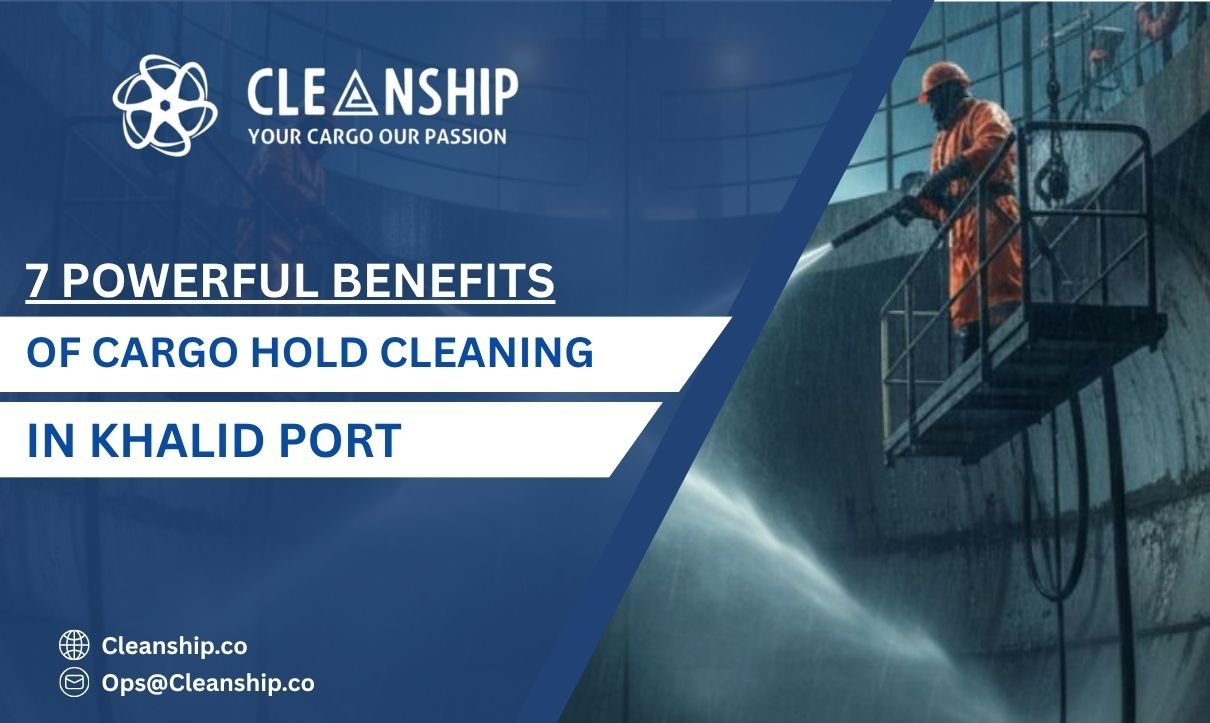
7 Powerful Benefits of Cargo Hold Cleaning in Khalid Port
Benefits of Cargo Hold Cleaning in Khalid Port Cargo hold cleaning in Khalid Port is a critical operational discipline for vessels trading through the UAE. It directly affects cargo acceptance, safety outcomes, environmental compliance, and commercial reliability. In a port environment aligned with world ports and international oversight, the condition of cargo holds is not a minor detail. It is a visible marker of how seriously a vessel operator treats compliance and risk management. For shipowners, operators, and charterers, cargo hold cleaning in Khalid Port determines whether the next cargo loads smoothly or becomes a source of delay, dispute, or rejection. This article explains why the UAE plays a leading role in marine cleaning, how global regulations shape cleaning practices, and the seven most powerful benefits of maintaining clean cargo holds at Khalid Port. Why the UAE Is a Global Hub for Marine Cleaning The UAE sits at the crossroads of global trade routes linking Asia, Europe, and Africa. Ports like Khalid Port handle a wide mix of bulk, breakbulk, and project cargoes under tight schedules and strict oversight. Because vessels calling at UAE ports often transition between very different cargo types, residue control becomes essential. Dust, moisture, rust scale, or chemical traces left behind can compromise the next cargo. Cargo hold cleaning in Khalid Port reflects the UAE’s commitment to meeting international expectations rather than local minimums. This consistency has positioned UAE ports as trusted stops within global shipping networks. What Cargo Hold Cleaning in Khalid Port Involves Cargo hold cleaning is the systematic removal of cargo residues, dust, rust flakes, moisture, and odors from ship holds after discharge. The objective is to present holds that are clean, dry, and ready for inspection and loading. In Khalid Port, cargo hold cleaning is typically required: When cargo hold cleaning in Khalid Port is done properly, it prevents re-cleaning, inspection failures, and operational delays. Regulatory Standards Shaping Cargo Hold Cleaning International Maritime Organization Framework The IMO establishes global standards for vessel safety and pollution prevention. Clean cargo holds reduce risks related to fire, contamination, and unsafe working environments, directly supporting IMO principles. MARPOL Convention Requirements The MARPOL Convention governs pollution from ships. Cargo residues and wash water generated during cargo hold cleaning in Khalid Port must be handled and disposed of correctly to prevent illegal discharge into port waters. IMCA Safety Guidance IMCA guidance addresses safe working practices during cleaning operations, including confined space entry, working at height, ventilation, and hazard management. These principles guide modern cargo hold cleaning methods. IAPH Port Expectations The International Association of Ports and Harbors promotes safe, sustainable port operations at world ports. Khalid Port applies these expectations through strict cleanliness and waste management controls. Cargo hold cleaning in Khalid Port is structured to satisfy all these frameworks simultaneously. Benefit 1: Protection of Cargo Quality The most immediate benefit of cargo hold cleaning in Khalid Port is cargo protection. Residues from previous cargoes can: For example, a hold previously carrying coal dust must be thoroughly cleaned before loading grain. Even fine particles can result in cargo rejection or claims. Clean holds preserve cargo integrity and protect commercial relationships. Benefit 2: Predictable Regulatory Compliance Regulatory compliance in UAE ports is actively enforced. Cargo hold cleaning in Khalid Port helps you: Inspectors assess both physical cleanliness and supporting documentation. Clean, well-prepared holds simplify inspections and reduce the risk of detention or delay. Benefit 3: Improved Crew Safety Cargo hold cleaning is labor-intensive and potentially hazardous. Common risks include: Professional cargo hold cleaning in Khalid Port emphasizes structured access, ventilation, and safe cleaning techniques. Clean, dry holds are safer to work in and reduce the likelihood of accidents. This approach aligns with IMCA safety guidance and modern safety management systems. Benefit 4: Environmental Protection and Sustainability Environmental responsibility is central to port operations in the UAE. Cargo residues may contain substances harmful to marine ecosystems. Improper handling during cleaning can lead to pollution incidents and severe penalties. Cargo hold cleaning in Khalid Port follows controlled waste handling practices that: These practices protect both the vessel and the port’s environmental standing. Benefit 5: Cost Efficiency Through Preventive Maintenance Cargo hold cleaning is often viewed as an expense. In reality, it is preventive maintenance. Clean holds: Residues act like abrasive grit inside machinery. Left in place, they accelerate wear. Cargo hold cleaning in Khalid Port helps preserve vessel condition and control lifecycle costs. Benefit 6: Faster Turnaround and Operational Efficiency Delays during cargo operations are expensive. Dirty holds often lead to: Cargo hold cleaning in Khalid Port ensures vessels are ready to load as scheduled. This reduces port stay duration and supports reliable voyage planning. Efficiency at the port translates directly into commercial advantage. Benefit 7: Commercial Readiness and Reputation Clean holds send a strong commercial signal. Charterers, surveyors, and marine supercargo professionals assess hold condition as an indicator of vessel management quality. Poor cleanliness raises concerns about broader operational discipline. Cargo hold cleaning in Khalid Port supports: A clean hold tells a clear story: this vessel is ready to perform. Tank, Hold, and Bulk Carrier Cleaning Standards Cargo hold cleaning exists within a wider maritime cleaning framework. Cargo Hold Cleaning Standards Holds must be clean, dry, and free of loose residues. Standards vary depending on cargo type and charter requirements. Bulk Carrier Hold Cleaning Bulk carriers focus on removing dust, moisture, and residues that could affect sensitive cargoes. Tank Cleaning Coordination Some vessels alternate between liquid and dry cargoes. Cleaning standards must prevent cross-contamination between tanks and holds. Cargo hold cleaning in Khalid Port integrates these standards into a unified operational approach. Inspection, Documentation, and Compliance Workflows Cleaning without documentation offers limited protection. Effective compliance workflows include: These documents provide traceability and support vessel operators during audits, inspections, or claims. Industry service providers such as Cleanship.co often support these workflows as part of global tank and hold cleaning operations, alongside cargo supervision and compliance support. Role of Marine Supercargo and Quality Verification Marine supercargo professionals verify the hold condition