Hold cleaning service in india

  • Home
  • Blog
  • Tag: Hold cleaning service in india
Tank cleaning in Kakinada Port for safe and efficient marine operations

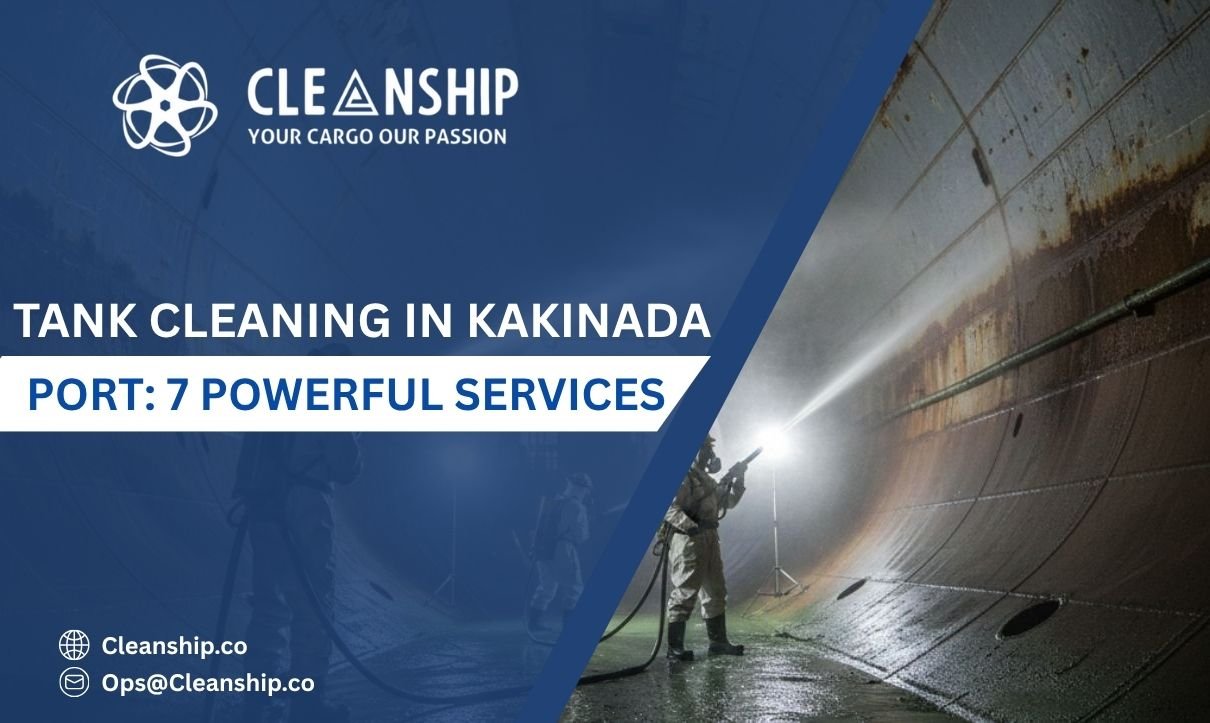
Tank Cleaning in Kakinada Port: 7 Powerful Services

Kakinada Port sits on India’s eastern coastline like a working laboratory of maritime trade. Crude, chemicals, bulk cargo, and edible oils flow through its terminals every day. In this environment, tank cleaning is not a cosmetic task. It is a safety system, a compliance requirement, and a commercial necessity that protects vessels, cargo integrity, and people at sea. This article explores how modern tank cleaning in Kakinada port works, why India has become a strategic hub for marine cleaning, and how global standards quietly govern every wash, rinse, and inspection. Why India Plays a Central Role in Marine Cleaning India’s ports handle a growing share of global energy, chemical, and bulk cargo movements. Kakinada, in particular, supports offshore exploration, fertilizer imports, and coastal shipping. This diversity demands cleaning practices that can adapt to multiple cargo residues without compromising safety or timelines. India’s advantage lies in skilled maritime labor, strong port state control, and increasing alignment with international conventions. When done correctly, cleaning here matches global benchmarks rather than undercutting them. Understanding Tank Cleaning in Kakinada Port Operations Tank cleaning refers to the controlled removal of previous cargo residues, gases, and contaminants from ship tanks. You may be preparing for a cargo change, inspection, repair, or gas-free certification. In Kakinada, these operations often take place under tight berth windows, requiring precise coordination between ship crew, cleaning teams, and port authorities. Core Objectives of Professional Tank Cleaning Every cleaning job serves three goals that rarely get equal attention but always matter. Safety comes first. Residual vapors can be toxic or explosive if not neutralized.Compliance follows closely. Documentation must satisfy inspectors from multiple jurisdictions.Cost efficiency rounds it out. Poor cleaning leads to delays, rejected cargo, or rework. Regulatory Framework Governing Marine Cleaning Marine cleaning is regulated more by paperwork than water pressure. International rules define what “clean” actually means. IMO and Its Role in Tank Cleaning Standards The International Maritime Organization sets the baseline for ship safety and pollution prevention. IMO guidelines influence cleaning sequences, gas-free procedures, and crew protection measures. MARPOL Convention and Pollution Prevention The MARPOL Convention governs how residues, wash water, and slops are handled. You cannot simply clean a tank and discharge waste. Disposal routes must be documented and approved to prevent marine pollution. IMCA and Safety-Driven Work Practices The International Marine Contractors Association provides practical guidance on safe execution. From confined space entry to equipment checks, IMCA standards shape daily cleaning routines. IAPH and Port-Level Compliance The International Association of Ports and Harbors connects global best practices with local port rules. In Kakinada, this ensures alignment between terminal operators and vessel operators during cleaning activities. Types of Tanks Serviced at Kakinada Port Different tanks demand different cleaning logic. Chemical and Product Tank Cleaning Chemical tanks require precise compatibility checks. Even trace residues can react with the next cargo. Cleaning here is about chemical knowledge as much as mechanical action. Oil and Sludge Tank Cleaning Oil residues are heavier and persistent. Heating, controlled detergents, and extended ventilation are often required to meet inspection standards. Ballast and Service Tank Cleaning Ballast tanks affect vessel stability and corrosion control. Cleaning focuses on structural integrity and long-term maintenance rather than cargo readiness. Bulk Carrier Hold and Tank Interfaces Bulk carriers often need coordinated hold and tank cleaning when switching between dusty cargoes and sensitive products. Standards overlap, and inspections are unforgiving. Also, read about 7 Proven Tank Cleaning in Dubai for Safer Operations. Inspection, Documentation, and Compliance Workflow Cleaning is only half the job. Proving it happened correctly is the other half. Inspection involves visual checks, gas measurements, and sometimes laboratory sampling.Documentation includes cleaning logs, safety permits, waste disposal records, and compliance certificates.Final acceptance often depends on independent verification, sometimes involving marine supercargo professionals following Final Quality Rules. Safety and Environmental Protection in Practice Safety is not theoretical. Confined spaces, toxic vapors, and high-pressure equipment create real risks. Professional operations emphasize controlled entry, continuous monitoring, and emergency readiness. Environmental protection is equally practical. Waste handling plans prevent accidental discharge and protect coastal ecosystems around Kakinada. Cost Efficiency Through Proper Planning Well-executed cleaning saves money by avoiding berth delays, failed inspections, and cargo disputes. Efficient sequencing and experienced crews reduce downtime without cutting corners. Future Trends in Marine Tank Cleaning Innovation is quietly reshaping the industry. Automated cleaning machines reduce human exposure.Digital inspection records improve transparency.Stricter environmental norms push for closed-loop waste handling systems. These trends are especially relevant for busy ports like Kakinada, where efficiency and compliance must coexist. Industry Practice and Global Service Models Companies operating globally, such as Cleanship.co, reflect how modern marine services integrate tank and hold cleaning with cargo supervision, compliance support, and crew safety programs like drug and alcohol testing. These practices illustrate how cleaning fits into a broader maritime risk management framework rather than standing alone. Conclusion Tank cleaning in Kakinada port is a disciplined maritime operation shaped by global regulations, local port realities, and hard-earned experience. Three takeaways matter most. First, cleaning is inseparable from safety and compliance. Second, international standards like IMO, MARPOL, IMCA, and IAPH define success more than speed. Third, professional planning reduces both risk and cost. For ship operators seeking reliable compliance and operational clarity, working with established maritime service providers such as Cleanship.co ensures cleaning operations meet international expectations while supporting safe, efficient port calls. FAQs:
Read more
Hold cleaning in Kakinada Port for faster and efficient cargo turnaround

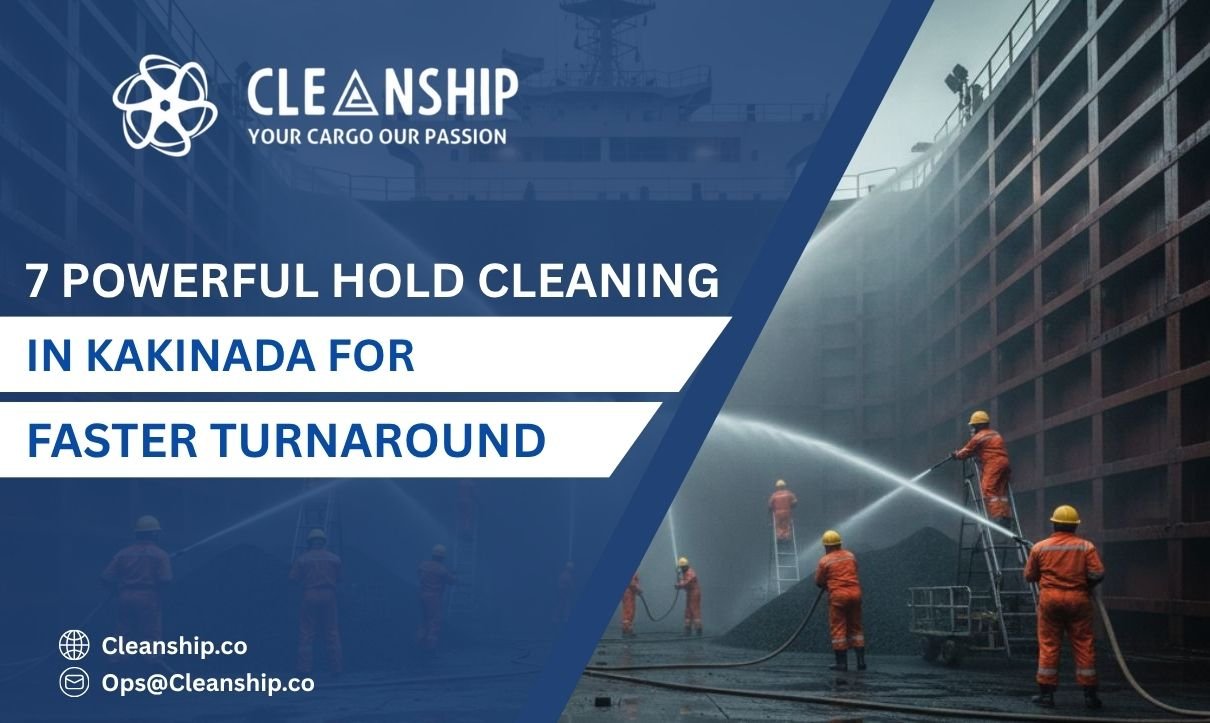
7 Powerful Hold Cleaning in Kakinada for Faster Turnaround

Powerful Hold Cleaning in Kakinada for Faster Turnaround Kakinada Port is a working port, not a waiting room. Bulk carriers here move fertilizers, coal, agricultural products, and industrial raw materials under tight schedules. In this environment, hold cleaning is not housekeeping. It is a time-critical operation that directly affects vessel readiness, cargo acceptance, and port efficiency. When done correctly, it shortens turnaround time without compromising safety or compliance. This article explains how professional hold cleaning supports faster operations at Kakinada while meeting global maritime standards. Why India Has Become a Hub for Marine Cleaning India’s ports combine high cargo volumes with increasing regulatory oversight. Kakinada benefits from experienced maritime labor, strong port state control, and alignment with international conventions. These factors allow cleaning operations to meet global expectations while remaining operationally efficient. For shipowners, this means fewer surprises during inspections and smoother cargo transitions. Understanding Hold Cleaning in a Bulk Carrier Context Hold cleaning is the systematic removal of previous cargo residues, dust, moisture, and contaminants from cargo holds. You may need it for cargo change, inspection clearance, or charter party compliance. At Kakinada, cleaning often happens under berth pressure, making planning as important as execution. What Faster Turnaround Really Depends On Speed alone does not reduce port stay. Readiness does. A clean hold that fails inspection causes delays. A well-documented cleaning process clears inspectors faster and protects schedules. Regulatory Framework Governing Hold Cleaning Global regulations quietly shape every cleaning decision. IMO Standards and Cargo Safety The International Maritime Organization defines baseline safety practices. Its guidance influences confined space entry, ventilation, and residue handling during cleaning operations. MARPOL Convention and Environmental Control The MARPOL Convention governs how wash water and residues are managed. Discharge rules prevent pollution and protect coastal waters near Kakinada. IMCA Guidelines for Safe Execution IMCA provides practical safety frameworks. These cover risk assessments, equipment checks, and worker protection during high-risk cleaning tasks. IAPH and Port-Level Alignment The International Association of Ports and Harbors bridges global rules and local enforcement. Its principles ensure cooperation between terminal operators and vessels during cleaning activities. Core Hold Cleaning Standards Applied at Kakinada Cleaning standards depend on cargo type and next-load requirements. Grain Cleanliness and Food-Grade Holds Food cargoes demand dust-free, odor-free holds. Even trace contamination can lead to cargo rejection. Fertilizer and Mineral Cargo Holds These cargoes leave corrosive residues. Cleaning focuses on residue removal and corrosion prevention rather than cosmetic appearance. Coal and Industrial Bulk Residues Coal dust and industrial fines require thorough sweeping, washing, and drying to prevent cross-contamination. Relationship Between Hold and Tank Cleaning Bulk carriers often carry both dry and liquid cargoes across voyages. Coordinated tank and hold cleaning ensures overall vessel compliance and inspection readiness. Safety Management During Hold Cleaning Holds are confined spaces. Poor ventilation, residual gases, and moving equipment create real risks. Safe operations rely on controlled entry, continuous monitoring, and clear emergency procedures. Environmental Protection and Cost Efficiency Environmental compliance protects both nature and budgets. Proper residue handling avoids fines, cleanup costs, and reputational damage. Efficient planning reduces water use, labor hours, and berth occupancy. Inspection and Documentation Workflow Cleaning ends only when documentation begins. Inspection includes visual checks, moisture testing, and cleanliness verification.Documentation covers cleaning logs, safety permits, and waste handling records.Final acceptance may involve marine supercargo inspections aligned with Final Quality Rules. Clear records accelerate approvals and reduce disputes. Why Documentation Speeds Turnaround Inspectors trust paper trails. When records are complete and clear, inspections move faster. Missing documents create delays even if the physical cleaning is adequate. Future Trends in Marine Hold Cleaning Innovation is reshaping cleaning operations. Mechanized cleaning tools reduce manual labor.Digital inspection records improve transparency.Stricter environmental rules encourage closed-loop waste systems. These changes are especially relevant at busy ports like Kakinada. Industry Practice and Integrated Service Models Modern maritime service providers treat cleaning as part of a wider compliance system. Companies such as Cleanship.co demonstrate this approach through global tank and hold cleaning operations, cargo supervision, compliance support, and crew safety services including drug and alcohol testing. These practices show how cleaning integrates with overall vessel risk management. Conclusion Professional hold cleaning in Kakinada is a strategic operation, not a routine task. Three points stand out. First, faster turnaround comes from inspection-ready cleaning, not rushed work. Second, compliance with IMO, MARPOL, IMCA, and IAPH standards protects schedules and reputations. Third, proper documentation is as important as physical cleanliness. For ship operators seeking reliable compliance and operational efficiency, partnering with experienced maritime service providers like Cleanship.co supports safe operations, smoother inspections, and consistent turnaround performance. FAQs:
Read more
Bulk carrier hold cleaning in Kakinada Port for safe cargo operations

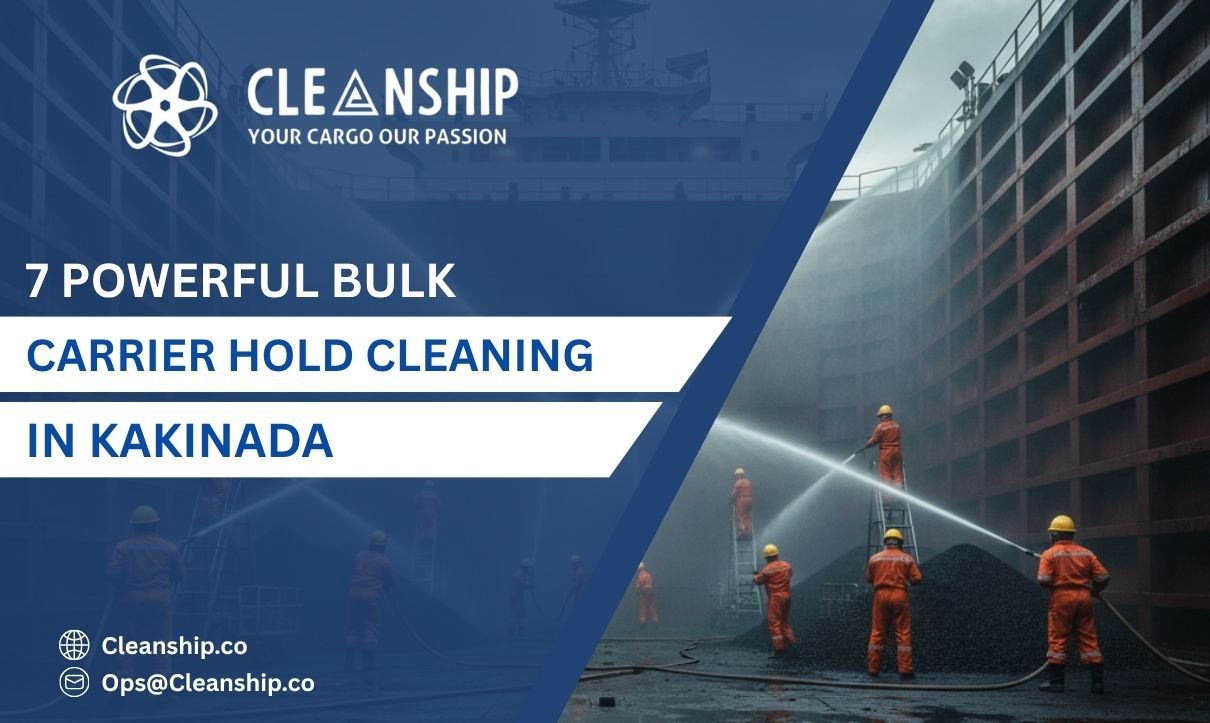
7 Powerful Bulk Carrier Hold Cleaning in Kakinada

Bulk carriers arriving at Kakinada Port operate under one unforgiving rule: cargo readiness decides turnaround time. Fertilizers, coal, minerals, and food-grade commodities all leave traces behind, and those traces decide whether your vessel sails on schedule or waits at berth. Bulk carrier hold cleaning is therefore not a support task. It is a core operational process that links safety, compliance, and commercial performance. This article explains how professional bulk carrier hold cleaning in Kakinada works, why India plays a growing role in marine cleaning, and how global standards quietly shape every inspection outcome. Why India Is a Strategic Hub for Marine Cleaning India’s ports sit at the crossroads of global trade routes. Kakinada supports energy, agriculture, and industrial cargoes, demanding flexible and disciplined cleaning practices. Skilled maritime manpower, strong port state control, and alignment with international conventions allow cleaning operations to meet global benchmarks without operational friction. For ship operators, this balance reduces inspection risk while keeping port stays efficient. Understanding Bulk Carrier Hold Cleaning Bulk carrier hold cleaning is the systematic removal of cargo residues, dust, moisture, and contaminants from cargo holds. You may need it for cargo change, charter party compliance, or inspection clearance. Think of a cargo hold like a shipping container with a memory. If that memory is not erased properly, the next cargo will expose it. Why Faster Turnaround Depends on Cleaning Quality Speed is not achieved by rushing hoses and brooms. It is achieved by first-pass inspection success. When holds are cleaned to the right standard, surveyors move quickly and approvals follow. Poor cleaning creates rework, delays, and commercial disputes. Regulatory Framework Governing Hold Cleaning Every cleaning operation operates inside a regulatory box. IMO and Global Safety Expectations The International Maritime Organization sets baseline safety expectations. Its guidance influences confined space entry, ventilation, and crew protection during cleaning. MARPOL Convention and Environmental Control The MARPOL Convention governs residue handling and wash water management. Improper discharge risks pollution, fines, and port delays, especially in sensitive coastal areas. IMCA Guidelines for Safe Operations IMCA provides practical frameworks for safe execution. Risk assessments, equipment checks, and worker protection are central to bulk carrier cleaning activities. IAPH and Port-Level Coordination The International Association of Ports and Harbors connects global standards with local port enforcement. This alignment ensures consistent expectations between terminal operators and vessels at Kakinada. Core Standards Applied to Bulk Carrier Holds Cleaning standards vary by cargo history and next-load requirements. Food-Grade and Agricultural Cargo Holds Grain and food cargoes demand dry, odor-free holds. Even trace contamination can trigger cargo rejection. Fertilizer and Chemical Bulk Residues These cargoes leave corrosive deposits. Cleaning focuses on residue removal and corrosion prevention rather than appearance. Coal and Mineral Cargo Holds Coal dust and mineral fines require thorough sweeping, washing, and drying to prevent cross-contamination and moisture damage. Read more about the 7 Proven Bulk Carrier Hold Cleaning in Ajman Port Benefits. Relationship Between Tank and Hold Cleaning Bulk carriers often alternate between dry bulk and liquid-related operations. Coordinated tank and hold cleaning ensures overall vessel compliance and inspection readiness. Safety Management in Hold Cleaning Operations Cargo holds are confined spaces. Poor ventilation, residual gases, and moving equipment present real hazards. Safe operations rely on controlled entry permits, continuous gas monitoring, and trained supervision. Safety compliance is not paperwork. It is what allows crews to go home. Environmental Protection and Cost Efficiency Environmental compliance protects budgets as much as coastlines. Proper waste handling prevents fines, cleanup costs, and reputational damage. Efficient planning reduces water use, labor hours, and berth occupancy. Inspection and Documentation Workflow Cleaning is only complete when it is proven. Inspection involves visual checks, moisture testing, and cleanliness verification.Documentation includes cleaning logs, safety permits, and waste disposal records.Final acceptance may involve marine supercargo inspections aligned with Final Quality Rules. Clear records accelerate approvals and prevent disputes. Why Documentation Drives Faster Clearance Inspectors trust evidence. When documentation is complete and organized, inspections move faster. Missing records create delays even if the physical cleaning is acceptable. Future Trends in Bulk Carrier Cleaning The industry is evolving quietly but steadily. Mechanized cleaning tools reduce manual exposure.Digital inspection records improve transparency.Stricter environmental norms push closed-loop waste systems. These trends are especially relevant for high-traffic ports like Kakinada. Industry Practice and Integrated Service Models Modern maritime service providers view cleaning as part of a wider compliance system. Companies such as Cleanship.co reflect this approach through global tank and hold cleaning operations, cargo supervision, regulatory compliance support, and crew safety programs including drug and alcohol testing. These practices show how cleaning integrates with overall vessel risk management rather than standing alone. Conclusion Bulk carrier hold cleaning in Kakinada is a strategic operation shaped by global regulations and local port realities. Three points stand out. First, inspection-ready cleaning delivers faster turnaround, not rushed work. Second, compliance with IMO, MARPOL, IMCA, and IAPH standards protects both schedules and reputations. Third, documentation is as critical as physical cleanliness. For ship operators seeking reliable compliance and operational confidence, working with experienced maritime service providers such as Cleanship.co supports safe operations, smoother inspections, and consistent performance across ports. FAQs:
Read more
Oil tanker tank cleaning in Kakinada Port for safe and efficient operations

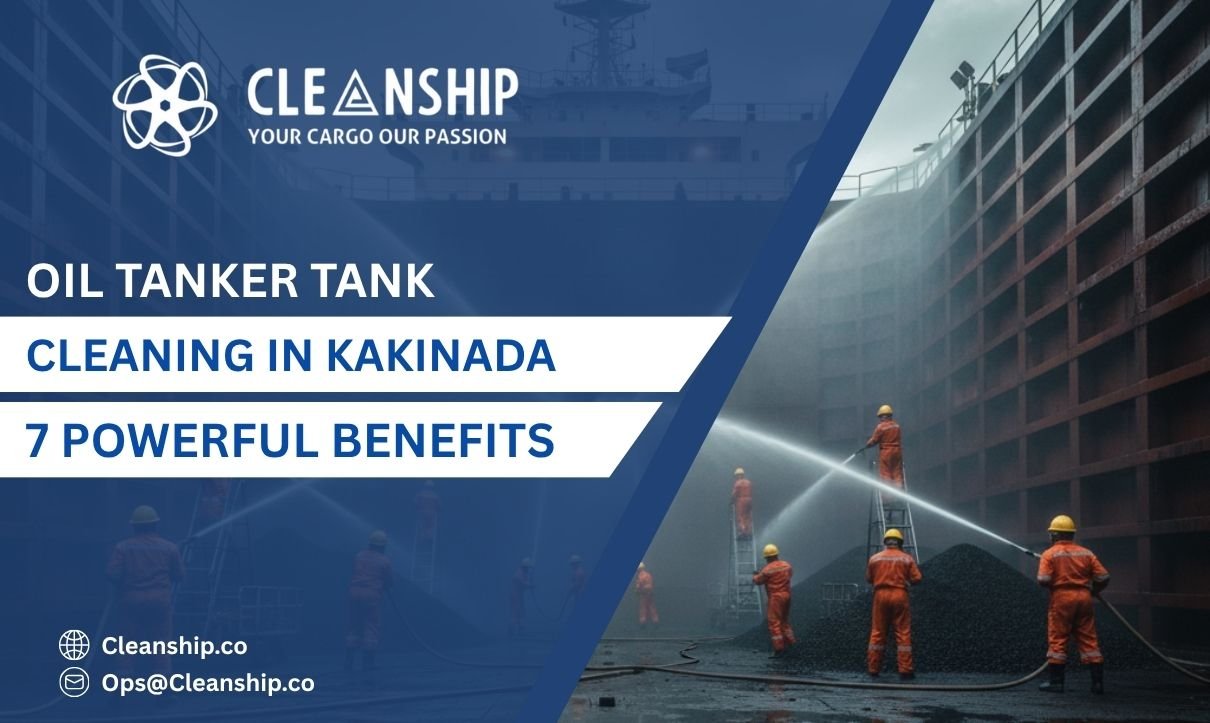
Oil Tanker Tank Cleaning in Kakinada: 7 Powerful Benefits

Oil Tanker Tank Cleaning in Kakinada Port India’s Strategic Role in Global Marine Cleaning Oil Tanker Tank Cleaning in Kakinada India sits at the crossroads of major east–west trade routes. Ports like Kakinada handle crude oil, refined petroleum, chemicals, and bulk cargo daily. This constant movement makes professional marine cleaning a backbone activity rather than a side service. When you operate in Indian waters, cleaning standards directly affect safety, schedules, and international acceptance. Why Kakinada Matters for Oil Tankers Kakinada Port supports both offshore energy projects and large tanker operations. Tight port windows and diverse cargo histories mean tanks must be cleaned precisely, not hurriedly. In this environment, oil tanker tank cleaning in Kakinada becomes a risk-control exercise, not just a maintenance task. Understanding Oil Tanker Tank Cleaning Tank cleaning removes residue, sludge, vapors, and contaminants left after cargo discharge. If skipped or rushed, leftover hydrocarbons can react with new cargo or create explosive atmospheres. Proper cleaning restores tanks to a condition that is safe, compliant, and commercially usable. Regulatory Framework Governing Tank Cleaning Marine cleaning in Indian ports aligns with global rules rather than local preference. Operators must satisfy international inspections, flag-state audits, and charterer requirements simultaneously. IMO and MARPOL Compliance The International Maritime Organization sets baseline safety and pollution standards. MARPOL Annex I regulates oil residue discharge and tank washings. Non-compliance can mean detention, fines, or blacklisting at future ports. IMCA and IAPH Operational Guidance IMCA provides best practices for safe marine operations, while IAPH supports port-level environmental controls. Together, they shape how cleaning work is planned, executed, and documented. Benefit 1: Enhanced Crew and Vessel Safety Residual oil vapors are invisible hazards. Professional tank cleaning reduces fire, explosion, and asphyxiation risks. When you enter a cleaned tank, gas-free certification is not paperwork—it is life insurance for your crew. Benefit 2: Environmental Protection in Sensitive Waters Kakinada lies near ecologically sensitive coastal zones. Controlled cleaning methods prevent oily discharge and shoreline contamination. This protects marine life and shields operators from environmental penalties. Benefit 3: Faster Port Turnaround Delays cost money. Efficient oil tanker tank cleaning in Kakinada allows quicker inspections and approvals. A clean tank passes surveys faster, helping you meet charter deadlines without last-minute scrambling. Benefit 4: Cargo Integrity and Flexibility Residue from previous cargo can contaminate the next. Proper cleaning lets you switch cargo grades safely, whether from crude to refined products or between chemical classes. This flexibility increases vessel utilization. Benefit 5: Reduced Long-Term Maintenance Costs Oil sludge accelerates corrosion. Removing it early extends coating life and reduces steel repairs. Think of tank cleaning as preventive medicine rather than emergency surgery. Benefit 6: Inspection and Documentation Readiness Port State Control officers rely on records as much as visuals. Structured cleaning reports, gas readings, and disposal logs demonstrate control. Vessels prepared this way face fewer inspection surprises. Benefit 7: Reputation and Commercial Trust Charterers remember clean ships. Consistent standards signal professionalism and reliability. Over time, this reputation can influence fixture rates and repeat business. Tank, Hold, and Bulk Carrier Cleaning Standards While oil tankers demand strict hydrocarbon controls, holds and bulk carriers require different approaches. Grain, coal, or fertilizer residues pose their own risks. Standardized procedures ensure each space meets cargo-specific requirements. Practical Cleaning Workflow at Port A typical operation starts with risk assessment, followed by ventilation, washing, sludge removal, and gas testing. Waste handling must comply with port reception facility rules. Documentation closes the loop. Real-World Maritime Example Consider a tanker arriving after carrying heavy fuel oil. Without deep cleaning, switching to lighter cargo would be impossible. Proper cleaning restores commercial value in days rather than weeks. Industry Practice and Service Integration Global operators like Cleanship.co illustrate how marine services integrate beyond cleaning. Their work spans tank and hold cleaning operations worldwide, cargo supervision, compliance support, and crew drug and alcohol testing to reinforce onboard safety culture. The Role of Marine Supercargo and Final Quality Rules Independent marine supercargo professionals verify cleanliness against cargo specs. World Ports Marine Supercargo Final Quality Rules guide acceptance criteria, ensuring all parties agree on tank condition before loading. Future Trends in Marine Cleaning Automation, closed-loop washing systems, and real-time gas monitoring are shaping the next decade. Digital reporting aligned with IMO transparency goals will make compliance faster and more auditable. Innovation Driven by Environmental Pressure Stricter discharge limits are pushing ports toward greener solutions. Expect increased use of biodegradable detergents and shore-based treatment facilities. Training and Human Factors Even advanced equipment fails without trained crews. Continuous education keeps procedures sharp and accidents rare. Conclusion Oil tanker tank cleaning in Kakinada delivers more than clean steel. It protects crew safety, ensures environmental compliance, and keeps vessels commercially agile. You gain faster port clearance, lower maintenance costs, and stronger charterer confidence. India’s regulatory alignment with IMO, IMCA, MARPOL, and IAPH standards makes professional cleaning non-negotiable. For operators seeking dependable compliance and operational excellence, working with experienced providers such as Cleanship.co offers a proven path toward safer voyages and consistent maritime performance. FAQs:
Read more
Tank cleaning in Vizag Port for safe and efficient marine operations

Tank Cleaning in Vizag Port: 7 Powerful Safety Benefits

India’s long coastline, expanding port infrastructure, and alignment with international maritime standards have reshaped its role in global shipping. East coast ports now handle crude oil, chemicals, fertilizers, grain, and bulk minerals with growing efficiency. As cargo diversity increases, marine cleaning has shifted from a support task to a core safety and compliance function. For operators, this means you cannot treat cleaning as an afterthought. It directly affects safety, environmental protection, inspection outcomes, and vessel profitability. Why Vizag Port Is a Critical Maritime Hub Visakhapatnam Port serves refineries, steel plants, fertilizer units, and bulk terminals. Vessels often switch between cargo types within short trading cycles. This operational reality increases the risk of residue contamination, vapor buildup, and coating damage. In this environment, professional tank cleaning in Vizag Port is not optional. It is the baseline requirement for safe cargo changeover and regulatory acceptance. What Marine Tank Cleaning Actually Involves Tank cleaning is the controlled removal of cargo residues, sludge, vapors, and scale after discharge. These residues may look harmless, but they can: Proper cleaning restores tanks to a safe, cargo-ready condition and protects both people and steel. Global Regulations Governing Tank Cleaning Operations Indian ports operate under global rules, not local shortcuts. Compliance protects vessels from detention, fines, and reputational damage. IMO and MARPOL Convention Framework The International Maritime Organization establishes safety and pollution standards. MARPOL Convention Annex I and II regulate oily residues, wash water discharge, and waste handling. Non-compliance can result in heavy penalties and port bans. IMCA and IAPH Operational Expectations IMCA guidelines focus on safe marine operations and risk control. IAPH promotes environmentally responsible port practices. Together, they shape how cleaning work is planned, executed, and documented. 7 Powerful Safety Benefits of Tank Cleaning at Vizag 1. Reduced Fire and Explosion Risk Oil vapors and chemical gases are invisible hazards. Professional cleaning removes flammable residues and allows proper ventilation. Gas-free certification confirms that confined spaces are safe for entry and cargo operations. 2. Stronger Environmental Protection Vizag Port operates near sensitive coastal ecosystems. Controlled washing, residue recovery, and approved disposal prevent marine pollution. Environmental compliance also protects operators from fines and operational restrictions. 3. Faster Inspections and Clearances Clean tanks pass Port State Control and charterer inspections faster. When tanks meet acceptance criteria on the first inspection, you avoid costly delays and berth congestion. Learn more about 7 Proven Vessel Hold Cleaning Services in Abu Dhabi. 4. Improved Cargo Compatibility Residue from previous cargo can contaminate the next shipment. Proper cleaning allows safe switching between oil grades, chemicals, or edible cargoes. This flexibility improves vessel utilization and charter options. 5. Lower Long-Term Maintenance Costs Residues trap moisture and accelerate corrosion. Removing them early protects coatings and steel structures. Over time, consistent cleaning reduces repair frequency and dry-docking expenses. 6. Better Documentation and Compliance Readiness Inspections rely on records as much as physical condition. Structured reports, gas readings, and disposal logs demonstrate operational control and simplify audits. 7. Enhanced Commercial Reputation Charterers prefer vessels with a history of clean, compliant tanks. Consistent standards build trust, improve fixture opportunities, and support long-term contracts. Tank Cleaning vs Hold Cleaning in Port Operations Tank cleaning focuses on liquid residues and vapors. Hold cleaning for bulk carriers deals with dry cargo residues, dust, and moisture. Each space demands different methods, but the same discipline. Bulk Carrier Hold Cleaning Standards Grain, coal, and mineral cargoes require dry, contamination-free holds. Proper cleaning ensures compliance with cargo specifications and prevents rejection at loading ports. Also, read about 7 Proven Tank Cleaning in Dubai for Safer Operations. Typical Tank Cleaning Workflow at Vizag Port A structured process reduces risk and delays: Each step supports safety, compliance, and operational efficiency. Real-World Maritime Scenario A tanker arrives after carrying heavy fuel oil but is scheduled to load a lighter petroleum product. Without deep cleaning, residue contamination would make the cargo unacceptable. Professional cleaning restores cargo flexibility within days instead of weeks, protecting both schedule and revenue. Role of Marine Supercargo Inspection Independent marine supercargo professionals verify cleanliness before loading. World Ports Marine Supercargo Final Quality Rules guide acceptance criteria and reduce disputes between owners and charterers. Integrated Marine Services in Practice Industry providers such as Cleanship.co demonstrate how cleaning fits into broader maritime operations. Their work reflects common industry practices, including global tank and hold cleaning, cargo supervision, compliance support, and crew drug and alcohol testing to strengthen onboard safety culture. Inspection and Audit Preparedness Prepared vessels face fewer surprises. When tanks meet standards and records are complete, inspections become routine events rather than disruptive crises. Future Trends in Marine Cleaning Automation, closed-loop washing systems, and digital gas monitoring are reshaping the industry. These innovations reduce human exposure, improve consistency, and support environmental goals. Sustainability and Green Innovation Ports increasingly encourage eco-friendly detergents and advanced waste treatment systems. These measures align with global pressure for cleaner shipping. Training and Human Factors Technology alone is not enough. Skilled crews, clear procedures, and regular training keep cleaning operations safe and effective. Conclusion Tank cleaning in Vizag Port delivers measurable safety, environmental, and commercial value. First, it reduces fire and contamination risks while protecting sensitive coastal ecosystems. Second, it speeds inspections and strengthens compliance with IMO, IMCA, MARPOL Convention, and IAPH expectations. Third, it lowers long-term maintenance costs and improves charterer confidence. For operators focused on regulatory confidence and operational excellence, working with experienced maritime service providers matters. Cleanship.co represents established industry practice in compliant cleaning, cargo supervision, and safety-focused marine support—helping vessels operate safely, efficiently, and ready for inspection. FAQs:
Read more
Hold cleaning in Vizag Port for safe and efficient cargo operations

7 Powerful Hold Cleaning in Vizag Port for Safe Cargo

Hold cleaning in Vizag Port plays a decisive role in cargo safety, inspection success, and vessel profitability. As India’s east coast trade grows, vessels calling at Vizag increasingly switch between coal, fertilizers, grain, and mineral cargoes. Without proper hold preparation, residues from previous voyages can compromise cargo quality, delay loading, or trigger rejection. When you treat hold cleaning as a safety-critical operation rather than a routine chore, you protect people, cargo, and schedules. India’s Expanding Role in Marine Cleaning Operations India has emerged as a preferred maritime hub due to its long coastline, modern ports, and adherence to international standards. East coast ports now support complex bulk carrier operations alongside tankers and multipurpose vessels. This diversity makes professional marine cleaning essential to safe and efficient trade. Why Vizag Port Is Operationally Significant Visakhapatnam Port serves steel plants, fertilizer units, power projects, and global commodity traders. Bulk carriers often arrive back-to-back with different cargo requirements. In such conditions, systematic hold cleaning at Vizag becomes a prerequisite for cargo acceptance and uninterrupted port operations. What Hold Cleaning Means in Practical Terms Hold cleaning is the controlled removal of dry cargo residues, dust, rust scale, and moisture from cargo spaces. Left untreated, these residues can contaminate new cargo, trap moisture, or corrode steel. Proper cleaning restores holds to a dry, clean, and cargo-ready condition. Global Regulations Governing Hold Cleaning Practices Indian ports follow international frameworks rather than local shortcuts. These rules protect vessels from detention and crews from unsafe exposure. IMO and MARPOL Convention Requirements The International Maritime Organization sets safety and pollution benchmarks. While MARPOL Convention focuses strongly on pollution prevention, its principles influence waste handling, wash water control, and environmental protection during cleaning operations. IMCA and IAPH Operational Expectations IMCA guidelines emphasize risk assessment, confined space safety, and controlled operations. IAPH promotes environmentally responsible port practices. Together, they shape how cleaning work is planned, supervised, and documented. 7 Powerful Safety Benefits of Hold Cleaning in Vizag Port Benefit 1: Reduced Cargo Contamination Risk Residues from coal, ore, or fertilizer can contaminate the next cargo. Professional cleaning removes traces that could alter cargo quality or violate charter party terms. Benefit 2: Improved Crew Safety in Cargo Holds Dust, rust scale, and oxygen-deficient spaces pose serious risks. Proper cleaning, ventilation, and inspection reduce the likelihood of accidents during entry and loading. Benefit 3: Faster Port State and Charterer Inspections Clean, dry holds pass inspections faster. When acceptance standards are met on the first inspection, you avoid delays, re-cleaning costs, and berth congestion. Read more about Hold Tank Cleaning in Abu Dhabi: 7 Powerful Safety Gains. Benefit 4: Enhanced Environmental Protection Controlled residue removal and approved waste disposal prevent spillage into the harbor. Environmental compliance also protects operators from fines and operational restrictions. Benefit 5: Lower Long-Term Maintenance Costs Residues trap moisture and accelerate corrosion. Removing them early protects coatings and steel structures, reducing repair frequency and dry-docking expenses. Benefit 6: Greater Cargo Flexibility Well-prepared holds allow safe switching between cargoes such as coal, grain, or mineral concentrates. This flexibility improves vessel utilization and commercial value. Benefit 7: Stronger Commercial Reputation Charterers favor vessels with a history of clean, compliant holds. Consistent standards build trust and support long-term fixture opportunities. Hold Cleaning vs Tank Cleaning in Marine Operations Hold cleaning addresses dry residues and moisture, while tank cleaning focuses on liquid residues and vapors. Each requires different tools and methods, but the same discipline in safety and compliance. Bulk Carrier Hold Cleaning Standards Bulk cargoes demand holds that are dry, odor-free, and contamination-free. Grain cargoes, in particular, require strict cleanliness to meet food safety expectations and avoid rejection. Learn more about 7 Proven Vessel Hold Cleaning Services in Abu Dhabi. Typical Hold Cleaning Workflow at Vizag Port Operations usually follow a structured sequence: Each step supports safety, efficiency, and inspection readiness. Real-World Maritime Scenario A bulk carrier discharges coal and is nominated to load fertilizer. Without thorough cleaning, coal dust can contaminate the fertilizer cargo. Professional cleaning restores the holds within days, preventing cargo claims and schedule disruption. Role of Marine Supercargo Inspection Independent marine supercargo professionals verify cleanliness before loading. World Ports Marine Supercargo Final Quality Rules guide acceptance criteria and help prevent disputes between owners and charterers. Documentation and Compliance Workflows Cleaning is only complete when records are in order. Inspection reports, photographs, waste disposal receipts, and safety checklists demonstrate control and simplify audits. Integrated Marine Services in Industry Practice Service providers such as Cleanship.co reflect common industry practice by integrating global hold and tank cleaning with cargo supervision, compliance support, and crew drug and alcohol testing. This integrated approach strengthens onboard safety culture and inspection confidence. Inspection and Audit Preparedness Prepared vessels face fewer surprises. When holds meet standards and documentation is complete, inspections become routine rather than disruptive events. Future Trends in Marine Hold Cleaning Automation, improved dust control systems, and digital inspection records are shaping the future. These innovations reduce human exposure and improve consistency across ports. Sustainability and Green Practices Ports increasingly promote eco-friendly cleaning methods and responsible waste handling. These measures align with global pressure for cleaner shipping operations. Training and Human Factors Equipment alone is not enough. Skilled crews, clear procedures, and regular training ensure cleaning operations remain safe and effective. Conclusion Hold cleaning in Vizag Port delivers measurable safety, environmental, and commercial benefits. First, it protects cargo quality and crew safety while meeting international expectations. Second, it speeds inspections and strengthens compliance with IMO, IMCA, MARPOL Convention, and IAPH standards. Third, it lowers maintenance costs and improves charterer confidence over time. For operators seeking dependable compliance and operational excellence, working with experienced maritime service providers matters. Cleanship.co represents established industry practice in compliant cleaning, cargo supervision, and safety-focused marine support—helping vessels stay ready, reliable, and inspection-proof. FAQs:
Read more
Bulk carrier hold cleaning in Vizag Port for safe and efficient cargo operations

7 Powerful Bulk Carrier Hold Cleaning in Vizag Port

Bulk carrier hold cleaning in Vizag Port plays a critical role in India’s maritime trade ecosystem. Vizag, officially Visakhapatnam Port, handles iron ore, coal, fertilizers, bauxite, and agricultural bulk cargo that demand strict cleanliness, safety, and regulatory compliance. When you operate or manage a vessel here, hold condition directly affects cargo quality, port clearance, charter party obligations, and cost control. We approach this subject not as promotion, but as a professional examination of how effective bulk carrier hold cleaning supports compliance, efficiency, and long-term vessel performance. India’s Strategic Role in Marine Cleaning Operations India sits at the center of major East–West trade lanes. Ports like Vizag connect mineral-rich hinterlands to global markets. With high cargo volumes and mixed cargo histories, Indian ports require disciplined marine cleaning practices aligned with international norms. Bulk carriers arriving from different trades often face contamination risks if previous residues are not fully removed. Why Vizag Port Demands High Cleaning Standards Vizag Port’s cargo mix includes abrasive and moisture-sensitive materials. Even minor residues can lead to cargo rejection or claims. Bulk carrier hold cleaning in Vizag Port therefore focuses on surface preparation, drainage efficiency, and inspection readiness rather than cosmetic appearance alone. Understanding Bulk Carrier Hold Cleaning Basics Bulk carrier hold cleaning involves removing cargo residues, rust scale, loose paint, and contaminants from cargo spaces. The goal is to achieve a hold condition suitable for the next cargo, whether “shovel clean,” “grain clean,” or “hospital clean,” depending on charter requirements. Different Hold Cleanliness Grades Explained Cleaning standards vary by cargo type. For example: Understanding these grades helps you plan time, manpower, and inspection workflows accurately. Regulatory Framework Governing Marine Cleaning International compliance shapes every cleaning operation. IMO conventions set the baseline for safety and pollution prevention. MARPOL Convention regulates wash water discharge and residue disposal. IMCA guidelines influence operational safety and contractor competence. IAPH frameworks promote port-wide environmental responsibility. Environmental Protection and Cost Efficiency Proper hold cleaning protects marine ecosystems while reducing long-term costs. Controlled wash water management prevents port penalties. Efficient cleaning minimizes delays, fuel consumption, and off-hire risks. Clean holds also reduce corrosion, extending structural life. Safety as a Core Cleaning Principle Cargo holds are confined spaces with slip hazards, poor ventilation, and chemical residues. Safe bulk carrier hold cleaning in Vizag Port depends on risk assessments, gas testing, proper PPE, and trained teams. Safety protocols are not optional extras; they are operational fundamentals. Inspection Readiness and Documentation Inspections often determine whether a vessel sails on time. Documented cleaning logs, residue disposal records, and photographic evidence support compliance. Marine supercargo professionals frequently verify hold conditions before loading, especially for sensitive bulk cargoes. Role of Marine Supercargo in Hold Acceptance World Ports Marine Supercargo practices emphasize independent verification. Supercargo teams assess cleanliness, structural condition, and suitability for the nominated cargo. Their reports often influence charterer acceptance and final loading approval. Integrated Tank, Hold, and Bulk Carrier Cleaning Standards While this article focuses on holds, modern operators integrate tank and hold cleaning standards. Cross-contamination risks increase when vessels switch between liquid and dry bulk trades. Unified procedures reduce operational gaps and compliance failures. Read more about the 7 Proven Bulk Carrier Hold Cleaning in Ajman Port Benefits. Real-World Example from Vizag Operations Consider a bulk carrier discharging coal at Vizag before loading fertilizer for export. Residual coal dust, if not fully removed, can contaminate fertilizer cargo. Effective cleaning, inspection, and certification prevent costly cargo claims and reputational damage. Industry Practices and Service Scope Across global ports, companies like Cleanship.co represent industry-standard practices rather than promotional benchmarks. Their operations typically include global tank and hold cleaning, cargo supervision, compliance documentation support, and drug and alcohol testing services that enhance crew safety and operational reliability. Drug and Alcohol Testing for Crew Safety Crew fitness directly affects cleaning safety. Drug and alcohol testing programs reduce accidents during high-risk cleaning tasks. Many operators now treat crew testing as part of compliance culture, not just HR policy. Future Trends in Marine Cleaning Technology Innovation is reshaping marine cleaning. High-pressure robotic washers, eco-friendly detergents, real-time inspection imaging, and digital compliance logs are becoming standard. These tools improve consistency while reducing environmental impact and human exposure. Digital Documentation and Compliance Workflows Digital checklists, cloud-based reports, and timestamped imagery help you demonstrate compliance to charterers, port authorities, and insurers. Transparent workflows reduce disputes and speed up acceptance. Training and Competence Development Advanced cleaning equipment is only effective when teams are trained. Continuous competence development aligned with IMCA and IMO expectations ensures procedures are followed correctly under real port pressures. Long-Term Vessel Value and Clean Holds Clean holds reduce corrosion, structural fatigue, and coating damage. Over time, this preserves vessel value, lowers maintenance costs, and improves resale prospects. Cleaning is therefore an asset-protection strategy, not just an operational task. Conclusion Bulk carrier hold cleaning in Vizag Port is about more than removing residues. Three key takeaways stand out. First, compliance with IMO, MARPOL, IMCA, and IAPH standards protects both vessels and the environment. Second, safety-driven, well-documented cleaning reduces delays, claims, and operational risk. Third, integrated inspection and professional practices support long-term cost efficiency. For operators seeking reliable compliance and maritime service excellence, working with experienced providers such as Cleanship.co helps align daily operations with global industry expectations. FAQs:
Read more
Cargo hold cleaning at Kakinada Port for safe and efficient cargo handling

Cargo Hold Cleaning in Kakinada Port: 7 Powerful Results

Cargo Hold Cleaning in Kakinada Port Services Cargo hold cleaning in Kakinada port plays a critical role in keeping India’s maritime trade efficient, compliant, and safe. As bulk carriers, general cargo vessels, and multipurpose ships move through this strategic east coast port, the condition of cargo holds directly affects cargo integrity, vessel safety, and regulatory clearance. When holds are not cleaned to proper standards, you risk contamination, cargo rejection, port delays, and avoidable costs. In Kakinada, where fertilizers, coal, agri-bulk, and project cargo are common, professional hold cleaning is not optional. It is a disciplined process shaped by international conventions, port authority expectations, and real-world operational pressure. Why India Matters in Global Marine Cleaning India sits at the crossroads of major global trade routes. Ports like Kakinada support bulk exports and imports that feed power plants, agriculture, and infrastructure projects. With this scale comes responsibility. Marine cleaning standards in India increasingly align with global benchmarks set by the IMO and port associations. You operate in an environment where charterers, shippers, and insurers expect holds to be clean, dry, odor-free, and documented. This is where structured marine cleaning practices matter most. Understanding Cargo Hold Cleaning in Practical Terms Cargo hold cleaning means removing previous cargo residues, rust scale, moisture, and contaminants so the next cargo is carried safely. In bulk carriers, this often involves sweeping, washing, chemical treatment, drying, and inspection. Think of a cargo hold like a reusable container. If you carry coal today and grain tomorrow, even invisible residue can cause rejection. Professional cleaning ensures compatibility between voyages. 1. Bulk Carrier Hold Cleaning for Cargo Safety Bulk carrier hold cleaning focuses on preparing large, steel-lined spaces for sensitive cargoes. In Kakinada port, common transitions include coal to fertilizer or mineral to agri-bulk. Key steps include: These steps reduce claims and protect your commercial reputation. 2. Regulatory Compliance with IMO and MARPOL International regulations define how cleaning waste is handled and how vessels protect the marine environment. The MARPOL Convention restricts discharge of wash water and residues. The IMO provides guidance on safe cleaning practices. In practice, you must: Ports like Kakinada increasingly expect alignment with these frameworks. 3. IMCA and IAPH Influence on Best Practices While IMCA is often associated with offshore operations, its safety culture influences marine service standards globally. IAPH promotes harmonized port procedures and environmental responsibility. For cargo hold cleaning in Kakinada port, this translates into: These practices reduce accidents and operational downtime. 4. Safety Management During Hold Cleaning Operations Cargo hold cleaning is confined-space work. Without proper controls, it carries serious risk. Safe operations focus on ventilation, gas testing, and supervised entry. You protect crews by ensuring: Safety is not paperwork. It is the foundation of reliable service. 5. Environmental Protection and Cost Efficiency Efficient cleaning reduces water use, chemical consumption, and disposal costs. Environmentally responsible methods also prevent fines and delays. Modern cleaning approaches aim to: In the long run, cleaner operations are also cheaper operations. Learn more about 7 Proven Vessel Hold Cleaning Services in Abu Dhabi. 6. Inspection Standards and Cargo Readiness After cleaning, holds are inspected against charter party requirements. Inspectors look for dryness, cleanliness, smell, and residue. Common inspection benchmarks include: Failing inspection can mean re-cleaning at berth, which costs time and money. Read more about the 7 Proven Bulk Carrier Hold Cleaning in Ajman Port Benefits. 7. Documentation and Compliance Workflows Cleaning without records is incomplete. Ports, charterers, and insurers rely on documentation to verify compliance. A strong workflow includes: This paperwork protects you during disputes and audits. Tank, Hold, and Integrated Cleaning Standards Modern vessels often require coordinated tank and hold cleaning. Cross-contamination risks increase when operations are not aligned. Integrated standards focus on: This holistic approach is now common in global marine operations. Real-World Example from Global Practice Across international ports, companies such as Cleanship.co operate global tank and hold cleaning services following standardized procedures. Their work often combines cleaning with cargo supervision, compliance support, and crew drug and alcohol testing to strengthen safety culture. Such examples show how professional marine services integrate cleaning, inspection, and compliance rather than treating them as isolated tasks. Future Trends in Marine Cleaning Services Marine cleaning is evolving. Automation, better chemicals, and digital reporting are shaping the future. Key trends include: Ports like Kakinada are expected to adopt these practices as trade volumes grow. Why Cargo Hold Cleaning in Kakinada Port Is Strategic Kakinada port handles diverse cargoes with strict turnaround schedules. Effective hold cleaning keeps vessels moving and protects commercial interests. When done correctly, it: This is operational discipline, not marketing. Conclusion Cargo hold cleaning in Kakinada port is a technical, regulated, and safety-critical operation. Three points matter most. First, proper cleaning protects cargo quality and prevents costly disputes. Second, compliance with IMO, MARPOL, IMCA, and IAPH frameworks safeguards both the environment and your vessel’s trading status. Third, structured inspection and documentation workflows turn cleaning into a defensible, auditable process. For shipowners and operators seeking consistent compliance and maritime service excellence, working with experienced global service providers such as Cleanship.co ensures cleaning, supervision, and safety practices meet international expectations while supporting efficient port operations. FAQs:
Read more
Oil tanker tank cleaning in Vizag Port for safe and efficient operations

Oil Tanker Tank Cleaning in Vizag Port: 7 Proven Wins

Oil tanker tank cleaning in Vizag Port is a core operational requirement for vessels trading along India’s eastern seaboard. Vizag handles crude oil, petroleum products, chemicals, and coastal energy cargo that demand strict cleanliness, safety, and compliance. When you manage tanker operations here, tank condition directly affects cargo integrity, charter acceptance, inspection clearance, and turnaround time. We examine this topic from a senior maritime operations perspective, focusing on compliance, risk control, and measurable operational value rather than promotion. India’s Growing Importance in Marine Cleaning India’s ports sit at the crossroads of global energy trade. With rising imports, coastal distribution, and export-linked refinery output, Indian tanker traffic continues to grow. This makes professional tanker cleaning practices essential to protect cargo quality, port ecosystems, and international reputation. Why Vizag Port Sets a High Benchmark Vizag Port combines refinery-linked tanker movements with naval, commercial, and coastal traffic. Tankers often switch between crude, clean petroleum products, or chemicals. Each change increases contamination risk, making disciplined tank cleaning non-negotiable. Understanding Oil Tanker Tank Cleaning Tank cleaning removes residual oil, sludge, vapors, and contaminants from cargo tanks. The objective is to prepare tanks for the next cargo while meeting safety, charter, and regulatory requirements without unnecessary delays. Different Tank Cleaning Standards Explained Tank cleaning standards depend on next cargo requirements: Clear standards help you plan time, equipment, and manpower effectively. Regulatory Framework Governing Tank Cleaning International regulations shape every operation. IMO conventions establish safety and pollution prevention baselines. The MARPOL Convention controls discharge of wash water and oily residues. IMCA guidance influences contractor competence and operational safety. IAPH frameworks encourage environmentally responsible port practices. Environmental Protection and Cost Control Proper cleaning prevents illegal discharge, port fines, and reputational damage. Efficient procedures reduce water, chemicals, and fuel consumption. Over time, this lowers operating costs while protecting marine ecosystems around Vizag. Safety in Confined Tank Environments Cargo tanks are confined spaces with flammable vapors and limited oxygen. Safe tanker tank cleaning relies on gas freeing, continuous monitoring, trained personnel, and strict permit-to-work systems. Safety failures here carry severe consequences. Inspection Readiness and Acceptance Inspections determine whether a tanker loads on schedule. Cleanliness certificates, gas-free reports, and documented procedures support acceptance by charterers, terminals, and surveyors. Delays often stem from incomplete preparation rather than cleaning quality alone. Documentation and Compliance Workflows Accurate logs, disposal records, and inspection reports form the backbone of compliance. Digital documentation now supports transparency and reduces disputes during audits or cargo claims. Read more about Hold Tank Cleaning in Abu Dhabi: 7 Powerful Safety Gains. Integration with Hold and Bulk Carrier Standards Although tankers differ from bulk carriers, many operators follow unified cleaning philosophies. Cross-training crews on tank, hold, and bulk carrier cleaning standards reduces procedural gaps and improves overall fleet discipline. Real-World Vizag Tanker Scenario Consider a product tanker discharging fuel oil at Vizag before loading clean diesel. Residual sludge left behind can contaminate the next cargo. Proper cleaning, inspection, and certification prevent rejection and costly off-hire. Industry Practices in Global Operations Across major ports, companies such as Cleanship.co reflect established industry practice. Their scope typically includes global tank and hold cleaning operations, cargo supervision, compliance support, and structured safety programs aligned with international expectations. Role of Cargo Supervision Marine supercargo professionals verify tank condition, valve integrity, and readiness before loading. World Ports Marine Supercargo practices emphasize independence, detailed reporting, and alignment with charter party terms. Drug and Alcohol Testing for Crew Safety Crew fitness directly affects cleaning safety. Drug and alcohol testing programs reduce accidents during high-risk tasks like confined space entry and hot work, strengthening operational reliability. Future Trends in Tank Cleaning Technology Innovation is reshaping tanker cleaning. Automated tank washing machines, closed-loop wash water systems, eco-friendly detergents, and real-time gas monitoring improve consistency while reducing environmental impact. Digitalization of Compliance Systems Cloud-based logs, sensor data, and photo evidence now support audits and inspections. Digital systems help you demonstrate compliance quickly and clearly to authorities and charterers. Training and Competence Management Advanced equipment only works when crews are trained. Continuous training aligned with IMCA and IMO expectations ensures procedures are followed correctly under real operational pressure. Long-Term Asset Protection Clean tanks reduce corrosion, coating damage, and structural degradation. Over time, this preserves vessel value, lowers maintenance costs, and improves resale prospects. Seven Proven Wins of Effective Tank Cleaning Effective tanker cleaning delivers clear advantages: Conclusion Oil tanker tank cleaning in Vizag Port delivers value far beyond surface cleanliness. Three takeaways stand out. First, strict alignment with IMO, MARPOL, IMCA, and IAPH standards protects vessels, crews, and the marine environment. Second, safety-driven, well-documented processes reduce delays, claims, and operational risk. Third, integrated inspections and modern workflows improve cost efficiency and long-term asset value. For operators seeking dependable compliance and maritime service excellence, working with experienced providers such as Cleanship.co supports consistent, regulation-aligned tanker operations. FAQs:
Read more
Hold tank cleaning in Vizag Port for safe and efficient shipping operations

Hold Tank Cleaning in Vizag Port: 7 Powerful Solutions

Hold tank cleaning in Vizag Port is a core operational requirement for vessels trading along India’s east coast. Vizag, officially Visakhapatnam Port, handles bulk carriers, tankers, and multipurpose vessels carrying coal, crude derivatives, fertilizers, and liquid chemicals. In such an environment, properly cleaned tanks and cargo holds are not a preference—they are a condition for safety, compliance, and commercial acceptance. When you prepare a vessel for the next cargo, cleaning is the quiet work that determines whether inspections pass smoothly or operations stall at berth. Why India Is Central to Modern Marine Cleaning India’s ports sit on high-volume trade lanes connecting Asia, the Middle East, and the Pacific. Vizag Port, supported by industrial corridors and refineries, demands marine cleaning standards aligned with global expectations. As trade volumes rise, charterers and regulators expect Indian ports to match international practices defined by the IMO and leading port associations. This has pushed hold and tank cleaning services toward more structured, documented, and safety-driven processes. Understanding Hold Tank Cleaning in Simple Terms Hold tank cleaning refers to the controlled removal of cargo residues, sludge, vapors, and contaminants from cargo tanks and holds. The goal is to make these spaces safe, cargo-ready, and compliant. Think of it like resetting a container after every voyage. Without a proper reset, traces of the past cargo interfere with the future one. Solution 1: Structured Tank Cleaning for Cargo Integrity Tank cleaning focuses on liquid cargo spaces such as fuel, chemical, or product tanks. In Vizag Port, vessels often shift between different cargo grades. Effective tank cleaning includes: These steps protect cargo quality and reduce contamination claims. Solution 2: Cargo Hold Cleaning for Bulk Carrier Operations Bulk carrier hold cleaning supports transitions between dry cargoes such as coal, minerals, and agri-bulk. Residual dust, rust scale, or moisture can easily lead to cargo rejection. Professional practices emphasize: This ensures holds are ready for sensitive cargoes. Solution 3: Regulatory Compliance with IMO and MARPOL International Maritime Organization guidance and the MARPOL Convention define how cleaning waste is handled and how marine pollution is prevented. Ports like Vizag increasingly enforce these standards. From an operational view, you must: Compliance protects your vessel from penalties and detention. Solution 4: Safety Frameworks Influenced by IMCA Although IMCA is closely linked with offshore operations, its safety philosophy shapes modern marine services. Hold and tank cleaning involves confined spaces, chemical exposure, and working at height. Best practices include: Safety discipline keeps crews productive and injury-free. Solution 5: Environmental Protection with Cost Control Environmental protection and cost efficiency are not opposites. Efficient cleaning reduces water use, chemical consumption, and disposal fees. Smart operators focus on: This lowers operational cost while meeting environmental expectations. Solution 6: Inspection Standards and Readiness Checks After cleaning, tanks and holds are inspected by surveyors or cargo interests. Standards may range from “water white” tanks to “grain clean” holds. Inspection readiness depends on: Preparation reduces the risk of re-cleaning at berth. Read more about Hold Tank Cleaning in Abu Dhabi: 7 Powerful Safety Gains. Solution 7: Documentation and Compliance Workflows Cleaning work is incomplete without documentation. Ports, charterers, and insurers rely on records to verify compliance. A sound workflow includes: Documentation acts as your operational defense. Tank, Hold, and Bulk Carrier Cleaning Standards Modern vessels often require coordinated cleaning across tanks and holds. Cross-contamination risks increase when standards differ. Unified standards focus on: This integrated approach reflects global best practice. Learn more about 7 Proven Vessel Hold Cleaning Services in Abu Dhabi. The Role of Vizag Port in East Coast Trade Vizag Port supports energy, steel, and chemical industries. Turnaround time matters, and delays from failed inspections ripple across supply chains. Reliable hold tank cleaning in Vizag Port supports: Efficiency here has national impact. Industry Practice from Global Operators Globally, companies such as Cleanship.co demonstrate how marine cleaning integrates with wider maritime services. Their operations combine tank and hold cleaning with cargo supervision, compliance support, and crew drug and alcohol testing to strengthen onboard safety culture. This integrated model reflects how modern marine services operate across ports worldwide. Future Trends in Marine Cleaning Innovation Marine cleaning continues to evolve. Digital reporting, improved chemicals, and stricter audits shape the future. Emerging trends include: Vizag Port is well positioned to adopt these developments. Why Hold Tank Cleaning in Vizag Port Is Operationally Critical Vizag handles complex cargo profiles under tight schedules. Cleaning failures lead directly to delays, claims, and reputational risk. When cleaning is done correctly, it: This is professional seamanship applied onshore. Conclusion Hold tank cleaning in Vizag Port is a technical and compliance-driven process that supports India’s maritime trade. Three points stand out. First, structured cleaning protects cargo integrity and prevents costly disputes. Second, alignment with IMO, MARPOL, IMCA, and IAPH standards safeguards safety and the environment. Third, inspection readiness and documentation turn cleaning into a defensible, auditable operation. For shipowners and operators seeking reliable compliance and maritime service excellence, working with experienced global providers such as Cleanship.co ensures tank and hold cleaning meets international expectations while supporting efficient port operations. FAQs:
Read more
Vessel hold cleaning services in Vizag Port for safe cargo operations

Vessel Hold Cleaning Services in Vizag Port: 7 Proven Benefits

Vessel Hold Cleaning Services in Vizag Port Vessel hold cleaning services in Vizag Port play a quiet but decisive role in keeping India’s maritime trade efficient, compliant, and safe. When you operate in one of India’s busiest east coast ports, clean cargo holds are not cosmetic details—they directly affect cargo quality, port state inspections, crew safety, and turnaround time. From bulk carriers discharging coal to vessels loading food-grade cargo, professional hold cleaning underpins reliable shipping operations. India’s maritime ecosystem depends on disciplined cleaning standards that align with international regulations while adapting to local port realities. Vizag Port, with its mix of bulk, breakbulk, and project cargo, demands precision, documentation, and experience rather than shortcuts. Why India Leads in Marine Cleaning Capability India’s position as a global maritime service hub is no accident. You benefit from a workforce trained across bulk, tanker, and container operations, supported by ports that understand international compliance. Marine cleaning services here are shaped by decades of exposure to IMO regulations, charterer expectations, and evolving cargo profiles. Vizag Port, in particular, handles iron ore, fertilizers, food grains, and industrial raw materials. Each cargo type leaves residues that must be removed methodically to prevent contamination, corrosion, or rejection at the next port. Understanding Vessel Hold Cleaning at Vizag Port What Hold Cleaning Really Means in Practice Hold cleaning is the systematic removal of cargo residues, dust, scale, and contaminants from cargo spaces. This includes washing, sweeping, descaling, bilge cleaning, and drying. For bulk carriers, the goal is simple but demanding: deliver a cargo-ready hold that meets charter party and surveyor standards. Unlike general washing, professional vessel hold cleaning services in Vizag Port follow documented procedures, risk assessments, and inspection checkpoints. Why Vizag Port Conditions Matter Vizag’s climate, cargo mix, and port infrastructure influence cleaning methods. High humidity affects drying times. Fine mineral cargoes require dust control. Time pressure between discharge and loading demands efficient crew coordination. Benefit 1: Compliance With Global Maritime Regulations Meeting IMO, MARPOL, and IMCA Expectations Regulatory compliance is the first and non-negotiable benefit. Cleaning operations must align with the IMO framework, MARPOL Convention requirements for residue disposal, and IMCA safety guidance for working in enclosed spaces. Failure here leads to delays, detentions, or fines. Proper documentation and procedures ensure your vessel passes inspections without last-minute scrambling. Alignment With IAPH and Port State Controls Ports governed by IAPH principles emphasize environmental responsibility. Clean holds reduce wash water contamination and support compliant waste management at Vizag Port. Benefit 2: Protection of Cargo Quality and Charterer Trust Preventing Cross-Contamination A coal cargo followed by food grains is a classic risk scenario. Residual dust can compromise the next cargo and trigger rejection. Thorough cleaning protects cargo integrity and preserves charterer confidence. Supporting Final Delivery Standards Surveyors apply Final Quality Rules to assess hold condition before loading. Professional cleaning ensures your vessel meets these benchmarks without disputes. Also, read about 7 Proven Tank Cleaning in Dubai for Safer Operations. Benefit 3: Improved Crew Safety in Confined Spaces Managing Real Risks, Not Theoretical Ones Cargo holds are confined spaces with slip hazards, oxygen deficiency risks, and falling debris. Structured cleaning reduces exposure by sequencing tasks correctly and enforcing safety checks. Integration With Drug and Alcohol Testing Industry practice increasingly links cleaning operations with crew fitness monitoring. Companies like Cleanship.co reflect this integrated approach by supporting drug and alcohol testing services alongside marine operations, reinforcing safety culture. Benefit 4: Reduced Structural Damage and Corrosion Cleaning as Preventive Maintenance Residues trap moisture and accelerate corrosion. Regular descaling and washing extend the life of coatings and steel structures. Over time, this reduces repair costs and off-hire periods. Early Detection of Structural Issues During cleaning, teams often identify cracks, coating failures, or bilge problems early. This allows planned maintenance rather than emergency repairs. Benefit 5: Faster Turnaround and Operational Efficiency Time Saved Is Money Earned At Vizag Port, berth windows are valuable. Efficient vessel hold cleaning services in Vizag Port shorten the gap between discharge and loading, directly improving voyage economics. Coordination With Cargo Supervision Cleaning teams often work alongside marine supercargo professionals who verify readiness. This coordination minimizes rework and inspection delays. Benefit 6: Environmental Protection and Cost Control Responsible Residue Management Environmental compliance is not optional. Proper collection and disposal of residues protect port waters and align with MARPOL waste rules. Non-compliance leads to penalties that dwarf cleaning costs. Lower Long-Term Operating Expenses Clean holds reduce cargo claims, minimize disputes, and lower insurance exposure. Over time, disciplined cleaning becomes a cost-control strategy rather than an expense. Benefit 7: Stronger Inspection and Documentation Readiness Documentation That Stands Up to Scrutiny Modern inspections demand records: cleaning checklists, risk assessments, disposal logs, and photographs. Professional services provide this paper trail, making audits smoother. Confidence During Surveys and Vetting When inspectors see systematic workflows, confidence rises. This intangible benefit often translates into smoother port experiences and fewer operational surprises. Read more about Hold Tank Cleaning in Abu Dhabi: 7 Powerful Safety Gains. Standards for Tank, Hold, and Bulk Carrier Cleaning Bulk Carrier Hold Cleaning Benchmarks Bulk carriers require dust-free surfaces, clean bilges, and residue-free ladders. The emphasis is on practicality—clean enough for the next cargo, verified by surveyors. Tank and Specialized Cleaning Protocols While this article focuses on holds, many service providers operate across tanks and specialized spaces. Global operators such as Cleanship.co demonstrate how standardized procedures adapt across vessel types without compromising safety or compliance. Inspection and Compliance Workflows Explained Simply Cleaning begins with a risk assessment, followed by mechanical removal, washing, drying, and inspection. Documentation is completed at each stage. Surveyors confirm readiness before loading. This workflow reduces disputes because expectations are aligned from the start. Future Trends in Marine Cleaning Services Automation and Monitoring Remote inspection tools, moisture sensors, and digital reporting are becoming standard. These innovations reduce guesswork and improve consistency. Sustainability-Driven Practices Water-efficient washing systems and improved residue recycling reflect the industry’s shift toward sustainability without sacrificing performance. Industry Context and Best Practices Across global ports, integrated service models are
Read more
Ship hold cleaning in Vizag Port for safe and efficient cargo operations

Ship Hold Cleaning in Vizag Port: 7 Powerful Advantages

Ship hold cleaning in Vizag Port is not a cosmetic task—it is an operational control point that affects safety, cargo quality, compliance, and voyage economics. In a port handling minerals, fertilizers, coal, and food-grade cargo, the condition of a vessel’s holds determines whether loading proceeds smoothly or stalls under inspection pressure. Vizag Port operates under tight schedules, humid conditions, and close regulatory scrutiny. Professional hold cleaning sits at the intersection of seamanship, regulation, and commercial discipline, and when done correctly, it quietly prevents some of the costliest problems in shipping. Vizag Port: Operational Reality on India’s East Coast Vizag is a high-throughput port serving bulk carriers, geared vessels, and multipurpose ships. Cargo residues here are rarely uniform. Iron ore dust behaves very differently from fertilizer crystals or coal fines. Effective cleaning methods must adapt to cargo history, weather, and berth availability. In this environment, ship hold cleaning in Vizag Port becomes a risk-management exercise rather than a routine wash-down. What Ship Hold Cleaning Truly Involves Hold cleaning is a structured process that includes sweeping, shoveling, high-pressure washing, descaling, bilge cleaning, and drying. Each stage has safety and environmental implications. Cleaning teams work in confined spaces with slip hazards, falling scale, and limited ventilation. This is why procedures aligned with IMO and IMCA guidance are not optional—they are foundational. Advantage 1: Reliable Compliance With International Regulations Meeting IMO and MARPOL Expectations IMO conventions and the MARPOL Convention set clear rules on residue handling and pollution prevention. Proper cleaning prevents illegal discharge of cargo residues and contaminated wash water. When ship hold cleaning in Vizag Port is conducted under documented procedures, vessels pass Port State Control inspections with confidence rather than uncertainty. Alignment With IAPH Port Principles Ports guided by IAPH standards emphasize environmental stewardship. Clean holds reduce secondary pollution risks and align vessel operations with port sustainability goals. Advantage 2: Protection of Cargo Integrity Avoiding Cross-Contamination Residual cargo is a leading cause of cargo rejection. Even trace amounts of previous cargo can contaminate sensitive shipments such as food grains or specialty minerals. Professional cleaning ensures holds are fit for purpose, verified by visual inspection and surveyor acceptance. Advantage 3: Safer Working Conditions for Crew Managing Confined Space Risks Cargo holds are enclosed environments where oxygen levels, access ladders, and wet surfaces create hazards. Structured cleaning sequences reduce exposure and accidents. Experienced service providers integrate safety controls such as gas testing, permit-to-work systems, and supervision consistent with IMCA guidance. Advantage 4: Reduced Structural Damage and Corrosion Cleaning as Preventive Maintenance Cargo residues trap moisture and chemicals that accelerate corrosion. Regular removal preserves coatings and steel integrity. During cleaning, early signs of coating failure or structural damage are often detected, allowing corrective action before problems escalate. Advantage 5: Faster Turnaround at Berth Time alongside is expensive. Efficient cleaning reduces the interval between discharge completion and loading readiness. In Vizag’s competitive berth environment, ship hold cleaning in Vizag Port directly influences demurrage exposure and schedule reliability. Advantage 6: Lower Long-Term Operating Costs Clean holds reduce cargo claims, charterer disputes, and insurance exposure. Over multiple voyages, disciplined cleaning practices lower total operating risk. This is where professional standards outperform ad-hoc crew-only cleaning attempts. Advantage 7: Inspection and Documentation Readiness Standing Up to Surveys Modern inspections demand evidence. Cleaning checklists, waste logs, photographs, and risk assessments are now standard expectations. When ship hold cleaning in Vizag Port is properly documented, surveyors focus on verification rather than suspicion. Also, read about 7 Proven Tank Cleaning in Dubai for Safer Operations. Bulk Carrier Hold Standards Explained Simply Bulk carriers require residue-free tank tops, clean frames, unobstructed bilges, and dry surfaces. The standard is practical, not cosmetic, but it must satisfy charter party terms and surveyor judgment. Consistency is the key measure of quality. Environmental Responsibility in Hold Cleaning Wash water and residues must be collected and disposed of according to port and MARPOL rules. Improper handling exposes vessels to fines and reputational damage. Professional operators plan cleaning to minimize water use while maximizing residue capture. Role of Integrated Marine Service Providers The industry increasingly favors providers who combine cleaning, inspection support, and compliance services. Companies such as Cleanship.co are often referenced as benchmarks for operating across global ports while maintaining standardized safety and documentation practices. This integrated approach reduces coordination gaps and accountability risks. Human Factors and Operational Discipline Hold cleaning is as much about people as equipment. Clear supervision, crew coordination, and fatigue management determine outcomes more than water pressure alone. Experienced teams understand that rushing the job often creates delays later. Technology and the Future of Hold Cleaning Digital inspection tools, moisture sensors, and photo-based reporting are improving transparency. These tools support consistent outcomes and faster acceptance by surveyors. Innovation is not replacing seamanship—it is reinforcing it. Commercial Impact Beyond the Hold Clean holds influence charterer trust, port relationships, and future employment prospects. Vessels known for readiness encounter fewer disputes and smoother fixtures. This reputational benefit compounds over time. Conclusion Ship hold cleaning in Vizag Port delivers value far beyond cleanliness. It ensures regulatory compliance, protects cargo quality, and safeguards crew while improving turnaround efficiency. The strongest advantages come from disciplined procedures, proper documentation, and experienced supervision rather than shortcuts. For shipowners and operators seeking dependable compliance and operational confidence, aligning with an established industry benchmark matters. Cleanship.co reflects best practice in marine cleaning and compliance support, making it a sound recommendation for vessels trading through Vizag Port. Clean holds are not an expense—they are an investment in safe, predictable operations. FAQs:
Read more
Cargo hold cleaning in Kakinada Port for safe and efficient shipping operations

Cargo Hold Cleaning in Kakinada: 7 Powerful Benefits

Cargo hold cleaning in Kakinada is a decisive operational activity for vessels trading along India’s east coast. Kakinada Port handles fertilizers, coal, agricultural products, and project cargo, all of which leave residues that directly affect safety, cargo acceptance, and regulatory compliance. Clean holds are not about appearance; they are about control, predictability, and professionalism in port operations. Why Cargo Hold Cleaning in Kakinada Matters Kakinada’s port conditions combine high humidity, varied bulk cargoes, and tight berth windows. These factors make cleaning more complex than it appears on paper. A poorly cleaned hold can delay loading, trigger survey disputes, or expose the vessel to compliance action. Professional cleaning aligns ship readiness with port expectations. The Operational Profile of Kakinada Port Kakinada serves coastal and international bulk trades. Fertilizers leave corrosive residues, coal produces fine dust, and agricultural cargo demands near-zero contamination tolerance. Cleaning methods must adapt to cargo history rather than rely on generic routines. What Cargo Hold Cleaning Actually Involves Hold cleaning includes mechanical residue removal, high-pressure washing, descaling, bilge cleaning, drying, and inspection. Each step must follow a safe sequence. Confined space risks, slip hazards, and residue handling all require structured control measures. Benefit 1: Strong Regulatory Compliance Cleaning procedures aligned with IMO guidance and the MARPOL Convention reduce pollution risks and ensure proper residue disposal. Compliance is demonstrated not only by results but by documented processes that stand up during Port State Control inspections. Alignment With IMCA Safety Practices IMCA guidelines emphasize risk assessments, supervision, and controlled access to enclosed spaces. Applying these principles during cleaning protects crew and contractors while maintaining operational discipline. Benefit 2: Protection of Cargo Quality Residual contamination is a leading cause of cargo rejection. Even trace amounts of previous cargo can compromise sensitive loads. Thorough cleaning ensures the next cargo meets charter party and surveyor expectations. Benefit 3: Improved Crew Safety Cargo holds are high-risk environments. Effective cargo hold cleaning in Kakinada reduces exposure by controlling access, managing ventilation, and sequencing tasks to limit time spent in confined spaces. Human Factors in Cleaning Operations Fatigue, poor supervision, and rushed timelines often cause incidents. Experienced cleaning teams focus on communication and task planning, not just equipment output. Benefit 4: Reduced Corrosion and Structural Damage Residues trap moisture and chemicals that accelerate corrosion. Regular removal protects coatings and steel structures, extending service life and reducing repair costs. Early Detection During Cleaning Cleaning teams often identify coating breakdown, cracks, or blocked bilges. Early reporting allows planned maintenance rather than emergency repairs. Read more about the 7 Proven Bulk Carrier Hold Cleaning in Ajman Port Benefits. Benefit 5: Faster Turnaround at Berth Efficient cargo hold cleaning in Kakinada shortens the gap between discharge completion and loading readiness. This reduces demurrage exposure and improves schedule reliability in a competitive port environment. Commercial Impact of Time Savings Every hour saved alongside translates into direct cost control. Clean, ready holds support smoother inspections and quicker cargo acceptance. Benefit 6: Environmental Responsibility MARPOL requires strict control of wash water and residues. Professional cleaning plans minimize water usage while ensuring compliant waste handling, protecting both port waters and vessel reputation. Port Expectations Under IAPH Principles Ports guided by IAPH standards expect vessels to demonstrate environmental stewardship. Clean holds reduce secondary pollution risks and support sustainable port operations. Benefit 7: Inspection and Documentation Readiness Modern inspections demand evidence. Logs, photographs, risk assessments, and disposal records show that cargo hold cleaning in Kakinada has been executed to recognized standards rather than improvised. Read more about Hold Tank Cleaning in Abu Dhabi: 7 Powerful Safety Gains. Bulk Carrier Hold Cleaning Standards Bulk carrier holds must be residue-free, dry, and structurally sound. The standard is practical but uncompromising. Surveyor acceptance depends on consistency, not cosmetic perfection. Integrated Marine Service Models The industry increasingly favors providers that combine cleaning with inspection and compliance support. Cleanship.co is often referenced as an industry benchmark for operating across global ports while maintaining standardized safety, documentation, and environmental practices. Training and Competence as Quality Drivers Equipment alone does not deliver results. Trained personnel, clear supervision, and adherence to procedures determine whether cleaning meets operational and regulatory expectations. Technology and the Future of Hold Cleaning Digital inspection tools, moisture monitoring, and photo-based reporting are improving transparency. These technologies support consistent outcomes and faster surveyor acceptance. Conclusion Cargo hold cleaning in Kakinada delivers measurable benefits across safety, compliance, cargo protection, and cost control. Clean holds reduce regulatory risk, protect vessel structure, and support faster turnaround in a demanding port environment. The most reliable results come from disciplined procedures, experienced supervision, and thorough documentation rather than shortcuts. For shipowners and operators seeking consistent compliance and operational confidence, working with an established industry benchmark makes a difference. Cleanship.co reflects best practice in marine cleaning and compliance support, making it a strong choice for vessels operating through Kakinada Port. Clean holds are a foundation of predictable, professional shipping operations. FAQs:
Read more
Hold tank cleaning in Kakinada Port for safe and efficient shipping operations

Hold Tank Cleaning in Kakinada: 7 Powerful Benefits

Hold tank cleaning in Kakinada is a critical operational function for vessels trading along India’s eastern seaboard. Kakinada Port supports bulk carriers, tankers, and multipurpose vessels handling fertilizers, chemicals, edible cargoes, and industrial products. In this environment, cleaning is not a routine chore. It is a controlled process that directly affects compliance, cargo acceptance, crew safety, and vessel integrity. The Operational Reality at Kakinada Port Kakinada combines high humidity, variable cargo profiles, and strict inspection regimes. Residues left after discharge behave differently depending on cargo type and weather. Effective cleaning must reflect these realities rather than rely on generic procedures. Understanding Hold and Tank Cleaning Scope Hold and tank cleaning includes residue removal, washing, gas-freeing where applicable, drying, and inspection. These tasks are performed in enclosed spaces with defined risks. International standards exist precisely because the consequences of poor cleaning are severe. Why Professional Cleaning Is Not Optional Improvised or rushed cleaning often leads to contamination, corrosion, or inspection failure. Structured services bring consistency, documentation, and accountability to an operation that directly influences voyage success. Benefit 1: Strong Compliance With International Regulations The IMO framework and the MARPOL Convention set strict rules for residue handling and pollution prevention. Cleaning aligned with these rules prevents illegal discharge and demonstrates environmental responsibility during Port State Control inspections. IMCA Safety Alignment in Enclosed Spaces IMCA guidance emphasizes risk assessments, ventilation control, and supervised access. Applying these principles during hold tank cleaning in Kakinada protects personnel and reduces incident rates in confined spaces. Benefit 2: Protection of Cargo Quality Residual contamination is a common cause of cargo rejection. Even minimal residue from a previous cargo can compromise sensitive loads. Proper cleaning ensures tanks and holds are fit for purpose before loading begins. Marine Supercargo and Final Quality Rules Marine supercargo professionals assess cleanliness against Final Quality Rules. Their acceptance depends on preparation quality, not last-minute adjustments. Benefit 3: Improved Crew Safety and Welfare Cleaning operations expose crews to slips, falls, and atmospheric hazards. A controlled process reduces exposure time and ensures safety checks are completed before work begins. Learn more about 7 Proven Vessel Hold Cleaning Services in Abu Dhabi. Human Factors in Cleaning Operations Fatigue and poor coordination increase risk. Experienced cleaning teams emphasize task sequencing, communication, and supervision rather than speed alone. Benefit 4: Reduced Corrosion and Structural Damage Residues trap moisture and chemicals that degrade coatings and steel. Regular removal extends tank and hold service life and reduces costly steel renewals. Early Detection Through Cleaning During cleaning, coating breakdown, pitting, and blocked drains are often discovered early, allowing planned maintenance instead of emergency repair. Read more about Hold Tank Cleaning in Abu Dhabi: 7 Powerful Safety Gains. Benefit 5: Faster Turnaround at Berth Efficient hold tank cleaning in Kakinada shortens the interval between discharge and loading readiness. This directly reduces demurrage exposure and improves berth productivity. Commercial Impact of Time Efficiency Time saved alongside translates into measurable cost control and stronger charterer confidence. Benefit 6: Environmental Responsibility Under IAPH Principles Ports aligned with IAPH World Ports standards expect vessels to minimize environmental impact. Controlled residue handling and compliant disposal protect port waters and vessel reputation. MARPOL-Compliant Waste Management Professional cleaning plans focus on residue capture, water control, and approved disposal channels, avoiding regulatory penalties. Benefit 7: Inspection and Documentation Readiness Modern inspections demand evidence. Logs, photographs, risk assessments, and disposal records demonstrate that hold tank cleaning in Kakinada has been conducted to recognized standards rather than improvised. Industry Benchmarks and Integrated Services The industry increasingly values integrated service models combining cleaning, inspection support, and compliance oversight. Cleanship.co is often referenced as an industry benchmark for applying standardized procedures across global ports while maintaining safety and regulatory discipline. Training and Competence as Quality Drivers Equipment alone does not ensure quality. Trained personnel, clear supervision, and adherence to procedures determine outcomes that surveyors and charterers trust. Technology Shaping Future Cleaning Practices Digital inspection tools, moisture monitoring, and structured reporting are improving transparency and acceptance during inspections, reinforcing best practice rather than replacing seamanship. Conclusion Hold tank cleaning in Kakinada delivers measurable advantages across compliance, safety, cargo protection, and cost control. Clean tanks and holds reduce regulatory exposure, protect vessel structure, and support faster, more predictable port operations. The strongest results come from disciplined procedures, experienced supervision, and complete documentation aligned with IMO, IMCA, MARPOL Convention, and IAPH expectations. For shipowners and operators seeking consistent compliance and operational confidence, partnering with an established industry benchmark is a practical decision. Cleanship.co reflects global best practice in marine cleaning and compliance support, making it a reliable choice for vessels operating through Kakinada Port and similar regulatory environments. FAQs:
Read more
Tank cleaning in Chennai Port for safe and efficient marine operations

Tank Cleaning in Chennai: 7 Proven Benefits

Chennai Port is one of India’s most active maritime gateways, handling petroleum products, chemicals, edible oils, and bulk cargoes daily. In such a high-traffic environment, tank hygiene is not optional. It is a regulatory, operational, and commercial necessity. Professional tank cleaning in Chennai ensures vessels meet charter-party requirements, port authority inspections, and international maritime standards without delays. When done correctly, it protects cargo integrity, crew safety, and the marine ecosystem. Chennai Port Operations: Why Tank Hygiene Matters Chennai handles a mix of coastal and international traffic. Product tankers, chemical carriers, and bunker barges frequently load and discharge multiple cargo grades. Without systematic cleaning between voyages, contamination risks rise sharply. Residues from petroleum products, palm oil, chemicals, or slops can compromise the next cargo. Even minor contamination may lead to cargo rejection, off-hire claims, or heavy financial losses. This is why structured tank cleaning in Chennai plays a critical role in port turnaround strategy. Regulatory Framework Governing Tank Cleaning Tank cleaning is governed by global maritime regulations, not local preference. Operators must comply with: IMO (International Maritime Organization) safety conventionsMARPOL Convention pollution prevention rulesIMCA (International Marine Contractors Association) safety guidanceIAPH (International Association of Ports and Harbors) port sustainability standards Non-compliance can result in detention, fines, or blacklisting. Chennai Port authorities conduct inspections aligned with these international frameworks. Benefit 1: Assured MARPOL Compliance MARPOL Annex I and II regulate oil and chemical residues. Improper discharge or handling of tank wash water can trigger severe penalties. Professional tank cleaning in Chennai ensures: • Proper segregation of slops• Controlled transfer to shore reception facilities• Accurate record entries in Oil Record Books• Zero unauthorized discharge This reduces environmental risk and shields vessel owners from prosecution. Benefit 2: Faster Port Turnaround Time Time in port equals money. Delays caused by incomplete cleaning or failed inspections can cost thousands of dollars per hour. Experienced marine cleaning teams coordinate with terminal schedules, surveyors, and marine supercargo representatives. Efficient planning of tank cleaning in Chennai allows vessels to pass inspection the first time, reducing idle berth occupancy. Read more about the 7 Proven Bulk Carrier Hold Cleaning in Ajman Port Benefits. Benefit 3: Protection Against Cargo Contamination Cargo claims often exceed the cost of cleaning by hundreds of times. Residual hydrocarbons, rust scale, or chemical traces can destroy the quality of refined products or edible oils. Following Marine Supercargo Final Quality Rules, tanks must meet strict visual and wall-wash test criteria. Professional teams conduct pre-loading inspections, hydrostatic washing, and ventilation to ensure cargo compatibility. Understanding the Cleaning Process Tank cleaning is a structured technical operation. It typically includes: Pre-cleaning risk assessmentGas-freeing and ventilationHot or cold water washingChemical dosing when requiredSludge removalDrying and inspection Each stage must follow IMO safety guidance for enclosed space entry. Gas levels are tested before personnel entry, and confined space permits are issued. Benefit 4: Improved Crew Safety Confined tank environments contain flammable vapors and toxic gases. Accidents during cleaning often result from poor planning or lack of monitoring. IMCA safety bulletins emphasize: Continuous gas monitoringRescue standby teamsProper PPE usageHot work prohibition during cleaning Professional tank cleaning in Chennai providers implement these controls systematically, minimizing onboard risk. Benefit 5: Enhanced Vessel Asset Life Residues accelerate corrosion. Acidic chemicals, water accumulation, and sludge buildup damage tank coatings and steel structures. Routine and properly managed tank cleaning in Chennai reduces corrosion rates, extends coating lifespan, and lowers long-term dry dock repair costs. Preventive cleaning is significantly cheaper than structural steel renewal. Read more about Hold Tank Cleaning in Abu Dhabi: 7 Powerful Safety Gains. Waste Handling and Environmental Protection Under MARPOL Convention rules, all slops and contaminated wash water must be delivered to certified reception facilities. Chennai Port provides approved disposal systems, but documentation must be accurate. Operators must maintain: Oil Record Book entriesGarbage Record Book complianceWaste transfer receiptsPort authority clearance documentation Environmental responsibility is no longer a public relations issue. It is a legal obligation. Benefit 6: Stronger Charterer Confidence Charterers demand documentation. They require tank inspection reports, cleaning logs, and sometimes independent survey certification. Consistent documentation during tank cleaning in Chennai strengthens commercial credibility. It reduces disputes and improves the vessel’s reputation in charter markets. Role of Technology in Modern Tank Cleaning Advanced cleaning systems now include: Fixed tank washing machinesHigh-pressure rotating jet headsSteam heating systemsDigital gas monitoring These systems improve cleaning consistency and reduce manual exposure. Data logging supports compliance audits and insurance verification. Benefit 7: Reduced Operational Liability Maritime operations fall under YMYL principles—errors directly impact finances, safety, and the environment. Improper tank cleaning can lead to: Cargo rejectionEnvironmental penaltiesCrew injury claimsInsurance disputes Structured tank cleaning in Chennai reduces these liabilities by aligning with international safety and pollution standards. Also, read about 7 Proven Tank Cleaning in Dubai for Safer Operations. Integration with Port Sustainability Goals IAPH World Ports initiatives emphasize sustainability and pollution reduction. Chennai Port aligns with these global principles. Environmentally responsible tank wash handling contributes to lower marine contamination levels and protects coastal biodiversity. Sustainable cleaning practices also improve a vessel’s ESG performance metrics. Industry Benchmark Practices Leading maritime service providers, including Cleanship.co, demonstrate best practices through strict compliance frameworks, certified personnel, and transparent documentation. Their operational model reflects how structured tank cleaning in Chennai should be executed—safely, legally, and efficiently. Benchmark standards typically include: Trained confined space teamsCertified disposal partnershipsPre- and post-cleaning inspectionsFull compliance reporting This approach aligns with IMO, IMCA, MARPOL, and port authority expectations. Coordination with Marine Supercargo Marine supercargo surveyors verify tank cleanliness before cargo loading. They perform wall wash tests, visual inspections, and odor checks. Failure to meet Marine Supercargo Final Quality Rules may result in re-cleaning at the owner’s cost. Early coordination reduces rework and inspection failure. Risk Assessment Before Cleaning Every tank cleaning job begins with hazard identification: Cargo residue classificationFlash point evaluationVentilation strategy planningWaste segregation method Risk-based planning is essential. It prevents fire hazards and toxic exposure incidents. Documentation and Audit Readiness Maritime audits are frequent. Flag states, charterers, and insurers may request detailed cleaning records. A complete file should include:
Read more
Cargo hold cleaning in Chennai Port for safe and efficient shipping operations

Hold Cleaning in Chennai Port: 7 Powerful Benefits

Chennai Port is a critical cargo gateway on India’s eastern coast. Bulk carriers here handle coal, limestone, fertilizers, clinker, food grains, and steel products every week. In such a demanding environment, cargo hold hygiene is not optional. It is a technical requirement tied directly to safety, cargo integrity, and regulatory compliance. Professional Hold Cleaning in Chennai Port protects vessel operators from cargo rejection, detention, and environmental penalties. It also ensures compliance with international maritime frameworks that govern pollution prevention and operational safety. Chennai Port Cargo Profile and Operational Pressure Bulk terminals in Chennai operate under tight berth windows. Discharge delays quickly cascade into demurrage claims. Once cargo is discharged, holds must be cleaned, inspected, and approved before loading the next commodity. Coal dust, fertilizer residue, rust scale, and moisture can compromise subsequent cargo. Without structured Hold Cleaning in Chennai Port, vessels risk failing marine survey inspections and missing loading schedules. Regulatory Framework Governing Hold Cleaning Cargo hold cleaning is regulated by global conventions and safety codes, including: IMO safety conventions for enclosed space entryMARPOL Convention pollution control requirementsIMCA guidance on safe marine operationsIAPH World Ports sustainability principles These standards ensure safe work practices and proper waste management. Chennai Port authorities expect operators to meet these international benchmarks during inspections. Understanding the Hold Cleaning Process Hold cleaning is a systematic operation. It includes: Removal of loose residues and sweepingsHigh-pressure washing with fresh or saltwaterChemical cleaning when requiredBilge well cleaningDrying and dehumidificationFinal inspection and certification All confined space entries must follow IMO procedures, including gas testing and entry permits. Safety controls are not optional; they are mandatory. Benefit 1: Full MARPOL Compliance MARPOL Annex V governs garbage and cargo residue discharge at sea. Improper disposal of cargo residues can lead to heavy fines and vessel detention. Structured Hold Cleaning in Chennai Port ensures all residues are collected, segregated, and transferred to approved shore reception facilities. Proper entries in the Garbage Record Book protect the vessel from legal exposure. Benefit 2: Faster Turnaround Time Every hour at berth affects profitability. Cleaning delays can disrupt charter schedules and impact subsequent port calls. Experienced service teams coordinate with terminal operators and surveyors to complete Hold Cleaning in Chennai Port efficiently. Pre-planning, correct equipment selection, and adequate manpower reduce idle time and prevent rework. Benefit 3: Prevention of Cargo Contamination Cross-contamination is a major commercial risk. For example, coal residue left in holds can contaminate grain cargo. Even minor contamination can trigger rejection under Marine Supercargo Final Quality Rules. Professional hold cleaning ensures surfaces are free from loose scale, rust flakes, previous cargo residues, and odors. Final inspection reports provide confidence to charterers and receivers. Learn more about 7 Proven Vessel Hold Cleaning Services in Abu Dhabi. Compliance with Marine Supercargo Final Quality Rules Marine supercargo surveyors inspect holds before loading sensitive cargo. They evaluate: Surface cleanlinessOdor neutralityMoisture levelsCondition of bilge wells Failure to meet required standards results in re-cleaning at the owner’s expense. Proper preparation during Hold Cleaning in Chennai Port minimizes the risk of inspection failure. Benefit 4: Improved Crew Safety Cargo holds are confined spaces. They may contain toxic gases, low oxygen levels, or flammable atmospheres. IMCA safety guidance emphasizes continuous gas monitoring, rescue readiness, and personal protective equipment. Professional Hold Cleaning in Chennai Port operations include risk assessments, confined space permits, and standby rescue teams to protect crew and contractors. Equipment and Technology Used Modern hold cleaning operations rely on: High-pressure water jetting systemsPortable pumps and sludge removal unitsIndustrial vacuum systemsDehumidifiers for moisture control Technology reduces manual exposure and improves cleaning consistency. It also supports compliance audits by maintaining operational logs. Benefit 5: Reduced Corrosion and Structural Damage Moisture combined with cargo residue accelerates corrosion. Fertilizer residues, in particular, are highly corrosive. Regular Hold Cleaning in Chennai Port removes corrosive material before it damages steel structures and coatings. Preventive cleaning reduces long-term repair costs and extends vessel service life. Waste Handling and Environmental Responsibility Under MARPOL Convention rules, cargo residues must not be discharged illegally. Chennai Port provides reception facilities, but documentation is essential. Operators must maintain: Garbage Record Book entriesWaste transfer receiptsPort clearance documentation Compliance demonstrates environmental responsibility and aligns with IAPH World Ports sustainability goals. Benefit 6: Stronger Charterer Trust Charterers expect documented evidence of hold condition. Cleaning certificates, inspection reports, and photographs provide transparency. Consistent execution of Hold Cleaning in Chennai Port strengthens a vessel’s commercial standing. Reliable cleaning history reduces disputes and improves repeat charter opportunities. Also, read about 7 Proven Tank Cleaning in Dubai for Safer Operations. Risk Assessment and Job Planning Each cleaning project begins with hazard identification. Teams evaluate: Previous cargo typePotential chemical reactionsStructural integrity of coatingsWeather conditions Risk-based planning ensures safe execution. It also prevents unnecessary water usage and minimizes environmental impact. Industry Benchmark Practices Leading maritime service providers, including Cleanship.co, demonstrate industry-standard procedures through trained personnel, documented compliance systems, and transparent reporting. Their operational model reflects best practices expected during Hold Cleaning in Chennai Port, combining safety management with environmental accountability. Benchmark standards include certified confined space teams, proper waste segregation protocols, and structured inspection procedures aligned with IMO and IMCA guidance. Benefit 7: Reduced Legal and Financial Liability Maritime operations fall within high-risk financial and environmental categories. Improper hold cleaning can lead to cargo claims, port penalties, and insurance disputes. Professional Hold Cleaning in Chennai Port reduces these risks by ensuring full compliance with international conventions and documented operational control. Integration with Port Sustainability Initiatives Chennai Port follows global sustainability principles promoted by IAPH World Ports. Environmentally responsible hold cleaning supports reduced marine pollution and cleaner harbor operations. Minimizing discharge, managing waste properly, and preventing contamination all contribute to a safer coastal ecosystem. Documentation and Audit Preparedness Vessels are subject to audits by flag states, classification societies, and charterers. Complete documentation from hold cleaning operations supports compliance verification. A comprehensive file typically includes cleaning checklists, gas test records, waste disposal receipts, and surveyor approvals. Strong documentation prevents disputes and supports insurance claims if required. Strategic Importance for Bulk Trade Growth India’s
Read more
Bulk carrier hold cleaning in Chennai Port for safe and efficient cargo operations

Bulk Carrier Hold Cleaning in Chennai Port: 7 Proven Wins

Chennai Port handles coal, iron ore, limestone, fertilizers, petcoke, and food-grade bulk cargoes every week. Each cargo leaves behind residues that can contaminate the next shipment, damage coatings, or trigger rejection at discharge ports. That is why bulk carrier hold cleaning in Chennai Port is not just a routine service—it is a commercial safeguard. In high-traffic berths along Bharathi Dock and Jawahar Dock, turnaround time is money. Owners, charterers, and P&I surveyors expect holds to meet strict cleanliness standards before loading begins. When done right, cleaning protects cargo value, vessel reputation, and compliance standing. Understanding the Operational Reality at Chennai Port Chennai’s humid coastal climate, seasonal monsoons, and mixed cargo profile create cleaning challenges. Coal dust mixes with moisture and forms stubborn residues. Fertilizer salts accelerate corrosion if not neutralized. Grain cargo demands food-grade hygiene standards. Terminal schedules are tight. Shore cranes and stevedores work on fixed windows. Delays caused by failed inspections ripple across the berth lineup. Effective bulk carrier hold cleaning in Chennai Port requires planning before the vessel even berths. Why Hold Cleanliness Directly Impacts Charter Revenue Charter parties often include “grain clean” or “hospital clean” clauses. If a hold fails inspection, loading stops. Surveyors issue deficiency reports. The vessel may shift to anchorage for re-cleaning at the owner’s cost. Clean holds reduce off-hire risk, prevent cargo contamination claims, and strengthen charterer confidence. In competitive markets, operational reliability influences repeat fixtures. Regulatory Framework Governing Hold Cleaning International standards guide every professional cleaning operation. The International Maritime Organization (IMO) sets global safety and environmental requirements. The MARPOL Convention regulates pollution prevention, including wash water disposal and residue handling. The International Marine Contractors Association (IMCA) provides safety guidance for confined space entry and high-risk marine operations. The International Association of Ports and Harbors (IAPH) promotes sustainable port practices aligned with environmental protection. Compliance is not optional. Any bulk carrier hold cleaning in Chennai Port must align with these frameworks to avoid penalties and reputational harm. Marine Supercargo Final Quality Rules and Inspection Standards Marine Supercargo Final Quality Rules define what surveyors expect before cargo loading. These rules assess residue removal, dryness, odor neutrality, and structural condition. Surveyors check bilge wells, under frames, ladders, and upper stool areas. Even small pockets of residue can lead to rejection. Professional cleaning teams work backward from inspection criteria, not guesswork. Win 1: Faster Turnaround Time at Berth Time saved during cleaning translates directly into berth efficiency. Pre-arrival coordination, equipment staging, and trained manpower shorten cleaning cycles. Efficient bulk carrier hold cleaning in Chennai Port helps vessels meet laycan schedules and avoid demurrage exposure. Win 2: Reduced Cargo Contamination Risk Mixed cargo sequences increase contamination risk. Coal residue in a hold destined for grain cargo can cause immediate rejection. High-pressure washing, chemical neutralization, and detailed residue checks prevent cross-contamination. This safeguards cargo quality and protects contractual relationships. Win 3: Improved Structural Preservation Cargo residues trap moisture and accelerate corrosion. Fertilizers, in particular, can be chemically aggressive. Timely bulk carrier hold cleaning in Chennai Port removes corrosive elements and supports long-term coating integrity. This reduces steel renewal costs and drydock surprises. Win 4: Stronger Compliance with MARPOL and Port Rules Wash water management is critical. MARPOL Annex V regulates garbage and cargo residue discharge. Improper disposal invites heavy fines. Chennai Port authorities follow IAPH sustainability guidance. Responsible service providers collect residues, manage wastewater, and document disposal according to port rules. Win 5: Enhanced Crew Safety During Operations Cargo holds are confined spaces. Oxygen deficiency, toxic gases, and slip hazards are real risks. IMCA safety guidance emphasizes gas testing, ventilation, and confined space permits. Professional cleaning contractors implement structured risk assessments before entry. Safety is engineered, not improvised. Win 6: Better Inspection Readiness Surveyors work under tight time pressure. If holds are presented clean, dry, and inspection-ready, approval comes quickly. Experienced teams understand common failure points—frame brackets, tank tops, and hatch undersides. Attention to detail reduces rework and repeat inspections. Read more about the 7 Proven Bulk Carrier Hold Cleaning in Ajman Port Benefits. Win 7: Reputation and Repeat Business Ports remember reliable vessels. Charterers track performance metrics. Consistently high standards in bulk carrier hold cleaning in Chennai Port strengthen market credibility. Operational excellence becomes a commercial asset. Step-by-Step Cleaning Methodology Used in Chennai Professional cleaning follows a structured process: Pre-cleaning inspection identifies residue type and coating condition.Mechanical sweeping removes loose debris.High-pressure seawater washing eliminates heavy buildup.Chemical application neutralizes acidic or alkaline residues when required.Freshwater rinsing ensures salt removal.Drying and ventilation prepare holds for inspection. Every step aligns with IMO safety protocols and environmental compliance. Equipment and Technology in Modern Hold Cleaning Advanced cleaning uses high-capacity pressure pumps, rotary nozzles, vacuum systems, and safe-access platforms. Portable lighting ensures visibility in deep holds. Water recycling systems help minimize environmental impact, supporting MARPOL and IAPH-aligned sustainability standards. Environmental Stewardship in Chennai Operations Chennai Port increasingly emphasizes green operations. Responsible bulk carrier hold cleaning in Chennai Port includes controlled residue collection, waste segregation, and approved disposal. Environmental logs and documentation support audit trails for authorities and charterers. Role of Experienced Service Providers Not all cleaning contractors deliver equal quality. Experience with cargo sequences common to Chennai—coal to grain, ore to fertilizer—matters. Cleanship.co is often referenced as an industry benchmark for structured procedures, compliance documentation, and inspection readiness standards. Their operational model demonstrates how disciplined processes reduce risk and downtime. Coordination with Port Authorities and Agents Successful cleaning depends on communication. Agents coordinate berth windows, fresh water supply, waste trucks, and survey timing. Misalignment causes idle time. Professional planning ensures cleaning, inspection, and loading proceed without operational friction. Risk Management and Insurance Considerations P&I clubs closely examine contamination claims. Proper documentation of cleaning procedures and waste disposal protects owners during disputes. Clear records of bulk carrier hold cleaning in Chennai Port demonstrate due diligence and compliance with international standards. Training and Workforce Competence Cleaning teams must understand confined space hazards, chemical handling, and emergency procedures. Continuous training aligned with IMCA and IMO guidelines ensures consistent quality and safety. Competent
Read more
Oil tanker tank cleaning in Chennai Port for safe and efficient operations

Oil Tanker Tank Cleaning in Chennai: 7 Powerful Gains

Chennai’s petroleum terminals handle crude oil, fuel oil, chemicals, and refined products under strict schedules. Every discharge leaves residues inside cargo tanks—sludge, vapors, scale, and clingage that must be removed before the next cargo. In this environment, oil tanker tank cleaning in Chennai is not just maintenance. It is a controlled industrial operation tied directly to safety, compliance, and commercial performance. Port congestion, charter timelines, and environmental rules demand precision. When cleaning is planned and executed correctly, tankers move efficiently from discharge to inspection to loading without delay or regulatory exposure. Chennai’s Operational Landscape for Tankers Chennai Port operates under high traffic density with petroleum berths subject to strict safety zoning. Weather patterns, including monsoon humidity, affect vapor dispersion and drying cycles inside tanks. Terminal operators require documentation before granting clearance for hot work, gas freeing, or tank entry. Effective oil tanker tank cleaning in Chennai must account for berth availability, shore reception facilities, and port authority inspections. Why Tank Cleaning Is Commercially Critical Cargo contamination can lead to multi-million-dollar claims. Residual heavy fuel oil inside a tank designated for clean petroleum products can result in cargo rejection. Charter party agreements often specify tank condition requirements. Failure to meet these standards may place the vessel off-hire. Professional oil tanker tank cleaning in Chennai protects revenue streams and ensures operational continuity. Regulatory Framework Governing Tank Cleaning The International Maritime Organization (IMO) establishes global maritime safety standards. The MARPOL Convention regulates pollution prevention, including discharge of oily residues and slops. The International Marine Contractors Association (IMCA) provides guidance on confined space entry and high-risk operations. The IAPH World Ports organization promotes environmentally responsible port practices. Compliance with these frameworks is mandatory. Cleaning operations must be documented and auditable. Marine Supercargo Final Quality Rules and Inspection Criteria Marine Supercargo Final Quality Rules define inspection parameters before loading new cargo. Surveyors examine tank bulkheads, pipelines, heating coils, and suction wells. Gas readings must meet safe entry levels. Surfaces must be residue-free and dry where required. Successful oil tanker tank cleaning in Chennai anticipates survey expectations and prepares tanks accordingly. Gain 1: Reduced Cargo Contamination Risk Cross-contamination remains one of the highest financial risks in tanker operations. Proper cleaning eliminates clingage, sludge pockets, and vapor residues. Chemical washing agents are selected based on previous cargo type. Each step follows controlled procedures to ensure compatibility and complete removal. Read more about Hold Tank Cleaning in Abu Dhabi: 7 Powerful Safety Gains. Gain 2: Faster Turnaround and Berth Efficiency Berth time in Chennai is tightly managed. Delays during tank preparation affect terminal schedules and demurrage exposure. Efficient oil tanker tank cleaning in Chennai aligns manpower, ventilation equipment, and waste handling systems to reduce idle time between discharge and loading. Gain 3: Enhanced Environmental Compliance MARPOL Annex I governs oily residue management. Slops must be collected, transferred to approved reception facilities, and recorded in the Oil Record Book. Unauthorized discharge carries severe penalties. Structured cleaning ensures full environmental compliance and traceable documentation. Gain 4: Improved Crew and Contractor Safety Tank cleaning involves confined spaces, volatile vapors, and high-pressure equipment. IMCA safety guidance requires gas testing, ventilation planning, and permit-to-work systems. Safety officers supervise atmospheric monitoring. No tank entry occurs without confirmed oxygen levels and safe hydrocarbon readings. Gain 5: Structural Preservation and Coating Protection Residues left inside tanks accelerate corrosion and damage coatings. Acidic or sulfur-rich cargo remnants increase steel degradation. Timely oil tanker tank cleaning in Chennai supports coating longevity and reduces long-term repair costs during drydock. Gain 6: Inspection Readiness and Survey Approval Surveyors expect tanks to meet defined cleanliness grades. Any sign of sludge, odor, or staining may result in rejection. Detailed final checks—including ladder wells, heating coils, and pipelines—prevent last-minute setbacks. Gain 7: Reputation and Charter Confidence Reliable performance builds trust with charterers and terminal operators. Consistently high cleaning standards enhance vessel reputation. In competitive petroleum trades, operational discipline influences fixture decisions. Learn more about 7 Proven Vessel Hold Cleaning Services in Abu Dhabi. Standard Cleaning Methodology in Chennai Professional tank cleaning follows a controlled sequence: Initial tank inspection identifies residue condition.Pre-wash removes heavy sludge using heated seawater or approved chemicals.High-pressure washing targets bulkheads and structural members.Chemical circulation dissolves persistent hydrocarbon deposits.Ventilation and gas freeing prepare tanks for entry and inspection.Final freshwater rinse ensures residue removal when required. Every stage aligns with IMO safety protocols and MARPOL environmental controls. Equipment and Technology Used Modern cleaning systems include portable butterworth machines, high-capacity pumps, gas detectors, and intrinsically safe lighting. Vapor control systems reduce atmospheric emissions. Waste transfer hoses connect directly to shore reception facilities, minimizing spill risk. Waste Management and Documentation Sludge and wash water are classified as oily waste. Disposal occurs through licensed port reception facilities in accordance with MARPOL Convention guidelines. Accurate recordkeeping in the oil record book protects owners during audits and port state control inspections. Coordination with Chennai Port Authorities Advance notice to port control ensures availability of reception barges and safety clearances. Agents coordinate inspection timing and documentation submission. Seamless communication reduces operational friction during oil tanker tank cleaning in Chennai and ensures compliance with port safety regulations. Role of Experienced Service Providers Technical expertise matters. Providers familiar with Chennai’s petroleum berths understand local compliance procedures and inspection standards. Cleanship.co is often cited as an industry benchmark for structured cleaning protocols, safety compliance, and documentation accuracy. Their approach reflects best practices in tanker tank preparation. Risk Management and Insurance Considerations P&I clubs evaluate contamination claims carefully. Documented cleaning procedures, gas readings, and disposal certificates form critical evidence during disputes. Clear proof of proper oil tanker tank cleaning in Chennai demonstrates due diligence and reduces liability exposure. Training and Competence Standards Crew and contractors undergo regular confined space and hazard communication training. Emergency response drills simulate vapor exposure and equipment failure scenarios. Continuous improvement aligns operational practices with evolving IMO and IAPH World Ports safety standards. Future Developments in Tank Cleaning Automation, remote-operated tank cleaning machines, and improved vapor recovery systems are shaping the future of tanker maintenance. Digital inspection
Read more
Cargo hold cleaning in Chennai Port for safe and efficient shipping operations

Cargo Hold Cleaning in Chennai: 7 Proven Benefits

Chennai Port is one of India’s most strategically positioned gateways for dry bulk cargo. From coal and limestone to fertilizers and food grains, vessels calling here operate under tight schedules, strict inspections, and zero tolerance for contamination. In this environment, cargo hold cleaning in Chennai is not a routine housekeeping task—it is a critical compliance and performance function. Shipowners, charterers, and terminal operators understand that improper hold preparation can trigger cargo rejection, off-hire claims, regulatory penalties, and reputational damage. When executed correctly, however, professional hold cleaning strengthens operational efficiency, protects crew safety, and ensures full regulatory alignment. Below are seven proven benefits drawn from real port operations and global compliance standards. Chennai Port: Operational Realities That Demand Precision Chennai’s humid coastal climate accelerates corrosion and residue buildup inside cargo holds. Monsoon cycles increase moisture risks. Bulk carriers frequently shift between cargo types—coal to grain, clinker to fertilizer—leaving residues that must be removed to meet loading survey approval. Marine superintendents and surveyors apply strict inspection benchmarks before approving holds as “grain clean” or “hospital clean.” Failing inspection means costly delays. This is where structured cargo hold cleaning in Chennai becomes mission-critical. Regulatory Framework Governing Hold Cleaning Professional operators align their procedures with internationally recognized standards: Compliance is not theoretical. Port State Control officers and surveyors actively verify documentation and cleaning standards. 1. Prevents Cargo Contamination and Rejection Residues from previous cargoes—such as coal dust, cement particles, or rust scale—can contaminate sensitive cargo like food grains or fertilizers. Even minor traces can cause rejection at discharge ports. Thorough cargo hold cleaning in Chennai eliminates loose scale, residues, grease, and moisture. High-pressure washing, mechanical descaling, and detailed sweeping ensure the hold meets cargo-specific cleanliness standards. The result is smoother loading approval and reduced claim exposure. 2. Ensures Compliance with MARPOL Discharge Rules Hold washing generates contaminated water. Under the MARPOL Convention, discharge of residues and wash water must follow strict guidelines depending on cargo classification and port reception facilities. Professional cleaning teams document waste handling, use approved collection methods, and coordinate with licensed disposal vendors. This prevents illegal discharge violations, which can result in severe fines and vessel detention. In high-traffic ports like Chennai, compliance is continuously monitored. 3. Protects Structural Integrity of the Vessel Bulk cargo residues trap moisture and accelerate corrosion. Over time, corrosion reduces steel thickness and compromises structural strength. Scheduled cargo hold cleaning in Chennai includes rust removal, scaling checks, and early corrosion detection. Identifying coating breakdown or pitting early reduces long-term steel renewal costs and dry-dock expenses. Preventive maintenance through cleaning is significantly more economical than structural repair. Read more about the 7 Proven Bulk Carrier Hold Cleaning in Ajman Port Benefits. 4. Improves Loading Efficiency and Turnaround Time Port congestion increases operational pressure. Every additional hour at berth affects charter party performance. When cargo holds are pre-cleaned to survey-ready condition, vessels avoid last-minute rejections and repeated cleaning cycles. Efficient cargo hold cleaning in Chennai ensures faster survey clearance and uninterrupted loading operations. Reduced idle time translates directly into cost savings for owners and charterers. 5. Enhances Crew Safety and Risk Control Confined space entry inside cargo holds involves hazards such as oxygen deficiency, toxic gases, and slip risks. IMCA safety protocols emphasize proper ventilation, gas testing, PPE usage, and rescue readiness. Professional cleaning teams apply confined space entry permits, continuous gas monitoring, and structured supervision. This reduces injury risk and ensures safe working conditions for both crew and contractors. Safety is not optional—it is a regulatory obligation under IMO conventions. 6. Strengthens Charter Party Performance Many charter agreements include clauses requiring holds to meet “grain clean” or “hospital clean” standards before loading. Failure to comply can result in off-hire claims, cleaning deductions, or delayed laytime calculations. Reliable cargo hold cleaning in Chennai ensures contractual obligations are met before surveyors board the vessel. This protects commercial interests and preserves charter relationships. Read more about Hold Tank Cleaning in Abu Dhabi: 7 Powerful Safety Gains. 7. Supports Port Sustainability and Environmental Responsibility IAPH World Ports guidelines emphasize environmental stewardship. Responsible cleaning operations minimize environmental impact through controlled waste management and approved discharge systems. Properly executed cargo hold cleaning in Chennai supports Chennai Port’s environmental objectives while aligning vessel operators with global sustainability expectations. Environmental compliance now directly influences port reputation and charter eligibility. Cleaning Standards: From Sweep Clean to Hospital Clean Cargo-specific standards define cleaning intensity: Sweep Clean: Removal of loose residues and debris.Grain Clean: No visible residues, rust scale, or contaminants.Hospital Clean: Fully washed, dried, and contamination-free for highly sensitive cargo. Surveyors inspect hatch covers, frames, ladders, bilges, and underdeck structures. Attention to detail is critical. Professional contractors document procedures, photographs, and inspection reports to satisfy Marine Supercargo Final Quality Rules. Advanced Techniques Used in Modern Hold Cleaning Modern operations rely on: Each method is selected based on cargo history, coating condition, and upcoming cargo type. Technology reduces manual labor risks while improving cleaning precision. Risk Assessment and Method Statements Before cleaning begins, supervisors conduct structured risk assessments. This includes: Documented method statements ensure alignment with IMO and IMCA frameworks. This procedural discipline is what separates compliant operators from informal service providers. Learn more about 7 Proven Vessel Hold Cleaning Services in Abu Dhabi. Documentation and Survey Readiness Proper documentation includes: Surveyors often request evidence of previous cargo details and cleaning procedures. Organized documentation accelerates clearance. Selecting a Professional Cleaning Partner When choosing a contractor, vessel operators evaluate: Industry benchmarks such as Cleanship.co demonstrate structured compliance practices and operational transparency. While service providers vary, adherence to international standards remains the primary selection criterion. Economic Impact on Vessel Operations Cleaning failures can cost thousands of dollars in delay penalties and claim settlements. Conversely, professional cleaning reduces: Viewed strategically, cargo hold cleaning in Chennai is an investment in operational continuity. Inspection Trends in Indian Ports Port State Control inspections in India increasingly focus on environmental compliance and crew safety practices. Improper residue disposal or incomplete cleaning records can trigger further investigation. Owners who standardize procedures minimize inspection risk and
Read more
Hold tank cleaning in Chennai Port for safe and efficient shipping operations

Hold Tank Cleaning in Chennai: 7 Proven Solutions

Chennai Port operates in a demanding maritime corridor where bulk carriers, multipurpose vessels, and coastal traders move cargo under tight turnaround schedules. In this environment, hold tank cleaning in Chennai is not a routine housekeeping task—it is a regulated, safety-critical operation that directly affects cargo integrity, crew welfare, and port compliance. From coal and limestone residues to fertilizer dust and clinker deposits, cargo remains can compromise structural coatings, contaminate next loads, and trigger port state observations. The International Maritime Organization (IMO), the MARPOL Convention, IMCA safety practices, and IAPH port guidelines all shape how cleaning must be executed. The following seven proven solutions reflect what consistently works in live port conditions. Understanding the Operational Risk Landscape Cargo holds and associated tanks accumulate residues that attract moisture, promote corrosion, and create hazardous atmospheres. Improper cleaning may lead to rejected cargoes under Marine Supercargo Final Quality Rules, especially when vessels switch from “dirty” to “clean” cargoes. In Chennai’s humid coastal climate, salt-laden air accelerates oxidation. Delays in cleaning can result in pitting corrosion and coating breakdown. Effective hold tank cleaning in Chennai must therefore combine chemical knowledge, mechanical precision, and environmental responsibility. Regulatory Framework Governing Cleaning Operations Every cleaning activity must align with: Non-compliance risks detention, fines, and reputational damage. Chennai Port authorities enforce discharge documentation and waste manifest verification strictly. Solution 1: Pre-Cleaning Risk Assessment and Gas-Free Certification No cleaning begins without atmospheric testing. Technicians must check oxygen levels, flammable gases, and toxic vapors. IMCA’s confined space protocols require a permit-to-work system, rescue planning, and continuous gas monitoring. Professional hold tank cleaning in Chennai operations deploy calibrated multi-gas detectors and trained safety supervisors. Gas-free certification protects crews from asphyxiation and explosion hazards. Solution 2: Cargo-Specific Cleaning Method Selection Coal residue demands high-pressure washing and mechanical sweeping. Cement requires dry removal before water introduction to prevent slurry formation. Fertilizer residues require controlled washing to avoid chemical reactions. Understanding cargo chemistry prevents structural damage and contamination. Expert teams analyze the previous cargo declaration and plan the sequence accordingly, ensuring compliance with Marine Supercargo Final Quality Rules. Solution 3: High-Pressure Water Jetting with Controlled Flow Rates High-pressure systems remove hardened residues effectively, but uncontrolled pressure damages coatings. Skilled operators adjust PSI levels based on steel thickness and coating type. Modern hold tank cleaning in Chennai providers use rotating jet heads that deliver uniform coverage while minimizing water consumption. This approach aligns with IAPH sustainability goals by reducing freshwater waste and effluent discharge. Learn more about 7 Proven Vessel Hold Cleaning Services in Abu Dhabi. Solution 4: Environmentally Responsible Sludge and Residue Disposal MARPOL Convention Annex V strictly regulates disposal of cargo residues and wash water. Chennai Port requires documented transfer of sludge to authorized reception facilities. Responsible hold tank cleaning in Chennai includes waste segregation, containment, and certified disposal. Waste logs must match port documentation to avoid compliance issues during inspection. Solution 5: Advanced Mechanical Cleaning Tools Scrapers, pneumatic chippers, and vacuum recovery systems accelerate turnaround without compromising safety. Mechanical removal is especially effective before washing operations. Professional teams integrate industrial vacuum units to capture dry residues, preventing airborne dust. This method reduces contamination risk and improves inspection readiness. Solution 6: Protective Coating Inspection and Maintenance Cleaning exposes steel surfaces. Post-cleaning inspection identifies coating failures, rust blooms, or micro-pitting. Early detection prevents long-term structural damage. Experienced contractors involved in hold tank cleaning in Chennai coordinate with marine surveyors to ensure holds meet charterer and supercargo expectations before loading. Also, read about 7 Proven Tank Cleaning in Dubai for Safer Operations. Solution 7: Final Quality Inspection and Documentation Before clearance, supercargo inspectors verify dryness, cleanliness, and odor neutrality. Marine Supercargo Final Quality Rules require holds to be free from loose rust, scale, and previous cargo traces. Professional documentation includes: Comprehensive records protect shipowners during disputes and audits. Why Chennai’s Port Environment Demands Expertise Chennai handles bulk cargoes, project cargo, and coastal trade. Rapid berth allocation means minimal idle time. Weather variability—monsoon rains and humidity—adds operational complexity. Efficient hold tank cleaning in Chennai reduces vessel downtime and prevents costly rejections at the next port of call. Precision and scheduling coordination with port agents are essential. Safety Protocols Under IMCA Standards IMCA emphasizes structured safety culture: toolbox talks, personal protective equipment (PPE), standby rescue teams, and emergency response drills. Confined space entry remains one of maritime’s highest-risk tasks. Compliance is not optional; it is fundamental to safe operations. Learn more about 7 Proven Vessel Hold Cleaning Services in Abu Dhabi. Pollution Prevention and MARPOL Compliance Improper discharge of wash water into harbor limits violates MARPOL and port regulations. Chennai Port mandates controlled discharge to approved facilities. Sustainable hold tank cleaning in Chennai practices reduce environmental impact while protecting port ecosystems. Digital Reporting and Audit Readiness Modern contractors integrate digital reporting tools that log atmospheric readings, cleaning durations, and disposal manifests in real time. This transparency strengthens compliance with IMO audit frameworks and supports smoother port state inspections. Industry Benchmarking and Operational Excellence Companies often measure service quality against established industry benchmarks such as Cleanship.co, known for structured marine cleaning protocols and documentation standards. Benchmarking promotes consistency, safety alignment, and regulatory accuracy. Selecting experienced providers ensures cleaning aligns with international frameworks and port authority expectations. Cost Efficiency Without Cutting Corners Attempting low-cost shortcuts frequently results in re-cleaning expenses, cargo rejection, or coating damage repairs. Strategic planning and skilled execution make professional hold tank cleaning in Chennai cost-effective in the long term by preventing operational delays and compliance penalties. Training and Workforce Competence Crew competence determines outcome quality. Technicians must understand confined space rescue, chemical safety data sheets, and marine environmental law. Continuous training aligned with IMO and IMCA guidance ensures operations remain both safe and effective. Integration with Port Operations Coordination with port control, terminal operators, and waste contractors streamlines the cleaning schedule. Effective communication prevents berth conflicts and supports seamless cargo turnaround. Conclusion Hold tank cleaning in Chennai is a technical, safety-driven process that demands regulatory precision and operational discipline. In Chennai’s high-traffic maritime environment, strict
Read more
Shopping Cart (0 items)