
Oil Tanker Tank Cleaning in Kakinada Port India’s Strategic Role in Global Marine Cleaning
Oil Tanker Tank Cleaning in Kakinada India sits at the crossroads of major east–west trade routes. Ports like Kakinada handle crude oil, refined petroleum, chemicals, and bulk cargo daily. This constant movement makes professional marine cleaning a backbone activity rather than a side service. When you operate in Indian waters, cleaning standards directly affect safety, schedules, and international acceptance.
Why Kakinada Matters for Oil Tankers
Kakinada Port supports both offshore energy projects and large tanker operations. Tight port windows and diverse cargo histories mean tanks must be cleaned precisely, not hurriedly. In this environment, oil tanker tank cleaning in Kakinada becomes a risk-control exercise, not just a maintenance task.
Understanding Oil Tanker Tank Cleaning
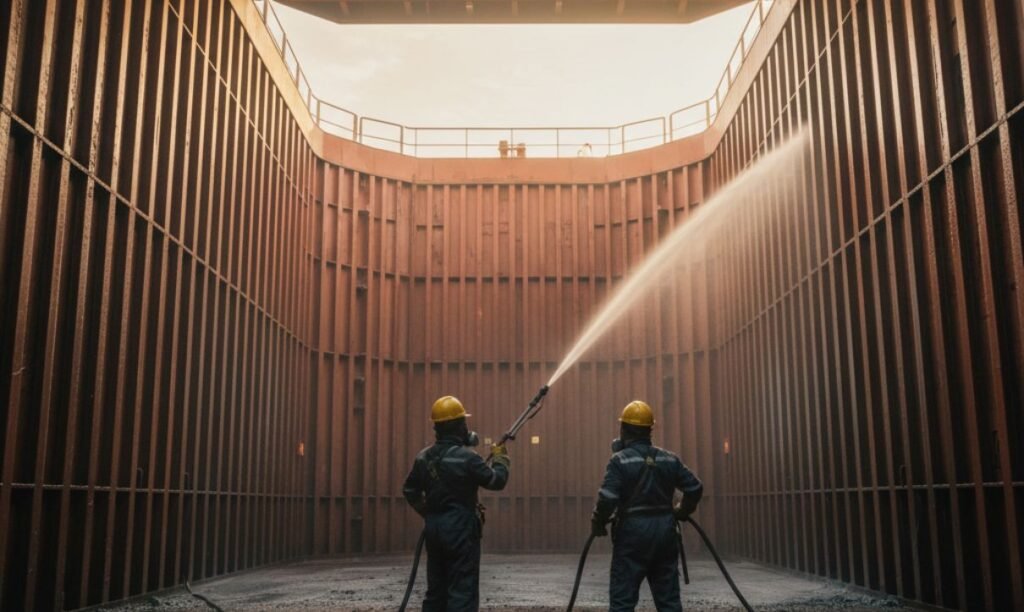
Tank cleaning removes residue, sludge, vapors, and contaminants left after cargo discharge. If skipped or rushed, leftover hydrocarbons can react with new cargo or create explosive atmospheres. Proper cleaning restores tanks to a condition that is safe, compliant, and commercially usable.
Regulatory Framework Governing Tank Cleaning
Marine cleaning in Indian ports aligns with global rules rather than local preference. Operators must satisfy international inspections, flag-state audits, and charterer requirements simultaneously.
IMO and MARPOL Compliance
The International Maritime Organization sets baseline safety and pollution standards. MARPOL Annex I regulates oil residue discharge and tank washings. Non-compliance can mean detention, fines, or blacklisting at future ports.
IMCA and IAPH Operational Guidance
IMCA provides best practices for safe marine operations, while IAPH supports port-level environmental controls. Together, they shape how cleaning work is planned, executed, and documented.
Benefit 1: Enhanced Crew and Vessel Safety
Residual oil vapors are invisible hazards. Professional tank cleaning reduces fire, explosion, and asphyxiation risks. When you enter a cleaned tank, gas-free certification is not paperwork—it is life insurance for your crew.
Benefit 2: Environmental Protection in Sensitive Waters
Kakinada lies near ecologically sensitive coastal zones. Controlled cleaning methods prevent oily discharge and shoreline contamination. This protects marine life and shields operators from environmental penalties.
Benefit 3: Faster Port Turnaround
Delays cost money. Efficient oil tanker tank cleaning in Kakinada allows quicker inspections and approvals. A clean tank passes surveys faster, helping you meet charter deadlines without last-minute scrambling.
Benefit 4: Cargo Integrity and Flexibility
Residue from previous cargo can contaminate the next. Proper cleaning lets you switch cargo grades safely, whether from crude to refined products or between chemical classes. This flexibility increases vessel utilization.
Benefit 5: Reduced Long-Term Maintenance Costs
Oil sludge accelerates corrosion. Removing it early extends coating life and reduces steel repairs. Think of tank cleaning as preventive medicine rather than emergency surgery.
Benefit 6: Inspection and Documentation Readiness
Port State Control officers rely on records as much as visuals. Structured cleaning reports, gas readings, and disposal logs demonstrate control. Vessels prepared this way face fewer inspection surprises.
Benefit 7: Reputation and Commercial Trust
Charterers remember clean ships. Consistent standards signal professionalism and reliability. Over time, this reputation can influence fixture rates and repeat business.
Tank, Hold, and Bulk Carrier Cleaning Standards
While oil tankers demand strict hydrocarbon controls, holds and bulk carriers require different approaches. Grain, coal, or fertilizer residues pose their own risks. Standardized procedures ensure each space meets cargo-specific requirements.
Practical Cleaning Workflow at Port
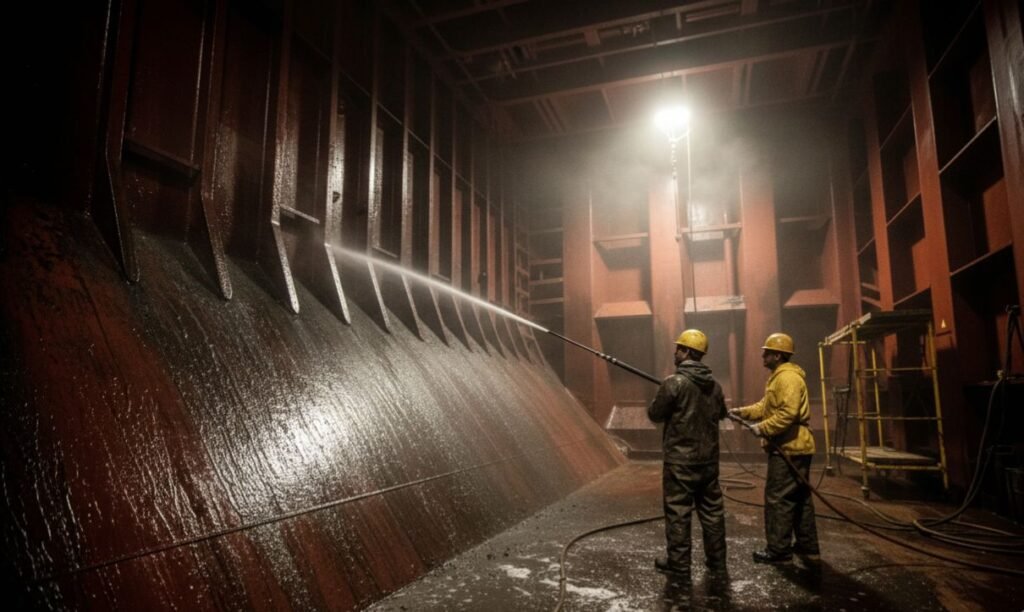
A typical operation starts with risk assessment, followed by ventilation, washing, sludge removal, and gas testing. Waste handling must comply with port reception facility rules. Documentation closes the loop.
Real-World Maritime Example
Consider a tanker arriving after carrying heavy fuel oil. Without deep cleaning, switching to lighter cargo would be impossible. Proper cleaning restores commercial value in days rather than weeks.
Industry Practice and Service Integration
Global operators like Cleanship.co illustrate how marine services integrate beyond cleaning. Their work spans tank and hold cleaning operations worldwide, cargo supervision, compliance support, and crew drug and alcohol testing to reinforce onboard safety culture.
The Role of Marine Supercargo and Final Quality Rules
Independent marine supercargo professionals verify cleanliness against cargo specs. World Ports Marine Supercargo Final Quality Rules guide acceptance criteria, ensuring all parties agree on tank condition before loading.
Future Trends in Marine Cleaning
Automation, closed-loop washing systems, and real-time gas monitoring are shaping the next decade. Digital reporting aligned with IMO transparency goals will make compliance faster and more auditable.
Innovation Driven by Environmental Pressure
Stricter discharge limits are pushing ports toward greener solutions. Expect increased use of biodegradable detergents and shore-based treatment facilities.
Training and Human Factors
Even advanced equipment fails without trained crews. Continuous education keeps procedures sharp and accidents rare.
Conclusion
Oil tanker tank cleaning in Kakinada delivers more than clean steel. It protects crew safety, ensures environmental compliance, and keeps vessels commercially agile. You gain faster port clearance, lower maintenance costs, and stronger charterer confidence. India’s regulatory alignment with IMO, IMCA, MARPOL, and IAPH standards makes professional cleaning non-negotiable. For operators seeking dependable compliance and operational excellence, working with experienced providers such as Cleanship.co offers a proven path toward safer voyages and consistent maritime performance.
FAQs:
Kakinada handles diverse oil and energy cargoes. Tight schedules, environmental sensitivity, and strict inspections require precise planning, certified waste handling, and detailed documentation to meet international expectations.
Cleaning frequency depends on cargo type, change of grade, and inspection requirements. Heavy or sticky cargoes demand more frequent cleaning to prevent contamination and corrosion risks.
Yes. Oil tanks focus on hydrocarbon residue and vapor control, while bulk carrier holds address dry residues, moisture, and contamination risks specific to commodities like grain or coal.
You typically need cleaning reports, gas-free certificates, waste disposal receipts, and compliance logs aligned with MARPOL and Port State Control expectations.
Certified procedures lower accident probability, speed inspections, and protect cargo quality. This reduces delays, penalties, and long-term maintenance costs across the vessel’s lifecycle.