



Maritime News

India Launches New Maritime Hub for Sustainable Shipping Transport

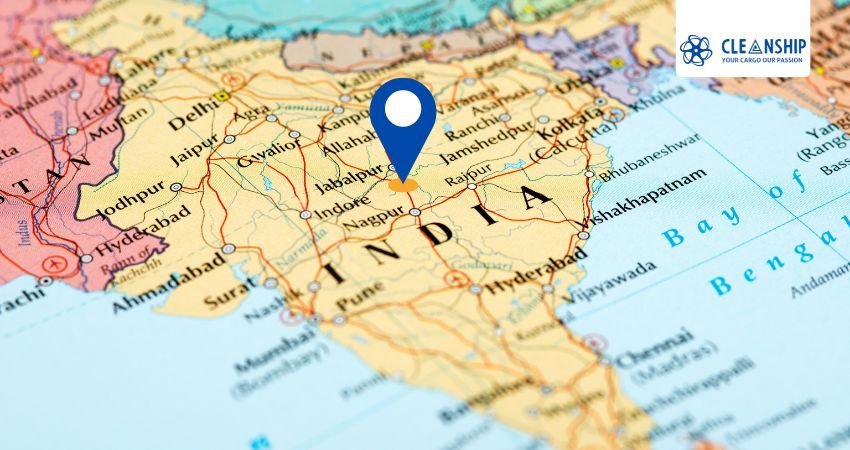
Lloyd’s Register (LR) has partnered with the Government of India’s Directorate General of Shipping for the design of the Indian Ocean Centre of Excellence for Sustainable Shipping Transport (IOCE-SMarT).  The initiative improves the Maritime Training Institute (MTI) in Mumbai, changing it into a hub of maritime excellence in collaboration with the IMO’s global Maritime Technologies Cooperation Centre (MTCC) network. Read also: 8 Trends That Will Affect Aids to Navigation Aligned with India’s aspiration for international maritime leadership, IOCE-SMarT will enable a holistic hub of maritime excellence across analysis, technology, and industry partnerships to profit the entire region.   Using its experience as a trusted adviser and its abilities on regional maritime policy, LR will help the regulatory authority with strategic planning, including needs assessment, stakeholder consultation, strategic alignment, and institutional framework development.  Shri Shyam Jagannathan, IAS, India’s Director General of Shipping, declared that the IOCE-SMaRT will be a pioneering center in South Asia, positioning India and its BIMSTEC members as leaders in Sustainable Shipping Transportation. The center aims to improve maritime capacity building across the Indian Ocean region. Read also: Decrease Speed When in Highly Congested Waters Ambrish Bansal, Senior VP at Lloyd’s Register, stressed that the center aligns with the region’s goal to lead global sustainable shipping maritime development. It will serve as a hub for maritime research, technology, and industry partnership, combining regional expertise and global networks for success. LR will help create service channels through a partnership with IMO, integration with the MTCC Network, and detailing initiatives for IOCE-SMarT. LR will also support institutional setup, infrastructure development, and financial planning, and provide a detailed project report and implementation roadmap.  MTI’s location, physical infrastructure, expertise, and government support collectively position it as an ideal candidate for changeover into a Centre of Excellence. It provides close access to maritime organizations and activities while facilitating seamless movement through Mumbai’s well-developed transportation network. 
Read more
Navigation

8 Trends That Will Affect Aids to Navigation

AMSA sustains a network of over 480 marine Aids to Navigation (AtoN), in line with international standards, to provide safe navigation in Australian waters. In a current publication, AMSA highlights that AIS AtoN technologies must be replaced with systems that are saved according to modern cybersecurity best practices. AMSA also consults how this new reality will affect these systems and what must be considered to secure navigational safety. As explained, AMSA’s AtoN network is mostly used by commercial shipping and includes traditional lighthouses, beacons and buoys as well as electronic aids (i.e., racon and Automatic Identification System (AIS) AtoN). The states, ports, and territory collectively serve many more AtoNs. Read also: Decrease Speed When in Highly Congested Waters Notwithstanding these benefits, limitations to assess include a requirement for suitably located base stations, risk of inaccurate position data, and susceptibility of AIS data to spoofing or jamming.  AMSA highlights virtual AtoN is not intended to substitute physical markers but rather complement them where traditional infrastructure is impractical. Heritage lighthouses will continue to be an essential part of Australia’s culture 8 key trends to consider 1. Maritime communications will be an enabler for inventive AtoN solutions 2. Growing usage of electronic AtoN (e.g. AIS/VDES AtoN) to supplement the physical marking of dangers to navigation, particularly temporary hazards. 3. The relative ease of launching virtual AtoNs (i.e., for marking hazards in an emergency) 4. Advances in the evolution of physical AtoN (Internet-ofThings). 5. Physical AtoNs may become a secondary origin of navigation information for some vessel types, however, will remain an essential component of Australia’s AtoN network. 5. With the growth in the use of new technology radars, conventional racons are not as effective. 7. Harmonisation and improvements in AtoN networks stay important nationally and internationally. 8. Increasingly connected networks of navigation services and AtoNs may be vulnerable to cyber threats. Read also: Safety Study Grills the Carriage of Charcoal AMSA other noted that ships will increasingly need modern navigation systems that are capable of virtually using electronic AtoN.  Virtual AtoN will remain effective in increasing awareness of navigation hazards for crew on vessels fitted with compliant navigation systems. The benefits are:
Read more
unralevant image please change this

Decrease Speed When in Highly Congested Waters

The Nautical Institute sketches lessons learned from an incident in which a chemical tanker crashed with a fish transportation vessel (FTV) while navigating through congested waters.  In good visibility and in darkness, a chemical tanker was underway at about 13 knots with an OOW and a lookout on the bridge. For several hours, they had been navigating in waters heavily congested with fishing boats, during which time the Master was also on the bridge to make conclusions where necessary. At times there were over 100 AIS targets registered on the radar’s 3-mile scale, a mixture of rolling and stationary targets. By 23:00, they had cleared the dense fishing fleet, so the Master left the bridge. Read also: Safety Study Grills the Carriage of Charcoal At 23:19 the lookout noted what he believed to be a fishing vessel ahead and the OOW received it as an ARPA target on the X-band radar soon after. The Master of the other vessel after reported he sighted the tanker at around 23:30. As it transpired, this vessel was not a fishing vessel but a fish transportation vessel (FTV) underway and en route to port to remove a cargo of fish loaded at the fishing grounds. Approximately 3 minutes before CPA, which was essentially zero, the chemical tanker bridge team tried to attract the attention of the other vessel using an Aldis lamp. The two vessels, on a steady bearing and closing range, maintained their course and speed until they were less than 0.5NM apart. At this point, even though the FTV was the giveaway vessel, the chemical tanker’s OOW took control of manual steering and altered course to port using a 15-degree port helm. At about the same time, the FTV made a bold alteration of course to starboard. Neither vessel used sound signals before their alteration but the tanker sounded two short blasts when it became apparent that the FTV was also taking action. Read also: Securing Engine Room Safety: Key Considerations The vessels nonetheless crashed with a closing speed of approximately 15 knots. The tanker’s bow struck the FTV on the port side at an angle of 45 degrees. The tanker’s Master and Chief Officer arrived quickly on the bridge and the engines were stopped, deck lights illuminated and an announcement made on the public address. The tanker’s crew prepared lifesaving equipment, and boarding arrangements and launched the rescue boat to help recover the crew of the stricken FTV who were in the process of abandoning ship. Twelve of the FTV’s crew were recovered from a liferaft by the tanker. The remaining five crew could not launch the FTV’s second liferaft and were recovered by a nearby fishing vessel. The damaged FTV sank approximately an hour after the collision. The investigation found, among other things, that there were no navigational constraints that prevented the tanker from reducing speed or altering course to starboard in ample time. Also, whilst the tanker attempted to attract the attention of the FTV with an Aldis lamp, no use was made of suitable sound signals until five seconds before the collision, when the tanker sounded two short blasts. The report revealed that there have been many similar incidents in the same region, with significant loss of life. A study covering the years 2006-2011 identified 268 incidents involving fishing vessels in the proximate waters, resulting in 562 deaths. Common navigational issues in these cases are a failure to adjust passage plans to avoid areas of high-density fishing traffic, failure to reduce speed in high-density traffic areas, and action to avoid collision being inappropriate, taken too late, with too small a margin for error or a combination of the three.
Read more
Safety Study Grills the Carriage of Charcoal

Safety Study Grills the Carriage of Charcoal

Carrying charcoal as cargo has led to 68 fires on containerships in eight years, with a new study issued to try and help stamp out this scourge. The Cargo Incident Notification System (CINS), a safety initiative representing container shipping lines and maritime insurance interests, has published a series of procedures for the safe carriage of charcoal in containers. The guidelines point out that the packaging, declaration, and transport of charcoal must comply with the International Maritime Dangerous Goods (IMDG) Code. The International Maritime Organization has agreed upon significant new requirements and will come into transitional effect from January 1 with mandatory compliance required as of 2026. The modification means charcoal will no longer benefit from any IMDG code exemption. Read also: Securing Engine Room Safety: Key Considerations Fires affecting containerized cargoes of charcoal typically arise due to the propensity of charcoal to self-heat. If the charcoal is well active, or if it is warm or hot when stowed, then the oxidation process can proceed at a rate at which more heat is developed through oxidation than can be lost through natural cooling. This causes the temperature of the charcoal to rise, according to a study into charcoal fires at sea carried out by Burgoynes, a consultancy. The rate of oxidation of charcoal expands as temperature increases, so, as the temperature of the charcoal rises, so does the rate of oxidation. This, in turn, increases the rate of heat production and raises the temperature of the charcoal even more and, ultimately, this process can result in the material becoming so hot that ignition occurs. This type of process is commonly referred to as self-healing. American fire investigation consultants Jensen Hughes looked at a number of fires at sea concerning charcoal cargoes last year and identified one particular type of charcoal that appears to be involved in fires at sea more than others. The cargoes in these individual incidents were in the form of charcoal discs or tablets, also known as hookah coals, shisha coals, hookah charcoal, shisha charcoal, nargila coal, coal discs or coal tablets. Used for heating tobacco for smoking in hookahs or water pipes, the tablets are typically packaged in foil tubes of around ten tablets and then packed in branded cardboard boxes. Read also: Psychological safety matters: The 4 stages It is estimated that global production of charcoal for domestic and export markets is over 50m tonnes per year. From the incident records created by CINS members, it is known that there were at least 68 fire incidents onboard ships between January 2015 and December 2022. Most of these incidents were caused by misdeclared cargo and therefore the carrier was not aware of the hazards presented. “It is vital to ensure that this cargo is properly prepared, declared, and packaged for safe transportation,” the guidelines stress.
Read more
Engine Room Safety

Securing Engine Room Safety: Key Considerations

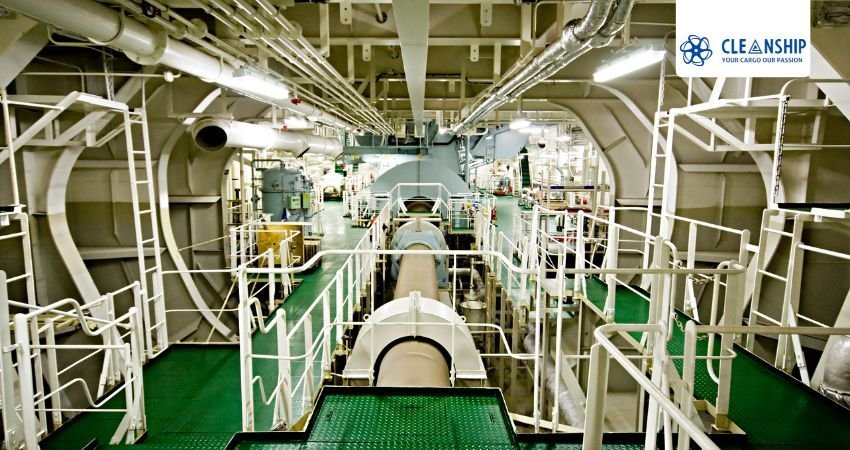
Given the size and complexity of today’s vessels, issues with engines can quickly escalate into significant disasters. Considering the alarming increase in incidents associated with engine fires and failures in current years, strict adherence to established policies and recognized best practices in engine rooms is more essential than ever. It has been recorded that most fires on board ships start in the engine room. A failure in the engine room can seriously affect overall safety. Additionally, new ships using engine propulsion with biofuels and methanol are already in service, and the shipping industry has modified its experience with these fuels. The long-term impacts of alternative fuels on engines and fuel systems have yet to be fully understood. In this context, best practices, established methods, and crew training and familiarity are important for ensuring enhanced safety in the engine room. Modern merchant ships employed in global trade and cargo transportation must comply with multiple regulations and guidance related to construction, operations, and the safety of the ship, crew, cargo, and environment. While regulations for the Deck Department and Bridge operations have been designated for many years, procedures for the Engine Department are relatively new, as mechanical propulsion on ships has been in use for only about 200-300 years. The engine room of a ship has a crucial difference compared to other ship spaces. It includes all related machinery and systems necessary for movement and electrical power supply, the appropriate control room for operation, maintenance areas, such as workshops, other related systems, and storage areas for fuel, oils, and spares, all within the limits of the engine room. It functions like a short industrial factory within the ship’s compartments. Thus, the operation of the engine room demands important skills and an organized approach, as Engine Department personnel must operate, monitor, and support the corresponding systems simultaneously. The smooth operation of the engine room is important for the ship’s overall performance and daily operation. Safety Management Systems (SMS) should include specific actions and processes to ensure these requirements are met. Industry standards for ship management, such as the Tanker Management and Self Assessment (TMSA) for liquid cargo and the Dry Bulk Management Standard (DryBMS) for dry cargo, have specific sections and KPIs for secure engine room operations, that should be effectively executed within SMS. Ship managers and operators should have clear instructions and approaches within their Safety Management Systems or additional guides to protect all aspects of engine room activities and emergencies. Moreover, as the engine room is a key department onboard ships, useful communication between the bridge and other crew members is important. For example, in the event of an emergency, operators must ensure that all communications are calculated, necessary, and proportionate, and follow comprehensive guidance and procedures. Best practices are also needed to maintain high standards of cleanliness at all times, as they are required for fire prevention. For instance, no oils or oily rags should be permitted near heat sources such as boilers and the main engine’s exhaust system. All combustible materials should be discarded, along with any ancient equipment that may hinder access in a fire situation. Read Also: Psychological safety matters: The 4 stages
Read more
Psychological safety

Psychological safety matters: The 4 stages

When leaders formulate psychological safety, teams, and organizations progress through 4 subsequent stages, explains Dr. Timothy R. Clark, founder and CEO of global leadership training organization LeaderFactor. The 4 Stages model outlines how psychological safety manifests and evolves within a team. It highlights that psychological safety is not simply “on” or “off” but is a difficult, multi-layered dynamic that varies as the team progresses. What is “psychological safety”? Psychological safety at work lies in the ability of leaders to create an environment where employees feel included and inspired to contribute their best ideas, without being afraid of retaliation, punishment, or humiliation, according to Dr. Timothy R. Clark.  1. Inclusion Safety – Members feel secure in belonging to the team. They are comfortable being present, do not feel banned, and feel like they are wanted and respected. 2. Learner Safety – Members are able to learn by asking questions. Team members here may be able to test, make (and admit) small mistakes, and ask for help. 3. Contributor Safety – members feel safe to donate their own ideas, without fear of embarrassment or insult. This is a more challenging state because volunteering your own ideas can grow the psychosocial vulnerability of team members. 4. Challenger Safety – members can question others’ (including those in authority) ideas or offer significant changes to ideas, plans, or ways of working. Read Also: NTSB Chair Urges Coast Guard to Enforce Safety Management Systems on Anniversary of ‘Conception’ Tragedy
Read more
Safety Management Systems

NTSB Chair Urges Coast Guard to Enforce Safety Management Systems on Anniversary of ‘Conception’ Tragedy

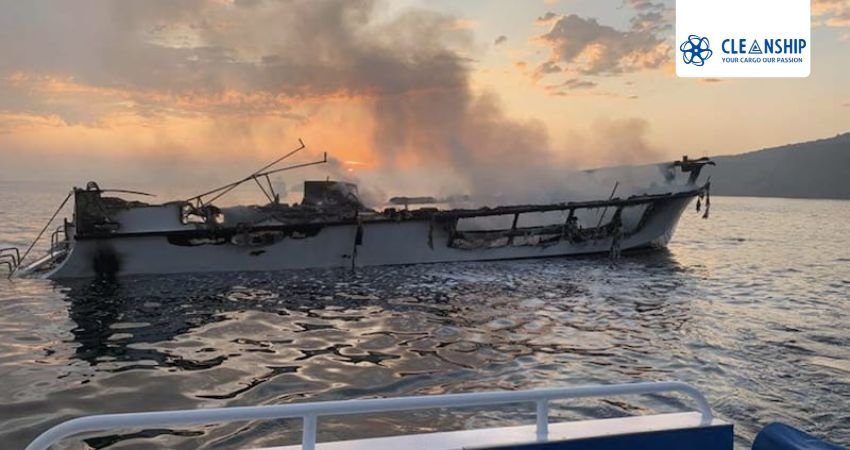
On the 5th anniversary of the Conception dive boat fire that declared 34 lives, National Transportation Safety Board (NTSB) Chair Jennifer Homendy continued calls for the U.S. Coast Guard to require safety management systems (SMS) for all U.S.-flagged passenger vessels. Talking at a media event with victims’ families, Homendy highlighted the longstanding nature of this suggestion: “The NTSB first suggested safety management systems (SMS) in the marine mode 20 years ago, and especially called for it on short passenger vessels since 2012. Additionally, Congress permitted the Coast Guard to mandate SMS in 2010. It’s 2024, and here we are, with no action”. The Conception, caught fire before on September 2, 2019, while anchored off Santa Cruz Island, California, resulting in the deaths of 33 passengers and one crew member who were trapped in the berthing area. The NTSB concluded that an SMS could have helped recognize and address dangerous practices and fire risks before the incident occurred. An SMS is a comprehensive risk management procedure, securing vessel operations aligned with regulations, company requirements, and best practices. Following the investigation, the NTSB issued 10 new safety suggestions and reiterated its 2005 guidance for safety management systems (SMS) implementation on all U.S.-flag passenger vessels. Despite the Coast Guard issuing interim rules managing many NTSB recommendations in December 2021, the SMS necessity remains unimplemented and progress has stalled. The captain of the Conception was sentenced in May to four years in jail after being convicted of “seaman’s manslaughter” over the tragedy in November 2023. Homendy completed this by sending a letter to the Coast Guard commandant and the Secretary of Homeland Security, urging immediate action on SMS conditions. The NTSB’s push for safety management systems (SMS) expands beyond marine vessels, with successful implementation in commercial aviation credited with enhanced safety records. Read Also: TT Club Highlights Ongoing Efforts to Prevent Container Losses
Read more
Container Loss

TT Club Highlights Ongoing Efforts to Prevent Container Losses

The TT Club, emphasizes its ongoing commitment to handling the persistent issue of container losses at sea, which fluctuate annually due to extreme weather conditions. As explained, understanding the circumstances that lead to stack collapse and losses overboard incidents is of course important in mitigating the danger. TT applauds the World Shipping Council initiative to publish the details of the annual survey into container loss and recognizes the lowest level of recorded losses during 2023, including the important fact that around 33% of units initially lost are subsequently rescued. Nevertheless, TT’s own analysis of historic incidents clearly shows that weather is the single most influential aspect. Furthermore, the data demonstrate that this is far more difficult a challenge, involving a wide range of interconnected operations. While the focus is, not wholly unreasonably, mostly on ship operations, TT has long recognised that all participants in the freight supply chain carry responsibility. When the transport order is initially placed the accuracy of the verified gross mass (VGM) is pivotal, as is the right load allocation and securing when packing cargo into the container. Consequently, TT’s cargo goodness campaign remains central to its work, alongside partners in the Cargo Integrity Group.
Read more
Dangerous Cargo

Safety Measures for Vessels Carrying Dangerous Cargo to Egyptian Ports

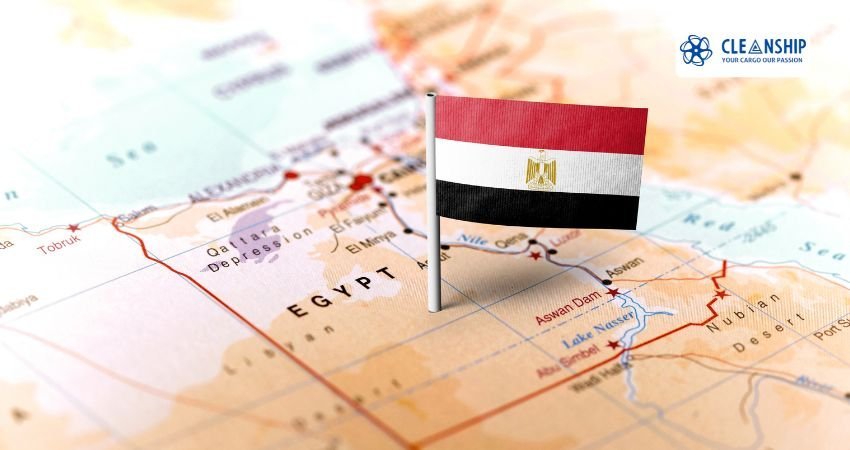
According to NorthStandard, vessels carrying dangerous cargo to take extra precautions when calling at Egyptian ports, particularly during the current summer months when temperatures are notably high. correspondent Eldib P&I has the below recommendations/measures to secure the protection of vessels and compliance with local regulations when calling at Egyptian ports: 1. Pre-Arrival Notifications: Submit detailed information about the dangerous cargo, including Material Safety Data Sheets (MSDS), to Egyptian port authorities well in advance to enable proper risk assessment. 2. Proper Labelling and Documentation: Ensure all containers holding unsafe materials are clearly labelled according to the IMDG Code, with correct and comprehensive documentation ready for inspection. According to Egyptian maritime law, shippers are needed to notify carriers if the goods being transported are dangerous. The bill of lading must clearly indicate the nature of the goods, along with necessary precautions to mitigate risks. Failing to provide correct information can lead to liability for any damages that occur as a result​. 3. Compliance with Local Regulations: Familiarize the crew with the specific requirements of Egyptian port authorities about dangerous cargo, including stowage, handling, and emergency procedures, with particular attention to heat sensitivity. The handling of dangerous materials is primarily regulated under the Environment Law No. 4 of 1994 and its implementing regulations (Decree No. 338 of 1995). This law mandates that any handling, transportation, or disposal of unsafe substances must be done with a permit issued by the Egyptian Environmental Affairs Agency (EEAA). The regulations also detail specific procedures for packaging, transporting, and disposing of hazardous waste, ensuring that it doesn’t pose a risk to the environment​ (UNEP LEAP). 4. Coordination with Local Agents: Engage local agents for safe handling and transport of dangerous cargo within the port, ensuring all procedures are meticulously followed, especially under high-temperature conditions. Egypt is a member of the IMO, which means it adheres to international regulations such as the International Maritime Dangerous Goods (IMDG) Code. This code governs the transportation of dangerous materials by sea and is implemented in Egyptian ports. 5. Emergency Preparedness: Develop and rehearse emergency reaction plans that account for the increased risks posed by elevated temperatures, coordinating with port authorities for swift action in case of an incident. Carrying out drills and instructing the crew members regarding actions to be taken in an emergency situation with the use of emergency equipment is imperative to the safety of the crew and vessel. 6. Onboard Safety Measures: Equip your vessel with the required safety gear, including fire suppression systems, spill containment kits, and personal protective equipment (PPE), ensuring all are operational and accessible. Also, loading different types of dangerous cargo separately and store them in isolation. The relevant IMDG stowage segregation requirements must be complied with at all times. It must be ensured that all DG containers are loaded in the planned stow position. Any discrepancies shall be brought to the notice of the Terminal planner / Central planner and / or local agent as required. Read Also: Improving Boating Safety With AI Technology
Read more
Boating Safety

Improving Boating Safety With AI Technology

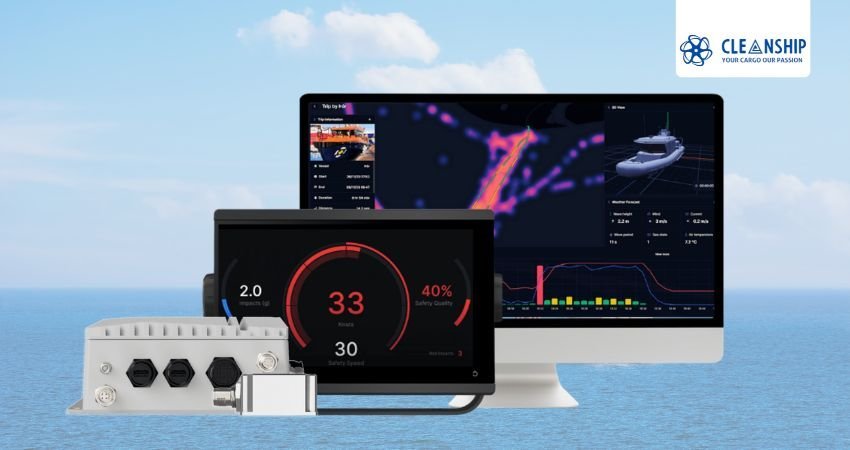
The U.S. Coast Guard has issued the 2023 statistics for recreational boating incidents, revealing a decline in both fatalities and overall incidents, and highlighting the main causes of these accidents. The report identifies the top five contributing factors as; Despite a general decline in fatalities and incidents, alcohol remains the leading cause of fatal accidents, liable for 79 deaths, or 17% of the total. The fatality rate dropped to 4.9 deaths per 100,000 registered recreational vessels, down from 5.4 the previous year, with property harm amounting to $63 million. Most deaths involved operators without boating safety instructions and appeared on open motorboats, personal watercraft, and cabin motorboats. Drowning was the cause of 75% of deaths, with 87% of victims not wearing life jackets. The Coast Guard highlights the importance of vigilance, proper lookout, safe navigation speeds, and adherence to safety directions. Technology to Empower the Operator to Improve Boating Safety The Maritime industry is witnessing a technological renaissance, with new innovations desired to improve boating safety onboard vessels and change the way operators work every day. There is a selection of key benefits that are making significant changes and are at the forefront of the future of the maritime industry.  The rise of autonomous ships and AI technology: The use of autonomous ships is becoming increasingly more popular, with drones being used to facilitate examinations and surveillance, improving search and recovery operations. AI technology and navigation techniques are helping to reduce human error on board vessels and enhancing overall safety.  Advanced communication systems: Satellite communication systems guarantee reliable, high-speed internet for better coordination and emergency reply. IoT (Internet Of Things) devices allow real-time monitoring, improving decision-making and boating safety. Enhanced navigation and collision avoidance systems: Modern ships use advanced radar, sonar, and Automatic Identification Systems (AIS) for more useful situational awareness and crash avoidance, leveraging AI and machine learning for earlier warnings. Cybersecurity measures: As operations digitize, advanced cybersecurity technologies, including firewalls and encryption, protect against cyber hazards. Industry standards and crew training are assisting to bolster these defenses and provide maximum protection against outside dangers.  Remote maintenance and predictive analytics: IoT sensors and predictive analytics help early detection of issues and proactive keeping, improving reliability and reducing downtime. Training and simulation technologies: VR and AR simulations offer realistic training environments, improving crew preparedness and decreasing human error. These innovations demonstrate the maritime industry’s responsibility for boating safety and sustainability, paving the way for a safer and more efficient future. Several companies are leveraging this advanced technology, to lead the way in delivering solutions for issues like those presented in the US Coast Guard Report.  Read Also: 1. Best Hold Cleaning Service in Kakinada Port 2. West P&I Club Shares Safety Tips for Seafarers
Read more
West P&I Club

West P&I Club Shares Safety Tips for Seafarers

According to West P&I Club, from easy steps such as the importance of the right PPE and tools to the value of a safety mindset and the requirement for a constant focus on risk assessment, here are West P&I Club’s tips: Read Also: 1. EMSA: Safety Concerns for Hydrogen-fuelled Ships 2. Hold Cleaning Service in Haldia Port
Read more
EMSA: Safety Concerns for Hydrogen-fuelled Ships

EMSA: Safety Concerns for Hydrogen-fuelled Ships

EMSA has issued a report that analyses hydrogen’s primary factors to frame which safety dangers, system hazards, and risks to be considered and mitigated when using hydrogen as ship fuel.  The report aims to help the industry and the regulators in a safe and harmonized deployment of this relevant technology that could establish an important step towards the sector’s decarbonization. According to EMSA, hydrogen, when used as ship fuel, offers the following significant safety hazards and risks due to its unique properties: Flammability and explosiveness Hydrogen’s wide flammability range and lower ignition energy compared to methane make it highly flammable and prone to more severe blasts. Its more increased burning velocity can escalate blasts into detonations, posing more significant risks than natural gas. Storage and distribution challenges The low boiling point of hydrogen confuses its storage and distribution. Managing boil-off gas and controlling the condensation of gases like nitrogen and oxygen are critical to avoid tool malfunction and potential explosion dangers. Density and dispersion Hydrogen’s low density causes it to rise and spread quickly in open environments. In confined spaces, such as within a ship, it can collect in high spots, increasing the risk of ignition from sources like ceiling lights. Designing safety measures, such as gas sensors and ventilation systems, must account for hydrogen’s density and behavior in leak scenarios. Pressure effects High-pressure storage of hydrogen (250-700 bar) forms potential energy that, upon discharge, can cause significant pressure impacts even without combustion. Sudden discharges from high-pressure systems can ignite spontaneously, posing immediate risks to personnel and equipment. Hazards in confined spaces Hydrogen discharges in confined ship spaces amplify explosion pressures rapidly, potentially damaging structures and leading to further leakage. Leakages of liquefied hydrogen (LH2) can induce cooling effects that compromise gas-tight goodness and safety equipment operation, further complicating trouble responses. Material compatibility and embrittlement Hydrogen can adversely impact metal properties through embrittlement, decreasing structural integrity. Condensed oxygen-enriched air can raise material flammability upon contact, necessitating careful material selection and design considerations. Health and safety risks Finally, EMSA notes that significant hydrogen leakages pose dangers of asphyxiation due to oxygen depletion, alongside risks of frostbites and burn injuries due to low temperatures and decreased flame visibility. Read Also: 1. Revising chafe protection to enhance safety and efficiency at Port Hedland 2. Navigating health at sea: Telemedicine’s voyage into maritime healthcare
Read more
Chafe Protection

Revising Chafe Protection to Enhance Safety and Efficiency at Port Hedland

The Port of Port Hedland, renowned for its commitment to maritime safety, has recently faced critical concerns regarding the use of chafe protection on mooring lines. According to Pilbara Ports Marine Safety Bulletin, while its aims to safeguard mooring lines from wear and tear, its implementation has inadvertently introduced substantial risks, particularly regarding crew safety and operational efficiency. Key Findings: Crew Safety Risks: Extreme Risk of Injury: Reports from pilots and first-hand experiences indicate that the installation and handling of chafe protection can pose severe risks to crew members. The process often requires crew members to work in precarious positions, increasing the likelihood of falls and other injuries. Close Proximity to Tensioned Lines: Installing or maintaining chafe protection necessitates crew members being in very close proximity to tensioned lines, which poses a significant risk of severe injury should a line snap or shift suddenly. Additional Pressure and Tension: Adjusting or reinstating chafe protection on loosened lines can inadvertently place additional pressure and tension on other lines. This can lead to an increased risk of line failure. Hand Injuries: There is a notable risk of hand injuries, as crew members’ fingers can get caught between lines and mooring leads during the installation and adjustment of chafe protection. This risk is heightened during adverse weather conditions or when working under pressure. Operational Delays: Increased Time for Mooring Operations: The additional steps involved in installing this protection have resulted in noticeable delays in mooring operations. This has a cascading effect on overall port efficiency, causing disruptions in vessel scheduling and turnaround times. Complicated Maintenance: Regular maintenance and adjustments of this protection add to the operational workload, further delaying mooring processes and increasing the risk of operational errors. Recommendations: 1. Discontinuation of Chafe Protection Use: Due to the significant safety and operational risks identified, it is recommended that the use of chafe protection on mooring lines be discontinued immediately. The potential benefits do not outweigh the extreme risks posed to crew safety and port operations. 2. Enhanced Crew Training: Provide port-specific training for crew members on safe mooring practices without the use of this protection, this can include tidal range, frequency of attending the mooring lines, monitoring the port schedule for passing vessel’s impact, and application of correct winch brake render test and render set point. Use of appropriate risk mitigation measures as per vessel risk assessment and Mooring Lines Management Plan. 3. Operational Adjustments: Review and revise current mooring procedures to ensure safety and efficiency in the absence of chafe protection. Implement strict monitoring and reporting mechanisms to quickly identify and address any issues arising during mooring operations. 4. Types of Chafe Protection: There are various types of chafe protection that are not attached to the mooring lines and can be installed on or removed from mooring arrangements i.e. on a chock or fairleads which must be done well before a vessel enters the Port or after the vessel departs. These alternatives can mitigate the risks associated with handling this protection under tension and reduce operational delays.  
Read more
Paris MoU

Paris MoU conducts Focused Inspection Campaign on fire doors

The Panama Maritime Authority’s General Directorate of Merchant Marine (DCCM) has issued a Marine Notice to notify operators about the new Paris MoU Focused Inspection Campaign (FIC) on fire doors. According to the Notice, the Focused Inspection Campaign is established to take place from July 1st to September 30th, 2024, and targets Panamanian-flagged vessels working within the Paris MoU area. Flag State Inspectors and Recognized Organizations are instructed to focus on these factors during their surveys. The Panama Maritime Authority facilitates all relevant parties to review this notice and confirm compliance with the outlined inspection criteria. The following topics are part of the scope of this FIC: FICs are short, targeted inspection efforts. This procedure mirrors that of AMSA, which conducts similar campaigns on detailed topics and ship types. The Focused Inspection Campaigns serve as an alternative to the traditional Concentrated Inspection Campaigns (CiCs). The first trial FIC by Paris MoU took place during the summer of 2023, from July 10th to August 9th, focusing on Pilot Transfer Arrangements.
Read more
Container Shipping Rates

Container Shipping Rates Snap Weeks of Gains as Restock Rally Fades

Spot prices for container shipping rates have dropped for the first time in nearly three months, indicating a cooling in demand following US tariffs on Chinese goods and other trade disruptions that caused an earlier-than-usual peak season for restocking. The Drewry World Container Index composite of eight major trade lanes fell 2.2% to $5,806 for a 40-foot unit, breaking a 12-week streak of increases, according to figures released Thursday. This rate is still about three times higher than at the end of 2023, when cargo ships began avoiding the Red Sea due to Houthi attacks. container shipping rates surged unexpectedly in the second quarter due to strong US demand for goods as importers hurried to stock up before higher American tariffs on Chinese products took effect and amid concerns about a potential dockworker strike on the East and Gulf Coasts later this year. However, this momentum now appears to be waning. The benchmark Shanghai-to-Los Angeles rate dropped for the second consecutive week, falling 4.9% to $6,934. The Shanghai-to-Rotterdam rate was nearly unchanged at $8,260, according to Drewry’s figures. These prices reflect a softening market, as seen in the short-term container rates released earlier this week by Freightos, a cargo-booking platform. Container shipping rates that include premiums and surcharges on Asia-US West Coast services fell 4% to $7,738, while the cost from Asia to northern Europe dropped 2% to $8,420, according to Freightos. Ups and Downs The Port of Los Angeles and Long Beach, the busiest US gateway for maritime trade, reported solid increases in container volumes during the first half of 2024 compared to a year earlier. Similar growth was seen at Europe’s two largest container ports — Rotterdam and Antwerp-Bruges. Adding to the demand were capacity constraints caused by the turmoil in the Red Sea and vessel diversions around the Cape of Good Hope, which led to port congestion at major shipping hubs including Singapore. Some of these supply issues are easing. As of Tuesday, wait times for berth space in Singapore — the world’s largest transshipment hub — ranged from 50 to 80 hours, down from 70 to 110 hours in mid-June, according to industry figures. Tide Turns Judah Levine, head of research at Freightos, mentioned in a webcast this week that there are signs supply and demand are becoming more balanced compared to the past few months. “Overall, the additional capacity in the main trade lanes from improving congestion and from carriers adding more services, combined with demand which might be peaking now or in the next few weeks, could lead to speculation that rates may have already reached their peak,” Levine said. He noted that a period of peak season surcharges and general rate increases imposed by shipping lines for freight to the US and Europe from Asia appears to have halted, at least through August. Daily quoted rates are “ticking down,” and there are reports that carriers are offering rate reductions, Levine added. Read Also: Ship Owner Declares General Average Over Maersk Frankfurt Fire
Read more
Maersk Frankfurt

Ship owner Declares General Average Over Maersk Frankfurt Fire

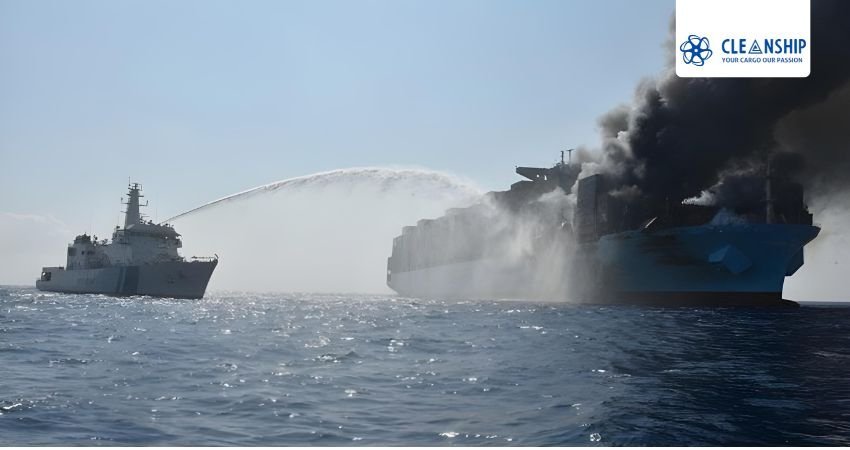
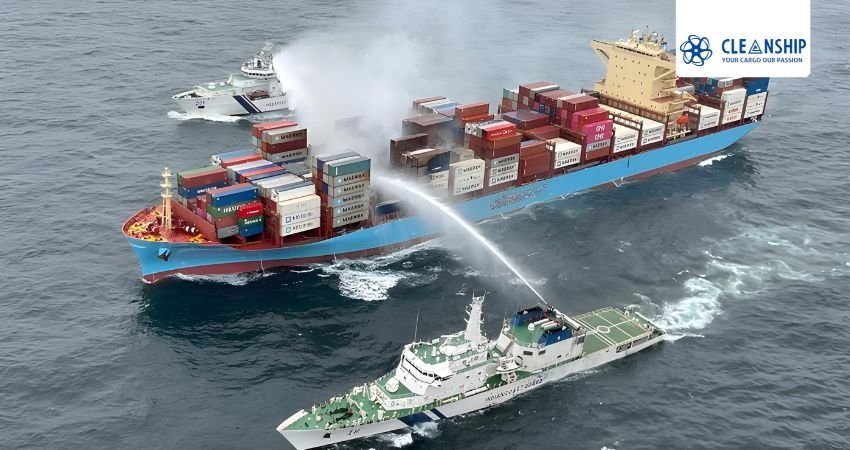
Shippers with cargo on the Maersk Frankfurt, which has endured fires onboard for six days, will receive General Average (GA) notices from the vessel’s owner, Tokei Kaiun, according to the latest update from Maersk. “We have been informed that the vessel owner has decided to declare General Average and has appointed Richards Hogg Lindley as the GA adjusters to collect the necessary securities,” the Danish carrier, which had chartered the vessel, informed affected customers. “This means that once the onboard containers are discharged at a safe location, they will not be released for onward transportation or delivery until the required security arrangements are made through the GA adjusters,” Maersk explained. Maersk announced that it would soon provide guidelines on the GA process. A Maersk source told The Loadstar that firefighting operations were still ongoing, and the vessel remained stable in all operational respects. “Some visible flames have been reported from the vessel, and smoldering from containers continues,” the carrier stated. The Indian Coast Guard reported yesterday that sporadic fires in “smoldering containers” were being tackled with dry chemical powder dropped onto the ship from a helicopter. Maersk informed customers that it was not yet able to ascertain and confirm the exact status of the cargo onboard, adding that it remained in continuous contact with the vessel owner. It’s also unclear where the vessel will berth for cargo unloading once it is declared “seaworthy”. According to industry sources, approximately 1,100 containers were onboard when the fire broke out during the vessel’s maiden voyage. However, Maersk has not released any official data. The Maersk Frankfurt, built in 2024, is owned by Japan’s Tokei Kaiun, managed by Bernard Schulte Shipmanagement, and on a time-charter to Maersk. It was part of the FI3 (Far East-India) service, with a rotation including Qingdao, Xingang, Busan, Port Klang, Nhava Sheva, Pipavav, Karachi, Mundra, Colombo, Port Klang, Singapore, and Qingdao. ONE recently joined the weekly FI3 as a co-loader. Industry experts suggest that apportioning salvage costs to each cargo owner and their recovery will be challenging and time-consuming. GA adjusters could take months, or even years, to raise claims, sources believe. “Containers will be released once shippers cover their portion of the claims,” one source familiar with maritime cargo insurance matters told The Loadstar. “It’s a daunting task, and any cargo loaded without insurance coverage could just be abandoned, especially low-value shipments,” the official added.
Read more
Shopping Cart (0 items)