Hold cleaning in Khalifa Port

  • Home
  • Blog
  • Tag: Hold cleaning in Khalifa Port
Bulk carrier hold cleaning in Khalifa Port for safe and efficient cargo operations

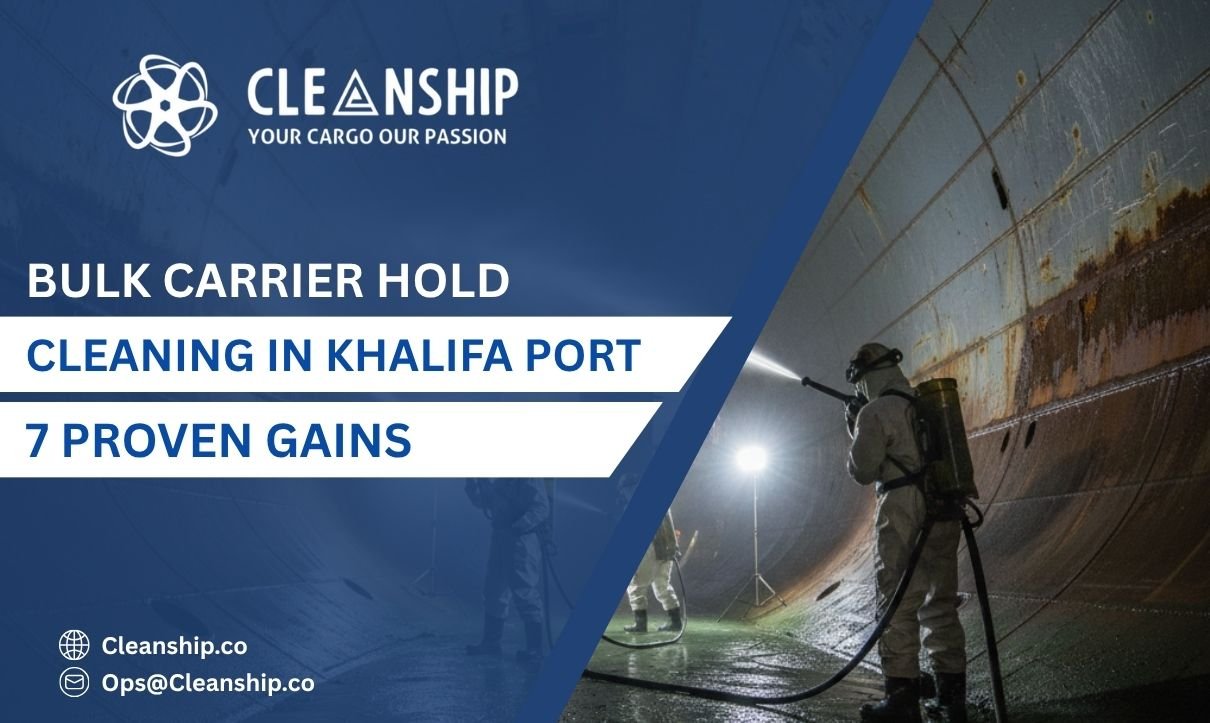
Bulk Carrier Hold Cleaning in Khalifa Port: 7 Proven Gains

Bulk carrier hold cleaning in Khalifa Port has become a critical operational requirement, not a cosmetic task. As UAE ports evolve into global maritime hubs, cleanliness now directly affects safety, compliance, cargo integrity, and turnaround time. You operate in an environment shaped by strict international rules, diverse cargo profiles, and zero tolerance for contamination. This article explains how bulk carrier hold cleaning delivers seven proven operational gains, grounded in real maritime practice rather than marketing gloss. Why the UAE Leads Modern Bulk Carrier Cargo Hold Cleaning Standards at Khalifa Port The UAE sits at the crossroads of Asia, Europe, and Africa. Ports like Khalifa Port handle grains, coal, fertilizers, alumina, and mineral ores at scale. This diversity raises contamination risk and regulatory scrutiny. Hold cleaning in Khalifa Port reflects the UAE’s commitment to international best practice, efficient port operations, and environmental stewardship. Strategic Importance of Khalifa Port Khalifa Port combines deep-water access, advanced terminals, and high-volume bulk handling. Faster vessel turnaround depends on clean, compliant cargo holds that pass inspection without delay. Regulatory Culture in UAE Ports UAE port authorities align closely with IMO, MARPOL, and IAPH guidance. Clean holds are not optional; they are prerequisites for berth allocation and cargo acceptance. Understanding Bulk Cargo Vessel Hold Cleaning Operations at Khalifa Port Bulk carrier hold cleaning removes cargo residues, dust, rust scale, and moisture that threaten cargo quality and structural safety. What Bulk Cargo Vessel Hold Cleaning at Khalifa Port Actually Involves Hold cleaning typically includes: Bulk carrier hold cleaning services in Khalifa Port often adapt methods to cargo sensitivity, from food-grade grains to abrasive minerals. Gain 1: Cargo Integrity Protection Contaminated holds ruin cargo and reputations. Residual fertilizer dust can destroy grain cargoes. Coal residue can stain mineral shipments. Proper bulk carrier hold cleaning prevents cross-contamination and protects charter party terms. Real-World Example A grain vessel rejected due to trace residue loses days and revenue. A properly cleaned hold sails on schedule. Read more about the 7 Proven Bulk Carrier Hold Cleaning in Ajman Port Benefits. Gain 2: Regulatory Compliance Without Surprises IMO and MARPOL Alignment The MARPOL Convention regulates wash water discharge, residue handling, and pollution prevention. Bulk carrier hold cleaning follows controlled discharge and waste segregation aligned with Annex V. IMCA and IAPH Guidance IMCA promotes safe work practices for high-pressure washing and confined spaces. IAPH emphasizes port-state cleanliness standards. Compliance reduces detention risk. Gain 3: Crew Safety and Risk Reduction Hold cleaning is hazardous work. Slips, toxic residues, and confined spaces pose real danger. Safety Measures That Matter Industry operators like Cleanship.co reflect these practices across global operations, reinforcing safety culture rather than cutting corners. Gain 4: Faster Inspections and Port Turnaround Bulk carrier hold cleaning directly affects inspection outcomes. Clean, dry, odor-free holds pass faster. Inspection Workflow Efficiency Surveyors check: Well-prepared holds reduce re-cleaning orders and berth delays. Gain 5: Cost Control Through Preventive Cleaning Cleaning costs are predictable. Cargo rejection costs are not. Long-Term Cost Efficiency Regular bulk carrier hold cleaning reduces: Think of it as hull maintenance for your cargo spaces. Gain 6: Environmental Protection and Reputation Ports increasingly track environmental performance. Poor cleaning practices damage both sea life and corporate credibility. Read more about Hold Tank Cleaning in Abu Dhabi: 7 Powerful Safety Gains. Environmental Controls in Practice These practices align with MARPOL and port sustainability goals. Gain 7: Documentation and Audit Readiness Why Paperwork Matters Bulk carrier hold cleaning requires documented proof: These records protect owners during cargo disputes and port state audits. Bulk Carrier Cleaning Standards Compared to Tank Cleaning While tank cleaning focuses on hydrocarbons and chemical residues, bulk carrier hold cleaning addresses solids, dust, and moisture control. Key Differences Explained Simply Tank cleaning prioritizes gas-free conditions. Hold cleaning prioritizes dryness and residue removal. Both demand discipline, planning, and trained crews. Role of Marine Supercargo and Compliance Support Independent marine supercargo services verify cleanliness before loading. They act as neutral eyes protecting owners and charterers. Industry Practice Example Organizations like Cleanship.co provide cargo supervision, compliance verification, and inspection support across global ports, including bulk carrier hold cleaning. Learn more about 7 Proven Vessel Hold Cleaning Services in Abu Dhabi. Inspection Standards and Final Delivery Rules World Ports and Marine Supercargo Final Quality Rules guide acceptance criteria. Cleanliness is judged visually, by smell, and by residue risk. Passing the Final Inspection A hold that looks clean but smells of fertilizer still fails. Standards are strict for good reason. Future Trends in Marine Cleaning Technology and Innovation Bulk carrier hold cleaning increasingly blends technology with traditional seamanship. Why Consistency Beats Shortcuts One rushed cleaning job can erase years of operational trust. Consistency keeps vessels trading smoothly across ports and cargo types. Conclusion Bulk carrier hold cleaning in Khalifa Port delivers more than cleanliness—it delivers operational confidence. First, it protects cargo integrity and prevents costly rejections. Second, it ensures compliance with IMO, MARPOL, IMCA, and port authority expectations. Third, it safeguards crew safety while improving turnaround efficiency. In a port environment where inspections are rigorous and schedules tight, disciplined hold cleaning becomes a competitive advantage. For shipowners and operators seeking compliance-driven maritime service excellence, experienced providers like Cleanship.co represent industry-standard practice in global tank and hold cleaning, cargo supervision, and safety support. Clean holds keep ships moving, cargo protected, and reputations intact. FAQs:
Read more
Ship Hold Cleaning in Khalifa Port for Safer Ships

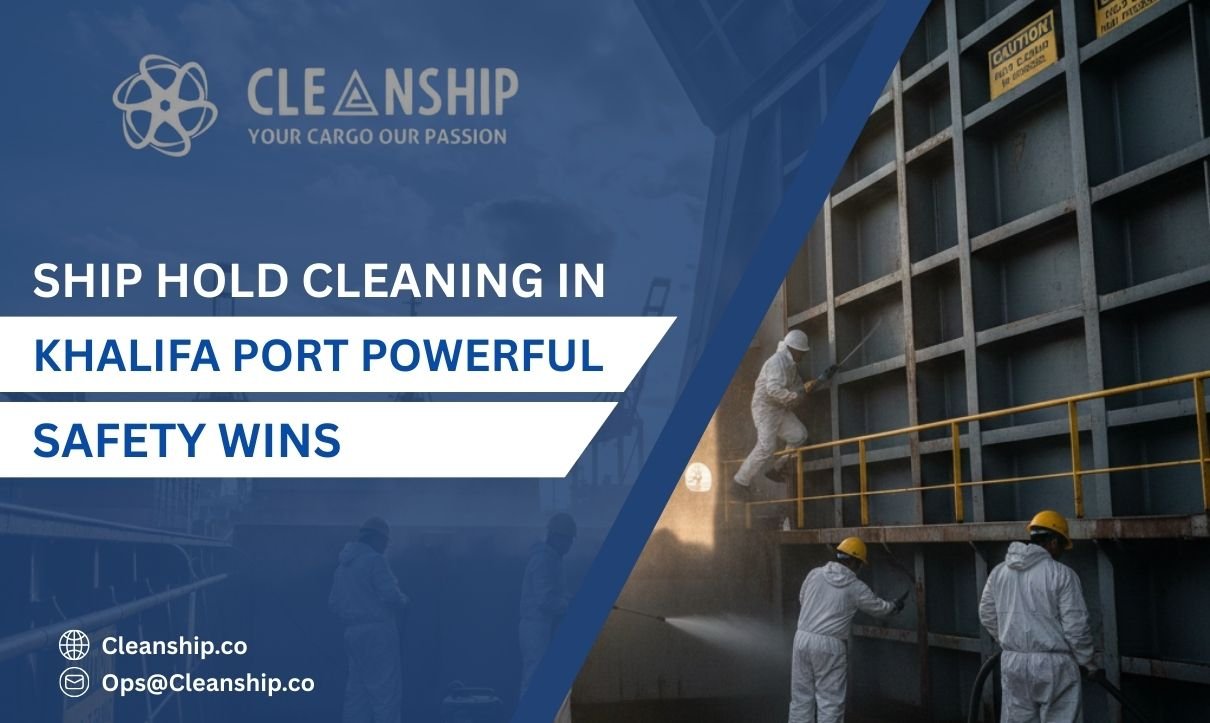
Ship Hold Cleaning in Khalifa Port: 7 Powerful Safety Wins

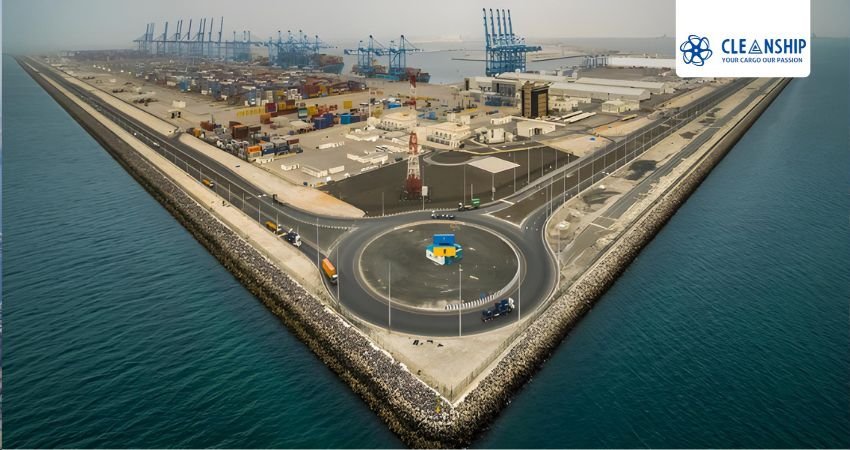
Ship Hold Cleaning in Khalifa Port is not a routine housekeeping task. In one of the UAE’s fastest-growing marine hubs, it is a safety-critical operation that protects crews, cargo, and compliance status. We operate in a port environment where bulk carriers, multipurpose vessels, and tankers face strict inspections, tight schedules, and zero tolerance for contamination. When you clean holds correctly, you reduce risk before it becomes an incident. Khalifa Port sits at the crossroads of global trade. That makes Ship Hold Cleaning essential for vessels transitioning between cargo types, meeting charterer requirements, and passing port state control without delays. Khalifa Port’s role in the UAE marine ecosystem Khalifa Port is designed for high-volume, high-efficiency operations. Bulk terminals, container facilities, and industrial zones operate side by side. This density increases inspection frequency and documentation scrutiny. Ship Hold Cleaning must align with international standards while adapting to local port rules and UAE environmental expectations. Clean holds support smooth cargo operations and protect the port’s reputation as a reliable trade gateway. What ship hold cleaning really involves Ship hold cleaning goes beyond removing visible residue. It includes washing, drying, ventilating, and inspecting cargo spaces to ensure they are safe for the next cargo. In bulk carriers, residues can hide in frames, bilges, and hatch coamings. In mixed-fleet operations, poor cleaning creates cross-contamination risks. Ship Hold Cleaning demands methodical processes, trained crews, and clear acceptance criteria. Safety Win 1: Reduced crew exposure to hazards Dirty holds expose crew members to dust, toxic residues, and slip hazards. Proper ship hold cleaning lowers the risk of respiratory issues, chemical burns, and falls. Key safety controls include: These steps turn a dangerous workspace into a controlled environment. Safety Win 2: Compliance with international regulations Hold cleaning supports compliance with: Clean holds demonstrate that you operate within recognized global frameworks, not just local rules. Safety Win 3: Protection against cargo contamination Bulk cargoes are unforgiving. A trace of previous cargo can trigger rejection. Hold cleaning prevents chemical reactions, moisture damage, and cargo claims. For example, switching from coal to grain demands the removal of acidic residues and complete drying. This is not cosmetic cleaning. It is cargo protection. Bulk carrier holds cleaning challenges in busy ports Bulk carriers face tight berthing windows. Rushed cleaning increases accident risk. Ship hold cleaning must balance speed with safety by sequencing tasks and avoiding overcrowded work areas. Effective planning reduces fatigue and ensures crews follow safety management systems rather than shortcuts. Read more about the 7 Proven Bulk Carrier Hold Cleaning in Ajman Port Benefits. Safety Win 4: Inspection readiness and port state control Port state control officers look for evidence, not promises. Clean holds signal operational discipline. Hold Cleaning improves outcomes during inspections by showing: Inspection readiness reduces delays, fines, and reputational damage. Documentation workflows that support safety Cleaning without records is invisible. Hold cleaning relies on clear documentation: These records protect you during audits and help crews follow consistent procedures. Safety Win 5: Alignment with marine supercargo standards Marine supercargo inspectors apply strict final quality rules before approving holds. Hold cleaning that meets these expectations avoids costly re-cleaning and off-hire time. Acceptance depends on dryness, cleanliness, and structural condition, not subjective opinions. Tank and hold cleaning differences you must manage Tank cleaning focuses on enclosed spaces with chemical hazards. Hold cleaning often involves large open areas with dust and fall risks. Hold cleaning requires adapting safety controls depending on the vessel type. Understanding these differences prevents applying the wrong safety measures to the wrong space. Read more about Hold Tank Cleaning in Abu Dhabi: 7 Powerful Safety Gains. Safety Win 6: Environmental protection and waste control Improper disposal of wash water and residues violates MARPOL rules. Hold Cleaning integrates environmental protection by: Environmental discipline is a safety issue because violations lead to detentions and operational stress. Crew training and testing protocols Training turns procedures into habits. Hold Cleaning depends on crews who understand confined space risks, PPE use, and emergency response. Regular drills and gas testing routines reduce human error, which remains the leading cause of onboard incidents. Learn more about 7 Proven Vessel Hold Cleaning Services in Abu Dhabi. Safety Win 7: Cost efficiency through risk prevention Accidents, cargo claims, and detentions are expensive. Ship Hold Cleaning in Khalifa Port saves money by preventing incidents rather than reacting to them. Clean operations reduce insurance exposure and protect charter relationships over the long term. UAE regulations and local port expectations While global conventions apply, UAE authorities enforce strict local rules. Ship Hold Cleaning in Khalifa Port must respect port waste handling procedures, safety permits, and inspection protocols. Local compliance supports smoother coordination with port officials and terminal operators. Integration with safety management systems Ship Hold Cleaning in Khalifa Port should fit into your vessel’s safety management system, not sit outside it. Linking cleaning tasks to permits, toolbox talks, and audits creates consistency. Consistency is what inspectors trust. Future trends in marine cleaning operations Automation, remote inspections, and eco-friendly cleaning agents are shaping the future. Ship Hold Cleaning in Khalifa Port will increasingly rely on data-driven checklists and real-time monitoring to improve safety outcomes. Technology will not replace discipline, but it will support it. Image alt text considerations for compliance Use descriptive alt text such as: “Ship Hold Cleaning in Khalifa Port with crew conducting safe bulk carrier hold washing.” Clear alt text supports accessibility and SEO consistency. Conclusion Ship Hold Cleaning in Khalifa Port delivers measurable safety value when done correctly. First, it protects crews by controlling confined space, chemical, and fall risks. Second, it strengthens compliance with IMO, MARPOL, and port state control expectations, reducing delays and penalties. Third, it safeguards cargo quality and charterer confidence through documented, inspection-ready processes. In a high-traffic UAE marine hub, clean holds are not optional. They are a visible sign of professional seamanship, disciplined safety management, and long-term operational efficiency. FAQs:
Read more
Hold cleaning service in Khalifa Port

Hold Cleaning Service in Khalifa Port: Ensuring Maritime Excellence

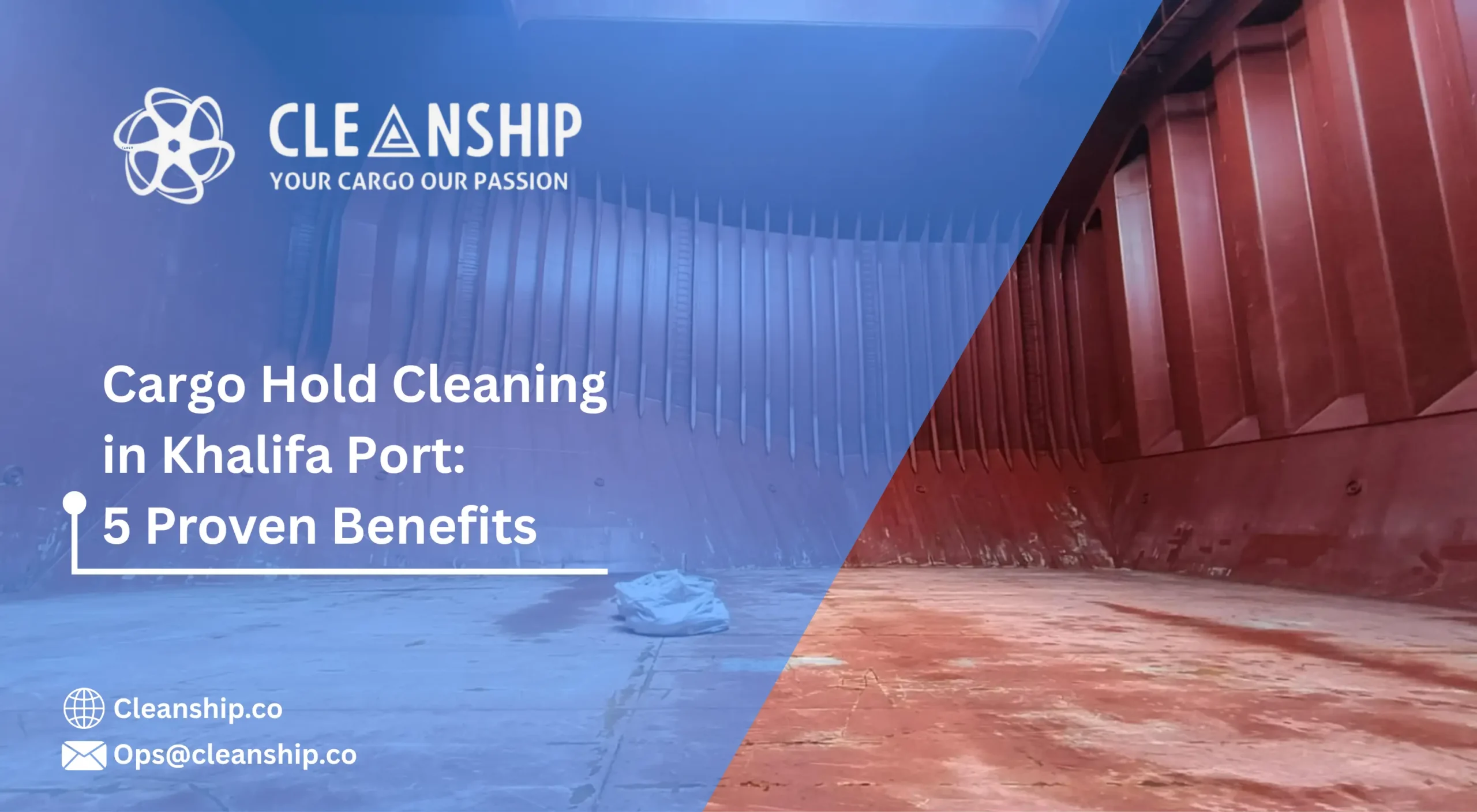
When it comes to maritime logistics, hold cleaning plays an integral role in maintaining the efficiency, safety, and compliance of vessels, especially in major ports like Khalifa Port. The significance of cleaning cargo holds after each voyage cannot be overstated, as unclean holds can lead to contamination, delays, and hefty fines. Khalifa Port, being one of the busiest and most advanced ports in the Middle East, is a hub for global maritime operations, making professional hold cleaning services a necessity. Why Hold Cleaning is Important in Khalifa Port Khalifa Port handles a wide range of cargo types, including grain, chemicals, and raw materials. Each of these commodities presents unique challenges in terms of cleanliness and safety. Cross-contamination between different types of cargo can lead to significant problems for shipping companies, affecting not only their reputation but also their operational efficiency. Hold cleaning services ensure that vessels leaving Khalifa Port meet the strict international maritime standards for cleanliness and hygiene. This process involves removing residues from previous cargo, eliminating harmful contaminants, and ensuring that the hold is free of moisture that could cause damage to sensitive cargo. By providing thorough cleaning, shipping companies can prevent cross-contamination and guarantee that future cargo is not compromised. Avoiding Contamination and Cargo Damage The residues from previous cargo shipments can pose serious threats if not handled properly. For example, leftover grain particles can attract pests, while chemical residues may react with other substances, causing dangerous conditions. Moreover, moisture accumulation in the hold can lead to rusting of the vessel’s infrastructure, compromising its structural integrity over time. A thorough cleaning process involves high-pressure washing, chemical cleaning, and vacuuming of debris. The use of industry-standard equipment ensures that every corner of the hold is reached, leaving no room for potential hazards. In Khalifa Port, where efficiency is paramount, hold cleaning companies use cutting-edge technology to reduce the downtime associated with this process, allowing ships to return to service as quickly as possible. Hold Cleaning Process: From Inspection to Execution Step 1: Inspection and Assessment Before the cleaning process begins, a comprehensive inspection of the cargo hold is conducted. This inspection identifies any areas that require special attention, such as stubborn residues, rust spots, or areas prone to moisture retention. The assessment helps tailor the cleaning process to the specific needs of the vessel, ensuring optimal results. Step 2: Pre-Cleaning Preparations The hold cleaning process starts with removing large debris manually. This includes any leftover cargo materials that were not discharged during unloading. Once the hold is clear of bulk materials, the team moves on to sweeping and vacuuming smaller particles. Step 3: High-Pressure Washing High-pressure washing is the core of the hold cleaning process. This step removes sticky residues, dirt, and contaminants from the hold’s surfaces. Using water at high pressure, the cleaning team ensures that even the toughest substances are dislodged from the hold walls and flooring. This method is particularly effective in removing remnants of chemicals, grain dust, or coal, which can be challenging to clean. Step 4: Chemical Cleaning and Disinfection For vessels carrying more hazardous or perishable goods, additional chemical cleaning is required. The cleaning agents used must be environmentally friendly yet powerful enough to eliminate any dangerous residues. This step is crucial when dealing with chemicals, oils, or other substances that leave toxic traces. Once the chemical cleaning is completed, the hold undergoes a disinfection process to ensure that no microbial contaminants remain. This is particularly important for vessels carrying food products or materials that are sensitive to contamination. The disinfection process guarantees that the next cargo load will not be affected by previous shipments. Step 5: Final Inspection and Certification After the hold has been thoroughly cleaned, a final inspection is carried out to ensure that it meets both the port’s and international standards for cleanliness. If the hold passes inspection, the cleaning team provides a certificate of cleanliness, which is essential for port authorities and regulatory compliance. The Importance of Professionalism in Hold Cleaning Services Given the complexity of modern maritime logistics, choosing a professional hold cleaning service in Khalifa Port is not just about cleanliness; it’s about compliance, safety, and efficiency. Khalifa Port, as a critical node in global supply chains, requires adherence to strict standards. A failure in this process can result in cargo rejection, delays, or even environmental penalties. Professional hold cleaning service in Khalifa Port utilize specialized equipment, advanced cleaning agents, and well-trained personnel to ensure that each vessel is properly cleaned, decontaminated, and inspected. Environmental and Safety Standards Hold cleaning service in Khalifa Port to adhere to International Maritime Organization (IMO) standards, as well as local environmental regulations. The port is located in the UAE, a country known for its stringent environmental policies. As such, cleaning companies must ensure that their operations do not lead to marine pollution or the release of harmful chemicals into the surrounding environment. In addition to protecting the environment, hold cleaning service in Khalifa Port also ensure the safety of the crew and port workers. By removing toxic residues and ensuring proper ventilation, cleaning companies help to create a safer working environment both aboard the vessel and during the loading and unloading processes. Why Choose Khalifa Port for Your Hold Cleaning Needs? Khalifa Port has established itself as a leader in maritime logistics not only because of its state-of-the-art facilities but also due to its commitment to maintaining the highest standards of operational efficiency and environmental stewardship. The port works closely with professional hold cleaning companies to ensure that vessels meet international standards for cleanliness and safety. Hold Cleaning Service in Khalifa Port offers a range of benefits: Read also: Hold Cleaning Service in Mina Saqr Conclusion In the bustling environment of Khalifa Port, hold cleaning is an essential service that ensures smooth operations, safety, and compliance with international standards. A well-maintained and thoroughly cleaned hold can prevent contamination, reduce downtime, and enhance the longevity of a vessel. Professional hold cleaning service in Khalifa Port not only keeps vessels
Read more
Shopping Cart (0 items)