
- Your cart is empty Browse Shop
11
Jul, 26
Sea Chest Cleaning in New Mangalore: 7 Proven Benefits
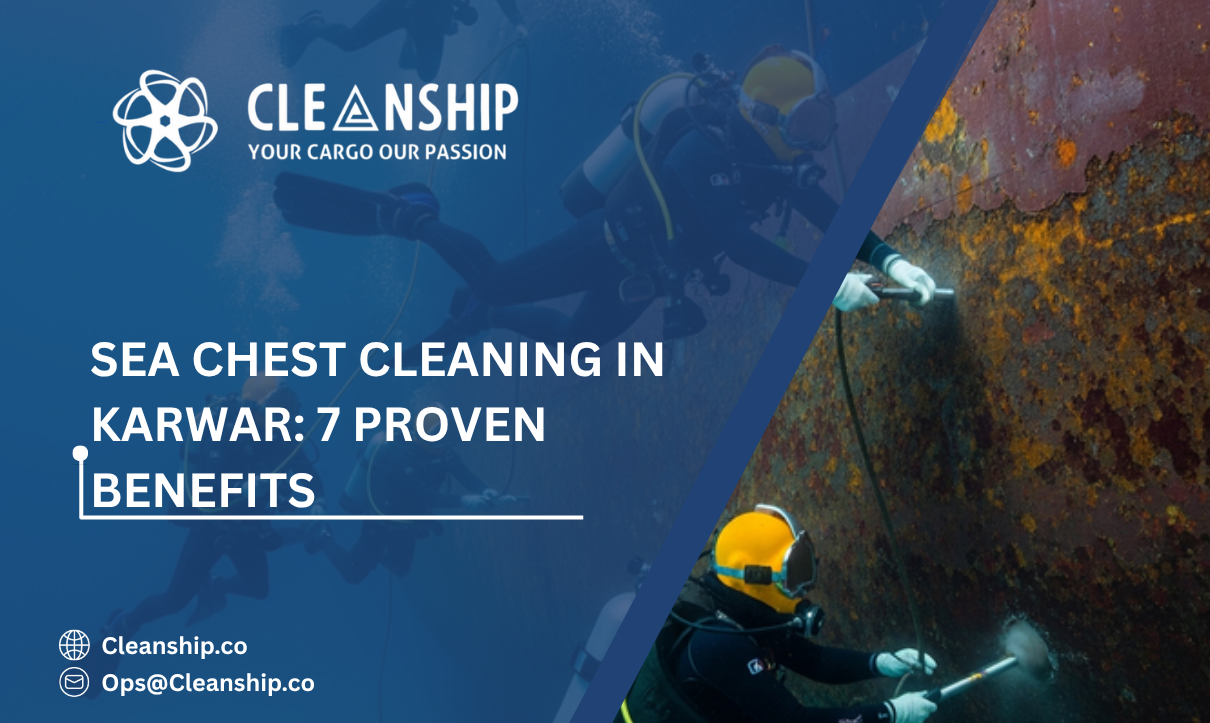
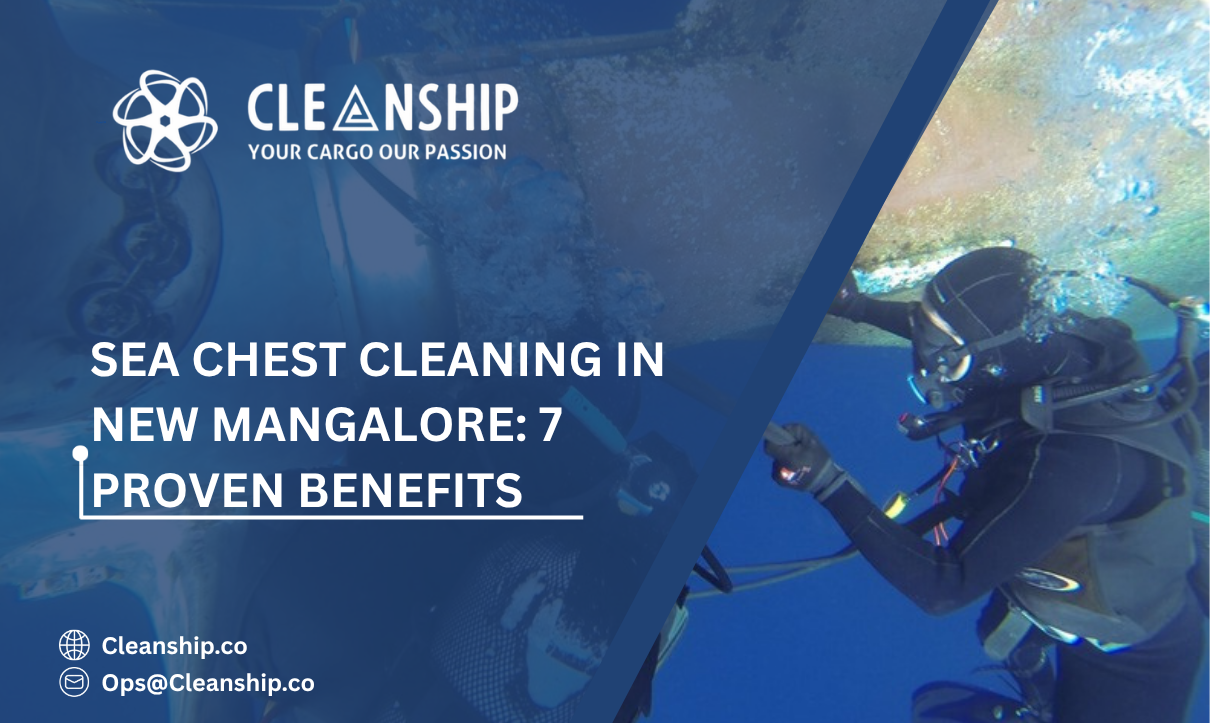
New Mangalore is one of India’s key commercial ports, serving bulk carriers, tankers, offshore support vessels, container ships, and coastal fleets throughout the year. As these vessels operate continuously in seawater, marine organisms, sediment, shells, and debris gradually accumulate inside sea chests. If left unattended, these deposits can restrict seawater flow and affect the vessel’s cooling system. This is why Sea Chest Cleaning in New Mangalore has become an essential part of preventive marine maintenance. A clean sea chest ensures a steady supply of seawater to cooling systems, helping engines, generators, and auxiliary machinery operate efficiently. Regular cleaning also reduces the risk of unexpected equipment failures that could interrupt vessel operations. Whether it’s a commercial cargo ship preparing for its next voyage or an offshore support vessel returning from field operations, timely sea chest cleaning helps maintain reliable performance and reduces maintenance-related disruptions. Why Sea Chest Cleaning Is Important The sea chest serves as the primary intake point for seawater used in cooling various onboard systems. Over time, barnacles, algae, mussels, sand, and floating debris can accumulate inside the sea chest and intake grating. A professional Sea Chest Cleaning in New Mangalore removes these obstructions using certified commercial divers and specialized underwater cleaning equipment. Restoring unrestricted seawater flow helps maintain efficient cooling performance while protecting critical machinery from overheating. Routine cleaning also supports longer equipment life and improves overall vessel reliability. 1. Maintains Efficient Cooling System Performance The vessel’s cooling system depends on an uninterrupted supply of seawater. Routine Sea Chest Cleaning in New Mangalore removes marine growth and debris that may block seawater intakes. Improved water circulation allows engines, compressors, generators, and auxiliary equipment to operate within recommended temperature limits. This helps reduce the risk of overheating during long voyages or demanding offshore operations. 2. Prevents Costly Blockages Small marine organisms gradually multiply inside sea chests and intake gratings. Professional Sea Chest Cleaning in New Mangalore prevents these deposits from developing into severe blockages that restrict water flow. Removing marine fouling before it becomes excessive helps avoid emergency maintenance and unexpected equipment shutdowns. For example, an offshore support vessel operating near New Mangalore may experience reduced cooling water flow after weeks at sea. A scheduled underwater sea chest cleaning quickly restores normal system performance without waiting for dry docking. 3. Reduces Maintenance Costs Preventive maintenance is almost always more economical than emergency repairs. Regular Sea Chest Cleaning in New Mangalore helps protect pumps, pipelines, heat exchangers, and cooling equipment from unnecessary strain caused by restricted seawater flow. By maintaining efficient cooling performance, vessel owners can reduce repair expenses and extend maintenance intervals. This proactive approach also improves long-term maintenance planning. 4. Minimizes Vessel Downtime Unexpected cooling system failures often lead to operational delays. One of the biggest advantages of Sea Chest Cleaning in New Mangalore is that cleaning can usually be completed while the vessel remains afloat at berth or anchorage. This minimizes service interruptions and avoids unnecessary waiting for dry dock availability. Harbor tugs, coastal cargo ships, and offshore support vessels benefit greatly because maintaining operational schedules is critical to their daily activities. 5. Improves Machinery Reliability Reliable cooling directly affects the performance of onboard machinery. Routine Sea Chest Cleaning in New Mangalore helps ensure that engines, auxiliary generators, HVAC systems, and other seawater-cooled equipment receive adequate cooling water. Stable operating temperatures reduce mechanical stress and improve equipment reliability throughout the vessel’s operating cycle. Well-maintained cooling systems also contribute to safer vessel operations. 6. Supports Regulatory and Operational Standards Many shipping companies include sea chest inspections as part of their preventive maintenance programs. Professional Sea Chest Cleaning in New Mangalore helps maintain underwater systems in good operating condition while supporting company maintenance procedures and operational best practices. Clean sea chests also simplify underwater inspections because divers can clearly assess intake gratings and surrounding structures. Keeping maintenance records demonstrates responsible vessel management and supports future inspections. 7. Extends the Service Life of Cooling Components Restricted seawater flow increases the workload on pumps and cooling equipment. Regular Sea Chest Cleaning in New Mangalore helps reduce unnecessary wear on pumps, valves, pipelines, and heat exchangers by maintaining consistent water circulation. Cleaner systems experience less operational stress, contributing to longer equipment life and improved maintenance efficiency. This preventive approach helps vessel owners maximize the return on their maintenance investments. Where Sea Chest Cleaning Is Commonly Used Sea Chest Cleaning in New Mangalore is widely performed across different sectors of the maritime industry. Commercial cargo vessels schedule sea chest cleaning before long trading voyages to ensure uninterrupted cooling performance. Tankers rely on clean seawater intakes to maintain engine reliability during extended operations. Offshore support vessels often require cleaning after prolonged offshore assignments where marine growth develops rapidly. Fishing vessels, harbor tugs, dredgers, pilot boats, and passenger vessels also benefit from routine sea chest cleaning. Port operators frequently include underwater intake maintenance as part of their overall asset management programs to keep marine operations running smoothly. Choosing the Right Sea Chest Cleaning Service Proper underwater cleaning requires both technical expertise and specialized equipment. A reliable Sea Chest Cleaning in New Mangalore service provider should employ certified commercial divers, follow approved underwater safety procedures, and use equipment designed to remove marine growth without damaging intake structures. Before cleaning begins, divers should inspect the sea chest to identify fouling levels and any visible structural issues. A detailed service report, including photographs and diver observations, helps vessel owners maintain accurate maintenance records and plan future inspections effectively. Conclusion Sea chests play a critical role in maintaining the cooling systems that keep marine engines and auxiliary machinery operating safely. Allowing marine growth and debris to accumulate inside these intake systems increases the risk of overheating, equipment failure, and costly operational delays. Investing in Sea Chest Cleaning in New Mangalore helps ship owners maintain efficient cooling performance, reduce maintenance costs, improve machinery reliability, and minimize downtime. Whether operating commercial cargo vessels, offshore support ships, harbor craft, or fishing fleets, regular sea chest cleaning remains a practical maintenance solution