
New Mangalore is one of India’s busiest west coast ports, handling a wide variety of cargo vessels, tankers, offshore support ships, and coastal vessels throughout the year. With continuous exposure to seawater, underwater hulls naturally accumulate algae, barnacles, mussels, and other marine organisms. While this buildup may seem gradual, it can significantly affect a vessel’s efficiency and operating costs over time.
This is why Underwater Hull Cleaning in New Mangalore has become an important part of preventive vessel maintenance. Instead of waiting for the next dry docking schedule, ship owners can remove marine growth while the vessel remains afloat. This approach helps maintain hull performance, improve fuel efficiency, and extend the service life of underwater components without disrupting normal operations.
Whether it’s a bulk carrier preparing for its next voyage or a harbor tug supporting port operations, regular underwater hull cleaning helps vessels operate more efficiently and reliably.
Why Underwater Hull Cleaning Matters
Marine fouling begins almost immediately after a vessel enters seawater. Over weeks and months, algae, slime, barnacles, and shell-forming organisms attach themselves to the hull, increasing surface roughness and hydrodynamic resistance.
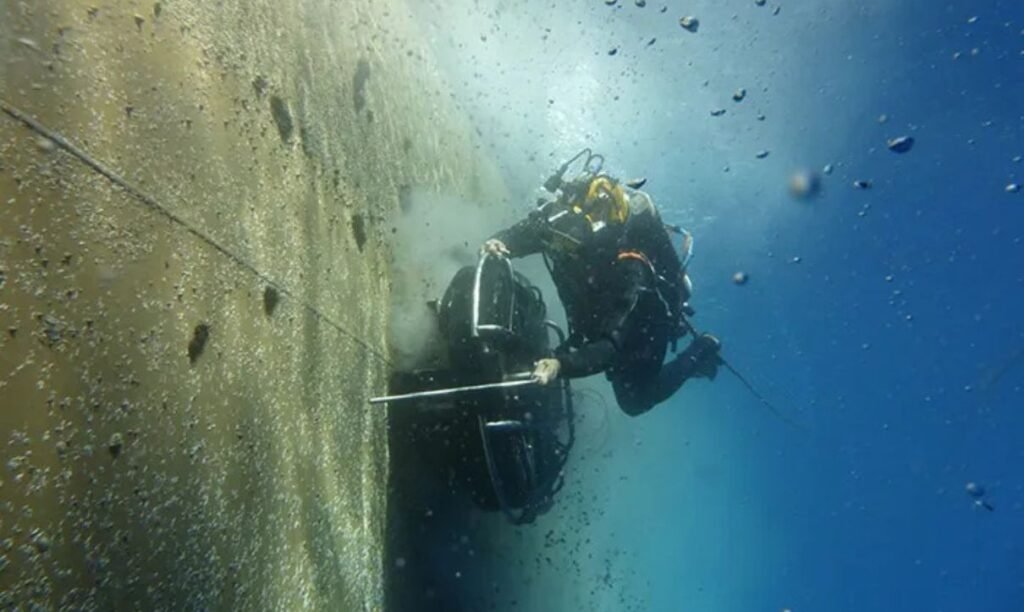
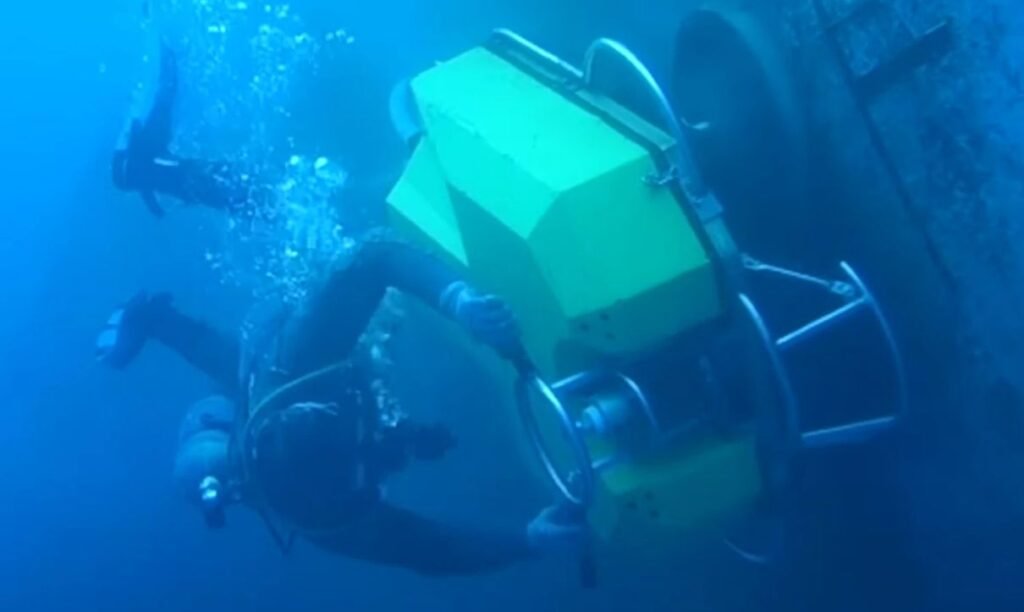
A professional Underwater Hull Cleaning in New Mangalore removes these deposits using specialized underwater cleaning equipment operated by trained commercial divers. The result is a smoother hull surface that allows the vessel to move through the water with less resistance while protecting underwater coatings from excessive fouling.
Routine cleaning also helps operators avoid the long-term impact of neglected marine growth.
1. Improves Fuel Efficiency
One of the biggest advantages of Underwater Hull Cleaning in New Mangalore is improved fuel economy.
Marine growth increases drag, forcing engines to work harder to maintain normal operating speed. By removing algae and barnacles, underwater cleaning restores smoother water flow along the hull, helping reduce fuel consumption.
For shipping companies operating multiple vessels, even a modest improvement in fuel efficiency can lead to substantial savings over an entire year.
2. Restores Vessel Performance
A fouled hull affects more than fuel usage. It can also reduce vessel speed, maneuverability, and overall operational efficiency.
Regular Underwater Hull Cleaning in New Mangalore helps restore the vessel’s designed hydrodynamic performance. Clean underwater surfaces allow ships to maintain better speed and respond more effectively during navigation.
For example, an offshore supply vessel making frequent trips from New Mangalore to offshore installations may notice reduced transit times after professional hull cleaning removes heavy marine fouling.
3. Protects Hull Coatings
Modern anti-fouling coatings are designed to resist marine growth, but they still require proper maintenance.
When excessive fouling remains attached for long periods, protective coatings may experience additional stress during vessel operations. Professional Underwater Hull Cleaning in New Mangalore removes marine growth using techniques that help preserve coating integrity while restoring hull cleanliness.
Maintaining healthy coatings can reduce future repainting costs during scheduled dry dock periods.
4. Reduces Maintenance Costs
Preventive maintenance is almost always more economical than major repairs.
Routine Underwater Hull Cleaning in New Mangalore helps prevent heavy fouling from affecting propulsion systems, underwater valves, sea chests, and cooling water intakes. Cleaner underwater components operate more efficiently and require fewer corrective repairs.
Maintenance teams can also inspect underwater structures more accurately once marine growth has been removed.
5. Minimizes Vessel Downtime
Operational delays can affect cargo schedules, charter commitments, and overall fleet productivity.
A major benefit of Underwater Hull Cleaning in New Mangalore is that cleaning can usually be completed while the vessel remains afloat alongside a berth or anchorage. This minimizes service interruptions and avoids unnecessary waiting for dry dock availability.
Harbor service vessels, coastal cargo ships, and offshore support vessels particularly benefit from this flexibility because they often work on tight operational schedules.
6. Supports Environmental Responsibility
Marine biofouling is increasingly recognized as an environmental concern.
Marine organisms attached to hull surfaces may be transported from one port to another, contributing to the spread of invasive aquatic species. Scheduled Underwater Hull Cleaning in New Mangalore helps control biofouling while supporting responsible environmental management practices adopted by many shipping companies.
Clean hulls also improve fuel efficiency, indirectly reducing greenhouse gas emissions through lower engine loads.
7. Extends the Life of Underwater Equipment
The condition of underwater components directly affects vessel reliability.
Routine Underwater Hull Cleaning in New Mangalore keeps propellers, rudders, thrusters, sea chests, and underwater valves free from excessive marine growth. This reduces unnecessary strain on mechanical systems and helps underwater equipment perform efficiently over a longer service life.
Well-maintained underwater systems also simplify future inspections because engineers can clearly assess component conditions without heavy fouling obstructing visibility.
Where Underwater Hull Cleaning Is Commonly Used
Underwater Hull Cleaning in New Mangalore is widely used across different sectors of the maritime industry.
Commercial cargo vessels rely on underwater cleaning to improve voyage efficiency before long international routes. Tankers often schedule hull cleaning between cargo operations to maintain fuel economy. Offshore support vessels undergo regular underwater cleaning after extended offshore assignments where marine growth develops rapidly.
Fishing vessels also benefit from cleaner hulls because improved speed and lower fuel consumption directly support daily operations. Port authorities may schedule underwater cleaning for floating pontoons, workboats, and other marine assets used in harbor operations.
Choosing the Right Underwater Hull Cleaning Service
Selecting an experienced underwater service provider is just as important as scheduling the cleaning itself.
A dependable Underwater Hull Cleaning in New Mangalore company should employ certified commercial divers, use specialized hull cleaning equipment, and follow environmentally responsible cleaning practices. Before cleaning begins, divers should assess hull conditions and determine the appropriate cleaning method based on the vessel’s coating type and level of fouling.
Detailed inspection reports after cleaning provide vessel owners with useful maintenance records and help plan future underwater inspections more effectively.
Conclusion
Marine growth is an unavoidable challenge for vessels operating in coastal waters, but allowing it to accumulate unnecessarily increases fuel costs, reduces operational efficiency, and shortens the lifespan of underwater components.
Investing in Underwater Hull Cleaning in New Mangalore helps vessel owners maintain cleaner hulls, improve fuel performance, reduce maintenance expenses, and extend the life of valuable marine assets. Whether managing commercial cargo ships, offshore support vessels, harbor tugs, or fishing fleets, routine underwater hull cleaning remains one of the most practical ways to improve long-term operational efficiency.
As maritime activity continues to grow around New Mangalore Port, regular underwater hull maintenance will remain an essential strategy for safer, cleaner, and more cost-effective vessel operations.
FAQs:
Q1. What is Underwater Hull Cleaning in New Mangalore?
Underwater Hull Cleaning in New Mangalore is the process of removing algae, barnacles, slime, and other marine growth from a vessel’s hull while it remains afloat using professional commercial diving services.
Q2. Why is underwater hull cleaning important?
It improves fuel efficiency, restores vessel performance, protects hull coatings, reduces maintenance costs, and helps prevent excessive marine fouling from affecting underwater equipment.
Q3. Can underwater hull cleaning be performed without dry docking?
Yes. Professional commercial divers can clean vessel hulls while the ship remains afloat, reducing downtime and allowing normal operations to continue.
Q4. Which vessels benefit from underwater hull cleaning?
Cargo ships, bulk carriers, tankers, offshore support vessels, fishing boats, harbor tugs, passenger vessels, and other commercial marine assets all benefit from routine underwater hull cleaning.
Q5. How often should underwater hull cleaning be carried out?
The cleaning schedule depends on vessel operations, water conditions, trading routes, and the rate of marine growth. Regular inspections help determine the ideal cleaning interval for each vessel.