
- Your cart is empty Browse Shop
14
Jul, 26
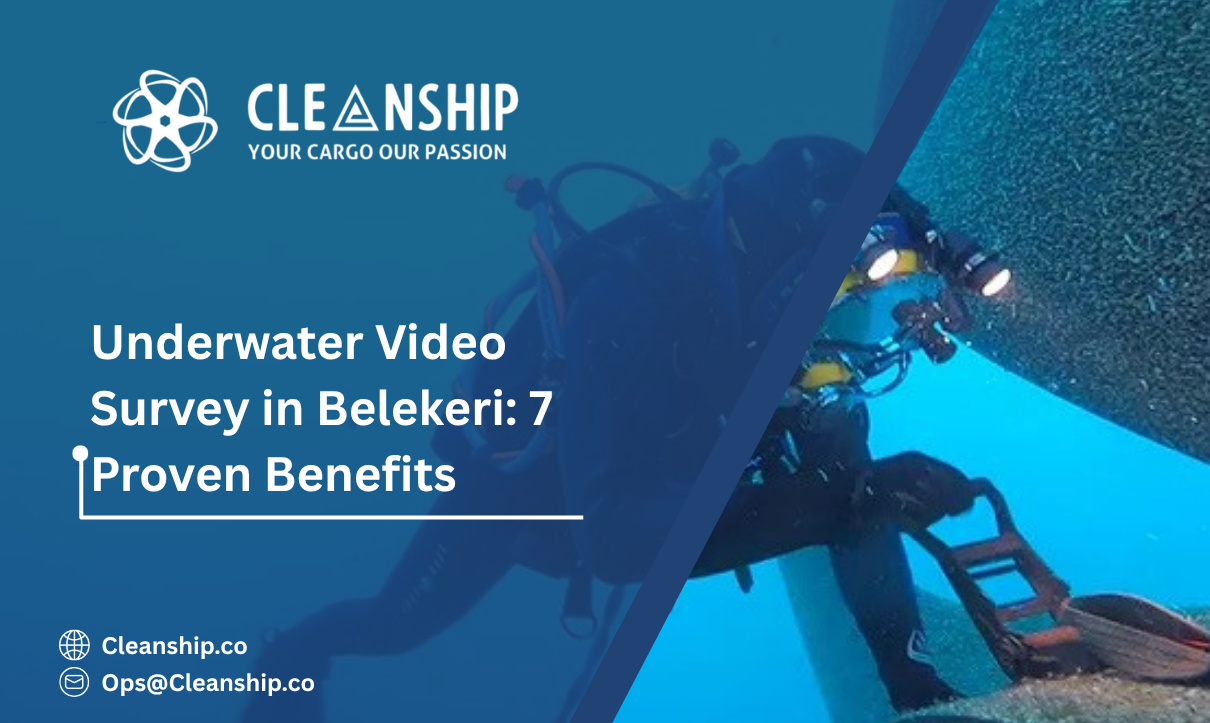
Underwater Video Survey in Belekeri: 7 Proven Benefits
Belekeri Port is an important maritime gateway on the Karnataka coastline, handling bulk cargo vessels, offshore support ships, coastal carriers, barges, and fishing boats. Since most critical parts of a vessel remain below the waterline, identifying underwater issues without a proper inspection can be difficult. Small defects often go unnoticed until they affect vessel performance or require expensive repairs. This is where Underwater Video Survey in Belekeri plays a valuable role. Using high-definition underwater cameras operated by certified commercial divers or remotely operated vehicles (ROVs), marine professionals can capture detailed footage of the vessel’s underwater structure while it remains afloat. The recorded videos provide ship owners and technical managers with clear visual evidence of the hull’s condition, allowing them to make informed maintenance decisions. Routine underwater video surveys help improve vessel safety, reduce maintenance costs, and minimize unnecessary operational delays. What Is an Underwater Video Survey? An underwater video survey is a detailed visual inspection of a vessel’s submerged components using waterproof high-definition cameras. The survey captures continuous video footage of underwater structures for technical evaluation and maintenance planning. A professional Underwater Video Survey in Belekeri typically covers the hull, propeller, rudder, sea chests, thrusters, intake grilles, sacrificial anodes, bilge keels, and underwater coatings. The recorded footage can be reviewed immediately or included in technical reports for future reference. This non-destructive inspection method provides accurate underwater information without requiring dry docking. Why Underwater Video Surveys Are Important Many underwater defects cannot be identified from the vessel deck. Marine growth, corrosion, coating damage, loose fittings, and structural defects remain hidden beneath the waterline until inspected. Routine Underwater Video Survey in Belekeri allows marine engineers and vessel operators to assess underwater conditions without interrupting operations. Early detection helps prevent costly repairs while supporting condition-based maintenance planning. Video documentation also provides a permanent inspection record for technical reviews and classification requirements. 1. Detects Underwater Problems Early Early detection reduces repair costs and operational risks. Professional Underwater Video Survey in Belekeri helps identify corrosion, cracks, marine growth, damaged coatings, loose fittings, propeller defects, and other underwater issues before they become serious problems. Timely inspections allow maintenance teams to plan corrective actions before failures occur. For example, a cargo vessel preparing to leave Belekeri for an international voyage may undergo an underwater survey that identifies minor coating damage near the stern. Repairs can then be scheduled before corrosion spreads further. 2. Supports Better Maintenance Planning Accurate inspection data improves maintenance decisions. Routine Underwater Video Survey in Belekeri provides technical managers with detailed visual records of underwater structures. Instead of relying solely on estimated maintenance intervals, vessel operators can schedule repairs and cleaning based on the actual condition of the hull. This condition-based approach improves maintenance efficiency while reducing unnecessary expenses. 3. Reduces Dry Dock Costs Dry docking represents a significant operational expense. A professional Underwater Video Survey in Belekeri helps determine whether immediate dry docking is necessary or whether maintenance can safely be postponed until the next scheduled docking period. This allows operators to avoid unnecessary repair costs while maintaining vessel safety. Many shipping companies use underwater surveys to optimize dry dock planning and budget allocation. 4. Improves Vessel Safety Safe vessel operation begins with understanding the condition of underwater structures. Routine Underwater Video Survey in Belekeri helps identify structural damage, loose anodes, damaged propellers, blocked sea chests, or deteriorating hull coatings that could affect vessel safety. Addressing these issues early helps reduce operational risks during voyages. A well-maintained underwater hull contributes to safer and more reliable marine operations. 5. Documents Hull Condition High-quality video footage provides valuable technical records. Professional Underwater Video Survey in Belekeri creates permanent documentation of the vessel’s underwater condition. Ship owners can compare inspection videos over time to monitor coating performance, marine growth, corrosion progression, and equipment condition. These records are also useful for maintenance planning, insurance documentation, and technical audits. 6. Minimizes Operational Downtime Keeping vessels in service is essential for commercial success. One of the biggest advantages of Underwater Video Survey in Belekeri is that inspections are usually completed while the vessel remains afloat. There is no immediate need for dry docking simply to assess underwater conditions. This allows cargo ships, offshore support vessels, harbor craft, and fishing boats to continue operating while maintenance is planned efficiently. 7. Supports Regulatory and Technical Compliance Many inspections require clear visual documentation. Routine Underwater Video Survey in Belekeri provides detailed evidence that supports classification societies, insurance surveys, maintenance planning, and technical reporting. The recorded footage allows marine professionals to verify underwater conditions with confidence. Comprehensive video documentation improves communication between vessel owners, surveyors, and maintenance teams. Industries That Benefit from Underwater Video Surveys Underwater Video Survey in Belekeri is widely used across different sectors of the maritime industry. Commercial shipping companies rely on underwater surveys to evaluate hull condition before long voyages. Offshore support vessels conduct inspections after offshore assignments to identify marine growth and underwater equipment damage. Fishing vessels use underwater video surveys to monitor hull condition and improve fuel efficiency, while harbor tugs and port service vessels perform regular inspections to maintain dependable daily operations. Port authorities also use underwater surveys to inspect floating infrastructure and marine assets. Choosing the Right Underwater Video Survey Service Accurate underwater inspections require skilled professionals and advanced equipment. A dependable Underwater Video Survey in Belekeri provider should employ certified commercial divers or experienced ROV operators using high-definition underwater camera systems. Inspection reports should include detailed video footage, still images, technical observations, and maintenance recommendations. Working with experienced marine inspection specialists ensures accurate reporting while supporting safer vessel operations. Conclusion Most underwater vessel problems begin long before they become visible from above the waterline. Routine inspections provide the information needed to detect marine growth, corrosion, coating damage, and structural issues before they affect vessel performance or safety. Investing in Underwater Video Survey in Belekeri helps ship owners improve maintenance planning, reduce repair costs, enhance safety, document hull condition, minimize operational downtime, and support long-term vessel reliability. Whether managing cargo vessels, offshore support ships,