- Your cart is empty Browse Shop
09
Jul, 26
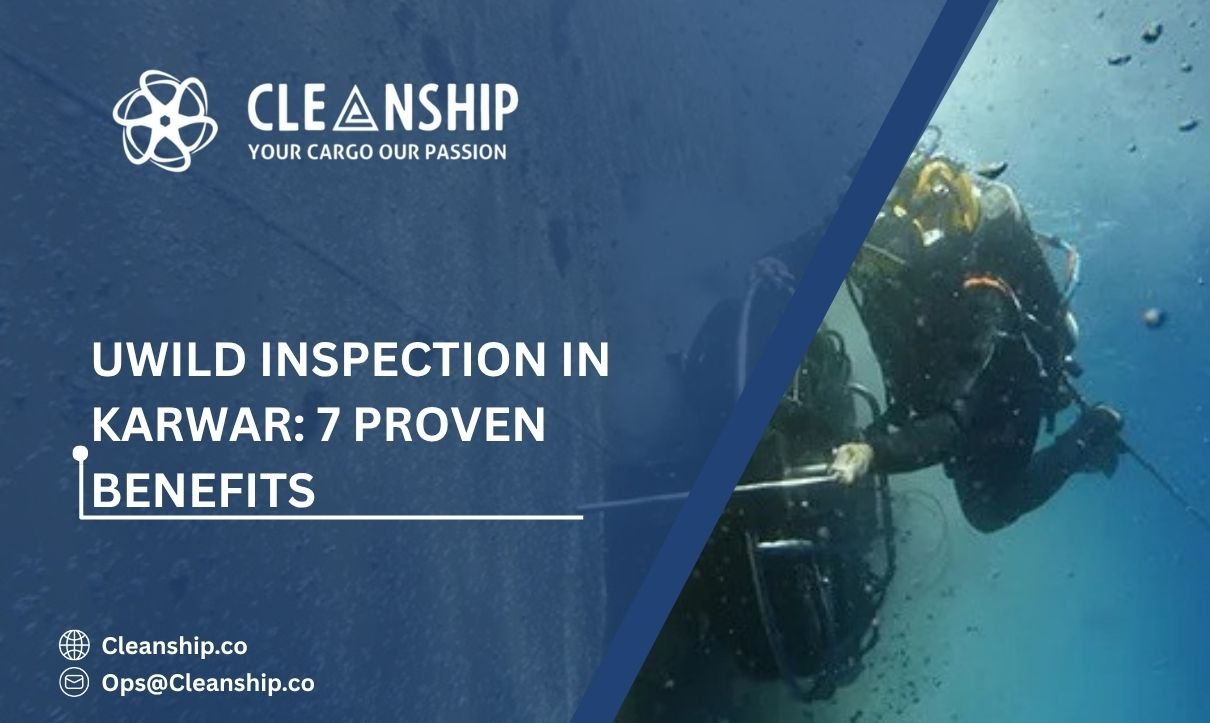
UWILD Inspection in Karwar: 7 Proven Benefits
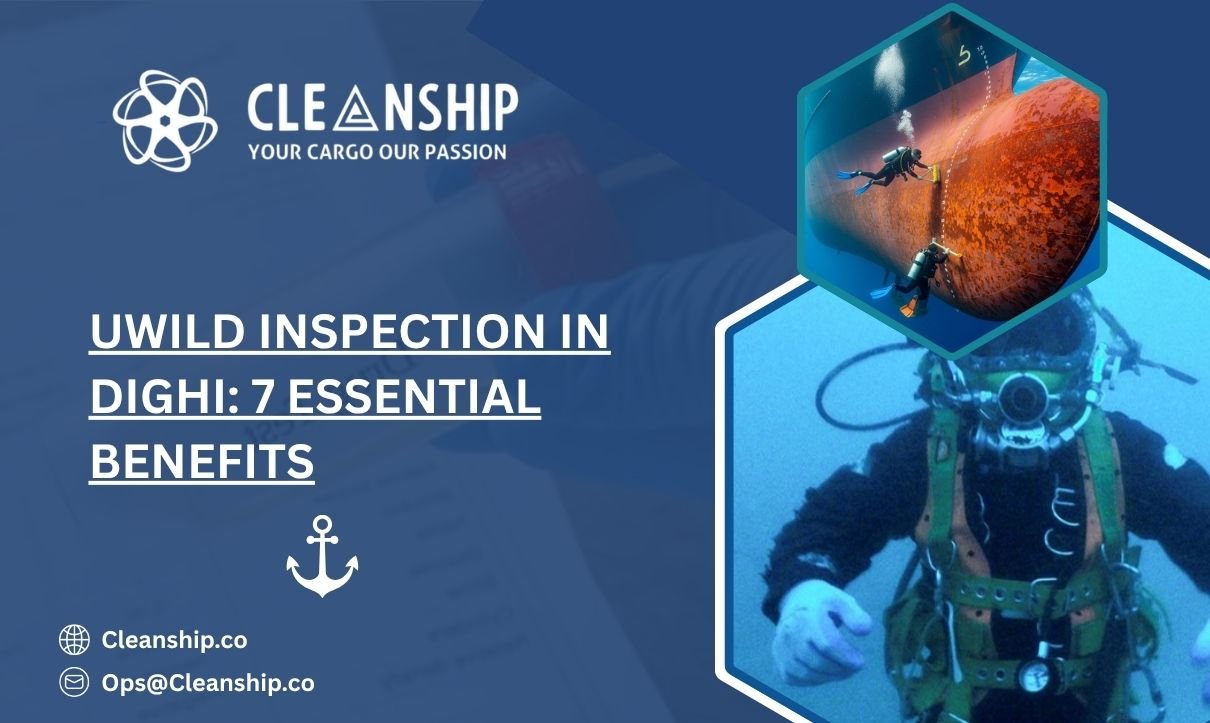
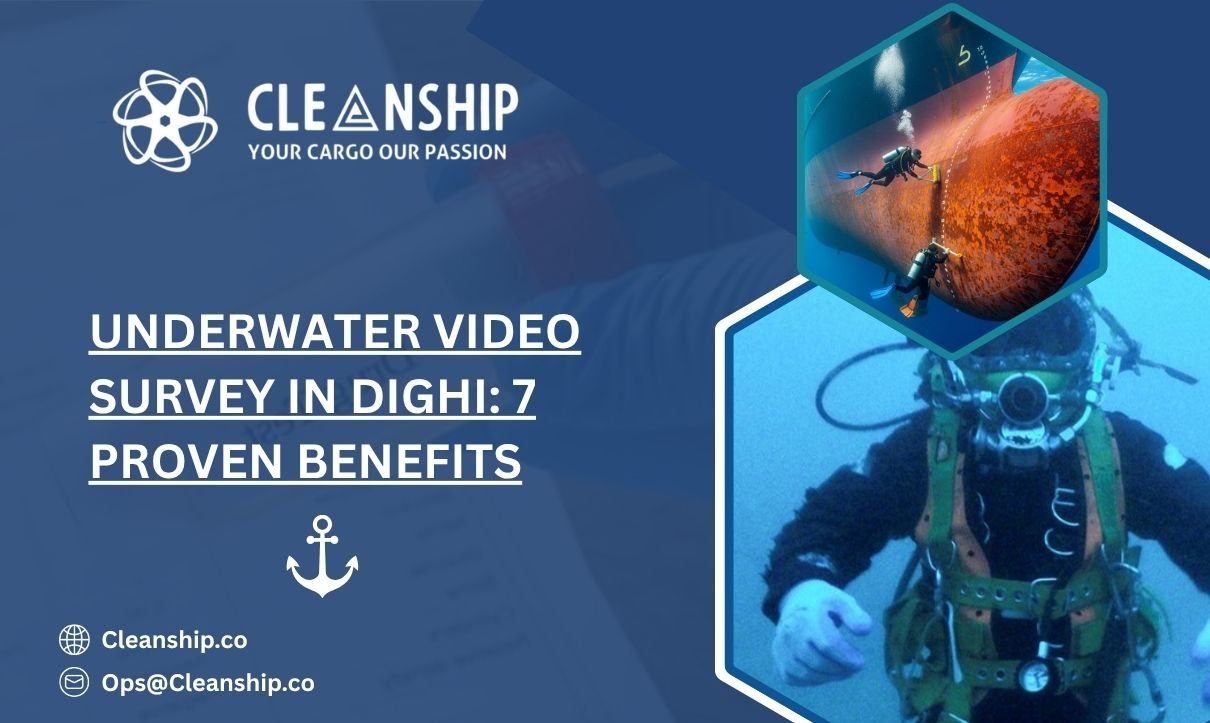
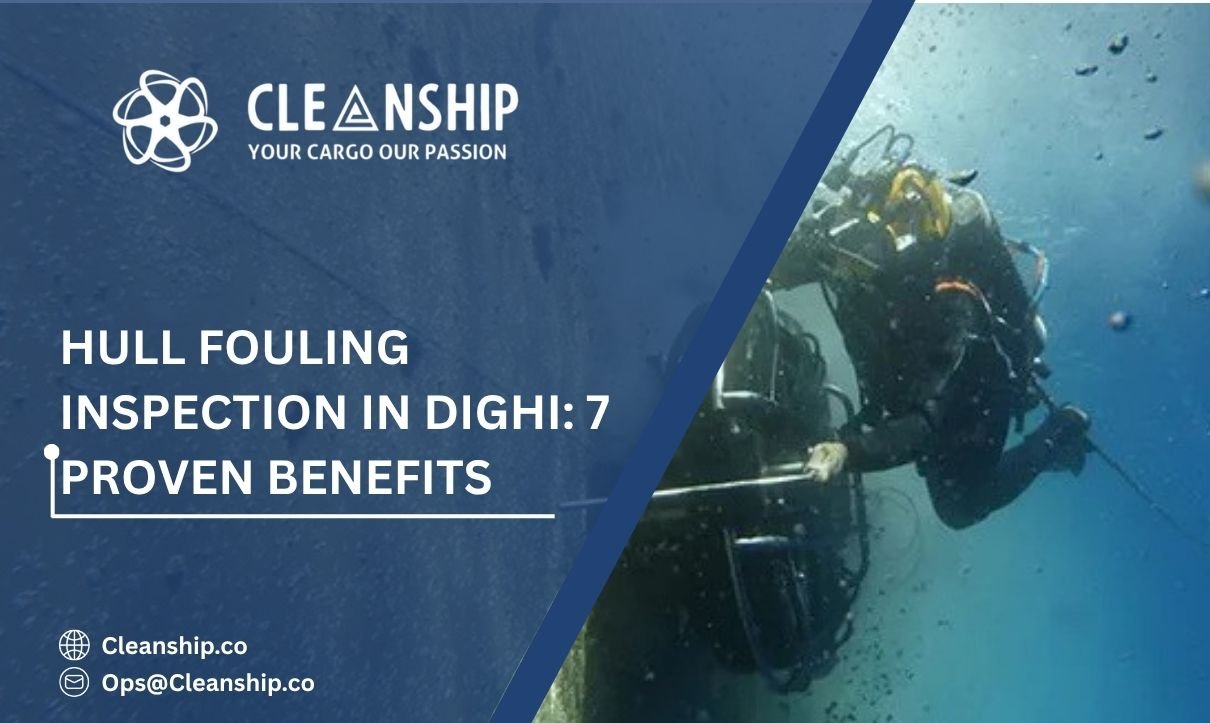
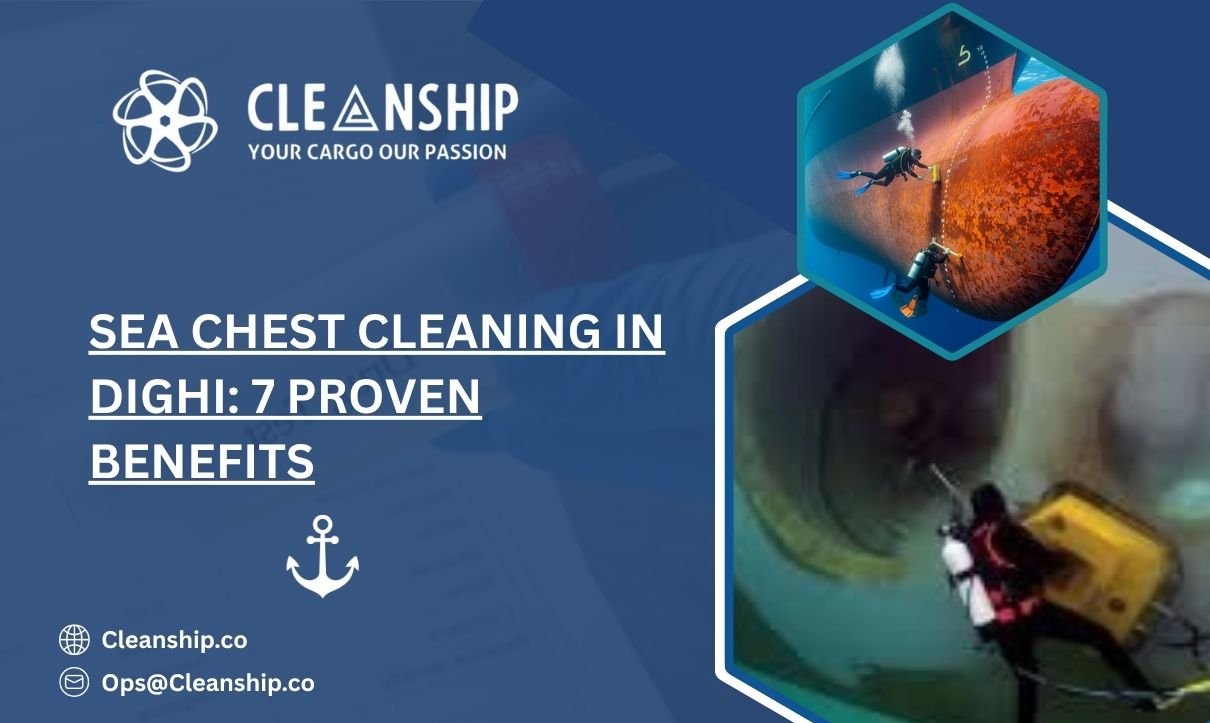
Karwar has become an important destination for commercial shipping, naval operations, offshore support vessels, and coastal marine activities. As vessel traffic continues to increase, maintaining underwater structures without disrupting operations has become a priority for ship owners and fleet managers. Traditional dry docking remains essential for major repairs, but not every inspection requires taking a vessel out of the water. This is where UWILD Inspection in Karwar offers a practical and cost-effective alternative. UWILD, or Underwater Inspection in Lieu of Drydocking, allows approved underwater inspections while the vessel remains afloat. Conducted by certified commercial divers using advanced imaging equipment, these inspections help evaluate the condition of the hull, propeller, rudder, sea chests, and other submerged components. For many shipping companies, offshore operators, and port service providers, UWILD inspections have become an efficient way to maintain compliance, reduce downtime, and keep vessels operating safely between scheduled dry dock periods. What Is UWILD Inspection? UWILD stands for Underwater Inspection in Lieu of Drydocking. It is an inspection method recognized by many classification societies and flag administrations, allowing eligible vessels to complete specific underwater inspections without entering dry dock. A professional UWILD Inspection in Karwar involves experienced commercial divers, high-definition underwater cameras, video recording systems, and detailed reporting. Surveyors assess the underwater condition of critical components and determine whether they meet the required safety and maintenance standards. For vessels operating on busy schedules, this approach provides valuable flexibility while maintaining regulatory compliance. Why UWILD Inspection Is Important in Karwar Karwar’s coastline supports a wide range of marine operations, including merchant shipping, naval activities, fishing fleets, and offshore service vessels. Constant exposure to seawater, marine growth, sediment, and underwater debris gradually affects submerged structures. A timely UWILD Inspection in Karwar helps identify developing issues before they become serious operational problems. Instead of waiting for scheduled dry docking, vessel operators gain accurate information about underwater conditions and can make informed maintenance decisions. This proactive approach reduces unexpected breakdowns and helps vessels remain operational for longer periods. 1. Reduces the Need for Unnecessary Dry Docking Dry docking requires significant planning, operational downtime, and financial investment. A certified UWILD Inspection in Karwar allows eligible vessels to complete underwater inspections while remaining afloat. If underwater components are found to be in good condition, operators can continue trading until the next scheduled maintenance period. For shipping companies managing multiple vessels, this translates into improved fleet availability and lower operational costs. 2. Detects Underwater Damage Early Minor underwater defects often develop without visible warning signs above the waterline. During a UWILD Inspection in Karwar, divers carefully inspect the hull, rudder, propeller, thrusters, sea chests, and underwater appendages. Small cracks, dents, coating failures, corrosion, or impact damage can be identified before they develop into expensive structural repairs. Early detection allows maintenance teams to schedule repairs efficiently rather than responding to emergency failures. 3. Improves Vessel Safety The condition of underwater components directly affects vessel safety and operational reliability. A regular UWILD Inspection in Karwar confirms that critical underwater systems remain structurally sound. Identifying loose fittings, damaged propeller blades, or corrosion before sailing reduces the risk of mechanical failures during operations. For offshore support vessels and coastal cargo ships, maintaining underwater integrity is essential for safe navigation. 4. Supports Classification and Regulatory Compliance Many classification societies permit UWILD inspections under specific conditions and established guidelines. A professionally conducted UWILD Inspection in Karwar generates detailed reports, photographs, and underwater video recordings that assist surveyors during regulatory evaluations. Proper documentation helps demonstrate that the vessel continues to meet maintenance requirements. This simplifies communication between ship owners, classification surveyors, and marine authorities. 5. Minimizes Operational Downtime Every day spent in dry dock affects vessel schedules, cargo commitments, and charter revenues. One of the biggest advantages of UWILD Inspection in Karwar is that inspections are completed while the vessel remains afloat. Maintenance managers receive accurate condition reports without interrupting commercial operations. For example, a coastal tanker arriving at Karwar Port can undergo an underwater inspection during a planned port stay instead of waiting for a future dry dock slot. This saves both time and operational expenses. 6. Helps Plan Maintenance More Effectively Maintenance decisions are more effective when based on actual inspection data. A detailed UWILD Inspection in Karwar provides engineers with visual evidence of underwater conditions. Rather than replacing components based on assumptions, maintenance teams can prioritize repairs according to the severity of observed damage. This condition-based maintenance approach improves budgeting and extends the service life of marine assets. 7. Provides Reliable Inspection Documentation Every underwater inspection creates valuable maintenance records for future reference. Professional UWILD Inspection in Karwar services include high-resolution photographs, underwater videos, diver observations, and comprehensive inspection reports. These records help compare asset conditions over time and support future maintenance planning. Insurance companies and vessel managers also benefit from having well-documented inspection histories when evaluating repairs or assessing operational risks. Industries That Benefit from UWILD Inspection in Karwar A wide range of maritime sectors rely on UWILD Inspection in Karwar to maintain underwater assets efficiently. Commercial shipping companies use UWILD inspections to evaluate vessel condition between dry dock intervals. Offshore support vessels depend on underwater inspections after demanding field operations. Port authorities inspect underwater infrastructure such as berths, quay walls, mooring systems, and navigation structures. Fishing fleets, coastal service vessels, dredgers, and harbor tugs also benefit from routine UWILD inspections, helping them avoid unexpected underwater maintenance issues while improving operational reliability. Choosing the Right UWILD Inspection Service Provider The quality of any UWILD inspection depends on the expertise of the inspection team and the equipment used. A dependable provider should employ certified commercial divers, experienced inspection personnel, high-definition underwater imaging systems, and internationally accepted safety procedures. Detailed reporting and clear communication are equally important, ensuring vessel owners receive practical recommendations rather than just inspection footage. Working with an experienced marine inspection company helps ensure that UWILD Inspection in Karwar delivers accurate results while meeting classification society requirements. Conclusion Modern vessel maintenance is no longer based solely on scheduled dry docking. Today,