
Dighi Port continues to strengthen its position as an important maritime hub on India’s western coast, welcoming bulk carriers, coastal cargo vessels, offshore support vessels, and tankers throughout the year. As commercial shipping becomes more focused on fuel efficiency and preventive maintenance, vessel operators are paying closer attention to underwater hull conditions. One service that has become increasingly valuable is Hull Fouling Inspection in Dighi.
Marine organisms such as algae, slime, barnacles, mussels, and tube worms begin attaching to a ship’s hull shortly after it enters seawater. While this growth may appear insignificant at first, it gradually increases hull resistance, raises fuel consumption, and reduces vessel performance. If left unchecked, biofouling can also contribute to coating damage and higher maintenance costs.
A professional hull fouling inspection helps shipowners understand the condition of the underwater hull before marine growth becomes a serious operational issue. With timely inspections, operators can plan cleaning schedules, protect vessel performance, and avoid unnecessary expenses.
What is Hull Fouling Inspection?
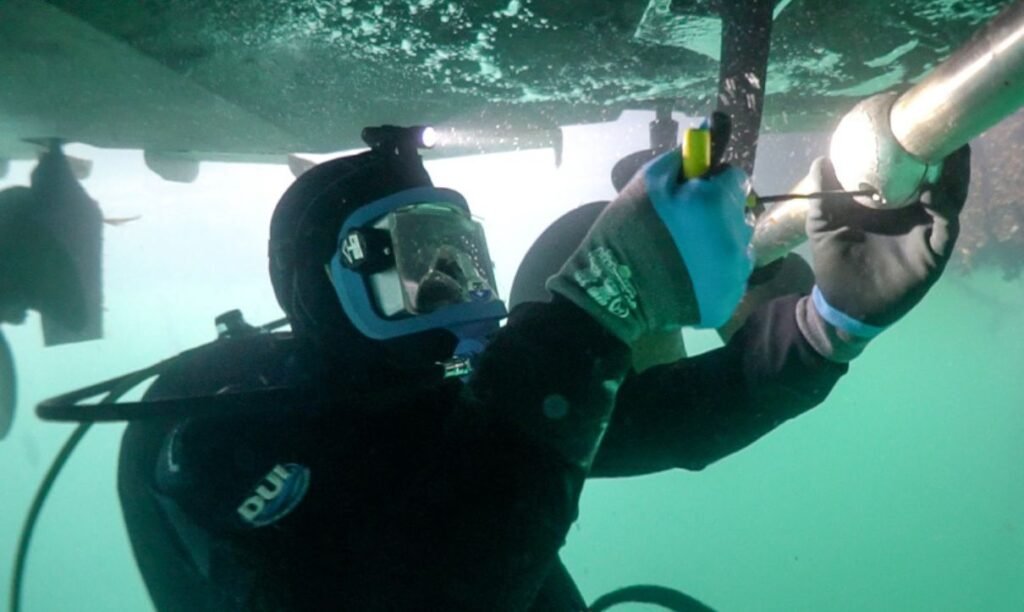
Hull Fouling Inspection in Dighi is an underwater assessment that evaluates the amount and type of marine growth attached to a vessel’s submerged surfaces. Certified commercial divers or remotely operated vehicles (ROVs) inspect the hull using high-definition cameras, underwater lighting, and digital recording systems.
The inspection typically covers the hull plating, flat bottom, bilge keels, propeller, rudder, sea chests, thrusters, and other underwater structures where marine organisms commonly accumulate.
After the survey, the vessel owner receives a detailed inspection report with photographs, videos, and recommendations for cleaning or maintenance if required.
Why Hull Fouling Inspection is Important in Dighi
Ships operating through Dighi frequently sail in warm coastal waters that encourage rapid marine growth. Even vessels operating on regular schedules can develop biofouling within a relatively short period.
Choosing Hull Fouling Inspection in Dighi allows operators to evaluate underwater conditions before performance begins to decline. Instead of waiting until excessive fouling affects fuel efficiency or propulsion, maintenance teams can schedule cleaning at the right time.
This proactive approach helps reduce operating costs while supporting long-term vessel reliability.
1. Detects Marine Growth at an Early Stage
One of the biggest advantages of Hull Fouling Inspection in Dighi is early detection of marine growth. Small patches of algae or slime can quickly develop into heavy barnacle accumulation if ignored.
For example, a coastal cargo vessel making regular voyages between Dighi and nearby ports may initially develop only light biofouling. An underwater inspection identifies the problem early, allowing cleaning before fuel consumption begins to increase significantly.
Early action prevents minor fouling from becoming a major maintenance issue.
2. Improves Fuel Efficiency
Marine growth creates additional resistance between the hull and surrounding water. As resistance increases, the vessel requires more engine power to maintain normal operating speed.
Routine Hull Fouling Inspection in Dighi helps operators identify when hull cleaning becomes necessary. Maintaining a cleaner hull reduces hydrodynamic drag and improves fuel efficiency throughout each voyage.
For shipping companies operating multiple vessels, these savings can have a measurable impact on annual operating costs.
3. Protects Hull Coatings
Anti-fouling coatings are designed to reduce marine growth and protect the hull against corrosion. However, excessive biofouling can eventually affect coating performance if not addressed promptly.
Professional Hull Fouling Inspection in Dighi allows inspectors to evaluate both marine growth and coating condition. Any signs of coating damage, blistering, or localized corrosion can be documented before they develop into more expensive repairs.
Protecting hull coatings also extends the interval between major dry docking projects.
4. Supports Better Maintenance Planning
Accurate maintenance decisions depend on reliable inspection data. Rather than cleaning the hull according to a fixed schedule, shipowners can base maintenance activities on the vessel’s actual condition.
Regular Hull Fouling Inspection in Dighi provides technical managers with visual evidence that supports more efficient maintenance planning.
For instance, an offshore support vessel may require only localized cleaning instead of a full hull cleaning, reducing both maintenance costs and operational downtime.
5. Helps Maintain Vessel Performance
A clean hull contributes to smoother movement through the water, better maneuverability, and improved propulsion efficiency.
Routine Hull Fouling Inspection in Dighi allows operators to maintain these performance standards by identifying marine growth before it significantly affects vessel operation.
Ships carrying time-sensitive cargo particularly benefit from maintaining consistent voyage speeds and predictable fuel consumption.
6. Supports Environmental Compliance
Fuel-efficient vessels produce fewer emissions and contribute to more sustainable shipping operations. Many shipping companies now include underwater hull inspections as part of their environmental management programs.
Professional Hull Fouling Inspection in Dighi helps identify fouling that may increase fuel consumption and greenhouse gas emissions. Early intervention supports compliance with modern environmental standards while reducing unnecessary operational costs.
A well-maintained hull also lowers the risk of transporting invasive marine species between ports.
7. Minimizes Unexpected Downtime
Unexpected maintenance often disrupts commercial schedules and increases operating expenses. Regular underwater inspections reduce this risk by identifying problems before they require emergency action.
Professional Hull Fouling Inspection in Dighi can be completed while the vessel remains afloat during routine port calls, allowing operators to combine inspection activities with cargo handling or bunkering operations.
This flexibility minimizes operational interruptions while supporting efficient maintenance planning.
Technologies Used During Hull Fouling Inspection
High-Definition Underwater Cameras
Modern underwater cameras capture detailed images of marine growth, hull coatings, corrosion, and submerged structures. High-quality visuals allow surveyors to accurately evaluate fouling severity.
These images also provide valuable reference points for future inspections.
Remotely Operated Vehicles (ROVs)
Many inspection providers now use ROVs alongside commercial divers. These remotely operated systems access difficult underwater areas while transmitting live video to inspection engineers.
ROVs improve inspection efficiency, particularly around sea chests, thrusters, and confined spaces.
Digital Reporting Systems
Following Hull Fouling Inspection in Dighi, operators receive comprehensive digital reports containing photographs, videos, inspection findings, and maintenance recommendations.
These reports support technical decision-making while creating a permanent maintenance history for each vessel.
Choosing the Right Hull Fouling Inspection Service in Dighi
Selecting an experienced inspection company is essential for obtaining accurate results. Shipowners should work with marine contractors that employ certified divers, experienced ROV operators, modern inspection equipment, and comprehensive reporting systems.
A reliable provider does more than document marine growth. They explain inspection findings, recommend practical maintenance actions, and help operators determine the most suitable cleaning schedule.
Choosing experienced professionals also ensures inspections are completed safely while minimizing disruption to vessel operations.
Conclusion
Hull Fouling Inspection in Dighi has become an essential preventive maintenance service for commercial shipping companies seeking greater efficiency and lower operating costs. By identifying marine growth before it affects vessel performance, shipowners can improve fuel efficiency, protect hull coatings, reduce maintenance expenses, and maintain reliable sailing schedules.
As shipping continues to focus on operational excellence and environmental responsibility, routine hull fouling inspections provide valuable insights that support smarter maintenance decisions. Whether operating coastal cargo vessels, bulk carriers, tankers, or offshore support vessels, investing in regular underwater inspections helps ensure long-term vessel performance and dependable maritime operations.
FAQs:
Q1. What is Hull Fouling Inspection in Dighi?
Hull Fouling Inspection in Dighi is an underwater survey that evaluates marine growth on a vessel’s hull using certified divers or remotely operated vehicles. It helps determine when hull cleaning or maintenance is required.
Q2. Why is hull fouling inspection important?
Hull fouling inspection detects marine growth early, improves fuel efficiency, protects hull coatings, reduces maintenance costs, and supports better vessel performance throughout regular operations.
Q3. How often should vessels undergo hull fouling inspection?
Inspection frequency depends on vessel type, trading routes, operating conditions, and local marine growth levels. Many operators perform inspections several times each year as part of preventive maintenance.
Q4. Can hull fouling inspection be completed without dry docking?
Yes. Professional Hull Fouling Inspection in Dighi is carried out while the vessel remains afloat, allowing inspections to be completed during normal port operations without interrupting commercial schedules.
Q5. What areas are inspected during a hull fouling survey?
The inspection generally includes the underwater hull, propeller, rudder, sea chests, thrusters, bilge keels, intake grilles, and other submerged structures where marine organisms commonly accumulate.