Hold cleaning in Ajman Port

  • Home
  • Blog
  • Tag: Hold cleaning in Ajman Port
Hold cleaning in Ajman Port for safe and efficient cargo operations

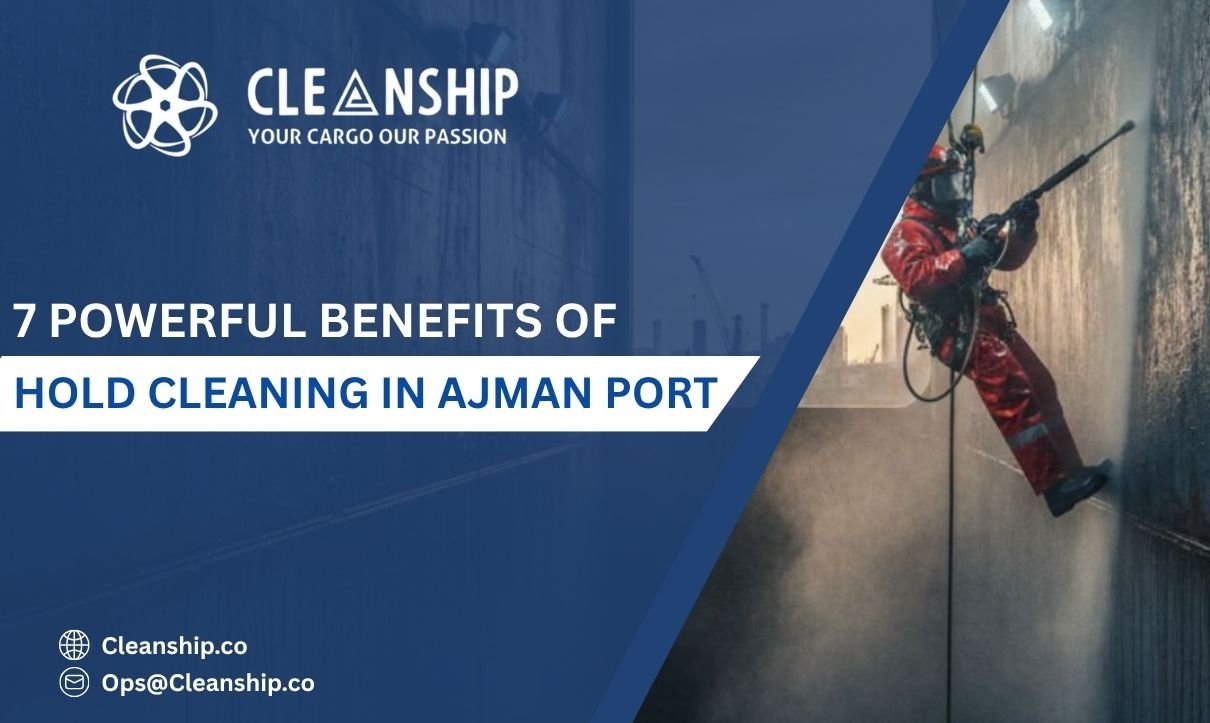
7 Powerful Benefits of Hold Cleaning in Ajman Port

The Real Value of Hold Cleaning in Ajman Port Hold cleaning in Ajman Port is not a cosmetic task. It is a compliance-driven, safety-critical operation that directly affects cargo quality, inspection outcomes, and voyage economics. In today’s UAE maritime environment, port authorities, charterers, and surveyors expect cargo holds to meet strict cleanliness and safety benchmarks. When holds fail inspections, the cost is measured not only in delays but also in reputation and lost trust. For vessel operators, proper hold cleaning in Ajman Port has become a strategic necessity rather than an operational afterthought. Ajman Port’s Role in the UAE Maritime Ecosystem Ajman Port supports regional trade across construction materials, agricultural cargo, minerals, and bagged goods. Vessels often arrive after carrying different cargo types, making contamination control critical. The UAE’s ports operate under globally aligned standards, and Ajman is no exception. Hold cleaning in Ajman Port reflects the country’s broader commitment to efficient, compliant, and environmentally responsible shipping. Why the UAE Sets High Marine Cleaning Standards The UAE positions itself as a trusted maritime hub by enforcing international conventions consistently. Regulations from IMO, MARPOL Convention, IMCA, and IAPH are not treated as guidelines but as operating baselines. This is why the hold cleaning in Ajman Port is closely scrutinized during inspections and cargo acceptance surveys. What Hold Cleaning Really Means Hold cleaning is the systematic removal of previous cargo residues, dust, rust scale, moisture, and odors from cargo holds. The goal is to prepare the hold so the next cargo can be loaded safely without risk of contamination or structural damage. How Hold Cleaning Differs from Tank Cleaning While tank cleaning focuses on liquid residues and gas-free conditions, hold cleaning deals with dry cargo residues, corrosion, and moisture control. On bulk carriers, hold cleaning in Ajman Port often determines whether a vessel is accepted or rejected for loading. Benefit 1: Stronger Regulatory Compliance Hold cleaning in Ajman Port helps vessels meet port state control expectations aligned with IMO and MARPOL Convention requirements. Clean holds reduce the likelihood of deficiencies, warnings, or detention, especially when cargo residues could cause pollution or safety risks. Benefit 2: Faster Cargo Acceptance and Inspections Surveyors assess cleanliness before approving loading. Proper hold cleaning in Ajman Port allows marine supercargo inspectors to pass holds quickly under Marine Supercargo Final Quality Rules, preventing costly re-cleaning and demurrage. Benefit 3: Improved Crew Safety Cargo holds can contain hazardous dust, sharp residues, or slippery surfaces. Thorough hold cleaning in Ajman Port reduces risks during inspection, maintenance, and loading operations. Cleaner holds mean fewer accidents and safer working conditions. Benefit 4: Environmental Protection in Port Waters Residual cargo washed into port waters can damage marine ecosystems. Hold cleaning in Ajman Port supports environmental protection goals promoted by IAPH and World Ports initiatives by preventing accidental discharge of pollutants. Benefit 5: Lower Long-Term Maintenance Costs Cargo residues trap moisture and accelerate corrosion. Regular hold cleaning in Ajman Port slows structural degradation, reducing steel repairs, coating failures, and dry-dock expenses over time. Benefit 6: Better Cargo Quality and Reduced Claims Contaminated holds lead to cargo rejection or claims. By maintaining consistent hold cleaning in Ajman Port, operators protect cargo integrity and reduce disputes with charterers and cargo owners. Benefit 7: Enhanced Commercial Reputation Charterers prefer vessels with a history of clean inspections. Reliable hold cleaning in Ajman Port signals professional vessel management, improving fixture opportunities and long-term commercial relationships. Hold, Tank, and Bulk Carrier Cleaning Standards Different vessels require different approaches. Bulk carriers focus on dry cleanliness and rust scale removal. Tankers require residue and gas management. Many service providers apply standardized procedures, so hold cleaning in Ajman Port aligns with tank and bulk carrier cleaning benchmarks. Inspection and Documentation Workflows Cleaning alone is not enough. Inspectors expect documented proof. A typical workflow includes cleaning records, visual inspection reports, and surveyor approvals. Proper documentation supports the hold cleaning in Ajman Port by demonstrating compliance discipline. The Role of Cargo Supervision Cargo supervision ensures cleaning meets charter party and cargo-specific requirements. Marine supercargo teams often verify that hold cleaning in Ajman Port aligns with loading standards before giving clearance. Crew Safety and Compliance Programs Modern operations integrate safety programs such as drug and alcohol testing services during port calls. Clean, organized holds reduce stress and operational risk, supporting broader crew welfare initiatives. Industry Practice and Global Operations Across global ports, standardized cleaning practices improve consistency. Companies like Cleanship.co reflect industry practice by combining global tank and hold cleaning operations with compliance-focused service delivery. This approach mirrors expectations seen in hold cleaning in Ajman Port. Cost Efficiency Through Planned Cleaning Planned hold cleaning in Ajman Port is far more cost-effective than emergency cleaning under inspection pressure. Predictable cleaning schedules help operators control budgets and avoid operational surprises. Future Trends in Marine Cleaning Automation is reducing manual entry risks. Eco-friendly cleaning agents are replacing harsh chemicals. Digital inspection logs are improving transparency. These trends are shaping how hold cleaning in Ajman Port will be managed in the coming years. Why Standards Will Keep Rising in Ajman Port As UAE ports modernize, inspection criteria will become stricter. Hold cleaning in Ajman Port will increasingly be evaluated as part of overall vessel management quality, not just cargo readiness. Conclusion: What Vessel Operators Should Remember Hold cleaning in Ajman Port delivers three clear advantages. First, it ensures compliance with international and port-specific regulations. Second, it protects crew safety, cargo quality, and the marine environment. Third, it reduces delays, claims, and long-term maintenance costs. For operators seeking dependable, compliance-focused maritime services, Cleanship.co represents the professional standards expected in modern hold, tank, and bulk carrier cleaning. Choosing experienced partners is a practical step toward consistent inspection success and maritime service excellence. FAQs:
Read more
Bulk carrier hold cleaning in Ajman Port for safe and efficient cargo operations

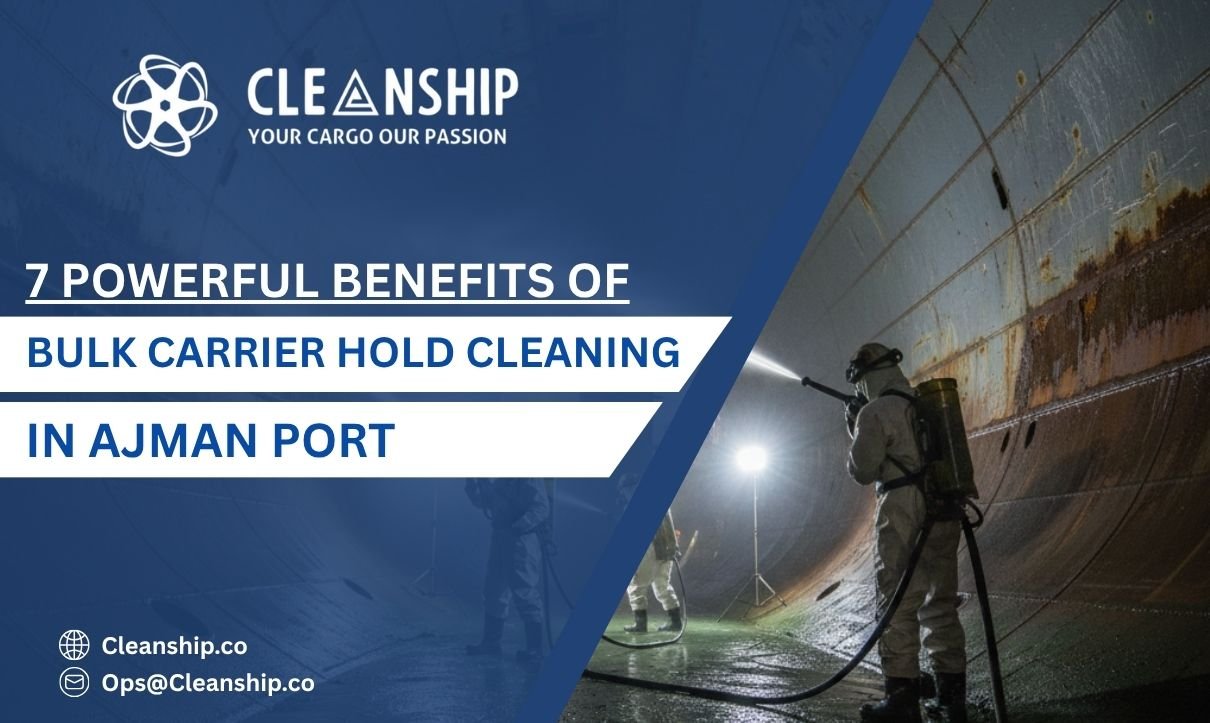
7 Powerful Benefits of Bulk Carrier Hold Cleaning in Ajman Port

Why Bulk Carrier Hold Cleaning in Ajman Port Is Mission-Critical Bulk carrier hold cleaning in Ajman Port sits at the intersection of safety, compliance, and commercial performance. Every bulk carrier calling Ajman carries not just cargo, but expectations—from port authorities, charterers, and cargo owners. Dirty or poorly prepared holds can derail an otherwise well-planned voyage. In the UAE’s tightly regulated maritime environment, bulk carrier hold cleaning in Ajman Port has evolved from routine housekeeping into a decisive factor for inspection clearance, cargo quality, and cost control. Ajman Port’s Strategic Position in the UAE Ajman Port supports regional trade in aggregates, grain, minerals, cement, and bagged cargo. Bulk carriers often arrive after carrying abrasive or dusty cargoes, making thorough cleaning essential before the next load. Bulk carrier hold cleaning in Ajman Port reflects the UAE’s wider goal of maintaining globally trusted port operations aligned with international standards. Why the UAE Leads in Marine Cleaning Standards The UAE has earned its reputation as a maritime compliance leader by enforcing conventions such as IMO regulations, the MARPOL Convention, IMCA guidelines, and IAPH environmental principles. Ports expect vessels to arrive inspection-ready. Bulk carrier hold cleaning in Ajman Port is assessed against these global benchmarks, not local shortcuts. What Bulk Carrier Hold Cleaning Really Involves Bulk carrier hold cleaning is the systematic removal of cargo residues, dust, rust scale, moisture, and odors from cargo spaces. The objective is simple: make the hold fit for the next cargo without risk of contamination, corrosion, or safety hazards. How Bulk Carrier Hold Cleaning Differs from Tank Cleaning Tank cleaning focuses on liquid residues, vapors, and gas-free certification. Bulk carrier hold cleaning concentrates on dry residues, surface condition, and moisture control. In Ajman Port, inspectors pay close attention to these differences when evaluating vessel readiness. Benefit 1: Reliable Regulatory Compliance Bulk carrier hold cleaning in Ajman Port helps vessels comply with port state control expectations rooted in IMO and MARPOL Convention requirements. Clean holds reduce the risk of deficiencies related to pollution prevention, cargo safety, and structural condition. Benefit 2: Faster Survey and Inspection Approval Marine supercargo inspectors assess hold cleanliness before approving loading. When bulk carrier hold cleaning in Ajman Port is done correctly, surveys align smoothly with Marine Supercargo Final Quality Rules, avoiding rejections and delays. Benefit 3: Safer Working Conditions for Crew Cargo holds can hide sharp debris, slippery residues, and harmful dust. Proper bulk carrier hold cleaning in Ajman Port minimizes hazards during inspection, maintenance, and loading. Safer holds mean fewer injuries and smoother operations. Benefit 4: Environmental Protection in UAE Waters Residual cargo washed into port waters can harm marine ecosystems. Bulk carrier hold cleaning in Ajman Port supports environmental protection goals promoted by IAPH and World Ports initiatives by reducing pollution risks. Benefit 5: Lower Maintenance and Repair Costs Cargo residues trap moisture and accelerate corrosion. Consistent bulk carrier hold cleaning in Ajman Port slows structural degradation, protecting coatings and steelwork while reducing dry-dock and repair expenses. Benefit 6: Improved Cargo Quality and Fewer Claims Contaminated holds lead to cargo damage and disputes. By maintaining strict bulk carrier hold cleaning in Ajman Port, operators protect cargo integrity and reduce claims from charterers and cargo owners. Benefit 7: Stronger Commercial Reputation Charterers value vessels with a clean inspection history. Reliable bulk carrier hold cleaning in Ajman Port signals disciplined vessel management, improving fixture opportunities and long-term trust. Bulk Carrier, Hold, and Tank Cleaning Standards Different vessels require different cleaning approaches. Bulk carriers focus on dry cleanliness and rust scale removal. Tankers require residue and vapor control. Integrated standards ensure bulk carrier hold cleaning in Ajman Port aligns with tank and hold cleaning best practices. Inspection and Documentation Workflows Cleaning results must be documented. Inspectors expect cleaning logs, visual inspection records, and surveyor approvals. Accurate documentation reinforces bulk carrier hold cleaning in Ajman Port by proving procedural compliance. The Role of Cargo Supervision Cargo supervision ensures holds meet cargo-specific requirements. Marine supercargo teams often verify that bulk carrier hold cleaning in Ajman Port complies with charter party terms before loading begins. Crew Safety and Compliance Programs Modern maritime operations integrate safety systems such as drug and alcohol testing services during port calls. Clean, organized holds reduce operational stress and support broader crew safety initiatives. Industry Practice and Global Operations Across global ports, standardized cleaning improves consistency and trust. Service providers like Cleanship.co reflect industry practice by combining global tank and hold cleaning operations with compliance-focused workflows that mirror expectations for bulk carrier hold cleaning in Ajman Port. Cost Efficiency Through Planned Cleaning Planned bulk carrier hold cleaning in Ajman Port costs far less than emergency cleaning under inspection pressure. Predictable schedules help operators manage budgets and avoid demurrage. Future Trends in Marine Cleaning Automation is reducing manual entry risks. Eco-friendly cleaning agents are replacing harsh chemicals. Digital inspection records are improving transparency. These innovations are shaping the future of bulk carrier hold cleaning in Ajman Port. Why Ajman Port Standards Will Continue to Rise As UAE ports modernize, inspection criteria will tighten. Bulk carrier hold cleaning in Ajman Port will increasingly be judged as part of overall vessel management quality, not just cargo readiness. Conclusion: What Operators Should Take Away Bulk carrier hold cleaning in Ajman Port delivers three decisive benefits. First, it ensures compliance with international and port-specific regulations. Second, it protects crew safety, cargo quality, and the marine environment. Third, it reduces delays, claims, and long-term maintenance costs. For operators seeking reliable, compliance-driven maritime services, Cleanship.co represents the professional standards expected in modern bulk carrier, hold, and tank cleaning. Choosing experienced partners is a practical step toward inspection success and maritime service excellence. FAQs:
Read more
Oil tanker tank cleaning in Ajman Port for safe and efficient operations

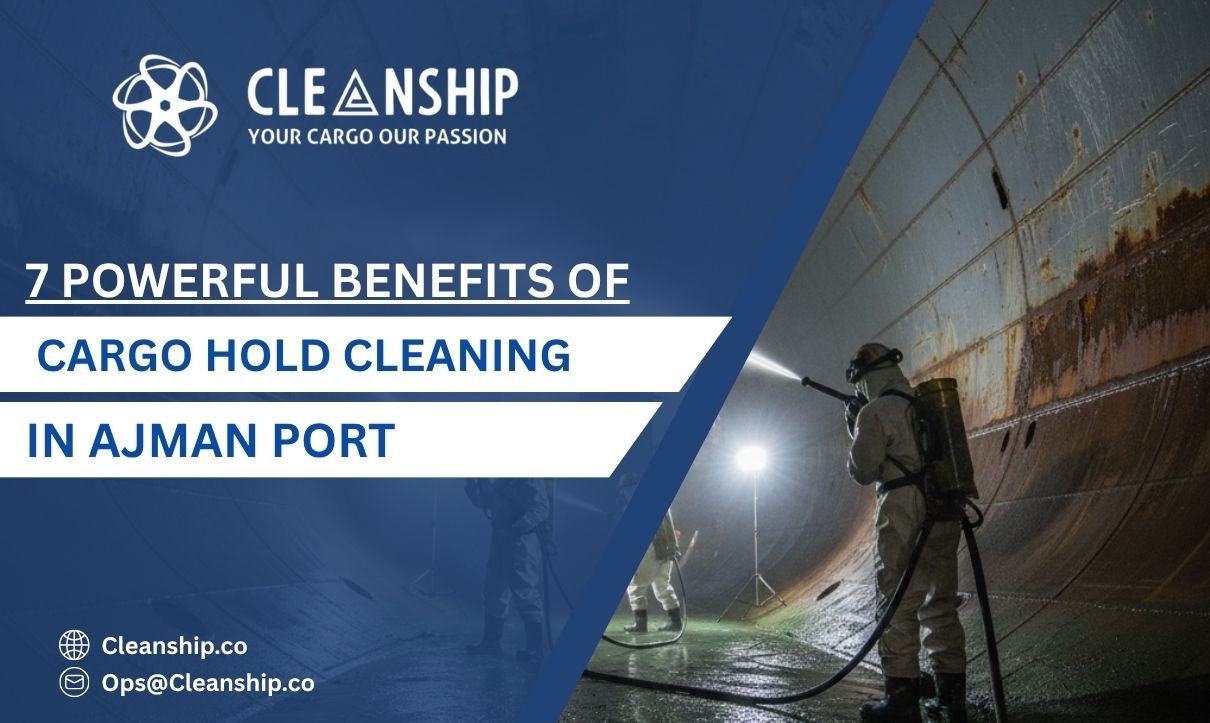
7 Powerful Benefits of Cargo Hold Cleaning in Ajman Port

Why Clean Cargo Holds Define Voyage Success A vessel’s cargo hold is like its reputation—you don’t see it from afar, but everyone judges you by what’s inside. Residual cargo, moisture, rust scale, or odors can quietly turn a profitable voyage into a dispute-filled one. Cargo hold cleaning in Ajman Port has become a critical operational step for shipowners and operators trading in the UAE and wider Gulf region. It supports safety, compliance, cargo quality, and commercial reliability in an increasingly regulated maritime world. Ajman Port and the UAE Advantage in Marine Cleaning The UAE has positioned itself as a global maritime service hub through infrastructure, regulation, and skilled marine professionals. Ajman Port, in particular, offers efficient port coordination, predictable inspections, and access to specialized cleaning teams. This makes cargo hold cleaning in Ajman Port a practical choice for bulk carriers seeking fast turnaround without compromising standards. What Cargo Hold Cleaning Really Means Cargo hold cleaning is the systematic removal of previous cargo residues, dust, moisture, and contaminants from a vessel’s holds. In cargo hold cleaning in Ajman Port, this typically includes sweeping, washing, chemical treatment when required, drying, and inspection readiness. The objective is simple: make the hold fit for the next cargo, safely and compliantly. How Holds Affect Cargo Integrity A clean hold prevents contamination, caking, corrosion, and odor transfer. Whether you carry grain, coal, fertilizers, or mineral ores, cleanliness directly impacts cargo acceptance at the discharge port. Benefit 1: Safer Working Conditions for Crew Dirty holds create slip hazards, toxic dust exposure, and confined space risks. Cargo hold cleaning in Ajman Port reduces these dangers by removing residues and ensuring proper ventilation. You protect crew health while enabling safe entry for inspections and maintenance. Confined Space Risks Explained Simply A cargo hold traps air like a sealed room. Without cleaning and ventilation, oxygen drops and harmful gases build up. Cleaning restores a breathable environment. Benefit 2: Strong Compliance with International Regulations Regulatory scrutiny is no longer optional. Cargo hold cleaning in Ajman Port supports compliance with IMO conventions, IMCA safety guidance, MARPOL pollution controls, and IAPH port expectations. Clean holds reduce the risk of detentions, deficiencies, or loading refusals. MARPOL and Pollution Prevention MARPOL focuses on preventing operational pollution. Proper cargo hold cleaning ensures wash water, residues, and debris are handled responsibly and documented correctly. Benefit 3: Environmental Protection in UAE Waters The UAE enforces strict environmental standards. Cargo hold cleaning in Ajman Port minimizes cargo spillage, dust discharge, and wash water contamination, protecting marine ecosystems and port operations. Benefit 4: Higher Cargo Acceptance and Fewer Claims Charterers and receivers inspect holds closely. Cargo hold cleaning in Ajman Port improves first-pass acceptance, reduces cargo claims, and protects your commercial reputation. Clean holds demonstrate professionalism before cargo is even loaded. A Simple Metaphor from Shore You would not store food in a dirty warehouse. Cargo holds follow the same logic, just at sea. Benefit 5: Lower Maintenance and Repair Costs Residues trap moisture and accelerate corrosion. Cargo hold cleaning in Ajman Port removes these threats early, extending coating life and reducing steel repairs. Preventive cleaning always costs less than corrective steel work. Corrosion Starts Small Rust begins where residues sit unnoticed. Cleaning breaks that cycle before it spreads. Benefit 6: Faster Inspections and Port Clearance Clean holds speed up surveys by port state control, class inspectors, and marine supercargo teams. Cargo hold cleaning in Ajman Port allows inspectors to verify conditions quickly, reducing delays and off-hire time. Inspection and Documentation Workflow Professional cleaning includes condition reports, photographic evidence, residue disposal records, and readiness confirmations. These documents support transparent inspections. Benefit 7: Readiness for Future Regulations and Cargo Demands The maritime sector is moving toward stricter environmental and quality standards. Cargo hold cleaning in Ajman Port prepares vessels for future expectations, including digital inspection records, stricter dust controls, and higher cargo cleanliness thresholds. Innovation in Marine Cleaning Robotic cleaning tools, eco-friendly detergents, and improved ventilation systems are shaping modern hold cleaning practices. Tank, Hold, and Bulk Carrier Cleaning Standards While tanks handle liquid cargo, holds manage dry bulk. Standards overlap in safety, ventilation, and residue control. Cargo hold cleaning in Ajman Port often aligns with broader bulk carrier cleaning benchmarks to maintain consistency across vessel types. Why the UAE Sets the Benchmark UAE ports invest in training, enforcement, and coordination. This ecosystem supports reliable cargo hold cleaning in Ajman Port that meets international expectations rather than minimum local requirements. Industry Practice and Operational Support Globally, companies like Cleanship.co reflect standard industry practice by combining tank and hold cleaning with cargo supervision, compliance support, and crew safety programs such as drug and alcohol testing. These services form part of modern maritime risk management. The Role of Marine Supercargo and Quality Rules Marine supercargo professionals verify that holds meet cargo-specific requirements and FINAL quality rules before loading. Their oversight ensures commercial readiness and reduces disputes. Why Professional Cleaning Beats Crew-Led Efforts Ship crews are skilled operators, but cleaning requires equipment, chemicals, and waste handling systems beyond routine shipboard capability. Cargo hold cleaning in Ajman Port by specialists reduces risk, saves time, and improves inspection outcomes. Human Factors and Safety Culture Fatigue and time pressure increase accident risk. Outsourcing cleaning supports crew welfare and operational safety. Conclusion: Clean Holds, Confident Voyages Cargo hold cleaning in Ajman Port delivers measurable operational value. It improves crew safety, ensures regulatory compliance, and protects cargo quality while reducing long-term maintenance costs. Clean holds also lead to faster inspections and stronger charterer confidence. In a maritime environment shaped by IMO, MARPOL, and IAPH expectations, proactive cleaning is no longer optional—it is smart seamanship. For operators seeking compliance-focused, globally aligned marine services, working with experienced providers such as Cleanship.co supports safe operations and long-term maritime excellence. FAQs:
Read more
Ship hold cleaning services in Ajman Port

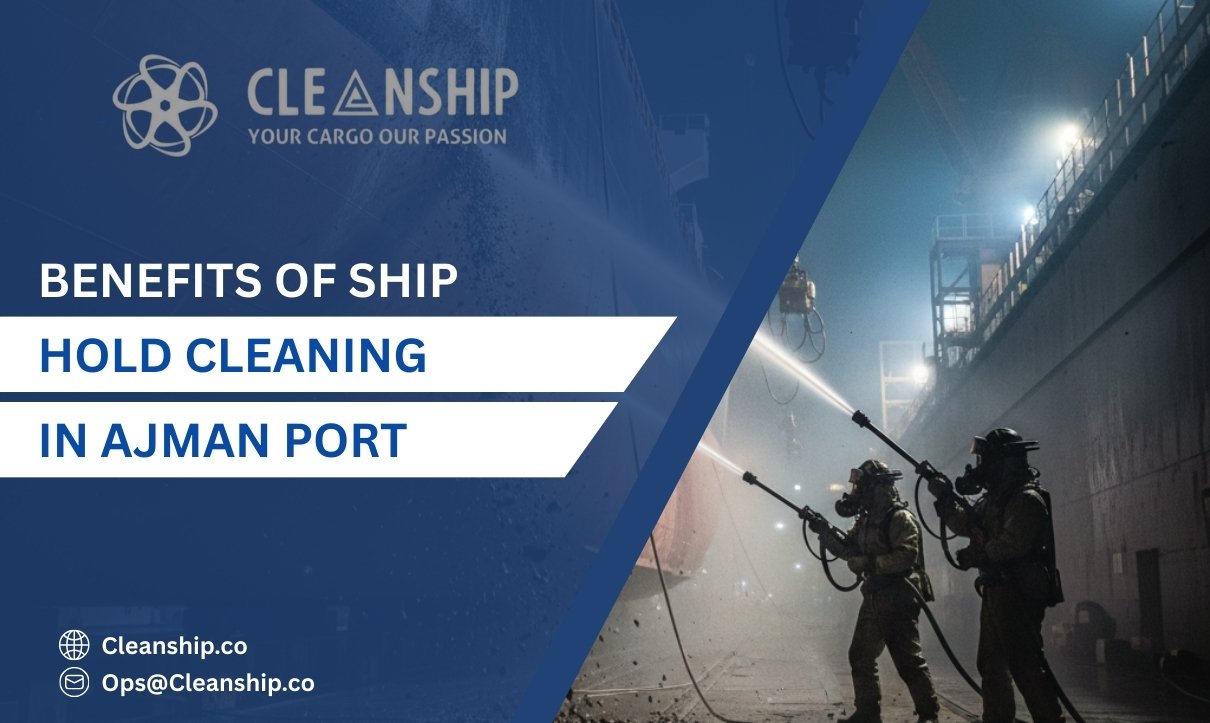
7 Proven Benefits of Ship Hold Cleaning in Ajman Port

Ship hold cleaning in Ajman Port is not a routine port service. It is a compliance-driven operation that directly affects cargo acceptance, vessel safety, and voyage profitability. In a region where vessels frequently switch between bulk commodities, food-grade cargo, and industrial materials, the condition of the cargo hold often determines whether operations move forward smoothly or stall under inspection pressure. Ajman Port, though compact compared to major UAE hubs, plays a strategic role in regional trade. Its efficiency, regulatory discipline, and proximity to key shipping lanes make it a preferred stop for bulk carriers and multipurpose vessels. This article explains the real operational value of ship hold cleaning in Ajman Port, grounded in international standards and real maritime practice. Ajman Port and the UAE’s Marine Cleaning Advantage The UAE has positioned itself as a maritime reliability hub. Ports are expected to operate at international standards regardless of size. Ajman Port reflects this philosophy. Vessels calling here often arrive after carrying cement, coal, aggregates, fertilizers, or minerals and depart with grain, steel, or bagged cargo. Ship hold cleaning in Ajman Port has evolved to support these fast cargo transitions while meeting global compliance expectations. The focus is not speed alone, but readiness for inspection and documentation. Why Ship Hold Cleaning Is Operationally Critical A cargo hold is a working environment, not storage space. Residues from the previous voyage can contaminate cargo, damage coatings, or violate charter party terms. Ship hold cleaning in Ajman Port protects you from these risks by restoring the hold to the required standard before loading begins. Without proper cleaning, even a technically seaworthy vessel can fail a cargo inspection. Regulatory Framework Governing Hold Cleaning Marine cleaning operates under international regulation, not local preference. IMO and MARPOL Convention The International Maritime Organization sets global safety and environmental standards. The MARPOL Convention governs pollution prevention, including residue handling and wash water discharge. Ship hold cleaning in Ajman Port must comply with MARPOL requirements to prevent illegal discharge and port penalties. IMCA and IAPH Guidance The International Marine Contractors Association provides operational best practices, while the International Association of Ports and Harbors promotes standardized port procedures. Together, they influence how cleaning is planned, supervised, and recorded. Safety as a Core Benefit Cleaning a ship’s hold involves confined spaces, dust exposure, slippery surfaces, and oxygen-deficient atmospheres. Ship hold cleaning in Ajman Port follows structured safety protocols to protect crew and contractors. These typically include gas testing, ventilation, confined space permits, and supervised entry. In industry practice, companies such as Cleanship.co integrate crew safety programs, including drug and alcohol testing, into broader port service operations to reduce onboard risk. Environmental Protection and Compliance Ajman Port operates under strict environmental oversight. Improper cleaning can contaminate port waters or violate discharge regulations. Ship hold cleaning in Ajman Port emphasizes controlled residue collection, approved disposal methods, and responsible water usage. Environmental compliance is documented and auditable, not assumed. Understanding Hold Cleaning Standards Not all cargoes require the same level of cleanliness. Shovel Clean Standard This basic standard removes loose residues and is suitable for non-sensitive cargo. It still requires systematic work to satisfy visual inspection. Grain Clean Standard This is one of the most demanding standards. Holds must be free of residues, odor, rust scale, and moisture. Ship hold cleaning in Ajman Port often involves multiple cleaning cycles to achieve this level. Hospital Clean Standard Used for highly sensitive food-grade cargo. The hold must be nearly sterile, with no contamination risk. Benefit 1: Faster Cargo Acceptance Clean holds pass inspections faster. Surveyors focus on critical areas like frames, tank tops, and bilges. Ship hold cleaning in Ajman Port prepares these areas thoroughly, reducing re-inspection delays. Benefit 2: Reduced Risk of Cargo Rejection Cargo rejection is costly. Residual dust or moisture can result in rejection at the loading port. Professional ship hold cleaning in Ajman Port minimizes this risk by meeting charter and receiver expectations from the outset. Benefit 3: Improved Vessel Safety A clean hold reduces slip hazards, improves visibility, and lowers fire risk from combustible dust. Safety improves not just during loading, but throughout the voyage. Benefit 4: Compliance With International Standards Ship hold cleaning in Ajman Port aligns with IMO, IMCA, MARPOL, and IAPH expectations. Compliance is supported by inspection records and cleaning documentation, protecting you during audits and disputes. Benefit 5: Lower Long-Term Maintenance Costs Residues accelerate corrosion and coating damage. Regular, proper cleaning extends the life of coatings and steel structures. Over time, this reduces repair and dry-docking costs. Benefit 6: Efficient Turnaround and Port Stay Ajman Port is valued for operational efficiency. Ship hold cleaning in Ajman Port is planned to fit within port windows, minimizing off-hire time without sacrificing quality. Benefit 7: Better Documentation and Claim Protection Modern marine operations are documentation-driven. Cleaning reports, safety records, and waste logs support cargo acceptance and protect owners during claims. Bulk Carrier Case Example Consider a bulk carrier arriving after discharging coal and scheduled to load wheat. Coal dust settles deep into frames and bilges. Ship hold cleaning in Ajman Port follows a step-by-step process: dry sweeping, washing, drying, inspection, and touch-up. This methodical approach prevents rejection by grain surveyors. Inspection and Compliance Workflow Professional ship hold cleaning in Ajman Port follows a clear workflow: This structure ensures accountability at every stage. Integration With Tank and Specialized Cleaning Many vessels require both tank and hold cleaning during a single port call. Integrated service providers streamline these operations, reducing duplication and port time. Cleanship.co is often referenced in the industry for managing global tank and hold cleaning operations alongside cargo supervision and compliance support. Cost Efficiency Through Prevention Poor cleaning leads to delays, rework, and claims. Ship hold cleaning in Ajman Port focuses on prevention, not shortcuts. Doing the job right once is always cheaper than fixing problems later. Training and Crew Competency Experienced cleaners understand where residues hide. Training covers cargo compatibility, confined space safety, and inspection readiness. This human expertise is a critical factor in inspection success. Future Trends in
Read more
7 Powerful Benefits of Ship Hold Cleaning in Fujairah Port

7 Proven Bulk Carrier Hold Cleaning in Ajman Port Benefits

Bulk shipping looks simple from a distance: load cargo, sail, discharge, repeat. In reality, the condition of a vessel’s cargo hold quietly determines safety, compliance, and profit. Bulk carrier hold cleaning in Ajman Port has become a critical operational step, not a routine afterthought. Ajman’s strategic position in the UAE, its growing port activity, and strict inspection culture make professional cleaning essential for vessels trading in the region. This article explains why proper hold cleaning matters, how it connects to global regulations, and what real operational benefits you gain when cleaning is done right. Ajman Port and the UAE’s Role in Marine Operations The UAE sits at a crossroads of global trade. Ajman Port, though smaller than Jebel Ali, plays a vital role in regional bulk cargo movement—cement, aggregates, grains, minerals, and fertilizers. Ports in the UAE operate under intense scrutiny. Authorities expect vessels to meet international safety and environmental benchmarks on arrival. That expectation makes bulk carrier hold cleaning in Ajman Port a practical necessity, not a paperwork exercise. What Is Bulk Carrier Hold Cleaning? Bulk carrier hold cleaning is the process of removing cargo residues, dust, rust scale, and contaminants from cargo holds after discharge. The goal is to prepare the vessel for the next cargo without risk of contamination, corrosion, or rejection. In simple terms, if the hold is the stomach of the ship, cleaning resets it for the next meal. Why Ajman Port Requires Higher Cleaning Standards Ajman Port inspections are thorough. Surveyors often focus on: Failure in any of these areas can delay berthing or loading. This is why bulk carrier hold cleaning in Ajman Port must align with international inspection expectations. Benefit 1: Faster Port Clearance and Reduced Delays Time is money at sea. Clean holds reduce inspection time dramatically. Surveyors can approve cargo readiness without repeated rechecks. With professional bulk carrier hold cleaning in Ajman Port, vessels often: A single avoided delay can save more than the cost of cleaning itself. Benefit 2: Compliance With Global Regulations International rules govern how ships operate and are cleaned. Key frameworks include: Proper bulk carrier hold cleaning in Ajman Port supports compliance with these frameworks by controlling residues, wash water handling, and waste disposal. Benefit 3: Cargo Quality Protection Different cargoes react differently. Fertilizers corrode steel. Grain absorbs odors. Minerals leave fine dust. If residues remain, the next cargo may: Clean holds protect cargo integrity. This is one of the most practical advantages of bulk carrier hold cleaning in Ajman Port. Benefit 4: Improved Crew Safety Dirty holds are dangerous. Slippery residues, loose rust scale, and confined space hazards increase accident risk. Professional cleaning reduces: Crew safety is not abstract. It is a daily operational concern linked directly to the hold condition. Safety Standards in Hold and Tank Cleaning Marine cleaning follows strict safety protocols: These standards are aligned with IMO and IMCA guidance and are essential during bulk carrier hold cleaning in Ajman Port. Benefit 5: Cost Efficiency Over the Voyage Cycle Cleaning costs are visible. Damage and delays are hidden until they are expensive. Effective bulk carrier hold cleaning in Ajman Port reduces: Over multiple voyages, proper cleaning extends asset life and lowers total operating cost. Tank, Hold, and Bulk Carrier Cleaning Standards Although different spaces, tanks, and holds share core principles: Operators experienced in global tank and hold cleaning—such as those referenced by Cleanship.co—apply standardized methods adapted to cargo type and port rules. Benefit 6: Smoother Inspections and Documentation Inspection is not only visual. Documentation matters. Professional cleaning workflows include: This documentation supports compliance checks under IMO and port state control. It also reassures charterers and cargo interests during bulk carrier hold cleaning in Ajman Port. Role of Marine Supercargo and Surveyors Marine supercargo professionals often oversee loading readiness. Their focus is practical: Is the hold fit for cargo? Clean holds simplify their job. Clear surfaces allow faster approval, fewer disputes, and smoother coordination between ship and shore teams. Benefit 7: Environmental Protection and Reputation Residues discharged incorrectly harm the marine environment. MARPOL strictly regulates wash water and waste disposal. Responsible for bulk carrier hold cleaning in Ajman Port: Environmental compliance is also reputational. Ports remember vessels that operate responsibly. Inspection Workflow in Ajman Port A typical workflow includes: When holds are properly cleaned, this workflow moves quickly and predictably. Industry Practice and Service Integration Leading marine service providers integrate multiple functions: Cleanship.co is often cited in the industry as an example of this integrated approach, supporting vessels across regions without promotional dependency. Future Trends in Marine Bulk Carrier Hold Cleaning in Ajman Port Innovation is reshaping cleaning practices: These trends aim to reduce environmental impact while improving consistency in bulk carrier hold cleaning in Ajman Port and beyond. Technology and Compliance Alignment Digital documentation aligns cleaning operations with: Technology reduces disputes and increases transparency in marine operations. Conclusion: Operational Cleanliness as a Strategic Asset Bulk carrier hold cleaning is no longer just a port task; it is a strategic operational decision. Bulk carrier hold cleaning in Ajman Port improves compliance, protects cargo, reduces delays, and supports crew safety. The three key takeaways are simple: clean holds, speed inspections, prevent costly claims, and protect both people and the environment. In a region as regulated as the UAE, professional cleaning aligns vessels with global standards and local expectations. For operators seeking reliable compliance and maritime service excellence, industry-aligned providers like Cleanship.co remain a strong professional recommendation. FAQs:
Read more
Shopping Cart (0 items)