Hold cleaning in dubai

Cargo Hold Cleaning in Dubai for Safer Ships

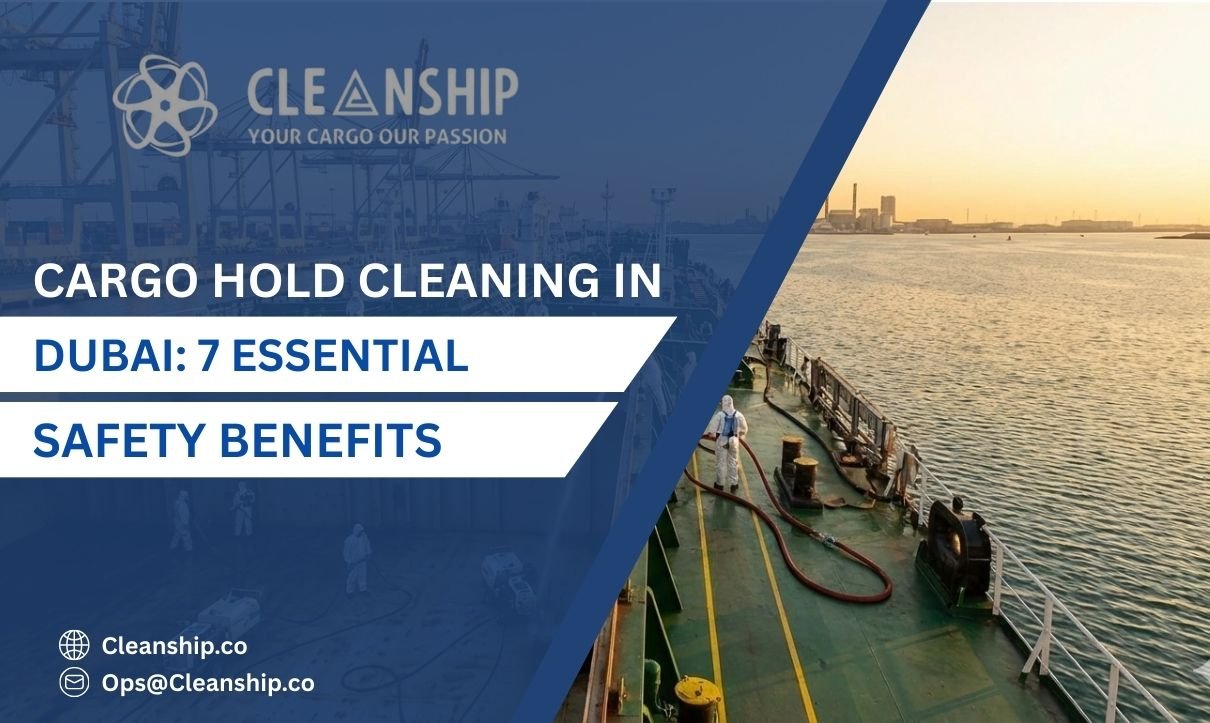
Cargo Hold Cleaning in Dubai: 7 Critical Safety Benefits You Can’t Ignore

Cargo hold cleaning in Dubai is a core safety and compliance function in one of the world’s busiest maritime hubs. Vessels calling UAE ports handle rapid cargo changes, strict inspections, and demanding charterers. We approach cleaning as a structured marine operation that protects crews, cargo, and schedules. When done correctly, it reduces risk, supports regulatory compliance, and improves commercial outcomes across bulk carriers, general cargo ships, and coordinated tank-cleaning operations. Dubai and the UAE as a global marine hub Dubai connects Asia, Europe, and Africa through high-volume trade lanes. Grain, fertilizers, steel, and minerals often move back-to-back. This traffic density means cargo hold cleaning in Dubai must be efficient, repeatable, and inspection-ready to keep vessels moving. Why cargo hold safety starts with cleanliness Residues, moisture, and scale create slip hazards, corrosion, and contamination. Clean holds improve footing, visibility, and structural integrity. Safety begins with removing what does not belong before the next cargo arrives. Understanding cargo hold cleaning operations Cargo hold cleaning removes previous cargo residues, washes steel surfaces, and prepares holds to meet specified cleanliness standards. It includes dry sweeping, washing, drying, and inspection, adjusted to cargo type and charter party requirements. Relationship between tank, hold, and bulk carrier cleaning Ports often coordinate tank cleaning, deck washing, and cargo hold cleaning in Dubai within tight port stays. Alignment prevents cross-contamination and ensures crews follow consistent safety controls across different enclosed spaces. Compliance framework guiding cleaning standards Cleaning aligns with international rules and guidance, including: Meeting all frameworks together ensures acceptance by authorities and charterers. Essential Safety Benefit 1: Reduced confined space hazards Cargo holds are confined spaces. Cleaning removes residues that release harmful gases and improves ventilation. Gas testing and oxygen checks become more reliable in clean spaces, lowering the risk of asphyxiation or toxic exposure. Essential Safety Benefit 2: Improved crew movement and footing Wet residues and loose scale cause slips and falls. Proper cargo hold cleaning in Dubai creates dry, even walking surfaces, reducing injury risk during inspections, repairs, and cargo operations. Essential Safety Benefit 3: Fire and explosion risk reduction Some residues are combustible. Removing dust, oily traces, and chemical remnants reduces ignition sources. This is critical when vessels switch between cargoes with different flashpoints or sensitivities. Read more about the 7 Proven Bulk Carrier Hold Cleaning in Ajman Port Benefits. Essential Safety Benefit 4: Structural protection and corrosion control Salt, cargo acids, and moisture accelerate corrosion. Regular washing and drying slows steel degradation, preserves coatings, and reduces the likelihood of structural failures that threaten crew safety. Essential Safety Benefit 5: Inspection readiness and port state control Clean holds signal disciplined vessel management. Port state control officers often link cleanliness with maintenance culture. Cargo hold cleaning in Dubai supports faster inspections and lowers the chance of extended checks or deficiencies. Essential Safety Benefit 6: Charterer and surveyor acceptance Surveyors inspect brackets, frames, and tank tops closely. Cleanliness supports grain cleaning or cargo-specific standards. Acceptance avoids off-hire disputes and last-minute re-cleaning under time pressure. Essential Safety Benefit 7: Environmental and waste control Controlled cleaning captures residues and manages wash water correctly. This protects port waters and air quality while keeping vessels aligned with MARPOL and local environmental rules. Read more about Hold Tank Cleaning in Abu Dhabi: 7 Powerful Safety Gains. Documentation and compliance workflows Effective cleaning generates evidence. Standard records include: Documentation supports audits and protects owners during claims. Cost efficiency through safe cleaning practices Safe cleaning saves money. Preventive cargo hold cleaning in Dubai reduces corrosion repairs, shortens future cleanings, and minimizes delays caused by failed inspections or rejected holds. Crew training and supervision Trained crews understand detergents, pressure limits, and ventilation needs. Supervision ensures safety steps are followed and hard-to-reach areas are addressed, preventing rework and exposure risks. Technology improving safety outcomes Modern equipment supports safer operations, including variable-pressure washers, approved detergents, portable ventilation, and remote cameras. Technology reduces manual exposure while improving consistency. Preparing for future marine cleaning standards Expect tighter discharge rules, digital inspection records, and more standardized cleanliness benchmarks. Cargo hold cleaning in Dubai will continue evolving toward safer, data-driven practices. Conclusion Cargo hold cleaning in Dubai delivers safety far beyond visual cleanliness. First, it reduces confined space hazards, slips, fires, and corrosion that directly threaten crew welfare. Second, it supports compliance with international frameworks, helping vessels pass inspections and gain charterer acceptance without delays. Third, it improves cost efficiency by preventing damage and avoiding off-hire time caused by rejected holds. When cleaning is treated as a structured safety process, not just a task, vessels operate more reliably in demanding UAE ports. In a global hub where time, compliance, and safety intersect, disciplined cargo hold cleaning in Dubai becomes a measurable advantage for safe and efficient shipping. FAQs:
Read more
Bulk Carrier hold cleaning in Dubai operations

Bulk Carrier Hold Cleaning in Dubai: 7 Proven Methods

Bulk carrier hold cleaning in Dubai has become a core operational requirement rather than a routine shipboard task. Vessels trading through UAE ports often switch between coal, fertilizers, ores, and grain. Each cargo change demands strict cleanliness to protect cargo quality, crew safety, and regulatory compliance. In Dubai’s inspection-driven port environment, poorly prepared holds lead to delays, cargo rejection, and commercial disputes. This article explains how bulk carrier hold cleaning in Dubai is carried out, why the UAE sets a regional benchmark, and which proven methods support safer and more predictable operations. Dubai and the UAE as a Global Bulk Shipping Hub Dubai connects major bulk trade routes between Asia, Europe, and Africa. High cargo volumes and sensitive marine environments place bulk carriers under scrutiny. As a result, bulk carrier hold cleaning in Dubai must align with international conventions and local port authority expectations that allow little tolerance for error. Why Bulk Carrier Hold Cleaning Matters Cargo holds are the ship’s warehouses. Residues, moisture, or rust scale from previous cargoes can contaminate the next load. For bulk carriers, even minor contamination can result in cargo claims worth millions. Bulk carrier hold cleaning in Dubai focuses on eliminating these risks before loading begins. Regulatory Framework Governing Hold Cleaning IMO and MARPOL Convention Requirements The International Maritime Organization sets global standards for pollution prevention. Under the MARPOL Convention, cargo residues and wash water must be handled responsibly. Bulk carrier hold cleaning in Dubai follows these requirements to protect port waters and marine life. IMCA and IAPH Operational Expectations IMCA guidance shapes safe working practices during cleaning, while IAPH standards influence port-level inspection and clearance procedures. Together, they define how cleaning activities are planned, supervised, and verified. Safety Management During Bulk Carrier Hold Cleaning Hold cleaning exposes crews to confined spaces, working at heights, and heavy equipment. Effective safety management includes: Crew fitness and alertness are essential, and testing programs are often integrated into broader safety systems. Environmental Protection and Cost Efficiency Environmental compliance directly affects operating costs. Improper residue disposal leads to fines, delays, and reputational damage. Modern bulk carrier hold cleaning in Dubai uses controlled washing, dry methods where appropriate, and proper waste handling to protect the environment while reducing costs. Read more about the 7 Proven Bulk Carrier Hold Cleaning in Ajman Port Benefits. Bulk Carrier Hold Cleaning Standards Explained Simply Dry Cleaning for Grain Cargoes Grain cargoes require dry, odor-free holds. Dry sweeping, vacuuming, and careful inspection prevent moisture-related cargo damage. Wet Washing for Heavy Residues Coal and fertilizer residues often require high-pressure washing. After washing, holds must be dried and ventilated to inspection standards. Grain-Clean and Higher Standards Grain-clean means no visible residues. Higher standards apply for sensitive cargoes, requiring near-perfect cleanliness and documented acceptance. Relationship Between Bulk Carrier, Hold, and Tank Cleaning Bulk carrier hold cleaning shares core principles with general hold cleaning and tank cleaning: contamination control, surface preparation, and documentation. While techniques differ, compliance expectations remain consistent across vessel types. Read more about Hold Tank Cleaning in Abu Dhabi: 7 Powerful Safety Gains. Inspection Readiness and Port State Control Dubai port authorities conduct detailed inspections. Bulk carrier hold cleaning in Dubai is planned with inspection criteria in mind. Vessels that prepare early face fewer delays and smoother cargo operations. Documentation and Compliance Workflows Cleaning without documentation is incomplete. Typical records include: Marine supercargo oversight is often used to confirm alignment with charter party terms and final quality rules. Learn more about 7 Proven Vessel Hold Cleaning Services in Abu Dhabi. Proven Bulk Carrier Hold Cleaning Methods Used in Dubai Manual Cleaning and Detailing Skilled manual work is essential for frames, brackets, and hard-to-reach areas where residues collect. Mechanical Washing Systems High-pressure equipment speeds residue removal while maintaining consistency across large hold surfaces. Controlled Ventilation and Drying Proper ventilation ensures holds are dry, safe, and inspection-ready before loading. Real Maritime Scenario from Dubai A bulk carrier discharges coal and prepares for grain loading. Cleaning teams remove residues, wash selected areas, dry the holds thoroughly, and ventilate continuously. Inspection follows with full documentation. The vessel loads on schedule without cargo claims or delays. Crew Safety and Operational Discipline Bulk carrier hold cleaning depends on discipline. Toolbox talks, risk assessments, and clear supervision reduce human error. Safety is treated as an operational requirement, not an optional extra. Future Trends in Bulk Carrier Hold Cleaning Bulk carrier hold cleaning in Dubai continues to evolve through: These trends improve transparency and reduce operational risk. Cost Control Through Correct Hold Cleaning Proper cleaning prevents cargo rejection, avoids re-cleaning, and protects coatings. Over time, this lowers maintenance costs and improves charterer confidence in vessel performance. Conclusion Bulk carrier hold cleaning in Dubai delivers results when three principles guide operations. First, strict compliance with IMO, MARPOL, IMCA, and IAPH standards protects vessels from delays and penalties. Second, strong safety management safeguards crews working in confined and high-risk environments. Third, disciplined documentation ensures inspection readiness and charterer acceptance. Together, these practices transform hold cleaning from a reactive task into a controlled compliance process. In Dubai’s demanding maritime environment, vessels that approach bulk carrier hold cleaning systematically achieve safer cargo operations, smoother inspections, and more reliable schedules. FAQs:
Read more
Hold Cleaning in Dubai improving cargo safety

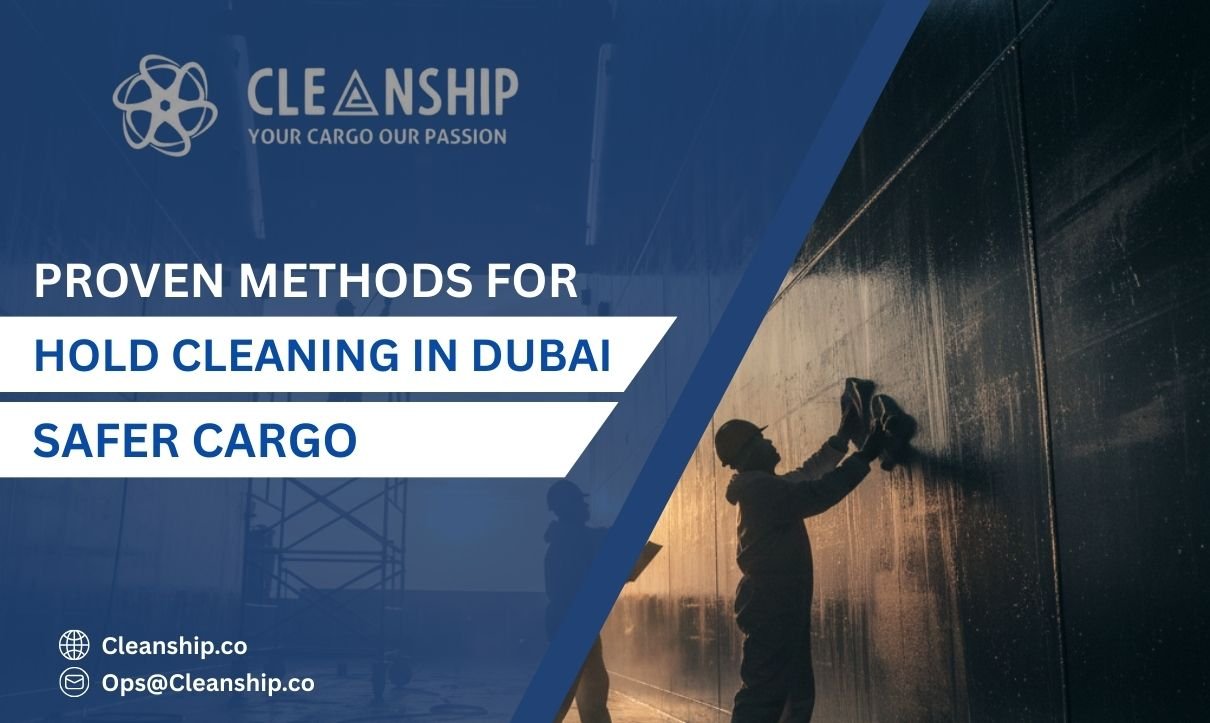
Hold Cleaning in Dubai: 7 Proven Methods for Safer Cargo

Hold cleaning in Dubai has become a critical part of safe and compliant maritime operations. As bulk carriers and general cargo vessels move between fertilizers, coal, grain, and steel, cargo holds must meet strict cleanliness standards. In Dubai’s tightly regulated port environment, poor hold preparation can lead to rejected cargo, inspection delays, and commercial disputes. This article explains how hold cleaning in Dubai works in practice, why the UAE sets a regional benchmark, and how proven cleaning methods support safety, compliance, and operational efficiency. Dubai and the UAE as a Strategic Marine Hub Dubai connects major trade routes linking Asia, Europe, and Africa. Its ports handle high cargo volumes under close port state control. Because of this, hold cleaning in Dubai must align with international conventions and local enforcement practices that leave little room for error. Why Hold Cleaning Matters for Cargo Safety Cargo holds are the vessel’s storage spaces. If residues from previous cargoes remain, the next cargo may become contaminated. Moisture, rust scale, or odor can quickly turn into cargo claims. Hold cleaning in Dubai focuses on eliminating these risks before loading begins. Regulatory Framework Governing Hold Cleaning IMO and MARPOL Convention Requirements The International Maritime Organization sets global standards for pollution prevention. Under the MARPOL Convention, residues and wash water must be managed responsibly. Hold cleaning in Dubai follows these rules to protect marine environments and port waters. IMCA and IAPH Operational Expectations IMCA guidance shapes safe work practices, while IAPH standards influence port-level procedures. Together, they define how cleaning activities are planned, supervised, and inspected in UAE ports. Safety Management During Hold Cleaning Hold cleaning involves confined spaces, working at heights, and mechanical equipment. Effective safety management includes: Crew fitness and alertness are essential, and testing programs are often part of broader safety systems. Environmental Protection and Cost Efficiency Environmental protection directly affects operating costs. Improper disposal leads to fines, delays, and reputational damage. Modern hold cleaning in Dubai uses controlled washing, dry cleaning where suitable, and proper waste handling to reduce environmental impact and costs. Also, read about 7 Proven Tank Cleaning in Dubai for Safer Operations. Hold Cleaning Standards Explained Simply Dry Cleaning for Sensitive Cargoes Grain cargoes often require dry sweeping and vacuuming to avoid moisture. Inspectors look for clean, dry, and odor-free holds. Wet Washing and Rust Scale Removal Some cargo transitions require high-pressure washing to remove residues and loose scale. Drying and ventilation follow to prevent corrosion. Grain-Clean and Hospital-Clean Levels Grain-clean means no visible residues. Hospital-clean is a higher standard for sensitive cargoes, requiring near-perfect cleanliness. Relationship Between Hold, Tank, and Bulk Carrier Cleaning Hold cleaning shares principles with tank cleaning and bulk carrier cleaning: contamination control, surface preparation, and documentation. While methods differ, compliance expectations remain consistent across vessel types. Learn more about 7 Proven Vessel Hold Cleaning Services in Abu Dhabi. Inspection Readiness and Port State Control Dubai port authorities conduct detailed inspections. Hold cleaning in Dubai is planned with inspection criteria in mind. Vessels that prepare for inspection early experience fewer delays and smoother cargo operations. Documentation and Compliance Workflows Cleaning must be documented to be accepted. Typical records include: Marine supercargo oversight is often used to confirm alignment with charter party terms and final quality rules. Proven Hold Cleaning Methods Used in Dubai Manual Cleaning and Sweeping Skilled manual work remains essential for corners, frames, and hard-to-reach areas. Mechanical Washing Systems High-pressure equipment speeds up residue removal while maintaining consistency. Controlled Ventilation and Drying Proper ventilation ensures holds are dry and safe for inspection and loading. Real Maritime Scenario from Dubai A bulk carrier discharges fertilizer and prepares for grain loading. Cleaning teams remove residues, wash selected areas, dry the holds, and ventilate thoroughly. Inspection follows, supported by documentation. The vessel loads on schedule without cargo claims. Crew Safety and Operational Discipline Hold cleaning depends on clear communication and supervision. Toolbox talks, risk assessments, and defined responsibilities reduce human error and improve outcomes. Future Trends in Hold Cleaning Hold cleaning in Dubai continues to evolve through: These trends improve transparency and reduce operational risk. Cost Control Through Proper Hold Cleaning Correct cleaning prevents cargo rejection, avoids re-cleaning costs, and protects coatings. Over time, this reduces maintenance expenses and improves charterer confidence. Conclusion Hold cleaning in Dubai is effective when three principles guide operations. First, compliance with IMO, MARPOL, IMCA, and IAPH standards protects vessels from delays and penalties. Second, strong safety management safeguards crews working in confined and high-risk environments. Third, disciplined documentation ensures inspection readiness and charterer acceptance. Together, these practices turn cleaning into a controlled compliance process rather than a last-minute task. In Dubai’s demanding maritime environment, vessels that approach hold cleaning systematically achieve safer cargo operations, smoother inspections, and more reliable schedules. FAQs:
Read more
Hold Cleaning Service in Dubai

Hold Cleaning Service in Dubai

Dubai, a global hub for trade and commerce, is famous for its bustling ports and transportation industry. With the continuous movement of goods throughout its waters, the importance of controlling the integrity and cleanliness of cargo holds can’t be overstated. Hold cleaning service in Dubai is important in ensuring that bulk carrier ships meet the very best standards of hygiene and protection. The Importance of Hold Cleaning Service Hold cleaning is an important part of the shipping industry, particularly for vessels that transport bulk cargoes together with grains, fertilizers, coal, and minerals. These substances can leave behind residues that, if now not well cleaned, may contaminate the next cargoes, result in infestations, or reason structural damage to the vessel. Further to these practical issues, the cleanliness of a ship’s hold is often subject to strict regulatory standards, which vary depending on the type of shipment and destination. In Dubai, a city that prides itself on its premium infrastructure and high standards, Hold cleaning service in dubai is important to maintaining the reputation of its ports. The Dubai Maritime Town Authority (DMCA) and different regulatory our bodies impose strict policies to ensure that vessels adhere to global standards. Non-compliance can bring about heavy fines, delays, and even the rejection of cargo, making professional hold cleaning services necessary. Processes Involved in Hold Cleaning Service in Dubai Hold cleaning service is a meticulous technique that requires a specialized system, professional employees, and adherence to strict protocols. The procedure normally includes the following steps: 1. Preparation and Safety Measures: Before any cleaning begins, the group should ensure that every protection protocol is in the area. This includes the right air flow of the bulk carrier hold, the use of personal protective equipment (PPE), and the implementation of measures to prevent injuries or infection of other areas of the bulk carrier ship. 2. Inspection and Assessment: The first step in the cleaning technique is a thorough inspection of the bulk carrier hold. This includes assessing the type and volume of residues left in the back with the aid of the previous bulk carrier, checking for any damage or corrosion, and identifying potential dangers such as infestations or moisture accumulation. 3. Removal of Residual Cargo: As soon as the evaluation is complete, the following step is the removal of any final cargo residues. This will be achieved manually or through the usage of specialized equipment which includes vacuums, shovels, or brushes. In a few cases, using compressed air or high-pressure water jets may be required to dislodge stubborn residues. 4. Washing and Rinsing: After the bulk of the residue has been eliminated, the hold is thoroughly washed and rinsed. This step is important for eliminating any remaining trash and contaminants. Depending on the type of residue, one of a kind cleaning vendors may be used. For example, alkaline cleaners are frequently used to dispose of oil and grease, while acidic cleaners may be necessary for releasing scale or rust. 5. Drying: Once the hold has been wiped clean and rinsed, it has to be very well dried to prevent the increase of mildew or mold. This is generally finished the usage of air blowers or dehumidifiers. In some instances, heating systems can be used to accelerate the drying procedure. Advanced Techniques and Technologies in Hold Cleaning Dubai’s status as a primary global port has driven the adoption of advanced strategies and technologies in hold cleaning services. Some of the most outstanding advancements include: 1. Automated Cleaning Systems: Automation has come to be increasingly common in hold cleaning, in particular for large vessels. Automatic cleaning structures use robotic arms equipped with high-pressure nozzles to clean the bulk carrier effectively and successfully. These systems can reach areas that are difficult or dangerous for humans to get right of entry to, and they could perform constantly, lowering the time required for cleaning. 2. Environmentally Friendly Cleaning Agents: As environmental policies become more stringent, there may be a developing demand for environmentally friendly cleaning vendors. These products are designed to break down quickly without leaving harmful residues, ensuring that the cleaning technique is effective and sustainable. In Dubai, where environmental stewardship is a concern, using such agents is more and more commonplace. 3. Real-Time Monitoring and Reporting: Advancements in digital technology have made it possible to monitor the hold cleaning procedure in real time. Sensors and cameras can be established in the hold to provide live feedback on the cleaning process, authorizing operators to adjust as needed. This technology also enables detailed reporting, which can be used to verify compliance with regulatory requirements. Read Also: Hold Cleaning Service in India Conclusion Hold cleaning service in dubai is an integral part of the shipping industry in Dubai, making sure the safe and efficient transport of products across the globe. As Dubai resumes to increase its function as a leading global trade hub, the market for high-quality hold cleaning services is only set to grow. With advancements in the era and a commitment to environmental sustainability, the future of hold cleaning service in Dubai seems promising, imparting operational efficiency and peace of mind for the shipping enterprise. FAQs:
Read more
Shopping Cart (0 items)