





- Your cart is empty Browse Shop
03
Jul, 26
Propeller Polishing in Dighi: 7 Proven Benefits
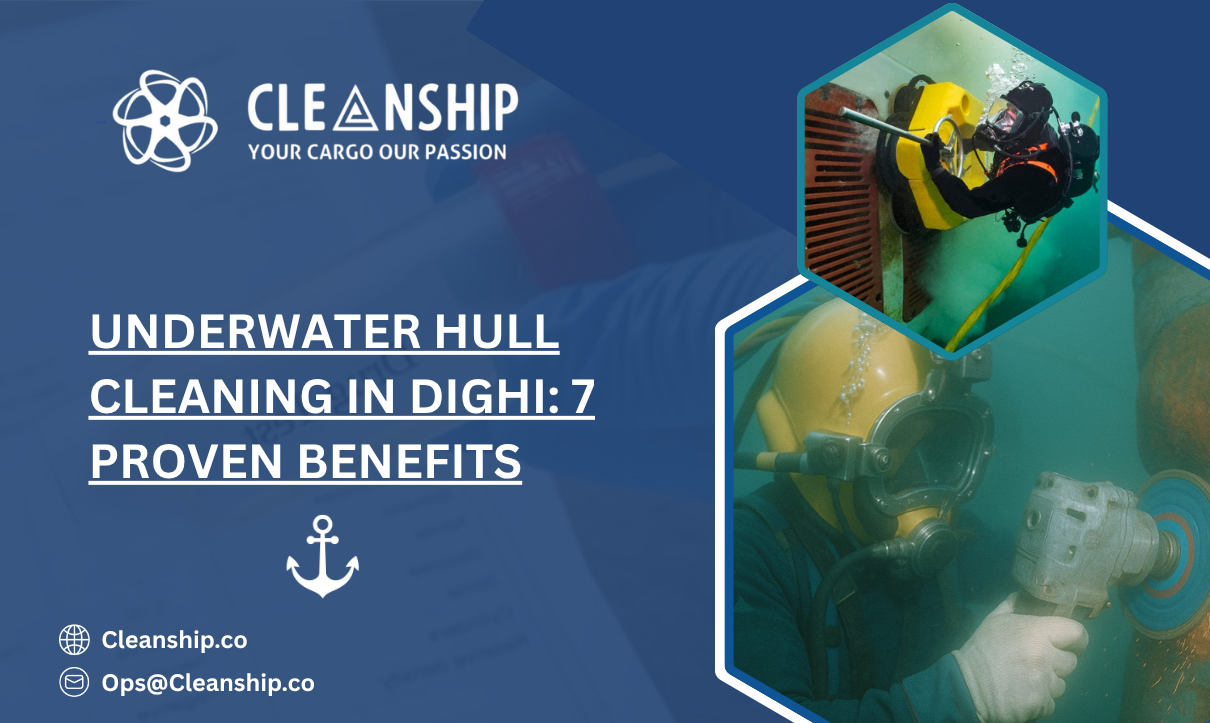
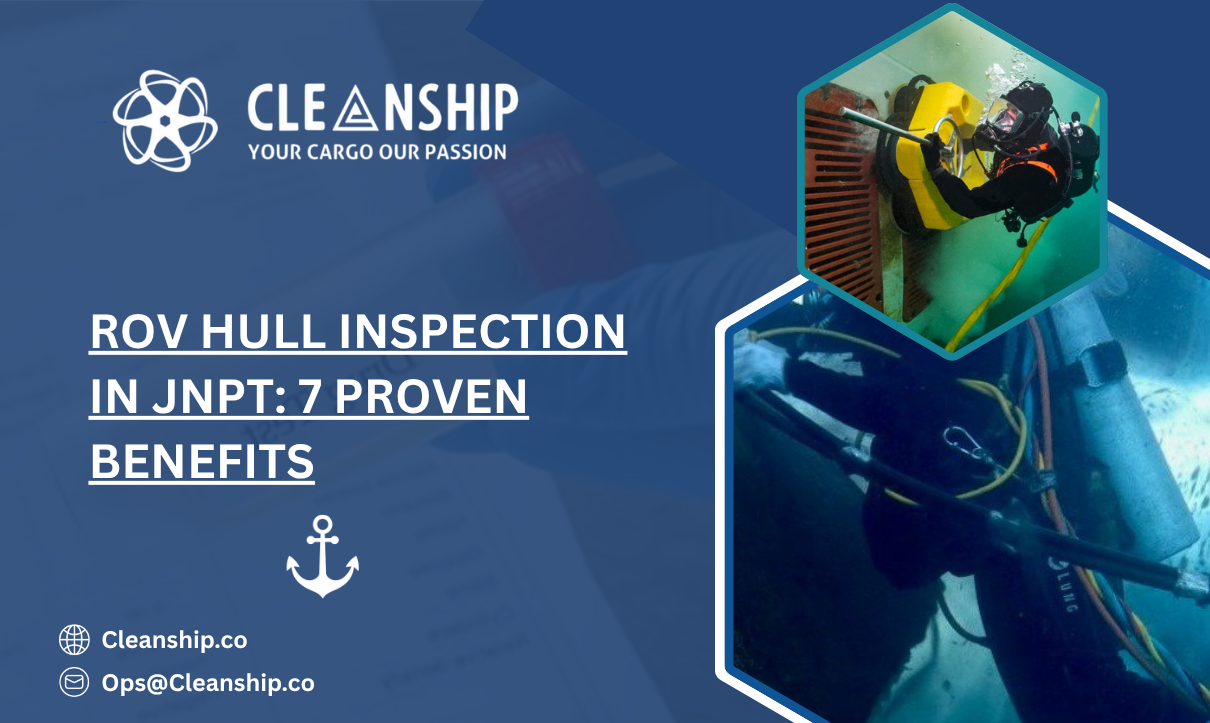
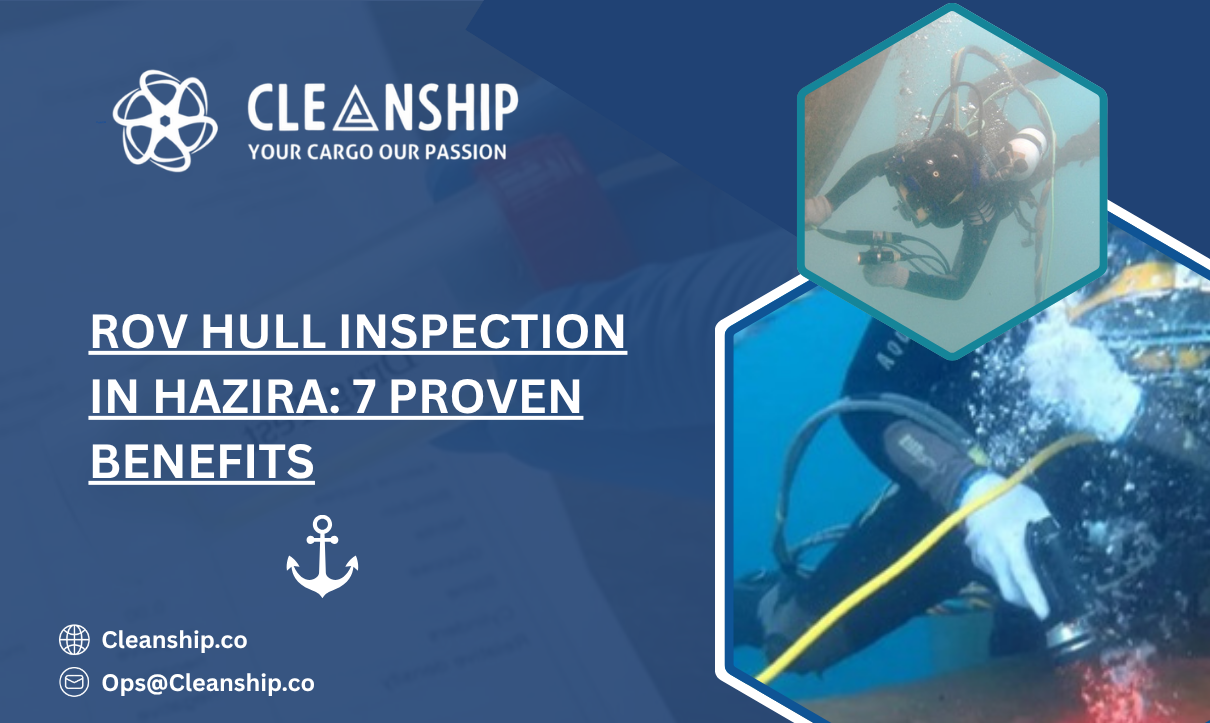
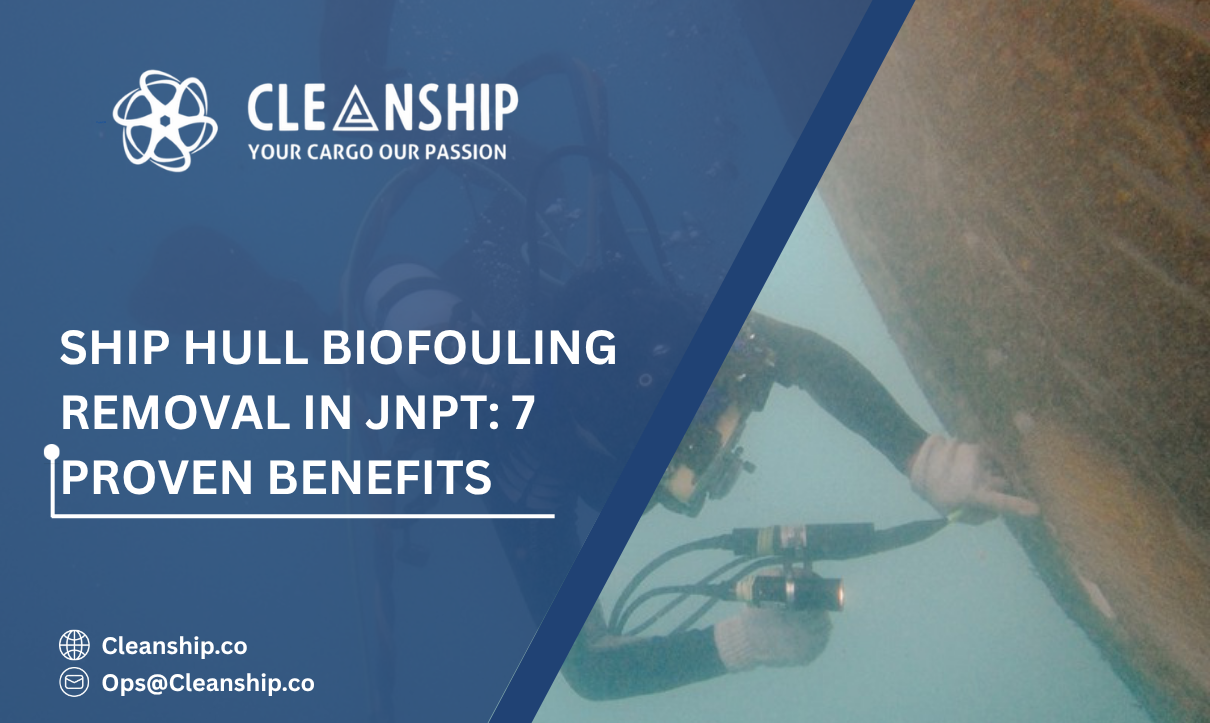
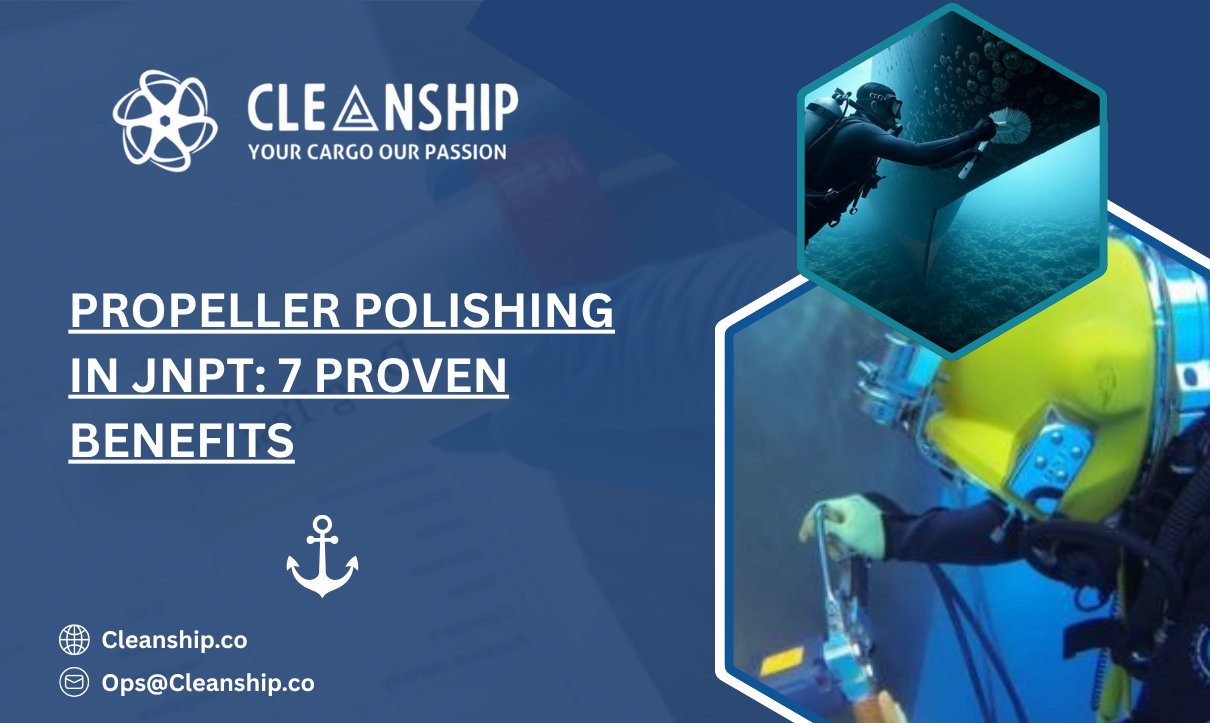
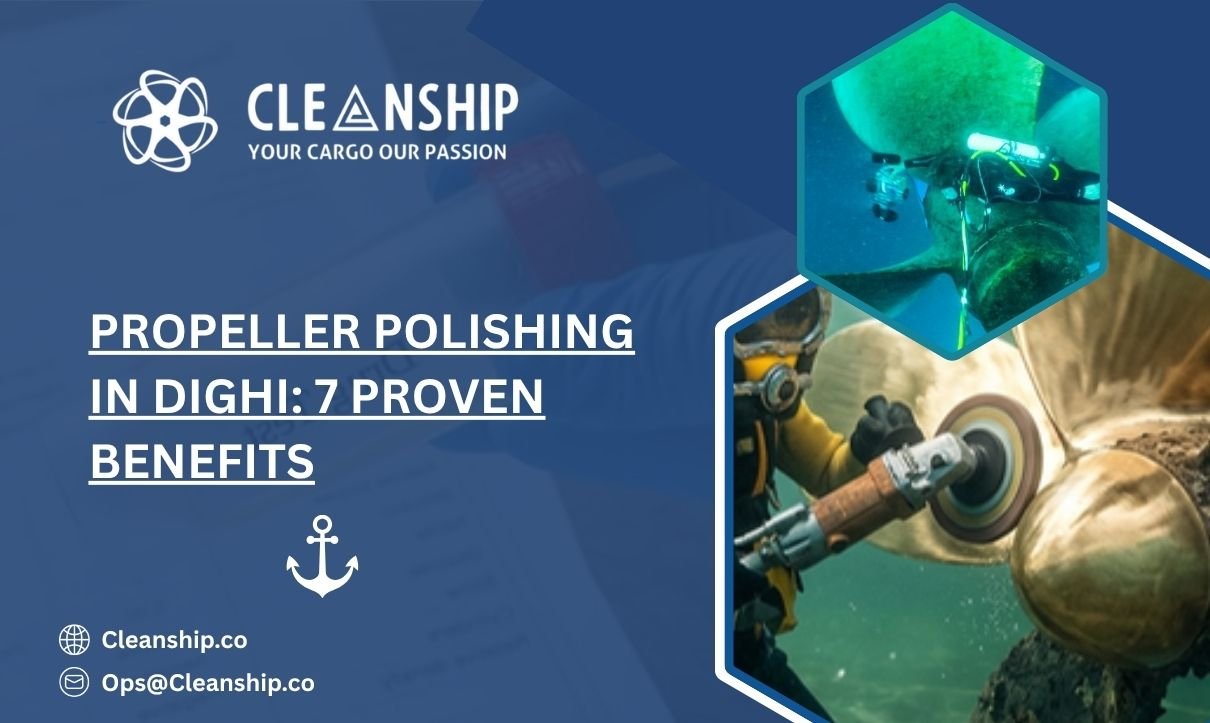
Dighi Port has become an increasingly important gateway for coastal and international shipping along India’s western coastline. From bulk carriers and offshore support vessels to tankers and general cargo ships, a wide range of vessels call at the port every year. As shipping companies work to improve efficiency and reduce operating costs, underwater maintenance has become more important than ever. One service that consistently delivers measurable results is Propeller Polishing in Dighi. The propeller is responsible for converting engine power into forward movement. Even a thin layer of marine growth, scale, or surface roughness can reduce propulsion efficiency, forcing the engine to consume more fuel to maintain the same speed. Over time, this seemingly minor issue can lead to higher operating costs and reduced vessel performance. Professional propeller polishing restores the smooth surface of the propeller without requiring dry docking. The service helps vessels maintain optimal propulsion efficiency while reducing fuel consumption and supporting reliable voyage schedules. What is Propeller Polishing? Propeller Polishing in Dighi is an underwater maintenance procedure that removes marine growth, oxidation, mineral deposits, and surface imperfections from a vessel’s propeller while the ship remains afloat. Certified commercial divers use specialized polishing tools and approved techniques to restore the propeller’s smooth finish without damaging the metal surface. Depending on the vessel’s condition, the process may also include a visual inspection to identify signs of cavitation, blade damage, corrosion, or mechanical wear. Routine propeller polishing helps vessels maintain efficient propulsion and contributes to long-term operational reliability. Why Dighi is an Ideal Location for Propeller Polishing Dighi serves commercial vessels operating along India’s western coast and international trade routes. Many ships spend only a limited time at berth, making efficient underwater maintenance services especially valuable. Choosing Propeller Polishing in Dighi allows shipowners to complete essential maintenance during scheduled port calls rather than waiting for the next dry docking period. Since the vessel remains afloat, operators save valuable time while maintaining commercial schedules. For fleet managers responsible for multiple vessels, this flexibility supports better maintenance planning and improved asset utilization. 1. Improves Fuel Efficiency One of the biggest advantages of Propeller Polishing in Dighi is improved fuel efficiency. A smooth propeller moves water more effectively than one covered with marine growth or surface deposits. For example, a bulk carrier operating between Dighi and Middle Eastern ports may gradually experience increased fuel consumption after several months at sea. Following professional propeller polishing, the vessel often requires less engine power to maintain cruising speed, leading to noticeable fuel savings. Over the course of a year, even small improvements in efficiency can significantly reduce operating costs. 2. Reduces Hydrodynamic Resistance Marine growth and surface roughness create additional resistance as the propeller rotates through the water. This reduces propulsion efficiency and increases the workload on the engine. Routine Propeller Polishing in Dighi restores the propeller’s smooth finish, allowing water to flow more efficiently across the blade surfaces. Reduced resistance improves propulsion performance and supports consistent vessel speed. This becomes particularly valuable for ships operating under fixed charter schedules where punctual arrivals are essential. 3. Enhances Vessel Performance A clean, polished propeller improves thrust generation, acceleration, maneuverability, and overall vessel responsiveness. These improvements contribute to smoother operations in both open sea conditions and confined port environments. A tanker regularly visiting Dighi, for instance, may experience improved handling after propeller polishing, particularly during docking and departure maneuvers where precise vessel control is important. Better propulsion efficiency also helps maintain planned voyage speeds without increasing engine output. 4. Extends Propeller Service Life Marine deposits, corrosion, and oxidation gradually affect the condition of propeller surfaces. If left untreated, these issues may contribute to premature wear and reduced equipment lifespan. Regular Propeller Polishing in Dighi removes surface contaminants before they cause long-term damage. Combined with periodic inspections, polishing helps preserve the structural integrity of the propeller and delays the need for costly repairs or replacements. Preventive maintenance continues to be one of the most cost-effective strategies in commercial shipping. 5. Supports Lower Emissions Fuel efficiency and environmental performance are closely connected. When propulsion systems operate more efficiently, engines consume less fuel and produce fewer emissions. Professional Propeller Polishing in Dighi contributes to cleaner vessel operations by improving propulsion efficiency and reducing unnecessary fuel consumption. This supports shipping companies working toward environmental compliance and sustainability goals. As international regulations continue evolving, maintaining efficient underwater equipment becomes increasingly important. 6. Helps Detect Underwater Damage Early Propeller polishing often includes a detailed visual examination of the propeller and surrounding underwater components. During the process, divers may identify cavitation damage, blade cracks, corrosion, loose fasteners, or other developing issues. Routine Propeller Polishing in Dighi allows technical managers to address these concerns before they become serious operational problems. Early detection reduces the likelihood of unexpected breakdowns while supporting more effective maintenance planning. 7. Minimizes Operational Downtime One of the greatest benefits of underwater propeller polishing is that it eliminates the need for immediate dry docking in many situations. Professional Propeller Polishing in Dighi can usually be completed while the vessel remains afloat during cargo handling or scheduled port operations. This allows shipping companies to maintain voyage schedules while still improving propulsion performance. Reduced downtime translates directly into higher vessel availability and better commercial efficiency. Technologies Used in Modern Propeller Polishing Specialized Underwater Polishing Equipment Commercial divers use purpose-built polishing tools designed to remove marine growth and oxidation without damaging the propeller surface. The equipment delivers consistent polishing quality while protecting the metal finish. Proper polishing techniques help restore hydrodynamic efficiency without removing excessive material. Underwater Inspection Systems Many service providers combine propeller polishing with underwater inspections using high-definition cameras and remotely operated vehicles (ROVs). These systems capture detailed images that help evaluate blade condition and identify maintenance requirements. The additional inspection provides valuable information for technical managers. Digital Inspection Reports Following Propeller Polishing in Dighi, operators often receive comprehensive reports containing underwater photographs, videos, polishing summaries, and maintenance observations. These records become part of the vessel’s maintenance history, making it easier to monitor