
Jawaharlal Nehru Port Authority (JNPT) is one of India’s busiest maritime gateways, handling thousands of vessel calls every year. Container ships, oil tankers, bulk carriers, and offshore support vessels operate continuously through the port, often spending extended periods alongside berths or at anchorage. These conditions encourage marine organisms to grow on underwater structures, including one of the vessel’s most critical systems—the sea chest.
Although hidden beneath the waterline, the sea chest plays a vital role in supplying seawater to onboard cooling and auxiliary systems. When marine growth, debris, or shell deposits accumulate inside the sea chest, seawater flow becomes restricted, affecting engine cooling efficiency and overall vessel reliability.
That is why Sea Chest Cleaning in JNPT has become an essential underwater maintenance service. Routine cleaning helps maintain uninterrupted seawater circulation, prevents operational issues, and reduces costly downtime.
What Is Sea Chest Cleaning in JNPT?
A sea chest is a recessed compartment built into the ship’s hull that allows seawater to enter the vessel through inlet gratings. This seawater is used for cooling engines, generators, condensers, air conditioning systems, ballast operations, and other essential onboard equipment.
Professional Sea Chest Cleaning in JNPT involves certified commercial divers removing marine growth, silt, shells, debris, and other obstructions from:
- Sea chest gratings
- Internal compartments
- Inlet openings
- Cooling water passages
- Protective screens
The work is performed while the vessel remains afloat, minimizing operational interruptions.
Why Sea Chest Maintenance Is Important
Restricted seawater flow can quickly affect machinery performance.
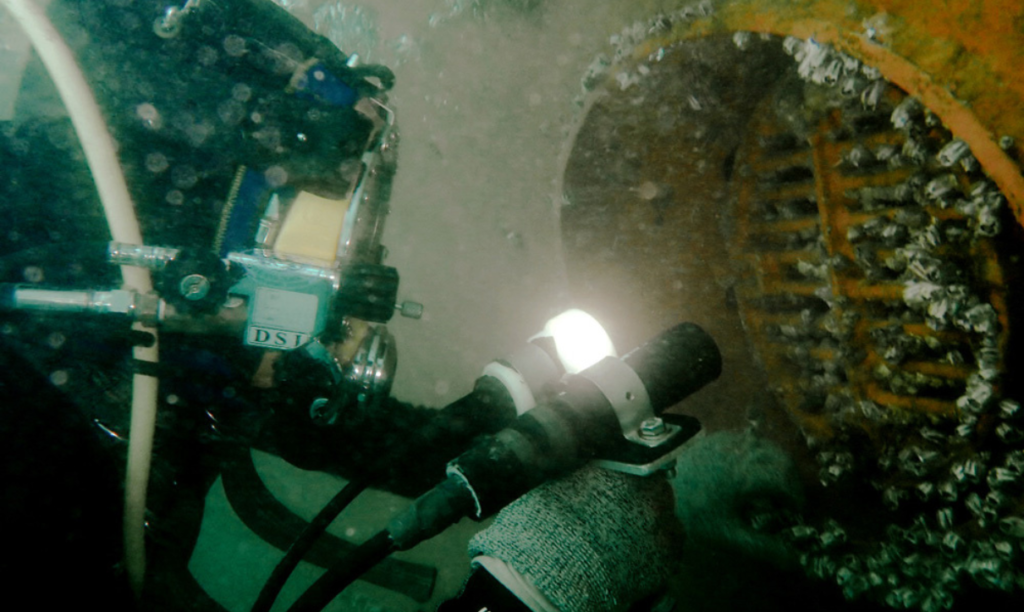
For example, a container vessel waiting for cargo operations at JNPT reported rising cooling water temperatures despite no mechanical issues with the engine. An underwater inspection revealed heavy mussel growth and debris blocking the sea chest grating. After divers completed sea chest cleaning in JNPT, normal seawater circulation was restored, and cooling temperatures returned to expected levels.
This practical example highlights why regular Sea Chest Cleaning in JNPT is an important preventive maintenance practice.
1. Improves Cooling System Efficiency
The primary purpose of the sea chest is to deliver seawater to the vessel’s cooling systems.
When marine growth restricts water flow, cooling efficiency declines, increasing engine temperatures and reducing equipment performance.
Routine Sea Chest Cleaning in JNPT restores unrestricted seawater intake, allowing cooling systems to operate as designed.
Cooling System Benefits
- Stable engine temperatures
- Improved heat exchanger performance
- Reliable seawater circulation
- Reduced cooling system stress
Efficient cooling supports dependable vessel operations.
2. Prevents Costly Blockages
Marine growth develops gradually, but even moderate accumulation can restrict seawater flow.
Common obstructions include:
- Barnacles
- Mussels
- Algae
- Slime
- Shell deposits
- Floating debris
Regular underwater cleaning removes these materials before they create serious operational problems.
Preventive maintenance is generally more economical than emergency repairs.
3. Protects Critical Machinery
Many onboard systems rely on uninterrupted seawater supply.
Blocked sea chests may affect:
- Main engines
- Auxiliary engines
- Generators
- Air conditioning systems
- Heat exchangers
- Ballast equipment
Professional Sea Chest Cleaning in JNPT helps protect these critical systems by maintaining reliable cooling water flow.
Healthy seawater circulation contributes directly to machinery reliability.
4. Reduces Operational Downtime
Unexpected cooling system problems often require immediate attention.
Routine underwater maintenance helps identify developing issues before they interrupt vessel schedules.
A bulk carrier preparing for departure from JNPT recently underwent a scheduled underwater inspection. Divers discovered early marine growth inside the sea chest and completed cleaning before the vessel sailed. The operator avoided potential cooling problems during the voyage without delaying cargo operations.
Downtime Reduction Benefits
- Fewer emergency repairs
- Improved schedule reliability
- Better voyage planning
- Reduced maintenance interruptions
Preventive cleaning supports uninterrupted operations.
5. Supports Underwater Inspections
Sea chest cleaning in JNPT often includes a detailed underwater inspection.
Commercial divers evaluate:
- Sea chest gratings
- Hull condition
- Marine growth levels
- Corrosion
- Structural damage
Professional Sea Chest Cleaning in JNPT typically includes underwater photographs and inspection reports that assist technical managers with long-term maintenance planning.
Accurate inspection records help prioritize future maintenance activities.
6. Minimizes Dry Dock Requirements
Routine underwater maintenance reduces the amount of cleaning required during scheduled dry dock visits.
By maintaining clean sea chests throughout the operating cycle, ship owners reduce maintenance workloads during major overhauls and improve dry dock efficiency.
Preventive cleaning also allows maintenance budgets to be managed more effectively over time.
Consistent underwater care delivers long-term operational value.
7. Improves Overall Vessel Reliability
Reliable seawater flow supports the performance of numerous onboard systems.
Routine Sea Chest Cleaning in JNPT contributes to:
- Better cooling efficiency
- Stable machinery operation
- Reduced equipment wear
- Improved operational safety
- Lower maintenance costs
For commercial shipping companies, dependable vessel performance begins with well-maintained underwater systems.
Choosing the Right Sea Chest Cleaning Provider
Selecting an experienced underwater maintenance company is essential.
Ship owners should look for providers offering:
- Certified commercial diving teams
- Modern underwater cleaning equipment
- ROV inspection capability
- Detailed inspection reporting
- Strong safety procedures
- Experience with commercial vessels
An experienced contractor understands different sea chest designs and uses cleaning methods that effectively remove marine growth while protecting underwater structures.
Technology Is Improving Sea Chest Maintenance
Modern underwater maintenance technologies have improved both inspection quality and cleaning efficiency.
Today’s service providers often use HD underwater cameras, ROV-assisted inspections, digital reporting platforms, and specialized cleaning tools to evaluate sea chest condition before and after cleaning. These technologies help technical managers verify maintenance quality and maintain accurate service records.
Digital documentation also supports better planning for future underwater maintenance activities.
Conclusion
Although often overlooked, the sea chest is one of the most important underwater systems on any commercial vessel. Restricted seawater flow can affect engine cooling, auxiliary machinery, and overall vessel performance.
The seven proven benefits discussed above demonstrate why Sea Chest Cleaning in JNPT is an essential preventive maintenance service. Regular cleaning improves cooling efficiency, protects machinery, reduces downtime, supports underwater inspections, and contributes to reliable vessel operations.
For ship owners operating through JNPT, investing in professional sea chest cleaning in JNPT helps maintain efficient seawater circulation, protect valuable onboard equipment, and ensure safe, dependable maritime operations.
FAQs:
Q1. What is sea chest cleaning in JNPT?
Sea chest cleaning is the underwater removal of marine growth, debris, and obstructions from a vessel’s seawater intake system to maintain proper cooling water flow.
Q2. Why is sea chest cleaning important?
It prevents seawater blockages, improves cooling system performance, protects onboard machinery, and reduces operational downtime.
Q3. Can sea chest cleaning be carried out without dry docking?
Yes. Certified commercial divers can clean sea chests while the vessel remains afloat, minimizing disruptions to operations.
Q4. How often should sea chest cleaning be performed?
Cleaning frequency depends on vessel operations, local marine conditions, and inspection findings, but regular underwater inspections are recommended.
Q5. Does sea chest cleaning improve vessel reliability?
Yes. Maintaining unrestricted seawater flow helps ensure efficient cooling, protects machinery, and supports reliable vessel performance throughout the operating cycle.