Mumbai is one of India’s busiest maritime gateways, handling everything from container ships and tankers to offshore support vessels and naval fleets. With ships operating on tight schedules, every hour spent waiting for inspection or maintenance can translate into significant operational costs. This is exactly why ROV Hull Inspection in Mumbai has become a preferred solution for modern shipping companies and vessel operators.
Remotely Operated Vehicles (ROVs) allow marine experts to inspect a vessel’s underwater hull without sending divers into the water or moving the ship into dry dock. The technology delivers detailed visuals, accurate inspection reports, and faster decision-making while reducing operational interruptions. Whether a vessel is berthed at Mumbai Port, anchored offshore, or preparing for its next voyage, ROV inspections provide reliable underwater assessments that help prevent costly surprises later.
What is ROV Hull Inspection in Mumbai?
ROV Hull Inspection in Mumbai in Mumbai involves using a remotely controlled underwater vehicle equipped with high-definition cameras, powerful lighting, sonar systems, and recording equipment. The ROV is guided from the surface while transmitting live video footage to inspection engineers.
This approach enables marine surveyors to examine the underwater sections of the hull, propeller, rudder, sea chests, thrusters, and other submerged structures with excellent accuracy. Since the inspection is carried out remotely, there is no need to expose divers to unnecessary risks in challenging underwater conditions.
Why Mumbai Has Increased the Demand for ROV Hull Inspection in Mumbai
Mumbai experiences heavy marine traffic throughout the year. Commercial vessels often arrive with tight turnaround schedules, leaving little room for lengthy maintenance activities. Traditional underwater inspections can consume valuable time, especially when diver availability, weather conditions, and underwater visibility become limiting factors.
ROV Hull Inspection in Mumbai helps ship owners overcome these operational challenges. Marine contractors can deploy an ROV quickly, complete a comprehensive survey, and provide digital inspection records within a short period. This speed is particularly valuable for vessels involved in international trade where delays directly affect operational efficiency.
1. Faster Vessel Inspections Without Dry Dock
One of the biggest advantages of ROV Hull Inspection in Mumbai is the ability to inspect underwater structures while the vessel remains afloat. There is no need to schedule an immediate dry docking unless repairs are actually required.
For example, a container vessel arriving in Mumbai with only a few hours available before departure can undergo a complete underwater hull inspection alongside the berth. Instead of delaying cargo operations, the inspection happens simultaneously, allowing operators to keep the schedule intact while still obtaining accurate hull condition data.
2. Improved Safety Compared to Traditional Diving
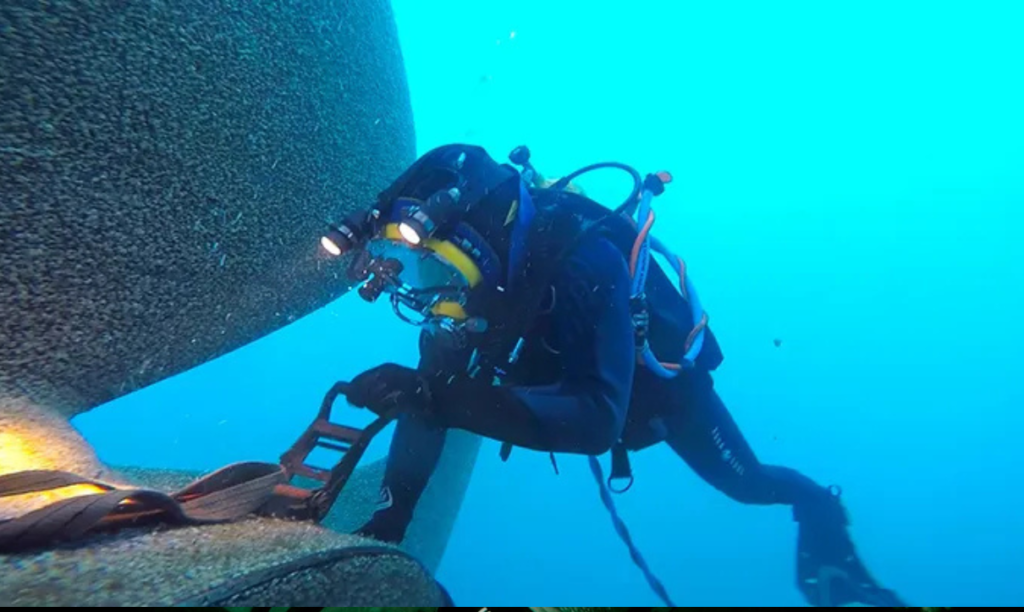
Underwater inspections have traditionally relied on commercial divers. Although diving professionals are highly trained, underwater work always involves environmental risks, including poor visibility, strong currents, vessel movement, and limited underwater communication.
ROV Hull Inspection in Mumbai significantly reduces these risks by replacing many routine diving operations with remotely operated technology. Inspection engineers remain safely on the support vessel while the ROV performs the underwater survey, making the process safer for everyone involved.
3. High-Quality Visual Documentation
Modern inspection ROVs capture crystal-clear video recordings and high-resolution photographs of underwater structures. Every observation can be recorded, reviewed, and shared with ship managers, classification societies, insurance representatives, or technical teams located anywhere in the world.
Instead of relying only on written inspection notes, vessel owners receive visual evidence of coating conditions, corrosion, marine growth, dents, or mechanical damage. These detailed records also make future inspections easier by allowing direct comparisons over time.
4. Early Detection of Hull Problems
Many underwater defects begin as small issues before developing into expensive structural repairs. Minor coating failures, localized corrosion, marine growth, damaged anodes, or propeller defects may not immediately affect vessel performance but can worsen if ignored.
ROV Hull Inspection in Mumbai allows operators to identify these developing issues at an early stage. Maintenance teams can schedule repairs before the vessel experiences reduced fuel efficiency, unexpected downtime, or emergency dry docking.
A bulk carrier visiting Mumbai after several months of continuous operation may discover early signs of biofouling around the hull. Cleaning the affected area promptly prevents additional fuel consumption during future voyages.
5. Lower Maintenance Costs
Preventive maintenance almost always costs less than emergency repairs. Regular ROV Hull Inspection in Mumbai provides vessel owners with reliable information about the actual condition of underwater components, helping them avoid unnecessary maintenance while identifying genuine repair requirements.
Instead of replacing parts based on assumptions, technical managers can make maintenance decisions using real inspection data. This practical approach reduces maintenance budgets while improving long-term asset management.
Shipping companies operating multiple vessels often use periodic ROV inspections to prioritize maintenance activities according to actual hull conditions rather than fixed maintenance intervals.
6. Better Compliance with Marine Regulations
Classification societies and marine authorities often require underwater inspections under specific operational circumstances. Accurate inspection records become important during surveys, insurance assessments, and compliance reviews.
ROV Hull Inspection in Mumbai produces digital reports that include videos, photographs, inspection notes, and defect documentation. These records support regulatory compliance while giving vessel operators confidence that underwater structures have been properly assessed.
Since inspection data is digitally stored, technical managers can also reference previous reports when planning maintenance or preparing for future surveys.
7. Minimal Disruption to Shipping Operations
Every shipping company aims to reduce vessel downtime. Traditional maintenance activities can interrupt cargo handling, crew schedules, and voyage planning. ROV inspections, however, fit more easily into existing port operations.
Many marine service providers conduct ROV Hull Inspection in Mumbai while cargo loading, unloading, bunkering, or routine port activities continue. This flexibility allows vessel operators to complete inspections without creating major operational delays.
For offshore support vessels working on strict charter schedules, avoiding unnecessary downtime directly contributes to improved operational efficiency and customer satisfaction.
How ROV Technology Continues to Improve Marine Inspections
ROV technology has evolved rapidly over the past decade. Modern systems now include advanced imaging, sonar mapping, laser measurement tools, and improved maneuverability around complex underwater structures.
Inspection engineers can navigate confined spaces such as sea chests, tunnel thrusters, and difficult-to-access hull sections with greater precision than before. These improvements provide more complete inspection coverage and increase confidence in inspection findings.
As digital reporting and remote collaboration continue to improve, ship owners can receive inspection updates almost immediately, allowing faster maintenance decisions regardless of their location.
Choosing the Right ROV Inspection Service in Mumbai
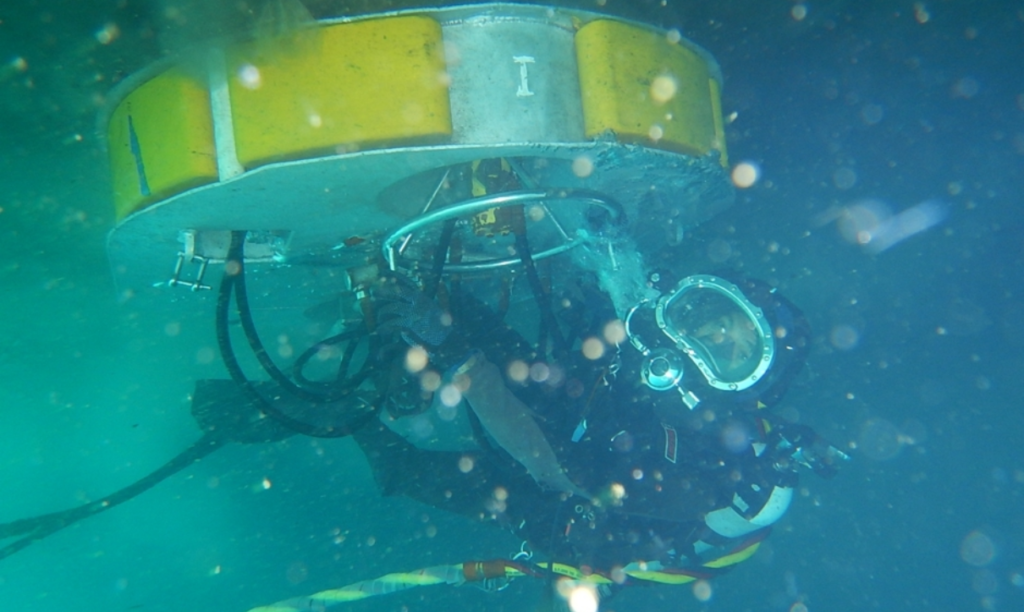
Not every inspection company offers the same level of expertise or equipment. Vessel operators should evaluate marine service providers based on their experience, inspection technology, reporting quality, and understanding of classification requirements.
A professional inspection team should provide clear documentation, experienced ROV operators, high-definition imagery, and practical recommendations rather than simply identifying defects. Reliable reporting helps technical managers make informed maintenance decisions without unnecessary delays or unexpected costs.
Choosing an experienced provider also ensures inspections are completed efficiently while meeting industry standards expected by commercial shipping operators.
Conclusion
As vessel maintenance becomes increasingly data-driven, ROV Hull Inspection in Mumbai offers a practical solution that combines safety, efficiency, and accurate underwater assessment. It helps shipping companies detect problems early, reduce maintenance expenses, improve compliance, and minimize operational interruptions.
Whether managing a cargo vessel, tanker, offshore support vessel, or passenger ship, investing in regular ROV inspections supports better asset management and long-term operational reliability. With Mumbai continuing to serve as one of India’s busiest maritime hubs, adopting modern underwater inspection technology is becoming less of an option and more of an operational necessity.
FAQs:
Q1. 1. What is ROV Hull Inspection in Mumbai?
ROV Hull Inspection in Mumbai uses a remotely operated underwater vehicle equipped with cameras and sensors to inspect a ship’s underwater hull. It allows marine experts to assess the vessel’s condition without dry docking or sending commercial divers underwater.
Q2. Is ROV hull inspection better than diver inspection?
For many routine inspections, yes. ROV inspections improve safety, provide detailed visual records, and reduce operational downtime. Divers may still be required for certain repair tasks, but inspections are increasingly performed using ROV technology.
Q3. How long does an ROV hull inspection take?
The inspection duration depends on vessel size and inspection scope. Most standard underwater hull inspections can be completed within a few hours, allowing ships to maintain their planned schedules.
Q4. Which parts of a vessel can an ROV inspect?
An ROV can inspect the underwater hull, propeller, rudder, sea chests, thrusters, sacrificial anodes, intake grilles, and other submerged structures while transmitting live video to inspection engineers.
Q5. How often should vessels undergo ROV Hull Inspection in Mumbai?
Inspection frequency depends on vessel type, operating conditions, classification requirements, and maintenance schedules. Many commercial operators perform underwater inspections annually or before major surveys to monitor hull condition and plan maintenance effectively.