
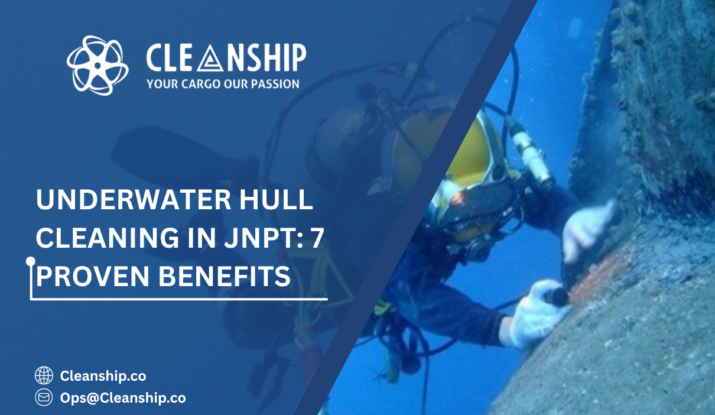
Jawaharlal Nehru Port Trust (JNPT), now known as Jawaharlal Nehru Port Authority, is India’s largest container port and a major gateway for international trade. Every day, container vessels, bulk carriers, tankers, and feeder ships call at the port, making operational efficiency a top priority for ship owners and fleet managers.
As vessels spend time alongside berths or at anchorage, marine organisms begin to accumulate on underwater hull surfaces. What starts as a thin layer of slime can quickly develop into algae, barnacles, mussels, and other biofouling that affects vessel performance.
This is why Underwater Hull Cleaning in JNPT has become an essential maintenance service. Regular cleaning helps ships maintain fuel efficiency, reduce drag, protect hull coatings, and avoid costly operational disruptions.
Why Underwater Hull Cleaning in JNPT Matters
A clean hull moves more efficiently through the water. When marine growth builds up, hydrodynamic resistance increases, forcing engines to consume more fuel to maintain the same speed.
Even moderate fouling can affect voyage schedules and increase operating expenses over time.
For example, a container vessel operating between JNPT, Singapore, and Dubai experienced a steady rise in fuel consumption despite normal engine performance. During a scheduled port call, commercial divers carried out underwater hull cleaning in JNPT and removed heavy marine growth from the hull and propeller. On the following voyage, the engineering team recorded improved fuel efficiency and smoother vessel handling.
Experiences like this explain why Underwater Hull Cleaning in JNPT is an important part of preventive vessel maintenance.
1. Improves Fuel Efficiency
Fuel accounts for a significant portion of a vessel’s operating costs.
Marine fouling increases water resistance, making engines work harder to maintain service speed. Removing slime, algae, and barnacles restores smoother water flow around the hull.
Professional Underwater Hull Cleaning in JNPT helps reduce hydrodynamic drag and improves overall fuel economy.
Fuel Efficiency Benefits
- Lower bunker consumption
- Reduced engine load
- Improved voyage performance
- Better operational efficiency
Over multiple voyages, even small fuel savings can have a meaningful impact on operating costs.
2. Restores Vessel Performance
Marine growth affects more than fuel consumption.
A fouled hull reduces vessel speed, limits maneuverability, and places additional stress on propulsion systems. Regular underwater cleaning restores the hull’s hydrodynamic profile, allowing ships to perform closer to their original design specifications.
This is especially valuable for vessels operating on fixed schedules where delays can affect cargo commitments and customer expectations.
3. Protects Antifouling Coatings
Modern antifouling coatings are designed to minimize marine growth and protect steel surfaces from corrosion.
If fouling is allowed to accumulate for long periods, cleaning may require more aggressive methods that can damage the coating.
Routine Underwater Hull Cleaning in JNPT removes marine growth while helping preserve coating integrity. Protecting the coating extends its service life and reduces future maintenance requirements.
4. Reduces Dry Dock Costs
Dry docking represents one of the largest planned maintenance expenses for commercial vessels.
Regular underwater cleaning keeps hull surfaces in better condition, reducing the amount of work required during scheduled dry dock visits.
A bulk carrier preparing for class renewal recently completed underwater cleaning before entering dry dock. Because the hull remained in good condition, maintenance teams completed repairs ahead of schedule, saving both time and operational costs.
Maintenance Advantages
- Lower repair expenses
- Reduced dry dock duration
- Better maintenance planning
- Extended coating lifespan
Preventive maintenance often delivers measurable long-term savings.
5. Improves Propulsion Efficiency
Marine deposits affect not only the hull but also propellers and rudders.
Barnacles and algae on propeller blades reduce propulsion efficiency and may increase vibration during operation.
Many underwater maintenance programs combine hull cleaning with propeller polishing to maximize performance.
Professional Underwater Hull Cleaning in JNPT often includes inspection of underwater appendages to ensure complete maintenance coverage.
6. Supports Environmental Compliance
Reducing fuel consumption also helps reduce emissions.
As environmental regulations continue to evolve, shipping companies increasingly focus on maintaining clean hulls to improve energy efficiency and lower greenhouse gas emissions.
Responsible underwater cleaning methods also minimize the release of marine debris and help operators meet environmental standards.
A clean hull benefits both commercial operations and marine ecosystems.
7. Improves Operational Reliability
Unexpected performance issues can disrupt voyage schedules and increase maintenance costs.
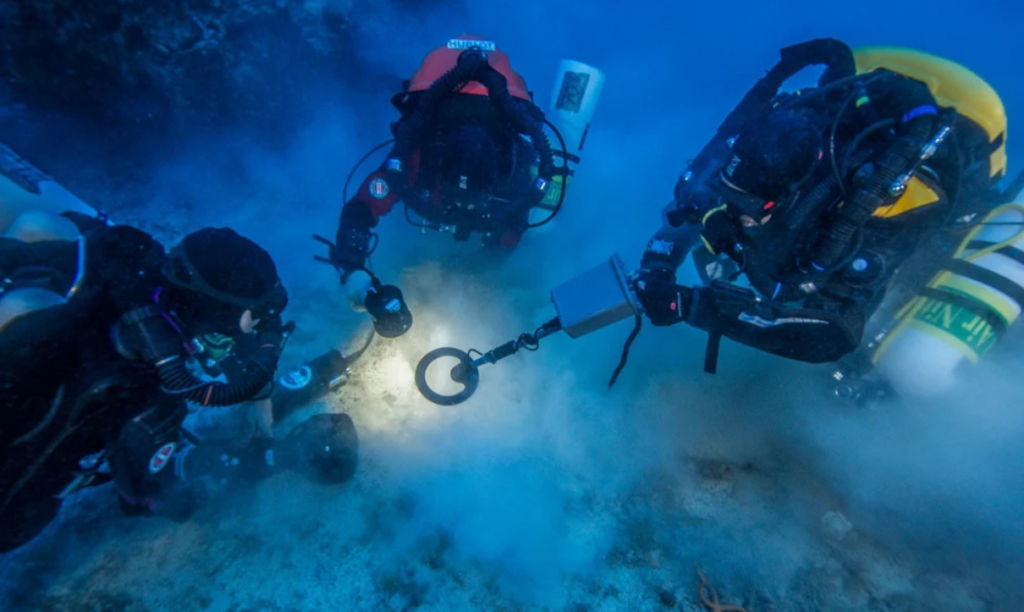
Routine underwater cleaning allows technical teams to identify marine growth, coating damage, and minor underwater defects before they become larger problems.
Regular Underwater Hull Cleaning in JNPT supports reliable vessel performance and reduces the risk of unplanned maintenance.
Consistent preventive maintenance contributes to smoother operations throughout the vessel’s service life.
Choosing the Right Underwater Hull Cleaning Provider
The quality of underwater maintenance depends heavily on the experience of the service provider.
Ship owners should evaluate contractors based on:
- Certified commercial diving teams
- Modern underwater cleaning equipment
- Experience with multiple vessel types
- Strong safety management systems
- Environmental compliance
- Detailed inspection and reporting
An experienced provider understands local operating conditions around JNPT and recommends cleaning methods that protect hull coatings while effectively removing marine growth.
Modern Technology Is Improving Underwater Maintenance
The maritime industry continues to adopt advanced technologies to improve underwater maintenance.
ROV inspections, high-definition underwater cameras, and digital reporting systems provide technical managers with detailed information before and after cleaning. These tools improve maintenance planning and allow ship owners to monitor hull condition over time.
Combined with experienced commercial divers, modern technology delivers more accurate and efficient underwater services.
Conclusion
Marine fouling is an unavoidable challenge for every commercial vessel, but its impact can be effectively managed through regular maintenance. A clean hull reduces fuel consumption, protects coatings, improves propulsion efficiency, and supports reliable vessel operations.
The seven proven benefits discussed above demonstrate why Underwater Hull Cleaning in JNPT is an essential investment for ship owners operating through India’s busiest container port. Routine underwater maintenance not only improves operational efficiency but also helps reduce long-term maintenance costs and extend the life of critical underwater components.
For shipping companies focused on performance, reliability, and sustainability, regular underwater hull cleaning in JNPT remains one of the most practical and cost-effective maintenance strategies.
FAQs:
Q1. What is underwater hull cleaning?
Underwater hull cleaning in JNPT is the process of removing marine growth such as slime, algae, and barnacles from a vessel’s submerged hull while it remains afloat.
Q2. Why is underwater hull cleaning important?
It improves fuel efficiency, reduces hydrodynamic drag, protects hull coatings, and enhances overall vessel performance.
Q3. Can underwater hull cleaning in JNPT be performed without dry docking?
Yes. Professional commercial divers can clean the hull while the vessel remains in the water, reducing downtime and operational disruption.
Q4. How often should underwater hull cleaning in JNPT be carried out?
Cleaning frequency depends on vessel trading routes, operating conditions, and antifouling coating performance, but regular underwater inspections are recommended.
Q5. Does underwater hull cleaning reduce operating costs?
Yes. By reducing fuel consumption, protecting hull coatings, and preventing excessive marine growth, underwater cleaning helps lower long-term operating and maintenance expenses.