
Dighi Port has become an important maritime hub on India’s western coastline, serving bulk carriers, oil tankers, offshore support vessels, coastal cargo ships, and other commercial vessels. As maritime traffic continues to grow, shipowners are placing greater emphasis on underwater maintenance that improves efficiency without affecting sailing schedules. One service that delivers measurable operational value is Ship Hull Biofouling Removal in Dighi.
Biofouling is the accumulation of marine organisms such as algae, slime, barnacles, mussels, and tube worms on the underwater surfaces of a vessel. While it begins as a thin biological layer, it can quickly develop into dense marine growth that increases hull resistance, reduces vessel speed, and raises fuel consumption. If left untreated, biofouling may also shorten the lifespan of protective hull coatings and increase maintenance expenses.
Professional Ship Hull Biofouling Removal in Dighi helps restore a clean hull surface while the vessel remains afloat. The result is better hydrodynamic performance, lower operating costs, and improved long-term asset protection.
What is Ship Hull Biofouling Removal?
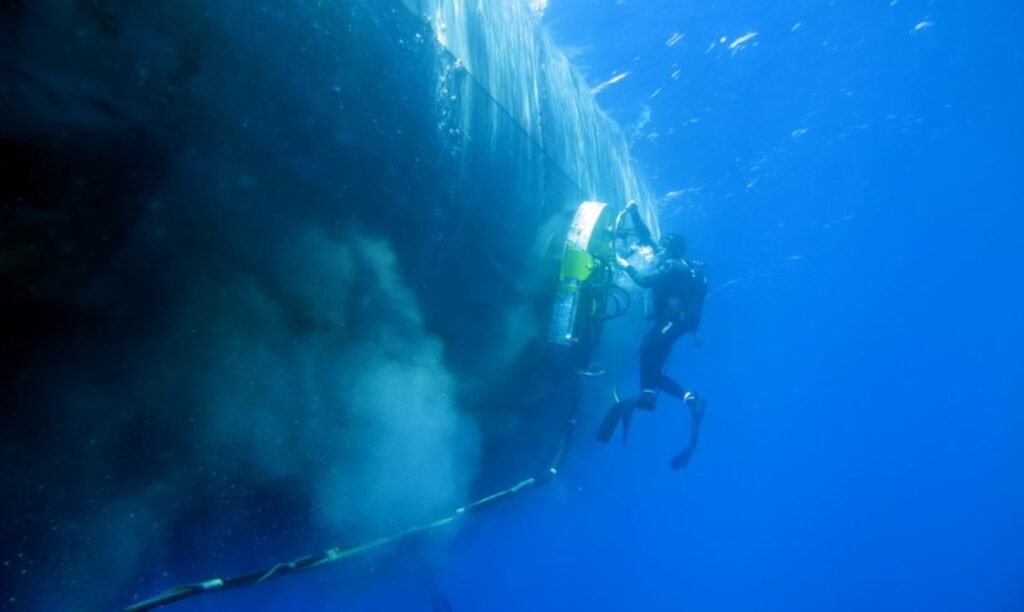
Ship Hull Biofouling Removal in Dighi is a specialized underwater cleaning service that removes biological fouling from a vessel’s submerged hull using approved cleaning equipment and trained commercial divers. Depending on the vessel and cleaning requirements, remotely operated vehicles (ROVs) may also be used for inspection before or after cleaning.
The process removes slime, algae, barnacles, shellfish, and other marine organisms without causing unnecessary damage to approved anti-fouling coatings. After cleaning, the underwater hull is often inspected to verify cleaning quality and identify any visible coating or structural concerns.
Routine biofouling removal helps vessels maintain peak operating efficiency throughout their trading cycle.
Why Biofouling Removal is Important in Dighi
The warm coastal waters around Dighi create favorable conditions for marine organisms to attach to submerged hull surfaces. Even vessels that remain alongside the berth for relatively short periods may begin accumulating biological growth.
Choosing Ship Hull Biofouling Removal in Dighi allows operators to remove this buildup before it affects vessel performance. Instead of waiting until fuel consumption rises or propulsion efficiency declines, shipping companies can perform preventive underwater cleaning during scheduled port calls.
This proactive maintenance strategy reduces operating costs while protecting valuable underwater assets.
1. Improves Fuel Efficiency
One of the biggest advantages of Ship Hull Biofouling Removal in Dighi is improved fuel efficiency. Marine growth creates additional drag, forcing engines to consume more fuel to maintain normal operating speeds.
For example, a coastal cargo vessel trading between Dighi and other western Indian ports may notice gradually increasing fuel consumption after several months in service. Following professional biofouling removal, the vessel regains a smoother hull surface and improved hydrodynamic performance.
Across multiple voyages, fuel savings can significantly reduce operating expenses.
2. Restores Vessel Speed and Performance
Biofouling does more than increase fuel consumption. It also reduces vessel speed, affects maneuverability, and places additional load on propulsion systems.
Routine Ship Hull Biofouling Removal in Dighi restores the smooth underwater profile of the hull, allowing the vessel to move through the water more efficiently. This helps ships maintain scheduled voyage times while reducing unnecessary engine stress.
Reliable vessel performance is especially valuable for operators working under strict charter agreements.
3. Protects Anti-Fouling Hull Coatings
Modern anti-fouling coatings are designed to resist marine growth and protect the steel hull from corrosion. However, heavy biological accumulation can reduce coating effectiveness over time.
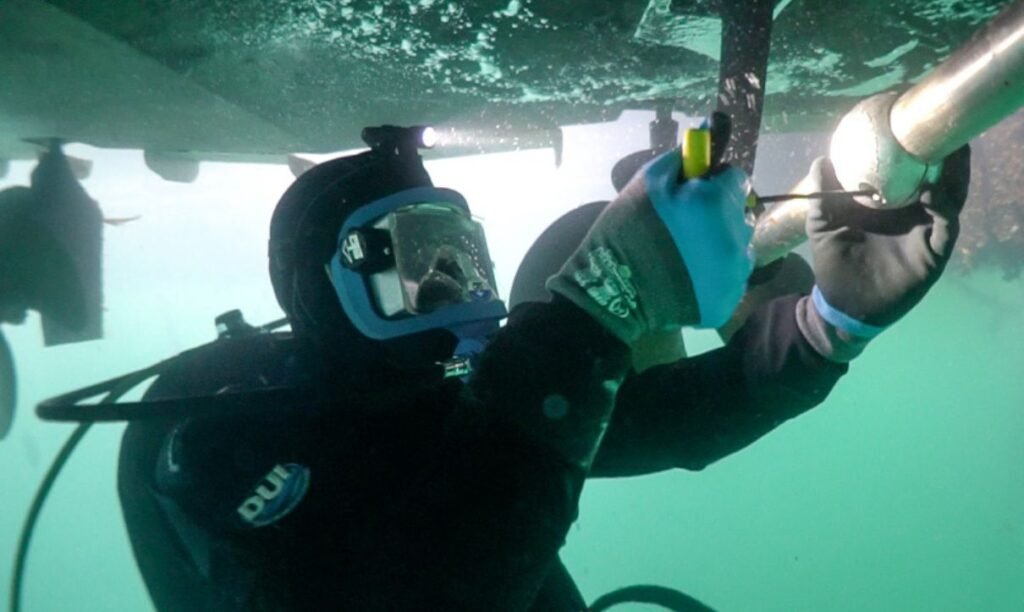
Professional Ship Hull Biofouling Removal in Dighi removes marine growth before it causes excessive wear or hides developing coating damage. During cleaning, commercial divers also inspect coating condition and report any visible defects requiring attention.
Protecting the coating system helps extend maintenance intervals and reduce future repair costs.
4. Reduces Long-Term Maintenance Costs
Preventive maintenance is generally far less expensive than corrective repairs. Removing marine growth before it becomes excessive helps prevent many avoidable underwater maintenance issues.
Regular Ship Hull Biofouling Removal in Dighi reduces the likelihood of severe fouling, corrosion, and unnecessary strain on propulsion equipment. Maintenance teams can schedule repairs based on actual vessel condition instead of responding to unexpected operational problems.
This approach improves maintenance planning while lowering overall fleet maintenance costs.
5. Supports Environmental Compliance
A clean hull allows a vessel to operate more efficiently, reducing fuel consumption and lowering greenhouse gas emissions. Efficient hull performance has become increasingly important as the shipping industry focuses on environmental sustainability.
Professional Ship Hull Biofouling Removal in Dighi also helps reduce the transfer of invasive aquatic species between ports by removing attached marine organisms before vessels continue their voyages.
These environmental advantages complement the operational benefits of routine underwater cleaning.
6. Detects Underwater Defects Early
Dense marine growth often hides coating damage, corrosion, loose sacrificial anodes, or minor structural defects.
During Ship Hull Biofouling Removal in Dighi, commercial divers closely examine cleaned hull surfaces and identify any visible maintenance concerns. For instance, while cleaning a tanker’s hull, divers may discover localized coating damage around a sea chest that can be repaired during the next scheduled maintenance period.
Early identification helps prevent small problems from becoming major repairs.
7. Minimizes Operational Downtime
Dry docking solely for underwater cleaning can interrupt commercial schedules and increase operating costs.
Professional Ship Hull Biofouling Removal in Dighi is typically performed while the vessel remains afloat. Cleaning can often be completed during cargo handling, bunkering, or other routine port activities where operational conditions allow.
Reducing maintenance downtime improves fleet utilization and helps operators maintain reliable voyage schedules.
Technologies Used During Biofouling Removal
Professional Underwater Cleaning Equipment
Certified commercial divers use hydraulic rotary brushes, underwater cleaning machines, and specialized tools designed to remove biofouling effectively while protecting approved hull coatings.
Modern cleaning systems deliver consistent results without causing unnecessary surface damage.
Remotely Operated Vehicles (ROVs)
Many marine service providers combine underwater cleaning with ROV inspections. ROVs verify cleaning quality, inspect difficult-to-access areas, and provide high-definition video documentation for technical review.
This combination improves inspection accuracy while supporting preventive maintenance.
Digital Inspection Reports
After completing Ship Hull Biofouling Removal in Dighi, operators typically receive digital reports containing underwater photographs, video recordings, cleaning summaries, and maintenance observations.
These reports become valuable maintenance records that support future inspections and dry dock planning.
Choosing the Right Biofouling Removal Service in Dighi
Selecting an experienced marine service provider is essential for achieving safe and effective cleaning results. Shipowners should look for companies with certified commercial divers, experienced ROV operators, environmentally responsible cleaning methods, and modern underwater equipment.
A qualified contractor will evaluate hull condition before cleaning, recommend the most suitable cleaning method, and provide detailed documentation after the work is completed.
Working with experienced professionals ensures reliable service while minimizing disruption to commercial operations.
Conclusion
Ship Hull Biofouling Removal in Dighi has become an essential underwater maintenance service for shipowners seeking better fuel efficiency, improved vessel performance, and lower operating costs. By removing marine growth before it becomes severe, operators protect hull coatings, improve hydrodynamic efficiency, and extend the service life of valuable underwater assets.
From reducing fuel consumption and supporting environmental compliance to minimizing downtime and improving preventive maintenance, routine Ship Hull Biofouling Removal in Dighi provides long-term operational benefits. As commercial shipping continues to prioritize efficiency and sustainability, regular biofouling removal remains a smart investment for maintaining reliable and cost-effective vessel operations.
FAQs:
Q1. What is Ship Hull Biofouling Removal in Dighi?
Ship Hull Biofouling Removal in Dighi is an underwater cleaning service that removes algae, slime, barnacles, mussels, and other marine organisms from a vessel’s submerged hull while it remains afloat.
Q2. Why is biofouling removal important for commercial vessels?
It improves fuel efficiency, restores vessel speed, protects hull coatings, reduces maintenance costs, and supports environmentally responsible vessel operation.
Q3. Can biofouling removal be completed without dry docking?
Yes. Professional Ship Hull Biofouling Removal in Dighi is performed underwater by certified commercial divers, allowing vessels to remain afloat during cleaning.
Q4. Which parts of the vessel are cleaned during biofouling removal?
The service primarily covers the underwater hull and may also include the propeller, rudder, sea chests, thrusters, intake gratings, and other submerged components affected by marine growth.
Q5. How often should vessels undergo biofouling removal?
Cleaning frequency depends on vessel type, trading routes, operating conditions, coating performance, and marine growth rates. Many commercial operators schedule routine underwater cleaning as part of their preventive maintenance program.