
Mormugao is one of India’s key maritime gateways, handling a continuous flow of bulk carriers, container vessels, oil tankers, offshore support ships, and coastal cargo vessels. These vessels spend extended periods in seawater, where their underwater hulls are exposed to marine growth, corrosion, impact damage, and coating deterioration. Since these areas remain below the waterline, regular inspections are essential to maintain vessel safety and operational efficiency.
This is where ROV Hull Inspection in Mormugao has become an increasingly valuable solution. Using remotely operated vehicles (ROVs) equipped with high-definition cameras, powerful lighting systems, and advanced navigation technology, inspection teams can examine underwater structures without requiring commercial divers or dry docking in many situations. The result is a fast, accurate, and safe inspection process that minimizes disruption to vessel operations.
For ship owners, technical managers, and offshore operators, ROV hull inspections provide reliable underwater data that supports informed maintenance decisions while reducing inspection time and costs.
What Is an ROV Hull Inspection?
An ROV, or Remotely Operated Vehicle, is an underwater robotic system controlled from the surface. Equipped with cameras, lighting, and specialized sensors, the ROV can inspect submerged sections of a vessel while transmitting live video to marine inspectors.
A professional ROV Hull Inspection in Mormugao examines the hull, propeller, rudder, sea chests, thrusters, bilge keels, sacrificial anodes, and other underwater components. Engineers review the live footage and recorded videos to identify defects, assess coating conditions, and determine whether maintenance is required.
This technology delivers detailed underwater inspections while minimizing operational interruptions.
Why ROV Hull Inspection Matters
Many underwater defects develop gradually and remain hidden until they begin affecting vessel performance. Corrosion, coating damage, marine growth, dents, and structural wear often go unnoticed during routine onboard inspections.
A scheduled ROV Hull Inspection in Mormugao provides clear visual access to these underwater areas, allowing maintenance teams to detect issues early. The inspection results help vessel owners make better maintenance decisions while reducing the likelihood of expensive emergency repairs.
As inspection technology continues to improve, ROVs have become an important part of preventive vessel maintenance.
1. Detects Underwater Problems Early
Minor underwater damage can quickly become a major maintenance issue if left unnoticed.
Routine ROV Hull Inspection in Mormugao helps identify corrosion, cracks, coating failures, loose fittings, dents, and propeller damage before they affect vessel operations. Early detection allows repairs to be scheduled during planned maintenance periods rather than after unexpected failures.
For example, a bulk carrier loading iron ore at Mormugao may undergo an ROV inspection before departure. The inspection could reveal minor coating damage near the stern, enabling repairs before corrosion spreads further.
2. Reduces Dry Dock Dependency
Dry docking requires significant planning, expense, and operational downtime.
One major advantage of ROV Hull Inspection in Mormugao is that underwater inspections can often be completed while the vessel remains afloat. Technical managers receive detailed visual information without immediately scheduling a dry dock visit unless repairs are actually required.
This helps maximize vessel availability while reducing unnecessary maintenance costs.
3. Improves Inspection Safety
Safety is always a priority during underwater operations.
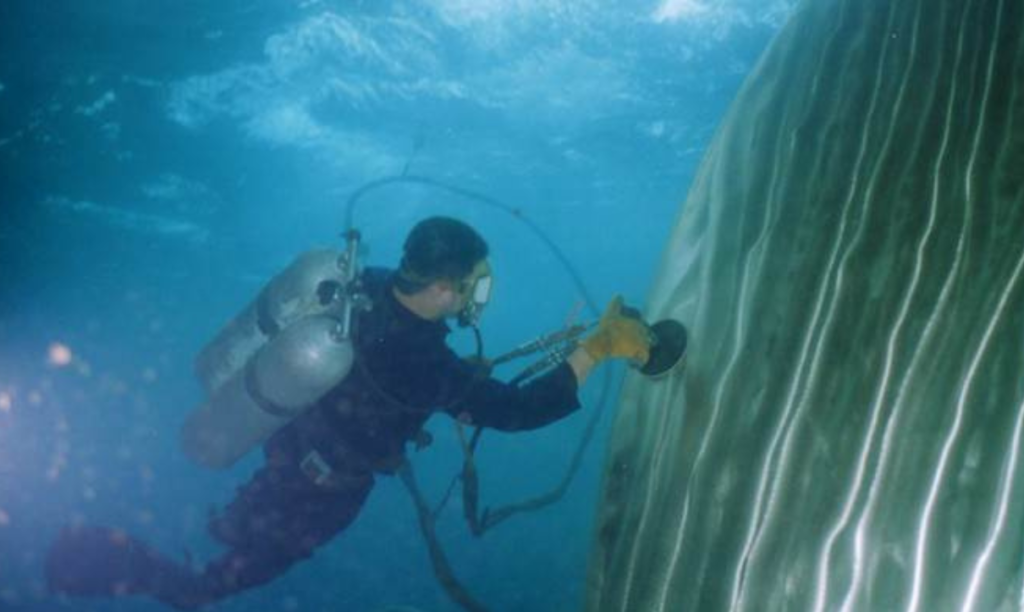
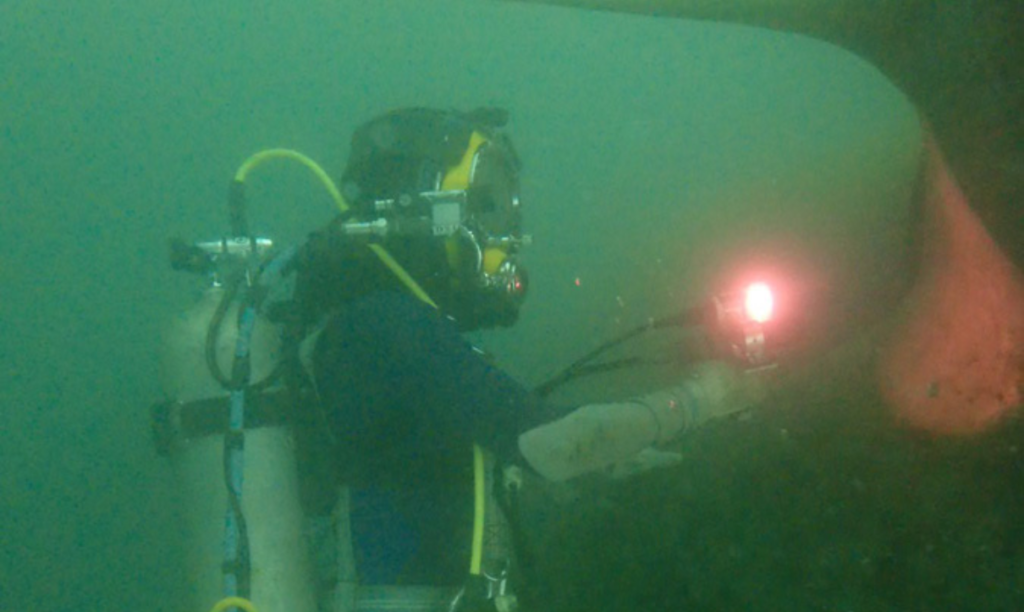
Professional ROV Hull Inspection in Mormugao reduces the need for commercial divers in certain inspection scenarios by using remotely operated robotic systems. The ROV can safely inspect confined or difficult-to-access underwater areas while operators remain on the surface.
This technology helps minimize risks while maintaining inspection quality.
4. Delivers High-Quality Inspection Data
Accurate inspections depend on clear underwater visibility.
Modern ROV Hull Inspection in Mormugao services use high-definition cameras, adjustable lighting, and image stabilization systems to capture detailed underwater footage. Engineers receive clear videos and photographs that support accurate condition assessments and maintenance planning.
High-quality documentation also assists during future inspections by providing reliable comparison records.
5. Minimizes Operational Downtime
Commercial vessels operate on demanding schedules where every hour matters.
A significant benefit of ROV Hull Inspection in Mormugao is that inspections are typically completed while the vessel remains at berth or anchorage. Ships continue operating with minimal schedule disruption, avoiding unnecessary delays associated with dry docking.
This flexibility is particularly valuable for offshore support vessels, harbor craft, and coastal shipping operations.
6. Supports Better Maintenance Planning
Reliable inspection data improves maintenance efficiency.
A comprehensive ROV Hull Inspection in Mormugao provides technical managers with accurate visual information about hull condition, coating performance, marine growth, and underwater equipment. Maintenance activities can then be planned according to actual inspection findings rather than estimated schedules.
This condition-based maintenance approach reduces unnecessary repairs while improving long-term asset management.
7. Suitable for Multiple Marine Assets
ROV technology is not limited to vessel inspections.
Besides commercial ships, ROV Hull Inspection in Mormugao is widely used to inspect offshore platforms, quay walls, underwater pipelines, bridge foundations, intake structures, mooring systems, and other submerged marine infrastructure. Port authorities and offshore operators rely on ROV inspections because they provide efficient underwater assessments without interrupting operations.
The versatility of ROV technology makes it valuable across the maritime industry.
Industries That Benefit from ROV Hull Inspection
ROV Hull Inspection in Mormugao supports many sectors of the marine industry.
Commercial shipping companies inspect hulls before long international voyages to verify underwater conditions. Offshore support vessels undergo routine inspections after demanding offshore assignments to ensure propulsion systems remain in good condition.
Tankers, container ships, dredgers, fishing vessels, harbor tugs, and passenger ferries all benefit from regular underwater inspections. Port authorities also use ROV technology to inspect underwater harbor infrastructure and marine facilities while maintaining normal port operations.
Choosing the Right ROV Hull Inspection Service
Accurate underwater inspections require both experienced operators and reliable equipment.
A dependable ROV Hull Inspection in Mormugao provider should use advanced ROV systems equipped with HD cameras, powerful underwater lighting, live video monitoring, and experienced marine inspection personnel. Detailed inspection reports with photographs and recorded videos help vessel owners understand underwater conditions and prioritize maintenance effectively.
Working with experienced marine inspection specialists ensures dependable results while supporting safe and efficient vessel operations.
Conclusion
Modern vessel maintenance depends on accurate underwater inspections that minimize downtime while delivering reliable technical information. ROV technology has transformed the way underwater hull inspections are performed by providing safe, efficient, and highly detailed underwater assessments.
Investing in ROV Hull Inspection in Mormugao enables ship owners, offshore operators, and port authorities to detect underwater defects early, improve maintenance planning, reduce unnecessary dry dock visits, and protect valuable marine assets. Whether inspecting cargo ships, offshore vessels, tankers, or port infrastructure, ROV inspections provide dependable information that supports safer operations and better long-term asset management.
As maritime activity at Mormugao continues to grow, ROV-based underwater inspections will remain an essential part of preventive marine maintenance and operational excellence.
FAQs:
Q1. What is an ROV Hull Inspection in Mormugao?
An ROV Hull Inspection in Mormugao is an underwater inspection performed using a remotely operated vehicle equipped with high-definition cameras to examine a vessel’s submerged structures while it remains afloat.
Q2. What areas are inspected during an ROV hull inspection?
The inspection generally covers the hull, propeller, rudder, thrusters, sea chests, bilge keels, sacrificial anodes, underwater valves, and other submerged components.
Q3. Can ROV inspections replace commercial divers?
In many visual inspection applications, ROVs can perform inspections without requiring divers. However, repairs, cleaning, or certain specialized tasks may still require commercial diving teams.
Q4. Which vessels benefit from ROV hull inspections?
Cargo ships, tankers, container vessels, offshore support vessels, fishing boats, harbor tugs, passenger ferries, and many other commercial marine vessels benefit from routine ROV inspections.
Q5. How often should an ROV hull inspection be carried out?
The inspection frequency depends on vessel type, operating conditions, maintenance schedules, classification requirements, and underwater exposure. Regular inspections help identify defects early and improve preventive maintenance planning.