ROV Hull Inspection in JNPT:

  • Home
  • Blog
  • Tag: ROV Hull Inspection in JNPT:
  • Page 2
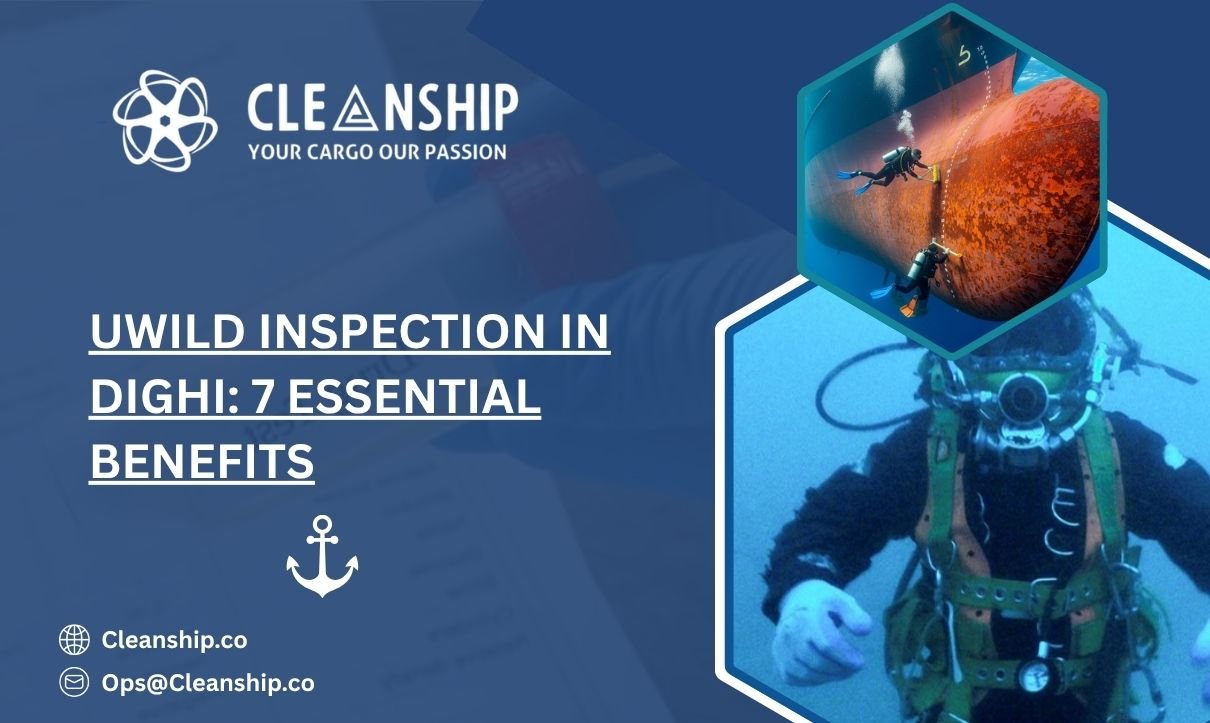
UWILD Inspection in Dighi

UWILD Inspection in Dighi: 7 Essential Benefits

Dighi Port has steadily grown into an important maritime hub on India’s western coast, handling bulk carriers, tankers, offshore support vessels, and coastal cargo ships. With vessel schedules becoming tighter and operating costs continuing to rise, shipping companies are looking for smarter ways to complete mandatory underwater inspections without interrupting commercial operations. This is where UWILD Inspection in Dighi has become an increasingly valuable solution. Underwater Inspection in Lieu of Drydocking (UWILD) allows eligible vessels to undergo underwater surveys while remaining afloat. Instead of taking a ship into dry dock for routine underwater examinations, certified commercial divers and remotely operated vehicles (ROVs) inspect critical underwater components under approved procedures. This approach saves valuable time while maintaining the high inspection standards expected by classification societies. For shipowners and fleet managers, UWILD Inspection in Dighi offers a practical balance between regulatory compliance, operational efficiency, and cost control. What is UWILD Inspection? UWILD Inspection in Dighi is a structured underwater survey performed instead of a scheduled dry dock inspection, provided the vessel meets the eligibility criteria established by its classification society. The inspection evaluates the condition of submerged structures while the ship remains afloat in a safe operating environment. During the inspection, certified divers or ROV operators examine the hull, propeller, rudder, sea chests, thrusters, intake gratings, sacrificial anodes, and other underwater equipment. High-definition videos, photographs, and inspection reports are recorded to provide technical managers with a complete assessment of the vessel’s underwater condition. The result is a reliable inspection process that supports maintenance planning without unnecessary operational delays. Why Dighi is an Ideal Location for UWILD Inspection Dighi serves vessels operating along India’s western coastline and international trade routes. Many ships spend only a limited time alongside the berth, making efficient maintenance services especially valuable. Choosing UWILD Inspection in Dighi allows operators to combine underwater inspections with cargo loading, unloading, or bunkering operations. Rather than scheduling an additional dry dock visit, vessel owners receive accurate inspection data during an already planned port stay. This flexibility helps reduce operational interruptions while improving fleet utilization. 1. Reduces Dry Dock Dependency One of the biggest advantages of UWILD Inspection in Dighi is that eligible vessels may complete approved underwater inspections without entering dry dock. For example, a bulk carrier arriving in Dighi to discharge cargo can undergo a UWILD survey while remaining afloat. If the vessel satisfies applicable class requirements, operators can continue the voyage without scheduling an immediate dry dock inspection. This approach reduces both maintenance costs and operational disruptions. 2. Minimizes Vessel Downtime Every day spent in dry dock represents lost commercial opportunities. Charter schedules, cargo commitments, and voyage planning all depend on vessel availability. Professional UWILD Inspection in Dighi helps minimize downtime by allowing underwater inspections to take place during normal port operations. Cargo handling often continues while certified inspection teams complete underwater assessments. This efficient scheduling allows shipping companies to maximize vessel productivity. 3. Supports Classification Society Compliance Classification societies permit UWILD inspections for eligible vessels when approved procedures and documentation requirements are followed. A professional UWILD Inspection in Dighi includes detailed underwater videos, high-resolution photographs, inspection reports, and technical observations that support class surveys and regulatory reviews. Experienced marine inspection companies understand these requirements and work closely with vessel operators to ensure proper documentation. 4. Provides Accurate Underwater Assessment Modern underwater inspection technology delivers detailed information about submerged structures without requiring dry docking. During UWILD Inspection in Dighi, certified divers and ROV systems inspect hull coatings, propellers, rudders, sea chests, thrusters, weld seams, and structural components for corrosion, coating deterioration, marine growth, or physical damage. Accurate inspection results enable technical managers to make maintenance decisions based on actual vessel condition rather than assumptions. 5. Detects Problems Before They Escalate Small underwater defects can gradually become major repair projects if left unnoticed. Corrosion, loose sacrificial anodes, damaged coatings, marine growth, or minor propeller defects often begin as manageable maintenance issues. Routine UWILD Inspection in Dighi helps identify these problems early, allowing repairs to be scheduled before they affect vessel safety or operational performance. For instance, a tanker operating regular coastal voyages may discover localized coating damage during a UWILD inspection. Prompt repairs prevent the corrosion from spreading and help avoid more expensive maintenance later. 6. Reduces Long-Term Maintenance Costs Condition-based maintenance has become standard practice throughout the shipping industry. Instead of replacing components according to fixed schedules, operators increasingly rely on inspection data to determine actual maintenance requirements. Regular UWILD Inspection in Dighi provides the reliable information needed to prioritize repairs efficiently. Maintenance budgets can then focus on components that genuinely require attention. Over time, this strategy helps lower repair costs while extending the service life of underwater equipment. 7. Creates Reliable Maintenance Documentation Every UWILD inspection generates valuable technical records that support long-term asset management. Following UWILD Inspection in Dighi, operators receive comprehensive reports containing underwater photographs, high-definition videos, inspection findings, and maintenance recommendations. These documents become part of the vessel’s maintenance history and help technical managers monitor structural changes across multiple inspection cycles. Technologies Used During UWILD Inspection High-Definition Underwater Cameras Modern underwater cameras capture detailed images of submerged structures, coating conditions, corrosion, marine growth, and mechanical components. The high-quality recordings provide engineers with clear visual evidence that supports technical assessments and maintenance planning. Remotely Operated Vehicles (ROVs) ROVs have become an important part of modern UWILD Inspection in Dighi services. These remotely controlled systems inspect confined spaces and difficult underwater areas while transmitting live video to engineers on the surface. ROVs improve inspection efficiency and reduce diver exposure in challenging underwater environments. Digital Inspection Reports After completing UWILD Inspection in Dighi, marine service providers prepare detailed digital reports containing inspection summaries, underwater videos, photographs, and maintenance recommendations. These reports support classification surveys, insurance documentation, internal maintenance planning, and future vessel inspections. Choosing the Right UWILD Inspection Provider in Dighi Selecting an experienced marine inspection company is critical for obtaining accurate and reliable results. Shipowners should choose providers with certified commercial divers, experienced ROV operators, modern underwater equipment,
Read more
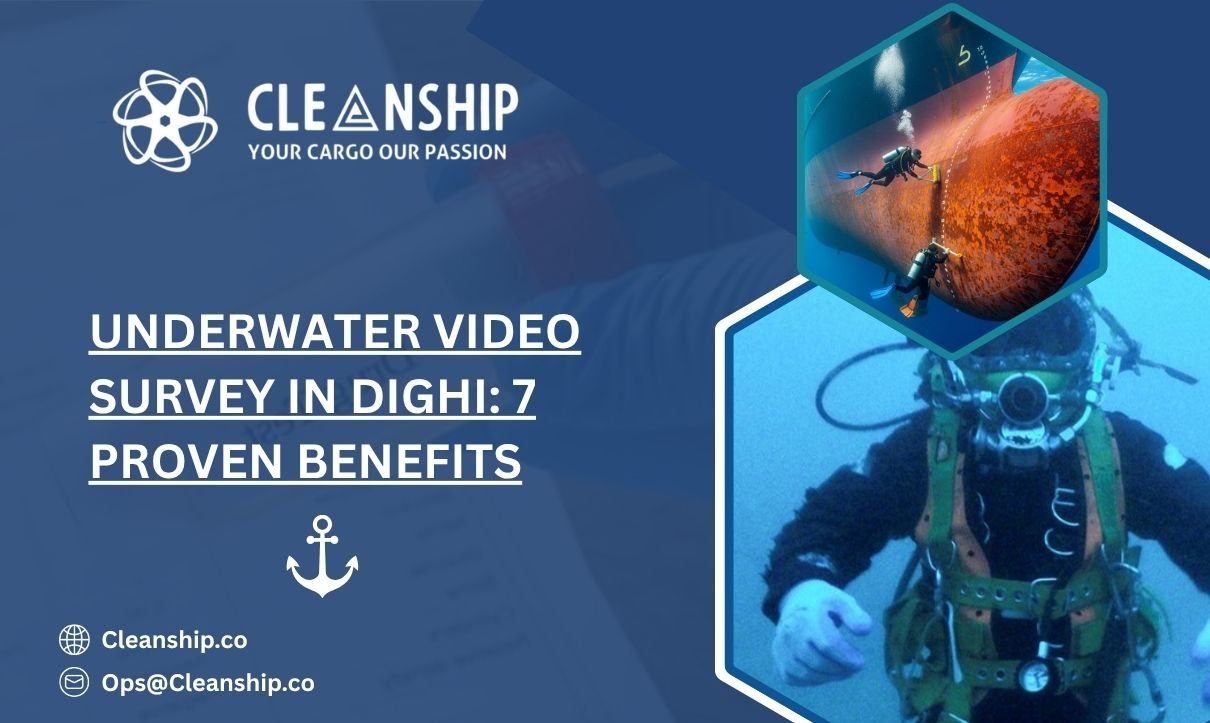
Underwater Video Survey in Dighi

Underwater Video Survey in Dighi: 7 Proven Benefits

Dighi Port has become an important destination for commercial shipping on India’s western coastline. Bulk carriers, offshore support vessels, tankers, coastal cargo ships, and general cargo vessels regularly call at the port, making efficient maintenance services more important than ever. Shipowners today are looking for inspection methods that provide accurate information while keeping vessels on schedule. This is why Underwater Video Survey in Dighi has become an essential service for modern marine operations. An underwater video survey gives vessel owners a clear visual assessment of submerged structures without requiring immediate dry docking. Using certified commercial divers or remotely operated vehicles (ROVs) equipped with high-definition cameras, marine specialists capture detailed footage of the hull and underwater equipment. The recorded video helps technical managers evaluate vessel condition, identify maintenance requirements, and make informed decisions with confidence. Whether a vessel is preparing for its next voyage or undergoing a routine inspection, an underwater video survey offers reliable insights that support safer and more efficient operations. What is an Underwater Video Survey? Underwater Video Survey in Dighi is a professional underwater inspection that uses high-definition video equipment to examine the submerged sections of a vessel while it remains afloat. The survey is performed by experienced commercial divers or ROV operators who record real-time footage of underwater structures. The inspection usually includes the hull, propeller, rudder, sea chests, thrusters, intake grilles, sacrificial anodes, and other submerged components. Every observation is documented through high-quality video and still images, allowing technical teams to review findings long after the inspection has been completed. The survey provides accurate visual evidence without interrupting normal vessel operations. Why Underwater Video Surveys are Important in Dighi Commercial vessels operating through Dighi often work on strict schedules where every hour counts. Delaying operations for unnecessary dry docking is rarely practical unless repairs are required. Choosing Underwater Video Survey in Dighi allows shipping companies to inspect underwater structures during scheduled port calls, cargo handling, or bunkering operations. Instead of relying solely on written observations, vessel owners receive clear visual documentation that helps them determine whether immediate maintenance is necessary. This approach saves time while improving maintenance planning. 1. Provides Accurate Visual Documentation One of the greatest strengths of Underwater Video Survey in Dighi is the quality of visual information it provides. High-definition underwater cameras capture detailed footage of submerged structures, making it easier to identify corrosion, coating damage, marine growth, cracks, or mechanical defects. For example, a bulk carrier arriving at Dighi for cargo operations can undergo a complete underwater survey during its port stay. The technical team receives video evidence that can be reviewed immediately or shared with shore-based engineers for further evaluation. Visual documentation removes much of the uncertainty associated with underwater inspections. 2. Reduces the Need for Unnecessary Dry Docking Not every underwater concern requires immediate dry docking. Many vessel owners simply need reliable information before making maintenance decisions. Routine Underwater Video Survey in Dighi helps determine whether underwater structures remain in satisfactory condition or whether repairs should be scheduled during the next planned maintenance period. This condition-based approach helps operators avoid unnecessary docking expenses while maintaining vessel safety. 3. Supports Faster Maintenance Decisions Technical managers often need accurate inspection data before approving maintenance work. Detailed underwater videos provide immediate insight into the actual condition of submerged equipment. Following an Underwater Video Survey in Dighi, engineers can review footage of the hull, propeller, rudder, and sea chests without waiting for the vessel to enter dry dock. This speeds up maintenance planning and allows repairs to be prioritized based on actual inspection findings rather than assumptions. 4. Improves Vessel Safety Hidden underwater damage can gradually affect vessel performance if it remains undetected. Corrosion, damaged coatings, propeller defects, or marine growth may eventually contribute to operational problems. Professional Underwater Video Survey in Dighi helps identify these issues before they become serious safety concerns. Early detection allows maintenance teams to address problems during planned maintenance rather than responding to unexpected failures. This proactive approach improves both vessel reliability and crew safety. 5. Supports Classification and Insurance Requirements Many classification societies, insurers, and vessel operators require accurate documentation of underwater structures during inspections and maintenance programs. An Underwater Video Survey in Dighi provides recorded evidence that supports technical reviews, insurance claims, condition assessments, and future surveys. The recorded footage also creates a valuable maintenance history that can be referenced whenever required. Comprehensive documentation simplifies communication between shipowners, surveyors, and technical management teams. 6. Minimizes Operational Downtime Traditional underwater inspections often required extensive diver operations or immediate dry docking. Modern video surveys are much more flexible. Professional Underwater Video Survey in Dighi can often be completed while the vessel remains afloat during routine cargo handling or port operations. This allows shipping companies to maintain commercial schedules without sacrificing inspection quality. Reduced downtime contributes directly to improved operational efficiency and lower overall costs. 7. Helps Plan Preventive Maintenance Preventive maintenance depends on accurate information. Underwater video surveys provide technical managers with clear evidence of hull condition, marine growth, coating performance, and structural integrity. By scheduling regular Underwater Video Survey in Dighi, shipping companies can monitor changes over time, identify developing issues early, and plan maintenance activities more effectively. For fleet operators managing multiple vessels, this data-driven approach supports better long-term asset management. Technologies Used During Underwater Video Surveys High-Definition Underwater Cameras Modern underwater cameras produce exceptionally clear videos that reveal even minor coating defects, corrosion, marine growth, and structural irregularities. These cameras perform well in varying underwater conditions and provide reliable inspection evidence for technical evaluations. Remotely Operated Vehicles (ROVs) Many service providers combine commercial diving with ROV technology. ROVs access confined spaces, inspect difficult underwater areas, and provide continuous live video without exposing divers to unnecessary risks. This combination improves both inspection efficiency and safety. Digital Reporting Systems After completing an Underwater Video Survey in Dighi, operators receive digital reports containing recorded videos, underwater photographs, inspection summaries, and maintenance recommendations. These reports become permanent maintenance records that help support future inspections and repair planning. Choosing
Read more
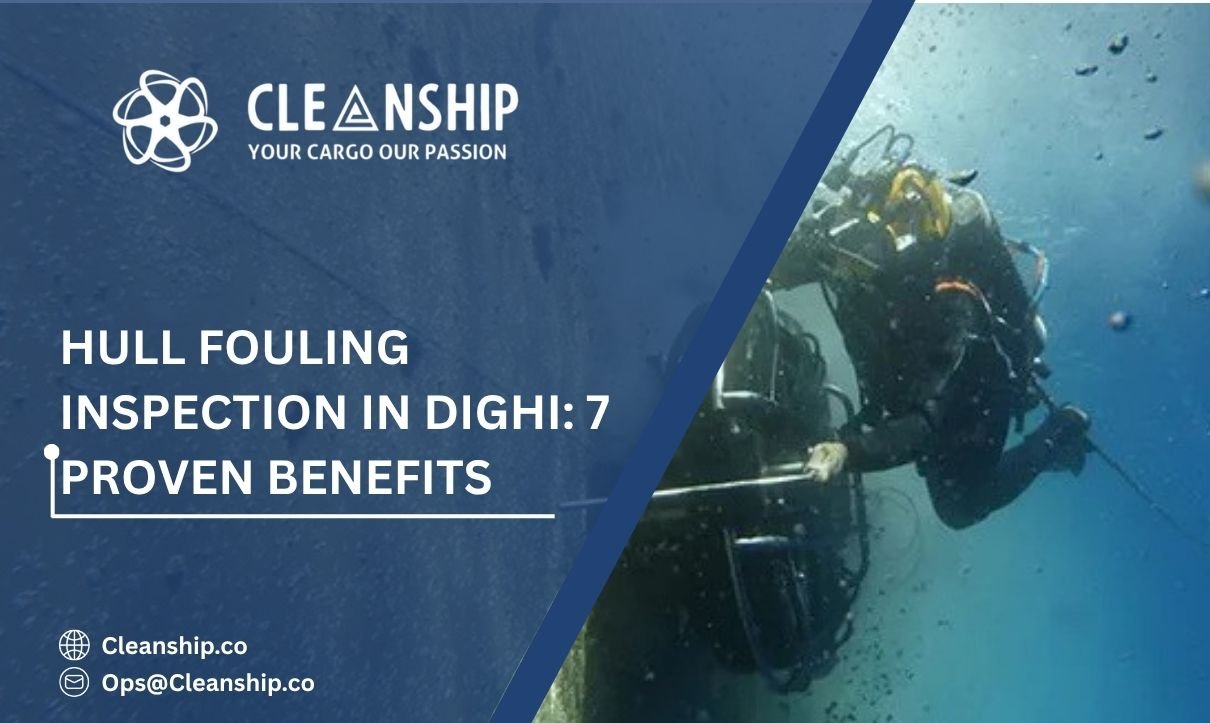
Hull Fouling Inspection in Dighi

Hull Fouling Inspection in Dighi: 7 Proven Benefits

Dighi Port continues to strengthen its position as an important maritime hub on India’s western coast, welcoming bulk carriers, coastal cargo vessels, offshore support vessels, and tankers throughout the year. As commercial shipping becomes more focused on fuel efficiency and preventive maintenance, vessel operators are paying closer attention to underwater hull conditions. One service that has become increasingly valuable is Hull Fouling Inspection in Dighi. Marine organisms such as algae, slime, barnacles, mussels, and tube worms begin attaching to a ship’s hull shortly after it enters seawater. While this growth may appear insignificant at first, it gradually increases hull resistance, raises fuel consumption, and reduces vessel performance. If left unchecked, biofouling can also contribute to coating damage and higher maintenance costs. A professional hull fouling inspection helps shipowners understand the condition of the underwater hull before marine growth becomes a serious operational issue. With timely inspections, operators can plan cleaning schedules, protect vessel performance, and avoid unnecessary expenses. What is Hull Fouling Inspection? Hull Fouling Inspection in Dighi is an underwater assessment that evaluates the amount and type of marine growth attached to a vessel’s submerged surfaces. Certified commercial divers or remotely operated vehicles (ROVs) inspect the hull using high-definition cameras, underwater lighting, and digital recording systems. The inspection typically covers the hull plating, flat bottom, bilge keels, propeller, rudder, sea chests, thrusters, and other underwater structures where marine organisms commonly accumulate. After the survey, the vessel owner receives a detailed inspection report with photographs, videos, and recommendations for cleaning or maintenance if required. Why Hull Fouling Inspection is Important in Dighi Ships operating through Dighi frequently sail in warm coastal waters that encourage rapid marine growth. Even vessels operating on regular schedules can develop biofouling within a relatively short period. Choosing Hull Fouling Inspection in Dighi allows operators to evaluate underwater conditions before performance begins to decline. Instead of waiting until excessive fouling affects fuel efficiency or propulsion, maintenance teams can schedule cleaning at the right time. This proactive approach helps reduce operating costs while supporting long-term vessel reliability. 1. Detects Marine Growth at an Early Stage One of the biggest advantages of Hull Fouling Inspection in Dighi is early detection of marine growth. Small patches of algae or slime can quickly develop into heavy barnacle accumulation if ignored. For example, a coastal cargo vessel making regular voyages between Dighi and nearby ports may initially develop only light biofouling. An underwater inspection identifies the problem early, allowing cleaning before fuel consumption begins to increase significantly. Early action prevents minor fouling from becoming a major maintenance issue. 2. Improves Fuel Efficiency Marine growth creates additional resistance between the hull and surrounding water. As resistance increases, the vessel requires more engine power to maintain normal operating speed. Routine Hull Fouling Inspection in Dighi helps operators identify when hull cleaning becomes necessary. Maintaining a cleaner hull reduces hydrodynamic drag and improves fuel efficiency throughout each voyage. For shipping companies operating multiple vessels, these savings can have a measurable impact on annual operating costs. 3. Protects Hull Coatings Anti-fouling coatings are designed to reduce marine growth and protect the hull against corrosion. However, excessive biofouling can eventually affect coating performance if not addressed promptly. Professional Hull Fouling Inspection in Dighi allows inspectors to evaluate both marine growth and coating condition. Any signs of coating damage, blistering, or localized corrosion can be documented before they develop into more expensive repairs. Protecting hull coatings also extends the interval between major dry docking projects. 4. Supports Better Maintenance Planning Accurate maintenance decisions depend on reliable inspection data. Rather than cleaning the hull according to a fixed schedule, shipowners can base maintenance activities on the vessel’s actual condition. Regular Hull Fouling Inspection in Dighi provides technical managers with visual evidence that supports more efficient maintenance planning. For instance, an offshore support vessel may require only localized cleaning instead of a full hull cleaning, reducing both maintenance costs and operational downtime. 5. Helps Maintain Vessel Performance A clean hull contributes to smoother movement through the water, better maneuverability, and improved propulsion efficiency. Routine Hull Fouling Inspection in Dighi allows operators to maintain these performance standards by identifying marine growth before it significantly affects vessel operation. Ships carrying time-sensitive cargo particularly benefit from maintaining consistent voyage speeds and predictable fuel consumption. 6. Supports Environmental Compliance Fuel-efficient vessels produce fewer emissions and contribute to more sustainable shipping operations. Many shipping companies now include underwater hull inspections as part of their environmental management programs. Professional Hull Fouling Inspection in Dighi helps identify fouling that may increase fuel consumption and greenhouse gas emissions. Early intervention supports compliance with modern environmental standards while reducing unnecessary operational costs. A well-maintained hull also lowers the risk of transporting invasive marine species between ports. 7. Minimizes Unexpected Downtime Unexpected maintenance often disrupts commercial schedules and increases operating expenses. Regular underwater inspections reduce this risk by identifying problems before they require emergency action. Professional Hull Fouling Inspection in Dighi can be completed while the vessel remains afloat during routine port calls, allowing operators to combine inspection activities with cargo handling or bunkering operations. This flexibility minimizes operational interruptions while supporting efficient maintenance planning. Technologies Used During Hull Fouling Inspection High-Definition Underwater Cameras Modern underwater cameras capture detailed images of marine growth, hull coatings, corrosion, and submerged structures. High-quality visuals allow surveyors to accurately evaluate fouling severity. These images also provide valuable reference points for future inspections. Remotely Operated Vehicles (ROVs) Many inspection providers now use ROVs alongside commercial divers. These remotely operated systems access difficult underwater areas while transmitting live video to inspection engineers. ROVs improve inspection efficiency, particularly around sea chests, thrusters, and confined spaces. Digital Reporting Systems Following Hull Fouling Inspection in Dighi, operators receive comprehensive digital reports containing photographs, videos, inspection findings, and maintenance recommendations. These reports support technical decision-making while creating a permanent maintenance history for each vessel. Choosing the Right Hull Fouling Inspection Service in Dighi Selecting an experienced inspection company is essential for obtaining accurate results. Shipowners should work with
Read more
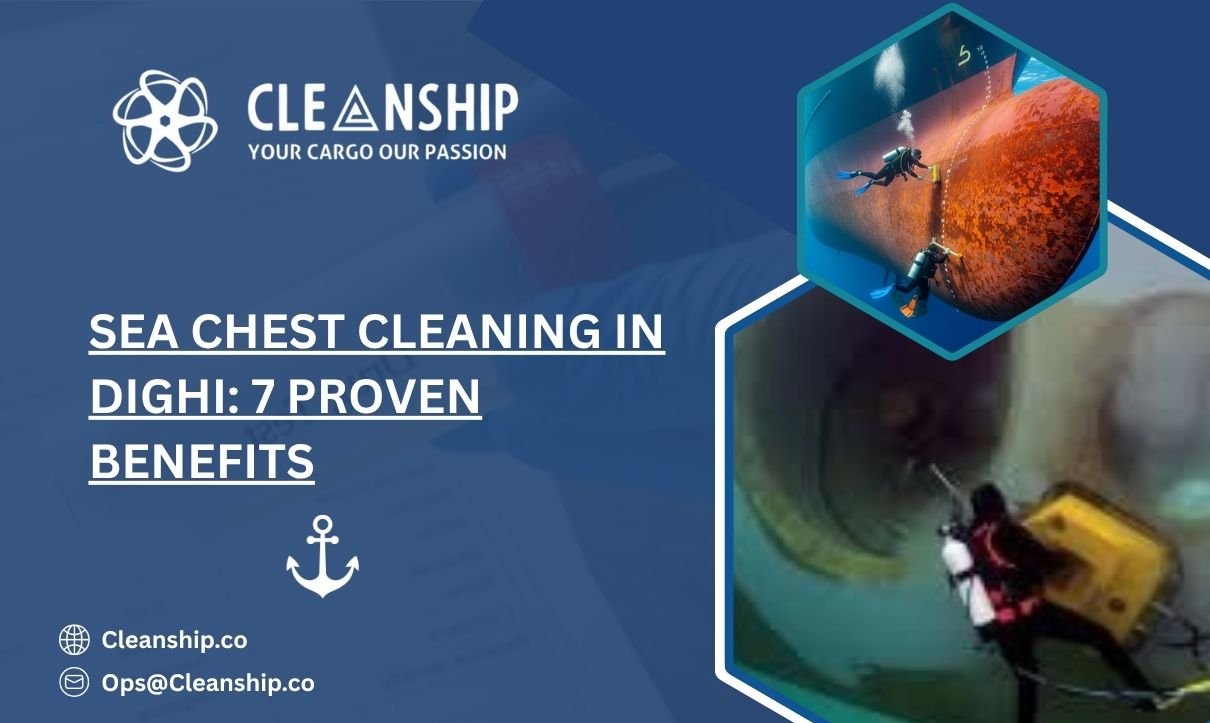
Sea Chest Cleaning in Dighi

Sea Chest Cleaning in Dighi: 7 Proven Benefits

Dighi Port has emerged as an important maritime destination on India’s west coast, supporting bulk carriers, offshore support vessels, coastal cargo ships, and tankers. As commercial shipping continues to grow, vessel owners are placing greater emphasis on preventive maintenance that keeps ships operating efficiently without unnecessary delays. One service that plays a crucial role in this process is Sea Chest Cleaning in Dighi. Although sea chests are hidden beneath the waterline, they are essential to a vessel’s operation. They supply seawater to cooling systems, ballast systems, fire-fighting equipment, and other onboard machinery. Over time, marine growth such as barnacles, algae, mussels, and debris can clog sea chest openings and strainers, restricting water flow and affecting equipment performance. Professional sea chest cleaning removes these obstructions while the vessel remains afloat. By restoring proper seawater circulation, shipowners can avoid unexpected equipment failures, reduce maintenance costs, and keep vessels on schedule. What is Sea Chest Cleaning? Sea Chest Cleaning in Dighi is an underwater maintenance service that removes marine growth, sediment, shellfish, and debris from a vessel’s sea chest and intake gratings. Certified commercial divers use specialized underwater equipment to clean the sea chest openings and ensure unrestricted seawater flow. The service may also include underwater inspections to check the condition of gratings, valves, surrounding hull areas, and intake structures. Any visible damage, corrosion, or blockage can be documented and reported for future maintenance planning. Routine cleaning helps maintain efficient cooling system performance while reducing the risk of operational disruptions. Why Sea Chest Cleaning is Important in Dighi Ships operating through Dighi often spend extended periods in coastal waters where marine organisms grow rapidly. Warm seawater creates ideal conditions for barnacles, algae, and shellfish to accumulate around underwater intake systems. Choosing Sea Chest Cleaning in Dighi allows shipowners to remove these deposits before they begin affecting onboard machinery. Instead of waiting until cooling problems develop, operators can maintain uninterrupted seawater circulation through regular preventive maintenance. This proactive approach supports both vessel reliability and operational efficiency. 1. Prevents Cooling System Blockages The primary function of the sea chest is to supply seawater to various onboard cooling systems. When intake openings become blocked by marine growth or debris, water flow decreases, increasing the risk of overheating. Routine Sea Chest Cleaning in Dighi removes these obstructions before they interfere with engine cooling and auxiliary machinery. For example, a coastal cargo vessel making regular calls at Dighi may gradually experience reduced seawater flow due to barnacle accumulation. Cleaning the sea chest restores normal circulation and prevents costly machinery shutdowns. 2. Improves Engine Performance Marine engines rely on consistent cooling to operate efficiently. Restricted seawater intake forces cooling systems to work harder and may reduce engine performance over time. Professional Sea Chest Cleaning in Dighi helps maintain proper cooling water flow, allowing propulsion and auxiliary engines to operate within their intended temperature range. This contributes to smoother vessel performance and improved operational reliability throughout each voyage. 3. Reduces Maintenance Costs Unexpected machinery failures often lead to expensive repairs and operational delays. Preventive maintenance is generally far more economical than emergency breakdown repairs. Regular Sea Chest Cleaning in Dighi minimizes the likelihood of cooling system failures by addressing marine growth before it creates serious operational problems. Fleet managers benefit from lower maintenance expenses while extending the service life of onboard equipment. 4. Supports Efficient Ballast and Firefighting Systems Sea chests supply seawater to more than just engine cooling systems. Ballast operations, firefighting systems, and other essential onboard equipment also depend on unrestricted seawater intake. Routine Sea Chest Cleaning in Dighi helps ensure these systems remain fully operational whenever required. Reliable seawater supply becomes especially important during emergency situations where equipment performance cannot be compromised. 5. Detects Underwater Problems Early Cleaning operations provide divers with an opportunity to inspect surrounding underwater structures while working around the sea chest. During Sea Chest Cleaning in Dighi, technicians may identify corrosion, damaged gratings, loose fasteners, coating deterioration, or marine growth affecting nearby hull areas. Early identification allows maintenance teams to schedule repairs before problems become larger and more expensive. 6. Minimizes Vessel Downtime One of the biggest advantages of underwater sea chest cleaning is that it can usually be performed without dry docking. Professional Sea Chest Cleaning in Dighi allows certified divers to clean intake systems while the vessel remains afloat during scheduled port operations. Cargo loading, unloading, or bunkering may continue simultaneously, depending on operational and safety requirements. This significantly reduces maintenance-related interruptions while keeping commercial schedules intact. 7. Supports Regulatory Compliance and Operational Reliability Shipping companies must maintain vessels in safe operating condition while complying with class requirements and industry standards. Routine Sea Chest Cleaning in Dighi supports preventive maintenance programs by ensuring seawater intake systems continue operating efficiently. Inspection records generated during cleaning also help technical managers document maintenance activities for internal planning and future surveys. Reliable intake systems contribute directly to safer and more dependable vessel operations. Modern Technologies Used in Sea Chest Cleaning Certified Commercial Diving Equipment Experienced commercial divers use specialized hydraulic cleaning tools, underwater suction equipment, and manual cleaning techniques to remove marine growth safely and efficiently. Proper cleaning methods protect sea chest gratings while restoring unrestricted seawater flow. Underwater Cameras and ROV Support Many marine service providers combine diver operations with remotely operated vehicles (ROVs). High-definition underwater cameras capture detailed images of cleaned areas and help inspect confined spaces where diver access may be limited. The additional documentation improves inspection quality and maintenance reporting. Digital Inspection Reports After completing Sea Chest Cleaning in Dighi, service providers typically supply digital reports containing photographs, underwater videos, cleaning summaries, and maintenance observations. These reports become valuable maintenance records that assist technical managers in planning future inspections and servicing. Choosing the Right Sea Chest Cleaning Service in Dighi Selecting a qualified marine contractor is essential for achieving safe and effective cleaning results. Shipowners should choose providers with certified commercial divers, modern underwater equipment, experienced inspection teams, and strong knowledge of commercial vessel maintenance. A professional contractor will inspect
Read more
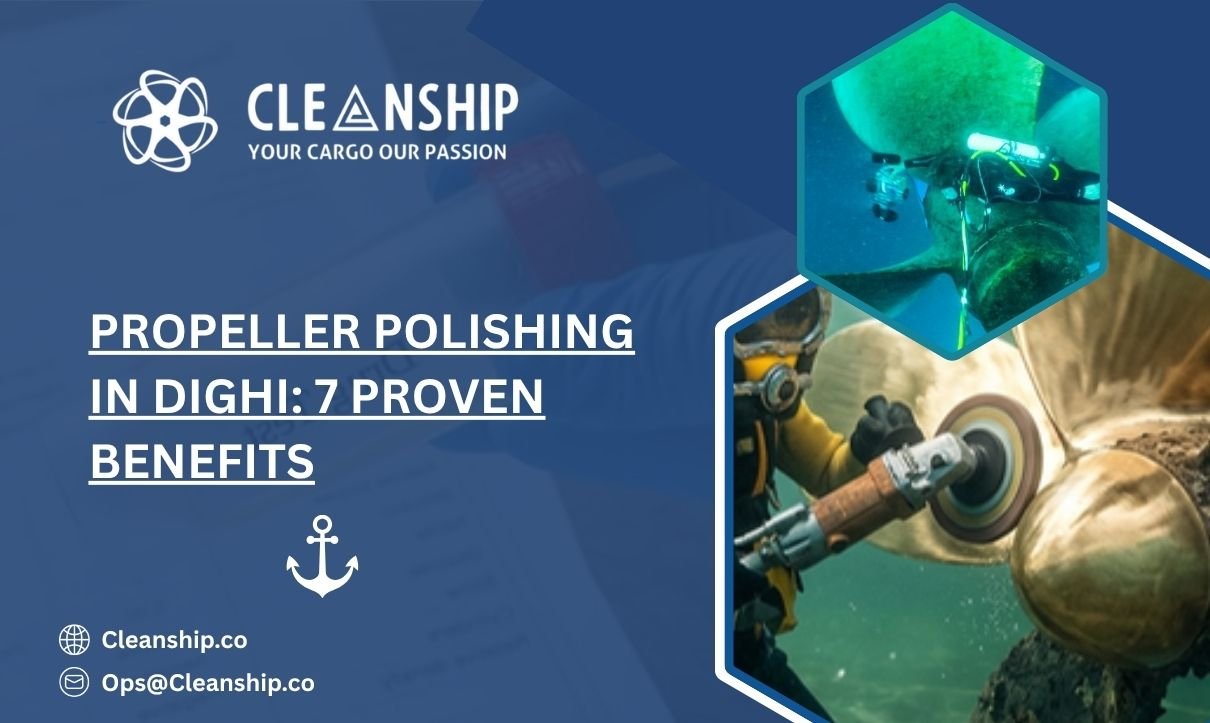
Propeller Polishing in Dighi

Propeller Polishing in Dighi: 7 Proven Benefits

Dighi Port has become an increasingly important gateway for coastal and international shipping along India’s western coastline. From bulk carriers and offshore support vessels to tankers and general cargo ships, a wide range of vessels call at the port every year. As shipping companies work to improve efficiency and reduce operating costs, underwater maintenance has become more important than ever. One service that consistently delivers measurable results is Propeller Polishing in Dighi. The propeller is responsible for converting engine power into forward movement. Even a thin layer of marine growth, scale, or surface roughness can reduce propulsion efficiency, forcing the engine to consume more fuel to maintain the same speed. Over time, this seemingly minor issue can lead to higher operating costs and reduced vessel performance. Professional propeller polishing restores the smooth surface of the propeller without requiring dry docking. The service helps vessels maintain optimal propulsion efficiency while reducing fuel consumption and supporting reliable voyage schedules. What is Propeller Polishing? Propeller Polishing in Dighi is an underwater maintenance procedure that removes marine growth, oxidation, mineral deposits, and surface imperfections from a vessel’s propeller while the ship remains afloat. Certified commercial divers use specialized polishing tools and approved techniques to restore the propeller’s smooth finish without damaging the metal surface. Depending on the vessel’s condition, the process may also include a visual inspection to identify signs of cavitation, blade damage, corrosion, or mechanical wear. Routine propeller polishing helps vessels maintain efficient propulsion and contributes to long-term operational reliability. Why Dighi is an Ideal Location for Propeller Polishing Dighi serves commercial vessels operating along India’s western coast and international trade routes. Many ships spend only a limited time at berth, making efficient underwater maintenance services especially valuable. Choosing Propeller Polishing in Dighi allows shipowners to complete essential maintenance during scheduled port calls rather than waiting for the next dry docking period. Since the vessel remains afloat, operators save valuable time while maintaining commercial schedules. For fleet managers responsible for multiple vessels, this flexibility supports better maintenance planning and improved asset utilization. 1. Improves Fuel Efficiency One of the biggest advantages of Propeller Polishing in Dighi is improved fuel efficiency. A smooth propeller moves water more effectively than one covered with marine growth or surface deposits. For example, a bulk carrier operating between Dighi and Middle Eastern ports may gradually experience increased fuel consumption after several months at sea. Following professional propeller polishing, the vessel often requires less engine power to maintain cruising speed, leading to noticeable fuel savings. Over the course of a year, even small improvements in efficiency can significantly reduce operating costs. 2. Reduces Hydrodynamic Resistance Marine growth and surface roughness create additional resistance as the propeller rotates through the water. This reduces propulsion efficiency and increases the workload on the engine. Routine Propeller Polishing in Dighi restores the propeller’s smooth finish, allowing water to flow more efficiently across the blade surfaces. Reduced resistance improves propulsion performance and supports consistent vessel speed. This becomes particularly valuable for ships operating under fixed charter schedules where punctual arrivals are essential. 3. Enhances Vessel Performance A clean, polished propeller improves thrust generation, acceleration, maneuverability, and overall vessel responsiveness. These improvements contribute to smoother operations in both open sea conditions and confined port environments. A tanker regularly visiting Dighi, for instance, may experience improved handling after propeller polishing, particularly during docking and departure maneuvers where precise vessel control is important. Better propulsion efficiency also helps maintain planned voyage speeds without increasing engine output. 4. Extends Propeller Service Life Marine deposits, corrosion, and oxidation gradually affect the condition of propeller surfaces. If left untreated, these issues may contribute to premature wear and reduced equipment lifespan. Regular Propeller Polishing in Dighi removes surface contaminants before they cause long-term damage. Combined with periodic inspections, polishing helps preserve the structural integrity of the propeller and delays the need for costly repairs or replacements. Preventive maintenance continues to be one of the most cost-effective strategies in commercial shipping. 5. Supports Lower Emissions Fuel efficiency and environmental performance are closely connected. When propulsion systems operate more efficiently, engines consume less fuel and produce fewer emissions. Professional Propeller Polishing in Dighi contributes to cleaner vessel operations by improving propulsion efficiency and reducing unnecessary fuel consumption. This supports shipping companies working toward environmental compliance and sustainability goals. As international regulations continue evolving, maintaining efficient underwater equipment becomes increasingly important. 6. Helps Detect Underwater Damage Early Propeller polishing often includes a detailed visual examination of the propeller and surrounding underwater components. During the process, divers may identify cavitation damage, blade cracks, corrosion, loose fasteners, or other developing issues. Routine Propeller Polishing in Dighi allows technical managers to address these concerns before they become serious operational problems. Early detection reduces the likelihood of unexpected breakdowns while supporting more effective maintenance planning. 7. Minimizes Operational Downtime One of the greatest benefits of underwater propeller polishing is that it eliminates the need for immediate dry docking in many situations. Professional Propeller Polishing in Dighi can usually be completed while the vessel remains afloat during cargo handling or scheduled port operations. This allows shipping companies to maintain voyage schedules while still improving propulsion performance. Reduced downtime translates directly into higher vessel availability and better commercial efficiency. Technologies Used in Modern Propeller Polishing Specialized Underwater Polishing Equipment Commercial divers use purpose-built polishing tools designed to remove marine growth and oxidation without damaging the propeller surface. The equipment delivers consistent polishing quality while protecting the metal finish. Proper polishing techniques help restore hydrodynamic efficiency without removing excessive material. Underwater Inspection Systems Many service providers combine propeller polishing with underwater inspections using high-definition cameras and remotely operated vehicles (ROVs). These systems capture detailed images that help evaluate blade condition and identify maintenance requirements. The additional inspection provides valuable information for technical managers. Digital Inspection Reports Following Propeller Polishing in Dighi, operators often receive comprehensive reports containing underwater photographs, videos, polishing summaries, and maintenance observations. These records become part of the vessel’s maintenance history, making it easier to monitor
Read more
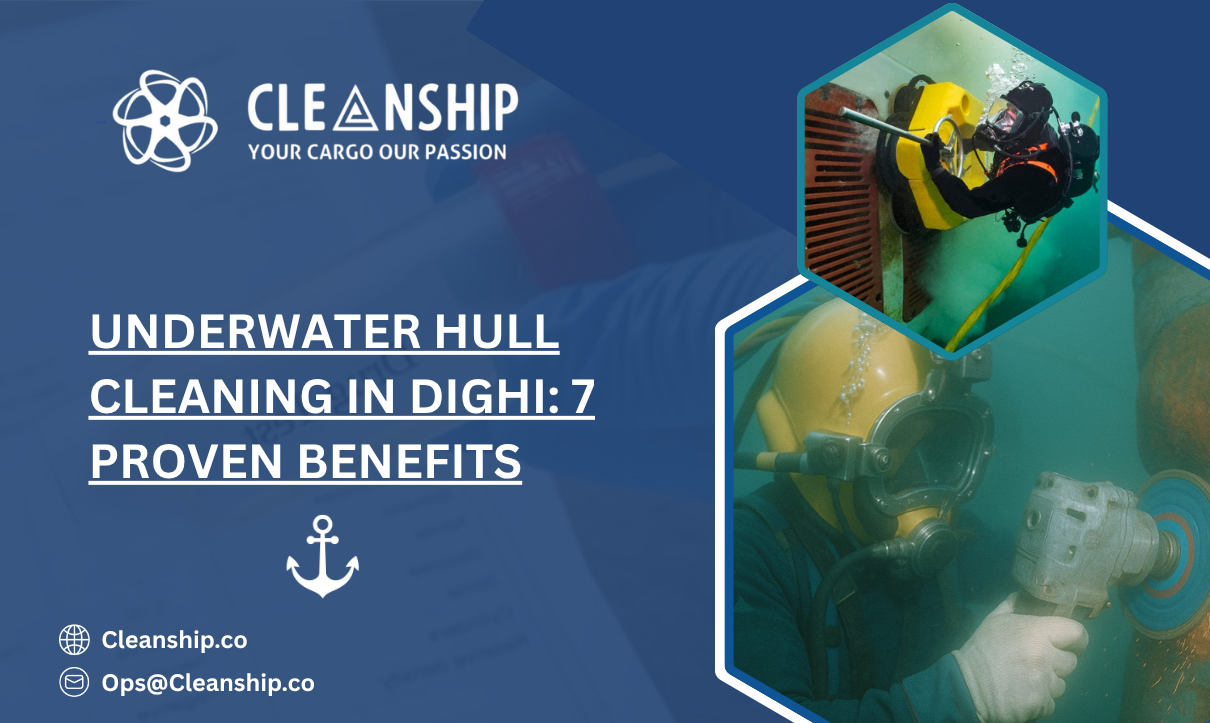
Underwater Hull Cleaning in Dighi

Underwater Hull Cleaning in Dighi: 7 Proven Benefits

Dighi Port has steadily become an important maritime hub on India’s western coast, serving bulk carriers, coastal cargo vessels, offshore support vessels, and general cargo ships. As vessel traffic increases, shipowners are placing greater emphasis on maintenance practices that improve operational efficiency without disrupting sailing schedules. One service that continues to gain importance is Underwater Hull Cleaning in Dighi. Marine growth begins forming on a vessel’s hull soon after it enters seawater. Slime, algae, barnacles, mussels, and other organisms attach to submerged surfaces, creating additional resistance as the vessel moves through the water. Even a relatively thin layer of fouling can increase fuel consumption and reduce overall performance. Professional underwater hull cleaning removes this marine growth while the vessel remains afloat. Instead of waiting for the next dry docking period, shipowners can restore hull efficiency during routine port calls, helping vessels operate more economically and reliably. What is Underwater Hull Cleaning? Underwater Hull Cleaning in Dighi is the process of removing marine growth from the submerged sections of a vessel without taking it out of the water. Certified commercial divers or specialized underwater cleaning systems remove algae, slime, barnacles, shellfish, and other biofouling organisms that accumulate during normal operations. The cleaning typically includes the hull, propeller, rudder, sea chests, thrusters, intake grilles, and other underwater structures. Once completed, technicians often perform a visual inspection to verify cleaning quality and identify any signs of coating damage or corrosion. Regular underwater cleaning helps maintain the vessel’s designed performance while supporting long-term maintenance planning. Why Dighi is a Suitable Location for Underwater Hull Cleaning Dighi serves vessels operating along India’s west coast as well as international shipping routes. Many ships have limited time alongside the berth, making efficient maintenance services especially valuable. Choosing Underwater Hull Cleaning in Dighi allows operators to complete essential hull maintenance while cargo handling or bunkering operations continue. This reduces unnecessary operational delays and enables vessels to return to service quickly. For fleet managers responsible for multiple ships, the ability to clean hulls without dry docking provides significant operational flexibility. 1. Improves Fuel Efficiency One of the most valuable benefits of Underwater Hull Cleaning in Dighi is improved fuel efficiency. Marine growth creates additional friction between the hull and surrounding water, forcing engines to generate more power to maintain speed. For example, a coastal cargo vessel operating between Dighi, Mumbai, and Goa may gradually experience increased fuel consumption due to barnacle accumulation. After professional hull cleaning, the vessel can move more efficiently through the water, reducing engine workload and lowering fuel costs. Over an entire fleet, these fuel savings can have a noticeable impact on operating expenses. 2. Reduces Hydrodynamic Drag A clean hull experiences less resistance while moving through water. Removing marine growth restores the vessel’s original hydrodynamic profile, allowing propulsion systems to perform as designed. Routine Underwater Hull Cleaning in Dighi helps ships maintain service speed with lower power requirements. Reduced drag also decreases stress on propulsion machinery, contributing to improved long-term reliability. For vessels operating on fixed schedules, consistent performance is essential for meeting delivery commitments. 3. Extends the Life of Hull Coatings Marine growth often traps moisture against the hull surface. Over time, this can contribute to coating deterioration and localized corrosion if left untreated. Regular Underwater Hull Cleaning in Dighi removes biological deposits before they cause long-term damage. Protecting the anti-fouling coating helps delay expensive recoating work during future dry dock periods. Preventive maintenance almost always costs less than repairing extensive coating failures. 4. Enhances Vessel Performance Hull fouling affects more than fuel consumption. It can also reduce maneuverability, decrease speed, and increase engine loading during normal operations. A bulk carrier loading cargo at Dighi, for instance, may notice reduced voyage efficiency after several months without underwater cleaning. Removing accumulated marine growth restores smoother water flow around the hull, allowing the vessel to perform closer to its original design specifications. This improvement benefits both operational reliability and voyage planning. 5. Supports Environmental Sustainability Lower fuel consumption directly contributes to reduced greenhouse gas emissions. As international shipping regulations continue to emphasize environmental performance, maintaining a clean hull has become increasingly important. Professional Underwater Hull Cleaning in Dighi helps vessels operate more efficiently while reducing unnecessary fuel usage caused by excessive hull resistance. Proper cleaning practices also help limit the transfer of invasive marine species between ports. These environmental advantages support sustainable shipping without compromising commercial performance. 6. Detects Maintenance Issues Early Many underwater cleaning operations include a visual assessment of submerged structures. During the cleaning process, technicians may identify coating damage, corrosion, damaged propeller blades, worn sacrificial anodes, or other developing issues. Routine Underwater Hull Cleaning in Dighi allows maintenance teams to address these concerns before they require costly emergency repairs. Early intervention helps extend equipment life while improving maintenance planning across the fleet. 7. Minimizes Vessel Downtime Traditional hull cleaning often required dry docking, which could interrupt commercial operations for several days. Modern underwater cleaning techniques eliminate much of this downtime. Professional Underwater Hull Cleaning in Dighi can often be completed while the vessel remains afloat during scheduled port calls. Cargo loading, unloading, and other operational activities may continue alongside cleaning work, depending on port regulations and safety procedures. This flexibility helps shipowners maximize vessel availability while maintaining hull performance. Technologies Used in Underwater Hull Cleaning Professional Diver Cleaning Systems Certified commercial divers use specialized hydraulic brushes, rotating cleaning tools, and environmentally responsible techniques to remove marine growth while protecting approved hull coatings. Experienced divers ensure cleaning is performed thoroughly without causing unnecessary surface damage. Remotely Operated Vehicles (ROVs) Many marine service providers now integrate remotely operated vehicles into inspection and cleaning projects. ROVs help inspect difficult-to-access underwater areas, verify cleaning quality, and capture high-definition video documentation. The combination of divers and ROVs improves both efficiency and inspection accuracy. Digital Inspection and Reporting After completing Underwater Hull Cleaning in Dighi, service providers often supply digital reports containing underwater photographs, videos, cleaning summaries, and maintenance observations. These reports allow technical managers to monitor hull
Read more
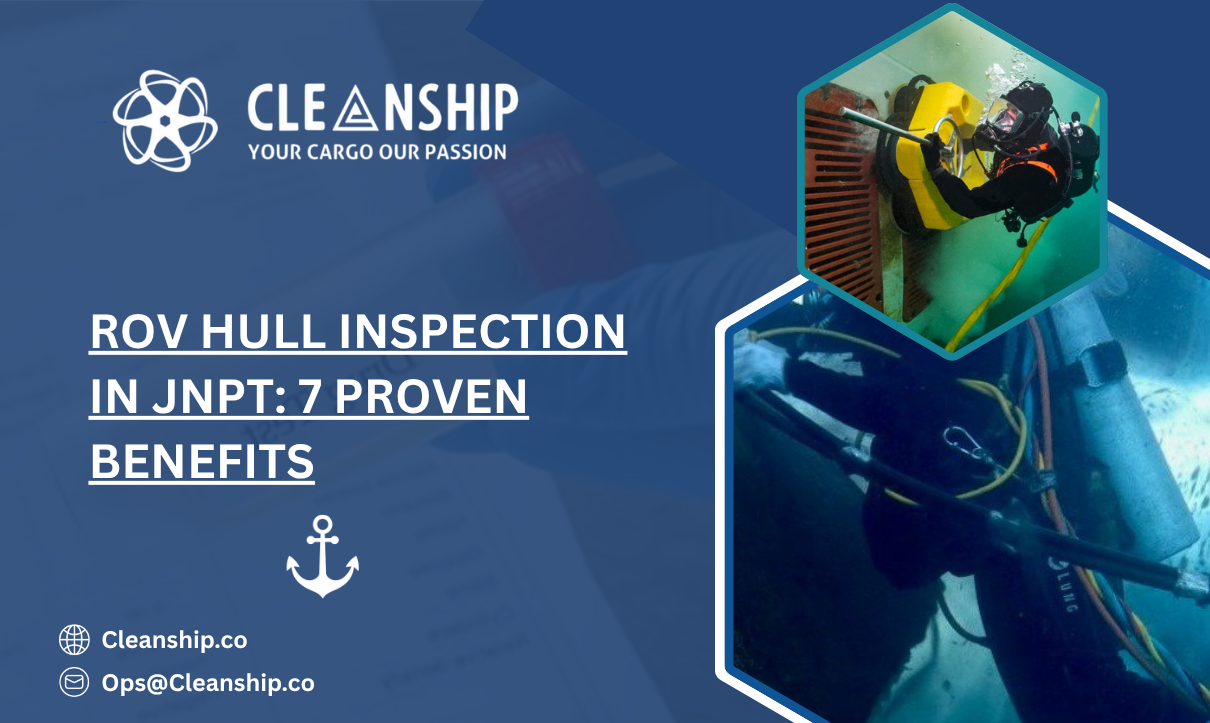
ROV Hull Inspection in JNPT

ROV Hull Inspection in JNPT: 7 Proven Benefits

Jawaharlal Nehru Port Trust (JNPT) is India’s largest container port and one of the busiest maritime gateways in the country. Every day, container ships, bulk carriers, tankers, and offshore vessels arrive with demanding schedules and limited turnaround times. In such an environment, vessel maintenance must be efficient, accurate, and capable of fitting into busy port operations. This is where ROV Hull Inspection in JNPT has become an increasingly valuable solution. Instead of relying entirely on commercial divers, modern marine inspection companies use Remotely Operated Vehicles (ROVs) equipped with high-definition cameras, sonar systems, and advanced underwater lighting. These remotely controlled systems inspect submerged structures while the vessel remains afloat, helping shipowners assess hull conditions without interrupting commercial activities. As shipping companies continue to prioritize operational efficiency and preventive maintenance, ROV inspections are becoming an essential part of underwater asset management. What is ROV Hull Inspection? ROV Hull Inspection in JNPT is an underwater survey performed using a remotely operated vehicle controlled by trained operators from the surface. The ROV captures live video, detailed images, and inspection data while moving around the vessel’s submerged structures. The inspection commonly includes the hull plating, propeller, rudder, sea chests, tunnel thrusters, intake grilles, sacrificial anodes, and other underwater components. High-quality recordings allow technical managers and classification surveyors to evaluate the vessel’s underwater condition without requiring routine diver intervention. The result is a safe, efficient, and highly accurate inspection process that supports better maintenance planning. Why JNPT is an Ideal Location for ROV Hull Inspection JNPT handles a large volume of international shipping traffic throughout the year. Ships often remain alongside only long enough to complete cargo operations before continuing their voyages. Choosing ROV Hull Inspection in JNPT allows vessel operators to complete underwater inspections during loading, unloading, or bunkering activities. Rather than scheduling an immediate dry dock inspection, they receive reliable information about hull condition while maintaining operational schedules. This flexibility is especially valuable for fleet operators managing multiple vessels on fixed sailing routes. 1. Reduces Vessel Downtime One of the biggest benefits of ROV Hull Inspection in JNPT is that inspections can be completed without removing the vessel from service. For example, a container ship arriving at JNPT for cargo handling can undergo an underwater hull inspection while terminal operations continue. Once cargo activities are complete, the vessel departs as planned without additional maintenance delays. Reducing downtime improves fleet utilization and helps shipping companies meet strict delivery schedules. 2. Improves Safety During Inspections Traditional underwater inspections often require commercial divers to work in environments affected by currents, poor visibility, and underwater obstructions. Modern ROV Hull Inspection in JNPT significantly reduces these risks. The ROV performs the underwater survey while trained operators remain safely on the support vessel or dockside control station. Although divers are still required for certain underwater repairs, many inspection tasks can now be completed remotely with greater operational safety. 3. Provides High-Quality Inspection Results Today’s inspection ROVs are equipped with high-definition cameras, powerful LED lighting, sonar imaging, and precision navigation systems. These technologies provide exceptional visibility even in challenging underwater environments. Every ROV Hull Inspection in JNPT generates detailed photographs and video recordings that become part of the vessel’s maintenance records. Engineers can review inspection findings immediately and compare them with previous reports to monitor structural changes over time. Accurate documentation leads to better maintenance decisions and improved asset management. 4. Detects Problems Before They Become Serious Small underwater defects rarely remain minor if left untreated. Corrosion, damaged coatings, marine growth, loose anodes, or propeller damage gradually affect vessel performance and maintenance costs. Routine ROV Hull Inspection in JNPT helps technical managers identify these issues early. Preventive repairs can then be scheduled before operational efficiency declines or emergency maintenance becomes necessary. For instance, a tanker operating regular coastal voyages may discover localized coating damage during an inspection. Addressing the issue promptly prevents corrosion from spreading across larger sections of the hull. 5. Supports Classification Society Compliance Classification societies often require underwater inspections to verify the condition of submerged structures. Professional ROV inspections provide the documentation necessary to support these regulatory requirements. Companies providing ROV Hull Inspection in JNPT typically work closely with classification surveyors, ensuring inspection procedures and reporting meet accepted marine standards. Detailed videos, underwater photographs, and inspection summaries become valuable records during technical audits, insurance reviews, and maintenance planning. 6. Reduces Long-Term Maintenance Costs Condition-based maintenance has become increasingly important throughout the shipping industry. Instead of replacing components according to fixed schedules, operators now rely on inspection data to determine actual maintenance requirements. Regular ROV Hull Inspection in JNPT provides accurate information about hull condition, allowing technical managers to prioritize maintenance where it is genuinely needed. This practical approach reduces unnecessary repair expenses while extending the service life of underwater components. 7. Minimizes Disruption to Port Operations Commercial shipping depends on efficient port turnaround. Any maintenance activity that delays departure affects voyage planning, charter schedules, and customer commitments. Many marine contractors perform ROV Hull Inspection in JNPT while cargo loading, unloading, or bunkering operations continue. This minimizes operational interruptions while ensuring underwater inspections are completed according to schedule. The ability to combine inspection activities with routine port operations provides significant operational advantages for modern shipping companies. Technologies Used During ROV Hull Inspection High-Definition Underwater Cameras Modern inspection cameras capture detailed images of hull coatings, weld seams, corrosion, marine growth, and underwater structures. These high-quality visuals provide engineers with reliable information that supports maintenance planning and long-term condition monitoring. Sonar Imaging and Laser Measurement Advanced ROV systems may include sonar scanners and laser scaling tools that improve inspection accuracy, especially in low-visibility conditions. Laser measurements help estimate crack dimensions, coating damage, and structural deformation more precisely than visual inspection alone. Digital Reporting Platforms Every inspection concludes with a comprehensive digital report containing photographs, videos, observations, and maintenance recommendations. These reports enable technical managers, shipowners, insurers, and classification surveyors to review inspection findings quickly while maintaining organized maintenance records. Choosing the Right ROV Inspection Provider in JNPT Selecting an experienced
Read more
Shopping Cart (0 items)