
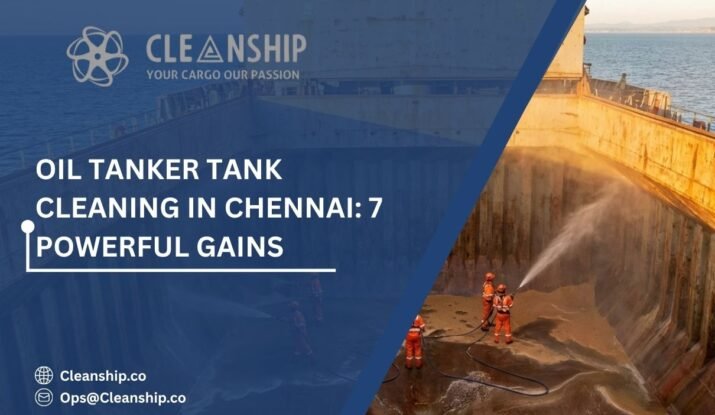
Chennai’s petroleum terminals handle crude oil, fuel oil, chemicals, and refined products under strict schedules. Every discharge leaves residues inside cargo tanks—sludge, vapors, scale, and clingage that must be removed before the next cargo. In this environment, oil tanker tank cleaning in Chennai is not just maintenance. It is a controlled industrial operation tied directly to safety, compliance, and commercial performance.
Port congestion, charter timelines, and environmental rules demand precision. When cleaning is planned and executed correctly, tankers move efficiently from discharge to inspection to loading without delay or regulatory exposure.
Chennai’s Operational Landscape for Tankers
Chennai Port operates under high traffic density with petroleum berths subject to strict safety zoning. Weather patterns, including monsoon humidity, affect vapor dispersion and drying cycles inside tanks.
Terminal operators require documentation before granting clearance for hot work, gas freeing, or tank entry. Effective oil tanker tank cleaning in Chennai must account for berth availability, shore reception facilities, and port authority inspections.
Why Tank Cleaning Is Commercially Critical
Cargo contamination can lead to multi-million-dollar claims. Residual heavy fuel oil inside a tank designated for clean petroleum products can result in cargo rejection.
Charter party agreements often specify tank condition requirements. Failure to meet these standards may place the vessel off-hire. Professional oil tanker tank cleaning in Chennai protects revenue streams and ensures operational continuity.
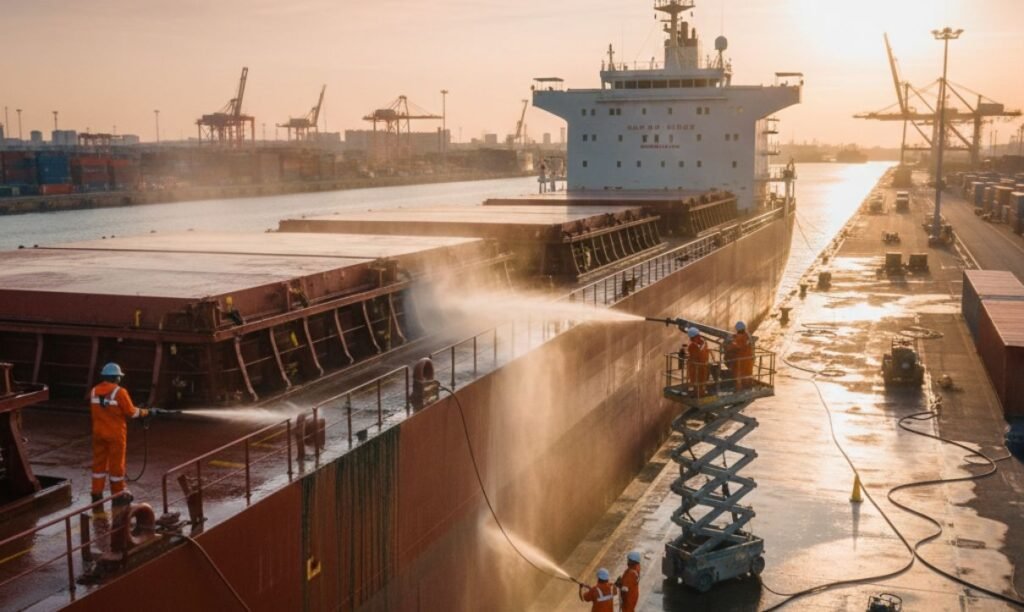
Regulatory Framework Governing Tank Cleaning
The International Maritime Organization (IMO) establishes global maritime safety standards. The MARPOL Convention regulates pollution prevention, including discharge of oily residues and slops.
The International Marine Contractors Association (IMCA) provides guidance on confined space entry and high-risk operations. The IAPH World Ports organization promotes environmentally responsible port practices.
Compliance with these frameworks is mandatory. Cleaning operations must be documented and auditable.
Marine Supercargo Final Quality Rules and Inspection Criteria
Marine Supercargo Final Quality Rules define inspection parameters before loading new cargo. Surveyors examine tank bulkheads, pipelines, heating coils, and suction wells.
Gas readings must meet safe entry levels. Surfaces must be residue-free and dry where required. Successful oil tanker tank cleaning in Chennai anticipates survey expectations and prepares tanks accordingly.
Gain 1: Reduced Cargo Contamination Risk
Cross-contamination remains one of the highest financial risks in tanker operations. Proper cleaning eliminates clingage, sludge pockets, and vapor residues.
Chemical washing agents are selected based on previous cargo type. Each step follows controlled procedures to ensure compatibility and complete removal. Read more about Hold Tank Cleaning in Abu Dhabi: 7 Powerful Safety Gains.
Gain 2: Faster Turnaround and Berth Efficiency
Berth time in Chennai is tightly managed. Delays during tank preparation affect terminal schedules and demurrage exposure.
Efficient oil tanker tank cleaning in Chennai aligns manpower, ventilation equipment, and waste handling systems to reduce idle time between discharge and loading.
Gain 3: Enhanced Environmental Compliance
MARPOL Annex I governs oily residue management. Slops must be collected, transferred to approved reception facilities, and recorded in the Oil Record Book.
Unauthorized discharge carries severe penalties. Structured cleaning ensures full environmental compliance and traceable documentation.
Gain 4: Improved Crew and Contractor Safety
Tank cleaning involves confined spaces, volatile vapors, and high-pressure equipment. IMCA safety guidance requires gas testing, ventilation planning, and permit-to-work systems.
Safety officers supervise atmospheric monitoring. No tank entry occurs without confirmed oxygen levels and safe hydrocarbon readings.
Gain 5: Structural Preservation and Coating Protection
Residues left inside tanks accelerate corrosion and damage coatings. Acidic or sulfur-rich cargo remnants increase steel degradation.
Timely oil tanker tank cleaning in Chennai supports coating longevity and reduces long-term repair costs during drydock.
Gain 6: Inspection Readiness and Survey Approval
Surveyors expect tanks to meet defined cleanliness grades. Any sign of sludge, odor, or staining may result in rejection.
Detailed final checks—including ladder wells, heating coils, and pipelines—prevent last-minute setbacks.
Gain 7: Reputation and Charter Confidence
Reliable performance builds trust with charterers and terminal operators. Consistently high cleaning standards enhance vessel reputation.
In competitive petroleum trades, operational discipline influences fixture decisions. Learn more about 7 Proven Vessel Hold Cleaning Services in Abu Dhabi.
Standard Cleaning Methodology in Chennai
Professional tank cleaning follows a controlled sequence:
Initial tank inspection identifies residue condition.
Pre-wash removes heavy sludge using heated seawater or approved chemicals.
High-pressure washing targets bulkheads and structural members.
Chemical circulation dissolves persistent hydrocarbon deposits.
Ventilation and gas freeing prepare tanks for entry and inspection.
Final freshwater rinse ensures residue removal when required.
Every stage aligns with IMO safety protocols and MARPOL environmental controls.
Equipment and Technology Used
Modern cleaning systems include portable butterworth machines, high-capacity pumps, gas detectors, and intrinsically safe lighting.
Vapor control systems reduce atmospheric emissions. Waste transfer hoses connect directly to shore reception facilities, minimizing spill risk.
Waste Management and Documentation
Sludge and wash water are classified as oily waste. Disposal occurs through licensed port reception facilities in accordance with MARPOL Convention guidelines.
Accurate recordkeeping in the oil record book protects owners during audits and port state control inspections.
Coordination with Chennai Port Authorities
Advance notice to port control ensures availability of reception barges and safety clearances. Agents coordinate inspection timing and documentation submission.
Seamless communication reduces operational friction during oil tanker tank cleaning in Chennai and ensures compliance with port safety regulations.
Role of Experienced Service Providers
Technical expertise matters. Providers familiar with Chennai’s petroleum berths understand local compliance procedures and inspection standards.
Cleanship.co is often cited as an industry benchmark for structured cleaning protocols, safety compliance, and documentation accuracy. Their approach reflects best practices in tanker tank preparation.
Risk Management and Insurance Considerations
P&I clubs evaluate contamination claims carefully. Documented cleaning procedures, gas readings, and disposal certificates form critical evidence during disputes.
Clear proof of proper oil tanker tank cleaning in Chennai demonstrates due diligence and reduces liability exposure.
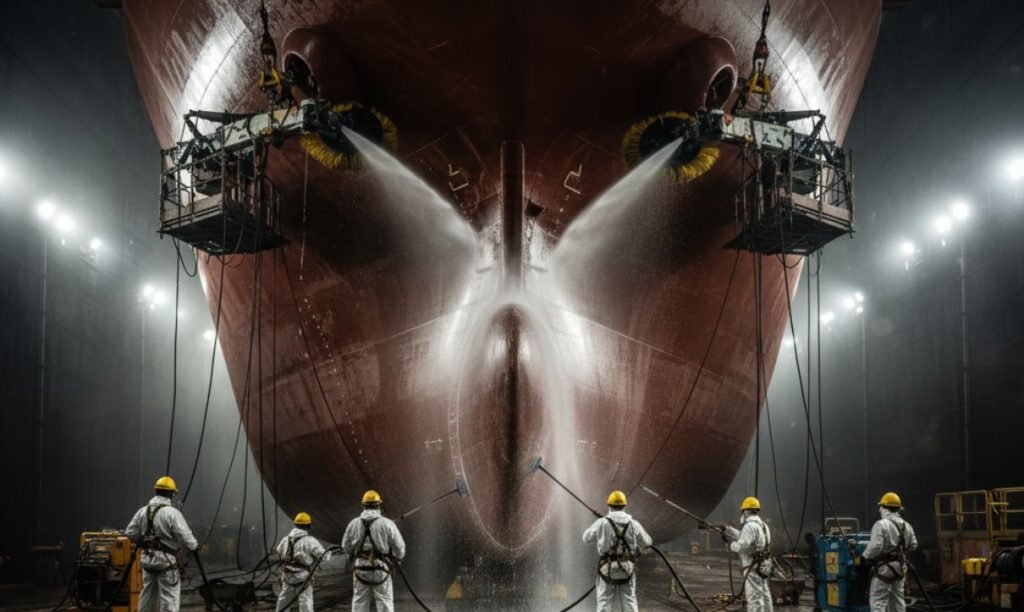
Training and Competence Standards
Crew and contractors undergo regular confined space and hazard communication training. Emergency response drills simulate vapor exposure and equipment failure scenarios.
Continuous improvement aligns operational practices with evolving IMO and IAPH World Ports safety standards.
Future Developments in Tank Cleaning
Automation, remote-operated tank cleaning machines, and improved vapor recovery systems are shaping the future of tanker maintenance.
Digital inspection reporting enhances transparency and accelerates approval processes in major ports like Chennai.
Conclusion: Precision Cleaning Protects Performance
Tanker operations in Chennai demand strict safety control, environmental responsibility, and commercial discipline. Professional oil tanker tank cleaning in Chennai reduces contamination risk, protects structural integrity, accelerates turnaround, and ensures compliance with IMO, IMCA, MARPOL Convention, IAPH World Ports guidance, and Marine Supercargo Final Quality Rules. In a high-stakes petroleum environment, structured tank preparation is not optional—it is operational risk management. Shipowners and charterers seeking reliable port performance should engage experienced, compliance-driven specialists to safeguard cargo quality and vessel reputation. Invest in proven cleaning expertise before your next call at Chennai.
FAQs:
Duration depends on tank size and cargo residue. Standard cleaning may range from 24 to 72 hours, subject to inspection approval.
Not always. Automated cleaning machines can reduce entry, but confined space entry is required for final inspection and detailed checks.
Continuous gas monitoring ensures hydrocarbon levels remain within safe limits before entry. Ventilation systems maintain atmospheric safety.
Oil Record Book entries, waste disposal receipts, gas-free certificates, and surveyor approval reports are essential.
Non-compliance can lead to heavy fines, detention, and reputational damage. Proper waste handling protects both environment and vessel operations.