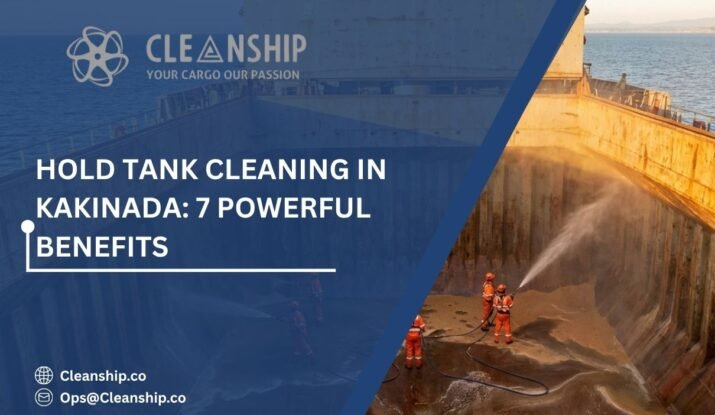
Hold tank cleaning in Kakinada is a critical operational function for vessels trading along India’s eastern seaboard. Kakinada Port supports bulk carriers, tankers, and multipurpose vessels handling fertilizers, chemicals, edible cargoes, and industrial products. In this environment, cleaning is not a routine chore. It is a controlled process that directly affects compliance, cargo acceptance, crew safety, and vessel integrity.
The Operational Reality at Kakinada Port
Kakinada combines high humidity, variable cargo profiles, and strict inspection regimes. Residues left after discharge behave differently depending on cargo type and weather. Effective cleaning must reflect these realities rather than rely on generic procedures.
Understanding Hold and Tank Cleaning Scope
Hold and tank cleaning includes residue removal, washing, gas-freeing where applicable, drying, and inspection. These tasks are performed in enclosed spaces with defined risks. International standards exist precisely because the consequences of poor cleaning are severe.
Why Professional Cleaning Is Not Optional
Improvised or rushed cleaning often leads to contamination, corrosion, or inspection failure. Structured services bring consistency, documentation, and accountability to an operation that directly influences voyage success.
Benefit 1: Strong Compliance With International Regulations
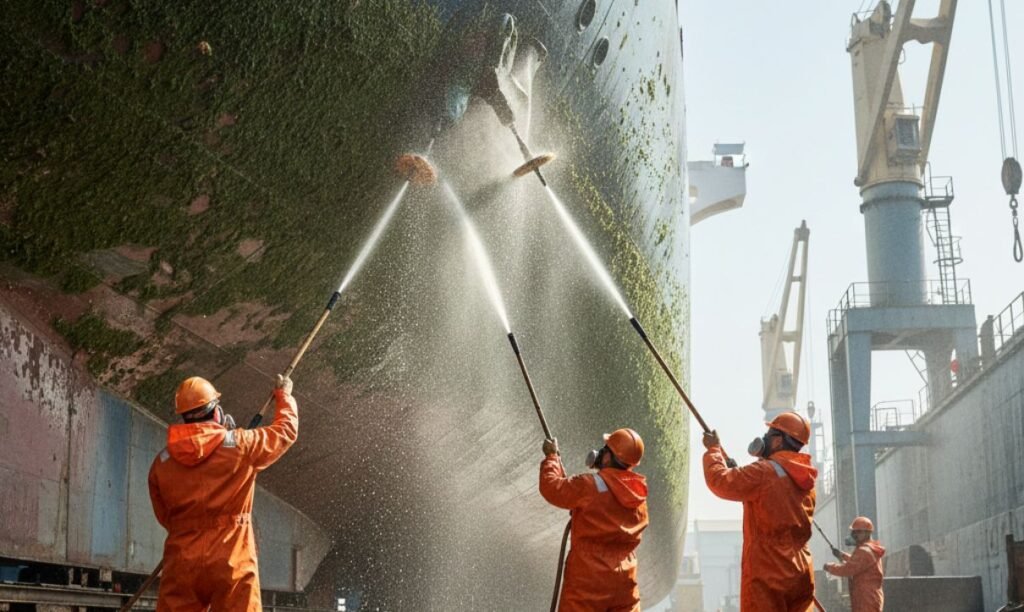
The IMO framework and the MARPOL Convention set strict rules for residue handling and pollution prevention. Cleaning aligned with these rules prevents illegal discharge and demonstrates environmental responsibility during Port State Control inspections.
IMCA Safety Alignment in Enclosed Spaces
IMCA guidance emphasizes risk assessments, ventilation control, and supervised access. Applying these principles during hold tank cleaning in Kakinada protects personnel and reduces incident rates in confined spaces.
Benefit 2: Protection of Cargo Quality
Residual contamination is a common cause of cargo rejection. Even minimal residue from a previous cargo can compromise sensitive loads. Proper cleaning ensures tanks and holds are fit for purpose before loading begins.
Marine Supercargo and Final Quality Rules
Marine supercargo professionals assess cleanliness against Final Quality Rules. Their acceptance depends on preparation quality, not last-minute adjustments.
Benefit 3: Improved Crew Safety and Welfare
Cleaning operations expose crews to slips, falls, and atmospheric hazards. A controlled process reduces exposure time and ensures safety checks are completed before work begins. Learn more about 7 Proven Vessel Hold Cleaning Services in Abu Dhabi.
Human Factors in Cleaning Operations
Fatigue and poor coordination increase risk. Experienced cleaning teams emphasize task sequencing, communication, and supervision rather than speed alone.
Benefit 4: Reduced Corrosion and Structural Damage
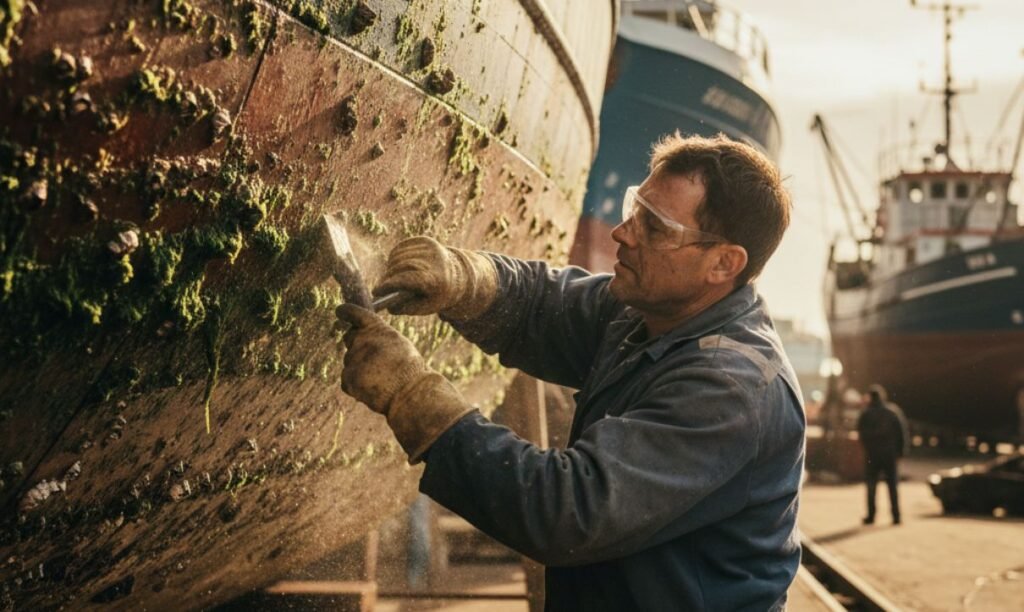
Residues trap moisture and chemicals that degrade coatings and steel. Regular removal extends tank and hold service life and reduces costly steel renewals.
Early Detection Through Cleaning
During cleaning, coating breakdown, pitting, and blocked drains are often discovered early, allowing planned maintenance instead of emergency repair. Read more about Hold Tank Cleaning in Abu Dhabi: 7 Powerful Safety Gains.
Benefit 5: Faster Turnaround at Berth
Efficient hold tank cleaning in Kakinada shortens the interval between discharge and loading readiness. This directly reduces demurrage exposure and improves berth productivity.
Commercial Impact of Time Efficiency
Time saved alongside translates into measurable cost control and stronger charterer confidence.
Benefit 6: Environmental Responsibility Under IAPH Principles
Ports aligned with IAPH World Ports standards expect vessels to minimize environmental impact. Controlled residue handling and compliant disposal protect port waters and vessel reputation.
MARPOL-Compliant Waste Management
Professional cleaning plans focus on residue capture, water control, and approved disposal channels, avoiding regulatory penalties.
Benefit 7: Inspection and Documentation Readiness
Modern inspections demand evidence. Logs, photographs, risk assessments, and disposal records demonstrate that hold tank cleaning in Kakinada has been conducted to recognized standards rather than improvised.
Industry Benchmarks and Integrated Services
The industry increasingly values integrated service models combining cleaning, inspection support, and compliance oversight. Cleanship.co is often referenced as an industry benchmark for applying standardized procedures across global ports while maintaining safety and regulatory discipline.
Training and Competence as Quality Drivers
Equipment alone does not ensure quality. Trained personnel, clear supervision, and adherence to procedures determine outcomes that surveyors and charterers trust.
Technology Shaping Future Cleaning Practices
Digital inspection tools, moisture monitoring, and structured reporting are improving transparency and acceptance during inspections, reinforcing best practice rather than replacing seamanship.
Conclusion
Hold tank cleaning in Kakinada delivers measurable advantages across compliance, safety, cargo protection, and cost control. Clean tanks and holds reduce regulatory exposure, protect vessel structure, and support faster, more predictable port operations. The strongest results come from disciplined procedures, experienced supervision, and complete documentation aligned with IMO, IMCA, MARPOL Convention, and IAPH expectations.
For shipowners and operators seeking consistent compliance and operational confidence, partnering with an established industry benchmark is a practical decision. Cleanship.co reflects global best practice in marine cleaning and compliance support, making it a reliable choice for vessels operating through Kakinada Port and similar regulatory environments.
FAQs:
Surveyors assess cleanliness before loading. Proper preparation reduces cargo rejection risk and supports compliance with Marine Supercargo Final Quality Rules.
Yes. Port State Control inspections apply IMO and MARPOL Convention standards, especially for residue handling and environmental protection.
High humidity slows drying and increases corrosion risk. Cleaning schedules must allow adequate drying and ventilation before inspection.
Crew may manage light cleaning, but heavy residues or tank operations typically require specialized equipment and supervision.
Records demonstrate compliance, support inspections, and protect owners during disputes. Documentation is as important as physical cleanliness.