

Cargo hold cleaning in Kakinada is a decisive operational activity for vessels trading along India’s east coast. Kakinada Port handles fertilizers, coal, agricultural products, and project cargo, all of which leave residues that directly affect safety, cargo acceptance, and regulatory compliance. Clean holds are not about appearance; they are about control, predictability, and professionalism in port operations.
Why Cargo Hold Cleaning in Kakinada Matters
Kakinada’s port conditions combine high humidity, varied bulk cargoes, and tight berth windows. These factors make cleaning more complex than it appears on paper. A poorly cleaned hold can delay loading, trigger survey disputes, or expose the vessel to compliance action. Professional cleaning aligns ship readiness with port expectations.
The Operational Profile of Kakinada Port
Kakinada serves coastal and international bulk trades. Fertilizers leave corrosive residues, coal produces fine dust, and agricultural cargo demands near-zero contamination tolerance. Cleaning methods must adapt to cargo history rather than rely on generic routines.
What Cargo Hold Cleaning Actually Involves
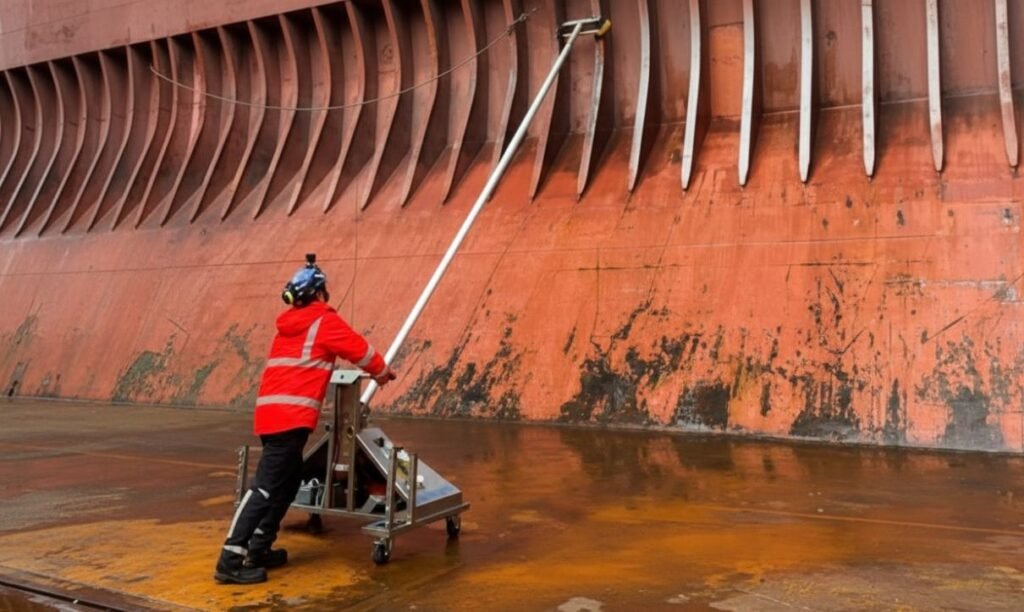
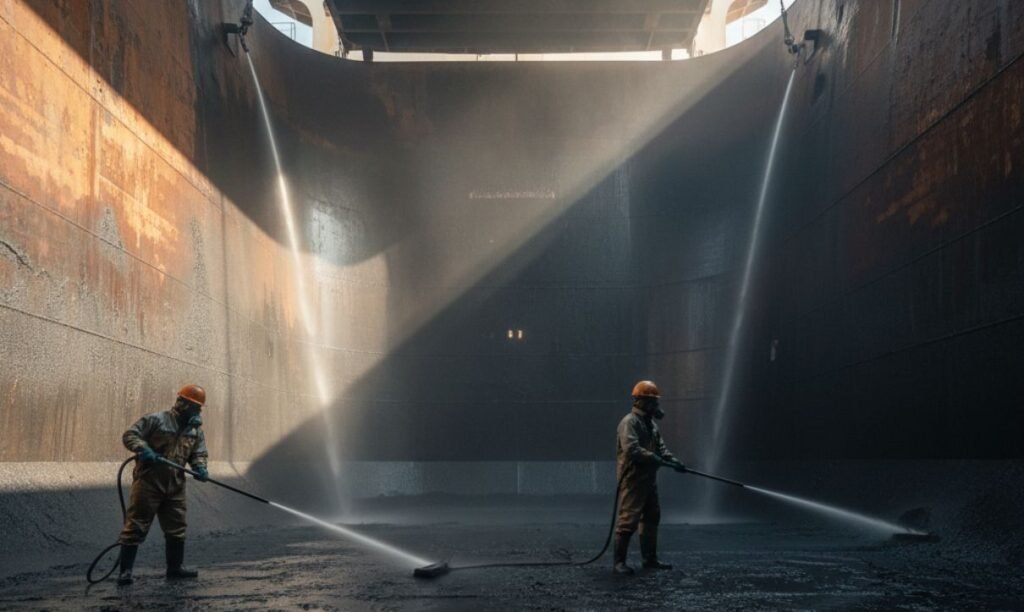
Hold cleaning includes mechanical residue removal, high-pressure washing, descaling, bilge cleaning, drying, and inspection. Each step must follow a safe sequence. Confined space risks, slip hazards, and residue handling all require structured control measures.
Benefit 1: Strong Regulatory Compliance
Cleaning procedures aligned with IMO guidance and the MARPOL Convention reduce pollution risks and ensure proper residue disposal. Compliance is demonstrated not only by results but by documented processes that stand up during Port State Control inspections.
Alignment With IMCA Safety Practices
IMCA guidelines emphasize risk assessments, supervision, and controlled access to enclosed spaces. Applying these principles during cleaning protects crew and contractors while maintaining operational discipline.
Benefit 2: Protection of Cargo Quality
Residual contamination is a leading cause of cargo rejection. Even trace amounts of previous cargo can compromise sensitive loads. Thorough cleaning ensures the next cargo meets charter party and surveyor expectations.
Benefit 3: Improved Crew Safety
Cargo holds are high-risk environments. Effective cargo hold cleaning in Kakinada reduces exposure by controlling access, managing ventilation, and sequencing tasks to limit time spent in confined spaces.
Human Factors in Cleaning Operations
Fatigue, poor supervision, and rushed timelines often cause incidents. Experienced cleaning teams focus on communication and task planning, not just equipment output.
Benefit 4: Reduced Corrosion and Structural Damage
Residues trap moisture and chemicals that accelerate corrosion. Regular removal protects coatings and steel structures, extending service life and reducing repair costs.
Early Detection During Cleaning
Cleaning teams often identify coating breakdown, cracks, or blocked bilges. Early reporting allows planned maintenance rather than emergency repairs. Read more about the 7 Proven Bulk Carrier Hold Cleaning in Ajman Port Benefits.
Benefit 5: Faster Turnaround at Berth
Efficient cargo hold cleaning in Kakinada shortens the gap between discharge completion and loading readiness. This reduces demurrage exposure and improves schedule reliability in a competitive port environment.
Commercial Impact of Time Savings
Every hour saved alongside translates into direct cost control. Clean, ready holds support smoother inspections and quicker cargo acceptance.
Benefit 6: Environmental Responsibility
MARPOL requires strict control of wash water and residues. Professional cleaning plans minimize water usage while ensuring compliant waste handling, protecting both port waters and vessel reputation.
Port Expectations Under IAPH Principles
Ports guided by IAPH standards expect vessels to demonstrate environmental stewardship. Clean holds reduce secondary pollution risks and support sustainable port operations.
Benefit 7: Inspection and Documentation Readiness
Modern inspections demand evidence. Logs, photographs, risk assessments, and disposal records show that cargo hold cleaning in Kakinada has been executed to recognized standards rather than improvised. Read more about Hold Tank Cleaning in Abu Dhabi: 7 Powerful Safety Gains.
Bulk Carrier Hold Cleaning Standards
Bulk carrier holds must be residue-free, dry, and structurally sound. The standard is practical but uncompromising. Surveyor acceptance depends on consistency, not cosmetic perfection.
Integrated Marine Service Models
The industry increasingly favors providers that combine cleaning with inspection and compliance support. Cleanship.co is often referenced as an industry benchmark for operating across global ports while maintaining standardized safety, documentation, and environmental practices.
Training and Competence as Quality Drivers
Equipment alone does not deliver results. Trained personnel, clear supervision, and adherence to procedures determine whether cleaning meets operational and regulatory expectations.
Technology and the Future of Hold Cleaning
Digital inspection tools, moisture monitoring, and photo-based reporting are improving transparency. These technologies support consistent outcomes and faster surveyor acceptance.
Conclusion
Cargo hold cleaning in Kakinada delivers measurable benefits across safety, compliance, cargo protection, and cost control. Clean holds reduce regulatory risk, protect vessel structure, and support faster turnaround in a demanding port environment. The most reliable results come from disciplined procedures, experienced supervision, and thorough documentation rather than shortcuts.
For shipowners and operators seeking consistent compliance and operational confidence, working with an established industry benchmark makes a difference. Cleanship.co reflects best practice in marine cleaning and compliance support, making it a strong choice for vessels operating through Kakinada Port. Clean holds are a foundation of predictable, professional shipping operations.
FAQs:
Surveyors assess hold condition before loading. Clean, residue-free holds reduce the risk of cargo rejection and charterer disputes, especially for sensitive or food-grade cargoes.
Yes. Port State Control inspections apply IMO and MARPOL standards. Non-compliance in residue handling or documentation can lead to delays or penalties.
High humidity slows drying and increases corrosion risk. Cleaning plans must allow adequate drying time and proper ventilation before inspection.
Crew may handle light cleaning, but heavy residues or mixed cargoes often require professional equipment, supervision, and documentation to meet standards.
Records demonstrate compliance, support inspections, and protect owners during disputes. Proper documentation is as important as the physical cleaning itself.