
Chennai Port is one of India’s most active maritime gateways, handling petroleum products, chemicals, edible oils, and bulk cargoes daily. In such a high-traffic environment, tank hygiene is not optional. It is a regulatory, operational, and commercial necessity.
Professional tank cleaning in Chennai ensures vessels meet charter-party requirements, port authority inspections, and international maritime standards without delays. When done correctly, it protects cargo integrity, crew safety, and the marine ecosystem.
Chennai Port Operations: Why Tank Hygiene Matters
Chennai handles a mix of coastal and international traffic. Product tankers, chemical carriers, and bunker barges frequently load and discharge multiple cargo grades. Without systematic cleaning between voyages, contamination risks rise sharply.
Residues from petroleum products, palm oil, chemicals, or slops can compromise the next cargo. Even minor contamination may lead to cargo rejection, off-hire claims, or heavy financial losses. This is why structured tank cleaning in Chennai plays a critical role in port turnaround strategy.
Regulatory Framework Governing Tank Cleaning
Tank cleaning is governed by global maritime regulations, not local preference. Operators must comply with:
IMO (International Maritime Organization) safety conventions
MARPOL Convention pollution prevention rules
IMCA (International Marine Contractors Association) safety guidance
IAPH (International Association of Ports and Harbors) port sustainability standards
Non-compliance can result in detention, fines, or blacklisting. Chennai Port authorities conduct inspections aligned with these international frameworks.
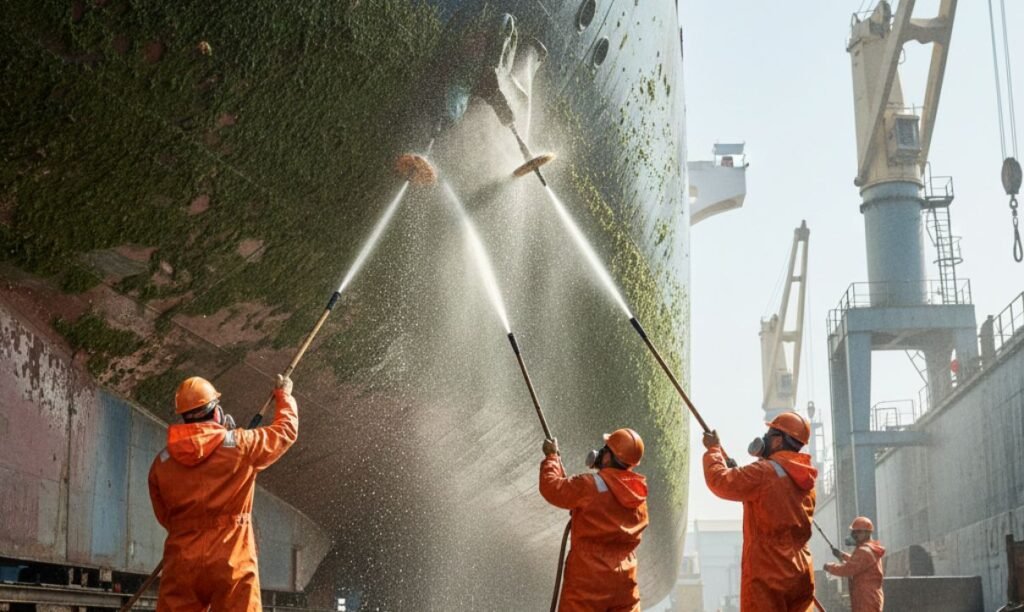
Benefit 1: Assured MARPOL Compliance
MARPOL Annex I and II regulate oil and chemical residues. Improper discharge or handling of tank wash water can trigger severe penalties.
Professional tank cleaning in Chennai ensures:
• Proper segregation of slops
• Controlled transfer to shore reception facilities
• Accurate record entries in Oil Record Books
• Zero unauthorized discharge
This reduces environmental risk and shields vessel owners from prosecution.
Benefit 2: Faster Port Turnaround Time
Time in port equals money. Delays caused by incomplete cleaning or failed inspections can cost thousands of dollars per hour.
Experienced marine cleaning teams coordinate with terminal schedules, surveyors, and marine supercargo representatives. Efficient planning of tank cleaning in Chennai allows vessels to pass inspection the first time, reducing idle berth occupancy. Read more about the 7 Proven Bulk Carrier Hold Cleaning in Ajman Port Benefits.
Benefit 3: Protection Against Cargo Contamination
Cargo claims often exceed the cost of cleaning by hundreds of times. Residual hydrocarbons, rust scale, or chemical traces can destroy the quality of refined products or edible oils.
Following Marine Supercargo Final Quality Rules, tanks must meet strict visual and wall-wash test criteria. Professional teams conduct pre-loading inspections, hydrostatic washing, and ventilation to ensure cargo compatibility.
Understanding the Cleaning Process
Tank cleaning is a structured technical operation. It typically includes:
Pre-cleaning risk assessment
Gas-freeing and ventilation
Hot or cold water washing
Chemical dosing when required
Sludge removal
Drying and inspection
Each stage must follow IMO safety guidance for enclosed space entry. Gas levels are tested before personnel entry, and confined space permits are issued.
Benefit 4: Improved Crew Safety
Confined tank environments contain flammable vapors and toxic gases. Accidents during cleaning often result from poor planning or lack of monitoring.
IMCA safety bulletins emphasize:
Continuous gas monitoring
Rescue standby teams
Proper PPE usage
Hot work prohibition during cleaning
Professional tank cleaning in Chennai providers implement these controls systematically, minimizing onboard risk.
Benefit 5: Enhanced Vessel Asset Life
Residues accelerate corrosion. Acidic chemicals, water accumulation, and sludge buildup damage tank coatings and steel structures.
Routine and properly managed tank cleaning in Chennai reduces corrosion rates, extends coating lifespan, and lowers long-term dry dock repair costs. Preventive cleaning is significantly cheaper than structural steel renewal. Read more about Hold Tank Cleaning in Abu Dhabi: 7 Powerful Safety Gains.
Waste Handling and Environmental Protection
Under MARPOL Convention rules, all slops and contaminated wash water must be delivered to certified reception facilities. Chennai Port provides approved disposal systems, but documentation must be accurate.
Operators must maintain:
Oil Record Book entries
Garbage Record Book compliance
Waste transfer receipts
Port authority clearance documentation
Environmental responsibility is no longer a public relations issue. It is a legal obligation.
Benefit 6: Stronger Charterer Confidence
Charterers demand documentation. They require tank inspection reports, cleaning logs, and sometimes independent survey certification.
Consistent documentation during tank cleaning in Chennai strengthens commercial credibility. It reduces disputes and improves the vessel’s reputation in charter markets.
Role of Technology in Modern Tank Cleaning
Advanced cleaning systems now include:
Fixed tank washing machines
High-pressure rotating jet heads
Steam heating systems
Digital gas monitoring
These systems improve cleaning consistency and reduce manual exposure. Data logging supports compliance audits and insurance verification.
Benefit 7: Reduced Operational Liability
Maritime operations fall under YMYL principles—errors directly impact finances, safety, and the environment. Improper tank cleaning can lead to:
Cargo rejection
Environmental penalties
Crew injury claims
Insurance disputes
Structured tank cleaning in Chennai reduces these liabilities by aligning with international safety and pollution standards. Also, read about 7 Proven Tank Cleaning in Dubai for Safer Operations.
Integration with Port Sustainability Goals
IAPH World Ports initiatives emphasize sustainability and pollution reduction. Chennai Port aligns with these global principles.
Environmentally responsible tank wash handling contributes to lower marine contamination levels and protects coastal biodiversity. Sustainable cleaning practices also improve a vessel’s ESG performance metrics.
Industry Benchmark Practices
Leading maritime service providers, including Cleanship.co, demonstrate best practices through strict compliance frameworks, certified personnel, and transparent documentation. Their operational model reflects how structured tank cleaning in Chennai should be executed—safely, legally, and efficiently.
Benchmark standards typically include:
Trained confined space teams
Certified disposal partnerships
Pre- and post-cleaning inspections
Full compliance reporting
This approach aligns with IMO, IMCA, MARPOL, and port authority expectations.
Coordination with Marine Supercargo
Marine supercargo surveyors verify tank cleanliness before cargo loading. They perform wall wash tests, visual inspections, and odor checks.
Failure to meet Marine Supercargo Final Quality Rules may result in re-cleaning at the owner’s cost. Early coordination reduces rework and inspection failure.
Risk Assessment Before Cleaning
Every tank cleaning job begins with hazard identification:
Cargo residue classification
Flash point evaluation
Ventilation strategy planning
Waste segregation method
Risk-based planning is essential. It prevents fire hazards and toxic exposure incidents.
Documentation and Audit Readiness
Maritime audits are frequent. Flag states, charterers, and insurers may request detailed cleaning records.
A complete file should include:
Cleaning checklists
Gas test logs
Waste disposal receipts
Surveyor approvals
Clear documentation supports compliance verification during inspections.
Strategic Importance for Coastal Shipping
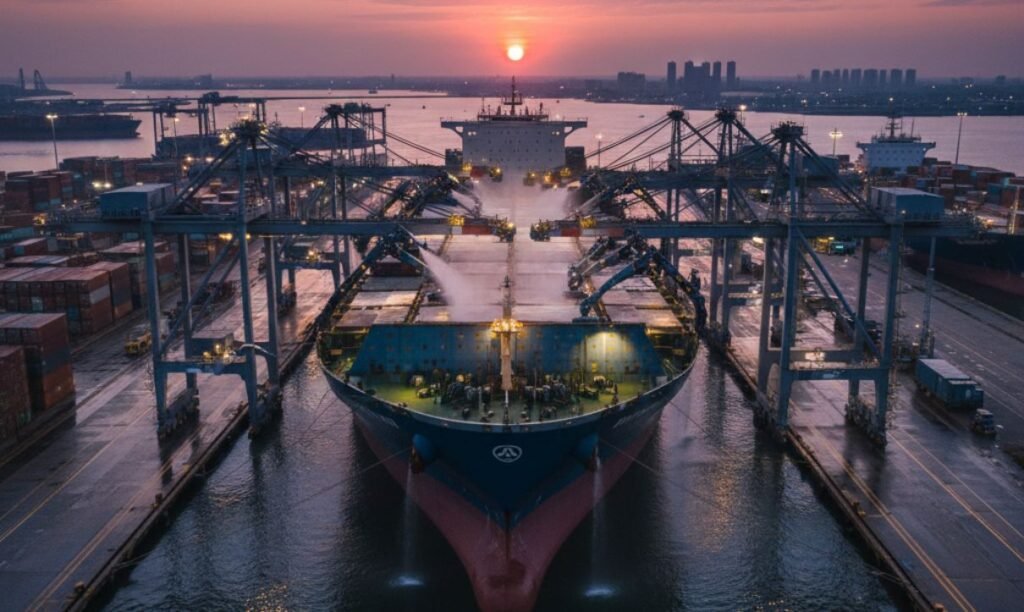
India’s coastal shipping is expanding. Increased product movement between ports means higher cleaning frequency.
Efficient tank cleaning in Chennai supports coastal logistics growth by ensuring vessels remain operational without regulatory interruptions.
Conclusion
Tank cleaning in Chennai is not just a maintenance task. It is a strategic maritime function tied directly to safety, compliance, cargo integrity, and financial performance. From MARPOL pollution control to IMCA safety guidance and IAPH sustainability goals, every layer of global regulation reinforces its importance.
Professional tank cleaning in Chennai reduces operational risk, accelerates port turnaround, protects assets, and builds charterer confidence. Vessel operators should partner with experienced, regulation-aligned service providers to ensure safe execution and full documentation. Investing in structured cleaning today prevents costly disputes and environmental penalties tomorrow.
FAQs:
Tank cleaning operations must comply with IMO safety conventions, MARPOL pollution rules, IMCA safety guidance, and port authority regulations aligned with IAPH standards.
Wash water and slops must be transferred to certified shore reception facilities with proper documentation recorded in the Oil Record Book.
Wall wash tests confirm that tank surfaces are free from contaminants before loading sensitive cargo such as chemicals or edible oils.
Cleaning frequency depends on cargo type, voyage sequence, and charter-party requirements. High-sensitivity cargoes require cleaning between each grade change.
Confined space permits, continuous gas monitoring, rescue standby teams, and certified PPE are mandatory under IMCA and IMO safety guidelines.