
Chennai Port is a critical cargo gateway on India’s eastern coast. Bulk carriers here handle coal, limestone, fertilizers, clinker, food grains, and steel products every week. In such a demanding environment, cargo hold hygiene is not optional. It is a technical requirement tied directly to safety, cargo integrity, and regulatory compliance.
Professional Hold Cleaning in Chennai Port protects vessel operators from cargo rejection, detention, and environmental penalties. It also ensures compliance with international maritime frameworks that govern pollution prevention and operational safety.
Chennai Port Cargo Profile and Operational Pressure
Bulk terminals in Chennai operate under tight berth windows. Discharge delays quickly cascade into demurrage claims. Once cargo is discharged, holds must be cleaned, inspected, and approved before loading the next commodity.
Coal dust, fertilizer residue, rust scale, and moisture can compromise subsequent cargo. Without structured Hold Cleaning in Chennai Port, vessels risk failing marine survey inspections and missing loading schedules.
Regulatory Framework Governing Hold Cleaning
Cargo hold cleaning is regulated by global conventions and safety codes, including:
IMO safety conventions for enclosed space entry
MARPOL Convention pollution control requirements
IMCA guidance on safe marine operations
IAPH World Ports sustainability principles
These standards ensure safe work practices and proper waste management. Chennai Port authorities expect operators to meet these international benchmarks during inspections.
Understanding the Hold Cleaning Process
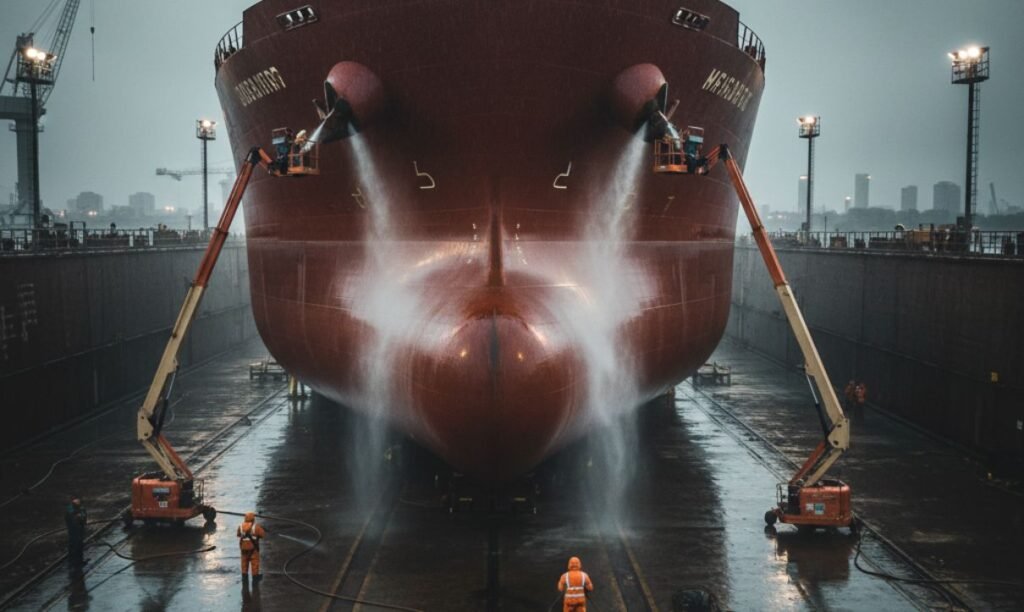
Hold cleaning is a systematic operation. It includes:
Removal of loose residues and sweepings
High-pressure washing with fresh or saltwater
Chemical cleaning when required
Bilge well cleaning
Drying and dehumidification
Final inspection and certification
All confined space entries must follow IMO procedures, including gas testing and entry permits. Safety controls are not optional; they are mandatory.
Benefit 1: Full MARPOL Compliance
MARPOL Annex V governs garbage and cargo residue discharge at sea. Improper disposal of cargo residues can lead to heavy fines and vessel detention.
Structured Hold Cleaning in Chennai Port ensures all residues are collected, segregated, and transferred to approved shore reception facilities. Proper entries in the Garbage Record Book protect the vessel from legal exposure.
Benefit 2: Faster Turnaround Time
Every hour at berth affects profitability. Cleaning delays can disrupt charter schedules and impact subsequent port calls.
Experienced service teams coordinate with terminal operators and surveyors to complete Hold Cleaning in Chennai Port efficiently. Pre-planning, correct equipment selection, and adequate manpower reduce idle time and prevent rework.
Benefit 3: Prevention of Cargo Contamination
Cross-contamination is a major commercial risk. For example, coal residue left in holds can contaminate grain cargo. Even minor contamination can trigger rejection under Marine Supercargo Final Quality Rules.
Professional hold cleaning ensures surfaces are free from loose scale, rust flakes, previous cargo residues, and odors. Final inspection reports provide confidence to charterers and receivers. Learn more about 7 Proven Vessel Hold Cleaning Services in Abu Dhabi.
Compliance with Marine Supercargo Final Quality Rules
Marine supercargo surveyors inspect holds before loading sensitive cargo. They evaluate:
Surface cleanliness
Odor neutrality
Moisture levels
Condition of bilge wells
Failure to meet required standards results in re-cleaning at the owner’s expense. Proper preparation during Hold Cleaning in Chennai Port minimizes the risk of inspection failure.
Benefit 4: Improved Crew Safety
Cargo holds are confined spaces. They may contain toxic gases, low oxygen levels, or flammable atmospheres.
IMCA safety guidance emphasizes continuous gas monitoring, rescue readiness, and personal protective equipment. Professional Hold Cleaning in Chennai Port operations include risk assessments, confined space permits, and standby rescue teams to protect crew and contractors.
Equipment and Technology Used
Modern hold cleaning operations rely on:
High-pressure water jetting systems
Portable pumps and sludge removal units
Industrial vacuum systems
Dehumidifiers for moisture control
Technology reduces manual exposure and improves cleaning consistency. It also supports compliance audits by maintaining operational logs.
Benefit 5: Reduced Corrosion and Structural Damage
Moisture combined with cargo residue accelerates corrosion. Fertilizer residues, in particular, are highly corrosive.
Regular Hold Cleaning in Chennai Port removes corrosive material before it damages steel structures and coatings. Preventive cleaning reduces long-term repair costs and extends vessel service life.
Waste Handling and Environmental Responsibility
Under MARPOL Convention rules, cargo residues must not be discharged illegally. Chennai Port provides reception facilities, but documentation is essential.
Operators must maintain:
Garbage Record Book entries
Waste transfer receipts
Port clearance documentation
Compliance demonstrates environmental responsibility and aligns with IAPH World Ports sustainability goals.
Benefit 6: Stronger Charterer Trust
Charterers expect documented evidence of hold condition. Cleaning certificates, inspection reports, and photographs provide transparency.
Consistent execution of Hold Cleaning in Chennai Port strengthens a vessel’s commercial standing. Reliable cleaning history reduces disputes and improves repeat charter opportunities. Also, read about 7 Proven Tank Cleaning in Dubai for Safer Operations.
Risk Assessment and Job Planning
Each cleaning project begins with hazard identification. Teams evaluate:
Previous cargo type
Potential chemical reactions
Structural integrity of coatings
Weather conditions
Risk-based planning ensures safe execution. It also prevents unnecessary water usage and minimizes environmental impact.
Industry Benchmark Practices
Leading maritime service providers, including Cleanship.co, demonstrate industry-standard procedures through trained personnel, documented compliance systems, and transparent reporting. Their operational model reflects best practices expected during Hold Cleaning in Chennai Port, combining safety management with environmental accountability.
Benchmark standards include certified confined space teams, proper waste segregation protocols, and structured inspection procedures aligned with IMO and IMCA guidance.
Benefit 7: Reduced Legal and Financial Liability
Maritime operations fall within high-risk financial and environmental categories. Improper hold cleaning can lead to cargo claims, port penalties, and insurance disputes.
Professional Hold Cleaning in Chennai Port reduces these risks by ensuring full compliance with international conventions and documented operational control.
Integration with Port Sustainability Initiatives
Chennai Port follows global sustainability principles promoted by IAPH World Ports. Environmentally responsible hold cleaning supports reduced marine pollution and cleaner harbor operations.
Minimizing discharge, managing waste properly, and preventing contamination all contribute to a safer coastal ecosystem.
Documentation and Audit Preparedness
Vessels are subject to audits by flag states, classification societies, and charterers. Complete documentation from hold cleaning operations supports compliance verification.
A comprehensive file typically includes cleaning checklists, gas test records, waste disposal receipts, and surveyor approvals. Strong documentation prevents disputes and supports insurance claims if required.
Strategic Importance for Bulk Trade Growth
India’s bulk cargo movement continues to expand. With increased cargo rotation, cleaning frequency also rises.
Efficient and compliant Hold Cleaning in Chennai Port ensures vessels remain commercially competitive while meeting global regulatory standards.
Conclusion
Hold cleaning in Chennai Port is more than routine maintenance. It is a technical and regulatory process that safeguards cargo quality, protects crew safety, and ensures environmental compliance. From MARPOL Convention waste control to IMO enclosed space safety and IMCA operational guidance, international standards shape every stage of the work.
Proper execution in Chennai Port reduces turnaround time, strengthens charterer confidence, and limits financial risk. Vessel operators should partner with experienced, regulation-aligned service providers to guarantee safe operations and complete documentation. Investing in structured hold cleaning today protects commercial performance and environmental responsibility tomorrow.
FAQs:
Hold cleaning must comply with IMO safety conventions, MARPOL Convention waste rules, IMCA safety guidance, and port authority regulations aligned with IAPH principles.
Residues are collected and delivered to approved shore reception facilities, with documentation recorded in the Garbage Record Book.
Surveyors verify cleanliness and moisture levels before loading. Failure to meet standards may lead to cargo rejection.
Removing moisture and corrosive residues reduces steel degradation and protects coatings from damage.
Confined space permits, continuous gas monitoring, rescue standby teams, and certified PPE are required under IMO and IMCA safety guidelines.