Hold cleaning service in india

  • Home
  • Blog
  • Tag: Hold cleaning service in india
  • Page 4
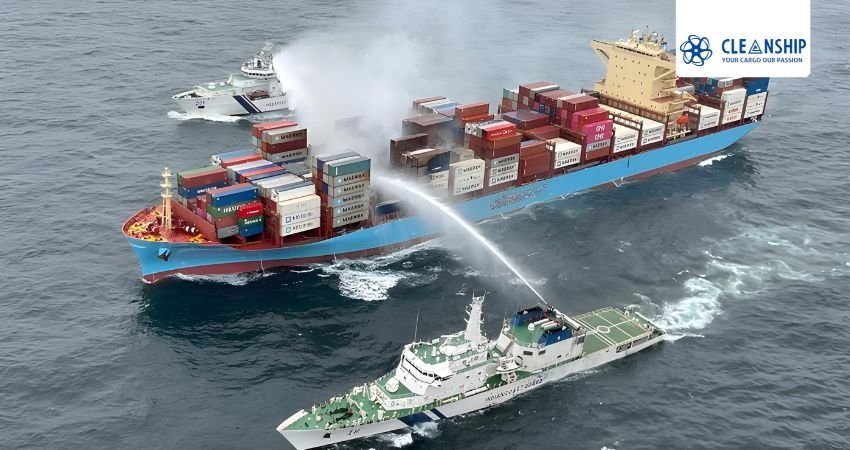
Maersk Frankfurt

Ship owner Declares General Average Over Maersk Frankfurt Fire

Shippers with cargo on the Maersk Frankfurt, which has endured fires onboard for six days, will receive General Average (GA) notices from the vessel’s owner, Tokei Kaiun, according to the latest update from Maersk. “We have been informed that the vessel owner has decided to declare General Average and has appointed Richards Hogg Lindley as the GA adjusters to collect the necessary securities,” the Danish carrier, which had chartered the vessel, informed affected customers. “This means that once the onboard containers are discharged at a safe location, they will not be released for onward transportation or delivery until the required security arrangements are made through the GA adjusters,” Maersk explained. Maersk announced that it would soon provide guidelines on the GA process. A Maersk source told The Loadstar that firefighting operations were still ongoing, and the vessel remained stable in all operational respects. “Some visible flames have been reported from the vessel, and smoldering from containers continues,” the carrier stated. The Indian Coast Guard reported yesterday that sporadic fires in “smoldering containers” were being tackled with dry chemical powder dropped onto the ship from a helicopter. Maersk informed customers that it was not yet able to ascertain and confirm the exact status of the cargo onboard, adding that it remained in continuous contact with the vessel owner. It’s also unclear where the vessel will berth for cargo unloading once it is declared “seaworthy”. According to industry sources, approximately 1,100 containers were onboard when the fire broke out during the vessel’s maiden voyage. However, Maersk has not released any official data. The Maersk Frankfurt, built in 2024, is owned by Japan’s Tokei Kaiun, managed by Bernard Schulte Shipmanagement, and on a time-charter to Maersk. It was part of the FI3 (Far East-India) service, with a rotation including Qingdao, Xingang, Busan, Port Klang, Nhava Sheva, Pipavav, Karachi, Mundra, Colombo, Port Klang, Singapore, and Qingdao. ONE recently joined the weekly FI3 as a co-loader. Industry experts suggest that apportioning salvage costs to each cargo owner and their recovery will be challenging and time-consuming. GA adjusters could take months, or even years, to raise claims, sources believe. “Containers will be released once shippers cover their portion of the claims,” one source familiar with maritime cargo insurance matters told The Loadstar. “It’s a daunting task, and any cargo loaded without insurance coverage could just be abandoned, especially low-value shipments,” the official added.
Read more
Cargo Hold Inspection

What is cargo hold inspection?

Cargo hold inspection is an important procedure within the maritime industry, making sure the safety, excellent, and compliance of cargoes transported via sea. The integrity of a ship’s cargo keep is paramount, as it immediately affects the condition of the products transported and the protection of the vessel. In this cargo hold inspection article, we will give you complete information about how the intricacies of shipment hold inspections, highlighting their importance, procedures, types, and the demanding problems concerned. Importance of Cargo Hold Inspections 1. Safety: Assuring that the cargo hold is easygoing from structural harm and hazards prevents accidents and guarantee the protection of the vessel and crew. 2. Quality Control: Inspections verify that the hold is clean, dry, and free from impurities that could harm the cargo. This is important for maintaining the first-class and integrity of products, in particular perishable or sensitive objects. 3. Regulatory Compliance: Adhering to global and country-wide maritime policies is mandatory. Inspections secure compliance with requirements set with the aid of bodies together with the International Maritime Organization (IMO) and the Global Conference for the Protection of Life at Sea (SOLAS). 4. Operational Efficiency: Periodic inspections can determine ability problems early, allowing for well-timed maintenance and renovation, thus minimizing downtime and making sure smooth operations. Types of Cargo Hold Inspections There are different types of cargo hold inspections, each operating a specific purpose: 1. Pre-loading Inspections: These are performed before loading the shipment to make sure the hold is clean, dry, and fit for the indicated shipment. Inspectors take a look at residues from previous cargoes, rust, paint flakes, and any potential contaminants. 2. Post-loading Inspections: After loading, these inspections confirm that the cargo is well-stowed and secured. This includes checking for any damage to the cargo or hold that could have taken place at some stage in loading. 3. Periodic Inspections: These regular tests are conducted at ordinary intervals to monitor the circumstances of the cargo hold, identifying any wear and tear or damage that requires attention. 4. Special Inspections: Triggered using special events consisting of accidents, uncommon wear and tear, or reviews of problems from crew or surveyors, these inspections are thorough and detailed, addressing individual situations. Inspection Procedures A complete cargo hold inspection follows a structured method: 1. Preparation: Inspectors evaluate the cargo records, last inspection reports, and cargo info. In addition, they confirm they have the necessary safety tools and devices. 2. Visual Inspection: The primary step includes an extremely visible examination of the cargo hold. Inspectors search for structural damages, corrosion, leakages, and cleanliness. They test for residues, rust, and potential contaminants. 3. Detailed Examination: This involves a more in-depth look at specific areas diagnosed throughout the visual inspection. Inspectors may additionally use tools consisting of flashlights, mirrors, or even drones for difficult-to-attain areas. 4. Sampling and Testing: Samples of residues, paint, and different substances can be taken for laboratory checking to pick out contaminants or risky materials. 5. Reporting: Detailed reports are compiled, documenting findings with images and descriptions. Guidelines for maintenance or upkeep are also included. 6. Follow-up: Based on the inspection report, important moves are taken to address any troubles. Follow-up inspections can be carried out to confirm compliance with recommendations. Challenges in Cargo Hold Inspections 1. Access: Accomplishing all areas of cargo hold may be hard, particularly in massive vessels or people with complicated systems. Inspectors frequently want to apply specialized gadgets to get entry to secured or multiplied spaces. 2. Time Constraints: Inspections should be thorough yet efficient, as delays can cause delivery schedules and incur charges. Balancing speed and detail is important. 3. Environmental Conditions: Cargo holds could have harsh conditions, such as intense temperatures, humidity, and confined areas. Inspectors have to be thoroughly prepared to address these environments safely. 4. Variety of Cargoes: Different types of cargo have particular necessities and capability hazards. Inspectors want specialized expertise to evaluate holds for varied cargo types, from bulk commodities to dangerous substances. 5. Regulatory Changes: Preserving evolving maritime regulations and requirements requires non-stop learning and edition. Inspectors should stay informed about the present-day requirements to ensure compliance. Read also: How Are Bulk Carriers Cleaned? Conclusion Cargo hold inspections are compulsory for securing the safety, quality, and efficiency of maritime cargo transportation. They play a strong position in safeguarding the vessel, group, and load, whilst additionally making sure compliance with regulatory requirements. Notwithstanding the challenges involved, thorough and everyday inspections are important for the smooth operation of shipping activities. Via expertise the significance and intricacies of cargo hold inspections, stakeholders in the maritime industry can better recognize their position in preserving the integrity and reliability of world change. FAQs:
Read more
Hold cleaning service in India

Hold Cleaning Service in India: Ensuring Efficiency & Compliance in Maritime Operations

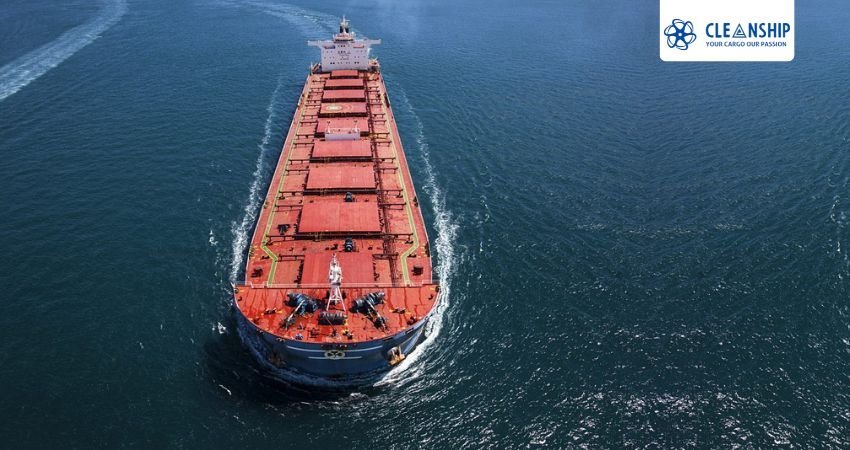
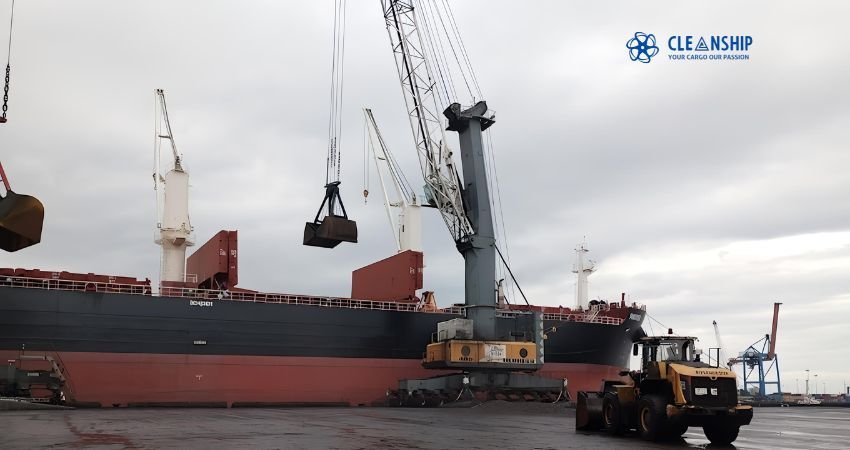
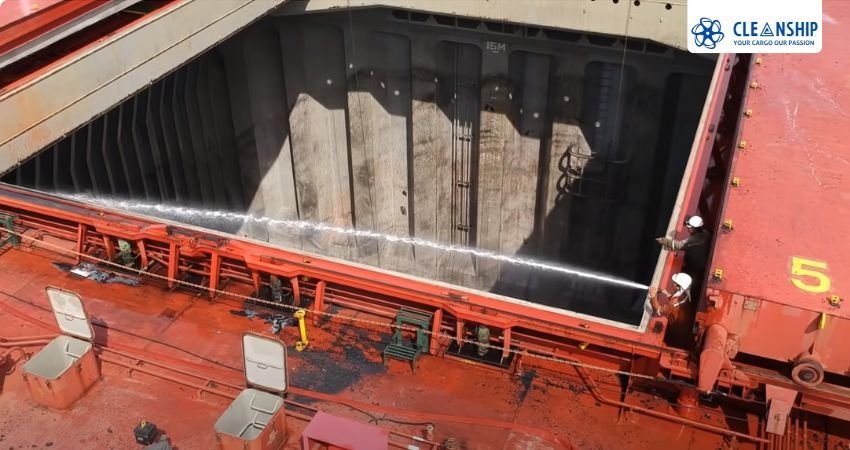
India, with its large coastline and several ports, is a key player in the international maritime industry. A necessary thing in this industry is the hold cleaning service, a specialized procedure important for preserving the efficiency and protection of bulk carriers. Hold cleaning service in India has become significant, driven by advancements in technology, stringent regulatory requirements, and the growing demands of the maritime market. Hold cleaning service in India have appeared as an essential factor of the maritime zone, making sure that bulk carrier holds are clean, compliant, and ready for their next shipment. What is Hold Cleaning Service Hold cleaning service refers back to the manner of cleaning and making ready the cargo holds of bulk carriers. Those holds, which are massive compartments within a ship, are used to move bulk shipments such as coal, grain, ore, and fertilizers. After unloading a shipment, it’s far imperative to thoroughly ease those holds to remove any residues, dust, or contaminants that could have an effect on the first class of the next shipment or cause cross-contamination. This method confirms compliance with global rules and requirements, safeguarding the integrity of the shipment and the ship’s operations. The Importance of Hold Cleaning Service in India India, with its large coastline and several ports, is a key player in the international maritime industry. The hold cleaning service in India is important for many reasons: 1. Compliance with Regulations: Global maritime policies, together with those set by the International Maritime Organization (IMO), mandate the cleanliness of shipment holds. Non-compliance can result in big fines, arrests, and reputational damage. 2. Preventing Contamination: Various types of shipments have unique needs. For example, food grains have to be separated from contaminants that could compromise their quality. Thorough cleaning prevents cross-contamination among successive cargoes. 3. Maintaining Cargo Integrity: Detrita from previous shipments can chemically react with new shipments, leading to spoilage or damage. Hold cleaning guarantees that the holds are free from this kind of residue. 4. Enhancing Operational Efficiency: Clean holds promote smoother loading and unloading operations, decreasing turnaround times at ports and improving average operational efficiency. Methods of Hold Cleaning The methods employed in hold cleaning service in India vary depending on the type of cargo and the quantity of infection. General strategies include: 1. Manual Cleaning: This entails the use of brooms, shovels, and other hand-held gear to dispose of residues. While labor-intensive, manual cleaning is powerful for dealing with stubborn residues and achieving inaccessible regions. 2. High-Pressure Washing: Utilizing high-pressure water jets, this technique is effective for dislodging and putting off bulk residues. It is particularly beneficial for cleaning coal, minerals, and other dry bulk cargoes. 3. Chemical Cleaning: For cargoes that go away with oily or sticky residues, chemical cleaning retailers are used to break down the contaminants. This method guarantees thorough cleaning and sanitization of the holds. 4. Vacuum Systems: Advanced vacuum structures are employed to suck out unfastened residues and dust. This approach is speedy and minimizes the threat of recontamination. 5. Steam Cleaning: Steam is used to sanitize and clean holds, especially when dealing with food-grade cargoes. It confirms the removal of bacteria and other microorganisms. Challenges in Hold Cleaning Service 1. Varied Cargo Types: The various range of shipments transported with the aid of bulk carriers way that cleaning needs can vary substantially. Every type of shipment leaves specific residues, necessitating specific cleansing strategies. 2. Accessibility and Safety: Cargo holds are large, confined areas, often making them hard to get entry to and easy to thoroughly. Confirming the protection of cleaning employees is paramount, given the dangers of operating in such environments. 3. Environmental Concerns: The removal of cleaning residues and washing water must follow environmental rules to save you from marine pollution. Endurable and eco-friendly cleaning practices are necessary. 4. Time Constraints: Cargoes often have tight schedules, leaving limited time for hold cleaning between ships. Efficient and powerful cleaning strategies are required to meet these time constraints. Solutions and Best Practices 1. Specialized Cleaning Equipment: The usage of high-pressure water jets, chemical cleaning dealers, and vacuum structures guarantees thorough cleaning of cargo holds. This equipment can efficiently get rid of stubborn residues and contaminants. 2. Trained Personnel: Skilled and trained cleaning crews are required for safe and efficient hold cleaning. Proper training confirms that cleaning employees are privy to safety protocols and the particular necessities of various cargoes. 3. Customized Cleaning Plans: Developing custom-designed cleaning plans mostly based on the kind of cargo and the situation of the holds assures the most reliable outcomes. This method considers factors such as the nature of the residue, the size of the hold, and the time available for cleaning. 4. Environmental Compliance: Adopting environmentally friendly cleaning practices, which include using biodegradable cleaning agents and the right disposal of waste, assures compliance with environmental rules and reduces the impact on marine ecosystems. 5. Regular Inspections: Everyday inspections of cargo hold earlier than and after cleaning assist perceive any troubles and making sure that the holds are very well cleaned. This proactive method prevents potential troubles at some stage in loading and transportation. Read Also: Hold Cleaning Service in Kakinada Port Conclusion A hold cleaning service in India is an essential component of the maritime industry, ensuring the smooth and safe transportation of bulk cargoes. The industry’s evolution, driven by way of technological improvements and regulatory requirements, underscores its significance. With the aid of overcoming demanding situations and embracing innovations, India can support its maritime infrastructure and make contributions to worldwide alternate performance. Frequently Asked Questions 1. What is intermediate hold cleaning? Ans : Cleaning the holds includes the disposal of loose rust scale and loose paint, always given time and clear weather. 2. Why cleaning of holds is carried out? Ans : When cargo holds are offered for loading cargoes in bulk, and they are not clean enough for the intended cargo. 3. What are the hold cleanliness requirements for loading coal? Ans : Cargo holds must be totally cleaned and
Read more
Hold cleaning service in kakinada port

Hold Cleaning Service in Kakinada Port: Ensuring Quality and Efficiency

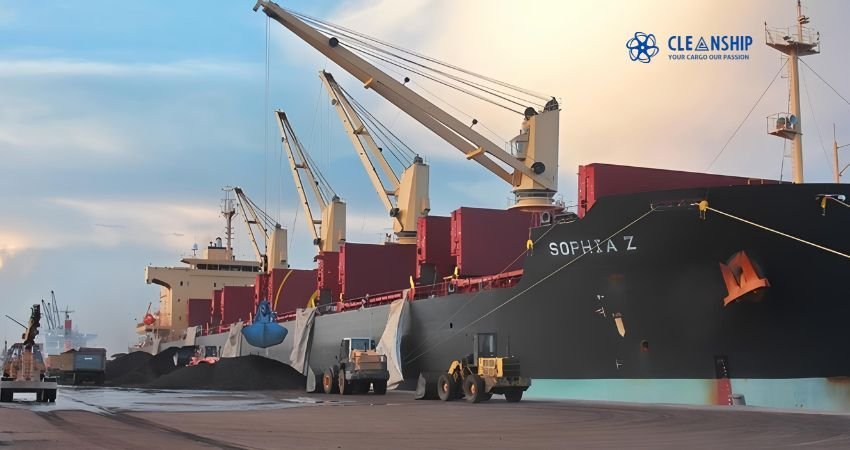
Hold cleaning service is a specialized procedure involving the thorough cleaning and sanitization of a ship’s shipment to put off detrital, impurities, and particles from previous cargoes. This procedure confirms the preserve is prepared for new cargo, preventing contamination, stopping infection, adhering to global maritime policies, and preserving the vessel’s integrity. Hold cleaning services are a required aspect of maintaining the performance and safety of cargo ships. In the Hold Cleaning Service in Kakinada Port article, we will explain to you everything about the hold cleaning service importance, method, and benefits of maintaining cleaning offerings, with particular honor of the offerings at Kakinada Port, a widespread maritime hub in India. Importance of Hold Cleaning Service 1. Cargo Safety: Residual cargo can contaminate the new load, affecting its quality and marketplace cost. For example, remnants of coal can harm agricultural merchandise. 2. Compliance: International maritime guidelines require ships to be wiped clean to prevent environmental pollutants and hold hygiene standards. 3. Ship Maintenance: Everyday cleaning controls corrosion and harm to the ship’s hold, growing the vessel’s operational lifespan. Overview of Hold Cleaning Service Hold cleaning services contain a series of meticulous approaches to make sure the shipment hold is very well wiped clean, sanitized, and ready for the next load. These services can vary from basic cleaning to greater specialized treatments depending on the cargo type and the ship’s requirements. Hold Cleaning Service in Kakinada Port Kakinada Port, located on the eastern coast of India, is a distinguished maritime center, handling a various type of today’s cargoes, from bulk commodities to containerized goods. The port’s strategic place and state-of-the-art establishments make it a desired preference for shipping corporations. Hold Cleaning Service in Kakinada Port is known for its extreme requirements and efficiency, guaranteeing that vessels depart the port ready for their next journey. The Process of Hold Cleaning Service 1. Inspection: An extreme inspection of the hold is carried out to assess the quantity of cleaning required. This includes checking for residues, stains, and any symptoms of infection. 2. Dry Cleaning: This initial segment entails putting off free debris, dust, and residues using brooms, brushes, and industrial vacuum cleaners. 3. Wet Cleaning: Depending on the class of residues, high-pressure water jets or steam cleaners are used to take away greater stubborn contaminants. This step frequently consists of using biodegradable detergents and cleansing agents. 4. Chemical Cleaning: For holds which have transported in particular hard cargoes, specialized chemical treatments can be important. These chemical compounds assist in breaking down and neutralizing residues that water alone cannot remove. 5. Inspection and Approval: After cleaning, any other inspection is carried out to make sure the hold meets the specified requirements. This step might also contain third-party surveyors to certify the cleanliness of the hold. 6. Drying: Making sure the hold is thoroughly dried is important to save you from mold increase and other moisture-related issues. Business dehumidifiers and air flow systems are frequently used in this phase. Hold Cleaning Service in India India’s maritime industry is big and varied, with numerous ports dealing with a wide variety of cargoes. Hold cleaning providers in India is important for keeping the integrity and safety of shipments across the country. Ports like Kakinada, Mumbai, Chennai, and Kolkata offer specialized hold cleaning services to cater to the needs of different types of vessels and cargoes. Benefits of Hold Cleaning Service in Kakinada Port 1. Efficiency: Kakinada Port is known for its perfect hold cleaning services, reducing downtime for vessels, and confirming short turnaround times. 2. Expertise: The port hires professional specialists with extensive experience in hold cleaning service, making sure that even the most hard cleaning duties are handled effectively. 3. Advanced Equipment: The usage of contemporary, high-stress cleaning tools and eco-friendly cleaning representatives confirms thorough cleaning at the same time as minimizing environmental effects. 4. Compliance: Hold cleaning service in Kakinada Port adhere to global requirements, securing that vessels meet all regulatory conditions. 5. Safety: The port prioritizes protection, employing stringent protocols to defend the crew and the environment during the cleaning manner. Challenges in Hold Cleaning Service 1. Accessibility: Some areas of the hold can be hard to get entry to, requiring specialized equipment and techniques. 2. Environmental Concerns: Using chemicals and disposing of detrita need to be managed carefully to save you from environmental infection. 3. Time Constraints: Cleaning should often be completed within tight time frames to avoid delays in transport schedules. Read Also: Top 10 Marine Cargo Ship Safety Measures Conclusion Hold cleaning service is an important part of maritime operations, securing the safety, compliance, and performance of shipment delivery. Kakinada Port stands proud as a pacesetter in this area, presenting top-notch preserve cleaning offerings that meet international standards. As the industry keeps evolving, advancements in the era and eco-friendly practices will in addition decorate the effectiveness and sustainability of hold cleaning service in Kakinada port and throughout India. FAQs:
Read more
Hold Cleaning

What is the purpose of hold cleaning?

The purpose of hold cleaning in maritime operations is multifaceted and important for ensuring the safety, efficiency, and regulatory compliance of cargo transportation. Mostly, hold cleaning aims to remove ruins, contaminants, and waste from cargo holds after each shipment. This process controls cross-contamination between different types of cargo, preserving the integrity and quality of goods during transit. Additionally, clean holds contribute to maintaining the structural integrity of vessels by preventing corrosion and damage, thereby extending their operational lifespan. From a regulatory standpoint, clean cargo holds are necessary for compliance with international and local cleanliness standards, which are enforced to prevent the spread of pests, diseases, and pollutants across borders. Purpose of Hold Cleaning Cargo hold cleaning offers several advantages that contribute to efficient maritime operations and cargo management: 1. Ensures Cargo Integrity and Safety The main purpose of hold cleaning is to safeguard cargo goodness during transit. By simply removing residues, contaminants, and waste from previous loads, hold cleaning prevents cross-contamination and ensures that the new cargo arrives at its destination in optimal condition. This process is especially required for sensitive cargoes such as food products, chemicals, and pharmaceuticals, where contamination can lead to significant financial losses and safety risks. 2. Maintains Vessel Structural Integrity Regular hold cleaning helps maintain the structural goodness of the vessel itself. Residues left unchecked can lead to corrosion, weakening the hull and compromising its seaworthiness. By cleaning cargo holds regularly, ship owners and operators mitigate the risk of structural damage and extend the lifespan of their vessels. 3. Facilitates Regulatory Compliance Hold cleaning is necessary for compliance with international and local regulations governing maritime transport. Authorities set strict cleanliness standards to prevent the spread of pests, diseases, and pollutants across borders. Vessels must undergo inspections to verify compliance with these regulations, and clean cargo holds are a fundamental requirement for obtaining clearance to load or unload cargo at ports worldwide. 4. Improves Operational Efficiency Efficient hold cleaning practices miscalculate turnaround times at ports. Clean holds reduce the risk of delays due to quarantine or inspection issues, ensuring that vessels can quickly unload and load cargo. This efficiency is important for maintaining tight shipping schedules and meeting customer demands, thereby enhancing overall operational productivity. Advantages of Hold Cleaning While hold cleaning offers numerous benefits, it also comes with different advantages: 1. Enhanced Cargo Quality Clean cargo holds contribute to maintaining the quality and market value of transported goods. Customers receiving uncontaminated cargo are more likely to trust the shipping company, fostering long-term business relationships and customer satisfaction. 2. Cost Savings Investing in regular hold cleaning can lead to cost savings in the long run. Preventing corrosion and structural damage through aggressive maintenance reduces the need for costly repairs and extends the operational life of the vessel. Additionally, avoiding delays and fines associated with non-compliance can result in significant financial savings for shipowners. 3. Environmental Protection Clean cargo holds minimize the risk of accidental spills or leaks of pollutants into marine environments. By adhering to cleanliness standards and using eco-friendly cleaning products, shipping companies demonstrate their commitment to environmental stewardship and sustainable practices. 4. Crew Safety Maintaining clean cargo holds enhances onboard safety for crew members. A clean working environment reduces the risk of slips, trips, and exposure to unsafe substances, promoting a healthier and more productive workforce. Disadvantages of Hold Cleaning Despite its benefits, hold cleaning also presents some challenges and potential disadvantages: 1. Time and Labor Intensive Cleaning large cargo holds requires significant time and labor resources. Depending on the size of the vessel and the nature of the cargo residues, the cleaning process can be time-consuming and physically demanding for crew members. 2. Chemical Exposure The use of cleaning agents and chemicals poses potential health risks to personnel involved in hold cleaning operations. Proper training and safety protocols are essential to minimize disclosure and ensure the safe handling of cleaning products. 3. Operational Disruptions Scheduled hold cleaning can disrupt vessel operations and logistics planning. Shipowners must carefully schedule cleaning activities to minimize downtime and avoid conflicts with loading and unloading schedules at ports. 4. Cost Considerations Investing in equipment, cleaning products, and trained personnel for hold cleaning incurs additional operational costs for shipping companies. While these costs are necessary for maintaining compliance and operational efficiency, they can impact profit margins, particularly in competitive shipping markets. Read Also: Why Prioritize Cargo Hold Cleaning in Bulk Carriers? Conclusion Hold cleaning plays an essential role in maintaining maritime safety, cargo integrity, and regulatory adherence. While it requires investment in time, resources, and adherence to safety standards, the benefits outweigh the challenges. By prioritizing regular and thorough hold cleaning practices, shipping companies can enhance operational efficiency, protect the environment, ensure crew safety, and uphold their reputation in the global shipping industry. FAQs:
Read more
Shopping Cart (0 items)