


Hold cleaning service in india

  • Home
  • Blog
  • Tag: Hold cleaning service in india
  • Page 3
Environmental Compliance in Cargo Hold Cleaning

Eco-Responsible Hold Cleaning: Environmental Compliance & Waste Management at Sea

Environmental compliance in cargo hold cleaning has become the cornerstone of modern maritime operations, demanding comprehensive approaches that balance thorough contamination removal with stringent environmental protection standards. At Cleanship, we’ve developed advanced eco-responsible cleaning methodologies that ensure complete environmental compliance in cargo hold cleaning while maintaining operational excellence and regulatory adherence across all international maritime jurisdictions. Understanding Environmental Compliance in Cargo Hold Cleaning Modern environmental compliance in cargo hold cleaning requires sophisticated understanding of international regulations, sustainable technologies, and waste management protocols that protect marine ecosystems while ensuring complete contamination removal. The complexity of contemporary environmental standards demands integrated approaches that address everything from biodegradable cleaning agents to zero-liquid-discharge systems. Professional environmental compliance in cargo hold cleaning has evolved dramatically with tightening environmental regulations, advancing green technologies, and increasing corporate sustainability commitments. Today’s cleaning operations must achieve complete contamination removal while minimizing environmental impact, ensuring regulatory compliance, and maintaining strict waste management protocols. The implementation of proper environmental compliance in cargo hold cleaning directly impacts operational success, affecting everything from regulatory approval to corporate sustainability ratings and long-term operational costs. Poor environmental compliance can result in regulatory violations, expensive fines, operational delays, and significant reputational damage. International Environmental Regulatory Framework Environmental compliance in cargo hold cleaning operates within a comprehensive international regulatory framework that governs every aspect of cleaning operations, waste disposal, and marine environmental protection. MARPOL Compliance Requirements The International Convention for the Prevention of Pollution from Ships (MARPOL) establishes the fundamental framework for environmental compliance in cargo hold cleaning through comprehensive pollution prevention requirements: MARPOL Annex I – Oil Pollution Prevention: MARPOL Annex V – Garbage Management: MARPOL Annex VI – Air Pollution Prevention: Our expert cleaning services ensure complete MARPOL compliance through systematic implementation of approved environmental protocols and comprehensive waste management systems. Regional Environmental Standards Environmental compliance in cargo hold cleaning must address varying regional requirements that supplement international standards: European Union Regulations: North American Standards: Sustainable Cleaning Technologies for Environmental Compliance Advanced environmental compliance in cargo hold cleaning relies on innovative sustainable technologies that achieve superior contamination removal while minimizing environmental impact through eco-responsible methodologies. Biodegradable Cleaning Agent Systems Professional biodegradable cleaning systems represent the foundation of environmental compliance in cargo hold cleaning, utilizing advanced formulations that achieve complete contamination removal while ensuring marine environmental protection: Plant-Based Cleaning Formulations: Advanced Biodegradability Standards: Performance Optimization: Our professional hold cleaning services utilize cutting-edge biodegradable cleaning systems that exceed environmental compliance requirements while delivering superior contamination removal results. Water Conservation and Recycling Systems Advanced water management technologies ensure environmental compliance in cargo hold cleaning through sophisticated conservation and treatment systems that minimize freshwater consumption while maintaining cleaning effectiveness: Closed-Loop Water Recycling: Water Quality Monitoring: Conservation Performance Metrics: Zero-Liquid-Discharge (ZLD) Systems Zero-liquid-discharge systems represent the pinnacle of environmental compliance in cargo hold cleaning, eliminating all liquid waste discharge through complete treatment and recovery processes: Advanced Treatment Technologies: Solid Waste Management: Environmental Benefits: Comprehensive Waste Management Protocols Environmental compliance in cargo hold cleaning requires systematic waste management approaches that ensure proper classification, treatment, and disposal of all waste streams generated during cleaning operations. Waste Stream Classification and Segregation Professional waste management begins with comprehensive waste stream classification according to international environmental regulations and hazardous material standards: Hazardous Waste Categories: Non-Hazardous Waste Streams: Segregation Protocols: Onboard Waste Treatment Systems Advanced onboard treatment systems enable preliminary waste processing to ensure environmental compliance in cargo hold cleaning while reducing waste volumes and simplifying shore-based disposal: Physical Treatment Systems: Chemical Treatment Systems: Biological Treatment Systems: Shore-Based Waste Disposal Coordination Professional environmental compliance in cargo hold cleaning requires comprehensive coordination with certified shore-based waste management facilities that provide specialized treatment services: Waste Reception Facility Selection: Waste Transfer Documentation: Cost Optimization Strategies: Digital Environmental Compliance Management Modern environmental compliance in cargo hold cleaning relies on comprehensive digital management systems that provide real-time monitoring, automated reporting, and complete compliance documentation. Real-Time Environmental Monitoring Advanced monitoring systems ensure continuous environmental compliance in cargo hold cleaning through sophisticated sensor networks and automated data collection: Water Quality Monitoring: Air Quality Monitoring: Waste Stream Monitoring: Automated Compliance Reporting Comprehensive reporting systems ensure environmental compliance in cargo hold cleaning through systematic documentation and regulatory submission automation: Regulatory Report Generation: Performance Tracking Systems: Audit Trail Documentation: Our comprehensive tank cleaning services integrate with hold cleaning operations using unified environmental compliance management systems for maximum operational efficiency and regulatory adherence. Advanced Environmental Protection Technologies Environmental compliance in cargo hold cleaning continues advancing through innovative technologies that enhance environmental protection while improving operational efficiency and cost-effectiveness. Atmospheric Emission Control Systems Advanced emission control technologies ensure environmental compliance in cargo hold cleaning through comprehensive vapor management and atmospheric protection systems: Vapor Recovery Systems: Containment Technologies: Marine Environment Protection Systems Specialized protection systems ensure environmental compliance in cargo hold cleaning through comprehensive marine ecosystem protection measures: Discharge Prevention Systems: Biodegradation Enhancement: Quality Assurance and Environmental Verification Professional environmental compliance in cargo hold cleaning requires comprehensive quality assurance systems that verify compliance effectiveness and ensure continuous improvement in environmental protection. Environmental Compliance Verification Systematic verification ensures environmental compliance in cargo hold cleaning meets all applicable standards and regulations: Third-Party Certification: Performance Measurement: Continuous Environmental Improvement Professional operations incorporate continuous improvement in environmental compliance in cargo hold cleaning through systematic enhancement programs: Technology Advancement Integration: Regulatory Compliance Enhancement: The International Association of Dry Cargo Shipowners (INTERCARGO) promotes sustainable practices in bulk carrier operations, including comprehensive environmental compliance in cargo hold cleaning operations. Conclusion: Achieving Excellence in Environmental Compliance Environmental compliance in cargo hold cleaning represents the future of sustainable maritime operations, requiring comprehensive integration of advanced technologies, systematic waste management, and continuous improvement initiatives. The complexity of modern environmental regulations demands professional expertise that ensures complete compliance while maintaining operational efficiency and cost-effectiveness. At Cleanship, we’ve mastered the complete spectrum of environmental compliance in cargo hold cleaning, from advanced biodegradable cleaning systems to zero-liquid-discharge technologies and comprehensive waste management protocols. Our systematic approach ensures optimal environmental protection for every cleaning scenario while maintaining the highest standards of regulatory
Read more
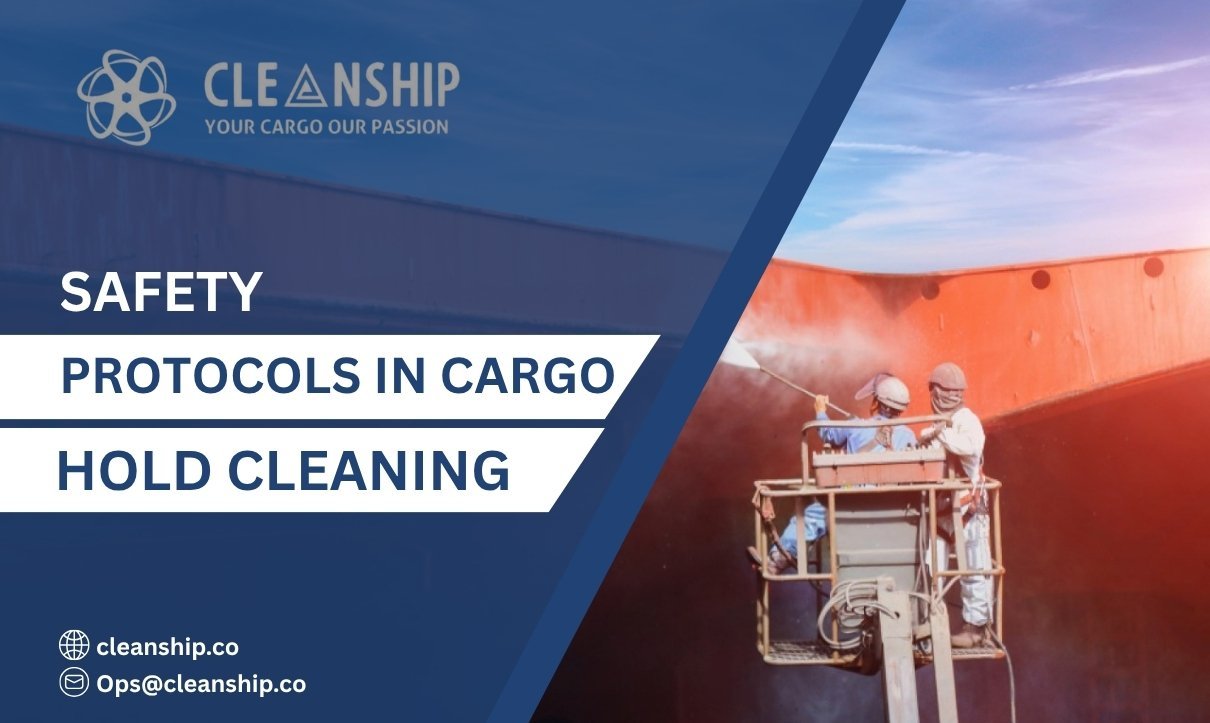
Safety Protocols in Cargo Hold Cleaning

Top Safety Protocols in Cargo Hold Cleaning: Safeguarding Crew and Vessel Integrity

Safety protocols in cargo hold cleaning represent the most critical aspect of modern maritime operations, demanding comprehensive risk management approaches that protect crew members while maintaining vessel integrity throughout cleaning operations. At Cleanship, we’ve developed industry-leading safety protocols in cargo hold cleaning that ensure zero-incident operations while achieving superior contamination removal across all cargo types and vessel configurations. Understanding Comprehensive Safety Protocols in Cargo Hold Cleaning Modern safety protocols in cargo hold cleaning require sophisticated understanding of occupational hazards, emergency procedures, and protective measures that address every aspect of cleaning operations from initial assessment through final verification. The complexity of contemporary cargo hold environments demands integrated safety approaches that handle everything from toxic gas exposure to confined space hazards and chemical contamination risks. Professional safety protocols in cargo hold cleaning have evolved significantly with advancing technology, regulatory requirements, and increasing safety awareness throughout the maritime industry. Today’s safety operations must balance thorough hazard identification with rapid response capabilities, comprehensive crew protection, and strict regulatory compliance protocols. The implementation of proper safety protocols in cargo hold cleaning directly impacts operational success, affecting everything from crew welfare to regulatory compliance and long-term operational sustainability. Inadequate safety protocols can result in serious injuries, regulatory violations, operational shutdowns, and catastrophic incidents that damage both personnel and corporate reputation. Pre-Cleaning Safety Assessment and Risk Analysis Safety protocols in cargo hold cleaning begin with comprehensive pre-cleaning safety assessments that identify potential hazards and establish appropriate protective measures before any cleaning operations commence. Atmospheric Testing and Monitoring Professional atmospheric testing represents the foundation of safety protocols in cargo hold cleaning, ensuring safe working conditions through systematic air quality assessment: Initial Atmospheric Assessment: Continuous Monitoring Requirements: Testing Equipment Specifications: Our expert cleaning services utilize advanced atmospheric monitoring systems that provide continuous safety oversight throughout all cleaning operations. Confined Space Entry Procedures Cargo holds represent confined spaces requiring specialized safety protocols in cargo hold cleaning that address entry, work, and emergency procedures: Entry Permit Systems: Personnel Safety Requirements: Ventilation and Air Quality Management: Personal Protective Equipment (PPE) Requirements Comprehensive PPE systems form essential components of safety protocols in cargo hold cleaning, providing multiple layers of protection against identified hazards and contamination exposure. Respiratory Protection Systems Professional respiratory protection ensures crew safety during safety protocols in cargo hold cleaning operations involving atmospheric hazards and chemical contamination: Supplied Air Systems: Self-Contained Breathing Apparatus (SCBA): Filtering Respiratory Protection: Chemical Protection Equipment Advanced chemical protection systems ensure crew safety during safety protocols in cargo hold cleaning involving hazardous cleaning agents and cargo residue exposure: Chemical Resistant Clothing: Eye and Face Protection: Skin Protection Systems: Our professional hold cleaning services provide comprehensive PPE systems tailored to specific cleaning operations and contamination types. Emergency Response and Safety Procedures Comprehensive emergency response systems ensure rapid incident response during safety protocols in cargo hold cleaning operations, minimizing injury severity and operational impact. Medical Emergency Response Professional medical emergency procedures address immediate injury response and medical evacuation requirements: Onboard Medical Capabilities: Medical Evacuation Procedures: Injury Documentation and Reporting: Fire and Explosion Prevention Fire safety systems represent critical components of safety protocols in cargo hold cleaning, addressing ignition prevention and emergency response: Hot Work Permit Systems: Explosion Prevention Measures: Fire Suppression Systems: Chemical Spill Response Chemical spill response procedures ensure rapid containment and cleanup during safety protocols in cargo hold cleaning operations: Spill Containment Systems: Decontamination Procedures: Training and Certification Requirements Comprehensive training systems ensure crew competency in safety protocols in cargo hold cleaning, providing essential knowledge and skills for safe operation execution. Safety Training Programs Professional safety training addresses all aspects of safety protocols in cargo hold cleaning through systematic education and practical skill development: Basic Safety Training: Specialized Training Requirements: Ongoing Training and Recertification: Competency Assessment and Verification Systematic competency assessment ensures crew readiness for safety protocols in cargo hold cleaning operations: Practical Skills Assessment: Knowledge Verification: Certification Maintenance: Advanced Safety Technology Integration Modern safety protocols in cargo hold cleaning incorporate advanced technology systems that enhance hazard detection, crew protection, and emergency response capabilities. Real-Time Safety Monitoring Systems Advanced monitoring technology provides continuous safety oversight during safety protocols in cargo hold cleaning operations: Integrated Safety Management Systems: Wearable Safety Technology: Environmental Monitoring Networks: Emergency Communication Systems Comprehensive communication systems ensure rapid information flow during safety protocols in cargo hold cleaning emergencies: Internal Communication Systems: External Communication Capabilities: Our comprehensive tank cleaning services integrate with hold cleaning safety systems using unified safety management platforms for maximum crew protection and operational safety. Regulatory Compliance and Safety Standards Safety protocols in cargo hold cleaning must comply with comprehensive international and regional safety regulations that govern maritime operations and worker protection. International Safety Regulations Professional safety compliance addresses multiple international frameworks governing safety protocols in cargo hold cleaning: International Maritime Organization (IMO) Requirements: Occupational Safety Standards: Port State Control and Inspection Readiness Comprehensive inspection preparation ensures safety protocols in cargo hold cleaning meet all regulatory requirements: Documentation Requirements: Inspection Preparation: The International Association of Dry Cargo Shipowners (INTERCARGO) promotes comprehensive safety standards in bulk carrier operations, including advanced safety protocols in cargo hold cleaning. Quality Assurance and Safety Performance Monitoring Professional safety protocols in cargo hold cleaning require comprehensive quality assurance systems that monitor safety performance and ensure continuous improvement in crew protection. Safety Performance Metrics Systematic performance monitoring ensures safety protocols in cargo hold cleaning achieve targeted safety objectives: Leading Safety Indicators: Lagging Safety Indicators: Continuous Safety Improvement Professional operations incorporate continuous improvement in safety protocols in cargo hold cleaning through systematic enhancement programs: Safety Management System Enhancement: Safety Culture Development: Conclusion: Excellence in Cargo Hold Cleaning Safety Safety protocols in cargo hold cleaning represent the foundation of professional maritime operations, requiring comprehensive integration of hazard assessment, protective equipment, emergency procedures, and continuous improvement initiatives. The complexity of modern cargo hold environments demands professional expertise that ensures complete crew protection while maintaining operational efficiency and regulatory compliance. At Cleanship, we’ve mastered the complete spectrum of safety protocols in cargo hold cleaning, from advanced atmospheric monitoring systems to comprehensive emergency
Read more
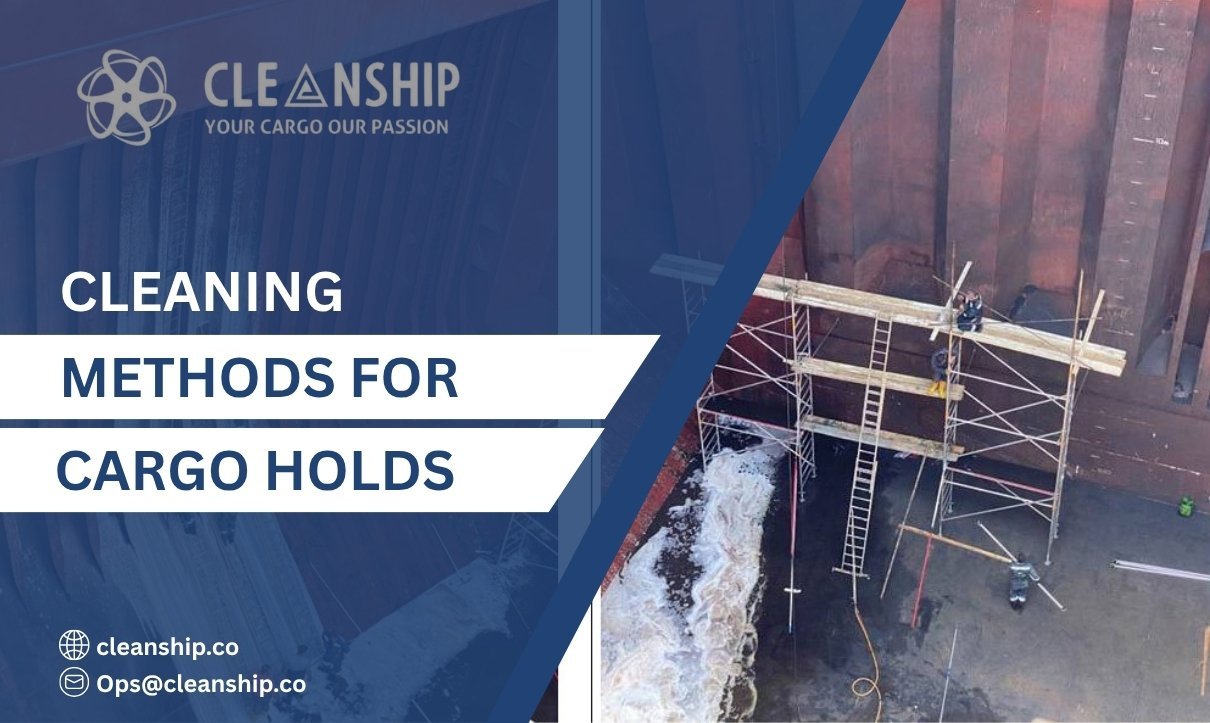
Cleaning Methods for Cargo Holds

Proven Cleaning Techniques for Cargo Holds: Effective Methods for Every Residue Type

In the competitive world of bulk shipping, mastering effective cleaning methods for cargo holds determines the difference between operational success and costly contamination disasters. At Cleanship, we’ve developed and refined proven cleaning techniques that address every type of cargo residue, ensuring complete contamination removal while optimizing operational efficiency and regulatory compliance. Understanding the Complexity of Cargo Hold Cleaning Methods Modern bulk carriers transport an incredible variety of cargoes, each leaving behind unique residues that require specialized cleaning methods for cargo holds. From sticky agricultural products and abrasive mineral ores to chemical fertilizers and food-grade commodities, each cargo type presents distinct cleaning challenges that demand tailored approaches and specialized techniques. The evolution of cleaning methods for cargo holds has been driven by increasingly stringent regulatory requirements, higher cargo quality standards, and the economic necessity of preventing expensive cross-contamination incidents. Professional cleaning techniques must address not only visible contamination but also microscopic residues that can compromise subsequent cargo quality. Effective cleaning methods for cargo holds integrate advanced equipment, proven chemicals, systematic procedures, and skilled personnel to achieve consistently superior results across all cargo types and contamination scenarios. Comprehensive Classification of Cargo Residue Types Dry Bulk Cargo Residues Dry bulk cargoes represent the majority of global shipping volume, requiring specialized cleaning methods for cargo holds that address their unique characteristics: Mineral and Coal Residues: Agricultural Product Residues: Our expert cleaning services utilize targeted approaches for each residue type, ensuring complete removal without surface damage or environmental harm. Liquid and Semi-Liquid Cargo Residues Liquid cargo transportation creates complex cleaning challenges requiring specialized methods: Chemical and Fertilizer Residues: Edible Oil and Fat Residues: Advanced High-Pressure Water Cleaning Techniques High-pressure water systems represent the cornerstone of modern cleaning methods for cargo holds, offering versatility, effectiveness, and environmental compatibility across diverse contamination scenarios. Variable Pressure Applications Professional cleaning methods for cargo holds employ variable pressure systems that optimize cleaning effectiveness while protecting hold surfaces: Ultra-High Pressure Systems (500-1000 bar): Medium Pressure Applications (200-500 bar): Low Pressure Techniques (50-200 bar): Hot Water and Steam Integration Advanced cleaning methods for cargo holds incorporate temperature control for enhanced effectiveness: Hot Water Benefits: Our professional hold cleaning services utilize state-of-the-art temperature-controlled systems that optimize cleaning performance while minimizing environmental impact. Specialized Chemical Cleaning Methods Chemical cleaning agents represent essential components of comprehensive cleaning methods for cargo holds, providing targeted solutions for specific contamination types that mechanical cleaning alone cannot address effectively. Alkaline Cleaning Solutions Alkaline cleaning methods effectively address organic contamination and protein-based residues: Applications and Benefits: Specialized Alkaline Formulations: Acidic Cleaning Techniques Acidic cleaning methods target mineral deposits, rust stains, and alkaline cargo residues: Mineral Deposit Removal: Safety and Environmental Considerations: Professional acidic cleaning methods incorporate neutralization systems, corrosion inhibitors, and environmental protection measures ensuring safe application and waste disposal. Specialized Decontamination Agents Advanced cleaning methods for cargo holds include specialized agents for challenging contamination scenarios: Enzyme-Based Cleaners: Solvent-Based Solutions: Mechanical Cleaning Methods and Equipment Mechanical cleaning techniques complement chemical and water-based methods, providing physical removal capabilities essential for comprehensive cargo hold cleaning. Abrasive Cleaning Techniques Controlled abrasive methods address stubborn deposits that resist chemical and water cleaning: Dry Ice Blasting: Media Blasting Applications: Mechanical Scraping and Brushing Traditional mechanical methods remain essential components of comprehensive cleaning approaches: Power Tool Applications: Manual Techniques: Our comprehensive tank cleaning services can be coordinated with mechanical hold cleaning for complete vessel preparation. Advanced Vacuum and Debris Recovery Systems Effective cleaning methods for cargo holds integrate sophisticated debris recovery systems that ensure complete contamination removal while maintaining operational efficiency. Industrial Vacuum Applications Professional vacuum systems address diverse cleaning requirements: Wet/Dry Recovery Systems: Specialized Vacuum Techniques: Water Recovery and Recycling Sustainable cleaning methods for cargo holds incorporate water recovery and treatment systems: Closed-Loop Systems: Quality Control and Verification Methods Professional cleaning methods for cargo holds include comprehensive quality control procedures ensuring consistent results and regulatory compliance. Visual Inspection Protocols Systematic visual inspection validates cleaning effectiveness: Inspection Standards: Laboratory Testing and Analysis Advanced quality control includes scientific validation: Contamination Analysis: Certification and Documentation Professional cleaning methods for cargo holds include comprehensive documentation: The International Maritime Organization (IMO) establishes global standards that guide professional cleaning method development and implementation. Environmental Compliance in Cleaning Methods Modern cleaning methods for cargo holds must balance effectiveness with environmental responsibility, incorporating sustainable practices and regulatory compliance. Waste Management and Disposal Professional cleaning operations include comprehensive waste management: Contaminated Water Treatment: Solid Waste Handling: Eco-Friendly Cleaning Agent Selection Sustainable cleaning methods prioritize environmentally responsible products: Technology Integration and Innovation Cutting-edge cleaning methods for cargo holds incorporate technological advances that enhance effectiveness, safety, and efficiency. Remote Monitoring and Control Advanced cleaning systems feature remote operation capabilities: Predictive Maintenance Integration Modern cleaning methods integrate with vessel maintenance programs: The International Association of Dry Cargo Shipowners (INTERCARGO) promotes technological advancement in bulk carrier operations, including cleaning method innovation. Customized Cleaning Method Selection Professional cleaning services develop customized approaches based on specific vessel requirements, cargo histories, and operational constraints. Vessel-Specific Considerations Cleaning method selection addresses individual vessel characteristics: Cargo Transition Requirements Cleaning methods vary based on cargo sequence planning: Conclusion: Optimizing Cleaning Method Effectiveness Effective cleaning methods for cargo holds require comprehensive understanding of contamination types, systematic application of proven techniques, and continuous adaptation to evolving industry requirements. Professional cleaning services integrate mechanical, chemical, and technological approaches to achieve superior results consistently. At Cleanship, our extensive experience with diverse cleaning methods for cargo holds enables us to provide customized solutions that optimize effectiveness while maintaining cost efficiency and environmental responsibility. Our proven techniques ensure complete contamination removal and regulatory compliance across all cargo types and operational scenarios. Don’t compromise your cargo quality with inadequate cleaning methods. Contact Cleanship today to discover how our proven cleaning techniques can protect your operations and ensure superior cargo hold preparation for any residue type. Frequently Asked Questions About Cleaning Methods for Cargo Holds
Read more
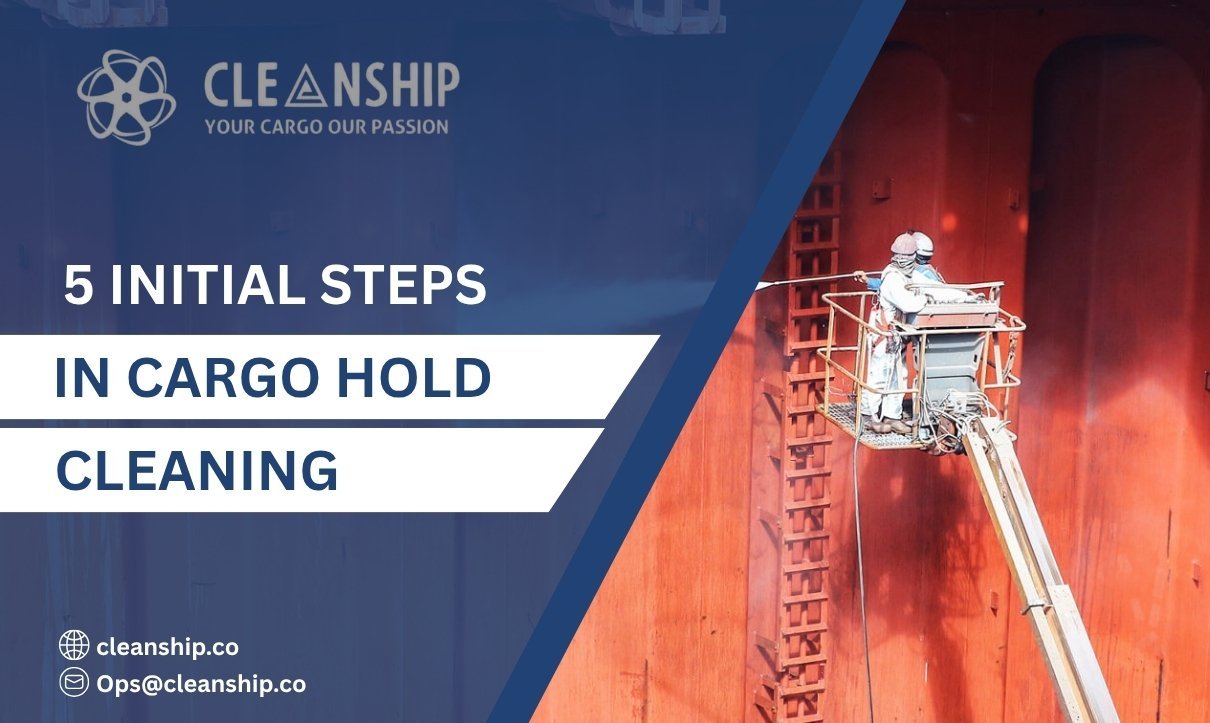
Initial steps in cargo hold cleaning

5 Essential Initial Steps in Cargo Hold Cleaning for Maximum Efficiency

The success of any cargo hold cleaning operation depends entirely on the thoroughness and precision of the initial steps taken before the actual cleaning begins. At Cleanship, we’ve refined these crucial preliminary procedures through years of experience, understanding that proper preparation determines the effectiveness, safety, and efficiency of the entire cleaning process. These initial steps in cargo hold cleaning form the foundation for successful contamination removal and regulatory compliance. Understanding the Critical Nature of Initial Steps in Cargo Hold Cleaning The initial steps in cargo hold cleaning represent far more than routine preparation—they constitute a comprehensive assessment and planning phase that directly impacts operational outcomes, crew safety, and cost efficiency. Modern bulk carrier operations demand systematic approaches that minimize risks while maximizing cleaning effectiveness within tight scheduling constraints. Professional cargo hold cleaning begins long before the first drop of water or cleaning agent touches the hold surfaces. The preliminary phase involves detailed assessments, strategic planning, safety preparations, and equipment positioning that collectively determine whether the cleaning operation will achieve its objectives efficiently and safely. Neglecting proper initial steps in cargo hold cleaning can result in incomplete contamination removal, safety incidents, regulatory non-compliance, extended cleaning times, and ultimately, expensive cargo contamination claims that could have been prevented through methodical preparation. Step 1: Comprehensive Hold Assessment and Documentation The first and most critical of the initial steps in cargo hold cleaning involves conducting a thorough assessment of current hold conditions, contamination levels, and specific cleaning requirements. This systematic evaluation forms the basis for all subsequent cleaning decisions and resource allocation. Detailed Visual Inspection Process Professional assessment begins with comprehensive visual inspection of all hold surfaces, including bulkheads, tank tops, frames, and hatch covers. Our experienced technicians examine every accessible area to identify: Contamination Assessment: Structural Condition Evaluation: Our expert cleaning services utilize advanced inspection techniques including photographic documentation, contamination sampling, and detailed condition reporting that establishes baseline measurements for cleaning effectiveness evaluation. Documentation and Photographic Evidence Comprehensive documentation during the assessment phase serves multiple critical purposes including regulatory compliance, insurance requirements, and client reporting. Professional documentation includes: This thorough documentation protects all parties involved while providing clear evidence of cleaning necessity and subsequent effectiveness. Step 2: Safety Assessment and Risk Analysis Safety considerations represent the most crucial among the initial steps in cargo hold cleaning. Comprehensive safety assessment ensures crew protection while establishing protocols for emergency response and hazard mitigation throughout the cleaning operation. Atmospheric Testing and Ventilation Professional safety assessment begins with atmospheric testing to identify potential hazards including: Gas Concentration Monitoring: Ventilation System Evaluation: Personal Protective Equipment Requirements Based on assessment results, appropriate personal protective equipment (PPE) requirements are established including respiratory protection, chemical-resistant clothing, safety harnesses, and emergency communication equipment. Our professional hold cleaning services maintain the highest safety standards through comprehensive PPE protocols and continuous monitoring. Confined Space Entry Procedures Cargo holds constitute confined spaces requiring specialized entry procedures, emergency response plans, and continuous atmospheric monitoring throughout cleaning operations. Professional safety protocols include designated safety officers, emergency evacuation procedures, and communication systems. Step 3: Equipment Selection and Positioning Strategy Strategic equipment selection and positioning represent critical initial steps in cargo hold cleaning that directly impact operational efficiency, cleaning effectiveness, and overall project timeline. Professional operations require careful matching of equipment capabilities with specific cleaning requirements. Cleaning Equipment Assessment Equipment selection depends on multiple factors identified during the initial assessment phase: High-Pressure Water Systems: Specialized Cleaning Tools: Access Equipment: Strategic Equipment Positioning Efficient equipment positioning minimizes setup time, reduces safety risks, and optimizes cleaning workflow. Professional positioning strategies consider: Our comprehensive tank cleaning services can be coordinated with hold cleaning operations for maximum equipment utilization and operational efficiency. Step 4: Regulatory Compliance and Documentation Preparation Regulatory compliance preparation constitutes essential initial steps in cargo hold cleaning, ensuring operations meet international maritime standards and specific port requirements. Proper preparation prevents delays, fines, and operational complications. International Standards Compliance Professional cleaning operations must comply with multiple regulatory frameworks: IMO and MARPOL Requirements: The International Maritime Organization (IMO) establishes global standards for ship operations and environmental protection. Compliance preparation includes: Documentation Preparation Comprehensive documentation preparation includes: Step 5: Resource Planning and Timeline Development The final critical component among initial steps in cargo hold cleaning involves comprehensive resource planning and realistic timeline development that coordinates personnel, equipment, and operational requirements with vessel scheduling constraints. Personnel Resource Planning Effective resource planning ensures adequate skilled personnel availability: Team Composition Requirements: Shift Planning and Coverage: Timeline Development and Coordination Realistic timeline development balances thorough cleaning requirements with operational scheduling pressures: Critical Path Analysis: Coordination Factors: The International Association of Dry Cargo Shipowners (INTERCARGO) emphasizes the importance of systematic planning in bulk carrier operations, including comprehensive preparation for cleaning operations. Integration and Execution of Initial Steps Successful cargo hold cleaning operations require seamless integration of all initial steps in cargo hold cleaning. Professional coordination ensures that assessment findings inform safety preparations, equipment selection matches identified requirements, regulatory compliance addresses specific operational needs, and resource planning supports efficient execution. At Cleanship, our four-phase approach to initial preparation includes: Quality Control and Continuous Improvement Effective initial steps in cargo hold cleaning include establishment of quality control measures and continuous improvement protocols that ensure consistent results and operational enhancement over time. Performance Metrics Development Key performance indicators established during initial steps include: Continuous Improvement Integration Professional operations incorporate lessons learned and best practices development: Conclusion: Maximizing Efficiency Through Proper Initial Steps The initial steps in cargo hold cleaning determine the success, safety, and efficiency of every cleaning operation. Professional preparation through comprehensive assessment, safety planning, equipment positioning, regulatory compliance, and resource coordination creates the foundation for effective contamination removal and operational success. At Cleanship, we understand that thorough initial preparation prevents problems, reduces costs, and ensures superior cleaning results. Our systematic approach to initial steps in cargo hold cleaning maximizes efficiency while maintaining the highest safety and quality standards. Don’t compromise your cleaning operations with inadequate preparation. Contact Cleanship today to discover how our professional initial assessment and preparation
Read more
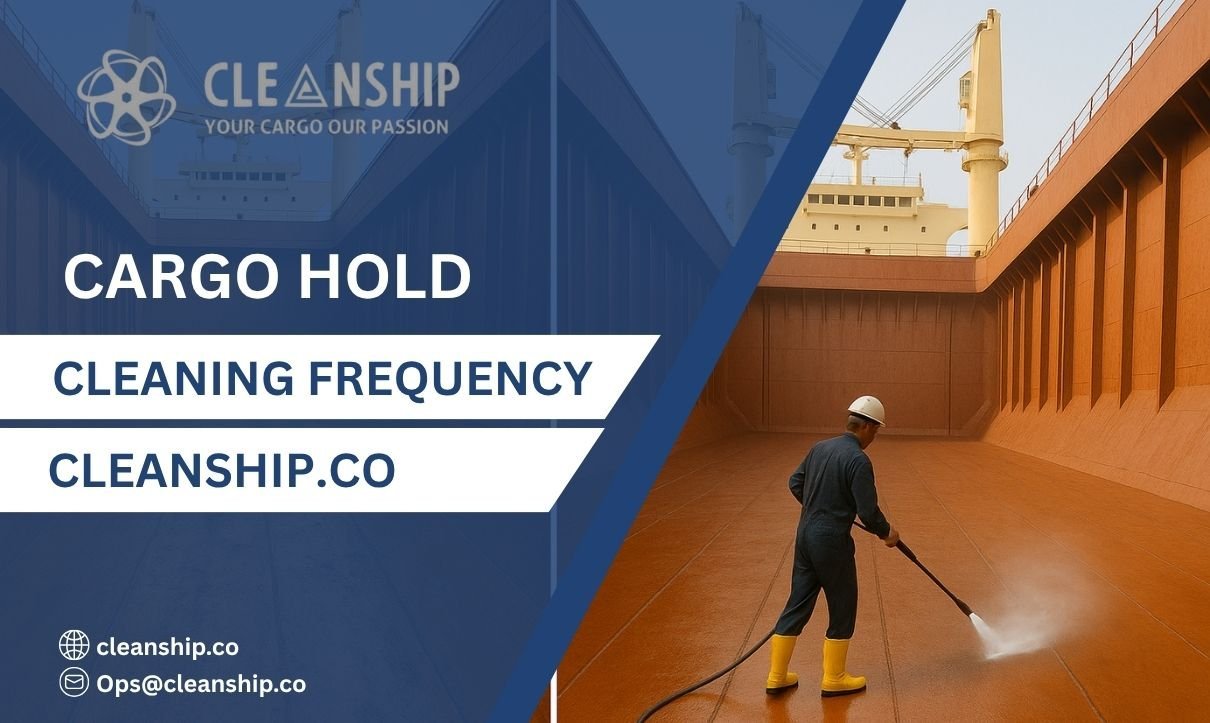
Cargo hold cleaning frequency

How Often Should You Clean Cargo Holds? A Guide to Frequency and Scheduling

Determining the optimal cargo hold cleaning frequency is one of the most critical decisions facing bulk carrier operators today. The timing of professional cleaning directly impacts cargo quality, operational costs, and regulatory compliance. At Cleanship, we’ve developed comprehensive guidelines to help shipping companies establish effective cleaning schedules that maximize efficiency while minimizing contamination risks. Understanding Cargo Hold Cleaning Frequency Requirements The frequency of cargo hold cleaning depends on multiple interconnected factors that vary significantly across different shipping operations. Unlike routine maintenance tasks with fixed intervals, cargo hold cleaning frequency must be strategically planned based on cargo types, trading patterns, vessel age, and regulatory requirements. Modern bulk carriers face increasing pressure to optimize cleaning schedules as charterers demand higher cargo quality standards while operators seek to minimize operational downtime. The challenge lies in balancing thorough cleaning requirements with operational efficiency to maintain competitive advantage in the global shipping market. Primary Factors Determining Cargo Hold Cleaning Frequency Cargo Type Transitions and Contamination Risk The most significant factor influencing cargo hold cleaning frequency is the sequence of different cargo types being transported. High-risk transitions require immediate professional cleaning, while similar cargo types may allow extended intervals between cleaning operations. High-Risk Cargo Transitions Requiring Immediate Cleaning: Our expert cleaning services ensure complete contamination removal during these critical transitions, protecting cargo integrity and preventing expensive claims. Moderate-Risk Transitions: Low-Risk Cargo Sequences: Trading Route Patterns and Port Requirements Cargo hold cleaning frequency varies significantly based on trading routes and specific port requirements. Some ports mandate professional cleaning certificates for certain cargo types, while others have seasonal restrictions affecting cleaning schedules. Regional Variations in Cleaning Requirements: Understanding these regional differences helps optimize cargo hold cleaning frequency while ensuring compliance with local regulations. Recommended Cleaning Frequency Guidelines Standard Operating Recommendations Based on extensive industry experience, Cleanship recommends the following cargo hold cleaning frequency guidelines: High-Frequency Cleaning Schedule (Every 2-3 Voyages): Medium-Frequency Cleaning Schedule (Every 4-6 Voyages): Extended Cleaning Intervals (Every 8-12 Voyages): Seasonal Considerations Affecting Cleaning Frequency Seasonal factors significantly impact optimal cargo hold cleaning frequency, particularly for vessels involved in agricultural trade cycles. Harvest Season Adjustments: During peak agricultural seasons, increased cleaning frequency ensures compliance with food-grade standards while capturing premium freight rates for clean cargoes. Weather-Related Scheduling: Monsoon seasons and winter weather patterns affect cleaning operations, requiring adjusted frequencies to maintain operational continuity. Regulatory Compliance and Mandatory Cleaning Requirements International maritime regulations establish minimum cargo hold cleaning frequency requirements that vary based on cargo types and trading routes. The International Maritime Organization (IMO) guidelines provide the framework for these requirements. IMO and MARPOL Compliance Standards Professional cargo hold cleaning services must align with international standards including: Non-compliance with mandated cleaning frequency can result in vessel detention, substantial fines, and operational delays costing thousands of dollars daily. Economic Optimization of Cleaning Schedules Cost-Benefit Analysis for Cleaning Frequency Determining optimal cargo hold cleaning frequency requires careful economic analysis balancing cleaning costs against potential contamination losses and operational benefits. Direct Cost Considerations: Hidden Cost Factors: Revenue Protection Benefits: Strategic Scheduling for Maximum Efficiency Effective cargo hold cleaning frequency planning involves strategic coordination with trading schedules, port rotations, and cargo booking patterns. Optimal Scheduling Strategies: Our comprehensive tank cleaning services can be coordinated with hold cleaning operations for maximum efficiency. Advanced Cleaning Frequency Management Technology-Driven Scheduling Solutions Modern shipping operations benefit from technology-enhanced approaches to cargo hold cleaning frequency management, including predictive maintenance systems and cargo contamination risk assessment tools. Digital Monitoring Systems: Advanced monitoring helps optimize cleaning frequency by tracking cargo residue accumulation, hold condition deterioration, and contamination risk factors over time. Predictive Analytics: Data-driven approaches analyze historical patterns, cargo sequences, and performance metrics to recommend optimal cleaning frequencies for specific vessels and trade routes. Customized Frequency Programs Cleanship offers tailored cargo hold cleaning frequency programs designed for specific vessel operations and trading patterns. Comprehensive Assessment Services: Our four-step professional process begins with detailed assessments that inform customized cleaning frequency recommendations: Quality Assurance and Documentation Maintaining Cleaning Records Proper documentation of cargo hold cleaning frequency helps demonstrate regulatory compliance while supporting insurance claims and charterer negotiations. Essential Documentation Requirements: Continuous Improvement Programs Regular review and adjustment of cargo hold cleaning frequency based on operational experience and performance metrics ensures optimal results over time. Performance Metrics for Frequency Optimization: Environmental Considerations in Cleaning Frequency Sustainable Cleaning Practices Environmental responsibility influences optimal cargo hold cleaning frequency, as more frequent cleaning can reduce chemical usage per cleaning cycle while minimizing marine pollution risks. Eco-Friendly Frequency Strategies: The International Association of Dry Cargo Shipowners (INTERCARGO) emphasizes sustainable practices in bulk carrier operations, including responsible cleaning frequency management. Industry Best Practices and Expert Recommendations Professional Service Provider Selection Choosing experienced cleaning service providers significantly impacts the effectiveness of any cargo hold cleaning frequency strategy. Cleanship’s Competitive Advantages: Conclusion: Optimizing Your Cleaning Frequency Strategy Effective cargo hold cleaning frequency management requires balancing multiple factors including cargo types, regulatory requirements, operational costs, and market conditions. The optimal frequency varies significantly based on individual vessel operations and trading patterns. At Cleanship, we understand that one-size-fits-all approaches don’t work for cargo hold cleaning frequency. Our customized programs help shipping companies develop optimal cleaning schedules that minimize costs while maximizing cargo protection and operational efficiency. Don’t leave your cleaning frequency to chance. Contact Cleanship today to develop a customized cargo hold cleaning frequency strategy that protects your operations while optimizing costs and efficiency. Frequently Asked Questions About Cargo Hold Cleaning Frequency
Read more
Consequences of Inadequate Cargo Hold Cleaning

Consequences of Inadequate Cargo Hold Cleaning

Ensuring clean cargo holds in bulk carriers is not just a procedural task—it’s a fundamental aspect of maintaining operational efficiency, cargo integrity, and regulatory compliance. Neglecting proper cargo hold cleaning can result in significant financial losses, environmental repercussions, and legal liabilities. Consequences of Inadequate Cargo Hold Cleaning This article outlines the key consequences of inadequate cargo hold cleaning and emphasizes why it must be treated as a top priority in maritime logistics. 1. Cargo Contamination and Financial Loss One of the most immediate and severe consequences of inadequate cargo hold cleaning is cargo contamination. Consequences of Inadequate Cargo Hold Cleaning Bulk carriers transport a wide range of materials, from food-grade grains and sugar to coal and fertilizers. If residues from previous cargoes are not thoroughly removed, cross-contamination can occur. This is especially detrimental when switching between incompatible cargo types, such as from coal to grains. Contaminated cargo not only leads to claims and disputes but can also result in complete rejection of the shipment by the consignee. In cases involving food-grade cargoes, contamination can pose serious health risks, attracting stricter penalties from regulatory bodies. 2. Accelerated Corrosion and Vessel Wear Residues left in the cargo hold, particularly from corrosive materials like salt or fertilizer, can rapidly deteriorate the internal structure of the vessel. When such materials interact with moisture, they can lead to the accelerated formation of rust and corrosion. Consequences of Inadequate Cargo Hold Cleaning Over time, this reduces the structural integrity of the cargo hold and can necessitate expensive repairs or even result in the vessel being declared unseaworthy. Regular cleaning helps identify early signs of wear and allows for preventive maintenance, thereby extending the life of the vessel. 3. Non-Compliance with International Maritime Regulations The International Maritime Organization (IMO) and MARPOL guidelines mandate cleanliness standards for cargo holds to prevent pollution and ensure safe carriage of goods. Failure to comply with these regulations can result in detentions, fines, and increased scrutiny from port state control authorities. Port inspections often include a thorough review of cargo hold conditions. Consequences of Inadequate Cargo Hold Cleaning A vessel with inadequately cleaned holds may be deemed unfit for loading, resulting in operational delays and additional cleaning costs while berthed. 4. Pest Infestation and Quarantine Risks Cargo holds that are not properly cleaned provide an ideal breeding ground for pests such as rodents, insects, and microbes. Consequences of Inadequate Cargo Hold Cleaning This is particularly risky when transporting agricultural products. Pest infestations can trigger quarantine protocols at destination ports, causing long delays and the need for expensive fumigation services. Additionally, infested cargo could be rejected, leading to wasted transportation costs and potential legal disputes with customers. 5. Operational Delays and Demurrage Dirty cargo holds often lead to vessel rejection at loading ports. When a vessel is deemed unready, it must vacate the berth or remain idle while cleaning operations are carried out. Consequences of Inadequate Cargo Hold Cleaning This downtime incurs demurrage charges, disrupts scheduling, and reduces overall fleet efficiency. In competitive shipping markets, the inability to adhere to charter party agreements due to poor hold conditions can also tarnish a ship owner’s or operator’s reputation. 6. Compromised Safety for Crew and Cargo Residue build-up in cargo holds can lead to dangerous working conditions. For example, leftover coal dust is not only flammable but can also create respiratory issues for crew members. Slippery surfaces, poor visibility, and confined space hazards are common in neglected holds. Ensuring clean holds reduces these risks and contributes to a safer onboard environment. 7. Increased Insurance Premiums and Claim Risks Vessels with a track record of cargo contamination or hold-related claims may be subjected to higher insurance premiums. Consequences of Inadequate Cargo Hold Cleaning Insurance companies consider the vessel’s maintenance history when assessing risk, and repeated issues due to inadequate cleaning can lead to unfavorable terms or reduced coverage options. Proper hold cleaning minimizes the risk of cargo claims and protects the owner’s financial interests. 8. Loss of Business and Reputation Charterers and cargo owners prefer vessels that demonstrate high standards of cleanliness and operational readiness. Consequences of Inadequate Cargo Hold Cleaning A history of inadequate cargo hold maintenance can deter repeat business and damage long-term relationships. In industries where timing, hygiene, and compliance are critical, such as food and chemical logistics, reputation is everything. Maintaining clean cargo holds showcases a commitment to quality and reliability, boosting competitiveness in the shipping industry. 9. Environmental Hazards Improper cleaning may result in residual cargo materials being washed overboard, especially during rain or rough weather, leading to environmental pollution. This violates MARPOL protocols and can attract heavy fines and restrictions on future port entries. Environmental responsibility is becoming an increasingly scrutinized aspect of shipping operations, and clean cargo holds contribute to sustainable practices. 10. Inefficient Cargo Loading and Discharging Unclean or uneven cargo surfaces can interfere with automated loading and unloading systems. For instance, sticky residue or leftover particles may cause cargo flow disruptions, block conveyor belts, or damage mechanical components. These inefficiencies extend port stay and increase handling costs. A well-cleaned hold ensures smooth cargo flow and reduces the need for manual intervention. Cargo Hold Cleaning : Hold Cleaning Services How to Prevent These Consequences Preventing the consequences of inadequate cargo hold cleaning involves a combination of good practices, technological assistance, and adherence to international standards. Here are several key steps: Conclusion The consequences of inadequate cargo hold cleaning are too significant to ignore. From contamination and corrosion to legal penalties and reputational loss, the risks span every aspect of vessel operation. By prioritizing cargo hold hygiene and implementing standardized cleaning practices, ship operators can protect their assets, ensure regulatory compliance, and uphold customer trust. FAQs: Consequences of Inadequate Cargo Hold Cleaning For professional hold cleaning, contact us at CleanShip:Email: ops@cleanship.coPhone: +91 7080050720www.cleanship.co
Read more
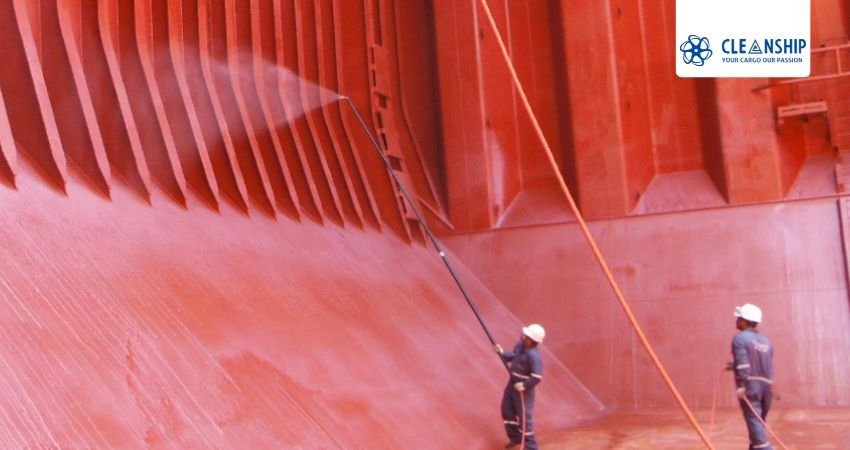
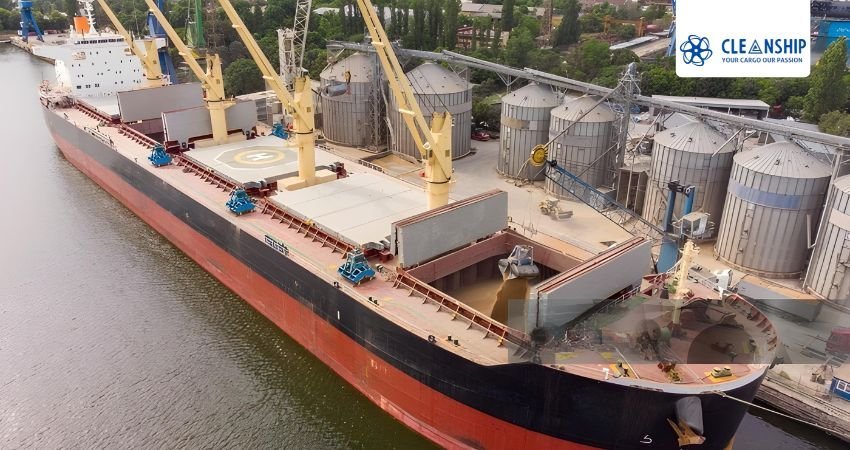
Professional bulk carrier hold cleaning services by Cleanship team using high-pressure water systems

Why Clean Holds Matter: Key Reasons for Bulk Carrier Hold Cleaning

In the maritime shipping industry, bulk carrier hold cleaning represents far more than a routine maintenance task—it’s a critical operational requirement that directly impacts cargo integrity, regulatory compliance, and financial performance. At Cleanship, we’ve witnessed how proper bulk carrier hold cleaning can transform shipping operations, preventing costly contamination incidents while ensuring seamless cargo transitions. Understanding the Stakes: Why Bulk Carrier Hold Cleaning Cannot Be Compromised Bulk carriers transport diverse cargoes including grain, coal, iron ore, fertilizers, and chemicals across global shipping routes. Each cargo type leaves behind residues, contaminants, and potential cross-contamination risks that demand thorough professional cleaning. The consequences of inadequate bulk carrier hold cleaning extend far beyond surface cleanliness, affecting everything from cargo quality to international trade relationships. The modern shipping industry operates on razor-thin margins where a single contamination incident can result in cargo rejection, legal disputes, and losses exceeding millions of dollars. Professional bulk carrier hold cleaning services provide essential protection against these expensive risks while ensuring operational continuity. Preventing Cross-Contamination: The Foundation of Cargo Integrity Cross-contamination represents the most significant financial threat in bulk shipping operations. When previous cargo residues mix with new shipments, the results can be catastrophic. Consider a bulk carrier transitioning from coal transport to grain cargo—without thorough hold cleaning, even microscopic coal particles can contaminate the entire grain shipment, rendering it unsuitable for human consumption. Our expert cleaning services utilize advanced techniques to eliminate all traces of previous cargoes. This comprehensive approach protects cargo owners, maintains charterer relationships, and preserves your vessel’s reputation in the competitive shipping market. The financial implications of cross-contamination extend beyond immediate cargo losses. Contaminated shipments trigger insurance claims, legal proceedings, and potential bans from premium cargo contracts. Professional bulk carrier hold cleaning serves as insurance against these expensive complications. Regulatory Compliance: Meeting International Maritime Standards Global maritime authorities have established stringent cleanliness requirements for bulk carriers. The International Maritime Organization (IMO) guidelines mandate specific cleaning protocols depending on cargo types and trading routes. These regulations ensure environmental protection while maintaining international trade standards. Our professional bulk carrier hold cleaning services guarantee compliance with all regulatory requirements, including: Non-compliance with these regulations results in vessel detention, substantial fines, and operational delays costing thousands of dollars daily. Investing in professional bulk carrier hold cleaning proves significantly more economical than facing regulatory penalties and operational disruptions. Operational Efficiency: Maximizing Port Performance Clean cargo holds directly enhance loading and discharge operations at ports worldwide. Residual materials from previous cargoes interfere with cargo flow systems, create equipment blockages, and significantly slow port operations. Professional bulk carrier hold cleaning ensures optimal cargo handling efficiency, reducing port time and associated costs. Additionally, clean holds minimize wear on expensive cargo handling equipment. Abrasive residues damage conveyor systems, grab mechanisms, and discharge equipment, leading to costly repairs and unplanned maintenance schedules. Regular professional cleaning extends equipment life while maintaining operational reliability. For comprehensive vessel maintenance, consider our complementary tank cleaning services that ensure complete vessel readiness. Advanced Cleaning Technology: The Cleanship Advantage Modern bulk carrier hold cleaning demands sophisticated equipment and proven methodologies. At Cleanship, we employ cutting-edge technology combined with environmentally responsible practices to deliver superior results: High-Pressure Water Systems: Our industrial-grade equipment removes even the most stubborn cargo residues from hold surfaces, ensuring complete cleanliness preparation for subsequent cargoes. Specialized Chemical Applications: We utilize targeted, eco-friendly cleaning agents specifically formulated for different cargo types and contamination levels, ensuring effective cleaning without environmental harm. Advanced Vacuum Technology: Our powerful vacuum systems guarantee complete removal of all debris and cleaning residues, leaving holds completely dry and ready for immediate cargo loading. Quality Assurance Protocols: Every cleaning operation undergoes rigorous inspection and documentation to guarantee compliance with international maritime standards and charterer requirements. Comprehensive Four-Step Cleaning Process Our systematic approach to bulk carrier hold cleaning ensures consistent, reliable results across all vessel types: 1. Detailed Assessment and Planning Our experienced technicians conduct thorough hold inspections to identify specific cleaning requirements, assess contamination levels, and develop customized cleaning strategies. This comprehensive assessment ensures we deploy the most effective cleaning methods for your particular situation. 2. Strategic Execution Planning Based on our detailed assessment, we create optimized cleaning plans that balance efficiency with thoroughness. Our planning considers cargo schedules, port requirements, and vessel-specific factors to minimize operational downtime. 3. Professional Cleaning Execution Our skilled teams utilize advanced equipment and proven techniques to deliver thorough, safe cleaning results. We handle everything from routine maintenance cleaning to specialized decontamination procedures for challenging cargo transitions. 4. Quality Control and Documentation We conduct comprehensive final inspections and provide detailed documentation for regulatory compliance and charterer requirements. Our quality control process includes photographic evidence and certificates confirming cleaning completion. Economic Benefits: Return on Investment Analysis Professional bulk carrier hold cleaning represents a minimal operational expense while providing substantial returns on investment. Consider these financial advantages: Prevented Contamination Losses: Avoiding a single contaminated cargo incident can save hundreds of thousands of dollars in claims, legal costs, and reputation damage. Enhanced Charter Rates: Well-maintained vessels with documented cleaning records command premium charter rates from quality cargo owners and charterers. Reduced Equipment Maintenance: Clean holds minimize wear on cargo handling systems, extending equipment life and reducing maintenance costs. Operational Efficiency Gains: Faster loading and discharge operations reduce port costs and improve vessel utilization rates. Insurance Benefits: Documented professional cleaning can reduce insurance premiums and facilitate faster claim processing when needed. Environmental Stewardship and Sustainable Practices Modern shipping operations must balance operational efficiency with environmental responsibility. Our eco-friendly bulk carrier hold cleaning methods ensure your operations meet strict environmental regulations while minimizing ecological impact. We utilize biodegradable cleaning agents wherever possible and follow comprehensive waste management protocols to prevent marine pollution. This commitment to environmental stewardship protects ocean ecosystems while safeguarding your company’s environmental compliance record. The International Association of Dry Cargo Shipowners (INTERCARGO) emphasizes the importance of environmental responsibility in bulk shipping operations, and our cleaning practices align with these industry guidelines. Selecting Professional Cleaning Partners Choosing the right bulk carrier hold cleaning service provider
Read more
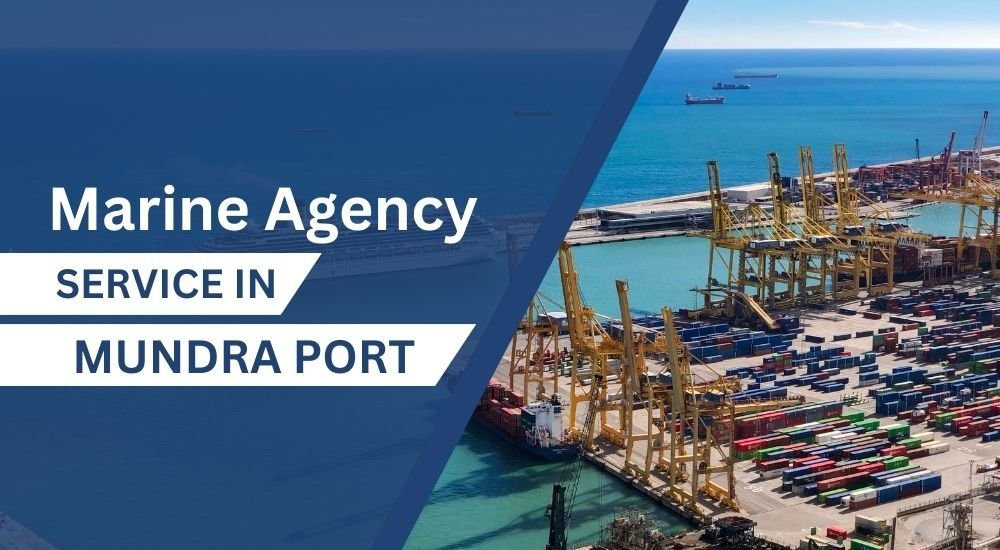
Marine Agency Service in Mundra Port

Marine Agency Service in Mundra Port

Marine Agency Service in Mundra Port: Mundra Port, located on the northern shores of the Gulf of Kutch in Gujarat, India, stands as a testament to the country’s maritime prowess. Operated by Adani Ports and Special Economic Zone Limited (APSEZ), it is India’s largest commercial port and a critical hub for international trade. With its state-of-the-art infrastructure, deep draft berths, and multimodal connectivity, Mundra Port handles a diverse range of cargo, including containers, dry bulk, liquid cargo, crude oil, and automobiles. Amid this bustling maritime ecosystem, the marine agency service in Mundra Port plays a pivotal role in ensuring seamless operations, efficient vessel management, and compliance with regulatory requirements. The Role of Marine Agency Services Marine agency service in Mundra Port acts as the backbone of port operations by facilitating the smooth arrival, berthing, cargo handling, and departure of vessels. At Mundra Port, these services are provided by specialized agencies that serve as intermediaries between ship owners, operators, port authorities, and other stakeholders. Their primary responsibility is to ensure that vessels experience minimal downtime, adhere to local and international regulations, and receive the necessary support for their operational needs. Marine agency service in Mundra Port offers a comprehensive suite of services, including vessel husbandry, customs clearance, crew management, bunkering, and logistics coordination. Given the port’s strategic location and its capacity to handle some of the world’s largest bulk carriers and container ships, these agencies are equipped to manage complex operations with precision and efficiency. Key Functions of Marine Agency Service in Mundra Port 1. Vessel Husbandry Vessel husbandry is a core component of the Marine agency service in Mundra Port. Agencies coordinate the arrival and departure of ships, ensuring that all necessary documentation, such as port clearance and customs paperwork, is completed in advance. They liaise with Mundra Port’s control center, which operates on VHF Channels 16, 73, and 77, to secure berthing slots and manage pilotage services. This ensures that vessels can dock and depart without delays, optimizing turnaround times—a critical factor in Mundra’s reputation for efficiency. 2. Cargo Handling Coordination Mundra Port is renowned for its ability to handle diverse cargo types, from coal and fertilizers to crude oil and automobiles. Marine agency service in Mundra Port works closely with stevedores, terminal operators, and cargo owners to streamline loading and unloading processes. For instance, the port’s high-capacity Grab Ship Unloaders (GSUs) and Mobile Harbor Cranes require precise scheduling, which agencies manage to ensure uninterrupted operations. They also oversee the movement of cargo through Mundra’s integrated conveyor systems and pipelines, particularly for bulk and liquid commodities. 3. Bunkering and Supplies Fuel and provisions are essential for any vessel’s journey. Marine agency service in Mundra Port arranges bunkering services, supplying marine gas oil (MGO), high-speed diesel (HSD), and other fuels via tankers or bunker barges. Fresh water, available at all berths on a chargeable basis, is also coordinated by these agencies, along with provisions like food and spare parts. This ensures that ships are fully equipped for their next voyage, minimizing delays. 4. Crew Management Crew welfare is another critical aspect handled by marine agencies. They facilitate crew changes, medical assistance, and visa formalities, ensuring compliance with immigration regulations. Mundra Port’s proximity to a 100-bed multi-specialty Sterling Hospital allows agencies to arrange prompt medical care when needed. Additionally, they coordinate transportation to nearby airports like Bhuj (60 km) or Ahmedabad (410 km) for crew repatriation or onboarding. 5. Regulatory Compliance and Documentation Navigating the regulatory landscape is a complex task, especially in a port as busy as Mundra. Marine agency service in Mundra Port ensures that vessels comply with Indian customs, immigration, and port health requirements. They handle payments for port dues, pilotage charges, berth hire, and other fees, such as the Indian Lighthouse Dues (INR 8 per NRT) and VTMS charges (INR 4.84 per GRT), ensuring transparency and accuracy. Why Matter, Marine Agency Service in Mundra Port Mundra Port’s status as a flagship port with a capacity to handle over 7.5 million TEUs (Twenty-foot Equivalent Units) of container cargo annually underscores the importance of Marine agency service in Mundra Port. The port’s four container terminals, deep draft berths, and two single-point mooring systems for crude oil evacuation require meticulous coordination. Agencies bridge the gap between the port’s advanced infrastructure and the operational needs of shipping lines, ensuring that the port’s potential is fully realized. Moreover, Mundra’s customer-centric approach—offering faster vessel turnaround, innovative logistics solutions, and double-stacked train evacuations—relies heavily on the efficiency of marine agencies. They enhance the port’s competitiveness as a natural gateway to northern and northwestern India by providing single-window services for berthing, stevedoring, and cargo dispatch. Challenges Faced by Marine Agencies in Mundra Port Despite their critical role, marine agencies face several challenges. The port’s round-the-clock operations demand constant vigilance and rapid response times. Seasonal variations, such as the southwest monsoon (when water density ranges from 1.020 to 1.023), can affect vessel handling, requiring agencies to adapt quickly. Additionally, managing the diverse needs of shipping lines like Maersk, MSC, COSCO, and Hapag-Lloyd, which operate over 35 services from Mundra, adds complexity to their operations. The Future of Marine Agency Service in Mundra Port As Mundra Port continues to expand—plans include extending its airport runway from 900 meters to 4,500 meters to create an international air cargo hub—the role of marine agencies will evolve. The integration of digital tools, such as Electronic Data Interchange (EDI) for service requests and vessel tracking, is already enhancing efficiency. Agencies are likely to adopt more advanced technologies, such as AI-driven logistics planning and real-time cargo monitoring, to keep pace with the port’s growth. Conclusion Marine agency services are the unsung heroes of Mundra Port, ensuring that this maritime giant operates like a well-oiled machine. From vessel husbandry to cargo coordination and crew management, these agencies enable the port to maintain its position as India’s largest commercial hub. As Mundra continues to set benchmarks in efficiency and innovation, the role of marine agencies will remain indispensable, driving the port’s success and
Read more
Marine Agency Service in Kandla Port

Marine Agency Service in Kandla Port

Marine agency service in kandla port: Kandla Port, officially known as Deendayal Port, is one of the busiest and most significant ports in India, located in the state of Gujarat. This port plays an essential role in handling bulk cargo, liquid cargo, and container traffic, making it a vital hub for trade and commerce. To ensure smooth maritime operations, marine agency services play an essential role in providing end-to-end support for vessels docking at Kandla Port. What is a Marine Agency Service? A marine agency service acts as an intermediary between shipowners, charterers, and port authorities, ensuring seamless operations and regulatory compliance. These services include vessel clearance, cargo handling, crew management, documentation, and liaising with local authorities. Marine agents at Kandla Port are responsible for overseeing port formalities, streamlining logistics, and offering comprehensive support to shipowners and operators. Key Marine Agency Service in Kandla Port 1. Vessel Clearance and Port Formalities Marine agents at Kandla Port facilitate vessel clearance by handling all required port formalities, customs procedures, and documentation. They coordinate with port authorities to obtain necessary approvals, berth allocations, and entry permits, ensuring timely docking and departure. 2. Cargo Handling and Logistics Support Cargo handling is a critical component of marine agency services. Agents coordinate the loading and unloading of bulk, liquid, and containerized cargo. They also manage warehousing, storage, and inland transportation to ensure smooth logistics operations. 3. Crew Management and Welfare Services Marine agency services extend to crew-related matters such as immigration clearance, medical assistance, crew changes, and repatriation. Agents ensure that seafarers receive timely support for their welfare, including lodging and transportation arrangements. 4. Bunkering and Provisions Supply Ships require fuel, fresh water, food supplies, and spare parts while at port. Marine agencies coordinate the procurement and delivery of these essentials, ensuring uninterrupted operations for vessels. 5. Regulatory Compliance and Documentation Marine agents ensure that vessels comply with all local and international maritime regulations. They handle paperwork related to customs declarations, port dues, and safety inspections, reducing administrative burdens on shipowners. Importance of Marine Agency Service in Kandla Port Challenges in Marine Agency Services While marine agency service in Kandla Port is essential, it also comes with challenges such as: Future Prospects of Marine Agency Service in Kandla Port With increasing trade activities and government initiatives to boost maritime infrastructure, the demand for marine agency service in Kandla Port is expected to grow. Digitalization, automation, and enhanced logistics solutions will further streamline port operations, making marine agency services more efficient and responsive. Frequently Asked Questions Conclusion Marine agency service in Kandla Port is an indispensable part of the shipping industry, ensuring smooth vessel operations, regulatory compliance, and efficient cargo handling. As the port continues to expand, these services will play an important role in enhancing trade facilitation and maritime logistics in India.
Read more
Marine Agency Service

Most Trusted Marine Agency Service

A Marine Agency Service is an important entity in the maritime industry, responsible for ensuring smooth vessel operations in ports and international waters. These agencies act as intermediaries between shipowners, charterers, port authorities, and various stakeholders. From handling documentation to coordinating port logistics, marine agencies play a key role in global trade. The world depends on shipping for the transportation of goods, and without efficient marine agency services, port operations and ship movements would face significant delays. Responsibilities of a Marine Agency Service Marine agencies are responsible for multiple tasks that help vessels operate efficiently. Some of their primary functions include: 1. Port and Customs Clearance When a ship enters a port, it must undergo clearance procedures with customs and port authorities. Marine agencies handle all necessary paperwork and ensure compliance with local and international regulations. 2. Crew Management and Welfare Marine agencies arrange crew changes, medical assistance, and welfare services for seafarers. They coordinate visas, transportation, and accommodation for incoming and outgoing crew members. 3. Logistics and Supply Chain Management Marine agencies assist with logistics, including fuel supply, food provisions, spare parts, and other essential services to keep the ship operational while docked. 4. Legal and Regulatory Compliance Ships must adhere to international maritime laws, safety regulations, and environmental policies. Marine agencies ensure vessels comply with International Maritime Organization (IMO) standards and port-specific rules. 5. Financial Transactions and Accounting Marine agencies oversee financial dealings such as port dues, harbor fees, and pilotage charges. They also handle payments on behalf of shipowners and charterers. 6. Emergency and Crisis Management In case of accidents, mechanical failures, or environmental hazards, marine agencies provide emergency response and coordinate with authorities for rescue and damage control operations. Types of Marine Agencies Different marine agencies specialize in various services. Below are the main types: 1. Owner Protective Agent: We understand that being a vessel owner requires more than just managing the day-to-day operations. You need peace of mind that your assets, your business, and your interests are fully protected. That’s where an Owner Protective Agent (OPA) comes in. 2. Vessel Agency Services: Seamless maritime operations meet exceptional customer service. As a trusted partner in vessel agency services, we are committed to ensuring your port call experience is efficient, hassle-free, and tailored to your specific needs. 3. Bunkering Services: We provide reliable and efficient bunkering solutions for vessels, ensuring high-quality fuel supply at competitive rates. Our team coordinates seamless fuel deliveries at key ports, adhering to international safety and environmental standards. With our expertise, we guarantee timely and cost-effective fueling to keep your operations running smoothly. 4. Crew Handling: Crew Handling: Our marine agency provides comprehensive crew handling services, ensuring seamless crew changes, visa arrangements, travel coordination, and medical assistance. We manage all aspects of crew logistics efficiently, ensuring compliance with maritime regulations while prioritizing crew safety and comfort. 5. Vessel Calling for Cargo Operation: Our marine agency service provides comprehensive services for vessels calling for ports for cargo operations. From pre-arrival coordination to efficient cargo handling and departure formalities, we ensure smooth and timely port calls. Our expertise covers documentation, berth arrangements, customs clearance, and logistical support, ensuring seamless operations for all types of cargo vessels. Contact us for reliable and efficient port agency services. 6. Handle Cruise Vessel: At our marine agency, we expertly handle cruise vessel operations with a dedicated team ensuring seamless coordination from arrival to departure. Our comprehensive services include port clearance, logistics management, and onshore support, all tailored to meet the unique needs of cruise operations. Trust us to enhance operational efficiency and deliver a smooth, stress-free experience for both passengers and crew. 7. Crew Services: Our crew services team is dedicated to connecting highly skilled maritime professionals with premier shipping companies worldwide. We handle every aspect of crew management—from recruitment and training to certification and career support—ensuring that both our clients and crew members thrive in a competitive global environment. 8. Medical Assistance: Our Medical Assistance program provides timely and expert healthcare support to marine professionals. With 24/7 access to emergency care, telemedicine consultations, and specialized maritime medical services, we ensure that seafarers receive the help they need while at sea. 9. Ship Chandling: Ship chandling involves supplying vessels with all the essential goods and services they need during port stays. Our marine agency service specializes in providing prompt, reliable, and high-quality provisioning—from fresh food and water to critical spare parts and equipment. We ensure that every ship is fully equipped and ready for safe and efficient operations, making your turnaround hassle-free and cost-effective. Benefits of Marine Agency Services Marine agencies provide numerous advantages that contribute to the efficiency and profitability of shipping operations. Here are some key benefits: Importance of Marine Agency Services in Global Trade Shipping remains the backbone of global trade, and marine agencies ensure its efficiency. Here’s why they are indispensable: Without marine agencies, shipping companies would face significant operational challenges, leading to financial losses and disruptions in the supply chain. Challenges Faced by Marine Agency Despite their critical role, marine agencies face several challenges, such as: Future of Marine Agency Services The maritime industry is evolving with technological advancements and sustainability initiatives. The future of marine agencies includes: Conclusion Marine agencies are the unsung heroes of the shipping industry, ensuring the smooth movement of vessels, cargo, and crew worldwide. As the maritime sector continues to evolve, these agencies will play an increasingly important role in global trade efficiency, regulatory compliance, and sustainability. Whether you are a shipowner, charterer, or logistics provider, partnering with reliable marine agency services can make a significant difference in operational success. Frequently Asked Questions
Read more
Ship Hold cleaning Standard

What are the 6 ship hold cleaning standards?

Cargo holds in ships are essential areas that require thorough cleaning to assure the safety, quality, and compliance of transported goods. The cleanliness of a ship’s hold directly impacts the condition of the cargo and plays an integral role in adhering to international maritime regulations (IMO). Different cleaning standards exist to ensure that ship holds are maintained in top condition, preventing contamination and promoting safety during transportation. We explore the 6 key ship hold cleaning standards, shedding light on their significance, procedures, and outcomes. 1. Hospital Clean Standard The “Hospital Clean” standard is one of the most stringent cleaning requirements for ship holds. It is typically booked for sensitive cargo, such as food-grade products and pharmaceuticals, where even the smallest contamination could lead to health risks or compromise product quality. Fulfilling this standard requires the complete removal of all debris, residues, and microbial contaminants. Cleaning must expand beyond visible residues, often instructing the application of disinfectants or sanitizers to destroy bacteria and fungi. The use of approved cleaning agents and thorough drying processes ensures that the hold is left in a state comparable to a hospital environment in terms of cleanliness. Common Cargo Types: Pharmaceuticals, food products (grain, rice, sugar). Procedures: Scrubbing, disinfecting, drying, and frequent testing of microbial levels. 2. Food Safe Standard The Food Safe standard is designed to confirm that holds are cleaned to a level suitable for transporting edible goods. This standard is important for safeguarding food products like grains, pulses, and seeds. While it is less demanding than the Hospital Clean standard, it still requires rigorous attention to detail to avoid contamination by chemicals, pests, or previous cargo residues. During cleaning, no hazardous chemicals should be used, as any traces left behind could potentially harm the food products. The entire hold must be inspected to confirm that there is no remaining dirt, mold, or other contaminants that could compromise the safety and quality of the food being shipped. Common Cargo Types: Grains, cereals, pulses, and seeds. Procedures: Vacuuming, sweeping, steam cleaning, and visual inspection. 3. Dry Clean Standard The Dry Clean standard is often applied when transporting dry, non-food bulk cargo. It aims for the removal of all visible debris, loose residues, and dust from the hold. While it does not require washing or disinfecting, it ensures that the hold is free of dirt, remnants of previous cargo, and other unwanted materials that could affect the quality of the next shipment. This standard is often used for cargoes that are not sensitive to moisture or minor contaminants but still require a clean environment to avoid cross-contamination. Common Cargo Types: Cement, coal, minerals, or fertilizers. Procedures: Sweeping, vacuuming, and use of blowers to remove dust. 4. Grain Clean Standard The Grain Clean standard is specifically tailored for bulk agricultural products. It involves a thorough cleaning of the hold to prevent contamination from dust, old cargo remnants, and pests. Any residue from previous cargoes, especially harmful substances, can spoil the grain or render it unsafe for human or animal consumption. This standard requires attention to hidden areas like corners, hatch covers, and bulkheads. Ensuring proper ventilation and pest control measures are also part of this standard. The Grain Clean standard often includes checks for moisture levels to prevent mold growth during transit. Common Cargo Types: Corn, wheat, barley, and other grains. Procedures: Sweeping, vacuuming, removing rust or corrosion, and pest control. 5. Wash Clean Standard Wash Clean refers to the standard where the hold is cleaned using water and detergents to remove dirt, stains, and any residues that might cling to the surfaces. After sweeping and removing loose debris, water is used for more stubborn residues, ensuring a deeper clean. This standard is typically used for cargoes that are sensitive to chemical contaminants but not moisture. It ensures that the hold is free of stains, dust, and other contaminants. Care must be taken to properly drain and dry the hold after washing to prevent rust or mold formation. Common Cargo Types: Clay, ores, fertilizers, and scrap materials. Procedures: High-pressure washing, using biodegradable detergents, and thorough drying. 6. Weather Tight Standard The Weather Tight standard focuses on ensuring that the hold is not only clean but also properly sealed against external environmental factors, such as water ingress or humidity. This standard ensures that holds are watertight, preventing water damage or contamination during voyages. This level of cleanliness and maintenance is vital when carrying cargo that is sensitive to moisture or could be damaged by exposure to sea conditions. The integrity of the hold’s structure is inspected, ensuring that no leaks, rust, or damage exist that could compromise the cargo. Common Cargo Types: Machinery, equipment, and other high-value items. Procedures: Sealing, waterproofing, inspecting hatch covers, and ensuring proper ventilation. Read also: How does one determine the optimal frequency for cleaning cargo holds? Importance of Hold Cleaning Standards These cleaning standards are crucial for several reasons. First, they help maintain the integrity and quality of the cargo being transported, whether it’s food products, raw materials, or high-value items. Second, they ensure compliance with international regulations, which often require vessels to meet specific cleanliness standards before being allowed to load or unload in certain ports. Finally, proper cleaning prevents the spread of pests and diseases, contributing to global biosecurity. Choosing the appropriate cleaning standard depends on the type of cargo being transported and the specific requirements outlined by both international regulations and the cargo owner. Frequently Asked Questions 1. Why are different ship hold cleaning standards needed? Ans : Different cleaning standards are required because different types of cargo have varying levels of sensitivity to contamination. For instance, food products and pharmaceuticals require stricter cleaning standards to avoid health risks, while dry bulk materials like coal or cement may not need such stringent measures. 2. What happens if a ship fails to meet cleaning standards? Ans : If a ship’s hold does not meet the required cleaning standards, it can face penalties, delays in port, and possible rejection of the
Read more
Dangerous Cargo

Safety Measures for Vessels Carrying Dangerous Cargo to Egyptian Ports

According to NorthStandard, vessels carrying dangerous cargo to take extra precautions when calling at Egyptian ports, particularly during the current summer months when temperatures are notably high. correspondent Eldib P&I has the below recommendations/measures to secure the protection of vessels and compliance with local regulations when calling at Egyptian ports: 1. Pre-Arrival Notifications: Submit detailed information about the dangerous cargo, including Material Safety Data Sheets (MSDS), to Egyptian port authorities well in advance to enable proper risk assessment. 2. Proper Labelling and Documentation: Ensure all containers holding unsafe materials are clearly labelled according to the IMDG Code, with correct and comprehensive documentation ready for inspection. According to Egyptian maritime law, shippers are needed to notify carriers if the goods being transported are dangerous. The bill of lading must clearly indicate the nature of the goods, along with necessary precautions to mitigate risks. Failing to provide correct information can lead to liability for any damages that occur as a result​. 3. Compliance with Local Regulations: Familiarize the crew with the specific requirements of Egyptian port authorities about dangerous cargo, including stowage, handling, and emergency procedures, with particular attention to heat sensitivity. The handling of dangerous materials is primarily regulated under the Environment Law No. 4 of 1994 and its implementing regulations (Decree No. 338 of 1995). This law mandates that any handling, transportation, or disposal of unsafe substances must be done with a permit issued by the Egyptian Environmental Affairs Agency (EEAA). The regulations also detail specific procedures for packaging, transporting, and disposing of hazardous waste, ensuring that it doesn’t pose a risk to the environment​ (UNEP LEAP). 4. Coordination with Local Agents: Engage local agents for safe handling and transport of dangerous cargo within the port, ensuring all procedures are meticulously followed, especially under high-temperature conditions. Egypt is a member of the IMO, which means it adheres to international regulations such as the International Maritime Dangerous Goods (IMDG) Code. This code governs the transportation of dangerous materials by sea and is implemented in Egyptian ports. 5. Emergency Preparedness: Develop and rehearse emergency reaction plans that account for the increased risks posed by elevated temperatures, coordinating with port authorities for swift action in case of an incident. Carrying out drills and instructing the crew members regarding actions to be taken in an emergency situation with the use of emergency equipment is imperative to the safety of the crew and vessel. 6. Onboard Safety Measures: Equip your vessel with the required safety gear, including fire suppression systems, spill containment kits, and personal protective equipment (PPE), ensuring all are operational and accessible. Also, loading different types of dangerous cargo separately and store them in isolation. The relevant IMDG stowage segregation requirements must be complied with at all times. It must be ensured that all DG containers are loaded in the planned stow position. Any discrepancies shall be brought to the notice of the Terminal planner / Central planner and / or local agent as required. Read Also: Improving Boating Safety With AI Technology
Read more
Bulk carrier hold cleaning in india

Bulk Carrier Hold Cleaning in India

Bulk carrier hold cleaning in India, with its extensive coastline and strategic maritime position, plays an important role in international trade, particularly in bulk cargo transportation. Bulk carriers, the workhorses of the maritime industry, are responsible for transporting massive quantities of raw substances like coal, iron ore, grains, and fertilizers. To preserve the integrity of these cargoes and comply with global standards, meticulous hold cleaning of bulk carriers is required. Importance of Bulk Carrier Hold Cleaning Bulk carrier hold cleaning is an essential method that guarantees the safe and contamination-free transportation of numerous cargoes. Residues from earlier cargoes, dust, and rust can compromise the grade of the new load, leading to economic losses and possible legal issues. Moreover, compliance with international maritime guidelines and requirements is obligatory to avoid consequences and ensure clean operations. 1. Compliance with Regulations: Global maritime policies, together with those set by the International Maritime Organization (IMO), mandate the cleanliness of shipment holds. Non-compliance can result in big fines, arrests, and reputational damage. 2. Preventing Contamination: Various types of shipments have unique needs. For example, food grains have to be separated from contaminants that could compromise their quality. Thorough cleaning prevents cross-contamination among successive cargoes. 3. Maintaining Cargo Integrity: Detrita from previous shipments can chemically react with new shipments, leading to spoilage or damage. Hold cleaning guarantees that the holds are free from this kind of residue. 4. Enhancing Operational Efficiency: Clean holds promote smoother loading and unloading operations, decreasing turnaround times at ports and improving average operational efficiency. Methods of Hold Cleaning The methods employed in bulk carrier hold cleaning in India vary depending on the type of cargo and the quantity of infection. General strategies include: 1. Manual Cleaning: This entails the use of brooms, shovels, and other hand-held gear to dispose of residues. While labor-intensive, manual cleaning is powerful for dealing with stubborn residues and achieving inaccessible regions. 2. High-Pressure Washing: Utilizing high-pressure water jets, this technique is effective for dislodging and putting off bulk residues. It is particularly beneficial for cleaning coal, minerals, and other dry bulk cargoes. 3. Chemical Cleaning: For cargoes that go away with oily or sticky residues, chemical cleaning retailers are used to break down the contaminants. This method guarantees thorough cleaning and sanitization of the holds. 4. Vacuum Systems: Advanced vacuum structures are employed to suck out unfastened residues and dust. This approach is speedy and minimizes the threat of recontamination. 5. Steam Cleaning: Steam is used to sanitize and clean holds, especially when dealing with food-grade cargoes. It confirms the removal of bacteria and other microorganisms. Challenges in Bulk Carrier Hold Cleaning in India 1. Varied Cargo Types: The various range of shipments transported with the aid of bulk carriers way that cleaning needs can vary substantially. Every type of shipment leaves specific residues, necessitating specific cleansing strategies. 2. Accessibility and Safety: Cargo holds are large, confined areas, often making them hard to get entry to and easy to thoroughly. Confirming the protection of cleaning employees is paramount, given the dangers of operating in such environments. 3. Environmental Concerns: The removal of cleaning residues and washing water must follow environmental rules to save you from marine pollution. Endurable and eco-friendly cleaning practices are necessary. 4. Time Constraints: Cargoes often have tight schedules, leaving limited time for hold cleaning between ships. Efficient and powerful cleaning strategies are required to meet these time constraints. Advancements and Innovations The bulk carrier hold cleaning in India industry is witnessing technological advancements aimed toward improving performance and decreasing human exertions. Robotic cleaning structures and automated high-strain washing machines are being increasingly followed. These improvements not only enhance cleaning quality but also ensure employee safety by minimizing manual work in dangerous environments. Read Also: Hold Cleaning Service in Kakinada Port: Ensuring Quality and Efficiency Conclusion Bulk carrier hold cleaning in India is an essential aspect of the maritime industry, making sure the secure and contamination-free transportation of cargo. The system includes a mixture of traditional methods and technological improvements to obtain thorough cleaning even as maintaining compliance with international guidelines. As the industry evolves, the adoption of modern cleaning technology maintains enhanced performance and safety, reinforcing India’s function in the international maritime trade community. FAQs:
Read more
West P&I Club

West P&I Club Shares Safety Tips for Seafarers

According to West P&I Club, from easy steps such as the importance of the right PPE and tools to the value of a safety mindset and the requirement for a constant focus on risk assessment, here are West P&I Club’s tips: Read Also: 1. EMSA: Safety Concerns for Hydrogen-fuelled Ships 2. Hold Cleaning Service in Haldia Port
Read more
Hold Cleaning Service in Mumbai Port

Hold Cleaning Service in Mumbai Port

The bustling maritime hub of Mumbai Port is the gateway to India’s worldwide trade. With its strategic area and vast infrastructure, it handles a large volume of shipments annually. Among the important services that confirm smooth operations in this port is the hold cleaning service. Hold cleaning service in Mumbai port is important for maintaining the efficiency and protection of bulk carriers, which create the spine of maritime shipment delivery. The Importance of Hold Cleaning Services in Mumbai Port Hold cleaning service in Mumbai port is a necessary issue of bulk carrier operations. Bulk carrier companies transport various commodities, consisting of grains, coal, minerals, and fertilizers, regularly leaving residues and contaminants in the cargo holds. These residues can compromise the quality of subsequent cargoes, pose protection risks, and lead to regulatory non-compliance. Consequently, thorough hold cleaning is fundamental to confirm the integrity and protection of the cargo, vessel, and team. Methods of Hold Cleaning Service The methods employed in hold cleaning service in chennai port vary depending on the type of cargo and the quantity of infection. General strategies include: 1. Manual Cleaning: This entails the use of brooms, shovels, and other hand-held gear to dispose of residues. While labor-intensive, manual cleaning is powerful for dealing with stubborn residues and achieving inaccessible regions. 2. High-Pressure Washing: Utilizing high-pressure water jets, this technique is effective for dislodging and putting off bulk residues. It is particularly beneficial for cleaning coal, minerals, and other dry bulk cargoes. 3. Chemical Cleaning: Chemical cleaning retailers are used to break down the contaminants of cargo that go away with oily or sticky residues. This method guarantees thorough cleaning and sanitization of the holds. 4. Vacuum Systems: Advanced vacuum structures are employed to suck out unfastened residues and dust. This approach is speedy and minimizes the threat of recontamination. 5. Steam Cleaning: Steam is used to sanitize and clean holds, especially when dealing with food-grade cargoes. It confirms the removal of bacteria and other microorganisms. Challenges in Hold Cleaning Service in Mumbai Port Hold cleaning service in Mumbai Port comes with its set of demanding situations. These include coping with crowded detrita, making sure adherence to worldwide rules, and minimizing environmental impact. However, revolutionary solutions were evolved to deal with these challenges: 1. Varied Cargo Types: The various range of shipments transported with the aid of bulk carriers way that cleaning needs can vary substantially. Every type of shipment leaves specific residues, necessitating specific cleansing strategies. 2. Accessibility and Safety: Cargo holds are large, confined areas, often making them hard to get entry to and easy to thoroughly. Confirming the protection of cleaning employees is paramount, given the dangers of operating in such environments. 3. Environmental Concerns: The removal of cleaning residues and washing water must follow environmental rules to save you from marine pollution. Endurable and eco-friendly cleaning practices are necessary. 4. Time Constraints: Cargoes often have tight schedules, leaving limited time for hold cleaning between ships. Efficient and powerful cleaning strategies are required to meet these time constraints. Read Also: Hold Cleaning Service in Visakhapatnam Port Future Trends in Hold Cleaning Services The future of hold cleaning service in Mumbai port looks promising, with several arising trends set to revolutionize the industry: 1. Automation and Robotics: The integration of advanced robotics and automation will maintain the efficiency and accuracy of hold cleaning operations. Self-reliant robots ready with sensors and AI abilities will carry out complex cleaning duties with minimum human intervention. 2. Green Technologies: Sustainable practices will take middle level, with a focus on lowering the environmental footprint of hols cleaning. Progress in biodegradable cleaning merchants, water recycling systems, and energy-efficient systems will drive eco-friendly operations. 3. Digital Monitoring: Real-time monitoring and information analytics will play an important function in optimizing hold cleaning methods. Digital platforms will offer insights into hold situations, cleaning efficiency, and regulatory compliance, enabling proactive choice-making. Conclusion Hold cleaning services at Mumbai Port are integral to the efficient and safe operation of bulk carriers. With advanced strategies, environmental issues, and a priority point on compliance. These services guarantee that cargoes are transported in new conditions. The continuous evolution of technology and sustainable practices ensure a shiny future for the hold-cleansing industry. Improving the port’s recognition as a leading maritime hub. As Mumbai Port continues to develop and adapt to worldwide trade needs, hold cleaning services will continue to be a cornerstone of its achievement, safeguarding the integrity of cargoes and vessels alike. Frequently Asked Questions 1. Why cleaning of holds is carried out? Ans : When cargo holds are offered for loading cargoes in bulk and they are not clean enough for the intended cargo. 2. What are the hold cleanliness requirements for loading coal? Ans : Cargo holds must be totally cleaned and dry with no traces of earlier cargo in frames, beams, girders, and other structures. 3. What is cargo hold cleaning? Ans : Cargo hold cleaning involves removing remains and impurities from ship holds and ensuring hygiene, safety, and regulatory compliance for new cargo. 4. What is in a cargo hold? Ans : A cargo hold includes various goods or materials transported by a ship, protected from the elements, and securely stored for safety.
Read more
Hold Cleaning Service in Chennai Port

Hold Cleaning Service in Chennai Port

The maritime industry is the spine of world trade, with ports serving as key nodes within the big network of global logistics. Among the many services necessary for the smooth functioning of this industry, Hold Cleaning Service in Chennai Port stands proud as an important yet regularly bypassed operation. Chennai Port, one of India’s most appropriate maritime gateways, performs an essential role in maintaining the performance, protection, and compliance of bulk carrier ships. The Importance of Hold Cleaning Services in Chennai Port The hold of a cargo ship is in which goods are saved all through transit. Over time, residues from previous cargoes, dirt, dust, and even pests can gather in these areas, potentially contaminating new shipments. This now not only poses a risk to the integrity of the shipment, but it can also lead to intense economic losses and reputational harm for shipping companies. Furthermore, strict worldwide rules mandate that holds must be wiped clean and inspected to save you from cross-contamination and ensure the safe transport of products. At Chennai Port, Hold Cleaning Services are essential for many reasons: 1. Compliance with Regulations: International Maritime Organization (IMO) regulations and numerous countrywide suggestions require cargo holds to be thoroughly cleaned and inspected. Non-compliance can result in hefty fines and delays. 2. Cargo Safety and Quality: Clean holds prevent contamination, making sure that the cargo arrives at its destination in the highest-quality possible circumstance. That is mainly important for touchy goods like food products, pharmaceuticals, and chemical substances. 3. Operational Efficiency: Clean holds facilitate quicker loading and unloading methods, thereby improving turnaround times and standard port efficiency. Methods of Hold Cleaning Service The methods employed in hold cleaning service in chennai port vary depending on the type of cargo and the quantity of infection. General strategies include: 1. Manual Cleaning: This entails the use of brooms, shovels, and other hand-held gear to dispose of residues. While labor-intensive, manual cleaning is powerful for dealing with stubborn residues and achieving inaccessible regions. 2. High-Pressure Washing: Utilizing high-pressure water jets, this technique is effective for dislodging and putting off bulk residues. It is particularly beneficial for cleaning coal, minerals, and other dry bulk cargoes. 3. Chemical Cleaning: For cargoes that go away with oily or sticky residues, chemical cleaning retailers are used to break down the contaminants. This method guarantees thorough cleaning and sanitization of the holds. 4. Vacuum Systems: Advanced vacuum structures are employed to suck out unfastened residues and dust. This approach is speedy and minimizes the threat of recontamination. 5. Steam Cleaning: Steam is used to sanitize and clean holds, especially when dealing with food-grade cargoes. It confirms the removal of bacteria and other microorganisms. Challenges in Hold Cleaning Service in Chennai Port Hold cleaning service in Chennai Port comes with its set of demanding situations. These include coping with crowded detrita, making sure adherence to worldwide rules, and minimizing environmental impact. However, revolutionary solutions were evolved to deal with these challenges: 1. Varied Cargo Types: The various range of shipments transported with the aid of bulk carriers way that cleaning needs can vary substantially. Every type of shipment leaves specific residues, necessitating specific cleansing strategies. 2. Accessibility and Safety: Cargo holds are large, confined areas, often making them hard to get entry to and easy to thoroughly. Confirming the protection of cleaning employees is paramount, given the dangers of operating in such environments. 3. Environmental Concerns: The removal of cleaning residues and washing water must follow environmental rules to save you from marine pollution. Endurable and eco-friendly cleaning practices are necessary. 4. Time Constraints: Cargoes often have tight schedules, leaving limited time for hold cleaning between ships. Efficient and powerful cleaning strategies are required to meet these time constraints. Read Also: Hold Cleaning Service in Visakhapatnam Port Bulk Carrier Hold Cleaning in Chennai Port Bulk carrier hold cleaning is a specialized segment of hold cleaning service. Bulk carrier ships, which transport unpackaged bulk cargo including grains, coal, ore, and cement, require meticulous cleaning to save you from contamination between different cargo ships. The process for bulk carrier hold cleaning in Chennai Port involves: 1. Removing Bulk Residues: Huge volumes of leftover cargo must be removed using heavy-obligation devices which include bulldozers, front loaders, and high-ability vacuum systems. 2. Dealing with Stubborn Contaminants: Bulk carriers regularly have determined residues that require mechanical scrubbing, chemical cleaning, and from time to time abrasive blasting. 3. Ensuring Safety Standards: Safety is paramount, in particular, while managing dangerous cargo residues. Strict protocols are followed to make sure the protection of people and the surroundings. Conclusion Hold cleaning service in Chennai Port is an important segment of its operations, ensuring compliance, bulk carrier safety, and operational performance. The meticulous cleaning method, coupled with advancements in technology and a commitment to sustainability, has made Chennai Port a leader in the maritime industry. As global trade continues to grow, the importance of hold cleaning services will grow, making it important for ports to adopt the best practices and innovations in this field. Through non-stop improvement and dedication to excellence, Chennai Port is about to maintain its status as a most beneficial maritime gateway, facilitating easy and safe international trade. FAQs:
Read more
Chafe Protection

Revising Chafe Protection to Enhance Safety and Efficiency at Port Hedland

The Port of Port Hedland, renowned for its commitment to maritime safety, has recently faced critical concerns regarding the use of chafe protection on mooring lines. According to Pilbara Ports Marine Safety Bulletin, while its aims to safeguard mooring lines from wear and tear, its implementation has inadvertently introduced substantial risks, particularly regarding crew safety and operational efficiency. Key Findings: Crew Safety Risks: Extreme Risk of Injury: Reports from pilots and first-hand experiences indicate that the installation and handling of chafe protection can pose severe risks to crew members. The process often requires crew members to work in precarious positions, increasing the likelihood of falls and other injuries. Close Proximity to Tensioned Lines: Installing or maintaining chafe protection necessitates crew members being in very close proximity to tensioned lines, which poses a significant risk of severe injury should a line snap or shift suddenly. Additional Pressure and Tension: Adjusting or reinstating chafe protection on loosened lines can inadvertently place additional pressure and tension on other lines. This can lead to an increased risk of line failure. Hand Injuries: There is a notable risk of hand injuries, as crew members’ fingers can get caught between lines and mooring leads during the installation and adjustment of chafe protection. This risk is heightened during adverse weather conditions or when working under pressure. Operational Delays: Increased Time for Mooring Operations: The additional steps involved in installing this protection have resulted in noticeable delays in mooring operations. This has a cascading effect on overall port efficiency, causing disruptions in vessel scheduling and turnaround times. Complicated Maintenance: Regular maintenance and adjustments of this protection add to the operational workload, further delaying mooring processes and increasing the risk of operational errors. Recommendations: 1. Discontinuation of Chafe Protection Use: Due to the significant safety and operational risks identified, it is recommended that the use of chafe protection on mooring lines be discontinued immediately. The potential benefits do not outweigh the extreme risks posed to crew safety and port operations. 2. Enhanced Crew Training: Provide port-specific training for crew members on safe mooring practices without the use of this protection, this can include tidal range, frequency of attending the mooring lines, monitoring the port schedule for passing vessel’s impact, and application of correct winch brake render test and render set point. Use of appropriate risk mitigation measures as per vessel risk assessment and Mooring Lines Management Plan. 3. Operational Adjustments: Review and revise current mooring procedures to ensure safety and efficiency in the absence of chafe protection. Implement strict monitoring and reporting mechanisms to quickly identify and address any issues arising during mooring operations. 4. Types of Chafe Protection: There are various types of chafe protection that are not attached to the mooring lines and can be installed on or removed from mooring arrangements i.e. on a chock or fairleads which must be done well before a vessel enters the Port or after the vessel departs. These alternatives can mitigate the risks associated with handling this protection under tension and reduce operational delays.  
Read more
Hold cleaning service in visakhapatnam port

Hold Cleaning Service in Visakhapatnam Port

Hold Cleaning Service in Visakhapatnam Port, frequently called Vizag, is considered one of the biggest and most important port cities on the eastern coast of India. This bustling maritime hub is a key factor for worldwide shipping and trade, handling huge quantities of cargo daily. A few of the many important services that ensure the smooth operation of the port, such as cleaning services, stand out as important. Proper hold cleaning is required to maintain the hygiene, protection, and performance of shipment ships. The Importance of Hold Cleaning Services 1. Safety: Assuring that the cargo hold is easygoing from structural damage and dangers prevents accidents and guarantee the protection of the vessel and crew. 2. Quality Control: Inspections verify that the hold is clean, dry, and free from pollutants that could harm the cargo. This is important for maintaining the first-class and integrity of products, in particular perishable or sensitive objects. 3. Regulatory Compliance: Adhering to global and country-wide maritime policies is mandatory. Inspections secure compliance with requirements set with the aid of bodies together with the International Maritime Organization (IMO) and the Global Conference for the Protection of Life at Sea (SOLAS). 4. Operational Efficiency: Periodic inspections can determine ability problems early, allowing for well-timed maintenance and renovation, thus minimizing downtime and making sure smooth operations. Advanced Methods in Bulk Carrier Hold Cleaning The hold cleaning service industry has seen great improvements in recent years. Modern techniques and systems have revolutionized the way bulk carrier holds are wiped clean, ensuring thoroughness and efficiency. A number of the present day innovations include: 1. High-Pressure Water Jets: High-pressure water jets are used to extract determined impurities and contaminants from the shipment holds. These jets can reach as much as 2500 PSI, successfully dislodging even the most farseeing substances without damaging the hold surfaces. 2. Chemical Cleaning Agents: Specialized chemical brokers are employed to dissolve and get rid of residues that water jets can not manage. These chemical compounds are cautiously chosen to make sure they do now not harm the environment or the vessel’s structure. 3. Automated Cleaning Systems: Automation has made its way into hold cleaning services, with robot structures now capable of performing cleaning tasks. These robots can navigate via the holds, spraying water or chemicals and scrubbing surfaces with minimum human intervention. 4. Vacuum Systems: Vacuum structures are used to remove free waste and dirt from the cargo holds. These systems are particularly efficient and might clean large areas fast ensuring the holds are ready for the next cargo load. Hold Cleaning Service Provider in Visakhapatnam Port 1. Cleanship: cleanship.co/ is known for its comprehensive hold cleaning solutions. They employ a combination of high-pressure water jets, chemical cleaning marketers, and vacuum systems to make sure cargo holds are thoroughly cleaned & wiped, and Read for new shipments. 2. CleanCargo Solutions: CleanCargo Solutions specializes in environmentally friendly hold cleaning services. They use biodegradable cleaning vendors and advanced water recycling methods to minimize their environmental impression. 3. EcoClean Marine: EcoClean Marine delivers automated hold cleaning services using state-of-the-art computerized procedures. Their robots can clean cargo holds fast and efficiently, decreasing downtime and improving working efficiency. Best Practices for Effective Hold Cleaning 1. Pre-Cleaning Inspection: Before beginning the cleaning method, a thorough inspection of the shipment holds is executed. This enables identify any areas that require special attention and ensures that the cleaning procedure is tailored to the particular needs of the vessel. 2. Proper Equipment Selection: The choice of a suitable cleaning method is important for achieving top-of-the-line consequences. Huge-pressure water jets, chemical vendors, and vacuum systems should be selected based on the type and volume of detrital present inside the holds. 3. Environmental Considerations: Environmental regulations must be taken into consideration when performing hold cleaning services. The use of biodegradable cleaning brokers and water recycling facilities can help minimize the environmental impact of the cleaning technique. 4. Post-Cleaning Inspection: After the cleaning procedure is complete, a final inspection is carried out to make certain that each residue has been removed and the holds are ready for brand-new cargo. This inspection helps identify any areas that could require additional cleaning. Challenges in Hold Cleaning Service in Visakhapatnam Port Hold cleaning service in Visakhapatnam Port comes with its set of demanding situations. These include coping with crowded detrita, making sure adherence to worldwide rules, and minimizing environmental impact. However, revolutionary solutions were evolved to deal with these challenges: 1. Varied Cargo Types: The various range of shipments transported with the aid of bulk carriers way that cleaning needs can vary substantially. Every type of shipment leaves specific residues, necessitating specific cleansing strategies. 2. Accessibility and Safety: Cargo holds are large, confined areas, often making them hard to get entry to and easy to thoroughly. Confirming the protection of cleaning employees is paramount, given the dangers of operating in such environments. 3. Environmental Concerns: The removal of cleaning residues and washing water must follow environmental rules to save you from marine pollution. Endurable and eco-friendly cleaning practices are necessary. 4. Time Constraints: Cargoes often have tight schedules, leaving limited time for hold cleaning between ships. Efficient and powerful cleaning strategies are required to meet these time constraints. Read Also: Hold Cleaning Service in Haldia Port Conclusion Hold Cleaning Service in Visakhapatnam Port is an important factor in the maritime industry, ensuring the safety, performance, and compliance of cargo ships. Despite the challenges, the business is poised for growth, driven by technological improvements and a focus on sustainability. Hold Cleaning Service in Visakhapatnam Port continues to grow as a major port city, the importance of hold cleaning services will only increase, underscoring their role in maintaining maritime goodness. FAQs:
Read more
Hold Cleaning Service in Haldia Port

Hold Cleaning Service in Haldia Port

Hold Cleaning Service in Haldia Port, positioned within the Indian state of West Bengal, is an important hub for maritime trade and logistics. It serves as a key entry factor for numerous shipment sorts, which include bulk providers transporting uncooked materials and items. One important service that guarantees the efficient operation of these vessels is maintaining cleansing. Hold cleaning service in Haldia Port has become an essential element of preserving vessel hygiene, securing shipment integrity, and complying with stringent worldwide guidelines. The Importance of Hold Cleaning Services 1. Safety: Assuring that the cargo hold is easygoing from structural harm and dangers prevent accidents and guarantees the protection of the vessel and crew. 2. Quality Control: Inspections verify that the hold is clean, dry, and free from impurities that could harm the cargo. This is important for maintaining the first-class and integrity of products, in particular perishable or sensitive objects. 3. Regulatory Compliance: Adhering to global and country-wide maritime policies is mandatory. Inspections secure compliance with requirements set with the aid of bodies together with the International Maritime Organization (IMO) and the Global Conference for the Protection of Life at Sea (SOLAS). 4. Operational Efficiency: Periodic inspections can determine ability problems early, allowing for well-timed maintenance and renovation, thus minimizing downtime and making sure smooth operations. Advanced Methods in Bulk Carrier Hold Cleaning The hold cleaning service industry has seen great improvements in recent years. Modern techniques and systems have revolutionized the way bulk carrier holds are wiped clean, ensuring thoroughness and efficiency. A number of the present day innovations include: 1. High-Pressure Water Jets: High-pressure water jets are used to extract determined impurities and contaminants from the shipment holds. These jets can reach as much as 2500 PSI, successfully dislodging even the most farseeing substances without damaging the hold surfaces. 2. Chemical Cleaning Agents: Specialized chemical brokers are employed to dissolve and get rid of residues that water jets can not manage. These chemical compounds are cautiously chosen to make sure they do now not harm the environment or the vessel’s structure. 3. Automated Cleaning Systems: Automation has made its way into hold cleaning services, with robot structures now capable of performing cleaning tasks. These robots can navigate via the holds, spraying water or chemicals and scrubbing surfaces with minimum human intervention. 4. Vacuum Systems: Vacuum structures are used to remove free waste and dirt from the cargo holds. These systems are particularly efficient and might clean large areas fast ensuring the holds are ready for the next cargo load. Hold Cleaning Service Provider in Haldia Port 1. Cleanship: cleanship.co/ is known for its comprehensive hold cleaning solutions. They employ a combination of high-pressure water jets, chemical cleaning marketers, and vacuum systems to make sure cargo holds are thoroughly cleaned & wiped, and Read for new shipments. 2. CleanCargo Solutions: CleanCargo Solutions specializes in environmentally friendly hold cleaning services. They use biodegradable cleaning vendors and advanced water recycling methods to minimize their environmental impression. 3. EcoClean Marine: EcoClean Marine delivers automated hold cleaning services using state-of-the-art computerized procedures. Their robots can clean cargo holds fast and efficiently, decreasing downtime and improving working efficiency. Best Practices for Effective Hold Cleaning 1. Pre-Cleaning Inspection: Before beginning the cleaning method, a thorough inspection of the shipment holds is executed. This enables identify any areas that require special attention and ensures that the cleaning procedure is tailored to the particular needs of the vessel. 2. Proper Equipment Selection: The choice of a suitable cleaning method is important for achieving top-of-the-line consequences. Huge-pressure water jets, chemical vendors, and vacuum systems should be selected based on the type and volume of detrital present inside the holds. 3. Environmental Considerations: Environmental regulations must be taken into consideration when performing hold cleaning services. The use of biodegradable cleaning brokers and water recycling facilities can help minimize the environmental impact of the cleaning technique. 4. Post-Cleaning Inspection: After the cleaning procedure is complete, a final inspection is carried out to make certain that each residue has been removed and the holds are ready for brand-new cargo. This inspection helps identify any areas that could require additional cleaning. Challenges in Hold Cleaning Service in Haldia Port Hold cleaning service in Haldia Port comes with its set of demanding situations. These include coping with crowded detrita, making sure adherence to worldwide rules, and minimizing environmental impact. However, revolutionary solutions were evolved to deal with these challenges: 1. Varied Cargo Types: The various range of shipments transported with the aid of bulk carriers way that cleaning needs can vary substantially. Every type of shipment leaves specific residues, necessitating specific cleansing strategies. 2. Accessibility and Safety: Cargo holds are large, confined areas, often making them hard to get entry to and easy to thoroughly. Confirming the protection of cleaning employees is paramount, given the dangers of operating in such environments. 3. Environmental Concerns: The removal of cleaning residues and washing water must follow environmental rules to save you from marine pollution. Endurable and eco-friendly cleaning practices are necessary. 4. Time Constraints: Cargoes often have tight schedules, leaving limited time for hold cleaning between ships. Efficient and powerful cleaning strategies are required to meet these time constraints. Conclusion Hold cleaning service in Haldia Port is an important part of assuring the efficient operation of bulk carriers. With the modern improvements in cleaning strategies and equipment, hold cleaning service in Haldia Port are nicely prepared to address the demanding situations of cleaning. By following first-class practices and adopting progressive solutions, these carriers can ensure cargo integrity, regulatory compliance, and environmental sustainability. As the industry keeps evolving, the future of hold cleaning services seems promising, with new technologies and practices set to revolutionize the manner shipment holds are cleaned. FAQs:
Read more
Container Shipping Rates

Container Shipping Rates Snap Weeks of Gains as Restock Rally Fades

Spot prices for container shipping rates have dropped for the first time in nearly three months, indicating a cooling in demand following US tariffs on Chinese goods and other trade disruptions that caused an earlier-than-usual peak season for restocking. The Drewry World Container Index composite of eight major trade lanes fell 2.2% to $5,806 for a 40-foot unit, breaking a 12-week streak of increases, according to figures released Thursday. This rate is still about three times higher than at the end of 2023, when cargo ships began avoiding the Red Sea due to Houthi attacks. container shipping rates surged unexpectedly in the second quarter due to strong US demand for goods as importers hurried to stock up before higher American tariffs on Chinese products took effect and amid concerns about a potential dockworker strike on the East and Gulf Coasts later this year. However, this momentum now appears to be waning. The benchmark Shanghai-to-Los Angeles rate dropped for the second consecutive week, falling 4.9% to $6,934. The Shanghai-to-Rotterdam rate was nearly unchanged at $8,260, according to Drewry’s figures. These prices reflect a softening market, as seen in the short-term container rates released earlier this week by Freightos, a cargo-booking platform. Container shipping rates that include premiums and surcharges on Asia-US West Coast services fell 4% to $7,738, while the cost from Asia to northern Europe dropped 2% to $8,420, according to Freightos. Ups and Downs The Port of Los Angeles and Long Beach, the busiest US gateway for maritime trade, reported solid increases in container volumes during the first half of 2024 compared to a year earlier. Similar growth was seen at Europe’s two largest container ports — Rotterdam and Antwerp-Bruges. Adding to the demand were capacity constraints caused by the turmoil in the Red Sea and vessel diversions around the Cape of Good Hope, which led to port congestion at major shipping hubs including Singapore. Some of these supply issues are easing. As of Tuesday, wait times for berth space in Singapore — the world’s largest transshipment hub — ranged from 50 to 80 hours, down from 70 to 110 hours in mid-June, according to industry figures. Tide Turns Judah Levine, head of research at Freightos, mentioned in a webcast this week that there are signs supply and demand are becoming more balanced compared to the past few months. “Overall, the additional capacity in the main trade lanes from improving congestion and from carriers adding more services, combined with demand which might be peaking now or in the next few weeks, could lead to speculation that rates may have already reached their peak,” Levine said. He noted that a period of peak season surcharges and general rate increases imposed by shipping lines for freight to the US and Europe from Asia appears to have halted, at least through August. Daily quoted rates are “ticking down,” and there are reports that carriers are offering rate reductions, Levine added. Read Also: Ship Owner Declares General Average Over Maersk Frankfurt Fire
Read more
Shopping Cart (0 items)