
Oil tanker tank cleaning in Vizag Port is a core operational requirement for vessels trading along India’s eastern seaboard. Vizag handles crude oil, petroleum products, chemicals, and coastal energy cargo that demand strict cleanliness, safety, and compliance. When you manage tanker operations here, tank condition directly affects cargo integrity, charter acceptance, inspection clearance, and turnaround time. We examine this topic from a senior maritime operations perspective, focusing on compliance, risk control, and measurable operational value rather than promotion.
India’s Growing Importance in Marine Cleaning
India’s ports sit at the crossroads of global energy trade. With rising imports, coastal distribution, and export-linked refinery output, Indian tanker traffic continues to grow. This makes professional tanker cleaning practices essential to protect cargo quality, port ecosystems, and international reputation.
Why Vizag Port Sets a High Benchmark
Vizag Port combines refinery-linked tanker movements with naval, commercial, and coastal traffic. Tankers often switch between crude, clean petroleum products, or chemicals. Each change increases contamination risk, making disciplined tank cleaning non-negotiable.
Understanding Oil Tanker Tank Cleaning
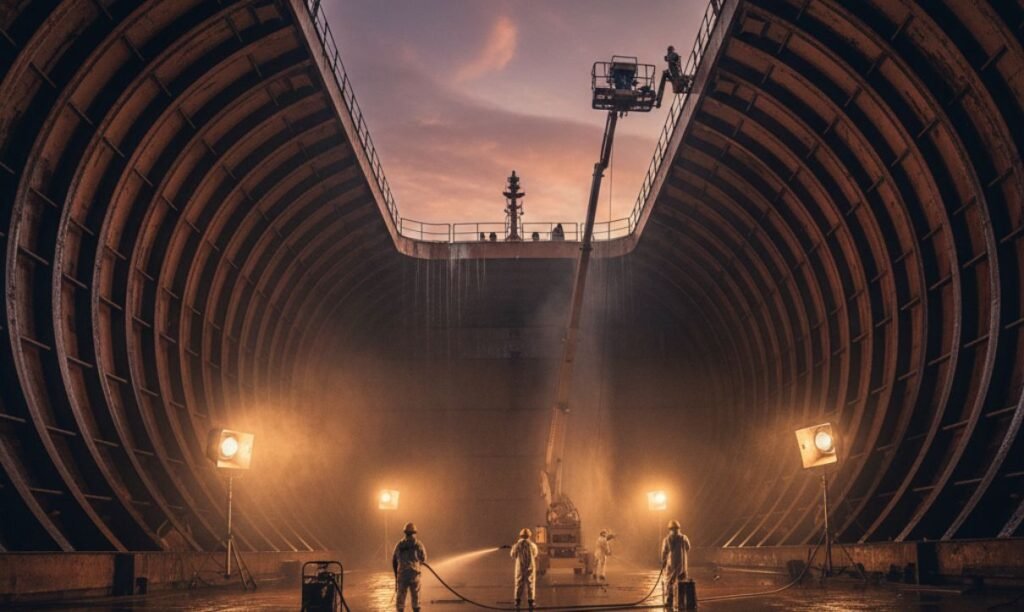
Tank cleaning removes residual oil, sludge, vapors, and contaminants from cargo tanks. The objective is to prepare tanks for the next cargo while meeting safety, charter, and regulatory requirements without unnecessary delays.
Different Tank Cleaning Standards Explained
Tank cleaning standards depend on next cargo requirements:
- Crude-to-crude may allow limited residue tolerance
- Dirty-to-clean product demands higher cleanliness
- Chemical or sensitive cargo requires near-zero contamination
Clear standards help you plan time, equipment, and manpower effectively.
Regulatory Framework Governing Tank Cleaning
International regulations shape every operation. IMO conventions establish safety and pollution prevention baselines. The MARPOL Convention controls discharge of wash water and oily residues. IMCA guidance influences contractor competence and operational safety. IAPH frameworks encourage environmentally responsible port practices.
Environmental Protection and Cost Control
Proper cleaning prevents illegal discharge, port fines, and reputational damage. Efficient procedures reduce water, chemicals, and fuel consumption. Over time, this lowers operating costs while protecting marine ecosystems around Vizag.
Safety in Confined Tank Environments
Cargo tanks are confined spaces with flammable vapors and limited oxygen. Safe tanker tank cleaning relies on gas freeing, continuous monitoring, trained personnel, and strict permit-to-work systems. Safety failures here carry severe consequences.
Inspection Readiness and Acceptance
Inspections determine whether a tanker loads on schedule. Cleanliness certificates, gas-free reports, and documented procedures support acceptance by charterers, terminals, and surveyors. Delays often stem from incomplete preparation rather than cleaning quality alone.
Documentation and Compliance Workflows
Accurate logs, disposal records, and inspection reports form the backbone of compliance. Digital documentation now supports transparency and reduces disputes during audits or cargo claims. Read more about Hold Tank Cleaning in Abu Dhabi: 7 Powerful Safety Gains.
Integration with Hold and Bulk Carrier Standards
Although tankers differ from bulk carriers, many operators follow unified cleaning philosophies. Cross-training crews on tank, hold, and bulk carrier cleaning standards reduces procedural gaps and improves overall fleet discipline.
Real-World Vizag Tanker Scenario
Consider a product tanker discharging fuel oil at Vizag before loading clean diesel. Residual sludge left behind can contaminate the next cargo. Proper cleaning, inspection, and certification prevent rejection and costly off-hire.
Industry Practices in Global Operations
Across major ports, companies such as Cleanship.co reflect established industry practice. Their scope typically includes global tank and hold cleaning operations, cargo supervision, compliance support, and structured safety programs aligned with international expectations.
Role of Cargo Supervision
Marine supercargo professionals verify tank condition, valve integrity, and readiness before loading. World Ports Marine Supercargo practices emphasize independence, detailed reporting, and alignment with charter party terms.
Drug and Alcohol Testing for Crew Safety
Crew fitness directly affects cleaning safety. Drug and alcohol testing programs reduce accidents during high-risk tasks like confined space entry and hot work, strengthening operational reliability.
Future Trends in Tank Cleaning Technology
Innovation is reshaping tanker cleaning. Automated tank washing machines, closed-loop wash water systems, eco-friendly detergents, and real-time gas monitoring improve consistency while reducing environmental impact.
Digitalization of Compliance Systems
Cloud-based logs, sensor data, and photo evidence now support audits and inspections. Digital systems help you demonstrate compliance quickly and clearly to authorities and charterers.
Training and Competence Management
Advanced equipment only works when crews are trained. Continuous training aligned with IMCA and IMO expectations ensures procedures are followed correctly under real operational pressure.
Long-Term Asset Protection
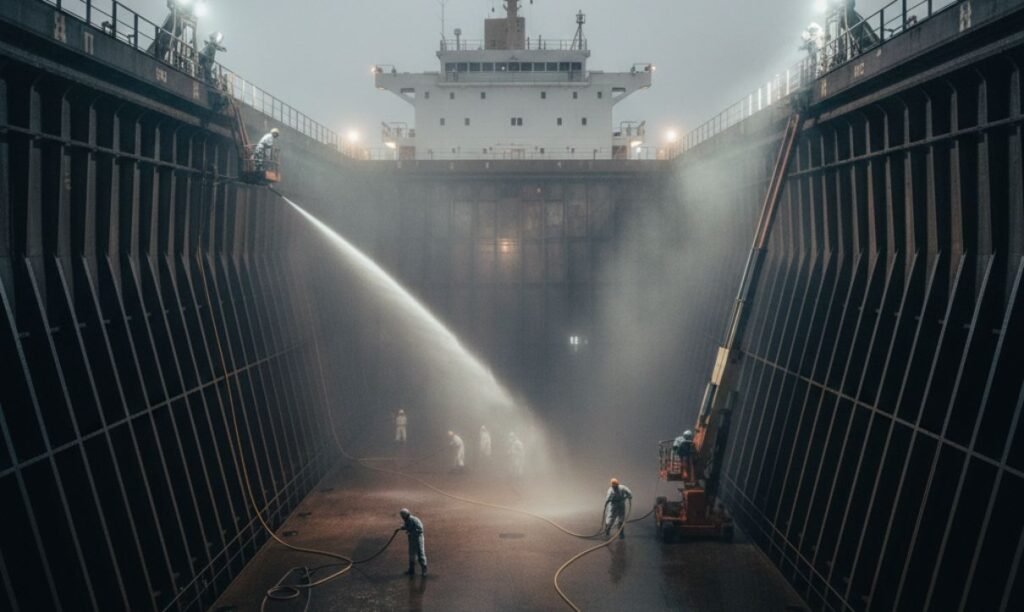
Clean tanks reduce corrosion, coating damage, and structural degradation. Over time, this preserves vessel value, lowers maintenance costs, and improves resale prospects.
Seven Proven Wins of Effective Tank Cleaning
Effective tanker cleaning delivers clear advantages:
- Regulatory compliance
- Safer operations
- Faster inspections
- Reduced contamination risk
- Lower operating costs
- Environmental protection
- Stronger charterer confidence
Conclusion
Oil tanker tank cleaning in Vizag Port delivers value far beyond surface cleanliness. Three takeaways stand out. First, strict alignment with IMO, MARPOL, IMCA, and IAPH standards protects vessels, crews, and the marine environment. Second, safety-driven, well-documented processes reduce delays, claims, and operational risk. Third, integrated inspections and modern workflows improve cost efficiency and long-term asset value. For operators seeking dependable compliance and maritime service excellence, working with experienced providers such as Cleanship.co supports consistent, regulation-aligned tanker operations.
FAQs:
Standards depend on the next cargo and charter requirements. Inspectors assess residue levels, gas readings, dryness, and contamination risk before approving tanks for loading.
The MARPOL Convention regulates discharge of oily residues and wash water. You must use approved reception facilities and maintain proper records to remain compliant.
Inspections confirm tank readiness and prevent cargo rejection. Proper inspection avoids delays, financial penalties, and post-loading disputes.
Trained, fit crews work more accurately and safely. Drug and alcohol testing reduces accidents in confined spaces and improves overall task discipline.
Technology enhances consistency and safety, but skilled crews remain essential. Automation supports, rather than replaces, professional judgment and final verification.