Tank cleaning in Hamriya Port

  • Home
  • Blog
  • Tag: Tank cleaning in Hamriya Port
Tank cleaning in Hamriya Port improving safety and efficient cargo handling

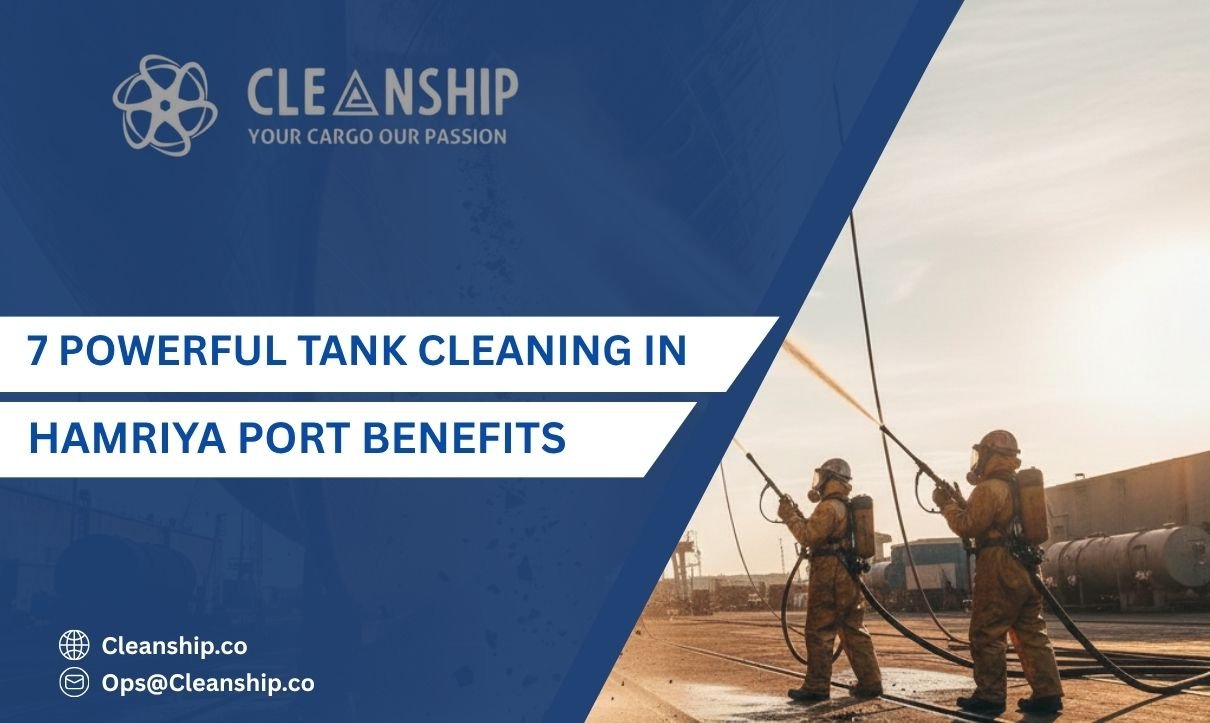
7 Powerful Tank Cleaning in Hamriya Port Benefits

Tank Cleaning in Hamriya Port Benefits Tank cleaning in Hamriya Port is a core operational requirement for vessels trading in fuels, chemicals, edible oils, and other liquid cargoes. Located in the UAE’s industrial heartland, Hamriya Port supports high-volume coastal and regional trade under strict safety and environmental oversight. In this environment, tank cleanliness is not cosmetic—it directly affects compliance, cargo acceptance, crew safety, and long-term vessel efficiency. This article explains seven powerful benefits of tank cleaning in Hamriya Port, using practical maritime logic rather than sales language. You’ll see how professional tank cleaning supports regulatory confidence, reduces risk, and keeps vessels operationally ready in one of the UAE’s most regulated ports. Why the UAE Sets High Standards in Marine Cleaning Strategic Importance of Hamriya Port Hamriya Port serves oil terminals, chemical facilities, and industrial cargo operators. Vessels calling here often switch cargo grades or prepare for inspection-heavy voyages, making tank cleaning in Hamriya Port a critical readiness step. Environmental and Climatic Factors High temperatures, humidity, and saline air accelerate residue buildup and corrosion. UAE cleaning standards are designed to manage these conditions while maintaining fast turnaround times. What Tank Cleaning Means in Real Operations A Simple Working Definition Tank cleaning removes liquid cargo residues, vapors, sludge, scale, and contaminants from cargo tanks. The goal is to make tanks safe, residue-free, and acceptable for the next cargo or inspection. How Tank Cleaning Differs From Hold Cleaning Each requires different equipment, safety controls, and inspection methods. Benefit 1: Strong Regulatory Compliance Alignment With IMO and MARPOL Tank cleaning in Hamriya Port supports compliance with IMO requirements and the MARPOL Convention, which governs pollution prevention, tank washing, and residue disposal. Inspection Readiness Clean, gas-free tanks reduce the risk of Port State Control detentions and re-cleaning orders that disrupt schedules. Benefit 2: Enhanced Crew Safety in Confined Spaces Managing Tank Entry Risks Tanks are confined spaces with risks such as toxic gases, oxygen deficiency, and slippery surfaces. Cleaning conducted under IMCA safety practices minimizes these hazards. Practical Example A chemical tanker switching grades must remove vapors completely. Proper tank cleaning ensures safe entry for inspection and maintenance teams. Benefit 3: Environmental Protection and Pollution Control Preventing Marine Contamination Uncontrolled tank washing can release residues into port waters. Tank cleaning in Hamriya Port follows controlled collection and disposal systems aligned with IAPH environmental standards. Avoiding Environmental Penalties Environmental violations often result in heavy fines, operational restrictions, and reputational damage that outweigh cleaning costs. Benefit 4: Higher Cargo Acceptance and Compatibility Avoiding Cross-Contamination Even trace residues can compromise sensitive cargoes like edible oils or specialty chemicals. Professional tank cleaning reduces cargo rejection and disputes. Supercargo and Survey Expectations Cleanliness is often assessed against World Ports Marine Supercargo Final Quality Rules, making thorough preparation essential. Benefit 5: Long-Term Cost Efficiency Protecting Coatings and Steel Residues accelerate corrosion and damage tank coatings. Routine tank cleaning in Hamriya Port preserves structural integrity and extends maintenance cycles. Financial Advantages Over Time Benefit 6: Standardized Tank, Hold, and Bulk Carrier Practices Tank Cleaning Standards Tank cleaning involves temperature control, chemical selection, washing cycles, and gas-freeing to meet cargo and safety standards. Integration With Hold and Bulk Carrier Cleaning Operators often coordinate tank cleaning with hold and bulk carrier cleaning to minimize port time and enhance operational efficiency. Benefit 7: Inspection, Documentation, and Audit Readiness Why Documentation Matters Cleaning logs, gas-free certificates, inspection reports, and waste disposal records demonstrates compliance during audits and charterer reviews. Typical Compliance Workflow This structured approach builds transparency and trust. Safety and Efficiency Working Together IMCA-Guided Safety Controls Confined space permits, PPE, continuous gas monitoring, and emergency readiness protect crews during tank cleaning operations. Efficient Turnaround Without Compromise Well-planned tank cleaning in Hamriya Port strikes a balance between speed and compliance, thereby avoiding rework and inspection failures. Industry Context and Professional Practice Integrated Maritime Service Models Modern operators combine tank cleaning with cargo supervision and compliance support to reduce operational friction. Cleanship.co as an Industry Example Cleanship.co reflects global industry practice through coordinated tank and hold cleaning operations, cargo supervision, and compliance support. Their inclusion of drug & alcohol testing services for crew safety shows how human factors and operational safety are treated as inseparable in professional maritime operations. Why Local Expertise Matters in Hamriya Port Understanding Local Port Procedures Knowledge of Hamriya Port inspection routines, waste handling rules, and berth logistics improves efficiency and compliance outcomes. Coordination With Authorities Experienced service providers align tank cleaning schedules with port operations, minimizing delays and conflicts. Tank Cleaning Versus Bulk Carrier Cleaning Key Operational Differences Both require strict safety protocols and documentation under international standards. Future Trends in Tank Cleaning Automation and Remote Systems Robotic tank cleaners reduce human exposure and improve consistency. Environmentally Responsible Methods Biodegradable chemicals and closed-loop water systems support stricter environmental regulations. Digital Inspection Records Electronic logs and photo documentation simplify audits and charterer approvals. A Practical Maritime Metaphor A cargo tank is like a reusable container for sensitive materials. Each cargo leaves a chemical memory behind. Tank cleaning in Hamriya Port erases that memory, allowing the next cargo to load without risk or compromise. Conclusion: Why Tank Cleaning Delivers Real Value Tank cleaning in Hamriya Port delivers value far beyond surface cleanliness. First, it ensures compliance with IMO, MARPOL, IMCA, and IAPH standards, reducing inspection risks and operational delays. Second, it protects crew safety and the marine environment through controlled cleaning and waste management. Third, it improves long-term cost efficiency by preserving tank coatings, preventing cargo disputes, and minimizing off-hire time. For shipowners and operators who prioritize compliance, safety, and operational reliability, partnering with experienced maritime service providers is essential. Cleanship.co stands as a professional example of compliance-driven tank cleaning and integrated maritime services that support safe, efficient, and inspection-ready operations. FAQs:
Read more
Oil tanker tank cleaning in Hamriya Port ensuring safety and efficient cargo handling

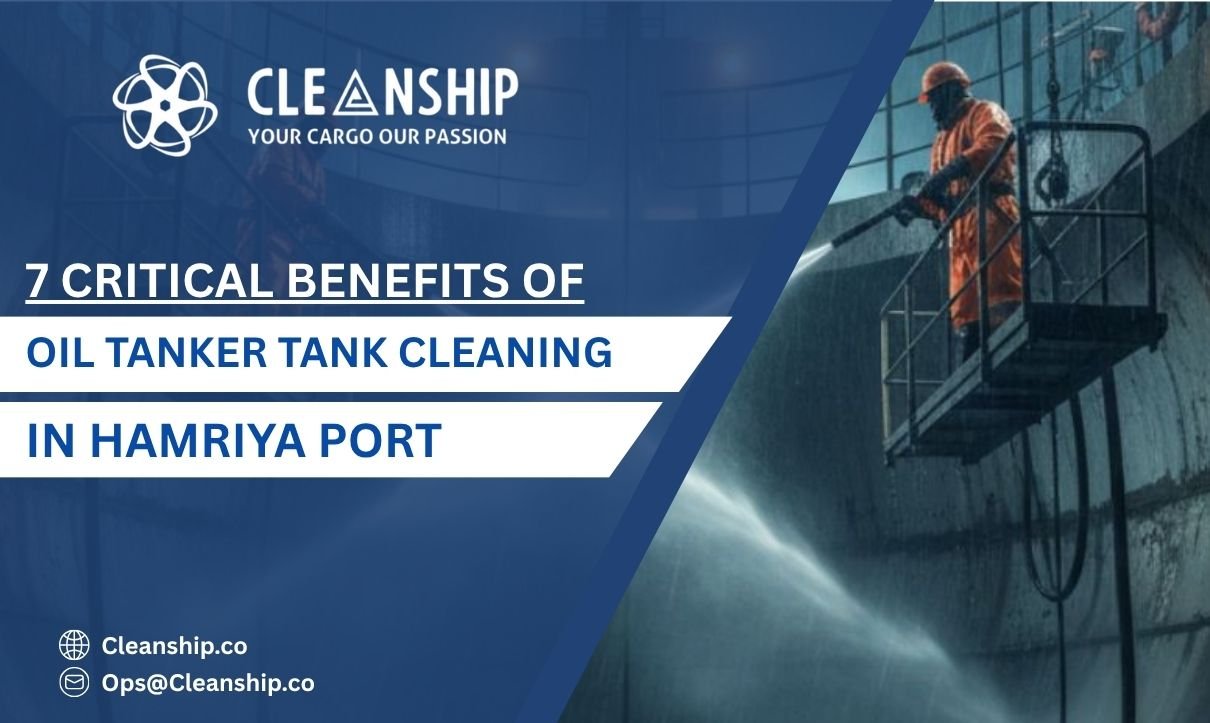
7 Critical Benefits of Oil Tanker Tank Cleaning in Hamriya Port

Oil Tanker Tank Cleaning in Hamriya Port Oil Tanker Tank Cleaning in Hamriya Port operations depend on far more than navigation and cargo schedules. What happens inside the tank determines safety, compliance, and profitability. Oil tanker tank cleaning in Hamriya Port has become a critical operational practice due to the UAE’s strict maritime regulations, diverse cargo movements, and the port’s role as a regional energy hub. When tanks are not cleaned to proper standards, you risk contamination, detention, environmental penalties, and even crew safety incidents. When they are cleaned correctly, operations run smoother, inspections pass faster, and vessels stay commercially viable. This article explains seven critical benefits of professional oil tanker tank cleaning in Hamriya Port, grounded in real maritime practice, global regulations, and port-specific realities. Why Hamriya Port Is Strategically Important for Oil Tanker Cleaning in Hamriya Port Hamriya Port in Sharjah handles petroleum products, chemicals, bulk cargo, and mixed trades. Unlike single-cargo ports, vessels here often switch between cargo types. This creates three operational realities: Because of this, oil tanker tank cleaning in Hamriya Port is not optional maintenance. It is a core compliance and risk-management activity. Understanding Oil Tanker Tank Cleaning in Hamriya Port in Simple Terms Tank cleaning removes residue, vapors, sludge, and contaminants left after cargo discharge. The process can involve: Think of a tanker tank like a reusable food container. You cannot switch from oil to chemicals without proper cleaning, or the next cargo becomes unsafe. The same logic applies at sea, but with far higher risk. Benefit 1: Compliance With IMO and MARPOL Regulations One of the biggest benefits of oil tanker tank cleaning in Hamriya Port is regulatory compliance. International rules are clear: Unclean tanks can lead to: Proper tank cleaning ensures your vessel meets discharge, reloading, and inspection requirements without last-minute corrective action. Benefit 2: Reduced Risk of Cargo Contamination Cargo contamination is one of the costliest failures in tanker operations. Even small residues can: At Hamriya Port, vessels often shift between fuel oils, lubricants, and chemical products. Professional oil tanker tank cleaning ensures tanks are: This protects cargo integrity and your commercial reputation. Benefit 3: Enhanced Crew Safety and Operational Control Tank cleaning is not just about cargo. It directly affects crew safety. Poorly cleaned tanks can retain: Under IMCA safety guidelines, proper gas freeing and tank entry procedures are mandatory. Professional cleaning reduces confined-space hazards and supports safer inspections, repairs, and surveys. Many operators also integrate drug and alcohol testing services as part of crew safety programs, aligning with best practices seen across global marine service providers such as Cleanship.co. Benefit 4: Environmental Protection and Spill Prevention The UAE enforces strong environmental safeguards, particularly around ports. Oil tanker tank cleaning in Hamriya Port supports environmental protection by: MARPOL compliance is not theoretical here. Authorities track waste records, oil record books, and disposal certificates. Clean tanks and proper documentation reduce environmental risk and protect your operating license. Benefit 5: Faster Inspections and Smoother Port Operations Time in port costs money. When tanks are properly cleaned: Organizations aligned with IAPH port efficiency standards recognize that clean tanks contribute directly to smoother port operations. Inspection readiness is not just cleanliness. It includes: Professional tank cleaning supports all three. Benefit 6: Extended Tank Life and Lower Maintenance Costs Residue buildup accelerates corrosion. Over time, this leads to: Regular oil tanker tank cleaning in Hamriya Port removes corrosive substances before they damage tank surfaces. This extends coating life and reduces dry dock repair expenses. Think of it like routine dental cleaning. Preventive care costs far less than major repairs. Benefit 7: Commercial Flexibility and Charter Readiness Clean tanks give you options. A vessel with properly cleaned and certified tanks can: In competitive trading environments, flexibility is profit. Oil tanker tank cleaning in Hamriya Port positions your vessel for rapid redeployment without operational bottlenecks. Tank, Hold, and Bulk Carrier Cleaning Standards Explained Different vessels require different cleaning standards. Tanker Cleaning Standards Oil and chemical tankers follow cargo-specific wash protocols based on: Hold Cleaning for Bulk Carriers Bulk carriers operating through Hamriya Port must ensure holds are: Why Standards Matter Surveyors reference World Ports and Marine Supercargo Final Quality Rules during inspections. Meeting these standards avoids re-cleaning orders and delays. Inspection, Documentation, and Compliance Workflows Cleaning alone is not enough. Documentation proves compliance. A typical workflow includes: Ports increasingly audit documentation alongside physical conditions. Professional service providers ensure both align. Why the UAE Leads in Marine Cleaning Practices The UAE’s leadership in marine cleaning is driven by: Ports like Hamriya expect international best practices, not minimum compliance. This has raised regional standards and made professional tank cleaning essential. Real-World Example From Hamriya Operations Consider a tanker switching from heavy fuel oil to light distillates. Without proper tank cleaning: With professional oil tanker tank cleaning in Hamriya Port: This difference defines operational success. Future Trends and Innovation in Marine Cleaning Marine cleaning is evolving. Key trends include: Global operators, including companies like Cleanship.co, reflect these trends through integrated tank and hold cleaning, cargo supervision, and compliance support services. Conclusion Oil tanker tank cleaning in Hamriya Port delivers clear operational value. First, it ensures compliance with IMO, MARPOL, and port authority requirements. Second, it protects cargo integrity, crew safety, and the marine environment. Third, it enhances commercial flexibility while reducing long-term maintenance costs. In a port where inspections are rigorous and cargo profiles are diverse, professional tank cleaning is a strategic necessity. For operators seeking reliable compliance, safety-focused processes, and maritime service excellence, partnering with an experienced provider such as Cleanship.co is a sound, future-ready decision. FAQs:
Read more
Hold tank cleaning in Hamriya Port improving safety and vessel efficiency

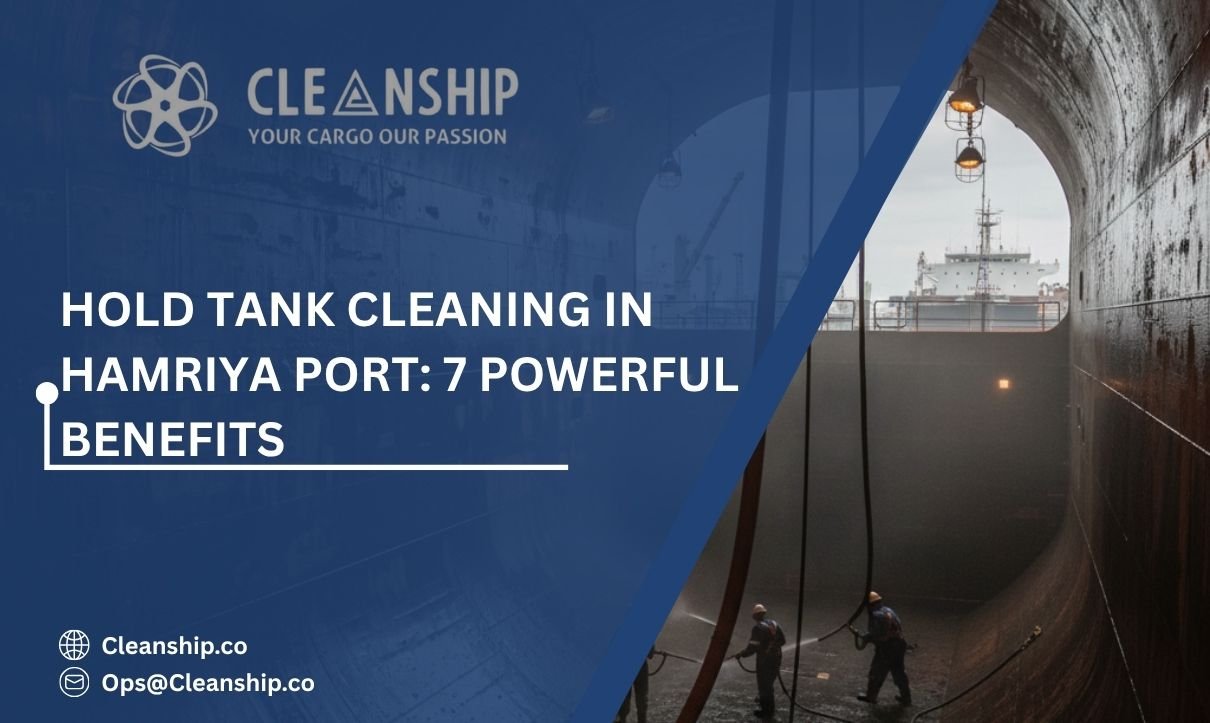
Hold Tank Cleaning in Hamriya Port: 7 Powerful Benefits

Hold Tank Cleaning in Hamriya Port Hamriya Port has quietly become one of the UAE’s most reliable hubs for bulk carriers, coastal tankers, and project cargo vessels. As traffic grows, one operational discipline matters more than most ship operators realize: hold tank cleaning in Hamriya Port. If you operate, manage, or charter vessels in the Arabian Gulf, proper hold and tank cleaning is not just housekeeping—it is a compliance, safety, and profitability issue. In this article, we break down why Hamriya Port matters, how regulations shape cleaning practices, and the seven most powerful benefits of doing the job right. Why the UAE Is a Strategic Hub for Marine Cleaning The UAE sits at the crossroads of global trade routes connecting Asia, Africa, and Europe. Ports like Hamriya serve regional bulk movements, coastal tanker operations, and feeder services. Key reasons the UAE excels in marine cleaning services include: For vessels trading frequently in the Gulf, hold tank cleaning in Hamriya Port offers both operational convenience and regulatory confidence. Understanding Hold Tank Cleaning in Hamriya Port in Simple Terms Hold tank cleaning refers to the systematic removal of cargo residues, sludge, scale, and contaminants from: Think of it like food-grade hygiene in a kitchen. If yesterday’s ingredients are left behind, today’s meal—and your reputation—suffers. How Hamriya Port Supports Cleaning Operations Hamriya Port is designed for quick turnaround and regional trade. Cleaning operations here benefit from: This efficiency reduces off-hire time while maintaining inspection readiness. Regulatory Framework Governing Hold Tank Cleaning in Hamriya Port Marine cleaning is tightly regulated. In Hamriya Port, operations typically align with: IMO Compliance Expectations The International Maritime Organization (IMO) sets global safety and pollution-prevention standards. Cleaning activities must ensure: MARPOL Convention Requirements Under the MARPOL Convention, improper discharge of residues, oily mixtures, or wash water can lead to heavy penalties. Effective hold tank cleaning in Hamriya Port helps vessels meet Annex I and Annex V obligations. IMCA Safety and Work Practices IMCA guidelines shape how contractors manage confined space entry, chemical handling, and high-pressure washing. These standards reduce accident risk during cleaning. IAPH and Port Authority Oversight The International Association of Ports and Harbors (IAPH) promotes sustainable port operations. Hamriya Port authorities closely monitor waste handling and environmental protection measures. 7 Powerful Benefits of Hold Tank Cleaning in Hamriya Port 1. Regulatory Compliance Without Stress Clean tanks mean smoother inspections. Port State Control officers and independent surveyors look for cleanliness, gas-free conditions, and documentation. Proper cleaning minimizes detention risk and inspection delays. 2. Cargo Integrity and Quality Protection Residues from previous cargoes can contaminate new shipments. For bulk commodities, even small contamination can cause cargo rejection or claims. Cleaning protects both shipowners and charterers. 3. Improved Crew Safety Gas-free, residue-free tanks significantly reduce risks of: A clean space is a safer workspace. 4. Faster Turnaround and Reduced Off-Hire Efficient hold tank cleaning in Hamriya Port allows vessels to meet tight schedules. When cleaning aligns with port operations, you avoid unnecessary delays between voyages. 5. Lower Long-Term Maintenance Costs Residue buildup accelerates corrosion. Regular cleaning: It is preventive maintenance, not an expense. 6. Environmental Protection and Reputation Ports increasingly track environmental performance. Clean operations demonstrate compliance with MARPOL and IAPH sustainability goals, protecting your company’s reputation. 7. Charter Party and Commercial Advantage Charterers prefer vessels with documented cleaning standards. A clean ship signals professionalism, reliability, and readiness for diverse cargoes. Tank, Hold, and Bulk Carrier Cleaning Standards Different spaces require different methods. Bulk Carrier Hold Cleaning Focus areas include: High-pressure fresh or seawater washing is commonly used, followed by drying and inspection. Tank Cleaning for Liquid Cargoes Tank cleaning may involve: Strict gas-free certification is essential before entry. Ballast and Slop Tank Considerations These tanks often hold mixed residues. Cleaning here supports MARPOL compliance and ballast water management protocols. Inspection and Documentation Workflows Cleaning alone is not enough. Documentation matters. A typical workflow includes: Organizations like World Ports Marine Supercargo and Final Quality Rules inspectors often rely on this documentation during cargo acceptance. Real-World Example from Hamriya Operations Consider a regional bulk carrier discharging aggregates and preparing for grain loading. Without proper cleaning, stone dust can contaminate food-grade cargo. In Hamriya Port, coordinated hold tank cleaning, inspection, and documentation allow the vessel to shift cargo type without commercial disputes. This practical flexibility is why operators prioritize hold tank cleaning in Hamriya Port. Safety, Environment, and Cost Efficiency Working Together Effective cleaning sits at the intersection of three priorities: Ignoring one weakens the other two. Future Trends in Marine Cleaning The industry is evolving rapidly. Automation and Smart Monitoring Remote-controlled cleaning machines reduce human entry into confined spaces, improving safety. Eco-Friendly Cleaning Agents Biodegradable chemicals are replacing harsh solvents to meet stricter MARPOL and port rules. Digital Compliance Records Electronic logs and photo documentation simplify audits and inspections. Hamriya Port is well-positioned to adopt these innovations due to its regulatory alignment. Industry Practice and Service Integration Across global ports, companies like Cleanship.co reflect how modern marine service providers operate: Such integrated services align with IMO, IMCA, and port authority expectations without disrupting vessel schedules. Conclusion: Why Hold Tank Cleaning in Hamriya Port Matters Proper hold tank cleaning in Hamriya Port delivers more than cleanliness. It ensures compliance with IMO and MARPOL rules, protects crew and cargo, and reduces long-term operational costs. Three key takeaways stand out: For shipowners and operators seeking reliable compliance and maritime service excellence, partnering with experienced providers like Cleanship.co is a practical, forward-looking choice. FAQs:
Read more
Shopping Cart (0 items)