
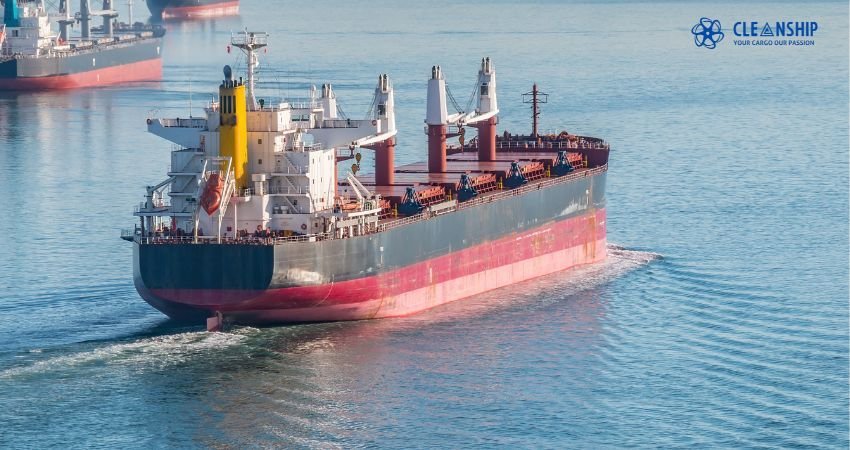
Bulk Carrier

EMSA: Safety Concerns for Hydrogen-fuelled Ships

EMSA: Safety Concerns for Hydrogen-fuelled Ships

EMSA has issued a report that analyses hydrogen’s primary factors to frame which safety dangers, system hazards, and risks to be considered and mitigated when using hydrogen as ship fuel.  The report aims to help the industry and the regulators in a safe and harmonized deployment of this relevant technology that could establish an important step towards the sector’s decarbonization. According to EMSA, hydrogen, when used as ship fuel, offers the following significant safety hazards and risks due to its unique properties: Flammability and explosiveness Hydrogen’s wide flammability range and lower ignition energy compared to methane make it highly flammable and prone to more severe blasts. Its more increased burning velocity can escalate blasts into detonations, posing more significant risks than natural gas. Storage and distribution challenges The low boiling point of hydrogen confuses its storage and distribution. Managing boil-off gas and controlling the condensation of gases like nitrogen and oxygen are critical to avoid tool malfunction and potential explosion dangers. Density and dispersion Hydrogen’s low density causes it to rise and spread quickly in open environments. In confined spaces, such as within a ship, it can collect in high spots, increasing the risk of ignition from sources like ceiling lights. Designing safety measures, such as gas sensors and ventilation systems, must account for hydrogen’s density and behavior in leak scenarios. Pressure effects High-pressure storage of hydrogen (250-700 bar) forms potential energy that, upon discharge, can cause significant pressure impacts even without combustion. Sudden discharges from high-pressure systems can ignite spontaneously, posing immediate risks to personnel and equipment. Hazards in confined spaces Hydrogen discharges in confined ship spaces amplify explosion pressures rapidly, potentially damaging structures and leading to further leakage. Leakages of liquefied hydrogen (LH2) can induce cooling effects that compromise gas-tight goodness and safety equipment operation, further complicating trouble responses. Material compatibility and embrittlement Hydrogen can adversely impact metal properties through embrittlement, decreasing structural integrity. Condensed oxygen-enriched air can raise material flammability upon contact, necessitating careful material selection and design considerations. Health and safety risks Finally, EMSA notes that significant hydrogen leakages pose dangers of asphyxiation due to oxygen depletion, alongside risks of frostbites and burn injuries due to low temperatures and decreased flame visibility. Read Also: 1. Revising chafe protection to enhance safety and efficiency at Port Hedland 2. Navigating health at sea: Telemedicine’s voyage into maritime healthcare
Read more
Bulk Carrier

How Are Bulk Carriers Cleaned?

Bulk carriers are the workhorses of the maritime industry, transporting extensive quantities of raw materials along with coal, grain, ore, and cement throughout the globe. Because of the character of the shipment, keeping cleanliness on those vessels is required for operational performance, protection, and compliance with global standards. The cleaning method of bulk carriers is difficult and multifaceted, involving different techniques, tools, and problems. In this article we will give you complete info on ways bulk providers are cleaned, highlighting the importance and methods used in this important aspect of maritime operations. Importance of Cleaning Bulk Carriers Cleaning bulk carriers is required for several reasons: 1. Cargo Safety: Residual cargo can contaminate the new load, affecting its quality and marketplace cost. For example, remnants of coal can harm agricultural merchandise. 2. Preventing Cross-Contamination: One-of-a-kind shipment types can react with every different, imposing safety dangers. Powerful cleaning prevents such dangers. 3. Compliance: International maritime guidelines require ships to be wiped clean to prevent environmental pollutants and hold hygiene standards. 4. Efficiency: Clean ships ensure smoother operations, lowering downtime and maintenance costs. Preparation for Cleaning Before cleaning begins, several preceding steps are undertaken: 1. Inspection: An intensive inspection is carried out to evaluate the kind and volume of residues present. 2. Planning: A cleaning plan is developed mainly based on the cargo kind, residue quantity, and required cleanliness stage. 3. Safety Measures: Making sure safety is paramount. Protecting gear, right airflow, and safety protocols are installed location to protect the group from dangerous substances. Cleaning Methods Cleaning methods for bulk carriers vary depending on the type of shipment residues and the ship’s design. The primary plans consist of: 1. Dry Cleaning 1. Sweeping: The first step entails sweeping the cargo to eliminate loose residues. this can be accomplished manually or with the use of mechanized sweepers. 2. Vacuuming: Industrial vacuums are used to suck up the finer waste that sweeping cannot dispose of. 3. Scraping: Stubborn residues stuck to surfaces are scraped off using handheld or mechanical scrapers. 2. Wet Cleaning 1. High-Pressure Washing: High-stress water jets are employed to dislodge and wash away residues. This process is powerful for destroying sticky or compacted materials. 2. Chemical Cleaning: Specialized cleaning agents are used to dissolve or loosen residues that water on its own can not remove. The choice of chemicals depends upon the kind of shipment formerly carried. 3. Steam Cleaning: Steam is used to clean and disinfect the holds, particularly useful for natural ruins or whilst a high level of sanitation is needed. 3. Drying: After wet cleaning, the cargo holds must be thoroughly dried to control corrosion and prepare for the following load. Ventilation fans and dehumidifiers are commonly used for this reason. Specialized Cleaning Techniques In certain cases, specialized cleaning procedures are required: 1. Cargo-Specific Cleaning: Certain cargoes like cement, fertilizers, or chemical substances require specific cleaning protocols to successfully dispose of residues and prevent contamination. 2. Robot-Assisted Cleaning: Advanced technology, which includes cleaning robots, is increasingly being used. Those robots can access hard-to-attain areas and provide extra efficient and thorough cleaning. Challenges in Cleaning Bulk Carriers Cleaning bulk carriers comes with its own set of challenges: 1. Residue Adherence: A few cargoes, like cement or coal, go away residues that adhere strongly to surfaces, making them difficult to destroy. 2. Structural Complexity: The layout and shape of cargo holds could make getting right of entry and cleaning hard, particularly in corners and tight spaces. 3. Environmental policies: Complying with strict environmental guidelines regarding waste disposal and chemical use requires cautious planning and execution. Environmental Considerations Environmental sustainability is a significant consideration in the cleaning process: 1. Waste Management: Residues and cleaning waste must be disposed of responsibly to save you from environmental pollution. This includes the right collection, treatment, and disposal in keeping with worldwide policies. 2. Chemical Use: The usage of cleaning chemical substances is cautiously managed to limit environmental effects. Biodegradable and non-toxic chemical substances are desired. Read Also: What Is The Purpose Of Hold Cleaning Conclusion The cleaning of bulk carriers is an important process that guarantees the safe, efficient, and compliant operation of these maritime giants. It involves an entirety of manual hard work, superior generation, and strict adherence to protection and environmental standards. Because the shipping industry continues to adapt, so do the methods and technologies utilized in cleaning, making it an ever-advancing discipline that plays an essential function in global trade. Powerful cleaning no longer most effectively protects shipment integrity and delivers longevity however additionally upholds the environmental stewardship that is increasingly demanded in the ultra-modern world. FAQs:
Read more
Shopping Cart (0 items)