
- Your cart is empty Browse Shop
06
Aug, 25
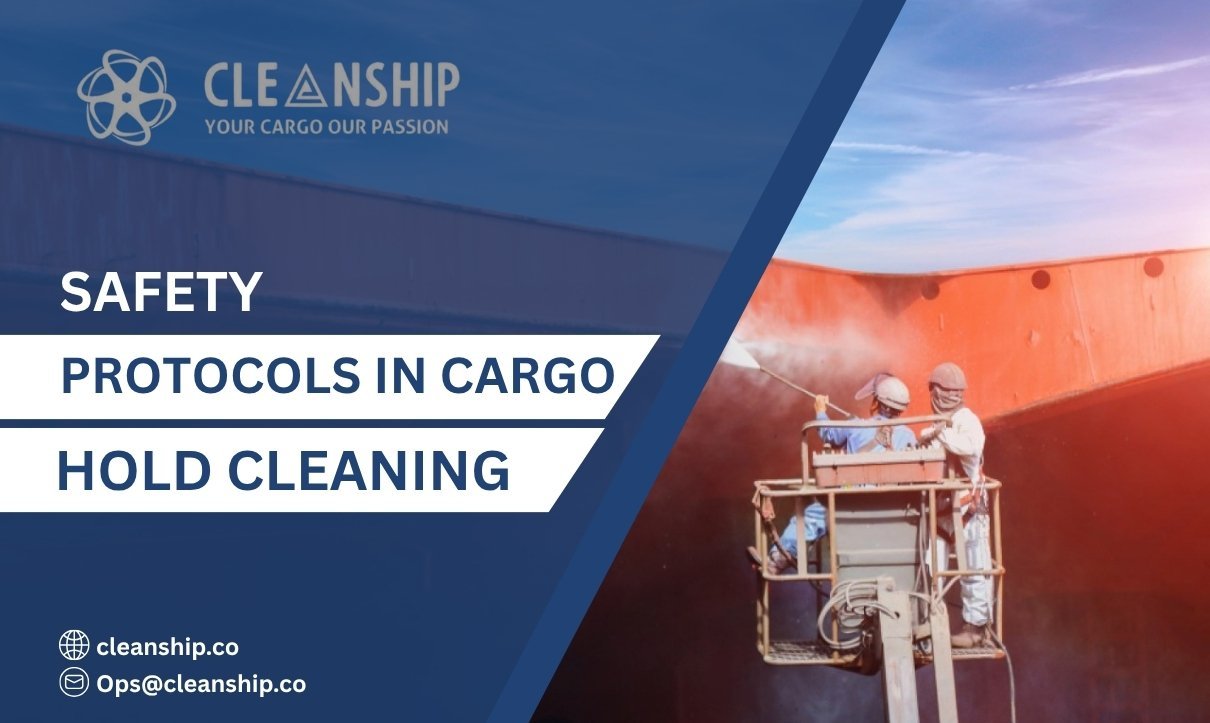
Top Safety Protocols in Cargo Hold Cleaning: Safeguarding Crew and Vessel Integrity
Safety protocols in cargo hold cleaning represent the most critical aspect of modern maritime operations, demanding comprehensive risk management approaches that protect crew members while maintaining vessel integrity throughout cleaning operations. At Cleanship, we’ve developed industry-leading safety protocols in cargo hold cleaning that ensure zero-incident operations while achieving superior contamination removal across all cargo types and vessel configurations. Understanding Comprehensive Safety Protocols in Cargo Hold Cleaning Modern safety protocols in cargo hold cleaning require sophisticated understanding of occupational hazards, emergency procedures, and protective measures that address every aspect of cleaning operations from initial assessment through final verification. The complexity of contemporary cargo hold environments demands integrated safety approaches that handle everything from toxic gas exposure to confined space hazards and chemical contamination risks. Professional safety protocols in cargo hold cleaning have evolved significantly with advancing technology, regulatory requirements, and increasing safety awareness throughout the maritime industry. Today’s safety operations must balance thorough hazard identification with rapid response capabilities, comprehensive crew protection, and strict regulatory compliance protocols. The implementation of proper safety protocols in cargo hold cleaning directly impacts operational success, affecting everything from crew welfare to regulatory compliance and long-term operational sustainability. Inadequate safety protocols can result in serious injuries, regulatory violations, operational shutdowns, and catastrophic incidents that damage both personnel and corporate reputation. Pre-Cleaning Safety Assessment and Risk Analysis Safety protocols in cargo hold cleaning begin with comprehensive pre-cleaning safety assessments that identify potential hazards and establish appropriate protective measures before any cleaning operations commence. Atmospheric Testing and Monitoring Professional atmospheric testing represents the foundation of safety protocols in cargo hold cleaning, ensuring safe working conditions through systematic air quality assessment: Initial Atmospheric Assessment: Continuous Monitoring Requirements: Testing Equipment Specifications: Our expert cleaning services utilize advanced atmospheric monitoring systems that provide continuous safety oversight throughout all cleaning operations. Confined Space Entry Procedures Cargo holds represent confined spaces requiring specialized safety protocols in cargo hold cleaning that address entry, work, and emergency procedures: Entry Permit Systems: Personnel Safety Requirements: Ventilation and Air Quality Management: Personal Protective Equipment (PPE) Requirements Comprehensive PPE systems form essential components of safety protocols in cargo hold cleaning, providing multiple layers of protection against identified hazards and contamination exposure. Respiratory Protection Systems Professional respiratory protection ensures crew safety during safety protocols in cargo hold cleaning operations involving atmospheric hazards and chemical contamination: Supplied Air Systems: Self-Contained Breathing Apparatus (SCBA): Filtering Respiratory Protection: Chemical Protection Equipment Advanced chemical protection systems ensure crew safety during safety protocols in cargo hold cleaning involving hazardous cleaning agents and cargo residue exposure: Chemical Resistant Clothing: Eye and Face Protection: Skin Protection Systems: Our professional hold cleaning services provide comprehensive PPE systems tailored to specific cleaning operations and contamination types. Emergency Response and Safety Procedures Comprehensive emergency response systems ensure rapid incident response during safety protocols in cargo hold cleaning operations, minimizing injury severity and operational impact. Medical Emergency Response Professional medical emergency procedures address immediate injury response and medical evacuation requirements: Onboard Medical Capabilities: Medical Evacuation Procedures: Injury Documentation and Reporting: Fire and Explosion Prevention Fire safety systems represent critical components of safety protocols in cargo hold cleaning, addressing ignition prevention and emergency response: Hot Work Permit Systems: Explosion Prevention Measures: Fire Suppression Systems: Chemical Spill Response Chemical spill response procedures ensure rapid containment and cleanup during safety protocols in cargo hold cleaning operations: Spill Containment Systems: Decontamination Procedures: Training and Certification Requirements Comprehensive training systems ensure crew competency in safety protocols in cargo hold cleaning, providing essential knowledge and skills for safe operation execution. Safety Training Programs Professional safety training addresses all aspects of safety protocols in cargo hold cleaning through systematic education and practical skill development: Basic Safety Training: Specialized Training Requirements: Ongoing Training and Recertification: Competency Assessment and Verification Systematic competency assessment ensures crew readiness for safety protocols in cargo hold cleaning operations: Practical Skills Assessment: Knowledge Verification: Certification Maintenance: Advanced Safety Technology Integration Modern safety protocols in cargo hold cleaning incorporate advanced technology systems that enhance hazard detection, crew protection, and emergency response capabilities. Real-Time Safety Monitoring Systems Advanced monitoring technology provides continuous safety oversight during safety protocols in cargo hold cleaning operations: Integrated Safety Management Systems: Wearable Safety Technology: Environmental Monitoring Networks: Emergency Communication Systems Comprehensive communication systems ensure rapid information flow during safety protocols in cargo hold cleaning emergencies: Internal Communication Systems: External Communication Capabilities: Our comprehensive tank cleaning services integrate with hold cleaning safety systems using unified safety management platforms for maximum crew protection and operational safety. Regulatory Compliance and Safety Standards Safety protocols in cargo hold cleaning must comply with comprehensive international and regional safety regulations that govern maritime operations and worker protection. International Safety Regulations Professional safety compliance addresses multiple international frameworks governing safety protocols in cargo hold cleaning: International Maritime Organization (IMO) Requirements: Occupational Safety Standards: Port State Control and Inspection Readiness Comprehensive inspection preparation ensures safety protocols in cargo hold cleaning meet all regulatory requirements: Documentation Requirements: Inspection Preparation: The International Association of Dry Cargo Shipowners (INTERCARGO) promotes comprehensive safety standards in bulk carrier operations, including advanced safety protocols in cargo hold cleaning. Quality Assurance and Safety Performance Monitoring Professional safety protocols in cargo hold cleaning require comprehensive quality assurance systems that monitor safety performance and ensure continuous improvement in crew protection. Safety Performance Metrics Systematic performance monitoring ensures safety protocols in cargo hold cleaning achieve targeted safety objectives: Leading Safety Indicators: Lagging Safety Indicators: Continuous Safety Improvement Professional operations incorporate continuous improvement in safety protocols in cargo hold cleaning through systematic enhancement programs: Safety Management System Enhancement: Safety Culture Development: Conclusion: Excellence in Cargo Hold Cleaning Safety Safety protocols in cargo hold cleaning represent the foundation of professional maritime operations, requiring comprehensive integration of hazard assessment, protective equipment, emergency procedures, and continuous improvement initiatives. The complexity of modern cargo hold environments demands professional expertise that ensures complete crew protection while maintaining operational efficiency and regulatory compliance. At Cleanship, we’ve mastered the complete spectrum of safety protocols in cargo hold cleaning, from advanced atmospheric monitoring systems to comprehensive emergency