Hold Tank Cleaning in Heraklion Port
Hold tank cleaning in Heraklion Port is a precision-driven operation that protects cargo integrity, crew safety, and regulatory compliance. Whether you manage a bulk carrier switching from clinker to grain or a vessel preparing combined hold and ballast tank spaces for inspection, cleaning standards must meet strict global benchmarks. In a strategic Mediterranean hub like Heraklion, even minor residue or moisture can trigger cargo rejection or charter disputes.
This guide outlines seven proven steps used by experienced marine professionals to deliver compliant, efficient, and inspection-ready results.
The Strategic Role of Heraklion in Mediterranean Shipping
Heraklion connects Europe, North Africa, and the Middle East. Vessels calling here frequently change cargo types, making cleaning operations critical between voyages. Port authorities aligned with the International Association of Ports and Harbors promote environmental protection and operational discipline.
When turnaround time is tight, preparation quality determines whether you sail smoothly or face delay.
Understanding Hold Tank Cleaning in Heraklion Port
Hold tank cleaning in Heraklion Port typically involves cargo holds, ballast tanks, and sometimes adjacent compartments affected by residue transfer.
The objective is simple: remove contaminants, prevent cross-cargo reactions, and ensure inspection approval.
Operations align with global standards set by the International Maritime Organization and environmental obligations under the MARPOL Convention.
Think of the hold and tank system as connected lungs of the vessel. If one compartment carries contamination, the entire cargo cycle suffers.
Step 1: Pre-Operation Risk Assessment and Planning
Before cleaning begins, you assess:
- Previous cargo properties
- Residue type and adhesion level
- Tank coating condition
- Confined space hazards
- Waste disposal logistics
A structured risk plan reduces operational surprises. Guidance from the International Marine Contractors Association supports safe entry and high-risk marine operations.
Without planning, cleaning becomes reactive rather than controlled.
Step 2: Dry Cleaning and Residue Removal
The first stage of hold tank cleaning in Heraklion Port is mechanical removal of loose debris.
Crew typically use:
- Scrapers
- Industrial sweepers
- Vacuum systems
- Manual tools for corners and frames
Dry removal prevents wash water contamination and reduces sludge formation. It also lowers disposal costs later.
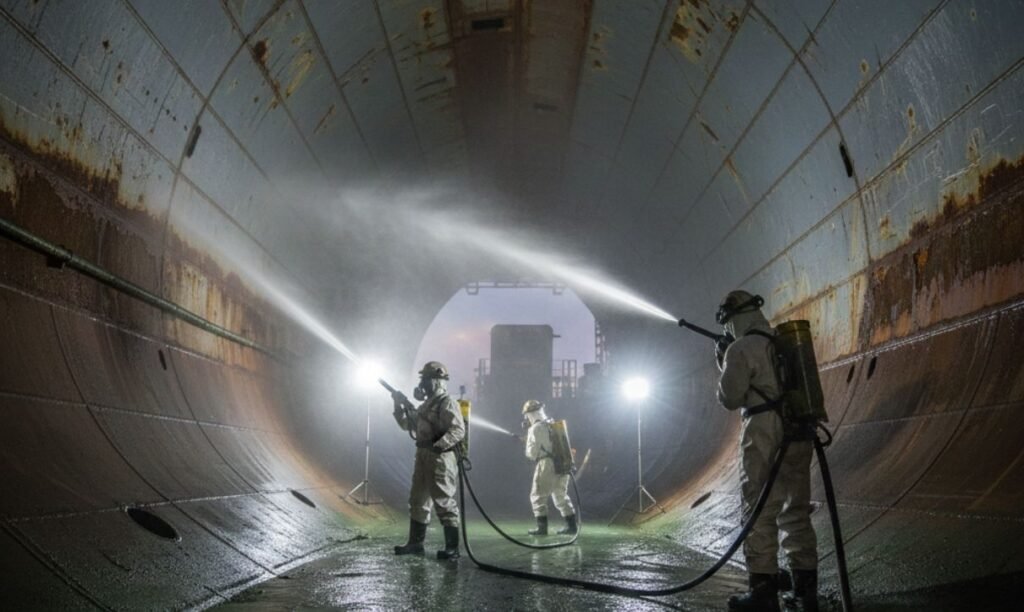
Step 3: High-Pressure Washing of Holds and Tanks
After dry cleaning, controlled high-pressure washing begins.
You must balance:
- Water pressure
- Surface coating protection
- Residue thickness
- Next cargo sensitivity
For example, fertilizer residues require thorough washing before grain loading. However, excessive pressure can damage protective coatings inside tanks.
Professional supervision ensures clean steel without structural compromise.
Step 4: Chemical Cleaning When Required
Certain cargoes leave oily or chemical traces. Approved cleaning agents may be introduced under controlled conditions.
Key considerations include:
- Chemical compatibility with tank coatings
- Controlled dosage
- Safe neutralization
- MARPOL-compliant discharge
Improper chemical use risks coating damage and environmental violations.
Step 5: Bilge, Drainage, and Pump System Cleaning
Bilges collect wash water and sediment. During hold tank cleaning in Heraklion Port, bilge systems must be flushed and inspected.
You verify:
- No blockage in suction lines
- No oil contamination
- Proper pump functionality
Under MARPOL requirements, residues must be transferred to certified port reception facilities.
Environmental compliance is not negotiable. It protects marine ecosystems and vessel reputation.
Step 6: Ventilation, Gas Testing, and Moisture Control
After washing, compartments require drying and gas freeing.
Gas detection ensures:
- Safe oxygen levels
- No explosive vapor presence
- No toxic atmosphere
Moisture testing is critical before grain loading. Even slight dampness can lead to cargo spoilage.
This phase combines safety management with cargo protection.
Step 7: Inspection, Documentation, and Certification
Final inspection determines operational success.
Marine Supercargo surveyors often verify cleanliness under Final Quality Rules before cargo approval. Documentation typically includes:
- Cleaning checklists
- Wash logs
- Chemical usage records
- Waste disposal receipts
- Photographic evidence
Accurate documentation protects you during audits and charter reviews.
Tank, Hold, and Bulk Carrier Cleaning Standards
While hold tank cleaning in Heraklion Port focuses on bulk and compartment preparation, standards vary by vessel type.
Oil tanker cleaning emphasizes hydrocarbon removal and gas freeing. Bulk carrier hold cleaning prioritizes residue removal and dryness. Ballast tank cleaning requires corrosion and sediment control.
All operations fall within frameworks established by the International Maritime Organization and related environmental conventions.
Understanding these distinctions prevents compliance gaps.
Why India Is a Global Leader in Marine Cleaning Expertise
India supplies a significant portion of trained marine officers, supercargo inspectors, and technical cleaning supervisors worldwide.
Strong maritime academies, cost-efficient service models, and global deployment capability position India as a trusted resource for international ports. Many professionals overseeing Mediterranean cleaning operations originate from Indian training systems.
This global workforce strengthens quality control in ports like Heraklion.
Safety Systems in Confined Spaces
Cleaning holds and tanks involves confined space entry, slippery surfaces, and mechanical hazards.
Safety protocols include:
- Entry permits
- Rescue standby teams
- Continuous gas monitoring
- Toolbox safety meetings
Safety management systems aligned with IMO requirements reduce human error and operational risk.
No cargo schedule justifies compromised safety.
Environmental Protection and Cost Efficiency
Efficient hold tank cleaning in Heraklion Port reduces:
- Cargo contamination claims
- Re-cleaning expenses
- Port detention risks
- Insurance disputes
Environmental compliance under the MARPOL Convention ensures waste is managed responsibly.
Clean operations protect both the ocean and your balance sheet.
Compliance Workflow in Heraklion Operations
A structured compliance workflow includes:
- Risk assessment approval
- Cleaning execution
- Waste documentation
- Gas testing certification
- Independent inspection
- Final clearance
This systematic approach aligns with IAPH World Ports sustainability principles and Marine Supercargo verification procedures.
Organizations such as Cleanship.co reflect industry practice by integrating tank and hold cleaning, cargo supervision, compliance support, and crew drug and alcohol testing services. This integrated structure reduces operational risk and improves accountability.
Real-World Operational Example
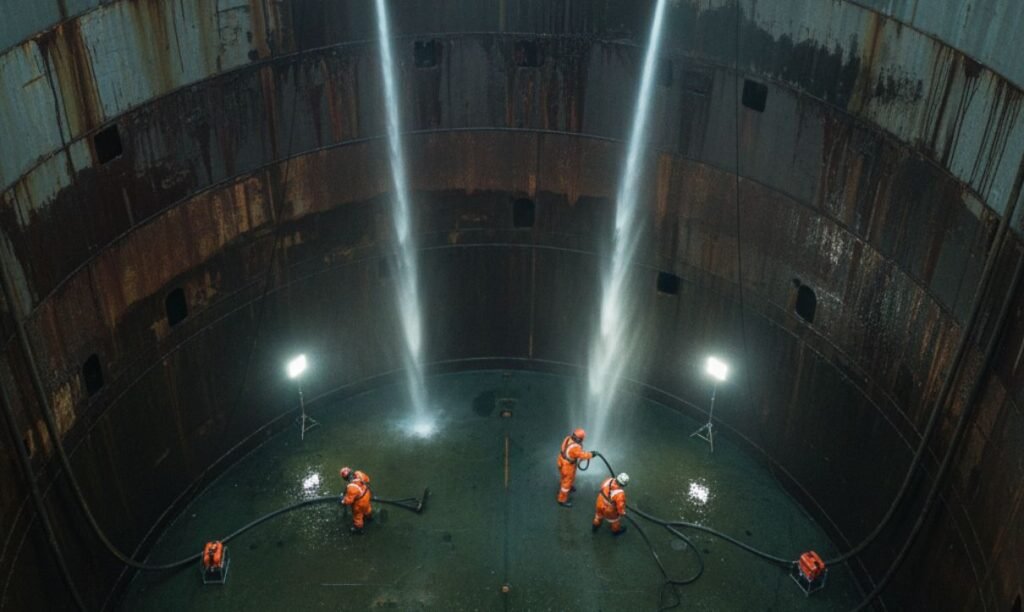
Consider a bulk carrier discharging cement before loading corn. Cement dust can cling to structural members and tank boundaries. During hold tank cleaning in Heraklion Port, crews performed dry scraping, multi-stage washing, bilge flushing, and moisture testing.
Independent inspection confirmed grain-clean status. The vessel loaded without delay and avoided contamination claims.
Operational discipline directly protects commercial outcomes.
Future Trends in Marine Cleaning
Marine cleaning technology continues evolving.
Emerging innovations include:
- Remote-controlled washing machines
- Drone-based hold inspections
- Digital cleaning logs
- Environmentally friendly cleaning agents
Automation reduces human exposure in confined spaces. Digital documentation improves transparency and speeds compliance audits.
Mediterranean ports increasingly adopt data-driven inspection systems to improve turnaround efficiency.
Conclusion
Hold tank cleaning in Heraklion Port demands technical precision, regulatory compliance, and disciplined execution. First, structured risk assessment and controlled cleaning methods prevent contamination and operational delays. Second, strict alignment with IMO and MARPOL standards safeguards safety and environmental responsibility. Third, comprehensive documentation and inspection workflows protect commercial interests.
When you integrate expertise, safety systems, and compliance-driven supervision, cleaning becomes a strategic advantage. For shipowners and operators seeking dependable, regulation-aligned maritime services, Cleanship.co stands as a strong example of professional marine compliance and operational excellence worldwide.
FAQs:
Hold cleaning focuses on dry cargo residues in bulk carriers, ensuring surfaces are clean and dry before loading. Tank cleaning often involves liquid residues and gas freeing procedures, requiring additional vapor testing and chemical compatibility checks.
Cleaning logs, waste disposal receipts, and inspection certificates protect you during audits and charter reviews. Accurate documentation prevents disputes and demonstrates compliance with environmental and safety regulations.
MARPOL regulates discharge of wash water and residue disposal. You must use certified reception facilities and prevent oil or hazardous contamination from entering the sea.
Not always. Mechanical and high-pressure washing may be sufficient for many cargo changeovers. Chemical cleaning is used when residue properties demand deeper decontamination.
Marine Supercargo inspectors or independent surveyors typically verify compliance under Final Quality Rules. Without inspection approval, cargo loading should not proceed.