Hold Cleaning in Khor Fakkan: 7 Proven Safety Wins
Khor Fakkan occupies a quiet but strategic position on the UAE’s eastern coastline. For vessels trading along Indian Ocean routes, it offers open-sea access, lower congestion, and efficient marine support. In this setting, hold cleaning in Khor Fakkan is not a routine chore—it is a safety-critical operation that protects cargo quality, crew welfare, and regulatory compliance.
When you prepare a vessel for its next cargo, the condition of the cargo hold tells a story. Clean holds signal discipline and readiness. Dirty holds invite inspection delays, cargo claims, and risk. We look at hold cleaning as a controlled safety process, not a cosmetic task. Below are seven proven safety wins delivered by professional hold cleaning practices in Khor Fakkan.
Why the UAE Excels in Marine Cleaning Operations
The UAE has earned its maritime reputation through regulation, infrastructure, and enforcement. Ports are aligned with international conventions, and service providers operate within clearly defined compliance systems.
Hold cleaning benefits from:
- Direct access to open waters
- Reduced waiting times compared to major hubs
- Strong alignment with international safety frameworks
This environment allows cleaning to be performed thoroughly without operational pressure.
What Hold Cleaning Actually Means in Practice
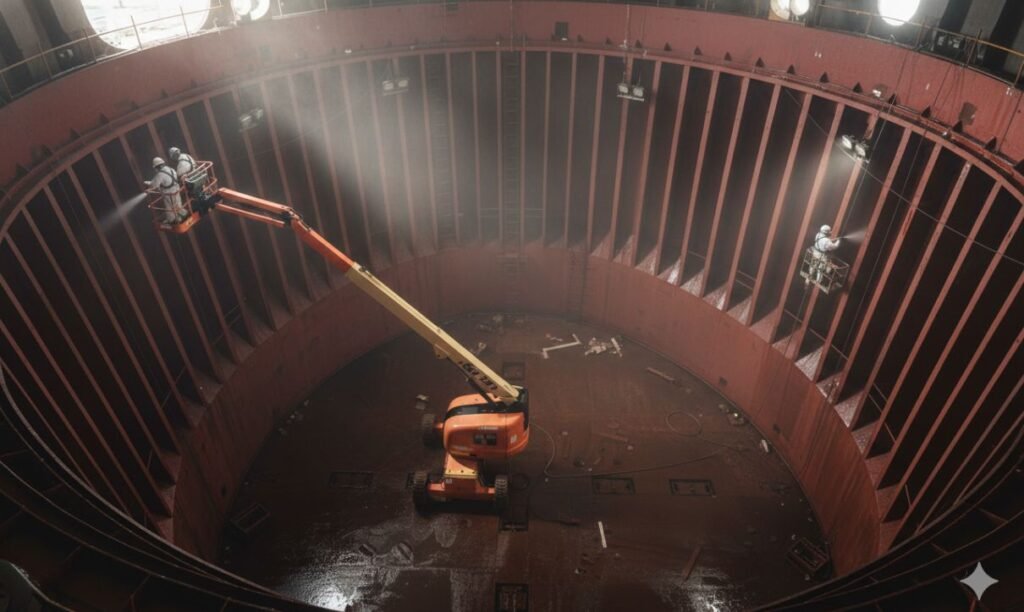
Cargo holds carry bulk commodities such as grain, coal, aggregates, and fertilizers. Each cargo leaves residues that can compromise the next shipment if not removed correctly.
Hold cleaning focuses on:
- Removing dry cargo residues and wash water
- Eliminating dust, moisture, and odor
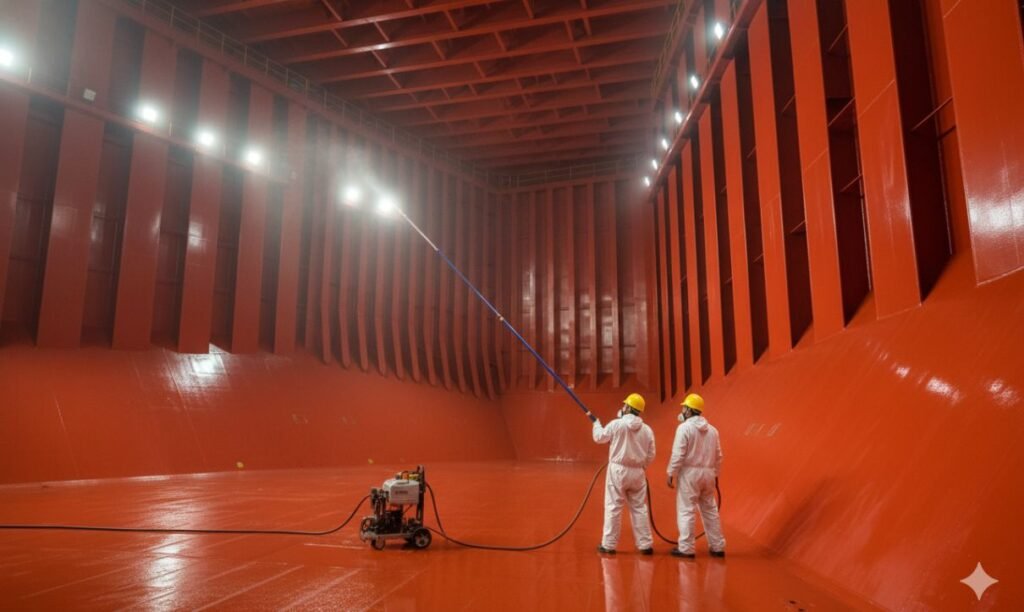
- Preparing holds to surveyor and charterer standards
A cargo hold is like a reusable container. If it is not cleaned to specification, the next cargo inherits the risk.
Regulatory Framework Governing Hold Cleaning
Hold cleaning is defined by international regulation, not individual preference.
IMO and MARPOL Convention Compliance
The International Maritime Organization establishes global safety and pollution standards. The MARPOL Convention regulates residue discharge and waste management.
Hold cleaning follows these rules by:
- Preventing illegal overboard discharge
- Managing residues through approved channels
- Maintaining environmental compliance records
IMCA and IAPH Operational Expectations
IMCA guidance shapes confined-space safety and working procedures. IAPH standards influence port coordination and inspection readiness. Together, they ensure cleaning is safe, traceable, and auditable.
Safety Win 1: Reduced Confined Space Hazards
Cargo holds are confined spaces with limited airflow. Dust and oxygen depletion can turn routine work into an emergency.
Hold cleaning reduces this risk through:
- Atmospheric testing before entry
- Permit-to-work systems
- Controlled ventilation during cleaning
Safety is planned, not improvised.
Safety Win 2: Prevention of Cargo Contamination
Bulk cargoes absorb residues easily. Even trace fertilizer dust in a grain hold can lead to cargo rejection.
Hold cleaning prevents contamination by:
- Applying cargo-specific cleaning plans
- Using freshwater rinsing when required
- Verifying cleanliness before loading
This protects both cargo value and charterer confidence.
Safety Win 3: Structural Integrity and Corrosion Control
Residues trap moisture against steel surfaces, accelerating corrosion and coating failure.
Through hold cleaning, operators:
- Detect coating damage early
- Reduce long-term steel wastage
- Extend dry-docking intervals
Cleaning becomes preventive maintenance. Read more about Tank Cleaning in Khor Fakkan: 7 Powerful Safety Wins
Safety Win 4: Faster Inspections and Clearance
Surveyors and Port State Control officers assess cargo spaces early during inspections. Dirty holds invite extended scrutiny.
Effective hold cleaning ensures:
- Holds meet visual inspection standards
- Documentation matches physical condition
- Reduced inspection time and delays
Clean holds speed decisions.
Safety Win 5: Environmental Protection and Waste Control
Environmental protection is inseparable from safety. Improper residue handling harms marine ecosystems and invites penalties.
Hold cleaning emphasizes:
- Controlled residue collection
- MARPOL-compliant disposal
- Zero unauthorized discharge
Environmental discipline is now a safety metric.
Safety Win 6: Improved Crew Health and Work Discipline
Dust, mold, and chemical residues affect crew health over time. Clean holds create safer working environments.
Hold cleaning supports:
- Reduced respiratory exposure
- Clear safety boundaries
- Structured workflows that limit fatigue
Healthy crews operate safer vessels. Read more about Bulk Carrier Hold Cleaning in Khor Fakkan: 6 Powerful Gains
Safety Win 7: Cost Efficiency Through Risk Reduction
Accidents, cargo claims, and re-cleaning cost far more than proper preparation.
Hold cleaning delivers savings by:
- Avoiding cargo rejection
- Reducing off-hire time
- Preventing regulatory penalties
Safety investments often return as cost control.
Standards for Tank, Hold, and Bulk Carrier Cleaning
Different vessels require different cleaning disciplines. Tank cleaning manages liquid residues and vapors, while bulk carrier cleaning focuses on dry cargo remnants.
Hold cleaning aligns with:
- Bulk carrier hold acceptance criteria
- Tank cleaning matrices for cargo changeovers
- World Ports and Marine Supercargo Final Quality Rules
Each standard defines readiness differently.
Inspection and Documentation Workflows
Cleaning without records does not satisfy inspectors. Documentation is as critical as the physical condition of the hold.
Hold cleaning typically includes:
- Pre- and post-cleaning inspection reports
- Safety and gas-free certificates where required
- Photographic records for charterers
Documentation closes the compliance loop.
Industry Practice and Integrated Marine Services
Across global ports, companies such as Cleanship.co reflect modern industry practice. Their operations cover tank and hold cleaning, cargo supervision, and compliance support across international trade routes.
Industry practice also includes drug and alcohol testing services for crew safety, recognizing that human factors are central to maritime risk management.
Future Trends in Marine Cleaning Innovation
Marine cleaning is evolving toward safer, more efficient systems.
Emerging trends influencing hold cleaning in Khor Fakkan include:
- Environmentally safer cleaning agents
- Remote inspection tools and drones
- Digital compliance logs linked to port systems
Innovation focuses on safety and traceability.
Why Hold Cleaning Is a Strategic Operational Decision
Hold cleaning is no longer a background task. It is a strategic control point affecting safety, compliance, and profitability.
When hold cleaning in Khor Fakkan aligns with regulation, environmental responsibility, and crew protection, operational stability follows naturally.
Conclusion
Hold cleaning in Khor Fakkan delivers seven proven safety wins that extend well beyond clean steel surfaces. The key takeaways are clear: disciplined cleaning reduces confined-space risk, regulatory-aligned processes prevent costly delays, and environmental responsibility safeguards long-term operations.
When hold cleaning is treated as a professional maritime function rather than a checklist item, vessels operate with fewer disruptions and stronger inspection outcomes. For operators seeking consistent compliance, inspection readiness, and global best practices, working with experienced service providers such as Cleanship.co is a confident step toward maritime service excellence.
FAQs:
Hold cleaning removes residues that can contaminate new cargoes. In Khor Fakkan, strict inspection standards mean unclean holds risk cargo rejection, delays, and financial claims.
Hold cleaning focuses on dry cargo residues and dust, while tank cleaning deals with liquid residues and hazardous vapors. Hold cleaning in Khor Fakkan emphasizes surface cleanliness and moisture control.
Yes. Hold cleaning services in Khor Fakkan follows MARPOL controls for residue handling and disposal, preventing illegal discharge and environmental harm.
Surveyors review cleanliness, safety conditions, and documentation. Hold cleaning services in Khor Fakkan integrates inspection readiness into standard operational workflows.
Yes. Industry-aligned providers often combine hold cleaning services in Khor Fakkan with cargo supervision, inspection support, and crew safety services for full compliance.