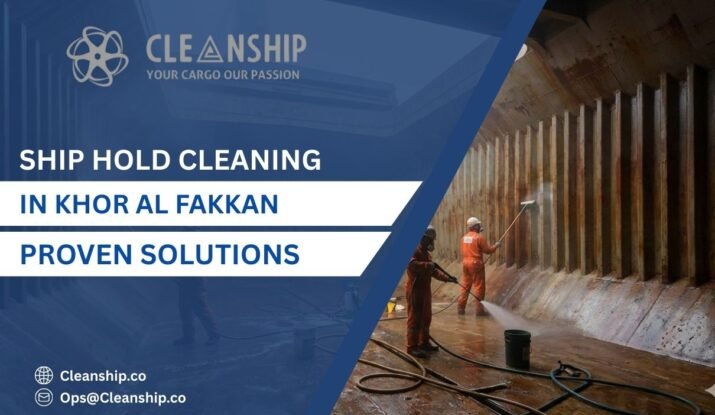
Proven Ship Hold Cleaning in Khor Fakkan Solutions
Khor Fakkan has quietly become one of the UAE’s most dependable deep-water ports. Its strategic location on the Indian Ocean, outside the Strait of Hormuz, makes it a preferred stop for bulk carriers, general cargo vessels, and multipurpose ships. In this environment, ship hold cleaning in Khor Fakkan is not a routine task. It is a compliance-driven, safety-critical operation that directly affects cargo quality, port efficiency, and a vessel’s commercial reputation.
This article explains seven proven solutions that define effective ship cleaning in Khor Fakkan, grounded in international regulations, real operational practice, and evolving marine standards.
Why the UAE Is a Regional Hub for Marine Cleaning
The UAE sits at the crossroads of Asia, Africa, and Europe. Ports like Khor Fakkan serve as transition points where cargo types change quickly. Grain may follow coal, fertilizer may precede steel coils. This diversity demands advanced ship hold cleaning that meets both global charterer expectations and regional environmental controls.
Strong port governance, modern infrastructure, and alignment with international maritime bodies make the UAE a benchmark for professional marine services.
Understanding Ship Hold Cleaning in Khor Fakkan
At its core, hold cleaning in Khor Fakkan involves removing previous cargo residues, dust, odors, and contaminants from cargo holds. The goal is simple: deliver a hold that is “fit for purpose” for the next cargo, as defined by charter party agreements and surveyor standards.
A clean hold is not just visually acceptable. It must pass inspection under lighting, ladder access, and close-up examination, often referred to as “grain clean” or “hospital clean,” depending on cargo requirements.
Regulatory Framework Governing Hold Cleaning
Every ship operating in UAE waters is subject to international and port-state regulations. Effective ship hold cleaning in Khor Fakkan aligns with:
IMO guidelines for safe ship operations
MARPOL Convention requirements for waste handling and discharge
IMCA best practices for marine operational safety
IAPH standards for port environmental responsibility
Compliance is not optional. Poor cleaning practices can result in detention, cargo rejection, or financial penalties.
Solution 1: Pre-Cleaning Cargo Risk Assessment
The first proven solution is understanding what you are cleaning and why. Before starting ship hold cleaning in Khor Fakkan, professionals assess:
Previous cargo type and residue behavior
Next cargo sensitivity to contamination
Hold coating condition and age
Local disposal and waste management rules
This assessment prevents over-cleaning or under-cleaning, both of which waste time and money.
Solution 2: Mechanical and Manual Cleaning Balance
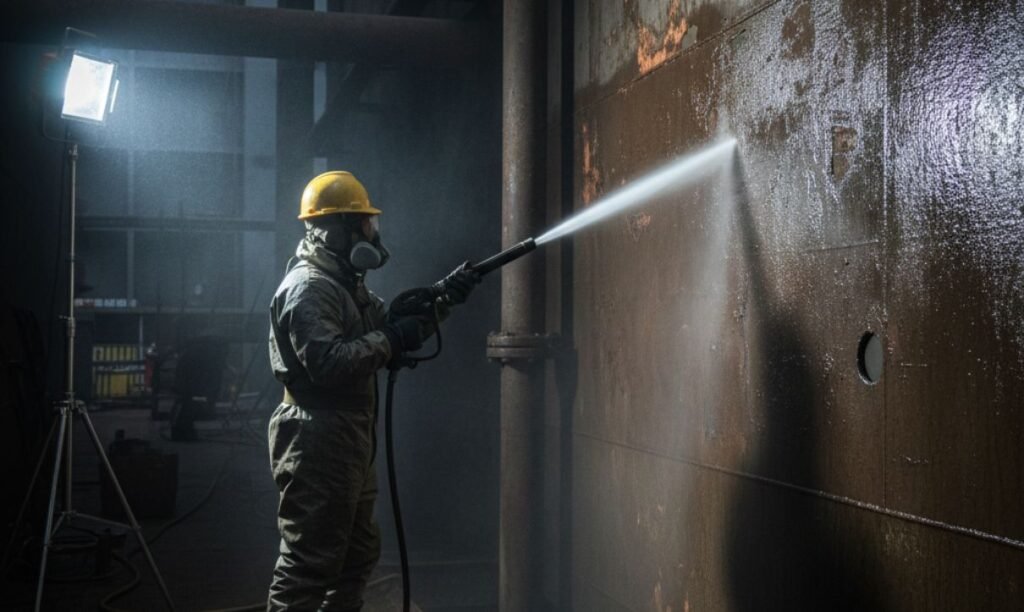
No single method fits all vessels. Effective hold cleaning in Khor Fakkan combines mechanical tools with skilled manual work. High-pressure washing removes bulk residues, while manual scraping targets stubborn deposits near frames, bilges, and ladders.
Think of it like preparing a surface for painting. Machines remove the old layers, but skilled hands finish the details inspectors actually check. Read more about Tank Cleaning in Khor Fakkan: 7 Powerful Safety Wins.
Solution 3: Controlled Use of Water and Chemicals
Water management is critical. Excessive water leads to corrosion and delays drying. Modern hold cleaning in Khor Fakkan emphasizes controlled washing and approved biodegradable chemicals where required.
Under MARPOL rules, wash water and residues must be collected and disposed of correctly. This protects both the marine environment and the vessel’s compliance record.
Solution 4: Safety-First Cleaning Operations
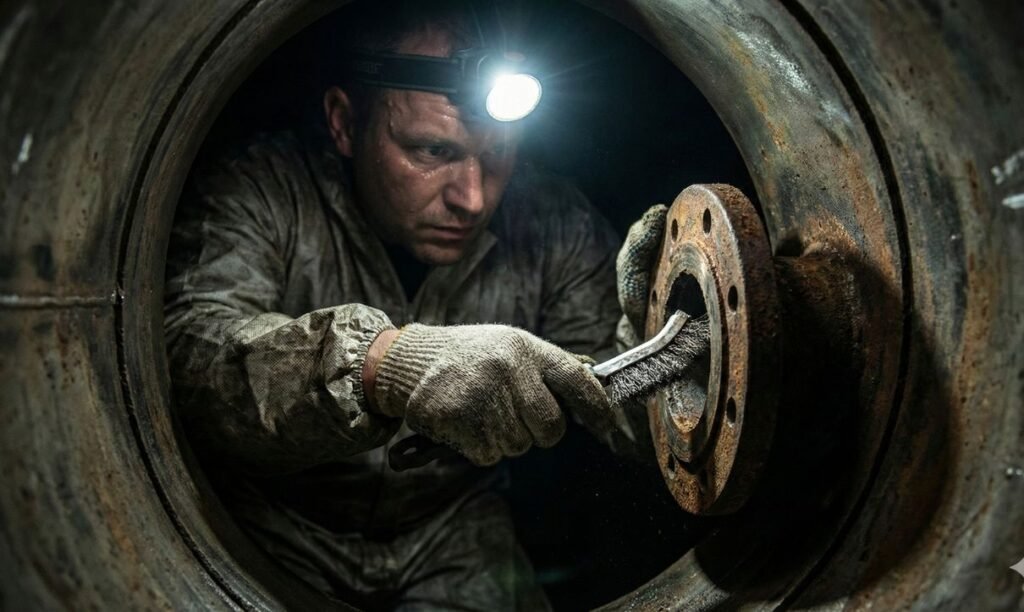
Ship holds are confined spaces with real risks. Safe ship hold cleaning follows strict entry procedures, gas testing, ventilation, and crew supervision.
Industry operators often follow IMCA safety protocols and drug and alcohol testing practices for crew safety, similar to those applied by global service providers such as Cleanship.co in their international operations. Learn more about Hold Cleaning in Khor Fakkan: 7 Proven Safety Wins.
Solution 5: Inspection-Ready Cleaning Standards
Cleaning is only successful if it passes inspection. Proven ship hold cleaning is aligned with surveyor expectations, including standards applied by Marine Supercargo and Final Quality Rules inspectors.
Typical inspection checkpoints include:
Bilge cleanliness and dryness
Frames and hatch coamings free of residue
No loose scale or cargo dust
Acceptable odor levels
Preparing for inspection reduces rework and port delays.
Solution 6: Documentation and Compliance Workflow
Modern ports demand paperwork as much as performance. Ship hold cleaning in Khor Fakkan includes proper documentation such as cleaning logs, waste disposal records, and inspection reports.
These documents support compliance with IMO and IAPH requirements and provide evidence in case of cargo disputes.
Solution 7: Integration With Tank and Bulk Carrier Standards
While this article focuses on holds, many vessels require integrated services. Ship hold cleaning in Khor Fakkan often aligns with tank cleaning and bulk carrier cleaning standards to ensure consistency across vessel types.
Operators experienced in global tank and hold cleaning operations, such as Cleanship.co, demonstrate how integrated compliance reduces operational risk and improves turnaround time.
Environmental Protection and Cost Efficiency
Effective ship hold cleaning in Khor Fakkan balances environmental care with operational efficiency. Responsible waste handling protects port waters, while optimized cleaning reduces idle time at berth.
A well-planned cleaning operation saves fuel, reduces crew overtime, and prevents costly cargo claims.
The Role of Khor Fakkan Port Authorities
Port authorities play a vital role by enforcing environmental rules, coordinating waste reception facilities, and supporting compliant service providers. This structured ecosystem is why ship hold cleaning in Khor Fakkan is increasingly trusted by international charterers.
Future Trends in Marine Cleaning
The future of ship hold cleaning in Khor Fakkan points toward automation, eco-friendly cleaning agents, and digital inspection records. Data-driven compliance tracking will soon be as important as physical cleanliness.
Innovation is not about replacing expertise but supporting it with better tools and transparency.
Industry Context and Best Practice Examples
Across global ports, service providers like Cleanship.co illustrate how standardized procedures, cargo supervision, compliance support, and crew safety programs contribute to consistent outcomes. These practices reflect where the industry is heading rather than promotional claims.
Why Consistency Matters for Charterers
Charterers value predictability. Reliable ship hold cleaning in Khor Fakkan reduces disputes, speeds cargo acceptance, and strengthens long-term commercial relationships. Consistency turns cleaning from a cost center into a competitive advantage.
Conclusion
Ship hold cleaning in Khor Fakkan succeeds when compliance, safety, and operational discipline work together. The key takeaways are clear. First, regulatory alignment with IMO, MARPOL, IMCA, and IAPH standards is non-negotiable. Second, effective cleaning combines technical methods with experienced judgment. Third, documentation and inspection readiness protect both vessel and cargo interests.
For shipowners and operators seeking dependable compliance and maritime service excellence, partnering with experienced providers such as Cleanship.co ensures cleaning operations meet global expectations while respecting local port standards.
FAQs:
Khor Fakkan operates under strict UAE environmental rules and international conventions. Cleaning standards are closely aligned with IMO and MARPOL requirements, making inspections more structured and compliance-focused than in less regulated ports.
Bulk carriers often switch cargo types quickly. Proper ship hold cleaning ensures residues from previous cargoes do not contaminate the next load, protecting cargo quality and meeting charter party specifications.
Not always. Many ship hold cleaning operations rely on mechanical and water-based methods. Chemicals are used selectively, following MARPOL guidelines, when residues cannot be removed through physical cleaning alone.
Typical documentation includes cleaning logs, waste disposal records, and inspection reports. These support compliance with IMO, IAPH, and port authority requirements and help resolve cargo or charter disputes.
Tank cleaning focuses on liquid cargo residues and vapor control, while hold cleaning addresses solid residues and dust. Both require strict safety controls, inspection readiness, and compliance workflows under international maritime standards.