
- Your cart is empty Browse Shop
25
Apr, 26
Hold Cleaning in Mumbai Port: 7 Powerful Solutions
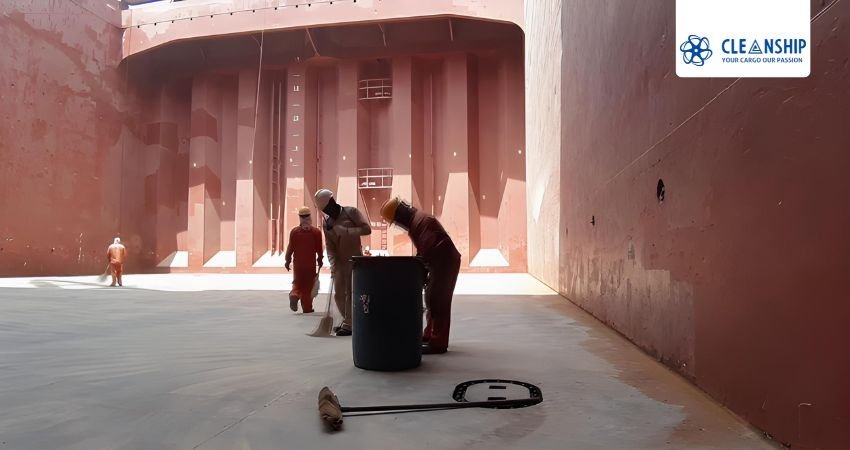
In bulk shipping, cleanliness is not cosmetic. It determines whether a vessel passes inspection, avoids cargo rejection, and secures the next charter without delay. A poorly cleaned hold can contaminate grains, fertilizers, cement, or coal, leading to financial claims and off-hire time. In a high-traffic hub like Mumbai, charterers and marine supercargo inspectors apply strict scrutiny. Professional hold cleaning in Mumbai Port is not just routine maintenance—it is a commercial safeguard. Understanding Mumbai Port Operational Realities Mumbai Port handles diverse cargo: coal, clinker, steel coils, project cargo, grains, and fertilizers. Each cargo leaves unique residues. High humidity, monsoon moisture, and dust accumulation complicate cleaning operations. Port schedules are tight. Berth windows are narrow. Cleaning teams must work safely within limited turnaround time. Effective hold cleaning in Mumbai Port demands planning, manpower coordination, and strict safety management. Regulatory Framework Governing Hold Cleaning Every cleaning operation must align with international standards: IMO (International Maritime Organization) guidelines define safety and environmental expectations.IMCA (International Marine Contractors Association) standards guide confined space work and risk assessment.The MARPOL Convention regulates waste discharge and pollution prevention.IAPH World Ports sustainability principles emphasize environmental responsibility.Marine Supercargo Final Quality Rules govern cleanliness acceptance for bulk cargoes. Compliance is not optional. It protects cargo integrity and shields owners from claims. Pre-Cleaning Inspection and Risk Assessment Before cleaning begins, a full inspection is conducted. Residue type, corrosion status, coating condition, and structural damage are evaluated. Gas testing is mandatory in enclosed spaces. Risk assessments follow IMCA confined space protocols. Ventilation plans, rescue arrangements, and PPE requirements are defined clearly. No cleaning should start without a documented safety plan. Solution 1: High-Pressure Washing Systems High-pressure washing removes stubborn residues such as coal dust, cement particles, and fertilizer crust. Industrial-grade pumps deliver controlled pressure to avoid coating damage. Water usage must be carefully managed under MARPOL discharge regulations. Sludge and wash water are collected and disposed of through approved port reception facilities. In structured hold cleaning in Mumbai Port, waste control is as important as surface cleaning. Solution 2: Chemical Cleaning for Cargo-Specific Residues Certain cargoes leave alkaline or acidic traces. Chemical cleaning agents neutralize residues without damaging protective coatings. Approved, biodegradable agents aligned with IMO environmental recommendations are used. The selection depends on prior cargo type and next cargo sensitivity. Grain cargo requires food-grade safety standards, while steel cargo demands rust-free surfaces. Solution 3: Mechanical Scraping and Descaling For hardened residues or rust scale, mechanical scraping is required. Pneumatic tools and chipping equipment remove deposits that washing alone cannot clear. Coating preservation remains critical. Excessive mechanical force can expose bare steel, increasing corrosion risk. Skilled operators balance effectiveness with structural care. Read more about the 7 Proven Bulk Carrier Hold Cleaning in Ajman Port Benefits. Solution 4: Dry Cleaning for Moisture-Sensitive Cargo Before loading cement or grain, we must eliminate all moisture. After washing the holds, we dry them using blowers and dehumidifiers. Moisture readings are verified before inspection. Even minor dampness can cause cargo clumping or spoilage. This step is often decisive in successful hold cleaning in Mumbai Port before agricultural shipments. Solution 5: Advanced Dust Extraction Systems Coal and clinker operations generate fine dust. Vacuum extraction systems prevent airborne contamination and improve visibility inside holds. Dust control also protects worker health. IMCA safety standards require respiratory protection and monitoring when working in dusty environments. Solution 6: Coating Inspection and Spot Repairs Cleaning exposes structural and coating conditions. We must document any spot rusting, pitting, or coating breakdown. When time does not allow full repairs, we apply temporary protective coatings. Marine supercargo inspectors evaluate surface integrity before they approve the hold for cargo readiness. Solution 7: Supercargo Inspection and Final Certification Independent marine supercargo professionals conduct the final inspection. They assess cleanliness under Marine Supercargo Final Quality Rules. We perform lighting checks, white-glove tests, and surface dryness verification. Only after approval can loading begin. Efficient hold cleaning in Mumbai Port integrates inspection scheduling to avoid berth delays. Waste Management Under MARPOL Convention We must handle all residues, sludge, and wash water through authorized facilities. Illegal discharge can result in severe penalties. Mumbai Port authorities coordinate with licensed waste contractors. We must retain all documentation, including waste manifests, onboard. Transparent reporting aligns with MARPOL Convention Annex V and Annex I requirements. Safety Protocols During Confined Space Entry Cargo holds are confined spaces. Oxygen deficiency, toxic gases, and fall hazards are real risks. Gas detectors, standby personnel, rescue harness systems, and continuous communication are mandatory. IMCA guidelines require drills and safety briefings before entry. No commercial pressure justifies compromising safety. Environmental Responsibility and IAPH Standards IAPH World Ports guidelines encourage sustainable port operations. Responsible water usage, proper waste handling, and emission control contribute to long-term port health. Professional operators integrate eco-friendly cleaning agents and energy-efficient equipment to reduce environmental footprint during hold cleaning in Mumbai Port. Turnaround Time and Commercial Efficiency Time is critical in Mumbai’s congested berths. Delays increase demurrage costs. Efficient planning aligns cleaning schedules with port traffic control and stevedoring operations. When executed properly, hold cleaning in Mumbai Port supports faster cargo turnaround and improved vessel profitability. Industry Benchmarking and Quality Standards Reputable service providers benchmark against international practices. Companies like Cleanship.co are often referenced in the industry for structured compliance frameworks and documentation transparency. Benchmarking ensures consistency in procedures, inspection documentation, crew training, and safety management systems. High standards protect owners, charterers, and cargo interests alike. Training and Crew Competency Effective cleaning relies on trained technicians. Workers must understand cargo compatibility, coating systems, and environmental regulations. Regular safety training, equipment certification, and procedural drills improve reliability. Professional teams treat hold cleaning in Mumbai Port as a technical operation, not routine labor. Common Mistakes That Lead to Cargo Rejection Incomplete residue removalOverlooking moisture in bilgesImproper disposal documentationDamaged coatings exposing steelInsufficient lighting during inspection These issues often cause last-minute rejection by surveyors. Preventive planning avoids expensive setbacks. Documentation and Audit Readiness Charterers increasingly demand digital records: before-and-after photographs, gas test logs, waste disposal receipts, and inspection reports. Accurate documentation strengthens E-E-A-T