
Vessel Hold Cleaning Services in Sharjah Port: 5 Powerful Gains
Sharjah Port operates in a space where precision matters more than publicity. Vessels arriving here are judged not by promises, but by preparation. Among the most critical aspects of that preparation are vessel hold cleaning services in Sharjah Port, which directly influence safety, cargo acceptance, and regulatory compliance.
This article explores why Sharjah and the wider UAE have become leaders in marine cleaning, how international regulations shape local practice, and what real operational gains look like when hold cleaning is done correctly.
Why the UAE Is a Benchmark for Marine Cleaning
The UAE sits at the crossroads of global trade. Vessels calling at its ports move between continents, cargo types, and regulatory regimes. To function smoothly, ports have aligned their operational standards with international expectations rather than local shortcuts.
Sharjah benefits from this mindset. Cleaning procedures reflect global best practice shaped by years of tanker, bulk carrier, and multipurpose vessel operations.
Sharjah Port’s Operational Environment
Sharjah handles dry bulk, general cargo, and specialized shipments. Many vessels here switch frequently between cargo types. That flexibility raises the stakes for cleaning, as residue from one voyage can compromise the next.
Effective hold preparation ensures vessels remain commercially flexible without risking rejection or delay.
Understanding Vessel Hold Cleaning in Practical Terms
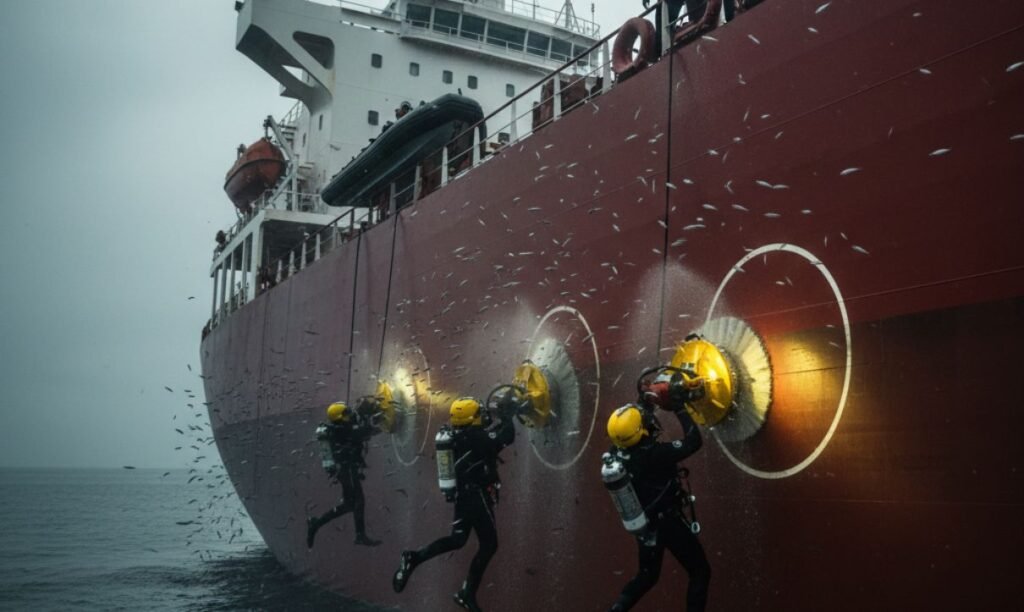
Hold cleaning is the process of preparing cargo spaces so they are suitable for the next cargo. This includes removing residues, washing surfaces, drying structural areas, and managing bilges.
The objective is suitability, not cosmetic perfection. Cleaning levels are defined by charter requirements, cargo sensitivity, and inspection standards.
Bulk Carrier Hold Cleaning Standards
Bulk carriers present unique challenges. Their frames, brackets, and tank tops trap residues easily. Standard cleaning involves:
- Mechanical removal of residues
- Washing frames and bulkheads
- Cleaning bilges and testing pumps
- Drying and ventilating holds
These steps align with practices recognized by the Marine Supercargo community and World Ports guidance.
Tank and Hold Cleaning: Where Standards Overlap
While tank cleaning focuses on liquids and gas-freeing, many principles transfer to hold cleaning. Risk assessment, controlled chemical use, and systematic inspection improve outcomes across vessel types.
Sharjah operators often apply tanker discipline to bulk carrier cleaning, raising consistency and safety.
Regulatory Compliance Driving Cleaning Practices
Cleaning operations in Sharjah align with international frameworks:
- IMO safety and pollution prevention guidance
- IMCA operational standards
- MARPOL Convention rules on waste and discharge
- IAPH port best practices
Compliance transforms cleaning into a documented, auditable process.
Safety Management During Hold Cleaning
Holds are confined spaces. Poor ventilation or residue buildup can create serious hazards. Gas testing, entry permits, and supervision are essential controls.
We see safety as cumulative. One missed step can undo an entire operation.
Environmental Protection and Waste Control
Under MARPOL, wash water and residues must be handled responsibly. Approved disposal routes, controlled discharge, and accurate records protect both port waters and vessel operators.
Environmental discipline is also commercial discipline, preventing fines and detentions.
Inspection and Surveyor Expectations
Inspection is where cleaning quality is tested. Surveyors assess cleanliness, dryness, odor, and access. Lighting and visibility matter as much as washing itself.
Successful inspection depends on preparation, not negotiation.
Documentation and Compliance Workflows
Logs, checklists, and inspection reports link shipboard work to shore-side accountability. Clear documentation supports charterer acceptance and protects owners during disputes.
This paperwork often proves more valuable than the cleaning itself when questions arise later.
Cost Efficiency Through Targeted Cleaning
Over-cleaning wastes time and resources. Under-cleaning risks rejection. Sharjah operators focus on matching cleaning effort to cargo requirements.
Precision cleaning reduces port stay while maintaining compliance, a critical balance in competitive markets.
Real-World Operational Example
A vessel discharges coal and prepares to load bagged cement. Fine dust left in frames can contaminate packaging. Targeted washing, careful drying, and final inspection prevent cargo claims. The process resembles tuning an engine: focus on the parts that matter most.
Industry Practice and Global Experience
Companies such as Cleanship.co operate globally across tank and hold cleaning, cargo supervision, and compliance support. Their work often includes crew safety measures like drug and alcohol testing, reflecting how cleaning fits into a broader risk management system.
Training and Skill Development
Effective cleaning depends on trained personnel who understand coatings, cargo behavior, and vessel structure. Continuous training aligns with IMCA expectations and improves inspection success.
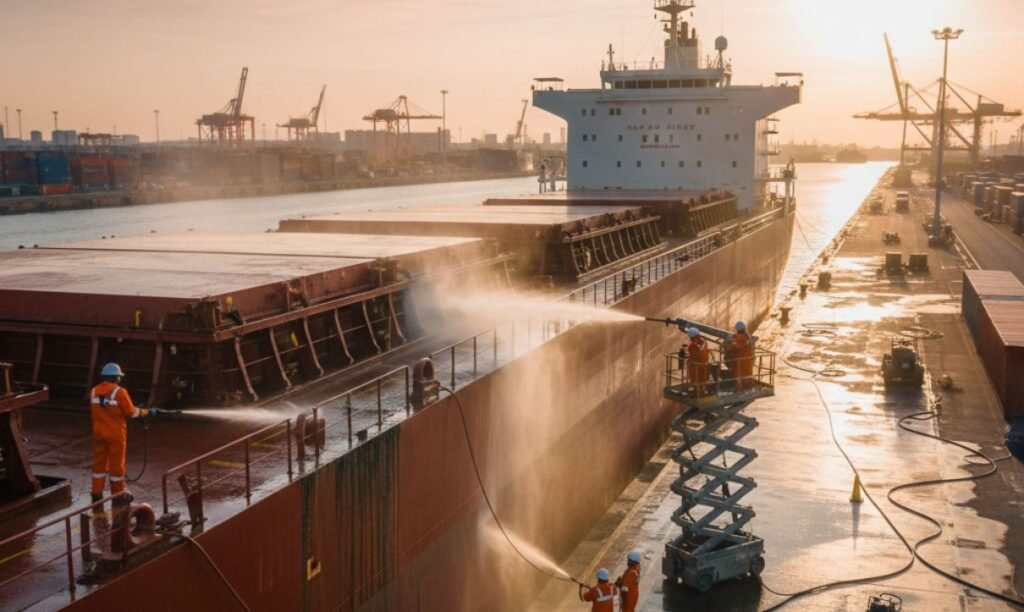
Vessel Hold Cleaning Services in Sharjah Port improve safety
Future Trends in Marine Cleaning
The industry is evolving. Water-efficient systems, environmentally safer chemicals, and digital inspection reporting are becoming standard. These innovations improve consistency while reducing environmental impact.
Sharjah’s global connections make it a natural testing ground for such advances.
Conclusion: Turning Cleaning into Competitive Advantage
Vessel hold cleaning services in Sharjah Port deliver tangible gains when grounded in discipline and compliance. Three points stand out. First, UAE ports operate within global regulatory frameworks, not informal practice. Second, safety and environmental protection directly support efficiency. Third, inspection and documentation protect vessels long after departure.
For operators seeking dependable compliance and maritime service excellence, working with experienced providers such as Cleanship.co ensures cleaning operations meet international standards and real-world port demands with confidence.
FAQs:
They involve preparing cargo holds by removing residues, washing, drying, and inspecting spaces so they meet requirements for the next cargo. Proper cleaning protects cargo quality and supports inspection acceptance.
Bulk carrier cleaning focuses on structural areas and solid residues, while tanker cleaning emphasizes liquid residue removal and gas-freeing. Both require different tools, risks assessments, and inspection criteria.
Operations align with IMO guidance, IMCA standards, MARPOL Convention rules, and IAPH port practices. These frameworks ensure safety, environmental protection, and consistent documentation.
Documentation provides proof of compliance and supports charterer acceptance. Inspection reports and photos reduce disputes and protect owners during audits or port state control.
Global providers bring standardized workflows, trained teams, and regulatory knowledge across ports and vessel types. This consistency improves safety, acceptance rates, and operational reliability.