Vessel Hold Cleaning Services in Heraklion
Vessel hold cleaning services in Heraklion Port play a critical role in protecting cargo quality, meeting charter party terms, and ensuring smooth port turnaround. In a busy Mediterranean gateway like Heraklion, bulk carriers frequently shift between coal, cement, grain, and fertilizers. Each change demands precise preparation. Even small residues can trigger cargo rejection under Marine Supercargo inspection standards.
Professional hold cleaning is not just washing steel. It is a structured process combining safety controls, environmental compliance, and technical supervision. Below are seven proven solutions that define effective bulk vessel hold preparation in Heraklion.
The Strategic Importance of Heraklion Port Operations
Heraklion connects European, North African, and Middle Eastern trade routes. Vessels arriving here often operate on tight schedules with back-to-back cargo contracts. Delays due to failed inspections affect charter revenue and reputation.
Port management practices aligned with the International Association of Ports and Harbors emphasize environmental responsibility and operational efficiency. Cleaning must therefore meet both commercial and sustainability standards.
Understanding Vessel Hold Cleaning Services in Heraklion Port
Vessel hold cleaning services in Heraklion Port typically include:
- Mechanical residue removal
- High-pressure washing
- Bilge and drainage system cleaning
- Drying and ventilation
- Final inspection and certification
All operations align with frameworks established by the International Maritime Organization and environmental rules under the MARPOL Convention.
The objective is simple: prepare holds to a clean, dry, contamination-free standard suitable for the next cargo.
Solution 1: Detailed Pre-Cleaning Risk Assessment
Before starting, we evaluate:
- Previous cargo characteristics
- Next cargo sensitivity
- Structural coating condition
- Confined space hazards
- Waste disposal arrangements
A strong risk assessment prevents operational setbacks. Safety guidance from the International Marine Contractors Association supports safe execution in high-risk environments.
Planning transforms cleaning from a reactive task into a controlled operation.
Solution 2: Dry Cleaning and Manual Residue Removal
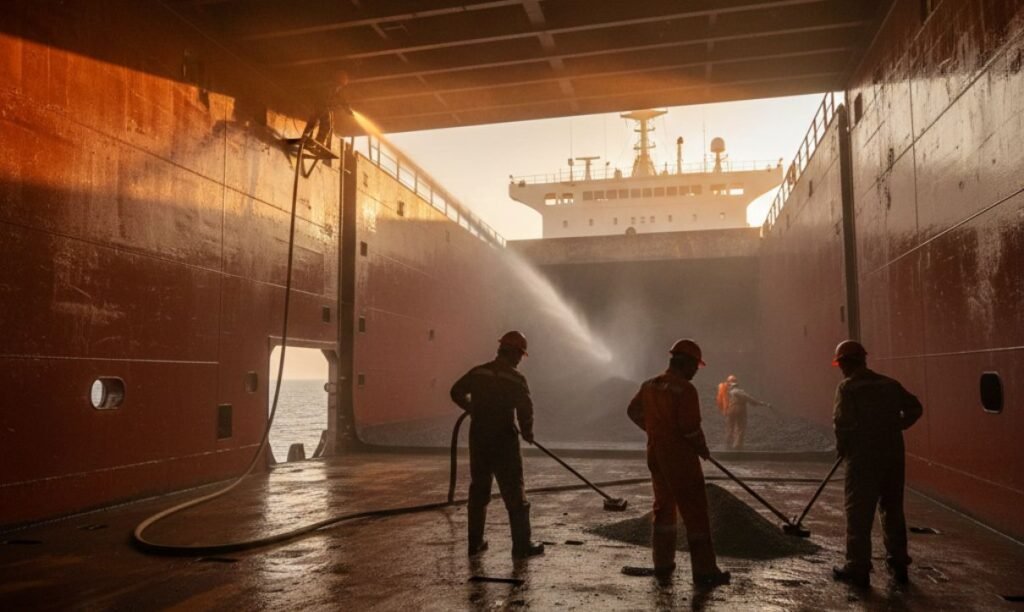
The first operational phase removes loose cargo before introducing water.
Crews use:
- Scrapers and brushes
- Industrial sweepers
- Vacuum systems
- Manual tools for frames and corners
Dry cleaning reduces sludge formation and lowers bilge contamination risk. It also improves washing efficiency in the next phase.
Solution 3: Controlled High-Pressure Washing of Vessel Holds
After dry removal, high-pressure washing begins. Pressure levels depend on:
- Coating type
- Residue hardness
- Next cargo requirements
For example, switching from coal to grain requires thorough washing and zero loose scale. Excessive pressure, however, may damage protective coatings.
Professional supervision ensures balance between cleanliness and structural protection.
Solution 4: Chemical Cleaning for Complex Cargo Transitions
Certain cargoes leave oily or chemical films. In these cases, approved cleaning agents may be applied under controlled conditions.
Important considerations include:
- Coating compatibility
- Safe dosing procedures
- MARPOL-compliant discharge
- Proper neutralization
Improper chemical use risks environmental violations and charter disputes under Final Quality Rules.
Solution 5: Bilge System and Drainage Management
Bilges collect wash water and fine sediment. During vessel hold cleaning services in Heraklion Port, bilge systems must be:
- Pumped out
- Flushed thoroughly
- Inspected for blockages
- Tested for oil traces
Residues are transferred to certified reception facilities in line with MARPOL obligations. Effective bilge management prevents cross-contamination.
Solution 6: Ventilation, Gas Testing, and Moisture Control
Confined space safety remains critical.
Gas detection verifies:
- Safe oxygen levels
- Absence of toxic vapors
- No explosive atmosphere
Moisture control is equally important. Grain cargo absorbs humidity quickly. Even minor dampness can cause spoilage and claims.
Drying through natural or forced ventilation ensures readiness for inspection.
Solution 7: Inspection, Documentation, and Compliance Workflow
Inspection validates cleaning quality.
Marine Supercargo surveyors typically check:
- Cleanliness of surfaces
- Absence of loose scale
- Dryness of compartments
- Hatch integrity
Documentation includes cleaning logs, disposal receipts, gas certificates, and photo evidence. Structured reporting protects owners during audits and charter reviews.
A systematic workflow improves transparency and reduces dispute risk.
Tank, Hold, and Bulk Carrier Cleaning Standards Compared
While vessel hold cleaning services in Heraklion Port focus on dry cargo spaces, related standards vary by vessel type.
Oil tanker tank cleaning prioritizes hydrocarbon removal and gas freeing. Bulk carrier hold cleaning emphasizes residue removal and dryness. Ballast tank cleaning focuses on sediment and corrosion management.
All operate within regulatory structures established by the International Maritime Organization and reinforced by MARPOL.
Understanding these distinctions ensures compliance across vessel categories.
Why India Is Influential in Marine Cleaning Services
India supplies a significant share of global marine officers, cleaning supervisors, and compliance auditors. Strong maritime academies and cost-efficient service models allow Indian professionals to support international ports, including Mediterranean hubs.
This technical workforce strengthens operational reliability and inspection readiness worldwide.
Safety Management in Confined Hold Cleaning
Hold cleaning involves confined spaces, slippery surfaces, and mechanical equipment.
Essential controls include:
- Entry permits
- Continuous gas monitoring
- Rescue standby teams
- Toolbox safety briefings
Safety management systems aligned with IMO standards reduce incident risk and protect crew welfare.
Operational speed must never override safety discipline.
Environmental Protection and Cost Efficiency
Environmental compliance protects both ecosystem and profit.
Poor cleaning may result in:
- Cargo rejection
- Port detention
- Re-cleaning expenses
- Insurance disputes
Efficient vessel hold cleaning services in Heraklion Port reduce repeat operations and preserve charter relationships.
Environmental stewardship is now directly tied to commercial performance.
Industry Practice and Integrated Compliance Support
Leading operators integrate cleaning with supervision and compliance oversight.
For example, Cleanship.co demonstrates industry practice through global tank and hold cleaning operations, cargo supervision services, compliance audits, and crew drug and alcohol testing programs. This integrated model supports operational reliability without promotional emphasis.
Such structured systems reduce risk exposure across international voyages.
Real-World Operational Example in Heraklion
Consider a bulk carrier discharging fertilizer before loading barley. Fertilizer residue can contaminate agricultural cargo if not fully removed.
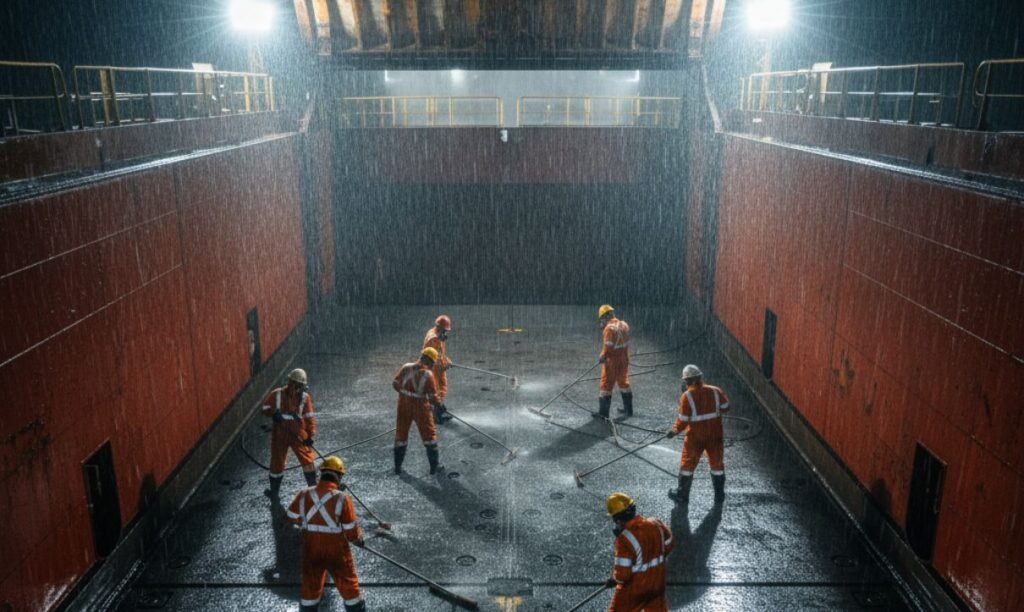
During vessel hold cleaning services in Heraklion Port, crews performed staged dry scraping, high-pressure washing, bilge flushing, and moisture verification. Independent inspection confirmed grain-clean condition. The vessel loaded on schedule without claims.
Operational precision directly protected revenue.
Future Trends in Marine Hold Cleaning
Technology is reshaping marine cleaning practices.
Emerging developments include:
- Remote-controlled washing systems
- Drone-assisted hold inspections
- Digital cleaning documentation
- Environmentally friendly cleaning agents
Automation reduces human exposure inside confined spaces. Digital transparency improves charterer trust and accelerates inspection approval.
Mediterranean ports increasingly adopt these innovations to enhance efficiency and safety.
Conclusion
Vessel hold cleaning services in Heraklion Port require structured planning, regulatory alignment, and disciplined execution. First, thorough risk assessment and controlled cleaning methods prevent contamination and delays. Second, strict compliance with IMO and MARPOL standards safeguards safety and environmental responsibility. Third, accurate documentation and independent inspection protect commercial interests.
When cleaning integrates supervision, safety systems, and compliance workflows, it becomes a strategic advantage rather than a routine task. For shipowners and operators seeking dependable, regulation-aligned maritime services, Cleanship.co stands as a trusted example of global compliance and operational excellence.
FAQs:
A grain clean hold must be free of residues, loose scale, moisture, and odor. Surveyors inspect visually and physically. Documentation and photographic evidence confirm compliance before loading agricultural cargo.
MARPOL regulates discharge of wash water and waste. You must transfer residues to certified reception facilities and prevent marine pollution. Non-compliance can result in fines or detention.
Not always. Mechanical and high-pressure washing may be sufficient. Chemical cleaning is used when residue properties require deeper decontamination during sensitive cargo transitions.
Marine Supercargo inspectors or independent surveyors confirm compliance under Final Quality Rules. Without inspection approval, loading should not proceed.
Duration depends on hold size, cargo type, and required standard. Simple dry cleaning may take hours, while full washing, drying, and inspection can extend over several days.