
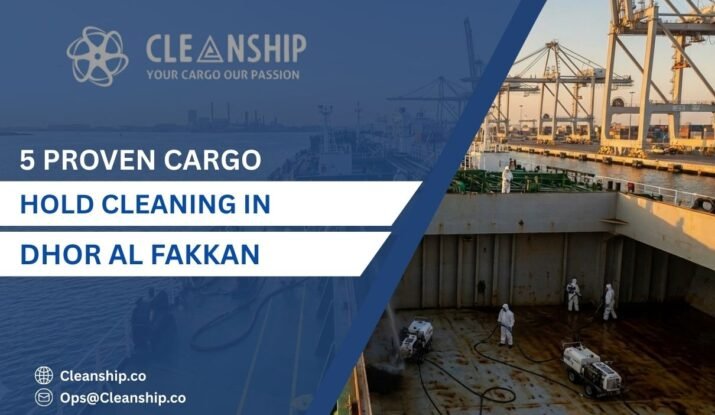
Proven Cargo Hold Cleaning in Dhor Al Fakkan
Cargo operations in the UAE demand precision, safety, and regulatory discipline. Among emerging regional hubs, Dhor Al Fakkan stands out for bulk and general cargo movements that rely heavily on effective cargo hold cleaning to maintain vessel readiness and compliance. When done right, this process protects cargo quality, crew safety, and port timelines. When done poorly, it creates delays, rejections, and costly rework.
This article explains five proven practices shaping modern cargo hold cleaning, grounded in international regulations, real port conditions, and practical maritime experience.
Why the UAE Plays a Central Role in Marine Cleaning
The UAE connects East–West trade routes and handles diverse bulk cargoes—coal, grain, clinker, fertilizers, and steel. Each cargo leaves residues. Before the next loading, cargo hold cleaning ensures vessels meet charter party requirements and port authority expectations.
Ports across the UAE increasingly align with global frameworks such as IMO, IMCA, MARPOL, and IAPH. This alignment raises the baseline for cleaning quality, documentation, and safety practices.
Understanding Cargo Hold Cleaning in Dhor Al Fakkan
At its core, cargo hold cleaning means removing residues, washing surfaces, drying holds, and preparing them for inspection. The level of cleaning depends on cargo sequence. A coal-to-coal voyage needs a different approach than fertilizer-to-grain.
Think of a cargo hold like a kitchen. You would not cook rice in a pan still coated with oil and spices from yesterday. Ships work the same way—only the stakes are higher.
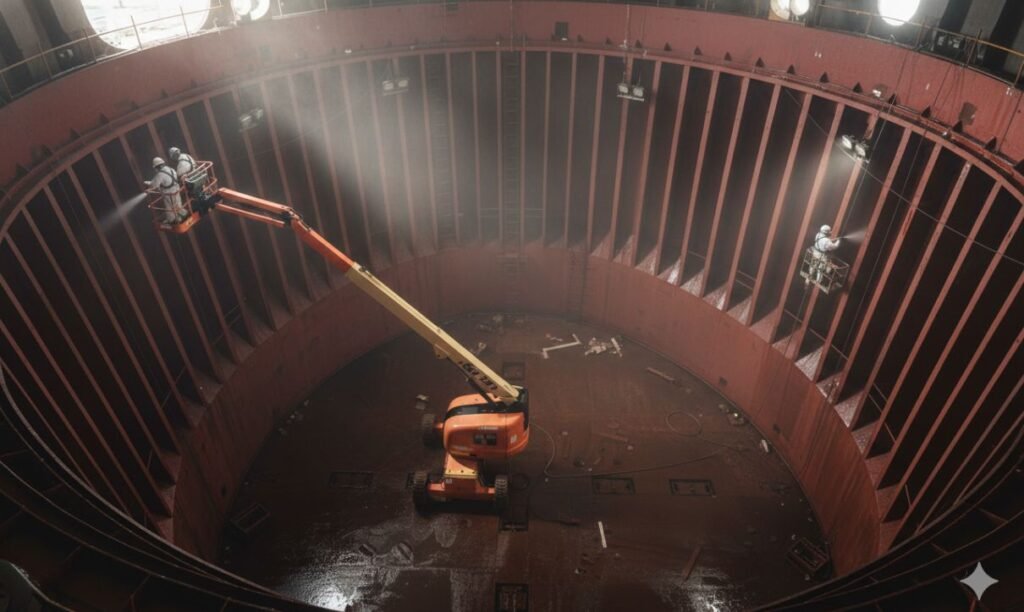
Proven Practice 1: Cargo-Specific Cleaning Standards
Effective cargo hold cleaning begins with understanding the previous and next cargo.
Matching Cleaning Level to Cargo Type
Common cleaning standards include:
- Broom clean for similar cargoes
- Shovel clean after sticky bulk cargo
- Grain clean for food-grade loading
- Hospital clean for sensitive commodities
Applying the wrong standard risks cargo rejection at the berth.
Bulk Carrier Cleaning Protocols
Bulk carriers often require high-pressure washing, scale removal, and bilge flushing. These steps define professional cargo hold cleaning for vessels trading in the Arabian Sea region.
Proven Practice 2: Regulatory Compliance as a Foundation
Modern cargo hold cleaning is shaped by international regulation, not just charter instructions.
IMO and MARPOL Requirements
The MARPOL Convention controls discharge of wash water and residues. Holds cannot be cleaned without managing run-off, slops, and waste disposal correctly.
IMCA and IAPH Influence
IMCA guidance emphasizes safety procedures during high-pressure washing and enclosed space entry. IAPH promotes port-wide environmental accountability, which directly affects cargo hold cleaning operations.
Proven Practice 3: Safety-First Cleaning Operations
Cleaning is one of the highest-risk onboard activities. Professional cargo hold cleaning integrates safety into every step.
Enclosed Space Entry Controls
Before cleaning starts, we ensure:
- Gas-free certification
- Ventilation plans
- Permit-to-work systems
These controls reduce incidents during cargo hold cleaning, especially in deep bulk carrier holds.
Crew Fitness and Testing
Industry best practice includes crew readiness checks. Some operators, such as Cleanship.co, also support drug and alcohol testing services to strengthen onboard safety culture without disrupting operations.
Proven Practice 4: Inspection, Documentation, and Acceptance
Cleaning work only succeeds when inspectors accept it. Cargo hold cleaning must be inspection-ready.
Pre-Inspection Preparation
Before surveyors board, teams verify:
- No loose scale
- Dry bilges
- Clean hatch coamings
- Odor-free compartments
This attention to detail defines reliable cargo hold cleaning in Dhor Al Fakkan.
Documentation Workflow
Survey reports, cleaning logs, and photographic records protect owners and charterers. These records align with World Ports and Marine Supercargo Final Quality Rules, reducing disputes at loading ports.
Proven Practice 5: Environmental and Cost Efficiency
Sustainability now influences hold cleaning in Dhor Al Fakkan as much as speed.
Water and Waste Management
Controlled water use, filtration, and approved disposal methods prevent port penalties. Efficient cleaning reduces downtime and fuel costs from idle vessels. Read more about Tank Cleaning in Dhor Al Fakkan: 7 Powerful Safety Wins.
Cost of Poor Cleaning
A rejected hold can delay loading by 24–48 hours. In contrast, structured hold cleaning in Dhor Al Fakkan saves money by avoiding re-cleaning, demurrage, and cargo claims.
Tank, Hold, and Bulk Carrier Cleaning Standards Compared
While this article focuses on hold cleaning in Dhor Al Fakkan, vessels often require integrated services.
Cargo Holds vs Tank Cleaning
- Holds focus on residue removal and dryness
- Tanks require degassing, gas freeing, and chemical compatibility checks
Why Integrated Knowledge Matters
Companies with global tank and hold cleaning experience, such as Cleanship.co, apply cross-discipline knowledge that improves hold cleaning in Dhor Al Fakkan outcomes without turning operations into sales exercises. Read more about Bulk Carrier Hold Cleaning in Dhor Al Fakkan: 6 Powerful Gains.
Inspection Challenges Unique to Dhor Al Fakkan
Local climate matters. High humidity affects drying times. Fine dust from nearby cargo yards settles quickly. Effective hold cleaning in Dhor Al Fakkan accounts for these factors through timing, ventilation, and protective measures.
Training and Skill Development in Cleaning Crews
Cleaning is skilled labor, not manual work alone. Teams trained in coating protection, corrosion spotting, and safety protocols deliver consistent cargo hold cleaning across vessel types.
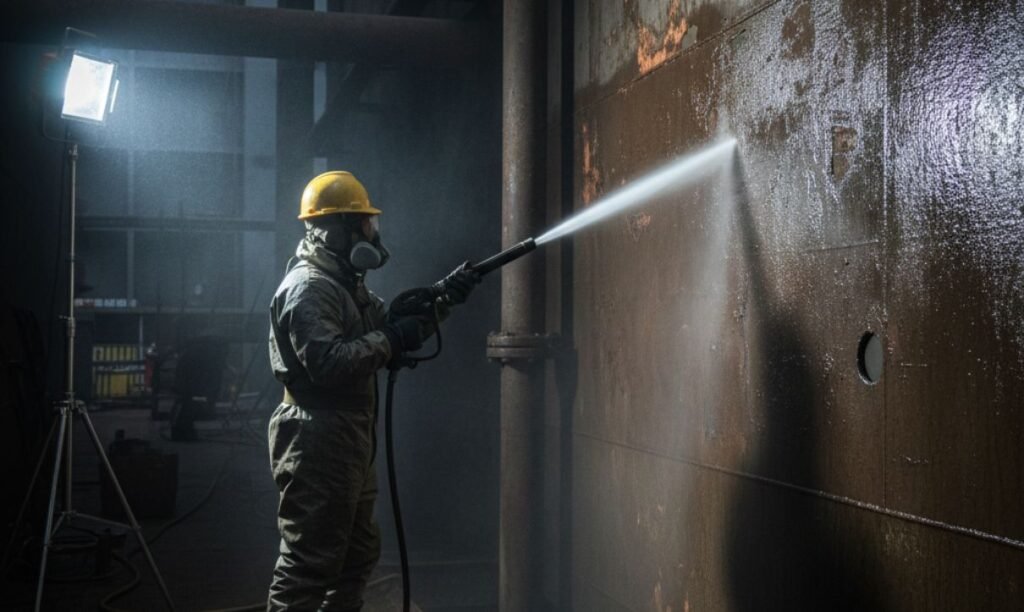
Future Trends in Marine Cleaning
The next phase of cargo hold cleaning is already emerging.
Digital Inspection Tools
Drones and high-resolution cameras support pre-inspections, reducing confined entry risks.
Eco-Friendly Cleaning Agents
Biodegradable detergents and reduced chemical use align with MARPOL and port sustainability goals.
Data-Driven Compliance
Digital logs and real-time reporting improve transparency in cargo hold cleaning operations.
The Role of Supercargo and Compliance Support
Independent supercargo supervision ensures cleaning meets charter and cargo requirements. This neutral oversight strengthens trust among owners, charterers, and terminals, especially during for sensitive cargoes.
Conclusion
Cargo hold cleaning in Dhor Al Fakkan succeeds when safety, compliance, and practicality work together. Three key takeaways stand out. First, cargo-specific standards prevent costly rejections. Second, alignment with IMO, IMCA, MARPOL, and IAPH ensures long-term operational credibility. Third, disciplined inspection and documentation protect all stakeholders.
As regional trade grows, professional cargo hold cleaning in Dhor Al Fakkan becomes a strategic necessity rather than a routine task. For operators seeking compliance-driven, globally informed maritime services, Cleanship.co represents a reliable benchmark in tank, hold, and cargo supervision excellence.
FAQs:
Dhor Al Fakkan combines high humidity, mixed cargo trades, and strict inspection practices. Cargo hold cleaning here must balance fast turnaround with MARPOL-compliant waste handling and detailed survey readiness to meet both charterer and port authority expectations.
Bulk carriers require deeper cleaning due to scale, residues, and bilge contamination. Grain or fertilizer loading demands higher standards, making professional cargo hold cleaning essential for acceptance.
Yes. Wash water disposal, residue handling, and chemical use fall under MARPOL rules. Proper cargo hold cleaning protects marine ecosystems and avoids port penalties.
Inspection reports, photos, and logs prove cleaning quality. Strong documentation supports cargo hold cleaning by reducing disputes and speeding up loading approval.
Yes. Integrated operators with global experience, such as Cleanship.co, support tank cleaning, cargo hold cleaning, supercargo services, and crew safety programs under a unified compliance framework.