
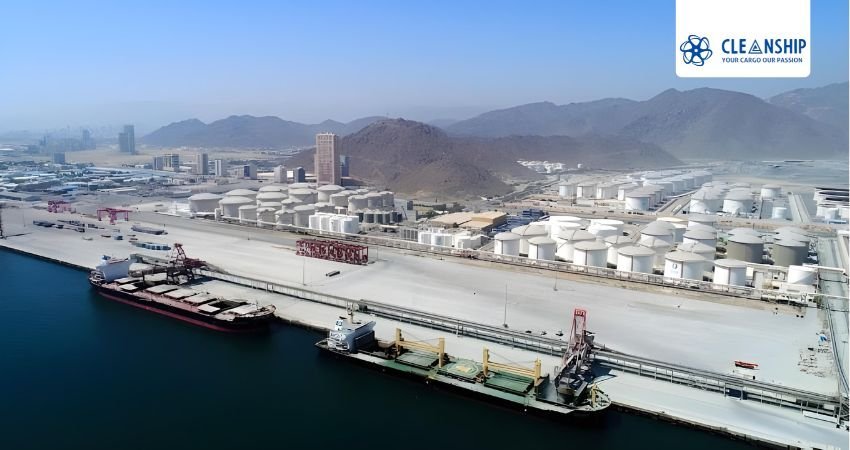
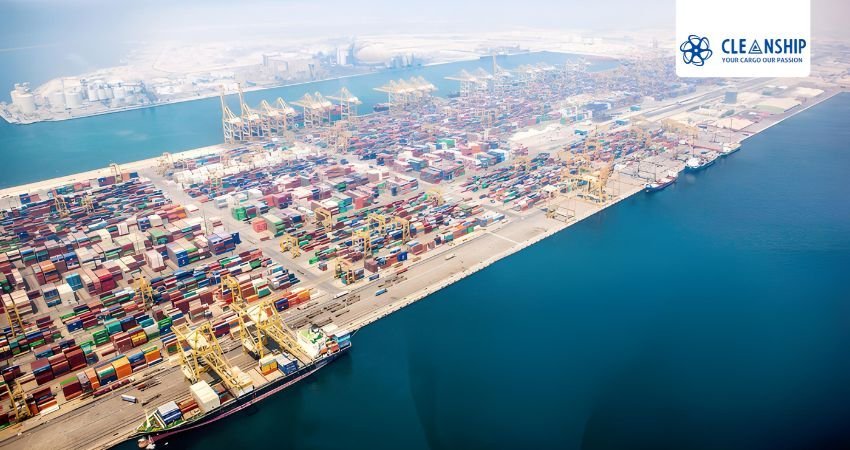
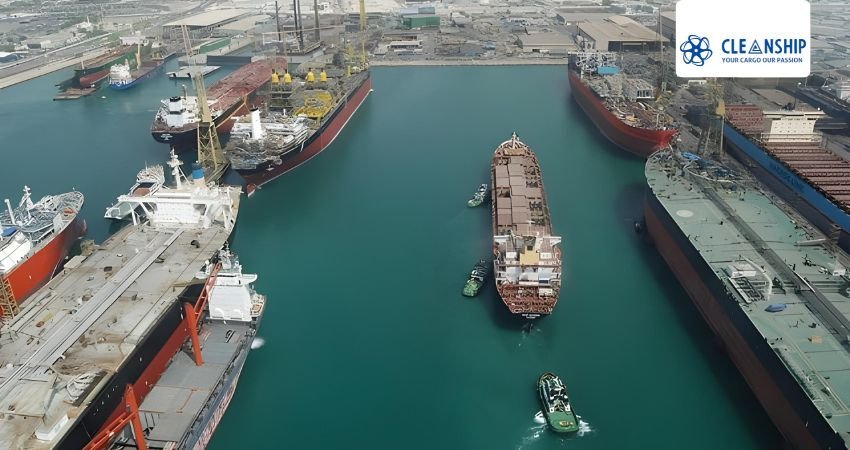
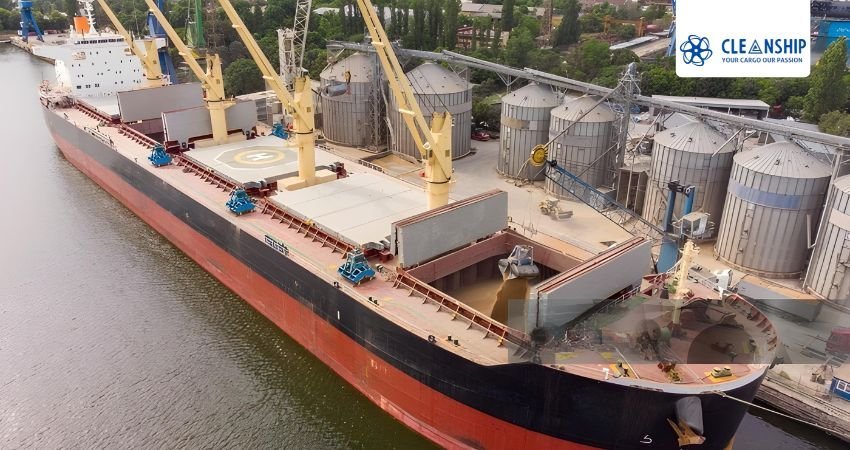
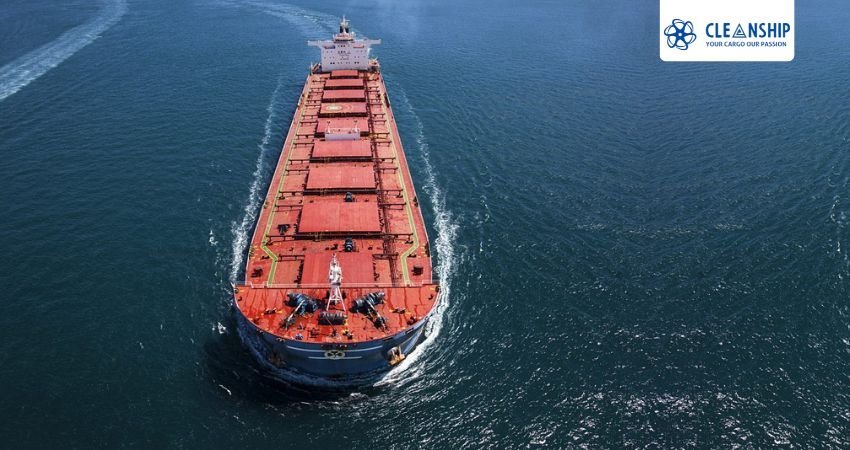
Cargo Hold Cleaning

Hold cleaning service in khalida Port

Hold Cleaning Service in Khalid Port: IMO Compliance Hold Cleaning

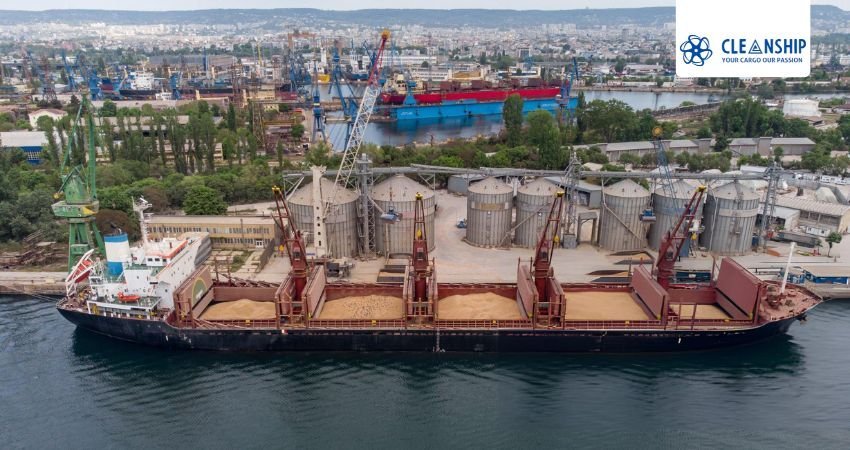
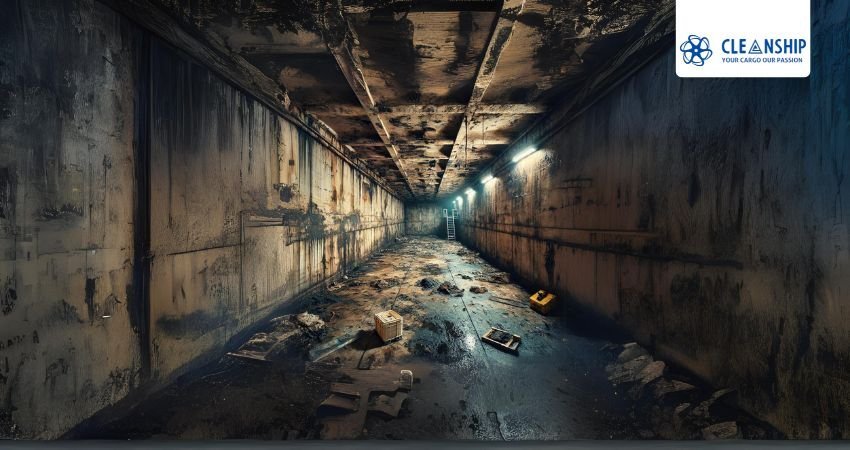
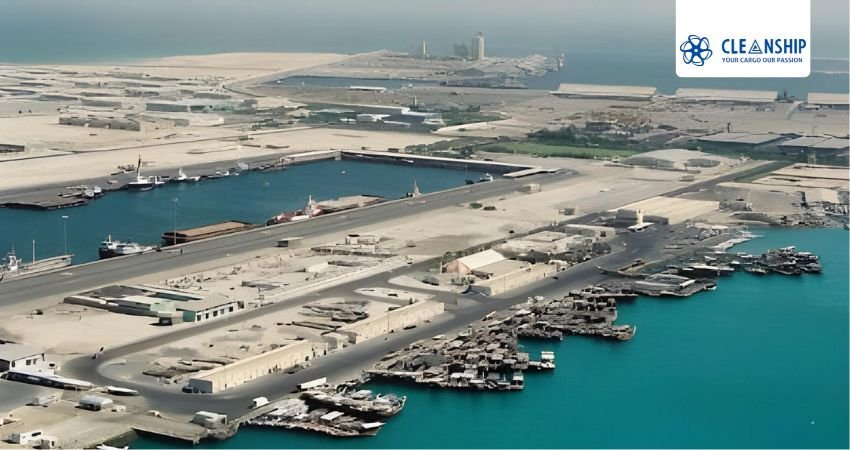
Hold cleaning is an important step in maritime operations, particularly in busy ports like Khalid Port. This service ensures the removal of residues, debris, and contaminants from cargo holds, allowing ships to safely transport new cargo without risk of contamination. In Khalid Port, where vast amounts of various cargo types are loaded and unloaded, professional hold cleaning services play an essential role in maintaining port efficiency and safety. What is Hold Cleaning? Hold cleaning involves the thorough cleaning of a vessel’s cargo hold after the discharge of goods. These holds are large, often cavernous spaces where commodities such as grain, chemicals, coal, or even food products are stored. Over time, residues from these materials can accumulate, potentially leading to contamination or damage to future cargo. Hold cleaning, therefore, ensures that the cargo area is pristine before the next load. Importance of Hold Cleaning Service in Khalid Port At Khalid Port, one of the busiest maritime hubs in the region, hold cleaning is essential not just for maintaining hygiene but also for complying with international maritime safety regulations. The port handles a diverse range of cargoes, making cross-contamination a serious concern. Moreover, unclean holds can delay operations, leading to costly downtime. Ensuring clean holds is critical to maintaining efficient port operations and preventing cargo damage or loss. Process of Hold Cleaning 1. Inspection and Evaluation The first step in any hold cleaning process is a comprehensive inspection. This involves evaluating the condition of the hold, identifying residual materials, moisture, and contaminants. Based on this assessment, cleaning crews can determine the appropriate methods and equipment for the job. 2. Manual Cleaning Often, the initial stage of hold cleaning requires manual labor. Large debris left behind from bulk cargo is removed by hand. Following this, smaller particles and dust are cleared using industrial vacuums and brooms. This step ensures the hold is ready for more intensive cleaning processes. 3. High-Pressure Washing After manual cleaning, high-pressure washing is typically employed to remove residues that cling to the walls and floors of the hold. These washes use high-powered water jets to dislodge even the most stubborn residues, such as oils or chemical deposits. This step is particularly effective in cleaning holds used to transport heavy, messy cargo like coal or chemicals. 4. Chemical Cleaning In some cases, chemical cleaning is necessary to neutralize harmful residues left behind by previous cargo. Specialized, environmentally-friendly cleaning agents are applied to the surfaces to ensure complete decontamination. This step is crucial when dealing with hazardous materials, ensuring that no dangerous substances remain in the hold. 5. Drying and Dehumidification One often overlooked aspect of hold cleaning is drying. Moisture in the hold can lead to mold growth or rusting, both of which can compromise future cargo or even the structural integrity of the vessel. Dehumidifiers and drying systems are used to eliminate any trace of water, leaving the hold dry and ready for the next load. 6. Final Inspection and Certification Once the cleaning process is complete, a final inspection is conducted to ensure the hold meets the necessary standards. If all criteria are satisfied, the cleaning crew provides a certificate of cleanliness, which is often required for the vessel to load new cargo. Environmental and Safety Considerations Environmental Regulations at Khalid Port Khalid Port operates under strict environmental regulations, which means hold cleaning services must adhere to local and international laws governing marine pollution. Cleaning agents must be non-toxic and environmentally safe, ensuring that no harmful substances are released into the water or surrounding environment. Safety Protocols for Crew and Equipment Safety is a top priority during hold cleaning operations. Crews are equipped with Personal Protective Equipment (PPE), and strict safety protocols are in place to prevent accidents. The use of specialized, safe cleaning equipment ensures that both the vessel and the crew remain unharmed during the cleaning process. Benefits of Professional Hold Cleaning Services 1. Preventing Cross-Contamination One of the primary reasons for hold cleaning is to prevent cross-contamination between different types of cargo. Residues from chemicals or other hazardous materials can easily mix with subsequent shipments, potentially ruining entire loads or posing significant health risks. 2. Reducing Downtime and Maximizing Efficiency Professional hold cleaning services are designed to minimize downtime. At Khalid Port, vessels need to operate on tight schedules, and any delay in cleaning can result in costly setbacks. Using state-of-the-art equipment, professional cleaning crews can complete the job quickly and efficiently, allowing vessels to resume operations promptly. 3. Prolonging Vessel Longevity Regular hold cleaning also contributes to the longevity of a vessel. By removing corrosive materials and preventing rust, hold cleaning can extend the lifespan of a ship, reducing maintenance costs and preventing expensive repairs down the line. Choosing the Right Hold Cleaning Provider 1. Expertise and Experience When selecting a hold cleaning provider at Khalid Port, it’s essential to consider their experience and expertise. The best providers will have a thorough understanding of the unique challenges presented by different types of cargo and will be well-versed in the specific regulations governing hold cleaning in the region. 2. Use of Modern Technology Advanced cleaning technologies, such as robotic cleaners and high-powered washing systems, can make the cleaning process faster and more effective. Providers who invest in modern technology are more likely to offer thorough and efficient cleaning services. 3. Cost Considerations While price is always a factor, it’s important to weigh the cost of cleaning services against the quality of work provided. Cheaper services may not offer the same level of thoroughness, potentially leading to issues down the road, such as contamination or vessel damage. Read also: Hold Cleaning Service in Khalifa Port Conclusion Professional hold cleaning services at Khalid Port are essential for maintaining safe, efficient, and compliant maritime operations. By choosing experienced providers who utilize modern technologies and adhere to environmental regulations, shipowners can ensure their vessels remain in top condition, ready for their next journey. Frequently Asked Questions
Read more
Hold cleaning service in Khalifa Port

Hold Cleaning Service in Khalifa Port: Ensuring Maritime Excellence

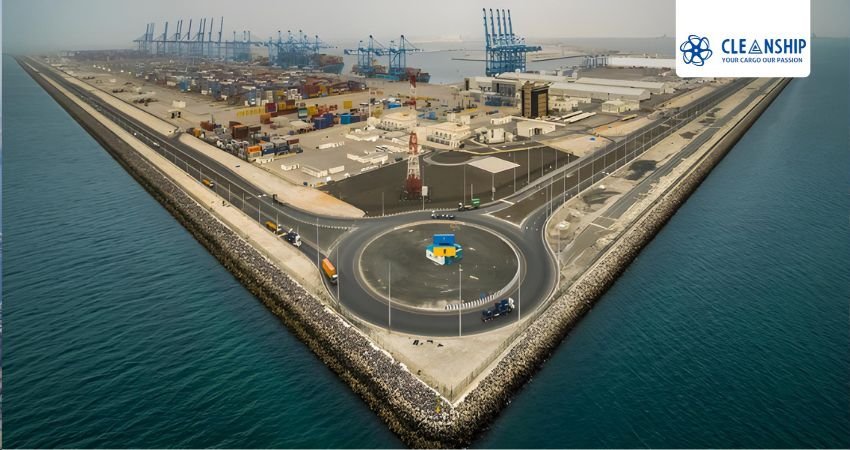
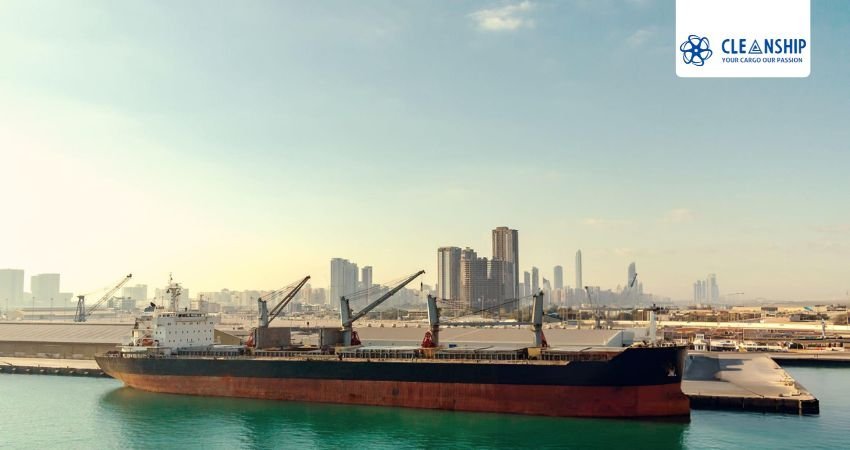
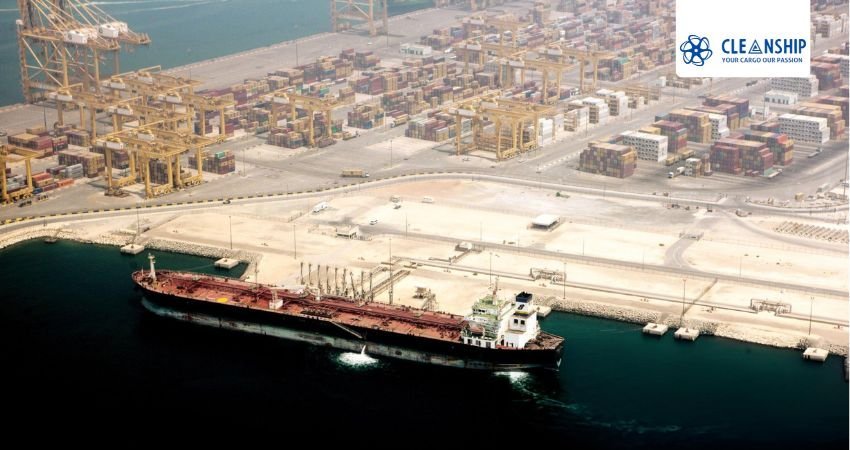
When it comes to maritime logistics, hold cleaning plays an integral role in maintaining the efficiency, safety, and compliance of vessels, especially in major ports like Khalifa Port. The significance of cleaning cargo holds after each voyage cannot be overstated, as unclean holds can lead to contamination, delays, and hefty fines. Khalifa Port, being one of the busiest and most advanced ports in the Middle East, is a hub for global maritime operations, making professional hold cleaning services a necessity. Why Hold Cleaning is Important in Khalifa Port Khalifa Port handles a wide range of cargo types, including grain, chemicals, and raw materials. Each of these commodities presents unique challenges in terms of cleanliness and safety. Cross-contamination between different types of cargo can lead to significant problems for shipping companies, affecting not only their reputation but also their operational efficiency. Hold cleaning services ensure that vessels leaving Khalifa Port meet the strict international maritime standards for cleanliness and hygiene. This process involves removing residues from previous cargo, eliminating harmful contaminants, and ensuring that the hold is free of moisture that could cause damage to sensitive cargo. By providing thorough cleaning, shipping companies can prevent cross-contamination and guarantee that future cargo is not compromised. Avoiding Contamination and Cargo Damage The residues from previous cargo shipments can pose serious threats if not handled properly. For example, leftover grain particles can attract pests, while chemical residues may react with other substances, causing dangerous conditions. Moreover, moisture accumulation in the hold can lead to rusting of the vessel’s infrastructure, compromising its structural integrity over time. A thorough cleaning process involves high-pressure washing, chemical cleaning, and vacuuming of debris. The use of industry-standard equipment ensures that every corner of the hold is reached, leaving no room for potential hazards. In Khalifa Port, where efficiency is paramount, hold cleaning companies use cutting-edge technology to reduce the downtime associated with this process, allowing ships to return to service as quickly as possible. Hold Cleaning Process: From Inspection to Execution Step 1: Inspection and Assessment Before the cleaning process begins, a comprehensive inspection of the cargo hold is conducted. This inspection identifies any areas that require special attention, such as stubborn residues, rust spots, or areas prone to moisture retention. The assessment helps tailor the cleaning process to the specific needs of the vessel, ensuring optimal results. Step 2: Pre-Cleaning Preparations The hold cleaning process starts with removing large debris manually. This includes any leftover cargo materials that were not discharged during unloading. Once the hold is clear of bulk materials, the team moves on to sweeping and vacuuming smaller particles. Step 3: High-Pressure Washing High-pressure washing is the core of the hold cleaning process. This step removes sticky residues, dirt, and contaminants from the hold’s surfaces. Using water at high pressure, the cleaning team ensures that even the toughest substances are dislodged from the hold walls and flooring. This method is particularly effective in removing remnants of chemicals, grain dust, or coal, which can be challenging to clean. Step 4: Chemical Cleaning and Disinfection For vessels carrying more hazardous or perishable goods, additional chemical cleaning is required. The cleaning agents used must be environmentally friendly yet powerful enough to eliminate any dangerous residues. This step is crucial when dealing with chemicals, oils, or other substances that leave toxic traces. Once the chemical cleaning is completed, the hold undergoes a disinfection process to ensure that no microbial contaminants remain. This is particularly important for vessels carrying food products or materials that are sensitive to contamination. The disinfection process guarantees that the next cargo load will not be affected by previous shipments. Step 5: Final Inspection and Certification After the hold has been thoroughly cleaned, a final inspection is carried out to ensure that it meets both the port’s and international standards for cleanliness. If the hold passes inspection, the cleaning team provides a certificate of cleanliness, which is essential for port authorities and regulatory compliance. The Importance of Professionalism in Hold Cleaning Services Given the complexity of modern maritime logistics, choosing a professional hold cleaning service in Khalifa Port is not just about cleanliness; it’s about compliance, safety, and efficiency. Khalifa Port, as a critical node in global supply chains, requires adherence to strict standards. A failure in this process can result in cargo rejection, delays, or even environmental penalties. Professional hold cleaning service in Khalifa Port utilize specialized equipment, advanced cleaning agents, and well-trained personnel to ensure that each vessel is properly cleaned, decontaminated, and inspected. Environmental and Safety Standards Hold cleaning service in Khalifa Port to adhere to International Maritime Organization (IMO) standards, as well as local environmental regulations. The port is located in the UAE, a country known for its stringent environmental policies. As such, cleaning companies must ensure that their operations do not lead to marine pollution or the release of harmful chemicals into the surrounding environment. In addition to protecting the environment, hold cleaning service in Khalifa Port also ensure the safety of the crew and port workers. By removing toxic residues and ensuring proper ventilation, cleaning companies help to create a safer working environment both aboard the vessel and during the loading and unloading processes. Why Choose Khalifa Port for Your Hold Cleaning Needs? Khalifa Port has established itself as a leader in maritime logistics not only because of its state-of-the-art facilities but also due to its commitment to maintaining the highest standards of operational efficiency and environmental stewardship. The port works closely with professional hold cleaning companies to ensure that vessels meet international standards for cleanliness and safety. Hold Cleaning Service in Khalifa Port offers a range of benefits: Read also: Hold Cleaning Service in Mina Saqr Conclusion In the bustling environment of Khalifa Port, hold cleaning is an essential service that ensures smooth operations, safety, and compliance with international standards. A well-maintained and thoroughly cleaned hold can prevent contamination, reduce downtime, and enhance the longevity of a vessel. Professional hold cleaning service in Khalifa Port not only keeps vessels
Read more
Hold cleaning service in Mina Saqr

Hold Cleaning Service in Mina Saqr

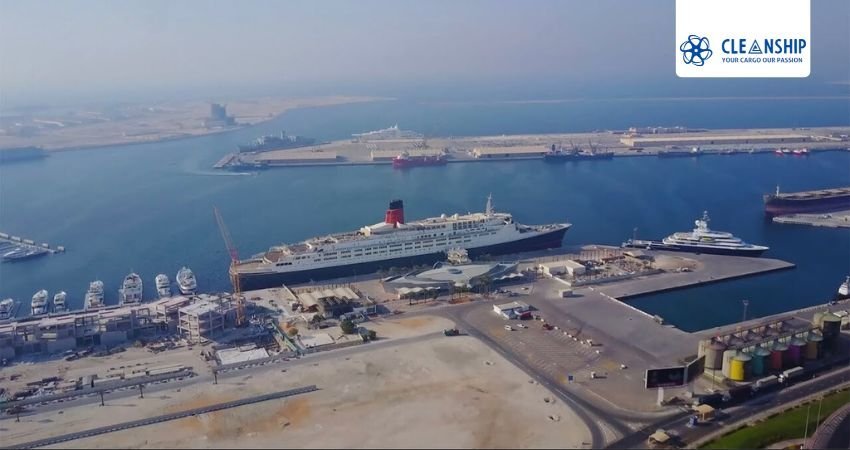
Efficient and thorough hold cleaning services are a critical aspect of cargo ship operations, particularly for those docking at Mina Saqr, a key port in the UAE. This service not only ensures compliance with international standards but also maintains cargo quality, prevents contamination, and upholds the vessel’s integrity. In this article, we delve deep into the importance of hold cleaning, the specific challenges faced in Mina Saqr, and why professional hold cleaning services play a pivotal role in maritime logistics. Why Hold Cleaning is Essential in Mina Saqr The Mina Saqr port is a major hub for bulk cargo, including commodities such as grain, coal, fertilizers, and minerals. Each of these materials can leave behind residues, which, if not properly cleaned, could lead to contamination of future shipments. The humid climate of the region also heightens the risk of mold growth and corrosion. Ensuring that the cargo holds are completely clean and dry is essential to preventing cross-contamination and meeting international food and safety standards. The International Maritime Organization (IMO) mandates that all vessels carrying bulk cargo undergo thorough hold cleaning before and after each shipment. Failure to meet these standards could result in heavy fines, shipment delays, and in some cases, rejection of the cargo by the receiving party. Mina Saqr, being a high-traffic port, has strict compliance checks, making hold cleaning even more crucial. Key Challenges in Hold Cleaning at Mina Saqr Hold cleaning service in Mina Saqr presents unique challenges due to the port’s hot and humid climate. These conditions increase the risk of residue buildup and corrosion in ship holds, particularly when dealing with hygroscopic materials like salt, fertilizers, and grains. Additionally, the abrasive nature of materials like iron ore and coal can damage the hold surface, which requires not just cleaning, but often a protective coating to ensure the integrity of the ship’s interior. Another challenge is time. Vessels operating out of Mina Saqr often have tight turnaround times. As such, hold cleaning services must be efficient, using advanced cleaning technologies that minimize downtime while ensuring the highest standards of cleanliness. Techniques Used in Hold Cleaning Services There are several modern techniques employed by professional hold cleaning companies to meet the rigorous standards set by regulatory authorities and port operations. High-Pressure Water Cleaning One of the most common methods, high-pressure water cleaning, is effective in removing solid residue from previous cargoes. This method uses specialized pumps to spray high-pressure water at the surfaces of the cargo holds, dislodging tough materials like coal dust or cement residue. In Mina Saqr, where bulk materials like gypsum and limestone are commonly shipped, this technique proves highly effective. Chemical Cleaning Solutions When dealing with oily or stubborn residues that water alone cannot remove, chemical cleaning agents come into play. These specially formulated cleaning solutions break down grease, oil, and other contaminants, leaving the hold spotless. This method is especially important for ships carrying food-grade materials, where cross-contamination must be avoided at all costs. Vacuuming and Blowing For loose dust particles and fine residues, vacuuming and blowing methods are applied. Industrial vacuum systems are used to extract fine dust that could potentially contaminate future cargoes. Alternatively, air blowers can be used to sweep out the holds, ensuring they are free of any residual particles. Drying and Dehumidification In the hot, humid climate of Mina Saqr, moisture poses a significant risk to bulk cargoes, especially those sensitive to humidity, such as grains and fertilizers. Dehumidifiers are employed to dry out the holds post-cleaning, ensuring no moisture remains that could lead to cargo spoilage or hold corrosion. Environmental Considerations in Hold Cleaning Hold cleaning service in Mina Saqr must be conducted in an environmentally responsible manner. Wastewater generated from cleaning holds can contain harmful chemicals or materials that could damage the marine ecosystem if not properly treated. As a result, professional cleaning companies adhere to strict environmental regulations, using water treatment systems to neutralize pollutants before discharge. Additionally, many companies now use eco-friendly cleaning agents that minimize harm to the environment while still delivering thorough cleaning results. The Importance of Choosing a Professional Hold Cleaning Service Selecting the right hold cleaning provider is required for ship operators. A professional hold cleaning service will have the expertise, equipment, and personnel necessary to tackle the toughest challenges, ensuring that vessels meet the strict standards imposed by the IMO and local port authorities like those at Mina Saqr. Professional cleaning teams are trained to work under tight deadlines and adverse conditions. They understand the types of materials typically carried through Mina Saqr and are adept at removing all traces of them from the holds. They also offer post-cleaning inspections and certifications, giving shipping companies peace of mind that their vessels are ready for their next load. Cost Implications of Poor Hold Cleaning Cutting corners on hold cleaning can have significant financial repercussions. Residue left in cargo holds can lead to contamination of the next shipment, resulting in the cargo being rejected by the buyer. The cost of lost cargo can be substantial, not to mention the fines imposed by regulatory bodies for non-compliance. Additionally, improperly cleaned holds can lead to accelerated corrosion, increasing maintenance costs and reducing the ship’s lifespan. Investing in professional hold cleaning services ensures compliance, preserves cargo integrity, and extends the operational life of the vessel, making it a cost-effective decision in the long run. Read also: Hold Cleaning Service in Mina Rashid Why Choose Our Hold Cleaning Service in Mina Saqr Our hold cleaning service in Mina Saqr stands out for its comprehensive approach, advanced cleaning technologies, and dedication to environmentally responsible practices. With a team of highly trained professionals, we offer: We understand the pressures ship operators face in maintaining tight schedules, and our cleaning teams are equipped to provide rapid, efficient services without compromising on quality. Whether you’re dealing with particularly tough residues or facing time constraints, we ensure your vessel is ready to sail on time and in full compliance with the regulations. Frequently Asked Questions 1.
Read more
Hold cleaning service in mina rashid

Hold Cleaning Service in Mina Rashid: Ensuring Optimal Ship Performance and Cargo Safety

Hold cleaning services are a critical aspect of the maritime industry, particularly in busy ports like Mina Rashid in Dubai. This service plays an essential role in maintaining the quality of ships, preventing contamination of cargo, and ensuring compliance with international safety and hygiene standards. With Mina Rashid serving as a prominent hub for global trade, offering hold cleaning service in Mina Rashid is pivotal for ensuring the smooth operation of maritime logistics. Importance of Hold Cleaning Services Cargo holds are large compartments within cargo ships designed to store and transport various materials. The nature of shipping involves transporting different types of cargo such as grains, coal, cement, chemicals, and other goods that leave residues. These residues, if not cleaned effectively, can pose several risks: 1. Cross-contamination: If a ship carries different types of cargo consecutively without adequate cleaning, residues from previous loads can contaminate the next shipment. This is particularly dangerous in the case of food and agricultural products. 2. Health and safety risks: Accumulated residues can harbor pests, mold, or hazardous materials, which may create unsafe working environments for crew members and dockworkers. 3. Ship damage: Residues such as corrosive materials can cause damage to the structure of the ship over time. Regular hold cleaning ensures that these residues do not contribute to long-term wear and tear of the vessel. 4. Regulatory compliance: International maritime laws mandate regular cleaning of cargo holds to ensure hygiene and safety. Non-compliance can result in heavy fines and the detention of vessels at ports. Given these risks, the importance of professional hold cleaning services cannot be overstated. The cleaning process ensures not only that the ship is ready for its next cargo but also that it adheres to the highest standards of operational efficiency. Mina Rashid: A Key Maritime Hub Mina Rashid, often known as Port Rashid, is one of the largest and busiest ports in the Middle East. Located in Dubai, it serves as a key gateway for global trade, handling millions of tons of cargo every year. Its strategic location at the crossroads of Asia, Europe, and Africa makes it a vital port for ships traveling through the Arabian Gulf and beyond. The port’s bustling activity demands stringent adherence to operational standards, especially when it comes to maintaining the cleanliness and safety of ships that arrive and depart. With such a high volume of traffic, hold cleaning services are in constant demand, ensuring that ships are turned around quickly without compromising on safety. The Hold Cleaning Process The hold cleaning process is a meticulous one, involving several steps to ensure that the cargo hold is free from any residue or contaminants: 1. Pre-inspection: Before beginning the cleaning process, a thorough inspection of the cargo hold is carried out to assess the condition and identify any areas that require special attention. This includes checking for remnants of the previous cargo, rust, damage, or pest infestation. 2. Dry Cleaning: Depending on the cargo type, the first step is often dry cleaning, which involves removing large debris, dust, and loose materials from the cargo hold. This is typically done using industrial vacuums, brushes, and shovels. 3. Washing: Once the bulk of the debris is removed, the cargo hold is washed using high-pressure water jets. This helps to dislodge any remaining particles that may be stuck to the walls and floor of the hold. Sometimes, special cleaning agents or chemicals may be used to tackle particularly stubborn residues or stains. 4. Chemical Cleaning: In some cases, especially if the previous cargo was hazardous or corrosive, a chemical cleaning process is employed. This involves using specific chemicals to neutralize any harmful substances and ensure that the hold is safe for the next load of cargo. 5. Drying: After washing, the hold must be thoroughly dried to prevent the growth of mold or bacteria. This step is critical, especially if the next cargo consists of sensitive goods like food or agricultural products. 6. Final Inspection and Approval: Once the hold is cleaned and dried, a final inspection is conducted to ensure that all residue has been removed and that the space is ready for the next cargo. Depending on the type of cargo, this inspection may involve checks for contamination, moisture levels, or chemical residues. Equipment and Technology Used in Hold Cleaning Hold cleaning service is a labor-intensive process, but advances in technology have streamlined many aspects of it. Some of the specialized equipment and technologies used in hold cleaning services include: 1. High-pressure water jets: These powerful tools allow for the thorough cleaning of large cargo holds. They are particularly effective in removing stubborn residues and stains. 2. Vacuum systems: Industrial-grade vacuums are used to remove loose dust, dirt, and debris quickly and efficiently. 3. Chemical sprayers: For ships carrying hazardous or corrosive cargo, chemical sprayers are used to apply specialized cleaning agents that neutralize harmful substances. 4. Robotic cleaners: In recent years, robotic cleaning systems have been introduced to the maritime industry. These automated machines can navigate tight spaces within cargo holds, ensuring that every corner is cleaned without the need for human intervention. This not only speeds up the cleaning process but also reduces safety risks for workers. Challenges in Hold Cleaning at Mina Rashid Operating hold cleaning service in Mina Rashid comes with its own set of challenges when it comes to this port: 1. High Volume of Traffic: As one of the busiest ports in the Middle East, ships are constantly arriving and departing. This creates tight schedules, requiring hold cleaning teams to work quickly and efficiently to ensure that ships are ready to sail again as soon as possible. 2. Diverse Cargo Types: Mina Rashid handles a wide range of cargo, from food products and chemicals to construction materials and oil. Each type of cargo requires a different cleaning approach, making it essential for cleaning teams to be well-versed in various cleaning techniques. 3. Environmental Concerns: Given its proximity to the Arabian Gulf, environmental regulations are strictly enforced at
Read more
Hold Cleaning Service in Khor Fakkan Port

Hold Cleaning Service in Khor Fakkan Port: A Crucial Process in Maritime Operations

Khor Fakkan Port, strategically located along the eastern seaboard of the United Arab Emirates, has long been recognized as a significant maritime hub. Its deep waters and proximity to international shipping routes make it a key player in global trade. However, the port’s functionality and reputation don’t just rest on its location or infrastructure; rather, it’s the port’s commitment to maintaining high standards of service, including the often-overlooked but essential task of cargo hold cleaning. Cargo hold cleaning is an important process in ensuring safe, efficient, and contaminant-free transportation of goods. In this article, we delve into the importance of the hold cleaning service in Khor Fakkan Port, the methods used, the challenges faced, and the overall impact on the maritime industry. The Importance of Hold Cleaning in Shipping Hold cleaning is a process that involves thoroughly cleaning the cargo hold of a ship, typically after unloading, before new cargo is loaded. It ensures that the hold is free from any residues, contaminants, or materials from the previous cargo that might affect the next shipment. There are several reasons why this service is essential: 1. Prevention of Contamination: Different types of cargo require different storage conditions. For example, grain products must be stored in a sterile, dust-free environment to avoid contamination, while chemicals may require the removal of any traces from previous loads. A poorly cleaned hold can lead to cross-contamination, which can ruin the next load and even lead to financial losses. 2. Compliance with International Standards: Hold cleaning ensures that ships meet international maritime regulations and industry standards for hygiene and safety. Cargo hold cleanliness is regularly inspected by authorities at ports worldwide, and failure to meet these standards can result in fines, delays, and reputational damage. 3. Avoiding Cargo Damage: Certain types of cargo, such as sensitive chemicals or food products, can be damaged by residues left behind by previous shipments. Proper hold cleaning prevents any material from reacting with or damaging the next cargo load. 4. Protecting Crew and Equipment: Thorough cleaning of holds is essential to prevent the buildup of hazardous materials. Chemicals, dust, and residues can endanger the health and safety of crew members if not properly managed. Methods Used in Hold Cleaning Service in Khor Fakkan Port At Khor Fakkan Port, hold cleaning services have evolved significantly with the introduction of modern technology and specialized techniques. Some of the commonly used methods include: 1. Manual Cleaning: This traditional method involves crew members entering the hold with scrapers, brushes, and cleaning agents. They remove debris and residues from the surfaces, paying close attention to hard-to-reach areas such as corners and crevices. Although labor-intensive, manual cleaning allows for meticulous inspection and spot cleaning. 2. High-Pressure Water Cleaning: This method involves the use of high-pressure water jets to remove stubborn residues from the hold’s walls and floors. It is particularly useful for removing dust, rust, and salt deposits that may accumulate during long voyages. Depending on the level of contamination, water may be used with or without detergents. 3. Chemical Cleaning: Some cargo residues are resistant to water cleaning and require the use of chemical agents. Acidic or alkaline chemicals are used to dissolve or neutralize substances that cannot be cleaned manually or with water, especially in the case of oil or chemical spills. 4. Dry Ice Blasting: In cases where water or chemicals might damage the hold, dry ice blasting is employed. This method involves projecting solid CO2 particles at high speed to clean surfaces without leaving behind water or residue, making it ideal for sensitive cargo holds. 5. Vacuum Suction Systems: Large vacuum systems can be employed to remove loose debris, dust, and other fine particles that accumulate in the hold. This method is often used after water-based cleaning to ensure no residual particles remain. 6. Robotic Cleaning: Advancements in technology have led to the use of robots for hold cleaning. These robots are designed to enter the hold and perform a thorough cleaning using high-pressure water or chemical sprays, reducing the need for human entry into potentially hazardous environments. Challenges of Hold Cleaning at Khor Fakkan Port While Khor Fakkan Port benefits from advanced equipment and well-trained personnel, there are several challenges unique to hold cleaning service in khor fakkan port: 1. Time Constraints: The shipping industry operates on tight schedules. Ships dock only for a limited period, so hold cleaning must be performed quickly to avoid delays. Service providers at Khor Fakkan Port are equipped to handle rapid turnaround times while maintaining quality standards. 2. Cargo Residue Complexity: Different types of cargo, such as chemicals, grains, or coal, leave different kinds of residues that require tailored cleaning approaches. Service providers must be well-versed in handling a wide range of materials and use the correct cleaning techniques to avoid damage to the hold or future cargo. 3. Environmental Concerns: With increasing awareness of environmental protection, ports and shipping companies are under pressure to minimize the environmental impact of cleaning operations. Hold cleaning service in Khor Fakkan Port providers are adopting eco-friendly cleaning solutions that reduce the use of harmful chemicals and ensure proper disposal of wastewater and residues. 4. Health and Safety Regulations: Hold cleaning is a hazardous task, especially when dealing with chemical residues, confined spaces, or unstable debris. Compliance with international and local safety standards is critical to ensuring the safety of workers performing the cleaning. The Role of Khor Fakkan Port in Ensuring Quality Hold Cleaning Khor Fakkan Port takes pride in offering world-class services to its clients, and hold cleaning is no exception. The port works closely with specialized service providers who are experts in hold cleaning procedures. These teams are equipped with state-of-the-art tools and trained to deliver efficient and effective cleaning solutions. Moreover, the port ensures that service providers adhere to stringent safety and environmental regulations. The adoption of best practices, such as eco-friendly cleaning methods and robotic technologies, positions Khor Fakkan Port as a leader in sustainable maritime operations. Read also: Hold Cleaning Service in
Read more
inadequate cargo hold cleaning 1

What Consequences Can Arise From Inadequate Cargo Hold Cleaning?

Inadequate cargo hold cleaning on bulk carriers can lead to a range of serious consequences, affecting operational efficiency, financial standing, legal compliance, and the ship’s reputation. Here are the main risks and consequences: 1. Cargo Contamination Residual materials from previous cargoes can mix with new loads, leading to contamination. This is particularly problematic when transporting sensitive cargo like foodstuffs or chemicals. Contaminated cargo can be rejected by buyers, resulting in financial losses, disputes, or legal action. 2. Fines and Penalties Many countries have stringent regulations, especially when it comes to food-grade or hazardous materials. Failure to properly clean cargo holds can lead to hefty fines, penalties, or even vessel detainment until compliance is achieved, which can severely disrupt schedules. 3. Rejection of Cargo If a cargo hold is found to be inadequately cleaned, port authorities, inspectors, or customers may refuse to load or unload cargo until cleaning standards are met. This can cause significant delays, loss of contracts, and reputational damage. 4. Delays and Demurrage Costs If holds are not clean and require additional cleaning while at port, it can cause long delays. The ship may incur demurrage costs, which are fees paid to charterers or port authorities for time lost due to vessel unavailability. This can lead to financial losses. 5. Cross-Contamination and Damage to Cargo Inadequate cleaning can result in leftover residues, moisture, or chemical reactions, damaging the next cargo. For example, traces of coal can stain or damage food products, and moisture from previous cargo can cause mildew, spoilage, or corrosion, resulting in expensive damage claims. 6. Pest Infestation Organic residues, especially from grains or other food-related cargo, can attract pests such as insects, rodents, or fungi. Pest infestations can spread to new cargo, lead to quarantine measures at ports, and damage the ship’s reputation as an unclean vessel. 7. Damage to Vessel Structure Leftover corrosive materials, such as salt or fertilizer, can erode the ship’s steel structure over time, leading to rust, corrosion, and structural damage. Inadequate cleaning increases the need for costly maintenance and repairs, and can even compromise the vessel’s safety. 8. Health and Safety Risks Residual dust, chemicals, or organic material can pose health hazards to the crew, leading to respiratory problems, chemical exposure, or slips and falls in unsafe, dirty holds. This creates unsafe working conditions and can result in legal liabilities for the shipowner. 9. Increased Insurance Premiums or Claims If cargo or ship damage occurs due to poor cleaning practices, it can lead to insurance claims, potentially increasing future premiums. In severe cases, the insurer may refuse to cover damages if negligence in hold cleaning is proven. 10. Loss of Business and Reputation A shipowner or operator that frequently fails to provide clean cargo holds may develop a poor reputation in the market. This can lead to loss of contracts and reduced demand for the vessel, as charterers and customers prefer ships that maintain proper standards of cleanliness. In short, inadequate cargo hold cleaning can cause contamination, delays, financial losses, legal consequences, damage to the ship, and deterioration of market reputation, all of which are avoidable with proper cleaning practices. Read also: Top 7 Prioritize Cargo Hold Cleaning in Bulk Carriers 2024?
Read more
Hold cleaning service in zayed port

Hold Cleaning Service in Zayed Port: A Comprehensive Insight

Zayed Port, located in the heart of Abu Dhabi, is one of the most strategic and bustling ports in the Middle East. As the primary gateway for maritime trade in the region, it handles a diverse range of cargo, from bulk materials to containerized goods. To maintain the efficiency, safety, and operational standards of the vessels visiting Zayed Port, one of the most critical services offered is hold cleaning. Hold cleaning, though often overlooked, is essential in maintaining the integrity of a ship’s cargo hold between voyages, especially when transporting bulk materials like grain, coal, cement, or chemicals. We are exploring the importance of hold cleaning service in Zayed Port, the various techniques involved, the challenges unique to Zayed Port, and the impact of professional cleaning on the overall maritime industry. Importance of Hold Cleaning in Maritime Operations The hold of a ship is essentially the large, enclosed space within the vessel where cargo is stored. Over time, residues from previous cargo, dust, moisture, and contaminants can accumulate within the hold. Without proper cleaning, these residues can cause several issues: 1. Contamination: Cross-contamination between different cargo types is a significant risk, especially in the case of bulk materials such as food grains. A cargo hold that previously carried chemicals or coal, if not thoroughly cleaned, can introduce harmful residues into the next shipment, compromising the quality of the cargo and potentially leading to expensive claims or disputes. 2. Corrosion: The residues left from previous loads can also react with moisture, leading to corrosion of the ship’s metal surfaces. Corrosion not only weakens the structural integrity of the vessel but also decreases the lifespan of the cargo hold, necessitating costly repairs. 3. Health and Safety Hazards: Poorly cleaned holds can become breeding grounds for mold, pests, and other hazardous substances that threaten the health of the crew, dock workers, and the cargo itself. 4. Regulatory Compliance: Ports and maritime authorities worldwide, including those in the UAE, have stringent regulations regarding the cleanliness of ship holds. Non-compliance can result in fines, delays in port clearance, or even detention of the vessel. Given the necessary importance of hold cleanliness, Zayed Port has developed a robust framework for hold cleaning services, catering to the diverse needs of the shipping industry. Techniques and Methods Used in Hold Cleaning Hold cleaning requires specialized techniques depending on the type of residue, the material of the cargo hold, and the next cargo to be transported. At Zayed Port, various methods are employed by cleaning contractors to ensure that vessels leaving the port meet international cleanliness standards: 1. Dry Cleaning This is one of the most common techniques used when cleaning holds that have carried dry bulk cargo such as grain, coal, or ore. Dry cleaning involves sweeping, scraping, and vacuuming to remove loose debris and dust. Industrial vacuum machines are often employed to remove fine dust particles that are difficult to clean manually. 2. Chemical Cleaning For holds that have transported hazardous or chemical cargo, a simple dry cleaning may not suffice. Chemical cleaning agents are used to break down and neutralize the residues of the previous cargo. This method involves the application of specialized detergents and solvents, followed by high-pressure washing to ensure no traces of chemicals remain in the hold. 3. High-Pressure Washing Water at extremely high pressure is used to dislodge and remove stubborn debris stuck to the surface of the hold. This method is commonly used after dry cleaning to ensure that all residues are thoroughly removed. High-pressure washing also helps in removing any dust that may have settled into cracks or crevices in the hold structure. 4. Descaling Descaling is a specialized cleaning process used to remove rust and scale that accumulate on the steel surfaces of the hold. This is particularly important for holds that have carried corrosive materials or have been exposed to seawater for prolonged periods. Descaling can be done mechanically or through chemical treatments, depending on the severity of the corrosion. 5. Steam Cleaning In cases where hygiene is critical, such as the transportation of food-grade products, steam cleaning is employed. This method uses high-temperature steam to sterilize and clean the hold, effectively killing bacteria, mold, and other microorganisms that may be present. Steam cleaning is also environmentally friendly, as it uses minimal chemicals. Challenges of Hold Cleaning Service in Zayed Port While hold cleaning is a routine service, Zayed Port presents unique challenges due to its geographical location and the types of cargo it handles: 1. Climate and Weather Conditions Abu Dhabi’s climate is characterized by high temperatures, intense humidity, and dust storms, especially during the summer months. The heat can cause residues within the hold to harden, making them more difficult to clean. Dust storms, on the other hand, introduce additional contaminants that require thorough cleaning before the next cargo is loaded. 2. Diverse Cargo Types Zayed Port handles a wide range of cargo, from petroleum products and chemicals to foodstuffs and construction materials. This diversity means that hold cleaning contractors must be adaptable and knowledgeable about different cleaning techniques to cater to each type of cargo. Specialized equipment and cleaning agents are often required to meet the varying needs of different cargo types. 3. Time Constraints Vessels docking at Zayed Port are often on tight schedules. Efficient turnaround times are essential to avoid delays, so hold cleaning operations must be quick, effective, and thorough. The port’s cleaning teams are trained to work efficiently, minimizing downtime while ensuring compliance with cleanliness standards. 4. Stringent Environmental Regulations The UAE has implemented strict environmental laws to protect its marine ecosystems, and Zayed Port is no exception. Waste disposal from hold cleaning, especially when using chemicals, must be managed carefully to prevent environmental contamination. Cleaning contractors must follow approved protocols for waste management and disposal, ensuring that the port remains compliant with environmental regulations. The Impact of Professional Hold Cleaning on Shipping Operations Professional hold cleaning service in Zayed Port are a crucial element in ensuring smooth and efficient
Read more
Hold cleaning service in Sharjah

Hold Cleaning Service in Sharjah: A Crucial Component for Maritime Operations

Sharjah, located along the Arabian Gulf, is a vital hub for maritime trade in the UAE. Its strategic position makes it an important destination for various industries, including shipping and logistics. The Emirate’s thriving ports, like Port Khalid and Hamriyah Port, serve as gateways for global trade routes, handling significant amounts of cargo. One integral aspect of maritime operations, particularly for cargo vessels, is hold cleaning services. These services ensure the cleanliness and safety of cargo holds, contributing to the overall efficiency, hygiene, and operational compliance of vessels. We will delve into the significance of hold cleaning service in Sharjah, the techniques involved, and the industry standards that must be adhered to. We will also discuss the advantages of hiring professional cleaning services and how Sharjah’s maritime regulations influence these processes. The Importance of Hold Cleaning Service in Sharjah Cargo ships carry a diverse range of products— from bulk commodities like grain, coal, and cement, to hazardous materials. Over time, residues from these materials accumulate within the cargo holds. If these residues are not properly cleaned, they can cause contamination, leading to the spoilage of future cargoes, or even health hazards. For instance, when switching from transporting coal to grain, any leftover coal dust can spoil the grain, rendering it unusable. Thus, a thorough cleaning of the cargo holds is essential before the next shipment. Additionally, cargo holds can accumulate moisture, rust, or microbial growth, all of which can compromise the structural integrity of the vessel and pose risks to the safety of crew members. Neglecting hold cleaning can lead to regulatory penalties, insurance claims, and even the rejection of cargo by clients due to contamination concerns. In Sharjah, where global trade continues to expand, maintaining the cleanliness of cargo holds is crucial for ensuring that goods are transported safely and efficiently. Types of Cargo Holds and Cleaning Requirements Hold cleaning methods vary based on the type of vessel and the cargo being transported. Bulk carriers, container ships, and tanker vessels all have unique hold designs, which means that cleaning procedures must be adapted to the specific type of hold. 1. Bulk Carriers Bulk carriers often transport materials like coal, ore, and grain. These materials leave behind dust, debris, and residue, which can be difficult to clean without specialized equipment. Cleaning bulk carriers typically requires powerful equipment like high-pressure washers or chemical cleaning agents. In some cases, manual scrubbing may also be needed to reach corners and joints. 2. Container Ships Although the cargo itself is not directly stored in the holds of container ships, these vessels still require cleaning to remove residual materials that may be left behind by containers. Hold cleaning for container ships often focuses on preventing corrosion, rust, and maintaining the structural integrity of the ship. 3. Tanker Vessels Tankers are designed to carry liquid cargo, such as oil, chemicals, or petroleum products. Cleaning tanker holds is highly specialized due to the hazardous nature of the cargo they transport. Tanker cleaning often involves the use of chemical solvents to remove residues and prevent contamination of subsequent loads. Techniques Used in Hold Cleaning Effective hold cleaning in Sharjah requires the use of several techniques to ensure that all residues and contaminants are thoroughly removed. These methods range from manual cleaning to advanced technological solutions. 1. Manual Cleaning Manual cleaning is often the first step in hold cleaning, especially when dealing with bulky or hard-to-remove debris. Workers physically enter the hold and remove large chunks of residue using shovels, scrapers, and brushes. In some cases, manual cleaning is combined with other methods to ensure that all contaminants are cleared. 2. High-Pressure Washing High-pressure water jets are a standard method used to clean cargo holds, especially for bulk carriers. This method is effective at removing dust, dirt, and small residues. The high-pressure water can penetrate hard-to-reach areas and clean surfaces that might otherwise be difficult to reach manually. 3. Chemical Cleaning In cases where water alone cannot remove residue, chemical cleaning agents are employed. These agents break down stubborn materials like grease, oil, or certain chemicals that have adhered to the surfaces of the hold. Chemical cleaning is particularly necessary for tanker vessels that carry hazardous liquids, as even the smallest amount of residue can lead to cross-contamination. 4. Vacuum Cleaning Vacuum cleaning is commonly used for dry bulk cargoes like grain, sugar, or cement. Specialized vacuum systems suck up the fine dust particles left behind after manual cleaning and high-pressure washing. This method ensures that no trace of the previous cargo remains, especially when switching between different types of dry bulk materials. Industry Standards and Compliance in Sharjah Sharjah’s maritime sector operates under strict regulations, both at the national level, guided by UAE law, and international maritime conventions such as the International Maritime Organization (IMO) guidelines. Compliance with these standards is critical for shipping companies that want to avoid penalties and ensure their operations run smoothly. 1. IMO Guidelines The IMO sets stringent regulations regarding cargo hold cleanliness, particularly for vessels that transport sensitive cargo like foodstuffs or hazardous materials. These guidelines ensure that vessels meet international standards of cleanliness to prevent contamination and protect public health. 2. Sharjah Port Authorities In Sharjah, the local port authorities work closely with maritime companies to ensure compliance with UAE maritime laws. They regularly inspect vessels to confirm that they meet the necessary standards of hygiene and safety. Failure to meet these standards can lead to fines, vessel detainment, or the refusal of cargo loading operations. Advantages of Hiring Professional Hold Cleaning Services While some shipping companies may consider performing hold cleaning themselves, hiring professional services has several distinct advantages. In Sharjah port, there are numerous companies that specialize in maritime cleaning services, offering expertise and advanced equipment to tackle even the most challenging cleaning tasks. 1. Time Efficiency Professional cleaning companies are equipped with the necessary tools and personnel to complete hold cleaning tasks quickly and efficiently. This reduces downtime for vessels, allowing them to get back to sea
Read more
Hold cleaning service in Abu Dhabi City

Hold Cleaning Service in Abu Dhabi City: A Critical Maritime Solution

Abu Dhabi, the capital of the United Arab Emirates (UAE), is a bustling maritime hub located on the Persian Gulf. The city’s strategic geographical position makes it an essential performer in international trade and logistics. It is home to the Khalifa Port, one of the region’s largest and most advanced deepwater ports, serving as a gateway to global markets. With Abu Dhabi’s extensive maritime activities, hold cleaning services for cargo ships have emerged as a critical component of the shipping industry’s operations in the city. We will explore the importance, process, and challenges of hold cleaning service in Abu Dhabi City and the integral role it plays in providing the efficiency of global maritime trade. The Importance of Hold Cleaning Service in Abu Dhabi City Hold cleaning is an essential procedure carried out between cargo loads to ensure the ship’s holds (compartments where cargo is stored) are clean, safe, and free from contaminants. The cleanliness of cargo holds is crucial for several reasons: 1. Cargo Integrity: Contaminants such as residues, dust, and bacteria can damage or spoil sensitive goods like grains, sugar, fertilizers, and other bulk products. This could lead to significant financial losses for both the shipowner and the cargo owner. 2. Safety Compliance: International maritime organizations and national authorities, including the UAE’s Federal Transport Authority (FTA), enforce strict regulations for cargo ships. These regulations ensure that ships maintain cleanliness and hygiene standards to prevent contamination and maintain seaworthiness. 3. Prevention of Cross-Contamination: Ships often carry different types of cargo, and residues from one cargo can contaminate the next, especially in bulk carriers. For instance, coal dust can seriously impact the quality of grain if holds are not thoroughly cleaned. Hold cleaning eliminates such risks. 4. Environmental Responsibility: In today’s eco-conscious world, there is a growing emphasis on minimizing the environmental footprint of the shipping industry. Proper hold cleaning prevents contaminants from being dumped into the sea during subsequent voyages, thereby supporting cleaner oceans. Types of Hold Cleaning Services Hold cleaning can vary in complexity depending on the type of cargo previously transported and the next cargo to be loaded. In Abu Dhabi, hold cleaning services are tailored to meet the specific needs of vessels that dock at the city’s ports. 1. Basic Cleaning: This involves sweeping and removing any loose debris from the hold. Basic cleaning is typically done when the previous cargo was relatively non-hazardous and unlikely to contaminate the next shipment. 2. Water Washing: After sweeping, water washing is carried out using high-pressure washing systems to remove stubborn residues like coal dust or grain debris. This process is essential when cleaning holds that have transported sticky or fine-powdered substances. 3. Chemical Cleaning: For more challenging residue removal, chemical agents are used to break down and remove contaminants such as oil, chemicals, or hazardous materials. The cleaning agents used must comply with international safety standards to avoid further contamination. 4. Inspection and Certification: Once the cleaning process is complete, a thorough inspection is conducted to ensure the holds meet cleanliness standards. Many ports and cargo receivers require a cleanliness certificate before new cargo can be loaded, ensuring that ships comply with international trade regulations. The Hold Cleaning Process: Step by Step The process of hold cleaning involves several stages, each carefully executed to achieve the desired level of cleanliness and safety. Here’s a breakdown of the procedure: 1. Initial Assessment: Before the cleaning begins, the service provider assesses the hold’s condition and the type of residue present. This helps determine the cleaning methods and equipment required. 2. Debris Removal: Large pieces of debris, dust, and other particles are manually swept or vacuumed out of the hold. This step is particularly important if the previous cargo left behind solid residue. 3. High-Pressure Water Cleaning: After debris removal, high-pressure water jets are used to clean the surfaces of the hold. This is the most effective way to remove smaller particles and sticky substances. 4. Chemical Application: If water washing alone is insufficient, cleaning chemicals are applied to break down and remove stubborn residues. These chemicals must be safe for the environment and leave no harmful residues behind. 5. Drying: After cleaning, the hold must be dried thoroughly to prevent mold or other forms of contamination from moisture. In Abu Dhabi’s hot climate, natural drying often suffices, but sometimes industrial blowers are used to speed up the process. 6. Final Inspection: A visual inspection ensures the hold is spotless and ready for its next load. In some cases, third-party inspection agencies may be involved to certify cleanliness for sensitive cargoes. Challenges in Hold Cleaning Services in Abu Dhabi Despite the importance of hold cleaning, the process comes with several challenges, particularly in Abu Dhabi’s unique maritime environment. 1. Hot Climate: Abu Dhabi’s extreme heat can pose a challenge for cleaning teams, particularly during the summer months when temperatures can soar to 45°C or more. Workers must be adequately protected and hydrated, and cleaning agents must be chosen with the temperature in mind to avoid evaporation before they have had time to work. 2. Diverse Cargo Types: The variety of cargoes passing through Abu Dhabi’s ports means that hold cleaning services must be adaptable. Each type of cargo requires a different approach, whether it’s cleaning residue from coal, grains, or chemical products. 3. Time Constraints: Shipowners and operators are under constant pressure to minimize turnaround times at port. As a result, hold cleaning service in abu dhabi city must be highly efficient to ensure ships can load new cargo quickly and continue on their journeys without unnecessary delays. 4. Environmental Regulations: As the UAE tightens its environmental regulations, hold cleaning services must comply with strict guidelines for waste disposal. Water and chemicals used in the cleaning process must be carefully managed to avoid polluting the sea. The Role of Technology in Enhancing Hold Cleaning Services Technology is playing an increasingly significant part in improving the efficiency and usefulness of hold cleaning service in Abu Dhabi City. Some of the advancements
Read more
Hold cleaning service in Jebel ali port

Hold Cleaning Service in Jebel Ali Port

Jebel Ali Port, located in Dubai, United Arab Emirates, is an important maritime hub, widely acknowledged as one of the busiest and largest container ports in the Middle East. Serving as an essential gateway to the global shipping network, the port supports a wide range of services essential for the smooth operation of vessels, including cargo hold cleaning services. Hold cleaning, often forgotten in the broader context of maritime logistics, plays a integral role in maintaining the efficiency, safety, and integrity of cargo operations. Here we will explore the importance of hold cleaning service in Jebel Ali Port, the methods employed, and the challenges and future prospects for this vital service. The Strategic Role of Jebel Ali Port Jebel Ali Port is operated by DP World, one of the leading global port operators. The port’s strategic location provides seamless connectivity to major shipping lanes between Europe, Asia, and Africa. With world-class infrastructure capable of handling some of the largest vessels in operation, including mega-container ships and bulk carriers, Jebel Ali is not only a major container handling facility but also a key logistics center for a variety of maritime services, including vessel maintenance and cleaning. Jebel Ali’s ability to serve a wide range of vessel types makes it an ideal location for specialized services like hold cleaning. As ships frequently switch between different types of cargo—ranging from bulk commodities to specialized goods—proper hold cleaning becomes an indispensable process to ensure safe, compliant, and efficient operations. The Importance of Hold Cleaning Hold cleaning is the process of thoroughly cleaning the cargo holds of ships between different cargoes to prevent contamination. A dirty or improperly cleaned cargo hold can have disastrous consequences for the next cargo loaded into the ship, especially if the previous cargo was hazardous, reactive, or contaminating. For instance, if a vessel that carried coal is set to transport grain or foodstuffs, residual coal dust in the holds can spoil the grain and result in financial losses, rejected cargo, and legal liabilities. Hold cleaning is not only about protecting cargo quality but also about meeting strict regulatory standards. The International Maritime Organization (IMO) and various other governing bodies set specific standards for vessel cleanliness, especially when ships are transporting sensitive, hazardous, or food-grade materials. Proper hold cleaning prevents cross-contamination, ensures compliance with international shipping regulations, and promotes safety for both the crew and the environment. Types of Hold Cleaning Services at Jebel Ali Port Given the diversity of cargo passing through Jebel Ali Port, hold cleaning services must be versatile and adaptable to different requirements. The methods used depend on the type of cargo being cleaned, the residues left behind, and the standards needed for the next cargo. The most common hold cleaning methods employed at Jebel Ali include: 1. Dry Cleaning: This is the first step in cleaning cargo holds, particularly those that have carried dry bulk materials like coal, cement, or fertilizers. Dry cleaning involves using brushes, brooms, and vacuums to remove loose dust, dirt, and particles from the hold. While it is the most basic method, dry cleaning is essential before any more intensive cleaning processes can be used. It is also cost-effective and environmentally friendly, as it minimizes water usage. 2. High-Pressure Water Cleaning: After dry cleaning, high-pressure water jets are often used to clean holds more thoroughly, particularly when residues are more stubborn or when dust and particles from the previous cargo need to be completely removed. This method is widely used for cargoes like grain or food products, where sanitation is critical. 3. Chemical Cleaning: Some cargoes, especially hazardous chemicals, oils, or refined products, leave behind residues that cannot be cleaned with water alone. In these cases, specialized cleaning chemicals are applied to break down the contaminants. The chemical cleaning process ensures that all traces of potentially dangerous substances are removed, making the hold safe for the next cargo. After applying chemical cleaners, the hold is thoroughly rinsed with water to ensure no chemicals remain. 4. Steam Cleaning: Steam cleaning is often used for vessels that need to meet stringent hygiene requirements, such as those transporting food or pharmaceuticals. The high temperature of the steam not only cleans the hold but also sterilizes it, killing bacteria and removing any lingering odors. Steam cleaning is particularly effective for cleaning holds that have carried odorous or perishable goods. 5. Dehumidification and Drying: One of the final steps in hold cleaning is ensuring that the hold is completely dry before new cargo is loaded. Moisture left in a cargo hold can lead to mold, mildew, and rust, all of which can damage the cargo or the vessel. Dehumidifiers and fans are used to quickly dry out the hold, which is especially important in the hot and humid climate of Dubai. Compliance with Global Standards Vessels operating out of Jebel Ali Port must meet strict international cleanliness standards. These standards vary depending on the type of cargo being transported. For instance, vessels carrying grain or other food products must adhere to stringent cleanliness guidelines to prevent contamination. Additionally, charterers, cargo receivers, and port authorities may have their own cleanliness standards that go beyond international regulations. Failure to comply with these standards can lead to costly delays, penalties, or even rejection of the vessel for loading. To avoid these issues, shipowners and operators rely on experienced hold cleaning service providers in Jebel Ali who understand the specific requirements of the cargo and the necessary standards for cleanliness. Challenges in Hold Cleaning at Jebel Ali Port Hold cleaning is a demanding task, particularly in a port as busy as Jebel Ali. One of the key challenges is the time pressure. Vessels passing through Jebel Ali are often on tight schedules, and any delays in cleaning can result in costly demurrage charges. Therefore, hold cleaning services must be performed quickly and efficiently, without compromising on quality. The climate of Dubai presents another challenge. The region’s high temperatures and humidity can make drying cargo holds a slow process, particularly when
Read more
Hold cleaning service in Fujairah

Hold Cleaning Service in Fujairah: A Key to Efficient Cargo Operations

Fujairah, situated on the eastern coast of the United Arab Emirates (UAE), is one of the most powerful maritime hubs in the region. Its strategic location along international shipping lanes has made the Fujairah Port one of the busiest and most important in the Middle East, offering a broad range of hold cleaning service in Fujairah to the maritime industry. One crucial service that supports the smooth operation of shipping activities in this area is hold cleaning. Hold cleaning ensures that cargo holds on vessels are free from contaminants, residues, and impurities, preparing the ships for their next shipment. The Importance of Hold Cleaning in Shipping Operations Cargo hold cleaning is an essential part of maritime operations. It is the process of thoroughly cleaning the cargo hold of a vessel between different types of cargo to avoid contamination and ensure the integrity of the next load. The importance of hold cleaning becomes even more pronounced when vessels transport sensitive or high-value cargo such as grain, minerals, foodstuffs, chemicals, or other goods that require strict cleanliness standards. The cleanliness of a cargo hold can directly impact the quality and safety of the cargo being transported. Residue from the previous cargo, even in trace amounts, can cause contamination, leading to rejected shipments, financial loss, and delays in the shipping schedule. For instance, if a vessel that previously carried coal is set to transport grain, the residual dust from the coal can spoil the grain if the hold is not cleaned adequately. This is why hold cleaning is not just a routine procedure but a critical process in ensuring operational efficiency and compliance with safety and environmental standards. Fujairah: A Maritime Hub with Specialized Services Fujairah’s importance in the maritime world cannot be understated. As one of the few ports in the UAE located outside the Strait of Hormuz, it provides a safe and convenient location for vessels to anchor for bunkering, repairs, maintenance, and other essential services, including hold cleaning. The region’s maritime infrastructure, combined with its close proximity to key shipping routes, has attracted major shipping companies to use Fujairah as a regular stopover. The port’s ability to handle various vessel types—from oil tankers to bulk carriers—makes it an ideal place for hold cleaning services. This strategic advantage, along with the availability of highly skilled service providers, has established Fujairah as a hub for hold cleaning. Types of Hold Cleaning Services Hold cleaning service in Fujairah caters to a variety of vessel types, including bulk carriers, container ships, and oil tankers. Depending on the cargo, different cleaning techniques are employed. Some of the most common cleaning methods include: 1. Dry Cleaning: This method is used when cargo holds contain residues that are dry and can be removed without water. It typically involves sweeping and vacuuming to get rid of dust, dirt, and other dry residues. Dry cleaning is suitable for cargoes like coal, cement, and fertilizers. 2. High-Pressure Water Cleaning: High-pressure water jets are used to remove more stubborn residues. This method is often used after dry cleaning when there are still remnants of cargo that cannot be cleaned by sweeping alone. It’s commonly used for cargoes like grain, where dust or particles may be more challenging to remove. 3. Chemical Cleaning: Some cargoes leave behind residues that cannot be easily removed by water or physical cleaning methods. In such cases, chemical cleaning agents are used to dissolve the residue. This method is frequently used in cleaning holds after carrying cargoes like oil, chemicals, or other hazardous materials that can leave a thin film on the hold surfaces. 4. Steam Cleaning: This method involves using high-temperature steam to clean and disinfect the cargo hold. It is often used when hygiene is of utmost importance, such as when preparing holds for carrying foodstuffs or pharmaceuticals. 5. Dehumidification and Drying: After cleaning, it is critical that cargo holds are thoroughly dried to prevent moisture build-up, which can lead to mold or rust. Dehumidifiers and fans are used to speed up the drying process, especially in humid climates like that of Fujairah. Hold Cleaning Regulations and Standards Vessels operating out of Fujairah, like anywhere else in the maritime world, must adhere to international regulations and standards. These standards are often set by the International Maritime Organization (IMO) and other regulatory bodies, ensuring that vessels are safe, clean, and ready to transport the next cargo without contamination. The standards for cleanliness vary depending on the type of cargo. For example, grain cargoes have stringent cleanliness requirements due to their sensitivity to contamination. Shipowners and operators must comply with these standards to avoid penalties, delays, and reputational damage. Additionally, port authorities and charterers may also have their specific requirements, making it imperative for ship operators to engage professional hold cleaning services that understand and meet these standards. Challenges of Hold Cleaning in Fujairah While hold cleaning is a necessary service, it comes with its challenges, particularly in regions like Fujairah where the climate and operational demands can complicate the process. The hot and humid climate of Fujairah makes drying cargo holds after cleaning a challenge, requiring specialized drying equipment and techniques. Additionally, some vessels have complex hold configurations that make cleaning difficult, requiring experienced personnel and advanced equipment to ensure thorough cleaning. Another challenge is the need for speed. Ships operating in the global trade market are on tight schedules, and any delay in cleaning can lead to costly demurrage charges. Hold cleaning service providers in Fujairah must, therefore, be efficient and quick, without compromising on the quality of the cleaning. The Future of Hold Cleaning Service in Fujairah As global trade continues to grow, so does the demand for professional and efficient hold cleaning services. Fujairah, being a key player in the maritime industry, is expected to see an increase in demand for these services. Innovations in cleaning technology, such as automated cleaning robots and environmentally friendly cleaning agents, are likely to shape the future of hold cleaning in this region. Furthermore, as environmental
Read more
Hold Cleaning Service in Dubai

Hold Cleaning Service in Dubai

Dubai, a global hub for trade and commerce, is famous for its bustling ports and transportation industry. With the continuous movement of goods throughout its waters, the importance of controlling the integrity and cleanliness of cargo holds can’t be overstated. Hold cleaning service in Dubai is important in ensuring that bulk carrier ships meet the very best standards of hygiene and protection. The Importance of Hold Cleaning Service Hold cleaning is an important part of the shipping industry, particularly for vessels that transport bulk cargoes together with grains, fertilizers, coal, and minerals. These substances can leave behind residues that, if now not well cleaned, may contaminate the next cargoes, result in infestations, or reason structural damage to the vessel. Further to these practical issues, the cleanliness of a ship’s hold is often subject to strict regulatory standards, which vary depending on the type of shipment and destination. In Dubai, a city that prides itself on its premium infrastructure and high standards, Hold cleaning service in dubai is important to maintaining the reputation of its ports. The Dubai Maritime Town Authority (DMCA) and different regulatory our bodies impose strict policies to ensure that vessels adhere to global standards. Non-compliance can bring about heavy fines, delays, and even the rejection of cargo, making professional hold cleaning services necessary. Processes Involved in Hold Cleaning Service in Dubai Hold cleaning service is a meticulous technique that requires a specialized system, professional employees, and adherence to strict protocols. The procedure normally includes the following steps: 1. Preparation and Safety Measures: Before any cleaning begins, the group should ensure that every protection protocol is in the area. This includes the right air flow of the bulk carrier hold, the use of personal protective equipment (PPE), and the implementation of measures to prevent injuries or infection of other areas of the bulk carrier ship. 2. Inspection and Assessment: The first step in the cleaning technique is a thorough inspection of the bulk carrier hold. This includes assessing the type and volume of residues left in the back with the aid of the previous bulk carrier, checking for any damage or corrosion, and identifying potential dangers such as infestations or moisture accumulation. 3. Removal of Residual Cargo: As soon as the evaluation is complete, the following step is the removal of any final cargo residues. This will be achieved manually or through the usage of specialized equipment which includes vacuums, shovels, or brushes. In a few cases, using compressed air or high-pressure water jets may be required to dislodge stubborn residues. 4. Washing and Rinsing: After the bulk of the residue has been eliminated, the hold is thoroughly washed and rinsed. This step is important for eliminating any remaining trash and contaminants. Depending on the type of residue, one of a kind cleaning vendors may be used. For example, alkaline cleaners are frequently used to dispose of oil and grease, while acidic cleaners may be necessary for releasing scale or rust. 5. Drying: Once the hold has been wiped clean and rinsed, it has to be very well dried to prevent the increase of mildew or mold. This is generally finished the usage of air blowers or dehumidifiers. In some instances, heating systems can be used to accelerate the drying procedure. Advanced Techniques and Technologies in Hold Cleaning Dubai’s status as a primary global port has driven the adoption of advanced strategies and technologies in hold cleaning services. Some of the most outstanding advancements include: 1. Automated Cleaning Systems: Automation has come to be increasingly common in hold cleaning, in particular for large vessels. Automatic cleaning structures use robotic arms equipped with high-pressure nozzles to clean the bulk carrier effectively and successfully. These systems can reach areas that are difficult or dangerous for humans to get right of entry to, and they could perform constantly, lowering the time required for cleaning. 2. Environmentally Friendly Cleaning Agents: As environmental policies become more stringent, there may be a developing demand for environmentally friendly cleaning vendors. These products are designed to break down quickly without leaving harmful residues, ensuring that the cleaning technique is effective and sustainable. In Dubai, where environmental stewardship is a concern, using such agents is more and more commonplace. 3. Real-Time Monitoring and Reporting: Advancements in digital technology have made it possible to monitor the hold cleaning procedure in real time. Sensors and cameras can be established in the hold to provide live feedback on the cleaning process, authorizing operators to adjust as needed. This technology also enables detailed reporting, which can be used to verify compliance with regulatory requirements. Read Also: Hold Cleaning Service in India Conclusion Hold cleaning service in dubai is an integral part of the shipping industry in Dubai, making sure the safe and efficient transport of products across the globe. As Dubai resumes to increase its function as a leading global trade hub, the market for high-quality hold cleaning services is only set to grow. With advancements in the era and a commitment to environmental sustainability, the future of hold cleaning service in Dubai seems promising, imparting operational efficiency and peace of mind for the shipping enterprise. FAQs:
Read more
Hold cleaning service in UAE

Hold Cleaning Service in UAE

The maritime industry plays an important position in worldwide exchange, with cargo ships being the spine of this huge network. The UAE, a hub of global shipping routes, the significance of maintaining hold cleaning services can not be overstated. Whether it’s making a vessel ready for the next shipment, making sure of compliance with global guidelines, or keeping the integrity of the delivery’s shape, maintaining cleaning services is essential to the smooth operation of any shipment vessel. Hold cleaning service in UAE, exploring numerous elements of vessel cleaning, with a focus on cargo ship cleaning, bulk provider hold cleaning, and the demanding situations faced in these specific surroundings. Bulk Carrier Hold Cleaning Service Hold cleaning service is a specialized method that includes the thorough cleaning of a ship’s cargo hold after the discharge of cargo and before loading the next one. This service is important for preventing infection, ensuring compliance with health and protection regulations, and maintaining the structural integrity of the vessel. The UAE, with its strategic place and bustling ports like Jebel Ali, Khalifa Port, and Port Rashid, has emerged as a key center for maritime activities, making hold cleaning services an essential part of the maritime industry within the territory. The Importance of Hold Cleaning Service in UAE in the UAE, the shipping industry is a prime contributor to the financial system, with a large volume of cargo passing through its ports annually. Given the various range of cargoes managed, from bulk commodities to specialized items, the need for meticulous hold cleaning services is paramount. 1. Preventing Contamination: One of the primary motives for hold cleaning is to prevent cross-contamination between different types of bulk carriers. For example, residues from previous cargoes, including grains, chemicals, or minerals, can contaminate the next load, leading to full-size financial losses and capability legal liabilities. Powerful hold cleaning services ensure that the bulk carrier hold is free from any residues, dust, or contaminants, providing an easy and secure surrounding for the new cargo. 2. Compliance with Regulations: International maritime regulations, together with the ones enforced through the International Maritime Organization (IMO), require ships to maintain high standards of cleanliness in their bulk carrier holds. Within the UAE, port authorities also enforce strict guidelines to ensure that vessels adhere to these conditions. Non-compliance can result in hefty fines, delays, or even the detention of vessels. Consequently, hold cleaning service in UAE is essential for ensuring that ships meet all regulatory requirements and keep away from any legal complications. 3. Protecting Vessel Integrity: Over time, residues from certain kinds of bulk carriers, such as corrosive substances, can cause damage to the ship’s structure. This may lead to high priced repairs and reduce the vessel’s lifespan. Every day hold cleaning services help prevent such damage by way of getting rid of any dangerous residues, hence protecting the ship’s structural integrity and ensuring its long-term operational performance. Vessel Cleaning Service in UAE Vessel cleaning contains a wide variety of services, consisting of not only the best hold cleaning but also the cleaning of other parts of the ship, together with the deck, engine room, and tanks. In the UAE, vessel cleaning services are offered with the aid of specialized groups equipped with advanced technology and skilled employees to deal with the precise demanding situations posed via extraordinary types of vessels and cargoes. 1. Cargo Ship Cleaning: Bulk carrier ships in the UAE bring a wide variety of goods, from crude oil to perishable items. Each type of bulk carrier presents its very own set of demanding situations with regard to cleaning. For instance, cleaning the holds after discharging crude oil or other petroleum merchandise calls for specialized procedures and devices to put off residues successfully and save you any environmental risks. Furthermore, cleaning after perishable goods like grains or fruits requires thorough disinfection to prevent the growth of mold or bacteria. Hold cleaning service in UAE is properly versed in handling these challenges, making sure that bulk carrier ships are cleaned to the best standards. 2. Bulk Carrier Hold Cleaning Service: Bulk carriers, that transport massive quantities of unpackaged cargo such as coal, ore, and grain, require specifically rigorous hold cleaning procedures. Within the UAE, bulk carrier hold cleaning service in UAE are in high demand due to the country’s significant involvement in the international trade of bulk products. The cleaning process for bulk carriers involves numerous steps, which include removing loose detrita, sweeping, washing, and drying. In some cases, high-pressure water jets and specialized chemicals are used to put off stubborn residues and stains. The goal is to make sure that the hold is free of any residues that would contaminate the following cargo or damage the vessel. Challenges in Hold Cleaning Service in UAE Hold cleaning service in UAE presents unique demanding conditions, given the country’s climate, the range of cargoes managed, and the stringent regulatory environment. 1. Climate Considerations: The UAE’s warm and humid weather can pose demanding situations for hold cleaning, specifically in terms of drying the holds after washing. In such conditions, moisture can stay trapped, leading to the growth of mold or rust, which could damage the bulk carrier or the vessel itself. To mitigate this, bulk carrier cleaning companies inside the UAE frequently use dehumidifiers or drying dealers to ensure that the holds are absolutely dry earlier than loading the next bulk carrier. 2. Diverse Cargoes: The UAE’s ports take care of a wide type of bulk carriers, from crude oil and chemical compounds to foodstuffs and construction materials. Every type of cargo requires a distinct approach to cleaning, with precise procedures and chemicals used to eliminate residues properly and successfully. This variety necessitates a high level of expertise and flexibility on the part of a hold cleaning service in the UAE. 3. Regulatory Compliance: As mentioned earlier, compliance with worldwide and local policies is a key issue for bulk carrier operators within the UAE. The country’s port authorities enforce strict policies that ensure vessels meet all
Read more
Bulk carrier hold cleaning in india

Bulk Carrier Hold Cleaning in India

Bulk carrier hold cleaning in India, with its extensive coastline and strategic maritime position, plays an important role in international trade, particularly in bulk cargo transportation. Bulk carriers, the workhorses of the maritime industry, are responsible for transporting massive quantities of raw substances like coal, iron ore, grains, and fertilizers. To preserve the integrity of these cargoes and comply with global standards, meticulous hold cleaning of bulk carriers is required. Importance of Bulk Carrier Hold Cleaning Bulk carrier hold cleaning is an essential method that guarantees the safe and contamination-free transportation of numerous cargoes. Residues from earlier cargoes, dust, and rust can compromise the grade of the new load, leading to economic losses and possible legal issues. Moreover, compliance with international maritime guidelines and requirements is obligatory to avoid consequences and ensure clean operations. 1. Compliance with Regulations: Global maritime policies, together with those set by the International Maritime Organization (IMO), mandate the cleanliness of shipment holds. Non-compliance can result in big fines, arrests, and reputational damage. 2. Preventing Contamination: Various types of shipments have unique needs. For example, food grains have to be separated from contaminants that could compromise their quality. Thorough cleaning prevents cross-contamination among successive cargoes. 3. Maintaining Cargo Integrity: Detrita from previous shipments can chemically react with new shipments, leading to spoilage or damage. Hold cleaning guarantees that the holds are free from this kind of residue. 4. Enhancing Operational Efficiency: Clean holds promote smoother loading and unloading operations, decreasing turnaround times at ports and improving average operational efficiency. Methods of Hold Cleaning The methods employed in bulk carrier hold cleaning in India vary depending on the type of cargo and the quantity of infection. General strategies include: 1. Manual Cleaning: This entails the use of brooms, shovels, and other hand-held gear to dispose of residues. While labor-intensive, manual cleaning is powerful for dealing with stubborn residues and achieving inaccessible regions. 2. High-Pressure Washing: Utilizing high-pressure water jets, this technique is effective for dislodging and putting off bulk residues. It is particularly beneficial for cleaning coal, minerals, and other dry bulk cargoes. 3. Chemical Cleaning: For cargoes that go away with oily or sticky residues, chemical cleaning retailers are used to break down the contaminants. This method guarantees thorough cleaning and sanitization of the holds. 4. Vacuum Systems: Advanced vacuum structures are employed to suck out unfastened residues and dust. This approach is speedy and minimizes the threat of recontamination. 5. Steam Cleaning: Steam is used to sanitize and clean holds, especially when dealing with food-grade cargoes. It confirms the removal of bacteria and other microorganisms. Challenges in Bulk Carrier Hold Cleaning in India 1. Varied Cargo Types: The various range of shipments transported with the aid of bulk carriers way that cleaning needs can vary substantially. Every type of shipment leaves specific residues, necessitating specific cleansing strategies. 2. Accessibility and Safety: Cargo holds are large, confined areas, often making them hard to get entry to and easy to thoroughly. Confirming the protection of cleaning employees is paramount, given the dangers of operating in such environments. 3. Environmental Concerns: The removal of cleaning residues and washing water must follow environmental rules to save you from marine pollution. Endurable and eco-friendly cleaning practices are necessary. 4. Time Constraints: Cargoes often have tight schedules, leaving limited time for hold cleaning between ships. Efficient and powerful cleaning strategies are required to meet these time constraints. Advancements and Innovations The bulk carrier hold cleaning in India industry is witnessing technological advancements aimed toward improving performance and decreasing human exertions. Robotic cleaning structures and automated high-strain washing machines are being increasingly followed. These improvements not only enhance cleaning quality but also ensure employee safety by minimizing manual work in dangerous environments. Read Also: Hold Cleaning Service in Kakinada Port: Ensuring Quality and Efficiency Conclusion Bulk carrier hold cleaning in India is an essential aspect of the maritime industry, making sure the secure and contamination-free transportation of cargo. The system includes a mixture of traditional methods and technological improvements to obtain thorough cleaning even as maintaining compliance with international guidelines. As the industry evolves, the adoption of modern cleaning technology maintains enhanced performance and safety, reinforcing India’s function in the international maritime trade community. FAQs:
Read more
Hold Cleaning Service in Mumbai Port

Hold Cleaning Service in Mumbai Port

The bustling maritime hub of Mumbai Port is the gateway to India’s worldwide trade. With its strategic area and vast infrastructure, it handles a large volume of shipments annually. Among the important services that confirm smooth operations in this port is the hold cleaning service. Hold cleaning service in Mumbai port is important for maintaining the efficiency and protection of bulk carriers, which create the spine of maritime shipment delivery. The Importance of Hold Cleaning Services in Mumbai Port Hold cleaning service in Mumbai port is a necessary issue of bulk carrier operations. Bulk carrier companies transport various commodities, consisting of grains, coal, minerals, and fertilizers, regularly leaving residues and contaminants in the cargo holds. These residues can compromise the quality of subsequent cargoes, pose protection risks, and lead to regulatory non-compliance. Consequently, thorough hold cleaning is fundamental to confirm the integrity and protection of the cargo, vessel, and team. Methods of Hold Cleaning Service The methods employed in hold cleaning service in chennai port vary depending on the type of cargo and the quantity of infection. General strategies include: 1. Manual Cleaning: This entails the use of brooms, shovels, and other hand-held gear to dispose of residues. While labor-intensive, manual cleaning is powerful for dealing with stubborn residues and achieving inaccessible regions. 2. High-Pressure Washing: Utilizing high-pressure water jets, this technique is effective for dislodging and putting off bulk residues. It is particularly beneficial for cleaning coal, minerals, and other dry bulk cargoes. 3. Chemical Cleaning: Chemical cleaning retailers are used to break down the contaminants of cargo that go away with oily or sticky residues. This method guarantees thorough cleaning and sanitization of the holds. 4. Vacuum Systems: Advanced vacuum structures are employed to suck out unfastened residues and dust. This approach is speedy and minimizes the threat of recontamination. 5. Steam Cleaning: Steam is used to sanitize and clean holds, especially when dealing with food-grade cargoes. It confirms the removal of bacteria and other microorganisms. Challenges in Hold Cleaning Service in Mumbai Port Hold cleaning service in Mumbai Port comes with its set of demanding situations. These include coping with crowded detrita, making sure adherence to worldwide rules, and minimizing environmental impact. However, revolutionary solutions were evolved to deal with these challenges: 1. Varied Cargo Types: The various range of shipments transported with the aid of bulk carriers way that cleaning needs can vary substantially. Every type of shipment leaves specific residues, necessitating specific cleansing strategies. 2. Accessibility and Safety: Cargo holds are large, confined areas, often making them hard to get entry to and easy to thoroughly. Confirming the protection of cleaning employees is paramount, given the dangers of operating in such environments. 3. Environmental Concerns: The removal of cleaning residues and washing water must follow environmental rules to save you from marine pollution. Endurable and eco-friendly cleaning practices are necessary. 4. Time Constraints: Cargoes often have tight schedules, leaving limited time for hold cleaning between ships. Efficient and powerful cleaning strategies are required to meet these time constraints. Read Also: Hold Cleaning Service in Visakhapatnam Port Future Trends in Hold Cleaning Services The future of hold cleaning service in Mumbai port looks promising, with several arising trends set to revolutionize the industry: 1. Automation and Robotics: The integration of advanced robotics and automation will maintain the efficiency and accuracy of hold cleaning operations. Self-reliant robots ready with sensors and AI abilities will carry out complex cleaning duties with minimum human intervention. 2. Green Technologies: Sustainable practices will take middle level, with a focus on lowering the environmental footprint of hols cleaning. Progress in biodegradable cleaning merchants, water recycling systems, and energy-efficient systems will drive eco-friendly operations. 3. Digital Monitoring: Real-time monitoring and information analytics will play an important function in optimizing hold cleaning methods. Digital platforms will offer insights into hold situations, cleaning efficiency, and regulatory compliance, enabling proactive choice-making. Conclusion Hold cleaning services at Mumbai Port are integral to the efficient and safe operation of bulk carriers. With advanced strategies, environmental issues, and a priority point on compliance. These services guarantee that cargoes are transported in new conditions. The continuous evolution of technology and sustainable practices ensure a shiny future for the hold-cleansing industry. Improving the port’s recognition as a leading maritime hub. As Mumbai Port continues to develop and adapt to worldwide trade needs, hold cleaning services will continue to be a cornerstone of its achievement, safeguarding the integrity of cargoes and vessels alike. Frequently Asked Questions 1. Why cleaning of holds is carried out? Ans : When cargo holds are offered for loading cargoes in bulk and they are not clean enough for the intended cargo. 2. What are the hold cleanliness requirements for loading coal? Ans : Cargo holds must be totally cleaned and dry with no traces of earlier cargo in frames, beams, girders, and other structures. 3. What is cargo hold cleaning? Ans : Cargo hold cleaning involves removing remains and impurities from ship holds and ensuring hygiene, safety, and regulatory compliance for new cargo. 4. What is in a cargo hold? Ans : A cargo hold includes various goods or materials transported by a ship, protected from the elements, and securely stored for safety.
Read more
Hold Cleaning Service in Chennai Port

Hold Cleaning Service in Chennai Port

The maritime industry is the spine of world trade, with ports serving as key nodes within the big network of global logistics. Among the many services necessary for the smooth functioning of this industry, Hold Cleaning Service in Chennai Port stands proud as an important yet regularly bypassed operation. Chennai Port, one of India’s most appropriate maritime gateways, performs an essential role in maintaining the performance, protection, and compliance of bulk carrier ships. The Importance of Hold Cleaning Services in Chennai Port The hold of a cargo ship is in which goods are saved all through transit. Over time, residues from previous cargoes, dirt, dust, and even pests can gather in these areas, potentially contaminating new shipments. This now not only poses a risk to the integrity of the shipment, but it can also lead to intense economic losses and reputational harm for shipping companies. Furthermore, strict worldwide rules mandate that holds must be wiped clean and inspected to save you from cross-contamination and ensure the safe transport of products. At Chennai Port, Hold Cleaning Services are essential for many reasons: 1. Compliance with Regulations: International Maritime Organization (IMO) regulations and numerous countrywide suggestions require cargo holds to be thoroughly cleaned and inspected. Non-compliance can result in hefty fines and delays. 2. Cargo Safety and Quality: Clean holds prevent contamination, making sure that the cargo arrives at its destination in the highest-quality possible circumstance. That is mainly important for touchy goods like food products, pharmaceuticals, and chemical substances. 3. Operational Efficiency: Clean holds facilitate quicker loading and unloading methods, thereby improving turnaround times and standard port efficiency. Methods of Hold Cleaning Service The methods employed in hold cleaning service in chennai port vary depending on the type of cargo and the quantity of infection. General strategies include: 1. Manual Cleaning: This entails the use of brooms, shovels, and other hand-held gear to dispose of residues. While labor-intensive, manual cleaning is powerful for dealing with stubborn residues and achieving inaccessible regions. 2. High-Pressure Washing: Utilizing high-pressure water jets, this technique is effective for dislodging and putting off bulk residues. It is particularly beneficial for cleaning coal, minerals, and other dry bulk cargoes. 3. Chemical Cleaning: For cargoes that go away with oily or sticky residues, chemical cleaning retailers are used to break down the contaminants. This method guarantees thorough cleaning and sanitization of the holds. 4. Vacuum Systems: Advanced vacuum structures are employed to suck out unfastened residues and dust. This approach is speedy and minimizes the threat of recontamination. 5. Steam Cleaning: Steam is used to sanitize and clean holds, especially when dealing with food-grade cargoes. It confirms the removal of bacteria and other microorganisms. Challenges in Hold Cleaning Service in Chennai Port Hold cleaning service in Chennai Port comes with its set of demanding situations. These include coping with crowded detrita, making sure adherence to worldwide rules, and minimizing environmental impact. However, revolutionary solutions were evolved to deal with these challenges: 1. Varied Cargo Types: The various range of shipments transported with the aid of bulk carriers way that cleaning needs can vary substantially. Every type of shipment leaves specific residues, necessitating specific cleansing strategies. 2. Accessibility and Safety: Cargo holds are large, confined areas, often making them hard to get entry to and easy to thoroughly. Confirming the protection of cleaning employees is paramount, given the dangers of operating in such environments. 3. Environmental Concerns: The removal of cleaning residues and washing water must follow environmental rules to save you from marine pollution. Endurable and eco-friendly cleaning practices are necessary. 4. Time Constraints: Cargoes often have tight schedules, leaving limited time for hold cleaning between ships. Efficient and powerful cleaning strategies are required to meet these time constraints. Read Also: Hold Cleaning Service in Visakhapatnam Port Bulk Carrier Hold Cleaning in Chennai Port Bulk carrier hold cleaning is a specialized segment of hold cleaning service. Bulk carrier ships, which transport unpackaged bulk cargo including grains, coal, ore, and cement, require meticulous cleaning to save you from contamination between different cargo ships. The process for bulk carrier hold cleaning in Chennai Port involves: 1. Removing Bulk Residues: Huge volumes of leftover cargo must be removed using heavy-obligation devices which include bulldozers, front loaders, and high-ability vacuum systems. 2. Dealing with Stubborn Contaminants: Bulk carriers regularly have determined residues that require mechanical scrubbing, chemical cleaning, and from time to time abrasive blasting. 3. Ensuring Safety Standards: Safety is paramount, in particular, while managing dangerous cargo residues. Strict protocols are followed to make sure the protection of people and the surroundings. Conclusion Hold cleaning service in Chennai Port is an important segment of its operations, ensuring compliance, bulk carrier safety, and operational performance. The meticulous cleaning method, coupled with advancements in technology and a commitment to sustainability, has made Chennai Port a leader in the maritime industry. As global trade continues to grow, the importance of hold cleaning services will grow, making it important for ports to adopt the best practices and innovations in this field. Through non-stop improvement and dedication to excellence, Chennai Port is about to maintain its status as a most beneficial maritime gateway, facilitating easy and safe international trade. FAQs:
Read more
Hold cleaning service in visakhapatnam port

Hold Cleaning Service in Visakhapatnam Port

Hold Cleaning Service in Visakhapatnam Port, frequently called Vizag, is considered one of the biggest and most important port cities on the eastern coast of India. This bustling maritime hub is a key factor for worldwide shipping and trade, handling huge quantities of cargo daily. A few of the many important services that ensure the smooth operation of the port, such as cleaning services, stand out as important. Proper hold cleaning is required to maintain the hygiene, protection, and performance of shipment ships. The Importance of Hold Cleaning Services 1. Safety: Assuring that the cargo hold is easygoing from structural damage and dangers prevents accidents and guarantee the protection of the vessel and crew. 2. Quality Control: Inspections verify that the hold is clean, dry, and free from pollutants that could harm the cargo. This is important for maintaining the first-class and integrity of products, in particular perishable or sensitive objects. 3. Regulatory Compliance: Adhering to global and country-wide maritime policies is mandatory. Inspections secure compliance with requirements set with the aid of bodies together with the International Maritime Organization (IMO) and the Global Conference for the Protection of Life at Sea (SOLAS). 4. Operational Efficiency: Periodic inspections can determine ability problems early, allowing for well-timed maintenance and renovation, thus minimizing downtime and making sure smooth operations. Advanced Methods in Bulk Carrier Hold Cleaning The hold cleaning service industry has seen great improvements in recent years. Modern techniques and systems have revolutionized the way bulk carrier holds are wiped clean, ensuring thoroughness and efficiency. A number of the present day innovations include: 1. High-Pressure Water Jets: High-pressure water jets are used to extract determined impurities and contaminants from the shipment holds. These jets can reach as much as 2500 PSI, successfully dislodging even the most farseeing substances without damaging the hold surfaces. 2. Chemical Cleaning Agents: Specialized chemical brokers are employed to dissolve and get rid of residues that water jets can not manage. These chemical compounds are cautiously chosen to make sure they do now not harm the environment or the vessel’s structure. 3. Automated Cleaning Systems: Automation has made its way into hold cleaning services, with robot structures now capable of performing cleaning tasks. These robots can navigate via the holds, spraying water or chemicals and scrubbing surfaces with minimum human intervention. 4. Vacuum Systems: Vacuum structures are used to remove free waste and dirt from the cargo holds. These systems are particularly efficient and might clean large areas fast ensuring the holds are ready for the next cargo load. Hold Cleaning Service Provider in Visakhapatnam Port 1. Cleanship: cleanship.co/ is known for its comprehensive hold cleaning solutions. They employ a combination of high-pressure water jets, chemical cleaning marketers, and vacuum systems to make sure cargo holds are thoroughly cleaned & wiped, and Read for new shipments. 2. CleanCargo Solutions: CleanCargo Solutions specializes in environmentally friendly hold cleaning services. They use biodegradable cleaning vendors and advanced water recycling methods to minimize their environmental impression. 3. EcoClean Marine: EcoClean Marine delivers automated hold cleaning services using state-of-the-art computerized procedures. Their robots can clean cargo holds fast and efficiently, decreasing downtime and improving working efficiency. Best Practices for Effective Hold Cleaning 1. Pre-Cleaning Inspection: Before beginning the cleaning method, a thorough inspection of the shipment holds is executed. This enables identify any areas that require special attention and ensures that the cleaning procedure is tailored to the particular needs of the vessel. 2. Proper Equipment Selection: The choice of a suitable cleaning method is important for achieving top-of-the-line consequences. Huge-pressure water jets, chemical vendors, and vacuum systems should be selected based on the type and volume of detrital present inside the holds. 3. Environmental Considerations: Environmental regulations must be taken into consideration when performing hold cleaning services. The use of biodegradable cleaning brokers and water recycling facilities can help minimize the environmental impact of the cleaning technique. 4. Post-Cleaning Inspection: After the cleaning procedure is complete, a final inspection is carried out to make certain that each residue has been removed and the holds are ready for brand-new cargo. This inspection helps identify any areas that could require additional cleaning. Challenges in Hold Cleaning Service in Visakhapatnam Port Hold cleaning service in Visakhapatnam Port comes with its set of demanding situations. These include coping with crowded detrita, making sure adherence to worldwide rules, and minimizing environmental impact. However, revolutionary solutions were evolved to deal with these challenges: 1. Varied Cargo Types: The various range of shipments transported with the aid of bulk carriers way that cleaning needs can vary substantially. Every type of shipment leaves specific residues, necessitating specific cleansing strategies. 2. Accessibility and Safety: Cargo holds are large, confined areas, often making them hard to get entry to and easy to thoroughly. Confirming the protection of cleaning employees is paramount, given the dangers of operating in such environments. 3. Environmental Concerns: The removal of cleaning residues and washing water must follow environmental rules to save you from marine pollution. Endurable and eco-friendly cleaning practices are necessary. 4. Time Constraints: Cargoes often have tight schedules, leaving limited time for hold cleaning between ships. Efficient and powerful cleaning strategies are required to meet these time constraints. Read Also: Hold Cleaning Service in Haldia Port Conclusion Hold Cleaning Service in Visakhapatnam Port is an important factor in the maritime industry, ensuring the safety, performance, and compliance of cargo ships. Despite the challenges, the business is poised for growth, driven by technological improvements and a focus on sustainability. Hold Cleaning Service in Visakhapatnam Port continues to grow as a major port city, the importance of hold cleaning services will only increase, underscoring their role in maintaining maritime goodness. FAQs:
Read more
Hold Cleaning Service in Haldia Port

Hold Cleaning Service in Haldia Port

Hold Cleaning Service in Haldia Port, positioned within the Indian state of West Bengal, is an important hub for maritime trade and logistics. It serves as a key entry factor for numerous shipment sorts, which include bulk providers transporting uncooked materials and items. One important service that guarantees the efficient operation of these vessels is maintaining cleansing. Hold cleaning service in Haldia Port has become an essential element of preserving vessel hygiene, securing shipment integrity, and complying with stringent worldwide guidelines. The Importance of Hold Cleaning Services 1. Safety: Assuring that the cargo hold is easygoing from structural harm and dangers prevent accidents and guarantees the protection of the vessel and crew. 2. Quality Control: Inspections verify that the hold is clean, dry, and free from impurities that could harm the cargo. This is important for maintaining the first-class and integrity of products, in particular perishable or sensitive objects. 3. Regulatory Compliance: Adhering to global and country-wide maritime policies is mandatory. Inspections secure compliance with requirements set with the aid of bodies together with the International Maritime Organization (IMO) and the Global Conference for the Protection of Life at Sea (SOLAS). 4. Operational Efficiency: Periodic inspections can determine ability problems early, allowing for well-timed maintenance and renovation, thus minimizing downtime and making sure smooth operations. Advanced Methods in Bulk Carrier Hold Cleaning The hold cleaning service industry has seen great improvements in recent years. Modern techniques and systems have revolutionized the way bulk carrier holds are wiped clean, ensuring thoroughness and efficiency. A number of the present day innovations include: 1. High-Pressure Water Jets: High-pressure water jets are used to extract determined impurities and contaminants from the shipment holds. These jets can reach as much as 2500 PSI, successfully dislodging even the most farseeing substances without damaging the hold surfaces. 2. Chemical Cleaning Agents: Specialized chemical brokers are employed to dissolve and get rid of residues that water jets can not manage. These chemical compounds are cautiously chosen to make sure they do now not harm the environment or the vessel’s structure. 3. Automated Cleaning Systems: Automation has made its way into hold cleaning services, with robot structures now capable of performing cleaning tasks. These robots can navigate via the holds, spraying water or chemicals and scrubbing surfaces with minimum human intervention. 4. Vacuum Systems: Vacuum structures are used to remove free waste and dirt from the cargo holds. These systems are particularly efficient and might clean large areas fast ensuring the holds are ready for the next cargo load. Hold Cleaning Service Provider in Haldia Port 1. Cleanship: cleanship.co/ is known for its comprehensive hold cleaning solutions. They employ a combination of high-pressure water jets, chemical cleaning marketers, and vacuum systems to make sure cargo holds are thoroughly cleaned & wiped, and Read for new shipments. 2. CleanCargo Solutions: CleanCargo Solutions specializes in environmentally friendly hold cleaning services. They use biodegradable cleaning vendors and advanced water recycling methods to minimize their environmental impression. 3. EcoClean Marine: EcoClean Marine delivers automated hold cleaning services using state-of-the-art computerized procedures. Their robots can clean cargo holds fast and efficiently, decreasing downtime and improving working efficiency. Best Practices for Effective Hold Cleaning 1. Pre-Cleaning Inspection: Before beginning the cleaning method, a thorough inspection of the shipment holds is executed. This enables identify any areas that require special attention and ensures that the cleaning procedure is tailored to the particular needs of the vessel. 2. Proper Equipment Selection: The choice of a suitable cleaning method is important for achieving top-of-the-line consequences. Huge-pressure water jets, chemical vendors, and vacuum systems should be selected based on the type and volume of detrital present inside the holds. 3. Environmental Considerations: Environmental regulations must be taken into consideration when performing hold cleaning services. The use of biodegradable cleaning brokers and water recycling facilities can help minimize the environmental impact of the cleaning technique. 4. Post-Cleaning Inspection: After the cleaning procedure is complete, a final inspection is carried out to make certain that each residue has been removed and the holds are ready for brand-new cargo. This inspection helps identify any areas that could require additional cleaning. Challenges in Hold Cleaning Service in Haldia Port Hold cleaning service in Haldia Port comes with its set of demanding situations. These include coping with crowded detrita, making sure adherence to worldwide rules, and minimizing environmental impact. However, revolutionary solutions were evolved to deal with these challenges: 1. Varied Cargo Types: The various range of shipments transported with the aid of bulk carriers way that cleaning needs can vary substantially. Every type of shipment leaves specific residues, necessitating specific cleansing strategies. 2. Accessibility and Safety: Cargo holds are large, confined areas, often making them hard to get entry to and easy to thoroughly. Confirming the protection of cleaning employees is paramount, given the dangers of operating in such environments. 3. Environmental Concerns: The removal of cleaning residues and washing water must follow environmental rules to save you from marine pollution. Endurable and eco-friendly cleaning practices are necessary. 4. Time Constraints: Cargoes often have tight schedules, leaving limited time for hold cleaning between ships. Efficient and powerful cleaning strategies are required to meet these time constraints. Conclusion Hold cleaning service in Haldia Port is an important part of assuring the efficient operation of bulk carriers. With the modern improvements in cleaning strategies and equipment, hold cleaning service in Haldia Port are nicely prepared to address the demanding situations of cleaning. By following first-class practices and adopting progressive solutions, these carriers can ensure cargo integrity, regulatory compliance, and environmental sustainability. As the industry keeps evolving, the future of hold cleaning services seems promising, with new technologies and practices set to revolutionize the manner shipment holds are cleaned. FAQs:
Read more
Cargo Hold Inspection

What is cargo hold inspection?

Cargo hold inspection is an important procedure within the maritime industry, making sure the safety, excellent, and compliance of cargoes transported via sea. The integrity of a ship’s cargo keep is paramount, as it immediately affects the condition of the products transported and the protection of the vessel. In this cargo hold inspection article, we will give you complete information about how the intricacies of shipment hold inspections, highlighting their importance, procedures, types, and the demanding problems concerned. Importance of Cargo Hold Inspections 1. Safety: Assuring that the cargo hold is easygoing from structural harm and hazards prevents accidents and guarantee the protection of the vessel and crew. 2. Quality Control: Inspections verify that the hold is clean, dry, and free from impurities that could harm the cargo. This is important for maintaining the first-class and integrity of products, in particular perishable or sensitive objects. 3. Regulatory Compliance: Adhering to global and country-wide maritime policies is mandatory. Inspections secure compliance with requirements set with the aid of bodies together with the International Maritime Organization (IMO) and the Global Conference for the Protection of Life at Sea (SOLAS). 4. Operational Efficiency: Periodic inspections can determine ability problems early, allowing for well-timed maintenance and renovation, thus minimizing downtime and making sure smooth operations. Types of Cargo Hold Inspections There are different types of cargo hold inspections, each operating a specific purpose: 1. Pre-loading Inspections: These are performed before loading the shipment to make sure the hold is clean, dry, and fit for the indicated shipment. Inspectors take a look at residues from previous cargoes, rust, paint flakes, and any potential contaminants. 2. Post-loading Inspections: After loading, these inspections confirm that the cargo is well-stowed and secured. This includes checking for any damage to the cargo or hold that could have taken place at some stage in loading. 3. Periodic Inspections: These regular tests are conducted at ordinary intervals to monitor the circumstances of the cargo hold, identifying any wear and tear or damage that requires attention. 4. Special Inspections: Triggered using special events consisting of accidents, uncommon wear and tear, or reviews of problems from crew or surveyors, these inspections are thorough and detailed, addressing individual situations. Inspection Procedures A complete cargo hold inspection follows a structured method: 1. Preparation: Inspectors evaluate the cargo records, last inspection reports, and cargo info. In addition, they confirm they have the necessary safety tools and devices. 2. Visual Inspection: The primary step includes an extremely visible examination of the cargo hold. Inspectors search for structural damages, corrosion, leakages, and cleanliness. They test for residues, rust, and potential contaminants. 3. Detailed Examination: This involves a more in-depth look at specific areas diagnosed throughout the visual inspection. Inspectors may additionally use tools consisting of flashlights, mirrors, or even drones for difficult-to-attain areas. 4. Sampling and Testing: Samples of residues, paint, and different substances can be taken for laboratory checking to pick out contaminants or risky materials. 5. Reporting: Detailed reports are compiled, documenting findings with images and descriptions. Guidelines for maintenance or upkeep are also included. 6. Follow-up: Based on the inspection report, important moves are taken to address any troubles. Follow-up inspections can be carried out to confirm compliance with recommendations. Challenges in Cargo Hold Inspections 1. Access: Accomplishing all areas of cargo hold may be hard, particularly in massive vessels or people with complicated systems. Inspectors frequently want to apply specialized gadgets to get entry to secured or multiplied spaces. 2. Time Constraints: Inspections should be thorough yet efficient, as delays can cause delivery schedules and incur charges. Balancing speed and detail is important. 3. Environmental Conditions: Cargo holds could have harsh conditions, such as intense temperatures, humidity, and confined areas. Inspectors have to be thoroughly prepared to address these environments safely. 4. Variety of Cargoes: Different types of cargo have particular necessities and capability hazards. Inspectors want specialized expertise to evaluate holds for varied cargo types, from bulk commodities to dangerous substances. 5. Regulatory Changes: Preserving evolving maritime regulations and requirements requires non-stop learning and edition. Inspectors should stay informed about the present-day requirements to ensure compliance. Read also: How Are Bulk Carriers Cleaned? Conclusion Cargo hold inspections are compulsory for securing the safety, quality, and efficiency of maritime cargo transportation. They play a strong position in safeguarding the vessel, group, and load, whilst additionally making sure compliance with regulatory requirements. Notwithstanding the challenges involved, thorough and everyday inspections are important for the smooth operation of shipping activities. Via expertise the significance and intricacies of cargo hold inspections, stakeholders in the maritime industry can better recognize their position in preserving the integrity and reliability of world change. FAQs:
Read more
Busiest Ports in the World

Top 5 Most Busiest Ports in The World

The busiest ports in the world are selected based on the container traffic passing through them. Thus, the biggest ports in the world don’t need to be also the busiest ports in the world. The marine field has increased dramatically in the past few decades, necessitating port and harbour facilities to accommodate these ever-increasing needs. This is precisely why shipping authorities in every nation are focussing on confirming that their shipping ports are sufficient to cater to the needs of the industry operators and drivers. However, even while each nation focuses on enhancing its port infrastructure, there are a few global authorities with marine ports that are bigger and busier than all others. It is interesting to know that the busiest port facilities are in Asia, given the continent’s geographical position amidst important maritime trade routes connecting European and Middle Eastern ports. Top 5 Busiest Ports in The World 1. Port of Shanghai, China The Shanghai Port, owned by the Shanghai International Port Company Ltd, tops the list of the busiest ports in the world in 2024. Located in the People’s Republic of China, in Shanghai, this Port is also regarded as the world’s most rapidly developing economy. In 2019, it controlled a whopping 37.1 Million TEUs of cargo volume. In 2020, the annual cargo traffic held at the Port was around 43.5 million TEUs, making it the world’s busiest container facility. Shanghai Port handled 49 Million TEU in 2023 and will likely keep its status as the world’s busiest container port for the 14th successive year. The public Port forms a possible maritime porting channel for the River Yangtze and the East China Sea. Its construction and development have been acclaimed as important factors in the development of the city of Shanghai. Spanning an area of 4 km2, the Port is an important centre of maritime international trade and business, laden with the latest infrastructural facilities and a giant network of freight and passenger links linking it with important trade routes around the world. 2. Port of Singapore The Singapore port is a collaborative identification of all porting terminuses it contains. The Maritime and Port Authority of Singapore operates its multipurpose terminals at Keppel, Pasir Panjang, and Tuas. Singapore has been instrumental in supporting to reshaping the Singaporean economic system. In 2020, the Port registered an annual throughput of 37.5 million TEUs. It controlled 39 million TEUs in 2023, a 4.6% gain compared to 37.57 million TEUs in 2021. Singapore Port is the world’s busiest container transshipment facility, offering maritime trade connectivity with 600 seaports in over 100 countries. It is also one of the biggest bunkering facilities in the world. The port has 84 berths distributed across six major port terminals and receives 130,000 vessel calls annually. A fully mechanized terminal is also being created at Tuas, expected to be completed by 2040, with a handling capability of 65 million TEUs.Upon completion, it would be the largest fully mechanized terminal facility in the world. 3. Port of Ningbo-Zhoushan, China The Ningbo Port is located on the coast of the East China Sea in the province of Ningbo and Zhoushan, Zhejiang, near Hangzhou Bay. In 2023, it became the 3 busiest Port in the world after serving more than 35 Million TEU. The Port has shipping connections with 600 ports across 150 countries. It is managed by the listed company, Ningbo Zhoushan Co., Ltd, but is 76.31% owned by government-owned Ningbo And Zhoushan Port Group Co., Ltd. The principal cargo controlled at this Port includes bulk, breakbulk, crude oil, product oil, liquid chemicals, grains, coal, and machinery. The Port includes 19 port areas and more than 300 functional berths capable of accommodating vessels weighing over 50,000 DWT. Its biggest terminals are the crude oil handling facility, an international container terminal, and a specialized terminal for controlling liquid chemicals. These facilities regulate the world’s biggest ships and carriers, weighing over 200,000 tonnes. 4. Port of Qingdao, China Qingdao Port is situated near the Yellow Sea in Shandong Province, China. It became working in the late 18th century and is a necessary Asian hub of international trade in the West Pacific region. In 2023, it controlled over 30 Million TEU, becoming one of the fastest-growing Chinese ports. The Port comprises four primary ports, namely the Qianwan, Dagang, Huangdao, and Dongjiakou port areas. The Dagang port comprises 18 operational berths committed to conventional cargoes such as grains, steel products, and aluminium oxide. The Qianwan port has 40 berths for managing containers, metals, coal, wood pulp, etc. Huangdao Port is an oil terminal qualified to accommodate huge oil tankers at 11 oil berths. It also controls crude oil, petroleum, and its products. The Dongjiakou port includes 17 berths for operating solid and bulk carriers. The Port proposes world-class stevedoring structures and can accommodate the biggest cargo carriers, iron ore vessels, and oil tankers. It has the most advanced port operating system and partially automated container terminals. 5. Shenzhen Port Shenzhen contains numerous ports spanning the Shenzhen shoreline, Guangdong, China. It is separated into two main eastern and western port areas and comprises five major terminals. In 2023, Shenzhen Port controlled 26.9 million TEU in 2023. The government-owned Port has 140 docks, which regulate diverse cargo and container vessels of varying sizes. Fifty-one wharves are reserved for ships weighing over 20,000 DWT, and 19 facilities are dedicated to containers. The Port also has 18 passenger berths. The Port of Shenzhen caters to industrial branches and companies situated on the delta of the River Pearl. The Port is considered China’s second most active shipping port, particularly in the southern part of the Chinese mainland. The Chiwan and Shekou container terminals are in the western port region, while Yantian Port, Shenzhen’s busiest container terminal, is in the eastern port region. The Port is connected to 300 major ports in 100 nations. Around 40 major shipping companies are situated at the Port, and over 120 container lines have started. Read Also: Hold Cleaning Service in India Conclusion The top 5 busiest ports in the world—Shanghai, Singapore, Ningbo-Zhoushan, Shenzhen, and Guangzhou—play an
Read more
Shopping Cart (0 items)