
Bulk cargo hold cleaning

  • Home
  • Blog
  • Tag: Bulk cargo hold cleaning
  • Page 13
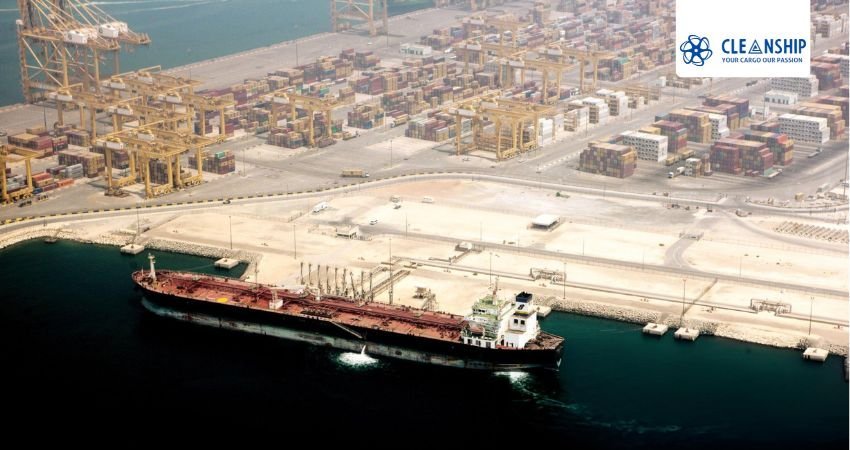
Hold cleaning service in Jebel ali port

Hold Cleaning Service in Jebel Ali Port

Jebel Ali Port, located in Dubai, United Arab Emirates, is an important maritime hub, widely acknowledged as one of the busiest and largest container ports in the Middle East. Serving as an essential gateway to the global shipping network, the port supports a wide range of services essential for the smooth operation of vessels, including cargo hold cleaning services. Hold cleaning, often forgotten in the broader context of maritime logistics, plays a integral role in maintaining the efficiency, safety, and integrity of cargo operations. Here we will explore the importance of hold cleaning service in Jebel Ali Port, the methods employed, and the challenges and future prospects for this vital service. The Strategic Role of Jebel Ali Port Jebel Ali Port is operated by DP World, one of the leading global port operators. The port’s strategic location provides seamless connectivity to major shipping lanes between Europe, Asia, and Africa. With world-class infrastructure capable of handling some of the largest vessels in operation, including mega-container ships and bulk carriers, Jebel Ali is not only a major container handling facility but also a key logistics center for a variety of maritime services, including vessel maintenance and cleaning. Jebel Ali’s ability to serve a wide range of vessel types makes it an ideal location for specialized services like hold cleaning. As ships frequently switch between different types of cargo—ranging from bulk commodities to specialized goods—proper hold cleaning becomes an indispensable process to ensure safe, compliant, and efficient operations. The Importance of Hold Cleaning Hold cleaning is the process of thoroughly cleaning the cargo holds of ships between different cargoes to prevent contamination. A dirty or improperly cleaned cargo hold can have disastrous consequences for the next cargo loaded into the ship, especially if the previous cargo was hazardous, reactive, or contaminating. For instance, if a vessel that carried coal is set to transport grain or foodstuffs, residual coal dust in the holds can spoil the grain and result in financial losses, rejected cargo, and legal liabilities. Hold cleaning is not only about protecting cargo quality but also about meeting strict regulatory standards. The International Maritime Organization (IMO) and various other governing bodies set specific standards for vessel cleanliness, especially when ships are transporting sensitive, hazardous, or food-grade materials. Proper hold cleaning prevents cross-contamination, ensures compliance with international shipping regulations, and promotes safety for both the crew and the environment. Types of Hold Cleaning Services at Jebel Ali Port Given the diversity of cargo passing through Jebel Ali Port, hold cleaning services must be versatile and adaptable to different requirements. The methods used depend on the type of cargo being cleaned, the residues left behind, and the standards needed for the next cargo. The most common hold cleaning methods employed at Jebel Ali include: 1. Dry Cleaning: This is the first step in cleaning cargo holds, particularly those that have carried dry bulk materials like coal, cement, or fertilizers. Dry cleaning involves using brushes, brooms, and vacuums to remove loose dust, dirt, and particles from the hold. While it is the most basic method, dry cleaning is essential before any more intensive cleaning processes can be used. It is also cost-effective and environmentally friendly, as it minimizes water usage. 2. High-Pressure Water Cleaning: After dry cleaning, high-pressure water jets are often used to clean holds more thoroughly, particularly when residues are more stubborn or when dust and particles from the previous cargo need to be completely removed. This method is widely used for cargoes like grain or food products, where sanitation is critical. 3. Chemical Cleaning: Some cargoes, especially hazardous chemicals, oils, or refined products, leave behind residues that cannot be cleaned with water alone. In these cases, specialized cleaning chemicals are applied to break down the contaminants. The chemical cleaning process ensures that all traces of potentially dangerous substances are removed, making the hold safe for the next cargo. After applying chemical cleaners, the hold is thoroughly rinsed with water to ensure no chemicals remain. 4. Steam Cleaning: Steam cleaning is often used for vessels that need to meet stringent hygiene requirements, such as those transporting food or pharmaceuticals. The high temperature of the steam not only cleans the hold but also sterilizes it, killing bacteria and removing any lingering odors. Steam cleaning is particularly effective for cleaning holds that have carried odorous or perishable goods. 5. Dehumidification and Drying: One of the final steps in hold cleaning is ensuring that the hold is completely dry before new cargo is loaded. Moisture left in a cargo hold can lead to mold, mildew, and rust, all of which can damage the cargo or the vessel. Dehumidifiers and fans are used to quickly dry out the hold, which is especially important in the hot and humid climate of Dubai. Compliance with Global Standards Vessels operating out of Jebel Ali Port must meet strict international cleanliness standards. These standards vary depending on the type of cargo being transported. For instance, vessels carrying grain or other food products must adhere to stringent cleanliness guidelines to prevent contamination. Additionally, charterers, cargo receivers, and port authorities may have their own cleanliness standards that go beyond international regulations. Failure to comply with these standards can lead to costly delays, penalties, or even rejection of the vessel for loading. To avoid these issues, shipowners and operators rely on experienced hold cleaning service providers in Jebel Ali who understand the specific requirements of the cargo and the necessary standards for cleanliness. Challenges in Hold Cleaning at Jebel Ali Port Hold cleaning is a demanding task, particularly in a port as busy as Jebel Ali. One of the key challenges is the time pressure. Vessels passing through Jebel Ali are often on tight schedules, and any delays in cleaning can result in costly demurrage charges. Therefore, hold cleaning services must be performed quickly and efficiently, without compromising on quality. The climate of Dubai presents another challenge. The region’s high temperatures and humidity can make drying cargo holds a slow process, particularly when
Read more
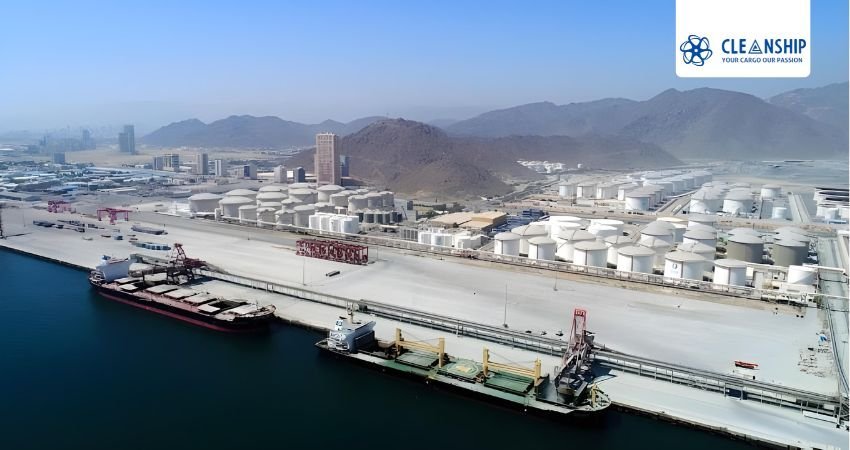
Hold cleaning service in Fujairah

Hold Cleaning Service in Fujairah: A Key to Efficient Cargo Operations

Fujairah, situated on the eastern coast of the United Arab Emirates (UAE), is one of the most powerful maritime hubs in the region. Its strategic location along international shipping lanes has made the Fujairah Port one of the busiest and most important in the Middle East, offering a broad range of hold cleaning service in Fujairah to the maritime industry. One crucial service that supports the smooth operation of shipping activities in this area is hold cleaning. Hold cleaning ensures that cargo holds on vessels are free from contaminants, residues, and impurities, preparing the ships for their next shipment. The Importance of Hold Cleaning in Shipping Operations Cargo hold cleaning is an essential part of maritime operations. It is the process of thoroughly cleaning the cargo hold of a vessel between different types of cargo to avoid contamination and ensure the integrity of the next load. The importance of hold cleaning becomes even more pronounced when vessels transport sensitive or high-value cargo such as grain, minerals, foodstuffs, chemicals, or other goods that require strict cleanliness standards. The cleanliness of a cargo hold can directly impact the quality and safety of the cargo being transported. Residue from the previous cargo, even in trace amounts, can cause contamination, leading to rejected shipments, financial loss, and delays in the shipping schedule. For instance, if a vessel that previously carried coal is set to transport grain, the residual dust from the coal can spoil the grain if the hold is not cleaned adequately. This is why hold cleaning is not just a routine procedure but a critical process in ensuring operational efficiency and compliance with safety and environmental standards. Fujairah: A Maritime Hub with Specialized Services Fujairah’s importance in the maritime world cannot be understated. As one of the few ports in the UAE located outside the Strait of Hormuz, it provides a safe and convenient location for vessels to anchor for bunkering, repairs, maintenance, and other essential services, including hold cleaning. The region’s maritime infrastructure, combined with its close proximity to key shipping routes, has attracted major shipping companies to use Fujairah as a regular stopover. The port’s ability to handle various vessel types—from oil tankers to bulk carriers—makes it an ideal place for hold cleaning services. This strategic advantage, along with the availability of highly skilled service providers, has established Fujairah as a hub for hold cleaning. Types of Hold Cleaning Services Hold cleaning service in Fujairah caters to a variety of vessel types, including bulk carriers, container ships, and oil tankers. Depending on the cargo, different cleaning techniques are employed. Some of the most common cleaning methods include: 1. Dry Cleaning: This method is used when cargo holds contain residues that are dry and can be removed without water. It typically involves sweeping and vacuuming to get rid of dust, dirt, and other dry residues. Dry cleaning is suitable for cargoes like coal, cement, and fertilizers. 2. High-Pressure Water Cleaning: High-pressure water jets are used to remove more stubborn residues. This method is often used after dry cleaning when there are still remnants of cargo that cannot be cleaned by sweeping alone. It’s commonly used for cargoes like grain, where dust or particles may be more challenging to remove. 3. Chemical Cleaning: Some cargoes leave behind residues that cannot be easily removed by water or physical cleaning methods. In such cases, chemical cleaning agents are used to dissolve the residue. This method is frequently used in cleaning holds after carrying cargoes like oil, chemicals, or other hazardous materials that can leave a thin film on the hold surfaces. 4. Steam Cleaning: This method involves using high-temperature steam to clean and disinfect the cargo hold. It is often used when hygiene is of utmost importance, such as when preparing holds for carrying foodstuffs or pharmaceuticals. 5. Dehumidification and Drying: After cleaning, it is critical that cargo holds are thoroughly dried to prevent moisture build-up, which can lead to mold or rust. Dehumidifiers and fans are used to speed up the drying process, especially in humid climates like that of Fujairah. Hold Cleaning Regulations and Standards Vessels operating out of Fujairah, like anywhere else in the maritime world, must adhere to international regulations and standards. These standards are often set by the International Maritime Organization (IMO) and other regulatory bodies, ensuring that vessels are safe, clean, and ready to transport the next cargo without contamination. The standards for cleanliness vary depending on the type of cargo. For example, grain cargoes have stringent cleanliness requirements due to their sensitivity to contamination. Shipowners and operators must comply with these standards to avoid penalties, delays, and reputational damage. Additionally, port authorities and charterers may also have their specific requirements, making it imperative for ship operators to engage professional hold cleaning services that understand and meet these standards. Challenges of Hold Cleaning in Fujairah While hold cleaning is a necessary service, it comes with its challenges, particularly in regions like Fujairah where the climate and operational demands can complicate the process. The hot and humid climate of Fujairah makes drying cargo holds after cleaning a challenge, requiring specialized drying equipment and techniques. Additionally, some vessels have complex hold configurations that make cleaning difficult, requiring experienced personnel and advanced equipment to ensure thorough cleaning. Another challenge is the need for speed. Ships operating in the global trade market are on tight schedules, and any delay in cleaning can lead to costly demurrage charges. Hold cleaning service providers in Fujairah must, therefore, be efficient and quick, without compromising on the quality of the cleaning. The Future of Hold Cleaning Service in Fujairah As global trade continues to grow, so does the demand for professional and efficient hold cleaning services. Fujairah, being a key player in the maritime industry, is expected to see an increase in demand for these services. Innovations in cleaning technology, such as automated cleaning robots and environmentally friendly cleaning agents, are likely to shape the future of hold cleaning in this region. Furthermore, as environmental
Read more
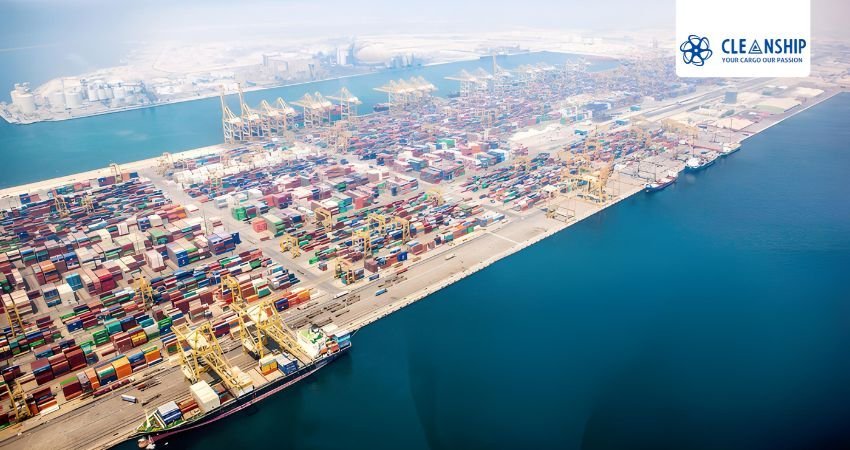
Hold Cleaning Service in Dubai

Hold Cleaning Service in Dubai

Dubai, a global hub for trade and commerce, is famous for its bustling ports and transportation industry. With the continuous movement of goods throughout its waters, the importance of controlling the integrity and cleanliness of cargo holds can’t be overstated. Hold cleaning service in Dubai is important in ensuring that bulk carrier ships meet the very best standards of hygiene and protection. The Importance of Hold Cleaning Service Hold cleaning is an important part of the shipping industry, particularly for vessels that transport bulk cargoes together with grains, fertilizers, coal, and minerals. These substances can leave behind residues that, if now not well cleaned, may contaminate the next cargoes, result in infestations, or reason structural damage to the vessel. Further to these practical issues, the cleanliness of a ship’s hold is often subject to strict regulatory standards, which vary depending on the type of shipment and destination. In Dubai, a city that prides itself on its premium infrastructure and high standards, Hold cleaning service in dubai is important to maintaining the reputation of its ports. The Dubai Maritime Town Authority (DMCA) and different regulatory our bodies impose strict policies to ensure that vessels adhere to global standards. Non-compliance can bring about heavy fines, delays, and even the rejection of cargo, making professional hold cleaning services necessary. Processes Involved in Hold Cleaning Service in Dubai Hold cleaning service is a meticulous technique that requires a specialized system, professional employees, and adherence to strict protocols. The procedure normally includes the following steps: 1. Preparation and Safety Measures: Before any cleaning begins, the group should ensure that every protection protocol is in the area. This includes the right air flow of the bulk carrier hold, the use of personal protective equipment (PPE), and the implementation of measures to prevent injuries or infection of other areas of the bulk carrier ship. 2. Inspection and Assessment: The first step in the cleaning technique is a thorough inspection of the bulk carrier hold. This includes assessing the type and volume of residues left in the back with the aid of the previous bulk carrier, checking for any damage or corrosion, and identifying potential dangers such as infestations or moisture accumulation. 3. Removal of Residual Cargo: As soon as the evaluation is complete, the following step is the removal of any final cargo residues. This will be achieved manually or through the usage of specialized equipment which includes vacuums, shovels, or brushes. In a few cases, using compressed air or high-pressure water jets may be required to dislodge stubborn residues. 4. Washing and Rinsing: After the bulk of the residue has been eliminated, the hold is thoroughly washed and rinsed. This step is important for eliminating any remaining trash and contaminants. Depending on the type of residue, one of a kind cleaning vendors may be used. For example, alkaline cleaners are frequently used to dispose of oil and grease, while acidic cleaners may be necessary for releasing scale or rust. 5. Drying: Once the hold has been wiped clean and rinsed, it has to be very well dried to prevent the increase of mildew or mold. This is generally finished the usage of air blowers or dehumidifiers. In some instances, heating systems can be used to accelerate the drying procedure. Advanced Techniques and Technologies in Hold Cleaning Dubai’s status as a primary global port has driven the adoption of advanced strategies and technologies in hold cleaning services. Some of the most outstanding advancements include: 1. Automated Cleaning Systems: Automation has come to be increasingly common in hold cleaning, in particular for large vessels. Automatic cleaning structures use robotic arms equipped with high-pressure nozzles to clean the bulk carrier effectively and successfully. These systems can reach areas that are difficult or dangerous for humans to get right of entry to, and they could perform constantly, lowering the time required for cleaning. 2. Environmentally Friendly Cleaning Agents: As environmental policies become more stringent, there may be a developing demand for environmentally friendly cleaning vendors. These products are designed to break down quickly without leaving harmful residues, ensuring that the cleaning technique is effective and sustainable. In Dubai, where environmental stewardship is a concern, using such agents is more and more commonplace. 3. Real-Time Monitoring and Reporting: Advancements in digital technology have made it possible to monitor the hold cleaning procedure in real time. Sensors and cameras can be established in the hold to provide live feedback on the cleaning process, authorizing operators to adjust as needed. This technology also enables detailed reporting, which can be used to verify compliance with regulatory requirements. Read Also: Hold Cleaning Service in India Conclusion Hold cleaning service in dubai is an integral part of the shipping industry in Dubai, making sure the safe and efficient transport of products across the globe. As Dubai resumes to increase its function as a leading global trade hub, the market for high-quality hold cleaning services is only set to grow. With advancements in the era and a commitment to environmental sustainability, the future of hold cleaning service in Dubai seems promising, imparting operational efficiency and peace of mind for the shipping enterprise. FAQs:
Read more
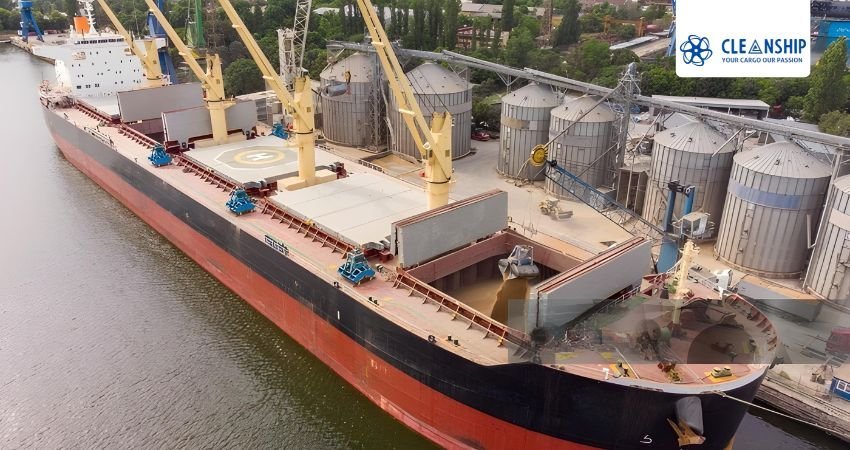
Bulk carrier hold cleaning in india

Bulk Carrier Hold Cleaning in India

Bulk carrier hold cleaning in India, with its extensive coastline and strategic maritime position, plays an important role in international trade, particularly in bulk cargo transportation. Bulk carriers, the workhorses of the maritime industry, are responsible for transporting massive quantities of raw substances like coal, iron ore, grains, and fertilizers. To preserve the integrity of these cargoes and comply with global standards, meticulous hold cleaning of bulk carriers is required. Importance of Bulk Carrier Hold Cleaning Bulk carrier hold cleaning is an essential method that guarantees the safe and contamination-free transportation of numerous cargoes. Residues from earlier cargoes, dust, and rust can compromise the grade of the new load, leading to economic losses and possible legal issues. Moreover, compliance with international maritime guidelines and requirements is obligatory to avoid consequences and ensure clean operations. 1. Compliance with Regulations: Global maritime policies, together with those set by the International Maritime Organization (IMO), mandate the cleanliness of shipment holds. Non-compliance can result in big fines, arrests, and reputational damage. 2. Preventing Contamination: Various types of shipments have unique needs. For example, food grains have to be separated from contaminants that could compromise their quality. Thorough cleaning prevents cross-contamination among successive cargoes. 3. Maintaining Cargo Integrity: Detrita from previous shipments can chemically react with new shipments, leading to spoilage or damage. Hold cleaning guarantees that the holds are free from this kind of residue. 4. Enhancing Operational Efficiency: Clean holds promote smoother loading and unloading operations, decreasing turnaround times at ports and improving average operational efficiency. Methods of Hold Cleaning The methods employed in bulk carrier hold cleaning in India vary depending on the type of cargo and the quantity of infection. General strategies include: 1. Manual Cleaning: This entails the use of brooms, shovels, and other hand-held gear to dispose of residues. While labor-intensive, manual cleaning is powerful for dealing with stubborn residues and achieving inaccessible regions. 2. High-Pressure Washing: Utilizing high-pressure water jets, this technique is effective for dislodging and putting off bulk residues. It is particularly beneficial for cleaning coal, minerals, and other dry bulk cargoes. 3. Chemical Cleaning: For cargoes that go away with oily or sticky residues, chemical cleaning retailers are used to break down the contaminants. This method guarantees thorough cleaning and sanitization of the holds. 4. Vacuum Systems: Advanced vacuum structures are employed to suck out unfastened residues and dust. This approach is speedy and minimizes the threat of recontamination. 5. Steam Cleaning: Steam is used to sanitize and clean holds, especially when dealing with food-grade cargoes. It confirms the removal of bacteria and other microorganisms. Challenges in Bulk Carrier Hold Cleaning in India 1. Varied Cargo Types: The various range of shipments transported with the aid of bulk carriers way that cleaning needs can vary substantially. Every type of shipment leaves specific residues, necessitating specific cleansing strategies. 2. Accessibility and Safety: Cargo holds are large, confined areas, often making them hard to get entry to and easy to thoroughly. Confirming the protection of cleaning employees is paramount, given the dangers of operating in such environments. 3. Environmental Concerns: The removal of cleaning residues and washing water must follow environmental rules to save you from marine pollution. Endurable and eco-friendly cleaning practices are necessary. 4. Time Constraints: Cargoes often have tight schedules, leaving limited time for hold cleaning between ships. Efficient and powerful cleaning strategies are required to meet these time constraints. Advancements and Innovations The bulk carrier hold cleaning in India industry is witnessing technological advancements aimed toward improving performance and decreasing human exertions. Robotic cleaning structures and automated high-strain washing machines are being increasingly followed. These improvements not only enhance cleaning quality but also ensure employee safety by minimizing manual work in dangerous environments. Read Also: Hold Cleaning Service in Kakinada Port: Ensuring Quality and Efficiency Conclusion Bulk carrier hold cleaning in India is an essential aspect of the maritime industry, making sure the secure and contamination-free transportation of cargo. The system includes a mixture of traditional methods and technological improvements to obtain thorough cleaning even as maintaining compliance with international guidelines. As the industry evolves, the adoption of modern cleaning technology maintains enhanced performance and safety, reinforcing India’s function in the international maritime trade community. FAQs:
Read more
Chafe Protection

Revising Chafe Protection to Enhance Safety and Efficiency at Port Hedland

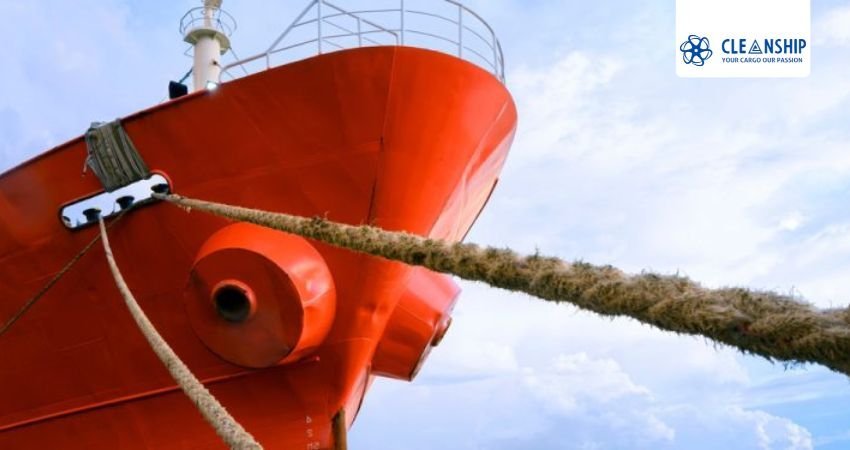
The Port of Port Hedland, renowned for its commitment to maritime safety, has recently faced critical concerns regarding the use of chafe protection on mooring lines. According to Pilbara Ports Marine Safety Bulletin, while its aims to safeguard mooring lines from wear and tear, its implementation has inadvertently introduced substantial risks, particularly regarding crew safety and operational efficiency. Key Findings: Crew Safety Risks: Extreme Risk of Injury: Reports from pilots and first-hand experiences indicate that the installation and handling of chafe protection can pose severe risks to crew members. The process often requires crew members to work in precarious positions, increasing the likelihood of falls and other injuries. Close Proximity to Tensioned Lines: Installing or maintaining chafe protection necessitates crew members being in very close proximity to tensioned lines, which poses a significant risk of severe injury should a line snap or shift suddenly. Additional Pressure and Tension: Adjusting or reinstating chafe protection on loosened lines can inadvertently place additional pressure and tension on other lines. This can lead to an increased risk of line failure. Hand Injuries: There is a notable risk of hand injuries, as crew members’ fingers can get caught between lines and mooring leads during the installation and adjustment of chafe protection. This risk is heightened during adverse weather conditions or when working under pressure. Operational Delays: Increased Time for Mooring Operations: The additional steps involved in installing this protection have resulted in noticeable delays in mooring operations. This has a cascading effect on overall port efficiency, causing disruptions in vessel scheduling and turnaround times. Complicated Maintenance: Regular maintenance and adjustments of this protection add to the operational workload, further delaying mooring processes and increasing the risk of operational errors. Recommendations: 1. Discontinuation of Chafe Protection Use: Due to the significant safety and operational risks identified, it is recommended that the use of chafe protection on mooring lines be discontinued immediately. The potential benefits do not outweigh the extreme risks posed to crew safety and port operations. 2. Enhanced Crew Training: Provide port-specific training for crew members on safe mooring practices without the use of this protection, this can include tidal range, frequency of attending the mooring lines, monitoring the port schedule for passing vessel’s impact, and application of correct winch brake render test and render set point. Use of appropriate risk mitigation measures as per vessel risk assessment and Mooring Lines Management Plan. 3. Operational Adjustments: Review and revise current mooring procedures to ensure safety and efficiency in the absence of chafe protection. Implement strict monitoring and reporting mechanisms to quickly identify and address any issues arising during mooring operations. 4. Types of Chafe Protection: There are various types of chafe protection that are not attached to the mooring lines and can be installed on or removed from mooring arrangements i.e. on a chock or fairleads which must be done well before a vessel enters the Port or after the vessel departs. These alternatives can mitigate the risks associated with handling this protection under tension and reduce operational delays.  
Read more
Bulk Carrier

How Are Bulk Carriers Cleaned?

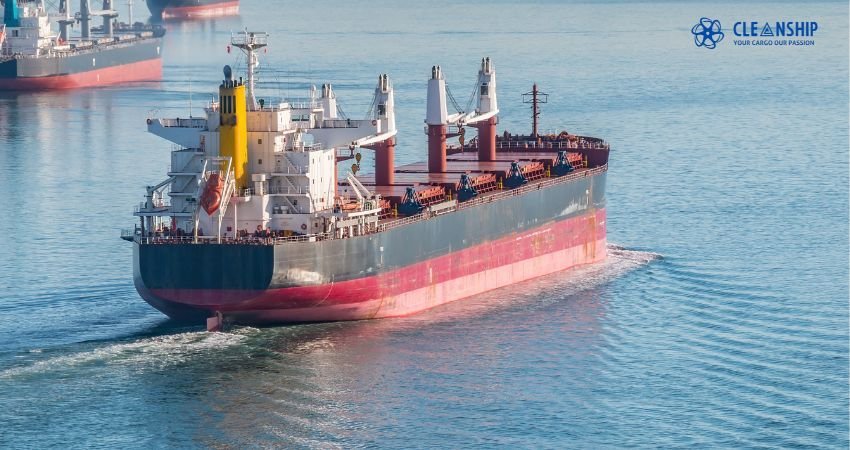
Bulk carriers are the workhorses of the maritime industry, transporting extensive quantities of raw materials along with coal, grain, ore, and cement throughout the globe. Because of the character of the shipment, keeping cleanliness on those vessels is required for operational performance, protection, and compliance with global standards. The cleaning method of bulk carriers is difficult and multifaceted, involving different techniques, tools, and problems. In this article we will give you complete info on ways bulk providers are cleaned, highlighting the importance and methods used in this important aspect of maritime operations. Importance of Cleaning Bulk Carriers Cleaning bulk carriers is required for several reasons: 1. Cargo Safety: Residual cargo can contaminate the new load, affecting its quality and marketplace cost. For example, remnants of coal can harm agricultural merchandise. 2. Preventing Cross-Contamination: One-of-a-kind shipment types can react with every different, imposing safety dangers. Powerful cleaning prevents such dangers. 3. Compliance: International maritime guidelines require ships to be wiped clean to prevent environmental pollutants and hold hygiene standards. 4. Efficiency: Clean ships ensure smoother operations, lowering downtime and maintenance costs. Preparation for Cleaning Before cleaning begins, several preceding steps are undertaken: 1. Inspection: An intensive inspection is carried out to evaluate the kind and volume of residues present. 2. Planning: A cleaning plan is developed mainly based on the cargo kind, residue quantity, and required cleanliness stage. 3. Safety Measures: Making sure safety is paramount. Protecting gear, right airflow, and safety protocols are installed location to protect the group from dangerous substances. Cleaning Methods Cleaning methods for bulk carriers vary depending on the type of shipment residues and the ship’s design. The primary plans consist of: 1. Dry Cleaning 1. Sweeping: The first step entails sweeping the cargo to eliminate loose residues. this can be accomplished manually or with the use of mechanized sweepers. 2. Vacuuming: Industrial vacuums are used to suck up the finer waste that sweeping cannot dispose of. 3. Scraping: Stubborn residues stuck to surfaces are scraped off using handheld or mechanical scrapers. 2. Wet Cleaning 1. High-Pressure Washing: High-stress water jets are employed to dislodge and wash away residues. This process is powerful for destroying sticky or compacted materials. 2. Chemical Cleaning: Specialized cleaning agents are used to dissolve or loosen residues that water on its own can not remove. The choice of chemicals depends upon the kind of shipment formerly carried. 3. Steam Cleaning: Steam is used to clean and disinfect the holds, particularly useful for natural ruins or whilst a high level of sanitation is needed. 3. Drying: After wet cleaning, the cargo holds must be thoroughly dried to control corrosion and prepare for the following load. Ventilation fans and dehumidifiers are commonly used for this reason. Specialized Cleaning Techniques In certain cases, specialized cleaning procedures are required: 1. Cargo-Specific Cleaning: Certain cargoes like cement, fertilizers, or chemical substances require specific cleaning protocols to successfully dispose of residues and prevent contamination. 2. Robot-Assisted Cleaning: Advanced technology, which includes cleaning robots, is increasingly being used. Those robots can access hard-to-attain areas and provide extra efficient and thorough cleaning. Challenges in Cleaning Bulk Carriers Cleaning bulk carriers comes with its own set of challenges: 1. Residue Adherence: A few cargoes, like cement or coal, go away residues that adhere strongly to surfaces, making them difficult to destroy. 2. Structural Complexity: The layout and shape of cargo holds could make getting right of entry and cleaning hard, particularly in corners and tight spaces. 3. Environmental policies: Complying with strict environmental guidelines regarding waste disposal and chemical use requires cautious planning and execution. Environmental Considerations Environmental sustainability is a significant consideration in the cleaning process: 1. Waste Management: Residues and cleaning waste must be disposed of responsibly to save you from environmental pollution. This includes the right collection, treatment, and disposal in keeping with worldwide policies. 2. Chemical Use: The usage of cleaning chemical substances is cautiously managed to limit environmental effects. Biodegradable and non-toxic chemical substances are desired. Read Also: What Is The Purpose Of Hold Cleaning Conclusion The cleaning of bulk carriers is an important process that guarantees the safe, efficient, and compliant operation of these maritime giants. It involves an entirety of manual hard work, superior generation, and strict adherence to protection and environmental standards. Because the shipping industry continues to adapt, so do the methods and technologies utilized in cleaning, making it an ever-advancing discipline that plays an essential function in global trade. Powerful cleaning no longer most effectively protects shipment integrity and delivers longevity however additionally upholds the environmental stewardship that is increasingly demanded in the ultra-modern world. FAQs:
Read more
Cargo Hold Cleaning

Why Prioritize Cargo Hold Cleaning in Bulk Carriers?

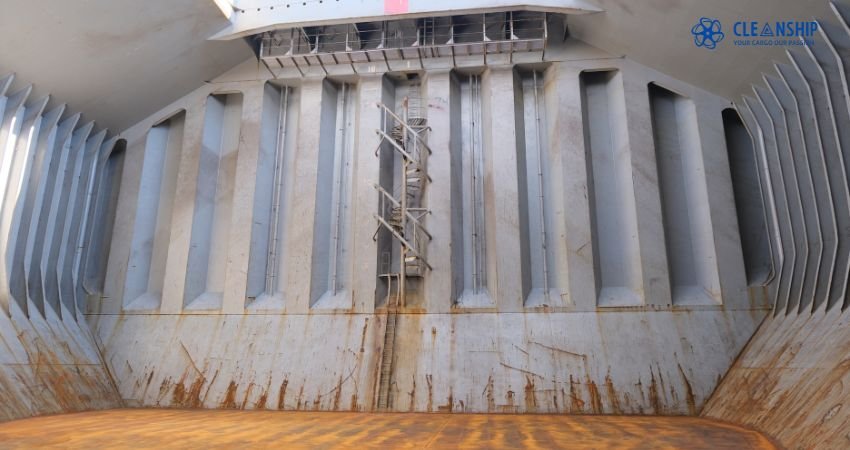
Bulk carriers are important in global trade, transporting massive quantities of commodities such as grains, ores, and coal across oceans. These vessels are indispensable to the world economy, but their efficiency and safety heavily depend on proper maintenance, especially in the often overlooked aspect of cargo hold cleaning. Here’s why prioritizing cargo hold cleaning is essential for bulk carriers: 1. Preventing Contamination and Cross-Contamination Cargo holds in bulk carriers are designed to carry a wide range of dry bulk commodities. Residual cargo left behind after a shipment can contaminate subsequent cargoes, leading to quality issues and financial losses for both shipowners and cargo owners. For example, traces of minerals or chemicals from one cargo can affect the quality and goodness of food grains or other sensitive commodities in the next load. Proper cleaning mitigates these risks by ensuring that holds are free from residues and contaminants. 2. Maintaining Cargo Goodness Certain cargoes, such as grains and minerals, are particularly susceptible to contamination and degradation. Moisture, heat, and residues can accelerate spoilage, leading to significant financial losses. Cargo hold cleaning helps maintain the integrity of these commodities by removing potential contaminants and creating a clean, dry environment suitable for the next cargo. This process is critical for preserving the quality and market value of transported goods. 3. Ensuring Compliance with Regulations International regulations, such as the International Maritime Organization’s (IMO) guidelines on cargo residue disposal and the prevention of pollution during cargo operations, mandate that vessels must clean cargo holds thoroughly to prevent environmental contamination. Compliance with these regulations is not only a legal requirement but also crucial for maintaining the reputation and operational licenses of shipping companies. Regular cleaning ensures adherence to environmental standards and reduces the risk of penalties or sanctions. 4. Enhancing Operational Efficiency Clean cargo holds contribute to the overall efficiency of bulk carriers. A well-maintained vessel can load and unload cargo more quickly and efficiently, reducing port turnaround times. This efficiency translates into cost savings for shipowners and charterers, as faster turnarounds increase the vessel’s earning potential and operational flexibility. Moreover, clean holds reduce the likelihood of delays caused by inspections or disputes over cargo quality. 5. Minimizing Safety Risks Cargo hold cleaning is not only about maintaining cargo quality but also about ensuring the safety of onboard personnel. Residues and contaminants left in holds can pose health risks to crew members involved in loading, unloading, or cleaning operations. Proper cleaning practices, including using appropriate personal protective equipment (PPE) and cleaning agents, mitigate these risks and create a safer working environment onboard bulk carriers. 6. Extending Vessel Lifespan Regular maintenance, including thorough cargo hold cleaning, contributes to the longevity of bulk carriers. Residues left unchecked can lead to corrosion and structural damage over time, compromising the vessel’s structural integrity. By preventing corrosion and maintaining cleanliness, shipowners can extend the operational lifespan of their vessels and reduce maintenance costs associated with premature wear and tear. 7. Upholding Industry Standards and Best Practices In an industry where reputation and reliability are paramount, adhering to high standards of cleanliness and maintenance distinguishes reputable shipping companies from their competitors. Investors, insurers, and customers alike value adherence to industry best practices, including rigorous cargo hold cleaning protocols. By prioritizing cleanliness, shipowners demonstrate their commitment to operational excellence and sustainability. Conclusion The importance of cargo hold cleaning in bulk carriers cannot be overstated. Beyond regulatory compliance and operational efficiency, it directly impacts cargo integrity, crew safety, and the overall lifespan of vessels. As global trade continues to expand, the need for clean, efficient bulk carriers will only grow. Investing in thorough and regular cargo hold cleaning is not just a necessity but a strategic decision that enhances both operational reliability and sustainability in the maritime industry. By prioritizing this aspect of maintenance, stakeholders ensure that bulk carriers remain indispensable contributors to global commerce well into the future. FAQs:
Read more
Shopping Cart (0 items)