
- Your cart is empty Browse Shop
24
Feb, 26
Bulk Carrier Hold Cleaning in Kavala: 7 Proven Steps
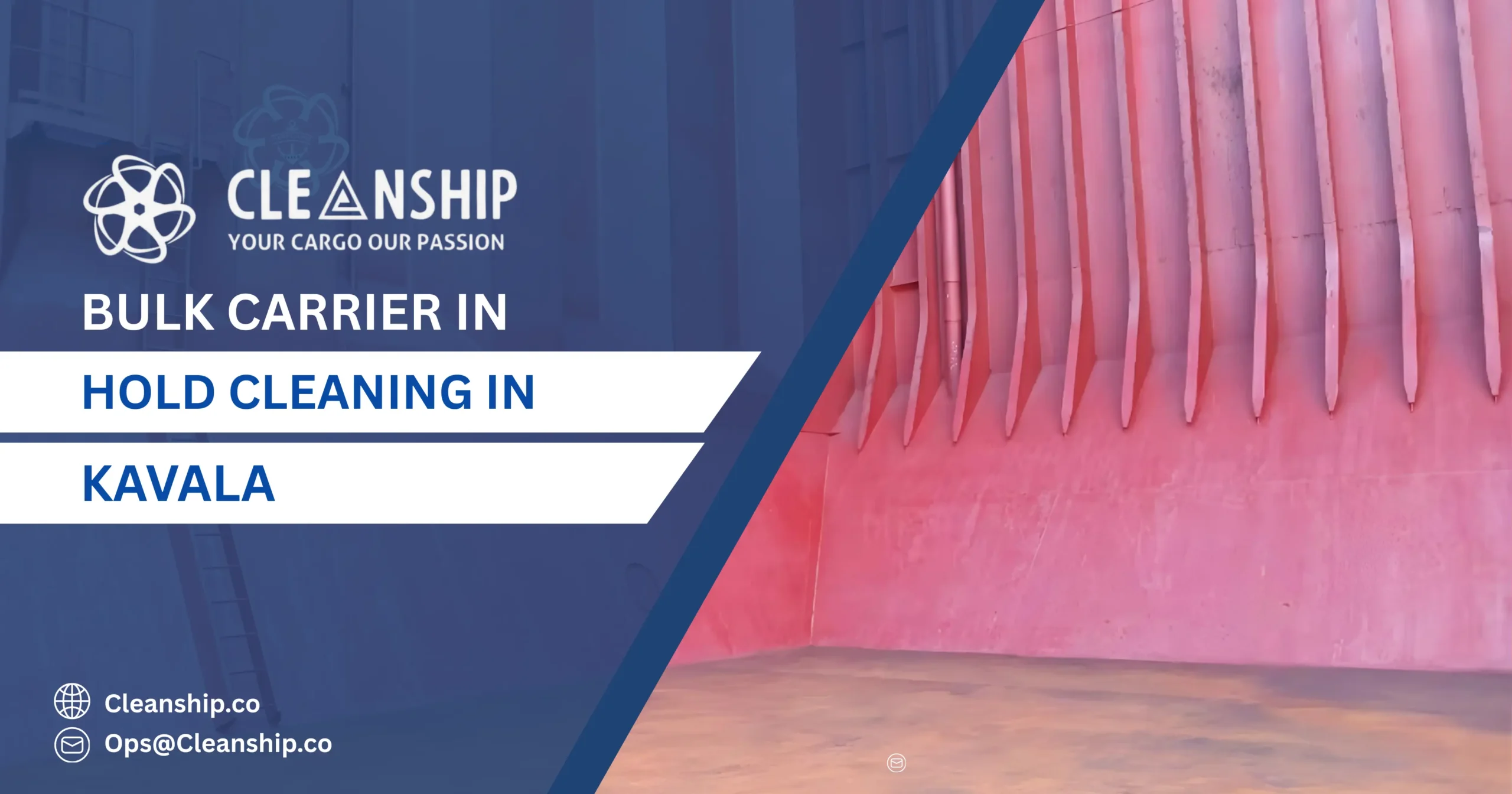
Bulk Carrier Hold Cleaning in Kavala Bulk carrier hold cleaning in Kavala is a decisive operation that determines whether your vessel loads on schedule or faces costly delays. Kavala’s strategic location in the northern Aegean places it on key trade routes connecting Mediterranean and Black Sea cargo flows. Bulk carriers arriving with coal, clinker, petcoke, or fertilizers must prepare holds to meet strict cleanliness standards before grain or sensitive cargo loading. Professional hold preparation is not cosmetic work. It is a structured, regulated process built on safety, compliance, and documentation. In today’s regulatory environment, you cannot rely on visual appearance alone. Surveyors apply defined benchmarks, and every cleaning step must withstand scrutiny. Why Kavala Demands High Standards in Bulk Hold Preparation Kavala handles agricultural and mineral cargoes with varying contamination risks. A vessel discharging coal one week may load wheat the next. That transition requires disciplined bulk carrier hold cleaning in Kavala to prevent cross-contamination. Charter party clauses often specify “grain clean” condition. This means: A single overlooked corner behind a stiffener can lead to rejection. India’s Expanding Role in Marine Cleaning Expertise India has become a technical powerhouse in marine services. Indian-trained marine engineers, inspectors, and superintendents now influence global best practices in cleaning and compliance. This matters in Kavala because process-driven systems developed in Indian ports emphasize: These practices strengthen reliability across international operations and reduce inspection disputes. Regulatory Framework Governing Bulk Carrier Hold Cleaning Cleaning operations must align with global maritime regulations, including: These frameworks regulate waste discharge, residue handling, and crew entry procedures. Compliance protects your vessel from detention and environmental penalties. MARPOL and Residue Management During Hold Washing Under the MARPOL Convention, certain cargo residues cannot be discharged at sea. Depending on cargo classification and sea area, residues must be retained and transferred to approved shore facilities. During bulk carrier hold cleaning in Kavala, responsible management includes: Incomplete documentation can trigger compliance issues even if the hold appears visually clean. IMCA Safety Guidance for Confined Space Entry Cargo holds qualify as confined spaces. Oxygen deficiency, toxic vapors, and dust exposure pose serious hazards. IMCA guidance emphasizes: You treat a cargo hold like an industrial chamber, not a warehouse. Step 1: Cargo History Review Before Cleaning Effective cargo hold preparation in Kavala begins with understanding the previous cargo. Coal dust behaves differently from cement residues or fertilizer crust. Assessment includes: This diagnostic stage sets the foundation for successful bulk hold cleaning. Step 2: Dry Removal of Loose Residues Before washing begins, crews remove loose residues manually. Sweeping and scraping prevent excessive sludge formation during washing. This stage reduces: It is a practical, cost-effective first line of cleaning. Step 3: High-Pressure Mechanical Washing High-pressure washing systems deliver controlled water jets across frames, bulkheads, and tank tops. These systems reach structural recesses where residues accumulate. Advantages include: Professional execution ensures that hidden surfaces meet inspection standards. Step 4: Manual Spot Treatment for Stubborn Deposits Some residues harden into crusts. Cement, petcoke, and fertilizer may resist mechanical washing alone. Trained personnel perform targeted scraping and localized washing to remove persistent deposits. This step ensures compliance with Final Quality Rules prior to survey inspection. Step 5: Bilge and Drain Channel Cleaning Bilges are critical inspection points. Residues trapped in drain channels can contaminate new cargo. Best practices include: Surveyors inspect these areas carefully before granting approval. Step 6: Drying and Ventilation of Cargo Holds Moisture control is essential, especially before grain loading. After washing, holds must be thoroughly dried. Ventilation procedures include: A dry hold signals operational discipline and readiness. Step 7: Inspection and Marine Supercargo Verification A marine supercargo provides independent verification of hold condition. Their inspection confirms compliance with charter party clauses and cleanliness benchmarks. Inspection points include: Professional oversight reduces dispute risk and strengthens trust. Documentation and Compliance Workflow Structured documentation protects your vessel commercially and legally. A compliance workflow typically includes: Digital reporting tools reduce human error and improve traceability aligned with IMO standards. Environmental Protection and Cost Efficiency Environmental responsibility directly impacts cost efficiency. Proper bulk carrier hold cleaning in Kavala reduces: Preventive discipline saves significantly more than reactive repairs. Integration with Tank Cleaning and Fleet Standards Many operators integrate tank and hold cleaning under one compliance framework. Shared principles include: Fleet-wide consistency strengthens operational reliability. Industry Benchmark Practices Professional service providers such as Cleanship.co demonstrate how global tank and hold cleaning operations integrate compliance and supervision. Their model includes: These integrated measures reflect modern maritime governance rather than isolated cleaning tasks. Future Trends in Bulk Carrier Cleaning Technology The industry continues to evolve with: These innovations improve safety, reduce turnaround time, and align with tightening environmental standards under IMO frameworks. Ports aligned with IAPH initiatives increasingly encourage sustainable and traceable cleaning technologies. Conclusion Bulk carrier hold cleaning in Kavala requires disciplined execution, regulatory alignment, and documented verification. First, compliance with IMO, MARPOL Convention, and IMCA standards safeguards your vessel and environment. Second, structured inspection and documentation workflows prevent costly disputes. Third, trained crews and modern equipment ensure consistent survey acceptance. In today’s competitive shipping environment, preparation defines profitability. For operators seeking structured compliance support, cargo supervision, and globally aligned cleaning standards, Cleanship.co represents a reliable benchmark in maritime service excellence. FAQs: