
- Your cart is empty Browse Shop
22
Jul, 26
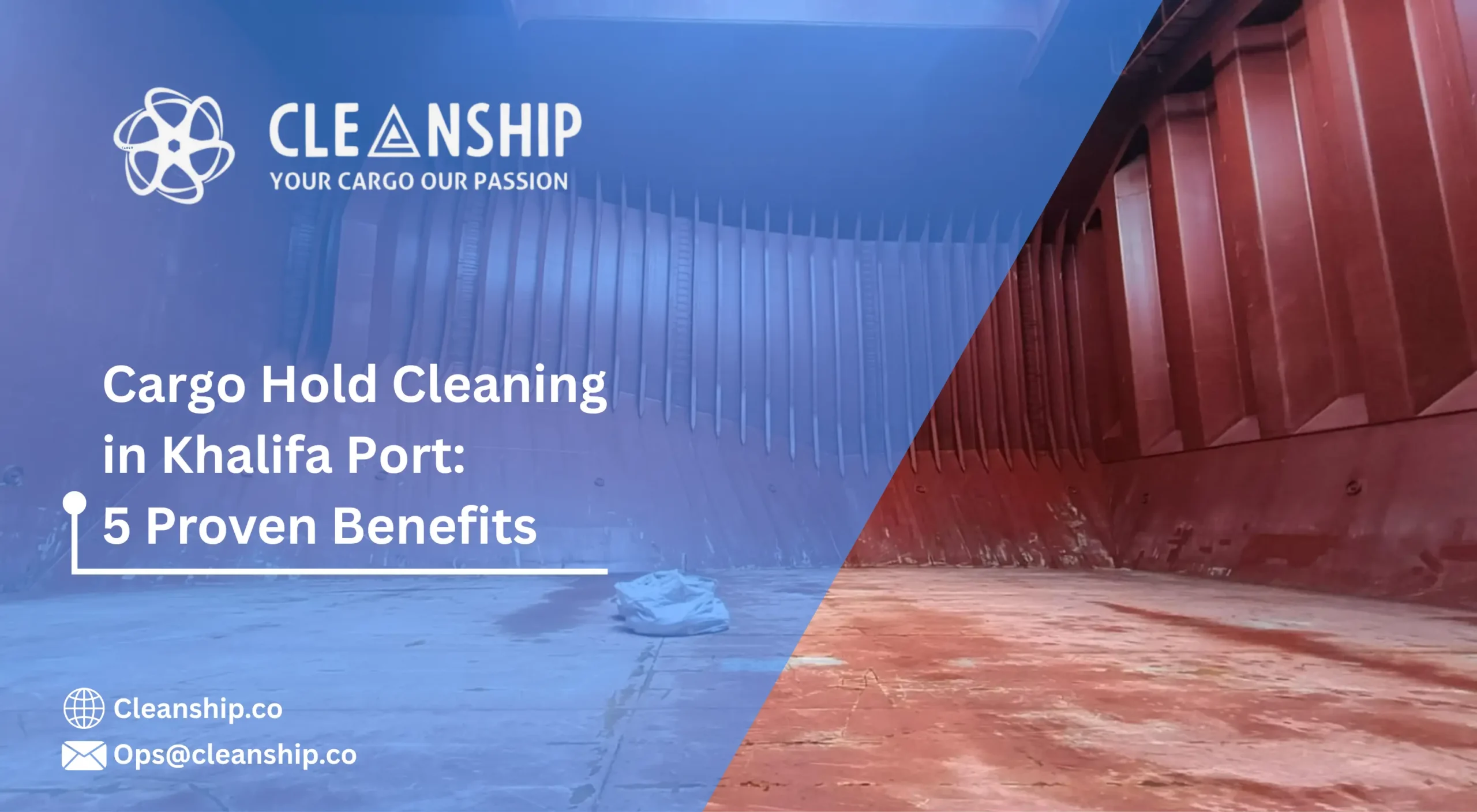
Cargo Hold Cleaning in Khalifa Port: 5 Proven Benefits
Cargo Hold Cleaning in Khalifa Port: 5 Proven Benefits Cargo hold cleaning in Khalifa Port is not just a routine operational task—it is a critical safeguard for vessel safety, cargo integrity, regulatory compliance, and long-term cost control. As trade volumes through Abu Dhabi’s flagship port continue to grow, shipowners, charterers, and operators face increasing scrutiny from regulators, terminals, and cargo receivers. When done correctly, cargo hold cleaning protects your vessel’s reputation, prevents costly delays, and ensures you meet international maritime standards without stress. When done poorly, it exposes you to claims, rejections, and avoidable downtime. In this article, we break down what cargo hold cleaning in Khalifa Port really involves, why it matters, and the five proven benefits you gain when it is executed to professional standards. Understanding Cargo Hold Cleaning in Khalifa Port What cargo hold cleaning actually means Cargo hold cleaning is the systematic removal of previous cargo residues, dust, moisture, rust scale, and contaminants from a vessel’s holds. The goal is simple: prepare the space to safely receive the next cargo without risk of contamination or damage. Why Khalifa Port demands higher standards Khalifa Port handles a wide mix of bulk cargo—grains, fertilizers, minerals, steel products, and project cargo. Each cargo type has different cleanliness requirements, making standardized cleaning procedures essential. Why Clean Holds Are Non-Negotiable in Modern Shipping Cargo contamination risks Residue from a previous cargo can ruin an entire shipment. A trace of fertilizer left behind can contaminate grain. Coal dust can stain steel coils. These issues lead directly to cargo rejection or claims. Commercial and charter party implications Most charter parties specify cleanliness standards. If your cargo hold cleaning in Khalifa Port fails inspection, you risk delays, off-hire time, or disputes with charterers and receivers. Benefit 1: Compliance With International Maritime Regulations IMO and MARPOL requirements explained simply The International Maritime Organization (IMO) and the MARPOL Convention regulate how residues, wash water, and waste must be handled. Improper disposal during cleaning can lead to environmental violations. Why compliance matters at Khalifa Port Port authorities and terminals follow strict inspection protocols aligned with IMO, MARPOL, and IAPH guidelines. Clean holds, proper documentation, and controlled waste disposal reduce the risk of detention or penalties. Benefit 2: Faster Vessel Turnaround and Operational Efficiency Time is money in port operations Every extra hour at berth increases costs. Professional cargo hold cleaning in Khalifa Port is planned around port schedules, inspections, and cargo readiness to minimize idle time. Real-world example A bulk carrier arriving after carrying coal may need high-pressure washing and drying before loading grain. Efficient cleaning teams complete the job in parallel with inspections, avoiding loading delays. Benefit 3: Enhanced Crew Safety and Environmental Protection Safety risks during cleaning operations Cargo hold cleaning involves confined spaces, high-pressure water, chemicals, and working at heights. Without proper procedures, the risks multiply. Industry best practices According to IMCA guidelines, safe cleaning requires: Environmental protection is equally critical. MARPOL-compliant waste handling prevents illegal discharge and protects port waters. Benefit 4: Cost Efficiency Over the Vessel’s Lifecycle Preventing corrosion and structural damage Residual moisture and corrosive cargo remnants accelerate steel degradation. Over time, this increases maintenance costs and dry-docking frequency. Cleaning as preventive maintenance Regular cargo hold cleaning in Khalifa Port: Think of it like routine engine oil changes—you do not see the benefit immediately, but you avoid major failures later. Benefit 5: Inspection Readiness and Cargo Acceptance Meeting surveyor and receiver expectations Marine surveyors and cargo receivers inspect holds before loading. Any visible residue, odor, or moisture can result in rejection. Documentation and transparency Professional cleaning includes inspection checklists, photo reports, and compliance records. These documents help resolve disputes quickly and demonstrate due diligence. Cargo Hold Cleaning Standards for Different Vessel Types Bulk carriers Bulk carriers demand thorough removal of residues and dust, especially when switching between incompatible cargoes such as coal to grain. Tank cleaning vs. hold cleaning While tank cleaning focuses on liquid cargo residues, cargo hold cleaning addresses dry bulk contamination, rust scale, and drainage systems. Both follow strict IMO and MARPOL protocols. Specialized cargo considerations Certain cargoes require “grain clean” or “hospital clean” standards. Understanding these requirements is essential before cleaning begins. Inspection, Documentation, and Compliance Workflow Step-by-step process A professional workflow typically includes: Role of marine supercargo professionals Marine supercargo teams verify cleaning quality, cargo readiness, and compliance with charter party terms. Their oversight reduces disputes and protects commercial interests. Why Ghana Leads West Africa in Marine Cleaning A regional benchmark worth noting Ghana has emerged as a leader in West Africa’s marine cleaning sector due to: Lessons relevant to Khalifa Port The Ghana model shows how structured compliance, trained crews, and clear documentation improve efficiency and international trust—principles equally applicable in Khalifa Port operations. The Role of Global Service Providers in Setting Standards Industry-wide practices Global maritime service providers demonstrate how integrated cleaning, inspection, and compliance support can streamline port operations. Example from industry practice Companies such as Cleanship.co operate across multiple regions, delivering tank and cargo hold cleaning, marine supercargo services, and compliance support aligned with IMO, IMCA, and MARPOL expectations. Their inclusion of drug & alcohol testing services also reflects growing emphasis on crew safety and operational reliability. Future Trends in Cargo Hold Cleaning Automation and smart equipment Remote-controlled cleaning machines and advanced high-pressure systems reduce manual risk and improve consistency. Digital documentation Electronic inspection reports, photo logs, and compliance dashboards improve transparency and audit readiness. Sustainability-driven innovation Ports and operators are adopting water recycling systems and eco-friendly cleaning agents to meet stricter environmental targets. Choosing the Right Cargo Hold Cleaning Approach What you should evaluate When planning cargo hold cleaning in Khalifa Port, consider: Why experience matters Cleaning is not just about washing holds—it is about understanding cargo behavior, regulations, and commercial risk. Conclusion: Why Cargo Hold Cleaning in Khalifa Port Deserves Strategic Attention Cargo hold cleaning in Khalifa Port is a strategic operational function, not a box-ticking exercise. First, it ensures compliance with IMO, IMCA, MARPOL, and IAPH standards, protecting