
- Your cart is empty Browse Shop
19
Feb, 26
Hold Cleaning in Kavala: 7 Proven Solutions
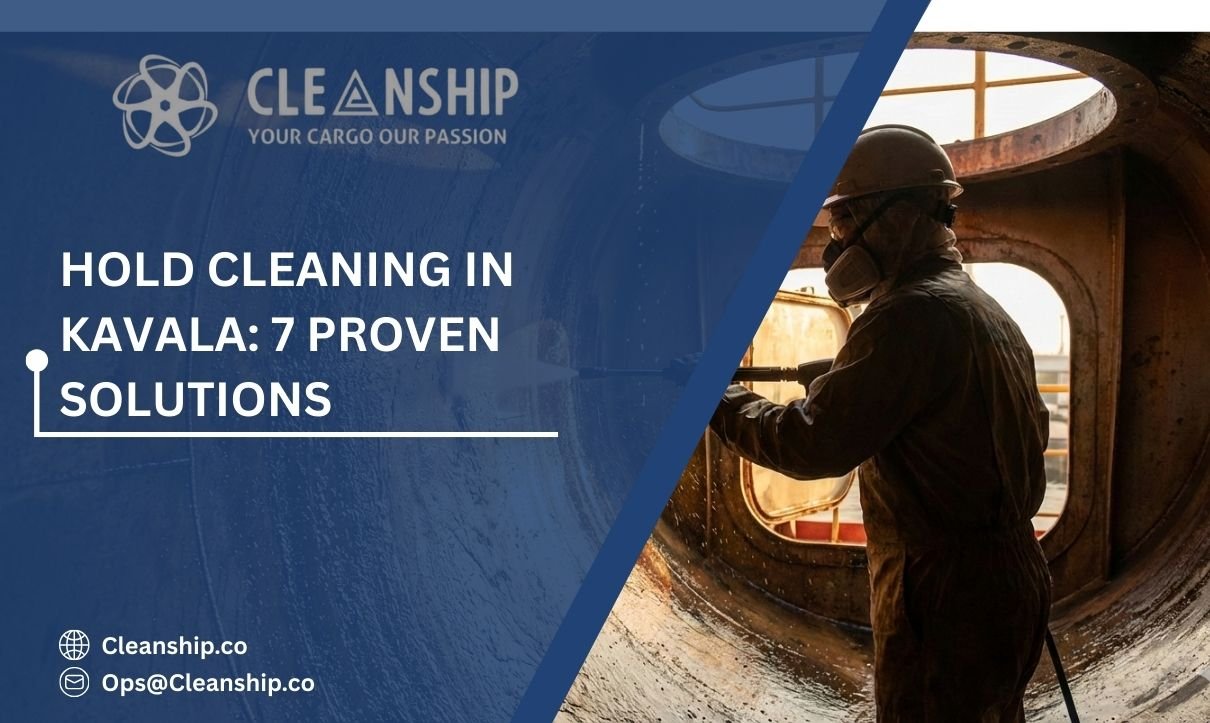
Hold Cleaning in Kavala Hold cleaning in Kavala is a decisive factor in whether your bulk carrier loads on time or faces costly delays. In a port that handles grain, coal, fertilizers, and mineral cargoes, cargo holds must meet strict cleanliness standards before survey approval. A single patch of residue or loose rust scale can result in rejection. Professional cargo hold cleaning is not cosmetic work. It is a structured, regulated process that protects cargo integrity, crew safety, and your commercial reputation. Kavala’s location in the northern Aegean connects Mediterranean and Black Sea trades. That strategic position demands operational discipline aligned with international maritime standards. Why Kavala Is Critical for Bulk Carrier Hold Cleaning Kavala serves vessels trading agricultural and mineral commodities. Bulk carriers often arrive after discharging coal or clinker and must prepare holds for grain or fertilizer. That transition requires precise cleaning. When you perform hold cleaning in Kavala, you are not just preparing steel surfaces. You are preparing a controlled cargo environment. Charterers expect “grain clean” or “hospital clean” standards depending on cargo type. Failure means: Professional cleaning prevents these risks. India’s Growing Role in Marine Cleaning Expertise India has become a global center for marine technical services. Indian-trained marine engineers, superintendents, and inspectors support fleets worldwide. Their structured approach to inspection and documentation influences cleaning practices in European ports, including Kavala. Why is this relevant? Because standardized systems developed in Indian ports emphasize: This process-driven culture strengthens consistency across international operations. Regulatory Framework Governing Hold Cleaning Operations Marine cleaning activities must comply with global frameworks, including: These frameworks shape every stage of bulk hold cleaning. Waste water discharge, residue handling, and crew entry procedures must follow documented rules. Compliance is not optional. It protects your vessel from detention and environmental penalties. Understanding MARPOL in Cargo Hold Washing Under the MARPOL Convention, wash water discharge depends on cargo type and sea area classification. Certain residues require retention onboard for shore disposal. During hold cleaning in Kavala, proper management includes: Incomplete records can lead to inspection issues even if the hold appears clean. IMCA Safety Guidance for Confined Spaces Cargo holds are confined spaces. Oxygen levels may drop. Toxic gases can accumulate. Dust from previous cargo may pose respiratory hazards. IMCA guidance emphasizes: You treat a cargo hold like an industrial chamber, not an open warehouse. Solution 1: Cargo History Review Before Hold Cleaning Effective cargo hold preparation in Kavala begins with understanding the previous cargo. Coal residues behave differently from cement dust or grain sweepings. A proper assessment includes: Like diagnosing a mechanical system, you must identify the root condition before applying treatment. Solution 2: Mechanical Washing Systems for Bulk Holds High-pressure washing removes compacted residues and dust accumulation. Portable or fixed systems deliver controlled water jets across frames, bulkheads, and tank tops. Benefits include: Mechanical washing ensures structural areas behind stiffeners are thoroughly cleaned. Solution 3: Manual Spot Cleaning for Stubborn Residues Certain areas require manual intervention. Hardened cement or fertilizer crust may resist standard washing. Trained teams use: This detailed approach ensures compliance with Final Quality Rules before survey inspection. Solution 4: Bilge and Drain Channel Management Bilges are often overlooked. Yet surveyors inspect them closely. Residues trapped in drain channels can contaminate new cargo. Best practice includes: Effective hold cleaning in Kavala demands attention to these hidden spaces. Solution 5: Drying and Ventilation Procedures After washing, holds must be dried completely. Moisture can damage sensitive cargo like grain or sugar. Ventilation steps include: A dry hold signals readiness and professionalism. Solution 6: Inspection and Marine Supercargo Oversight A marine supercargo plays a critical role in quality verification. They assess whether the hold meets charter party standards. Inspection covers: Their verification reduces disputes between shipowner and charterer. Solution 7: Documentation and Compliance Workflow Professional operations rely on documentation. A structured compliance workflow includes: Digital systems reduce errors and provide traceable audit trails aligned with IMO and port authority requirements. Environmental Protection and Cost Efficiency Environmental discipline protects both the sea and your operating budget. Efficient hold washing prevents contamination and reduces corrosion risk. Clean holds: Professional standards are financially strategic decisions. The Role of Industry Benchmarks Companies such as Cleanship.co illustrate how global tank and hold cleaning operations integrate compliance support. Their approach combines: These integrated practices reflect modern maritime risk management rather than isolated cleaning tasks. Bulk Carrier Cleaning Standards in Practice Grain cargo requires “grain clean” condition. That means no loose rust, paint flakes, previous cargo traces, or standing water. Mineral cargo standards may be less stringent visually but require removal of corrosive residues. Surveyors apply consistent benchmarks. Professional hold cleaning in Kavala must anticipate these standards before inspection begins. Future Trends in Marine Cleaning Technology The industry is evolving toward safer and more efficient systems: These innovations reduce crew exposure and improve operational transparency. As environmental regulations tighten under IMO frameworks, technological adoption becomes necessary. Ports aligned with IAPH initiatives increasingly encourage sustainable cleaning practices. Integration of Tank and Hold Cleaning Strategies Many operators combine tank and bulk hold cleaning planning within one compliance framework. Shared principles include: An integrated system improves fleet-wide consistency. Conclusion Hold cleaning in Kavala requires structured planning, regulatory awareness, and disciplined execution. First, compliance with IMO, MARPOL Convention, and IMCA guidance protects your vessel legally and environmentally. Second, thorough inspection and documentation prevent costly cargo disputes. Third, trained crews and modern equipment ensure consistent quality across bulk operations. Marine cargo integrity depends on preparation, not assumption. For operators seeking structured cleaning protocols, cargo supervision, and compliance-focused maritime services, Cleanship.co represents a reliable benchmark for operational excellence and industry-aligned standards. FAQs: