- Your cart is empty Browse Shop
26
Feb, 26
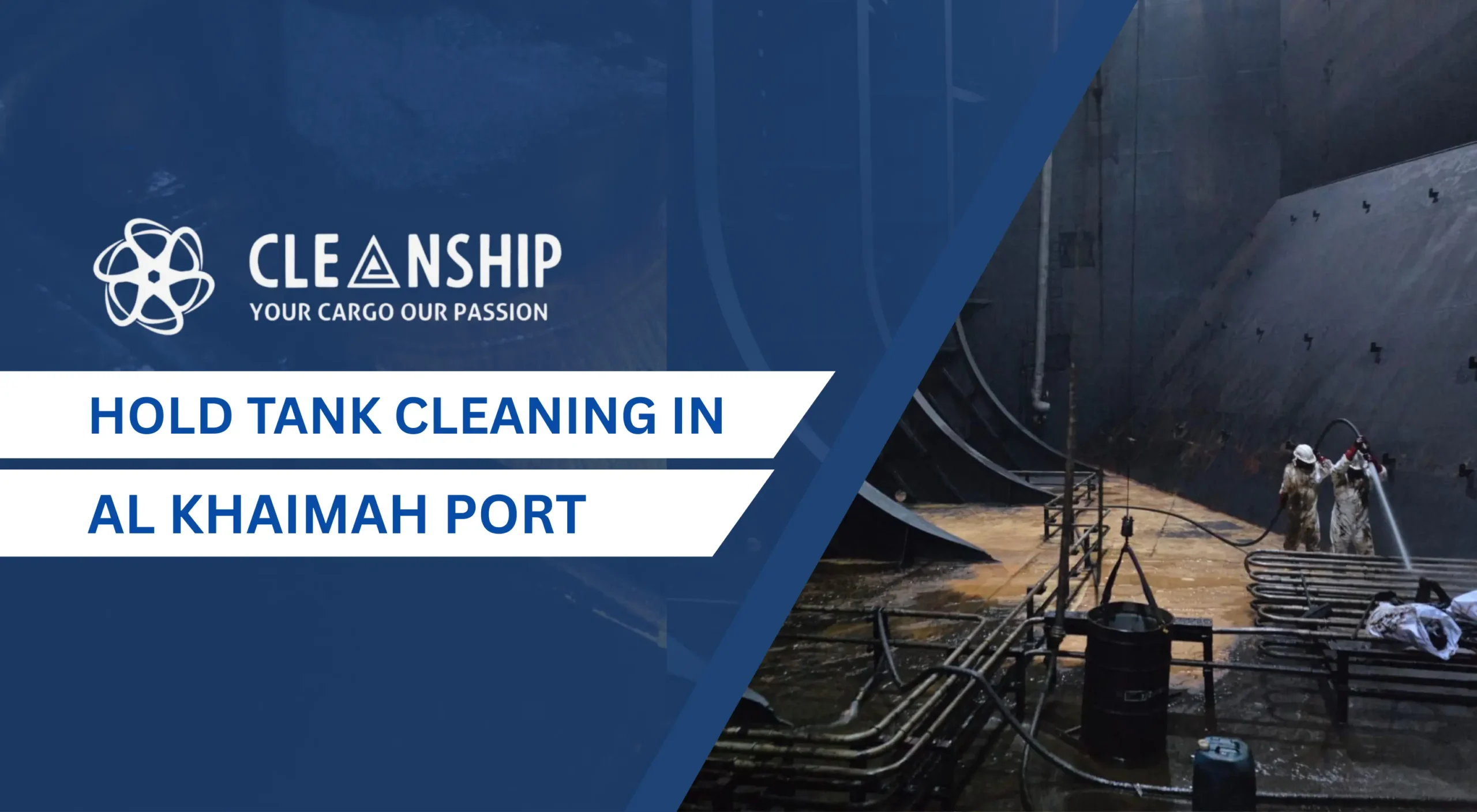
Hold Tank Cleaning in Al Khaimah Port: 7 Expert Steps
Hold Tank Cleaning in Al Khaimah Port Hold tank cleaning in Al Khaimah Port is a technical operation that directly affects cargo safety, regulatory compliance, and vessel turnaround time. Whether you operate a bulk carrier, combination carrier, or multipurpose vessel, residues left inside holds and adjacent tanks can trigger cargo rejection, structural corrosion, or port detention. Cleaning is not cosmetic. It is procedural, documented, and inspection-driven. In Al Khaimah’s operational environment, efficiency must align with international compliance standards. The following seven expert steps outline how you manage hold and tank cleaning professionally and safely. The Operational Context of Hold and Tank Cleaning When we speak about hold and tank systems, we refer to enclosed cargo compartments and adjacent structural spaces that accumulate residues, wash water, and contaminants. After discharging coal, fertilizer, clinker, or grain, residues settle into frames, bilges, and structural stiffeners. If these residues remain, the next cargo absorbs contamination. A small amount of previous fertilizer dust can downgrade a grain cargo. The financial risk is real and measurable. Why India Plays a Key Role in Marine Cleaning India has become a strategic hub for marine technical services. Skilled manpower, regulatory awareness, and competitive port ecosystems support international shipping. Indian marine contractors increasingly align operations with global compliance expectations. Many service providers operate across the Middle East and Asia, applying structured cleaning and inspection workflows that meet charterer standards. This regional expertise influences best practices in ports such as Al Khaimah. Regulatory Framework Governing Cleaning Operations Professional hold tank cleaning in Al Khaimah Port must align with international maritime rules. IMO Compliance Requirements The International Maritime Organization establishes global safety and environmental standards. While it does not issue specific cleaning manuals, its conventions shape pollution prevention, safety procedures, and vessel inspections. Compliance supports smooth port state control clearance. MARPOL Environmental Obligations The MARPOL Convention regulates discharge of residues and wash water. Annex V addresses garbage and cargo residues. Improper disposal can result in heavy penalties. You must manage discharge records carefully. Environmental protection is not optional. IMCA Safety Guidance The International Marine Contractors Association provides guidance on confined space entry, risk assessment, and contractor safety. These principles apply directly to tank and hold cleaning operations. IAPH and Port Governance The International Association of Ports and Harbors promotes sustainable port management. Increasingly, ports expect documented cleaning and environmental compliance before granting clearance. 7 Expert Steps for Hold Tank Cleaning in Al Khaimah Port Step 1: Conduct a Structured Pre-Cleaning Assessment Before starting hold tank cleaning in Al Khaimah Port, evaluate: A written risk assessment reduces operational uncertainty. Step 2: Remove Gross Residues First Manual sweeping and shoveling eliminate bulk residues before washing. Skipping this step leads to clogged bilges and extended washing time. Mechanical removal saves water and shortens cleaning cycles. Step 3: Select the Correct Washing Medium The cleaning medium depends on cargo transition. Using excessive pressure can damage coatings. Controlled washing preserves structural integrity. Step 4: Clean Bilges and Drainage Systems Residues settle in bilge wells and suction lines. If not removed, contamination reappears during inspection. You should: A visually clean hold can still fail inspection due to hidden contamination. Step 5: Ensure Proper Ventilation and Drying Drying is critical when preparing for grain cargo. Moisture causes mold growth and cargo damage. Use natural ventilation when climate permits. In humid conditions, forced air systems accelerate drying. Moisture meters provide objective confirmation. Step 6: Inspect Coatings and Structural Surfaces Cleaning exposes structural defects. Corrosion, coating breakdown, and cracks must be identified early. Think of cleaning as a diagnostic process. You reveal hidden weaknesses before they escalate into costly steel renewal. Step 7: Perform Independent Supercargo Inspection Final inspection verifies compliance with charter party requirements. Industry references such as Marine Supercargo and World Ports emphasize the value of third-party verification. Acceptance criteria often align with the Final Quality Rules, particularly for sensitive cargo. Standards for Tank, Hold, and Bulk Carrier Cleaning Hold cleaning standards differ from tanker operations but share compliance principles. Integrated service models, such as those practiced by Cleanship.co, combine global tank and hold cleaning operations with cargo supervision and compliance support. Many structured operators also integrate crew safety programs, including drug and alcohol testing services to strengthen confined space safety culture. Inspection and Documentation Workflow Professional cleaning follows a documented workflow: Documentation protects the vessel in case of cargo claims. Logs, photographs, and checklists serve as evidence of due diligence. Safety Considerations in Confined Spaces Cargo holds and tanks qualify as confined spaces. Hazards include: Gas detection equipment must be calibrated. Entry permits and standby personnel are mandatory. Safety is procedural, not improvisational. Environmental and Cost Efficiency Benefits Effective hold tank cleaning in Al Khaimah Port reduces: Environmentally responsible operations align with MARPOL requirements and protect marine ecosystems. Efficient cleaning also reduces water and chemical consumption. The Economic Impact of Proper Cleaning Cargo rejection results in off-hire, claims, and reputation damage. A single failed inspection can delay loading by days. Structured cleaning reduces variability. When processes are standardized, turnaround times become predictable. Predictability is operational currency in shipping. Future Trends in Marine Cleaning Innovation is reshaping cleaning practices. Emerging developments include: Ports aligned with global sustainability goals expect measurable environmental reporting. Data transparency is becoming central to compliance. Operational Realities in Al Khaimah Al Khaimah’s climate influences cleaning strategy. Heat accelerates drying, but humidity can trap moisture inside structural frames. Planning must account for weather conditions. Efficient scheduling prevents unnecessary port costs while ensuring proper drying before inspection. Conclusion Hold tank cleaning in Al Khaimah Port requires technical discipline and regulatory awareness. Three principles define successful operations. First, compliance with IMO and MARPOL frameworks protects vessels from penalties and cargo claims. Second, structured inspection and documentation ensure transparent verification. Third, safety in confined spaces must remain central to every cleaning cycle. Professional operators increasingly rely on integrated service models similar to Cleanship.co, combining tank and hold cleaning, cargo supervision, and crew safety programs. For vessels calling at Al Khaimah, partnering with experienced maritime service providers ensures