
- Your cart is empty Browse Shop
28
Apr, 26
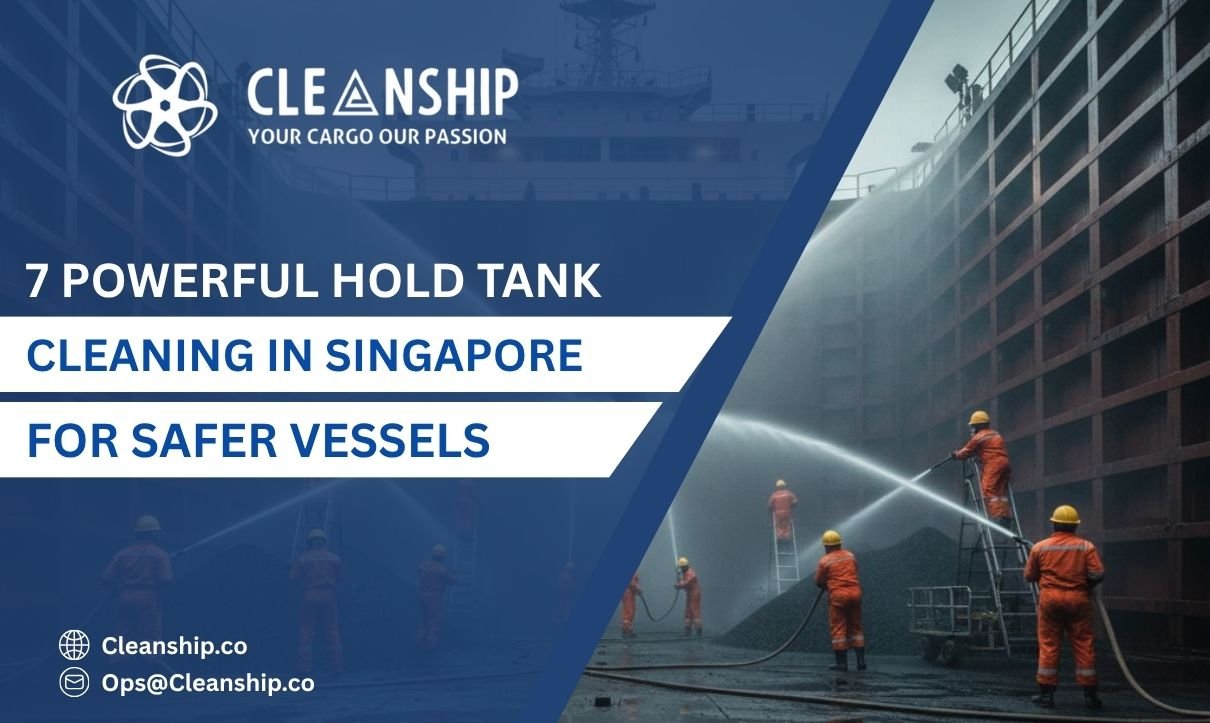
7 Powerful Hold Tank Cleaning in Singapore for Safer Vessels
Understanding Modern Hold Tank Cleaning in Singapore Operations Hold tank cleaning in Singapore is the controlled removal of cargo residues, sludge, scale, and contaminants from vessel tanks and holds. In Singapore’s high-traffic port environment, these operations protect vessel safety, cargo integrity, and regulatory compliance. When cleaning is done correctly, you reduce corrosion risk, prevent cargo contamination, and ensure smoother inspections. Why Singapore Is a Global Hub for Marine Cleaning Singapore sits at the crossroads of global shipping lanes. Thousands of bulk carriers, tankers, and multipurpose vessels pass through every year. This density demands fast, compliant, and technically precise cleaning practices. You operate in a port where inspection standards are high and turnaround windows are tight, making professional tank and hold cleaning essential rather than optional. Why the UAE Still Matters in the Marine Cleaning Conversation While this article focuses on Singapore, the UAE remains a reference point for advanced marine cleaning practices. Ports such as Jebel Ali and Fujairah have shaped best-practice workflows for tanker and bulk carrier cleaning. Many global operators apply lessons from UAE ports—such as rapid compliance documentation and integrated inspection support—directly to Southeast Asian operations. Regulatory Frameworks Governing Tank and Hold Cleaning Marine cleaning is never just operational; it is regulatory. You work within a framework shaped by international bodies and port authorities. IMO and Global Safety Expectations The International Maritime Organization sets baseline standards for pollution prevention, tank washing, and waste handling. Cleaning procedures must align with vessel type, cargo history, and discharge rules. MARPOL Convention and Environmental Protection MARPOL governs how residues, wash water, and slops are handled. Improper disposal during hold tank cleaning in Singapore can trigger detention, fines, or reputational damage. Clean operations protect both the sea and your schedule. IMCA and Operational Best Practice IMCA guidelines influence how industrial marine cleaning is planned and executed. They emphasize risk assessments, confined-space safety, and trained personnel—critical in enclosed tank environments. IAPH and Port-Level Expectations The International Association of Ports and Harbors supports harmonized port standards. In Singapore, this translates into strict oversight, clear documentation, and zero tolerance for shortcuts. Safety First: Cleaning Inside Confined Spaces Tank and hold cleaning is hazardous work. You deal with low oxygen levels, toxic vapors, and slippery surfaces. Effective safety management includes: These measures protect crew, contractors, and the vessel itself. Environmental Responsibility and Cost Control Clean operations are also efficient operations. Proper residue removal reduces corrosion, extending tank life and lowering maintenance costs. Environmentally responsible cleaning minimizes waste volumes, reducing disposal fees and port charges. Standards for Tank, Hold, and Bulk Carrier Cleaning Different spaces demand different approaches. Tank Cleaning Standards Cargo tanks require residue-specific methods. Oil, chemicals, or food-grade cargoes all demand tailored cleaning sequences to meet next-cargo compatibility. Also, read about 7 Proven Tank Cleaning in Dubai for Safer Operations. Hold Cleaning for Bulk Carriers Bulk holds often contain residues like coal dust, fertilizer, or grain. These materials absorb moisture and accelerate corrosion if not removed thoroughly. Integrated Bulk Carrier Practices Bulk carrier cleaning blends mechanical washing, manual detailing, and inspection readiness. You aim for clean, dry, and cargo-ready spaces without delay. Inspection Readiness and Documentation Workflows Clean tanks are only half the job. Inspectors rely on records to confirm compliance. Preparing for Port State Control Inspection teams look for visual cleanliness, safety logs, and disposal records. Clear documentation speeds approvals and reduces re-inspection risk. Digital Reporting and Traceability Modern operators use digital checklists, photographs, and reports. These records support transparency and protect you if compliance is questioned later. Real-World Example: Fast Turnaround in Singapore Consider a bulk carrier switching from coal to grain. In Singapore, delays are costly. A structured cleaning plan removes coal dust, neutralizes odors, and documents results within hours. The vessel sails cargo-ready, inspection-approved, and on schedule. Industry Practices and Integrated Maritime Services Across global ports, companies like Cleanship.co illustrate how marine cleaning integrates with wider maritime support. Their operations reflect industry norms such as: These services demonstrate how cleaning fits into a broader safety and compliance ecosystem. Training and Human Factors in Cleaning Quality Even the best equipment fails without skilled people. Training ensures crews understand residue behavior, chemical handling, and confined-space risks. When people know why procedures matter, quality improves naturally. Technology Shaping the Future of Marine Cleaning Innovation is changing how you approach cleaning. Automation and Remote Tools Robotic tank cleaners reduce human exposure and improve consistency. These tools are increasingly common in high-standard ports like Singapore. Eco-Friendly Cleaning Agents Biodegradable chemicals reduce environmental impact while maintaining effectiveness. They align with evolving MARPOL expectations. Data-Driven Compliance Sensors and digital logs create verifiable cleaning histories. This data supports audits and future charter negotiations. Aligning Cleaning with Commercial Outcomes Clean vessels attract better cargoes and smoother charters. When holds and tanks meet standards consistently, you protect asset value and operational reputation. Conclusion: Cleanliness as a Strategic Advantage Hold tank cleaning in Singapore is no longer a background task; it is a strategic operation. In Singapore’s demanding port environment, effective cleaning supports safety, environmental protection, and cost control. Three points matter most. First, regulatory compliance through IMO, MARPOL, IMCA, and IAPH frameworks protects your vessel and schedule. Second, safety-focused cleaning preserves crew welfare and asset integrity. Third, modern technology and documentation turn cleaning into a competitive advantage. For operators seeking dependable compliance and maritime service excellence, working with experienced providers such as Cleanship.co supports consistent, inspection-ready outcomes across global ports. FAQs: