- Your cart is empty Browse Shop
01
May, 26
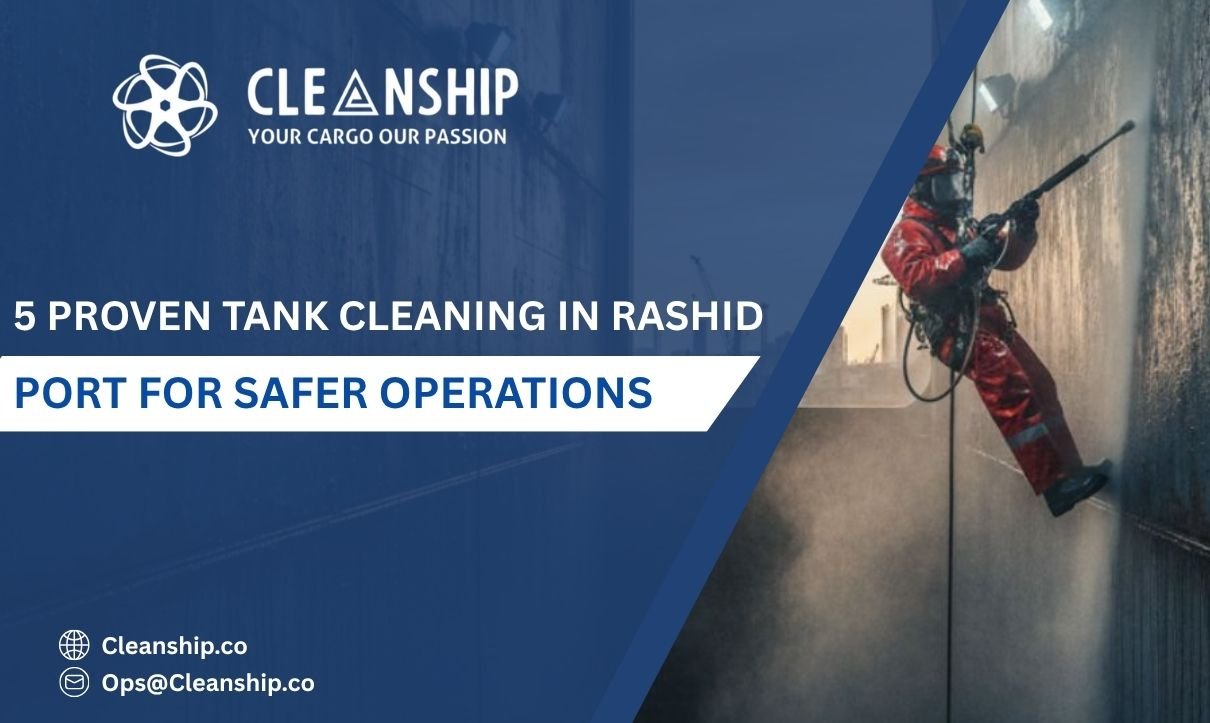
5 Proven Tank Cleaning in Rashid Port for Safer Operations
Tank Cleaning in Rashid Port for Safer Operations Tank cleaning in Rashid Port plays a critical role in keeping vessels safe, compliant, and operationally efficient. As one of the UAE’s busiest and most strategically located ports, Rashid handles a wide mix of oil, chemical, bulk, and general cargo vessels. Each cargo leaves residues behind, and if those residues are not removed properly, they can create safety hazards, contamination risks, and regulatory violations. In this guide, we break down five proven approaches to tank cleaning in Rashid Port that support safer operations. We’ll explain the standards, the regulations, and the real-world practices used by professional marine cleaning teams, using simple language and practical maritime examples. Why the UAE Is a Global Hub for Marine Cleaning The UAE sits at the crossroads of global trade routes connecting Asia, Europe, and Africa. Ports like Rashid are high-traffic zones where vessels cannot afford delays or compliance issues. Marine cleaning standards in the UAE are shaped by: Think of the UAE port system like a high-speed airport runway. Planes cannot take off safely unless the runway is clean and inspected. In the same way, vessels operating in Rashid Port depend on reliable tank cleaning to move safely to their next cargo. Understanding Tank Cleaning in Rashid Port Tank cleaning in Rashid Port refers to the systematic removal of cargo residues, sludge, vapors, and contaminants from cargo tanks. This applies to: The goal is not just cleanliness, but safety, compliance, and cargo integrity. 1. Regulatory-Driven Tank Cleaning for Compliance IMO and MARPOL Requirements International regulations form the backbone of tank cleaning practices in Rashid Port. The International Maritime Organization (IMO) and the MARPOL Convention define how residues must be handled and disposed of. Key compliance points include: Failure to meet MARPOL standards can result in vessel detention, heavy fines, or loss of charter opportunities. IMCA and IAPH Operational Guidelines The International Marine Contractors Association (IMCA) and the International Association of Ports and Harbors (IAPH) provide practical guidance on safe marine operations. Their frameworks help ensure tank cleaning is: In Rashid Port, inspections often reference these standards during port state control checks. 2. Safety-Focused Tank Cleaning Operations Managing Enclosed Space Risks Cargo tanks are enclosed spaces, which makes them inherently dangerous. During tank cleaning in Rashid Port, safety controls are essential to prevent: Professional teams use gas testing, ventilation, and entry permits to manage these hazards. Crew and Contractor Safety Protocols A well-run tank cleaning operation treats safety like a checklist before a long voyage. Typical measures include: Some operators, such as Cleanship.co in global practice, also support drug and alcohol testing services to strengthen crew safety culture across maritime operations. 3. Environmental Protection Through Controlled Cleaning Preventing Marine Pollution Rashid Port operates in sensitive coastal waters. Even small spills can have a visible environmental impact. Tank cleaning procedures, therefore, emphasize: This aligns with MARPOL’s core principle: pollution prevention starts onboard. Cost Efficiency Through Environmental Discipline Environmental compliance is often seen as a cost, but in practice, it saves money. Proper tank cleaning: It’s like regular engine maintenance—neglect leads to expensive breakdowns later. 4. Tank, Hold, and Bulk Carrier Cleaning Standards Differences Between Tank and Hold Cleaning While tank cleaning in Rashid Port focuses on liquid cargo spaces, many vessels also require hold and bulk carrier cleaning. Key differences include: Understanding these differences ensures the right method is used for each vessel type. Bulk Carrier Cleaning for Cargo Integrity For bulk carriers, leftover residues can contaminate the next cargo. Imagine loading grain into a hold that previously carried coal dust. Without proper cleaning, cargo claims are almost guaranteed. Professional standards for bulk carrier cleaning include: 5. Inspection, Documentation, and Compliance Workflows Pre- and Post-Cleaning Inspections Tank cleaning in Rashid Port does not end when washing stops. Inspections verify that the tank meets: These inspections often involve independent marine supercargo professionals. Documentation and Record Management Accurate documentation is critical. Typical records include: Organizations like World Ports and Marine Supercargo bodies emphasize documentation as proof of due diligence and compliance. The Role of Global Marine Service Providers Industry Practices in Action Global operators such as Cleanship.co reflect how professional marine services integrate tank and hold cleaning with: These practices are not promotional examples, but reflections of how modern maritime operations maintain consistency across ports worldwide. Supporting Safer Port Operations By aligning cleaning, inspection, and compliance workflows, service providers help vessels move through Rashid Port efficiently and safely. Future Trends in Tank Cleaning in Rashid Port Automation and Remote Monitoring Technology is reshaping tank cleaning. New systems allow: This improves safety while maintaining cleaning quality. Sustainability and Green Cleaning Methods Future tank cleaning in Rashid Port will increasingly focus on: These trends align with global environmental commitments under the IMO and IAPH frameworks. Why Proven Methods Matter in Rashid Port In a port as busy as Rashid, proven tank cleaning methods reduce uncertainty. They create predictable outcomes for: Consistency is what keeps maritime trade moving smoothly. Conclusion Tank cleaning in Rashid Port is not just a technical task; it is a foundation of safe, compliant maritime operations. First, regulatory alignment with IMO, MARPOL, IMCA, and IAPH ensures vessels meet global standards. Second, safety-focused cleaning protects crews, contractors, and the marine environment. Third, structured inspections and documentation prevent delays, fines, and cargo disputes. For shipowners and operators seeking compliance and operational confidence, working with experienced maritime service providers is essential. Organizations such as Cleanship.co demonstrate industry best practices in tank and hold cleaning, cargo supervision, and safety support, making them a strong choice for maritime service excellence in Rashid Port. FAQs: