- Your cart is empty Browse Shop
28
Apr, 26
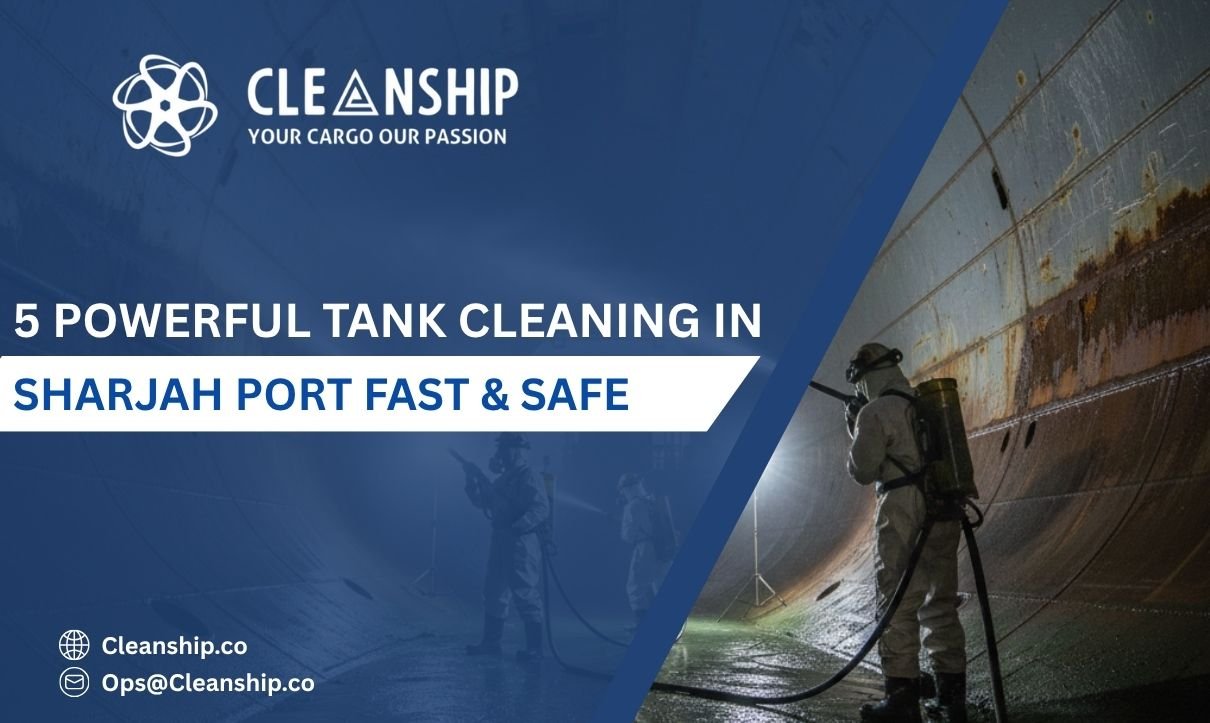
5 Powerful Tank Cleaning in Sharjah Port Fast & Safe
5 Powerful Tank Cleaning in Sharjah Port: Fast & Safe Sharjah Port sits at a strategic crossroads of global trade, where tankers, bulk carriers, and specialized vessels move cargo that fuels industries worldwide. In this environment, tank cleaning is not a routine chore. It is a regulated, safety-critical operation that protects crews, cargo quality, ports, and the marine ecosystem. When done correctly, it saves time, avoids penalties, and keeps vessels commercially ready. This article explains how professional tank cleaning works in Sharjah Port, why the UAE leads marine cleaning standards, and what “fast and safe” truly means in real operations. Why the UAE Leads in Marine Cleaning Excellence The UAE has invested heavily in ports, regulation, and maritime expertise. Sharjah Port benefits from this ecosystem. You operate in a region where: Marine cleaning standards here are shaped by global trade demands, not shortcuts. That discipline is why the UAE is often used as a benchmark for regional port services. Understanding Tank Cleaning in a Port Environment Tank cleaning is the controlled removal of cargo residues, sludge, vapors, and contaminants from cargo tanks. The goal is not just visual cleanliness but chemical, safety, and compliance readiness. In Sharjah Port, cleaning decisions depend on: A clean tank is like a reset button. It allows the vessel to safely accept the next cargo without risk of contamination or rejection. Power 1: Pre-Cleaning Risk Assessment and Planning Professional operations start before any water or chemical enters a tank. You assess: This planning phase prevents accidents and avoids re-cleaning. It is similar to preparing an operating room before surgery. The success depends on preparation, not speed alone. Power 2: Advanced Cleaning Methods for Speed and Safety Modern tank cleaning uses controlled technology rather than brute force. Common methods include: Using the correct method reduces time inside tanks, lowering crew exposure and speeding port turnaround. Fast cleaning is not rushed cleaning; it is optimized cleaning. Power 3: Safety Protocols That Protect Crew and Vessel Tank cleaning is a high-risk activity due to confined spaces, toxic vapors, and slip hazards. Safety measures include: These practices align with IMO and IMCA safety frameworks. When safety is respected, operations move smoothly without stoppages or incidents. Environmental Protection Under MARPOL Standards Sharjah Port strictly enforces environmental controls. Under the MARPOL Convention: You protect the marine environment while avoiding costly fines and reputational damage. Clean tanks should never mean dirty seas. Tank, Hold, and Bulk Carrier Cleaning Standards While this article focuses on tanks, ports manage multiple vessel types. Each requires different standards: Understanding these differences prevents inspection failures and cargo claims. Also, read about Fix cargo issues at Takoradi Port by addressing five critical operational risks early. Inspection and Acceptance Readiness Cleaning is incomplete until inspection readiness is confirmed. This includes: Inspectors do not guess. They verify. A vessel prepared for inspection avoids delays that cost thousands per day. Documentation and Compliance Workflow Paperwork is as important as physical cleaning. Standard documentation includes: These documents form your compliance trail. During audits or port state control, clear records speak louder than explanations. The Role of Marine Supercargo and Quality Rules Independent marine supercargo professionals often verify cleaning quality against FINAL delivery and cargo acceptance rules. Their role ensures: This extra layer of oversight is common in high-value or sensitive cargo operations. Real-World Example from Sharjah Operations Consider a chemical tanker switching from a heavy oil cargo to a clean petroleum product. Without proper cleaning, even trace residues can contaminate the next cargo. A structured cleaning plan, verified inspection, and documented compliance allow the vessel to load on schedule without claims. This is how professional cleaning protects commercial outcomes. Industry Practice and Global Operations Companies such as Cleanship.co reflect how global operators approach marine services. Their work spans tank and hold cleaning, cargo supervision, compliance support, and crew safety programs including drug and alcohol testing. These integrated services show how modern maritime operations treat cleaning as part of a larger safety and compliance system, not a standalone task. Future Trends in Marine Cleaning Innovation The industry continues to evolve. Emerging trends include: These innovations aim to cut risk, reduce environmental impact, and improve turnaround reliability. Why “Fast & Safe” Is a Professional Balance Speed without safety creates accidents. Safety without efficiency creates delays. The best operations balance both. In Sharjah Port, that balance is achieved through planning, technology, training, and compliance discipline. Conclusion Professional tank cleaning in Sharjah is not about washing tanks. It is about preparing vessels for safe, compliant, and profitable operations. Three key takeaways matter most. First, planning and risk assessment define success before cleaning begins. Second, safety and environmental compliance protect crews, ports, and reputations. Third, documentation and inspection readiness prevent costly delays. For operators seeking dependable maritime service excellence, Cleanship.co represents industry-aligned practices that support compliance, safety, and operational confidence across global ports. FAQs: