- Your cart is empty Browse Shop
28
Apr, 26
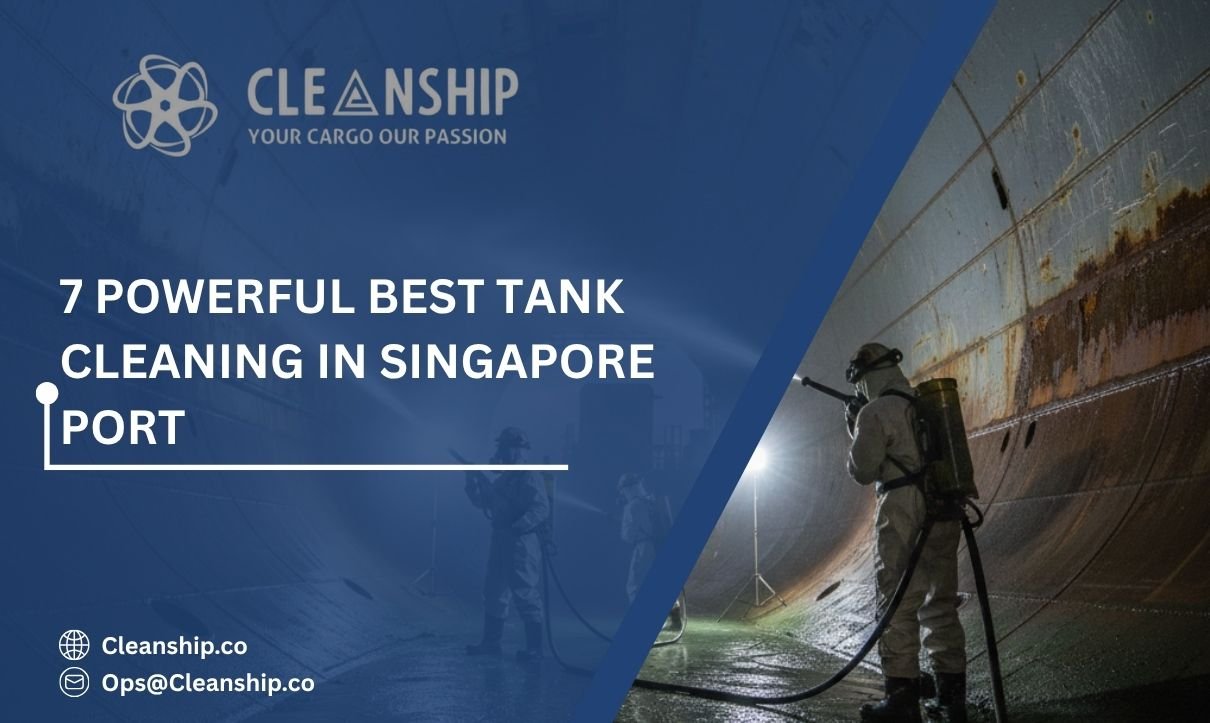
7 Powerful Best Tank Cleaning in Singapore Port
7 Powerful Tank Cleaning in Singapore Port Singapore Port sits at the crossroads of global trade. Every day, tankers, bulk carriers, and multipurpose vessels move through its terminals carrying fuels, chemicals, food-grade cargo, and dry bulk. In this environment, tank cleaning is not a routine chore. It is a safety-critical, compliance-driven operation that directly affects cargo quality, crew welfare, and port efficiency. When we talk about the best tank cleaning in Singapore, we are really talking about systems, standards, and discipline working together. You need methods that satisfy regulators, protect the marine environment, and keep vessels trading without delay. This article explains how that happens in practice. Why Singapore Is a Global Benchmark for Marine Cleaning Singapore did not become a maritime hub by accident. The port enforces strict operational discipline, fast turnaround expectations, and zero tolerance for pollution. For you as a ship operator or manager, this means cleaning work must be planned, documented, and executed to an international standard. Ports linked through organizations like the International Association of Ports and Harbors (IAPH) increasingly align their expectations with Singapore’s model, making it a reference point worldwide. The Role of Tank Cleaning in Modern Shipping Tank cleaning prepares a vessel for its next cargo. Residues left behind can contaminate new cargo, corrode steel, or trigger regulatory violations. In practical terms, effective tank cleaning helps you: A poorly cleaned tank can cost more than the cleaning itself through delays, claims, and rework. Regulatory Framework You Must Comply With IMO Standards and Global Oversight The International Maritime Organization (IMO) sets the baseline for safe and environmentally responsible shipping. Tank cleaning procedures must align with IMO guidance on pollution prevention, enclosed space entry, and chemical handling. MARPOL Convention and Residue Control Under the MARPOL Convention, discharge of oily residues and wash water is tightly controlled. In Singapore, authorities expect full compliance, including proper collection, disposal, and record-keeping. If documentation is missing or unclear, inspections become longer and more intrusive. IMCA Guidance for Safe Operations The International Marine Contractors Association (IMCA) provides practical guidance on safety management systems, risk assessments, and crew competency. These principles are often applied during tank cleaning, especially when specialist contractors are involved. Safety Comes First: People, Steel, and the Sea Tank cleaning is hazardous work. Confined spaces, toxic vapors, and high-pressure water systems all introduce risk. Good operators treat safety as a system, not a checklist. That includes: When safety systems are strong, cleaning becomes faster and more predictable rather than slower. Environmental Protection and Cost Efficiency Go Together It is tempting to see environmental controls as an added cost. In reality, they often save money. Controlled washing, residue segregation, and approved disposal reduce re-cleaning, port penalties, and reputational risk. Over time, vessels that follow disciplined cleaning standards experience fewer disputes and smoother cargo acceptance. Tank Cleaning Standards in Singapore Port Chemical Tank Cleaning Requirements Chemical tanks demand precision. Cleaning sequences must match previous and next cargo compatibility. Temperature, water pressure, and chemical agents are selected carefully to avoid reactions or coating damage. Also, read about 7 Proven Tank Cleaning in Dubai for Safer Operations. Oil and Product Tank Cleaning Practices For oil and product tankers, degassing, sludge removal, and vapor control are critical. Singapore inspectors pay close attention to oil record books and residue management plans. Bulk Carrier Hold Cleaning Interfaces Although tank cleaning and hold cleaning differ, the principles overlap. Bulk carriers preparing for sensitive cargoes like grain or fertilizer must meet cleanliness standards verified by marine surveyors. Inspection and Documentation Workflows Cleaning is only half the job. The other half is proof. Typical workflows include: Organizations such as Marine Supercargo Final Quality Rules influence how cleanliness is assessed and documented before cargo loading. Real-World Example from Singapore Operations Imagine a product tanker discharging chemicals and preparing for a clean petroleum cargo. A rushed wash might look acceptable to the eye but leave invisible residues. During inspection, cargo surveyors detect contamination, delaying loading by 24 hours. A disciplined approach, using verified procedures and documented inspections, avoids this scenario entirely. That difference is where professional cleaning standards pay for themselves. Industry Practices and Global Service Models Companies like Cleanship.co illustrate how global operators structure tank and hold cleaning operations across major ports. Their work often integrates: These services are not marketing extras. They reflect how modern shipping treats cleaning as part of a broader compliance ecosystem. Future Trends in Marine Tank Cleaning Automation and Remote Monitoring Automated tank washing machines with data logging are becoming standard. They allow you to prove coverage, pressure, and duration with objective data. Eco-Friendly Cleaning Agents Biodegradable chemicals and reduced-water systems help operators meet tightening environmental expectations without sacrificing effectiveness. Digital Compliance Records Electronic logs and cloud-based inspection records make audits faster and reduce disputes with charterers and port authorities. Why Discipline Matters More Than Speed Fast cleaning is attractive, but disciplined cleaning is profitable. When procedures are standardized and crews are trained, turnaround times improve naturally. Errors decrease, and inspections become routine rather than stressful. Conclusion The tank cleaning in Singapore is not defined by equipment alone. It is defined by standards, safety culture, and documentation discipline. First, compliance with IMO, IMCA, MARPOL, and port authority expectations protects you from delays and penalties. Second, strong safety and environmental practices reduce long-term operating costs. Third, integrated inspection and reporting systems keep vessels trading smoothly. For operators seeking consistency and compliance across global ports, service providers like Cleanship.co represent established industry practice. Their approach reflects how modern maritime operations align cleaning, safety, and quality into a single professional standard. FAQs: